
1. Reindeer
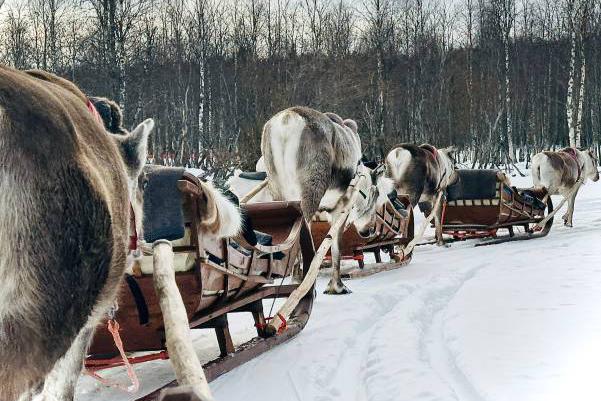
Reindeer are perhaps the most universally recognized holiday animals, largely due to their association with Santa Claus. This image traces back to 19th-century American poems and illustrations that depicted Santa traveling by sleigh pulled by reindeer. In real life, reindeer are native to Arctic and sub-Arctic regions and have long been domesticated by Indigenous peoples such as the Sámi. Their ability to survive harsh winters made them symbols of endurance and seasonal survival. Over time, popular culture transformed them into gentle, flying companions that represent generosity, wonder, and childhood imagination during Christmas celebrations.
2. Polar Bears
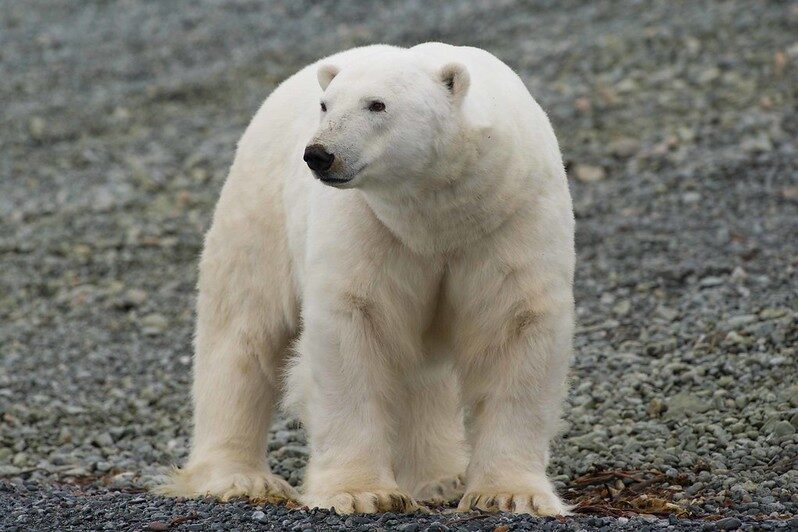
Polar bears have become a visual stand-in for winter itself. Their stark white fur against icy landscapes fits perfectly with holiday imagery centered on snow and cold climates. In the modern era, polar bears gained seasonal fame through documentaries, conservation campaigns, and long-running holiday advertising that emphasized family, warmth, and togetherness. Despite living far from most human settlements, their image feels comforting rather than distant. During the holidays, polar bears often symbolize both the beauty of winter and the importance of protecting fragile environments during a season associated with goodwill.
3. Penguins
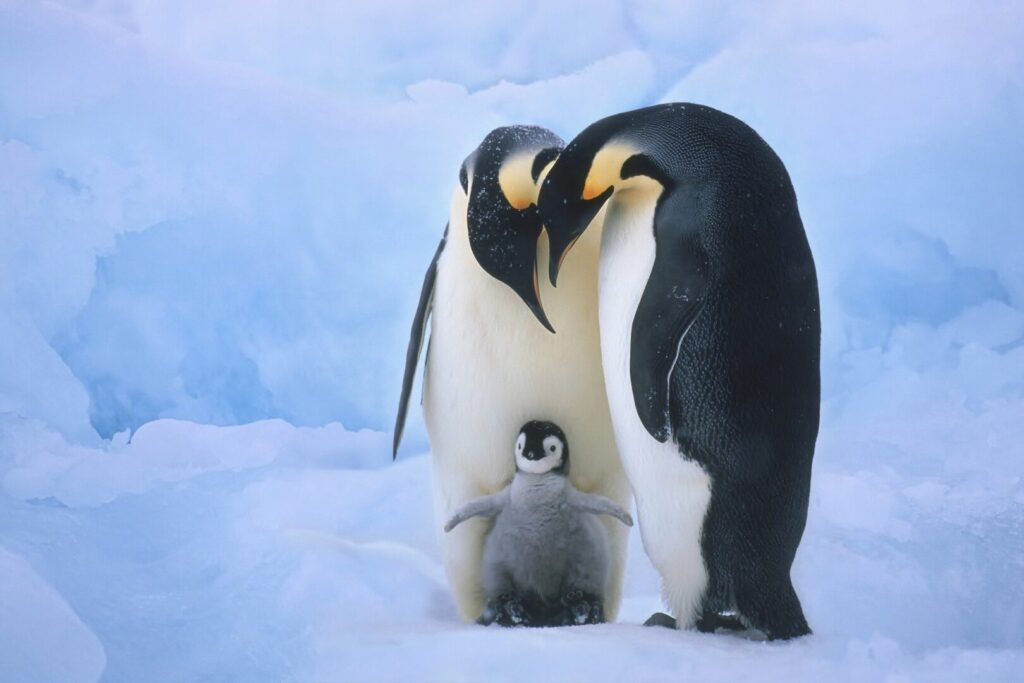
Penguins are strongly associated with the holiday season because of their natural black-and-white coloring, which resembles formal winter attire, and their presence in icy environments. Films, television specials, and holiday merchandise have cemented penguins as playful winter companions. Although they live in the Southern Hemisphere and experience summer during December, their social behavior and close-knit colonies resonate with themes of family and togetherness. Penguins often appear in holiday décor and children’s media as cheerful reminders of cooperation, loyalty, and warmth during cold months.
4. Snowy Owls
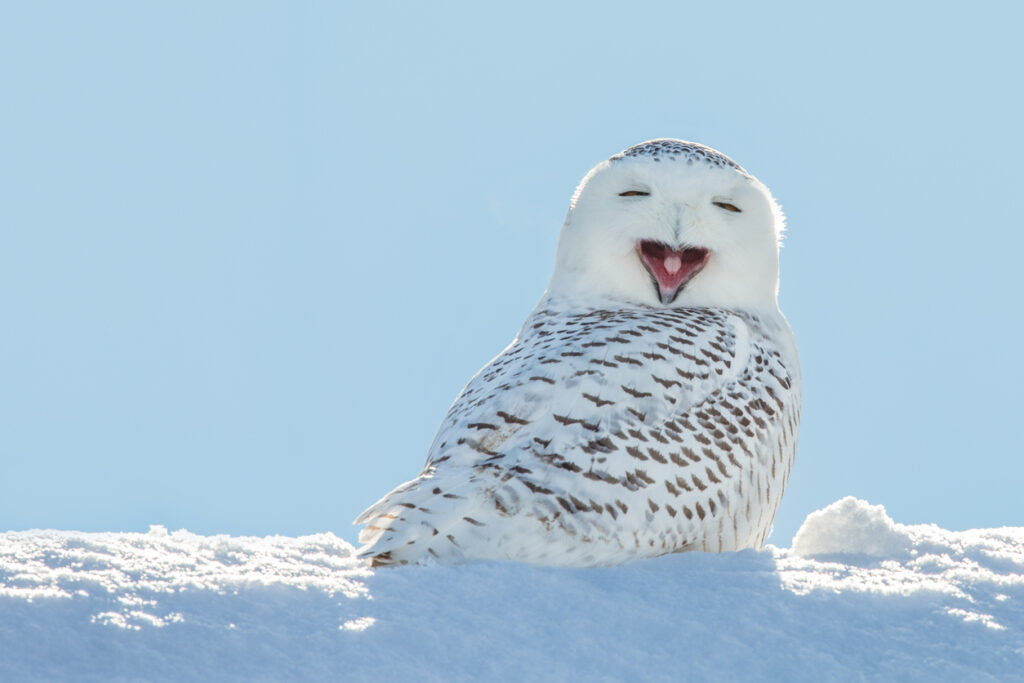
The snowy owl’s pure white feathers and silent flight have made it an enduring symbol of winter. Native to Arctic regions, snowy owls occasionally migrate south during colder months, increasing public fascination during winter seasons. Their calm presence and ghostly appearance have been featured in holiday artwork, nature photography, and winter storytelling. Unlike more playful holiday animals, the snowy owl represents stillness and quiet reflection. It aligns naturally with the slower pace and contemplative mood that often accompanies the end of the year.
5. Doves
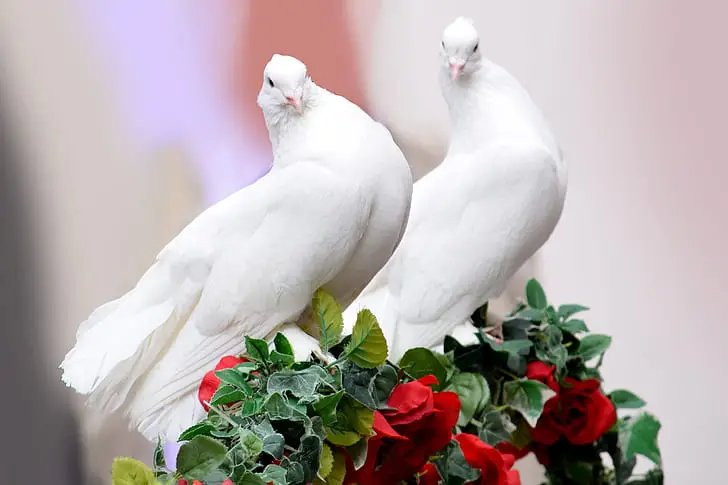
Doves have long symbolized peace, making them especially meaningful during the holiday season. Their association comes from religious texts, classical art, and centuries of cultural storytelling. During Christmas, doves often appear in music, decorations, and greeting cards as reminders of harmony and hope. The image of a white dove is simple yet powerful, reinforcing messages of reconciliation and goodwill. Unlike animals tied to cold climates, doves represent emotional warmth, making them an enduring part of holiday symbolism across many cultures.
6. Cardinals

The bright red cardinal stands out dramatically against winter snow, making it a favorite holiday bird in North America. Its vivid color naturally aligns with traditional Christmas palettes of red and white. Cardinals are year-round residents in many regions, meaning they remain visible when other birds migrate, further tying them to winter. Over time, they have come to symbolize warmth, remembrance, and continuity during the holidays. Their frequent appearance on cards, ornaments, and seasonal artwork reflects how deeply they are woven into winter imagery.
7. Robins

In the United Kingdom and parts of Europe, the robin is one of the most recognizable holiday animals. Its association with Christmas dates back to Victorian-era postmen and early holiday cards, where robins often appeared delivering mail. The bird’s red breast and frequent winter presence made it a natural seasonal emblem. Robins symbolize cheerfulness and familiarity, often representing small joys during darker months. Even today, they remain a staple of European holiday imagery, appearing in decorations, stamps, and seasonal illustrations.
8. Horses
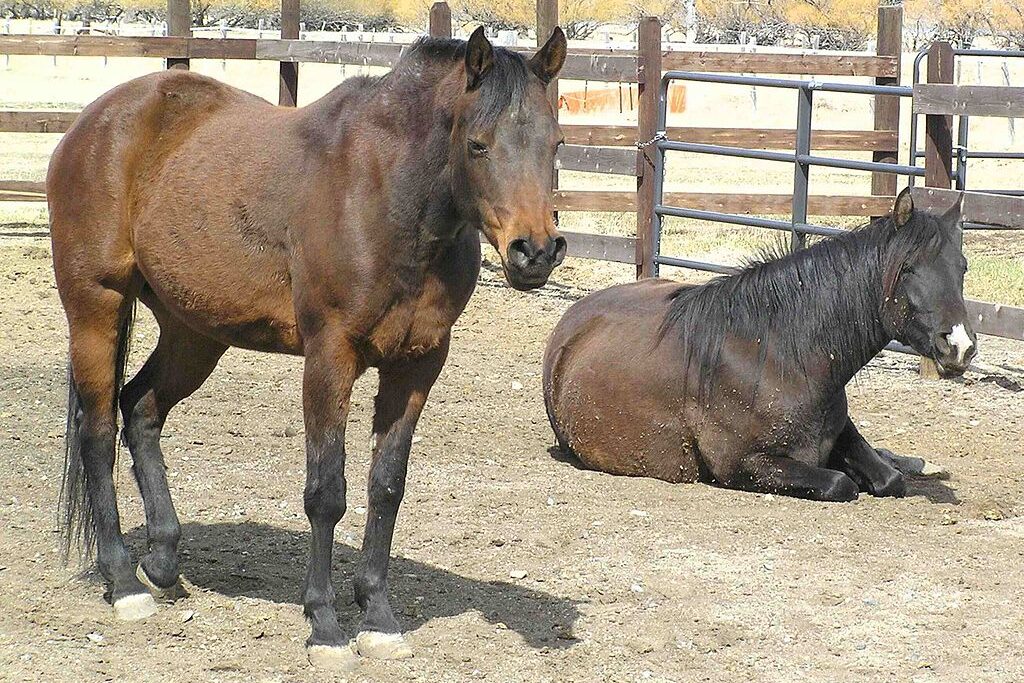
Horses played a central role in winter life before modern transportation, making them an enduring part of holiday nostalgia. Sleigh rides, winter markets, and caroling scenes often feature horses as steady companions in snowy landscapes. Their presence reflects a slower, communal pace associated with traditional holidays. In many cultures, horses symbolize strength, reliability, and partnership. Holiday imagery frequently draws on this history, using horses to evoke a sense of tradition, warmth, and connection to the past.
9. Dogs
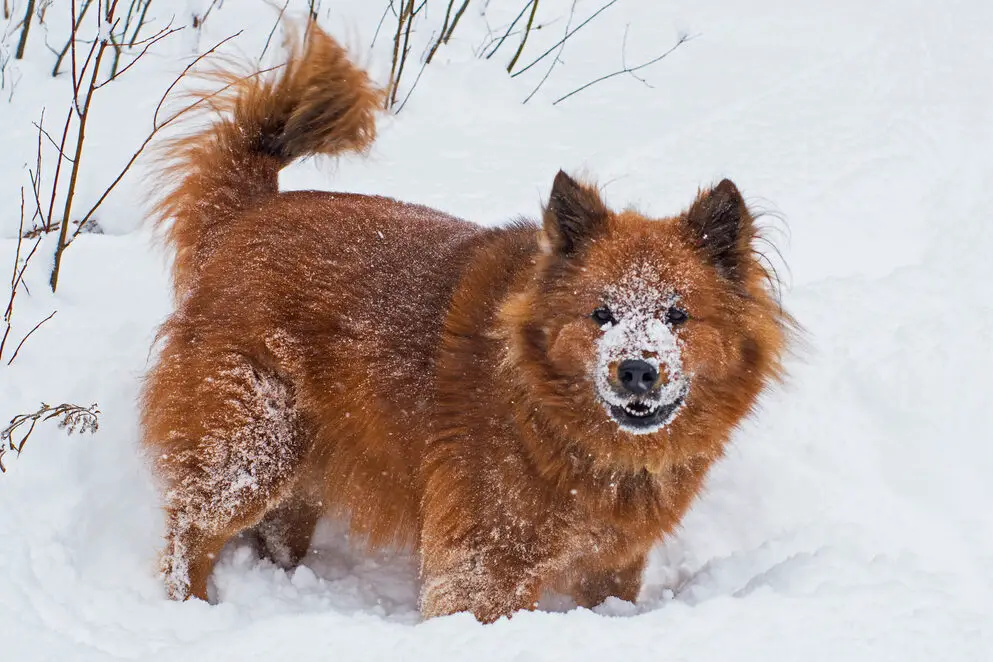
Dogs appear in countless holiday scenes because they represent loyalty, family, and comfort. From classic holiday films to greeting cards, dogs are often shown curled up near fireplaces or playing in the snow. Their adaptability to winter environments and close bond with humans make them natural holiday companions. Many families include pets in seasonal traditions, reinforcing the dog’s place in holiday culture. As symbols, dogs reflect companionship and unconditional affection, values that resonate strongly during the holidays.
10. Cats
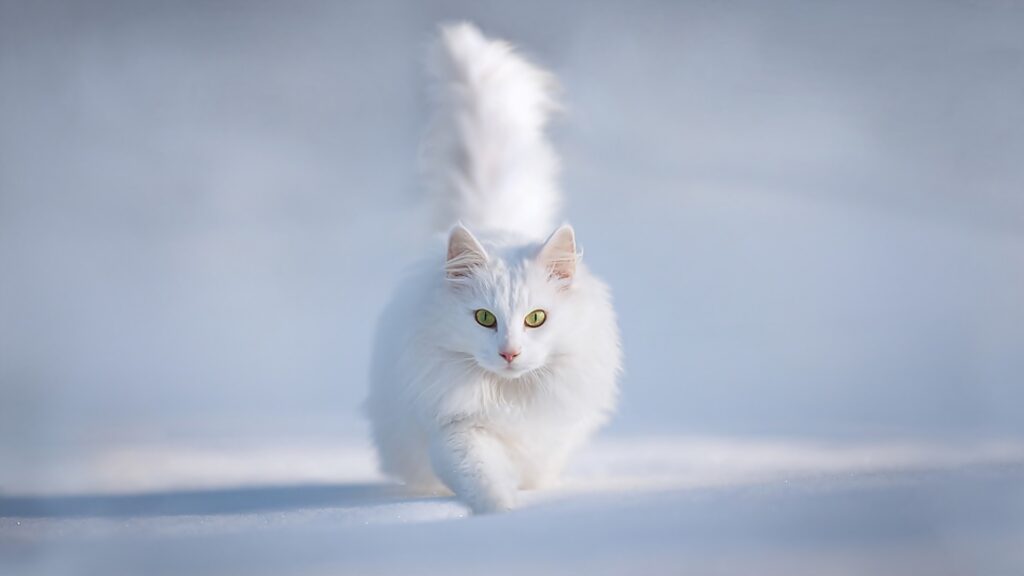
Cats have become modern holiday icons thanks to their presence in cozy indoor scenes. Images of cats in the snow, lounging near decorated trees or watching snowfall through windows are widely shared each season. Their calm, observant nature fits well with the quieter moments of winter celebrations. In popular culture and social media, cats frequently appear in humorous and heartwarming holiday content. While not traditionally symbolic like some animals, cats now represent comfort, home life, and the small pleasures of the season.
11. Moose
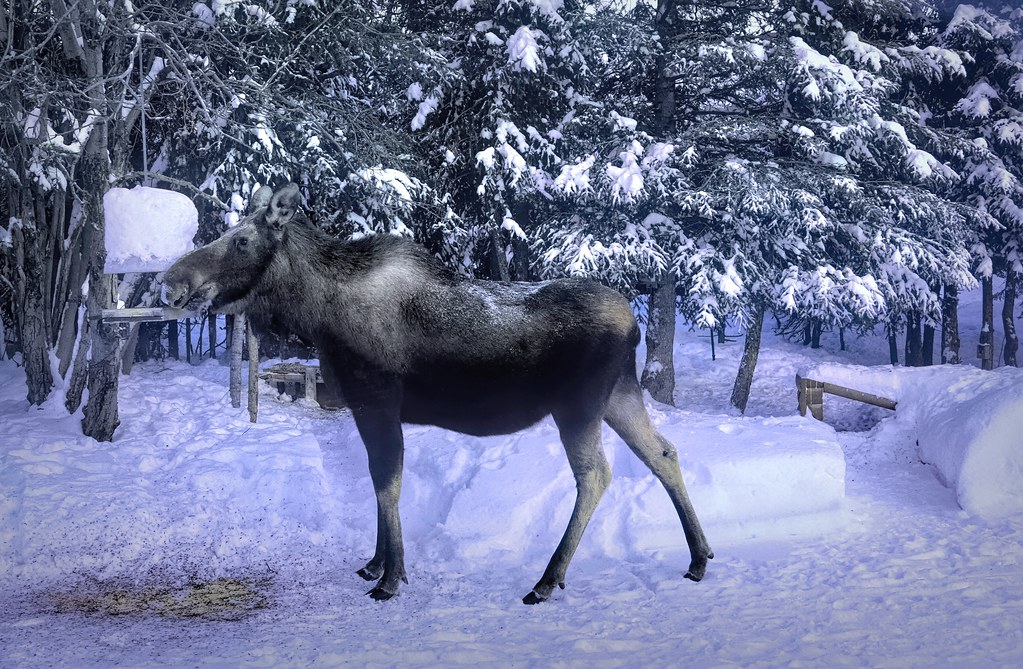
Moose are closely tied to winter imagery in northern regions of North America and Scandinavia, where heavy snowfall and evergreen forests define the season. Their massive size, dark coats, and wide antlers make them visually striking against snowy landscapes, which is why they appear frequently in holiday décor, lodge art, and seasonal advertising. Moose are active throughout winter, unlike many animals that hibernate or migrate, reinforcing their association with endurance during cold months. Over time, they have come to symbolize rugged winter wilderness and the quieter, nature-focused side of the holiday season.
12. Foxes
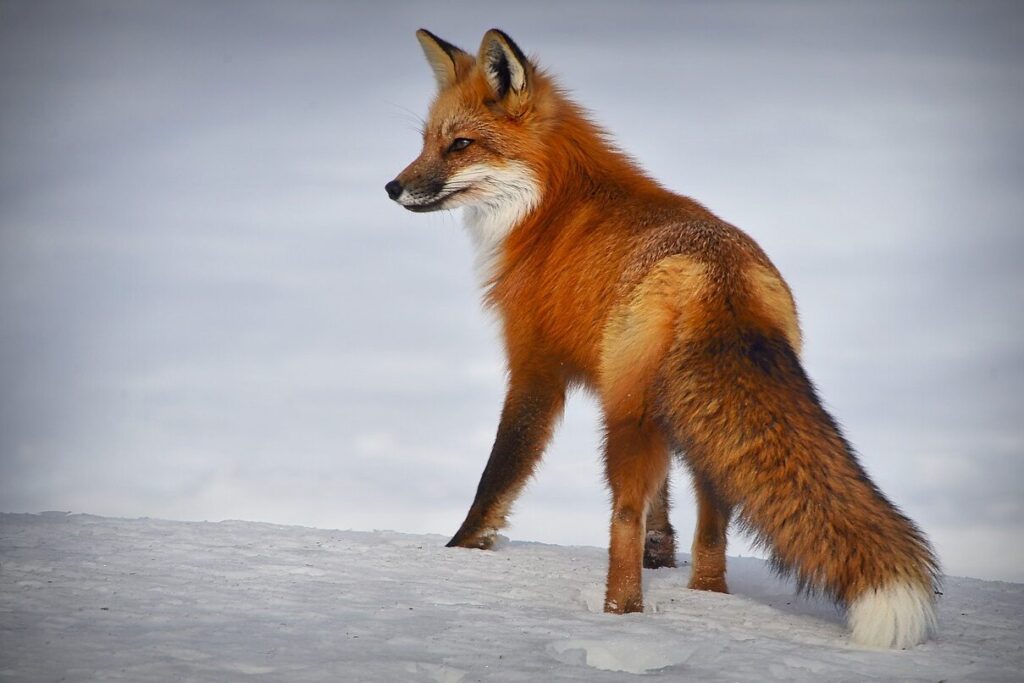
Foxes are often featured in winter photography and holiday illustrations because of their adaptability to cold environments. Their thick fur and keen hunting skills allow them to remain active even in deep snow. The red fox, in particular, stands out vividly against white landscapes, making it a favorite subject for seasonal imagery. In folklore and storytelling, foxes are commonly portrayed as clever and resourceful, traits that fit well with winter survival themes. During the holidays, foxes frequently represent quiet resilience and the beauty of wildlife thriving despite harsh conditions.
13. Swans
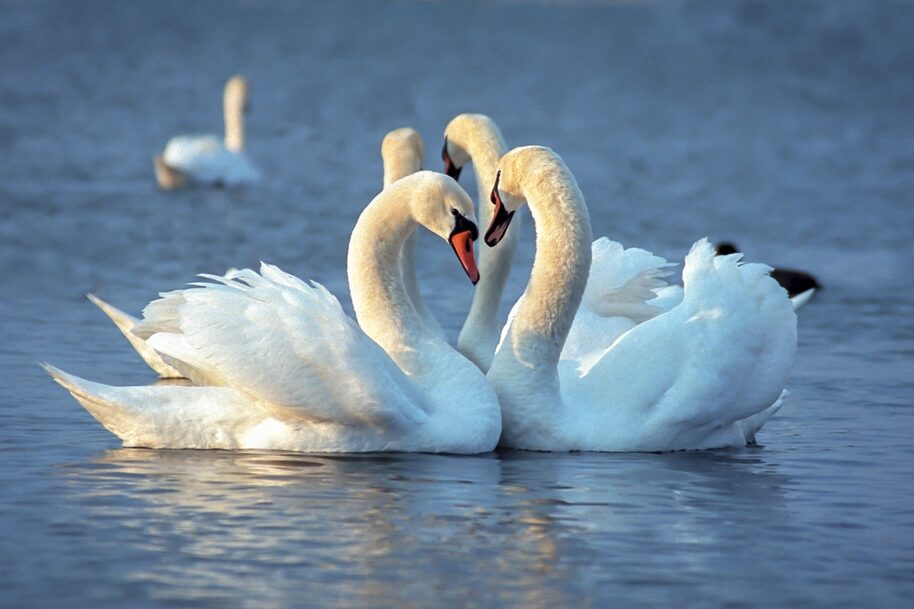
Swans have long been associated with grace and serenity, qualities that align naturally with the reflective mood of the holiday season. In colder regions, swans are often seen gliding across partially frozen lakes, creating striking winter scenes. Their presence in classical music, ballet, and literature has also contributed to their seasonal prominence, especially during year-end performances and celebrations. White swans, in particular, mirror the visual purity of snow-covered landscapes. As holiday symbols, swans represent calm, beauty, and the quieter elegance of winter traditions.
14. Sheep
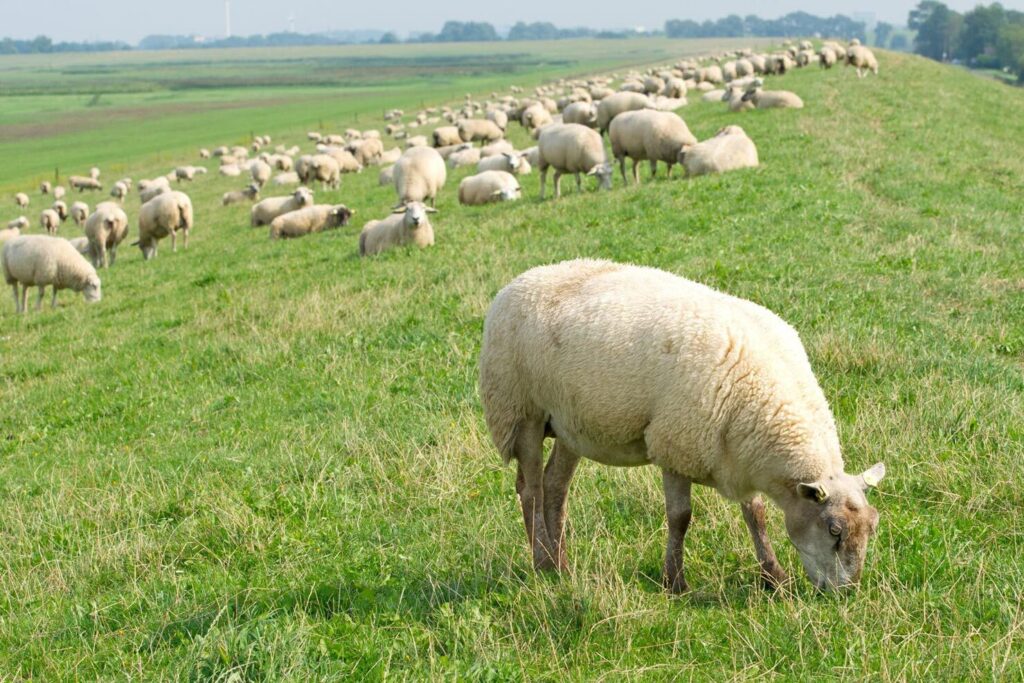
Sheep are closely connected to the holiday season through religious and pastoral imagery. They are a familiar presence in nativity scenes, reflecting their historical role in ancient agricultural communities. In colder months, sheep are often depicted with thick wool coats, reinforcing associations with warmth and shelter. Their calm, communal nature fits well with themes of care and togetherness emphasized during the holidays. Across rural winter scenes, sheep symbolize simplicity, tradition, and the enduring rhythms of life that continue even in the coldest seasons.
15. Camels
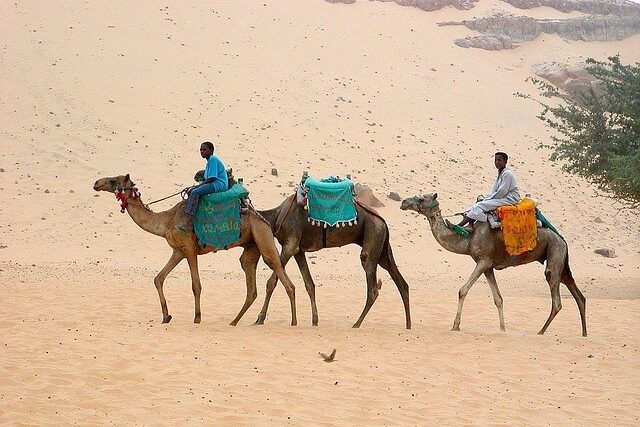
Camels are most strongly linked to the holiday season through biblical narratives and nativity traditions. Often depicted alongside the Magi, camels represent long journeys, patience, and perseverance. While they are desert animals rather than winter dwellers, their presence in holiday imagery emphasizes the global and historical reach of seasonal traditions. Camels frequently appear in Christmas pageants, artwork, and decorations, serving as reminders of ancient stories that continue to shape modern celebrations. Their symbolism focuses on devotion, endurance, and purposeful travel.
16. Deer

Deer are deeply woven into winter and holiday imagery, especially in forested regions. Their quiet movement through snowy woods makes them a natural symbol of seasonal stillness. Deer have appeared in folklore, winter art, and holiday storytelling for centuries, often representing gentleness and harmony with nature. Unlike reindeer, which are tied directly to Santa Claus, deer reflect a more realistic connection to winter wildlife. During the holidays, they often symbolize peace, reflection, and the beauty of untouched winter landscapes.
17. Bears
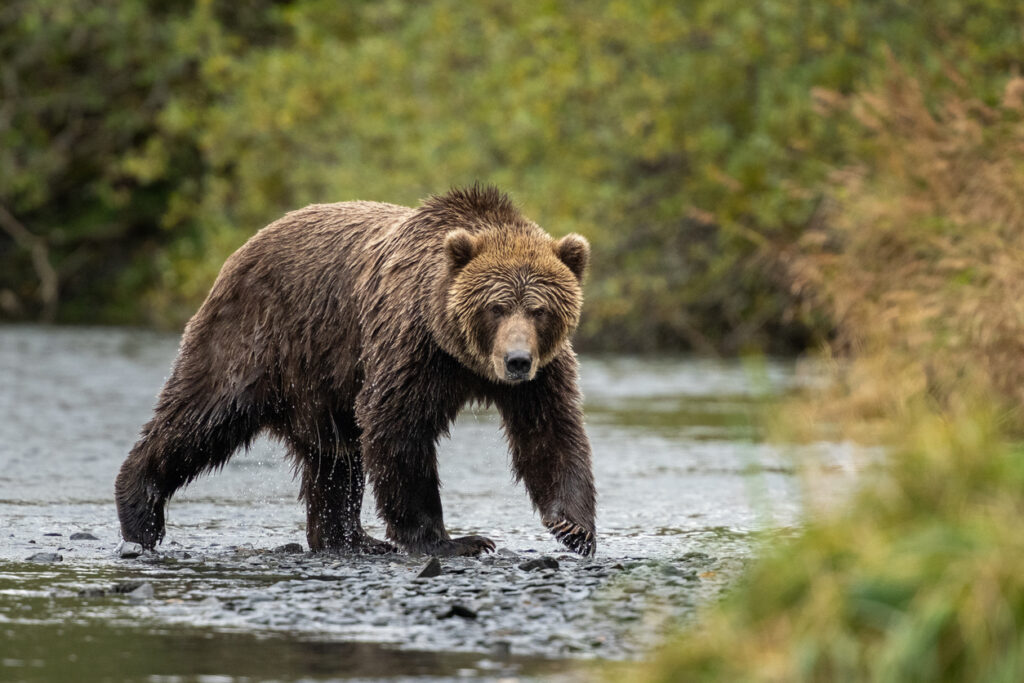
Bears are closely associated with winter because of their hibernation cycle. As temperatures drop, bears retreat to dens, becoming symbols of rest and renewal. This natural rhythm mirrors the slower pace many people experience during the holidays. In storytelling and children’s books, bears are often portrayed as gentle, cozy figures during winter months. Their connection to warmth, shelter, and rest makes them fitting seasonal symbols. Holiday imagery frequently uses bears to emphasize comfort, safety, and the importance of slowing down.
18. Owls
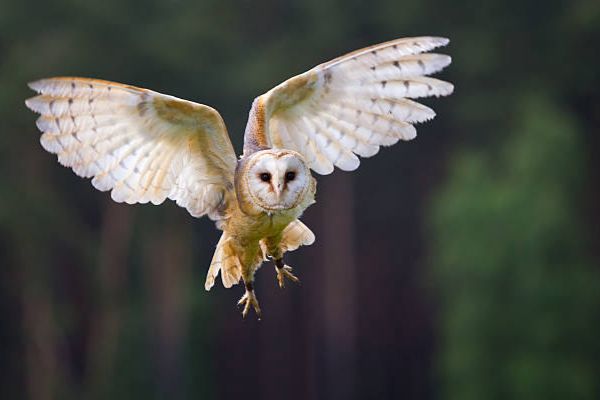
Owls are frequently associated with winter nights due to their nocturnal habits and silent flight. Their presence in snowy forests adds an air of mystery to seasonal imagery. In many cultures, owls symbolize wisdom and watchfulness, qualities often highlighted during year-end reflection. Winter illustrations and holiday cards sometimes feature owls perched on bare branches under moonlit skies. Rather than representing celebration, owls embody contemplation and quiet awareness, aligning with the introspective side of the holiday season.
19. Rabbits
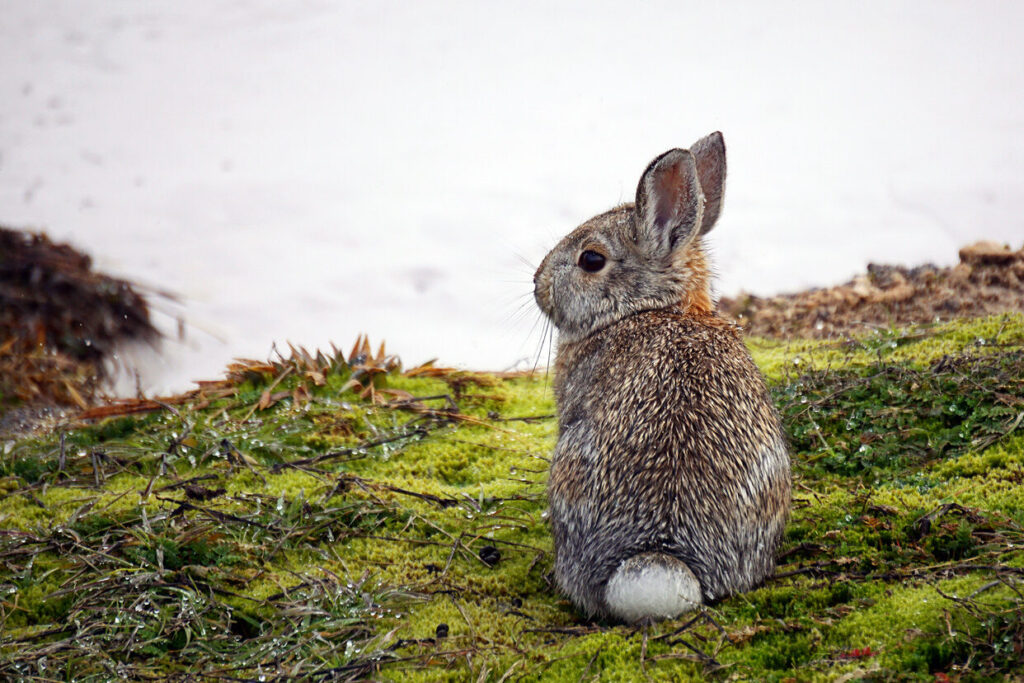
Rabbits, particularly hares, are known for their seasonal adaptations, including fur color changes in colder climates. This transformation has made them popular subjects in winter wildlife photography. Their presence in snowy fields and forests adds movement and life to otherwise still landscapes. In folklore, rabbits often symbolize renewal and persistence, traits that resonate at the end of the year. During the holidays, they appear in winter-themed art and stories as gentle reminders of nature’s resilience.
20. Goats
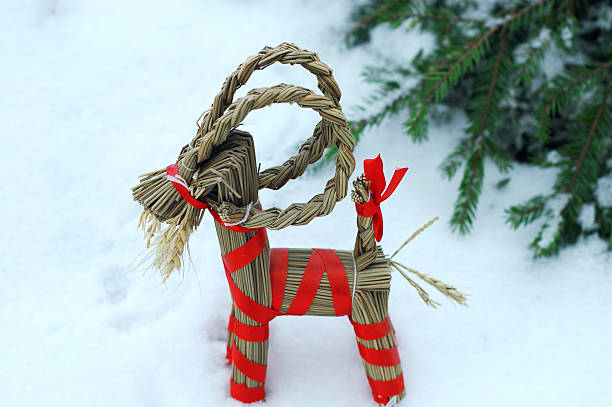
Goats hold a special place in holiday traditions, particularly in Scandinavian cultures where the Yule Goat has been a symbol of winter festivities for centuries. Historically linked to ancient harvest celebrations, the goat later became associated with Christmas decorations and folklore. Straw goats are still commonly displayed during the season in parts of Europe. Beyond tradition, goats are hardy animals capable of enduring cold environments, reinforcing their winter symbolism. They represent continuity between ancient seasonal rituals and modern holiday celebrations.
Whether rooted in folklore, religion, or modern media, these creatures help shape how the season looks and feels across the world.
Like this story? Add your thoughts in the comments, thank you.
;


