
1. A New Leaf Tailed Gecko from Madagascar
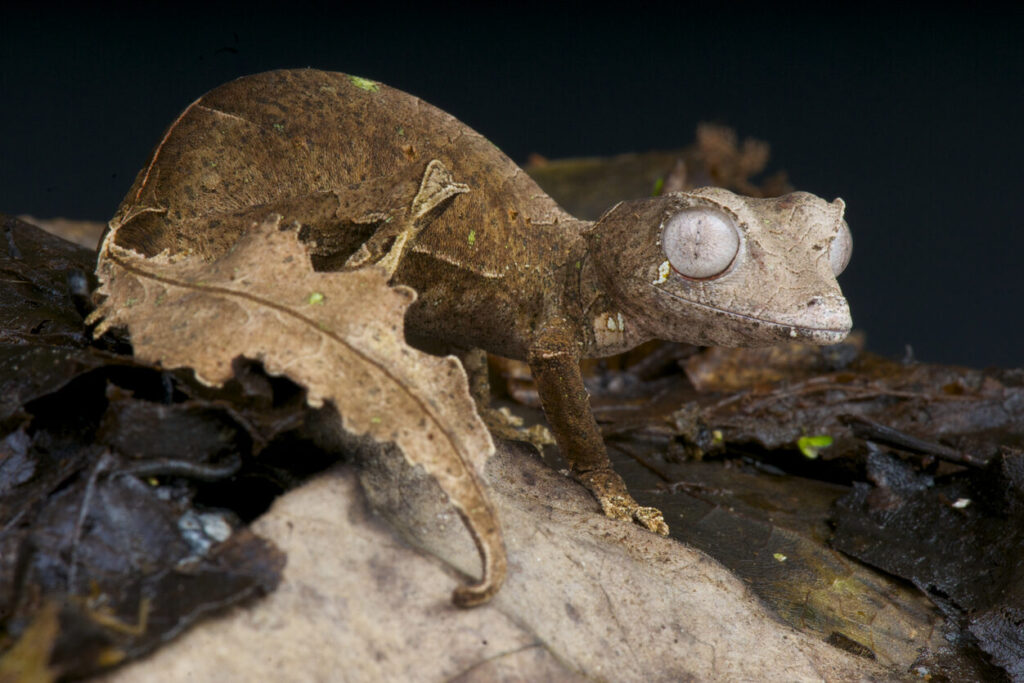
Sometimes discovery begins during ordinary work, like when researchers identified a previously unknown species of leaf tailed gecko clinging to tree bark. Its flattened body and textured skin allowed it to blend seamlessly into lichen covered trunks. Although leaf tailed geckos are well known in the region, subtle differences in scale patterns and tail shape revealed this one was distinct. Genetic testing confirmed it as a new species. The gecko was located during standard biodiversity monitoring, not a targeted search, showing how even familiar forests can still reveal new reptiles when observation remains careful and consistent over time.
2. The All-Black Hawaiian Bee
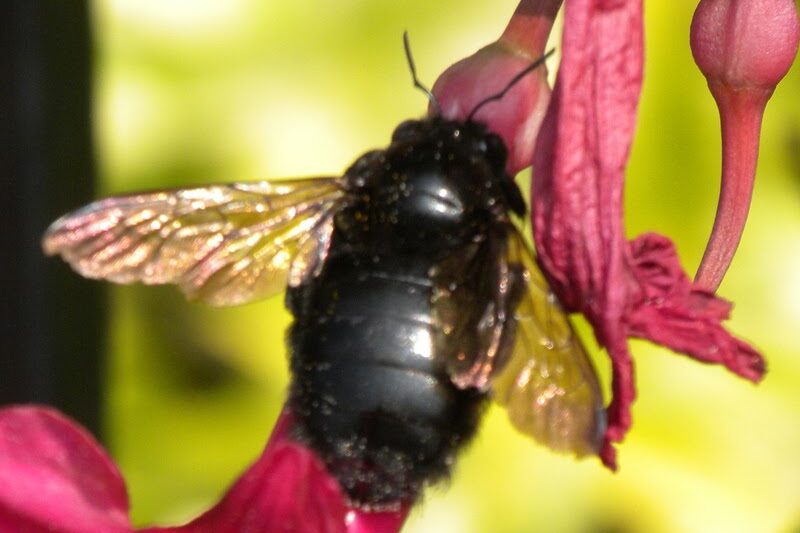
On the Hawaiian island of Molokai, scientists identified a bee that immediately stood apart. Unlike its colorful relatives, this newly described species appeared entirely black, from its body to its wings. The discovery surprised researchers because Hawaiian bees are thought to be well documented already. Its existence hints at how island ecosystems still protect hidden diversity. The bee was found during careful surveys rather than dramatic expeditions, reinforcing how patience reveals new life. Its dark coloring may help with camouflage or temperature regulation, though studies continue. Discoveries like this remind us that even small creatures can quietly rewrite what we think we already know.
3. A Blob Headed Fish from the Amazon
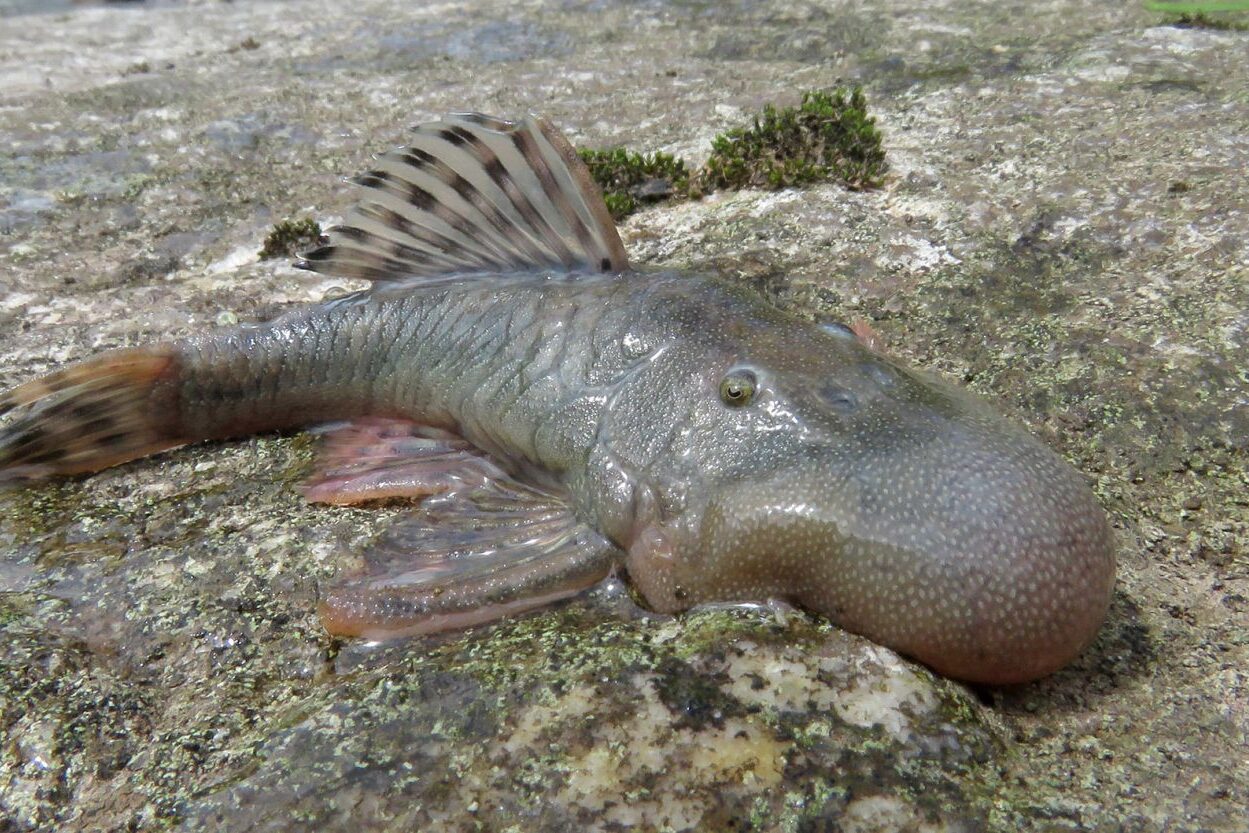
Deep in Peru’s Alto Mayo region, researchers encountered a fish with a rounded head and unfamiliar features. The fish was part of a wider expedition that revealed multiple species new to science. What stood out was how unusual yet approachable the creature looked, challenging ideas of what fish are supposed to resemble. The discovery highlighted the Amazon’s ongoing role as a living laboratory. Scientists believe the fish adapted uniquely to its environment, shaped by isolated waterways. Finds like this show how rivers still carry secrets, especially in regions where biodiversity and human knowledge rarely meet fully.
4. Frogs Hidden in Northeast India
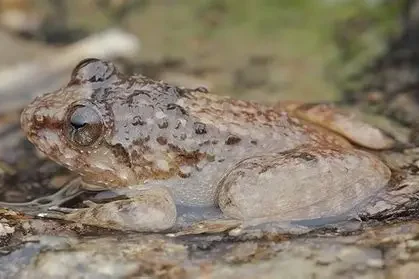
In forested regions of Northeast India, scientists documented several frog species that had never been formally described. These amphibians were often small, quiet, and easy to overlook, living among leaves and damp soil. Their discovery emphasized how rich biodiversity can exist alongside villages and familiar trails. Researchers noted how subtle differences in calls, skin texture, and behavior revealed new species identities. Frogs are sensitive to environmental change, so discovering them also helps scientists monitor ecosystem health. These findings gently remind us that listening closely to nature often reveals more than dramatic searching ever could.
5. Parasitic Wasps Living Close to Home
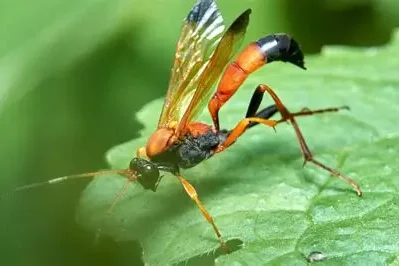
In the United States, scientists identified previously unknown parasitic wasp species living in ordinary environments. These insects had been present for years but escaped notice due to their size and specialized habits. Their discovery challenges the idea that new species only exist in remote places. Parasitic wasps play important ecological roles by controlling other insect populations. Learning about them helps scientists understand balance in local ecosystems. What feels relatable about this find is how it suggests discovery is possible anywhere, even in landscapes we pass daily without a second thought.
6. Hundreds of New Marine Species Named
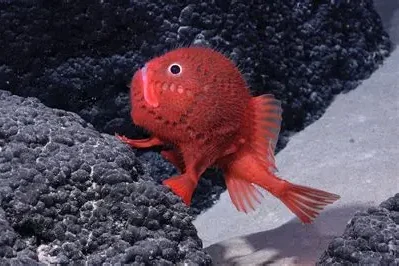
A global effort to study ocean life led to the identification of hundreds of marine species new to science. These included sharks, star like creatures, crustaceans, and soft bodied animals from deep waters. Advances in submersible technology and international collaboration made these discoveries possible. Scientists described how many species were found during short expeditions, showing how little of the ocean has been explored. Each new species adds to understanding food webs and climate resilience. The ocean continues to prove it is not exhausted of surprises, only waiting for careful attention.
7. A Spider Discovered on a University Campus
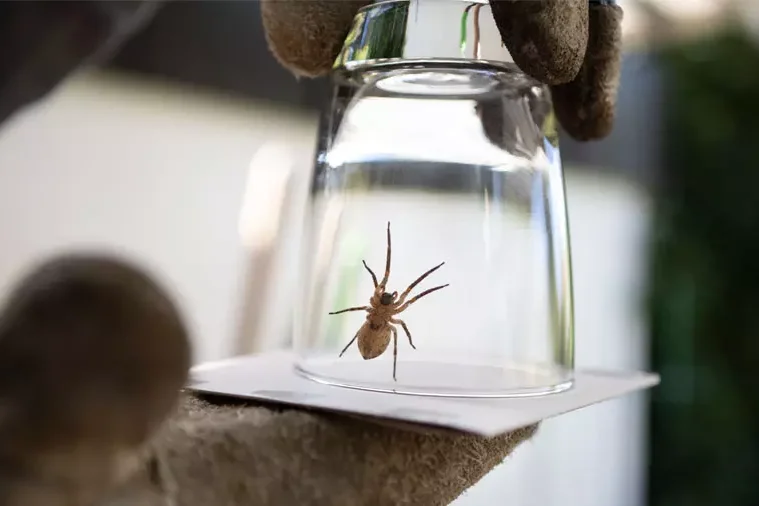
When researchers surveying insects on a university campus noticed a tiny jumping spider behaving differently from others nearby. The spider’s markings and courtship movements did not match any known species. Further study confirmed it was new to science. Found living among garden plants and building edges, the spider showed how wildlife adapts easily to human spaces. Its discovery surprised researchers because the area had been studied for years. Careful observation, not remote travel, revealed this new species, proving that even familiar places can quietly host undiscovered life.
8. The Return of the Flat Headed Cat
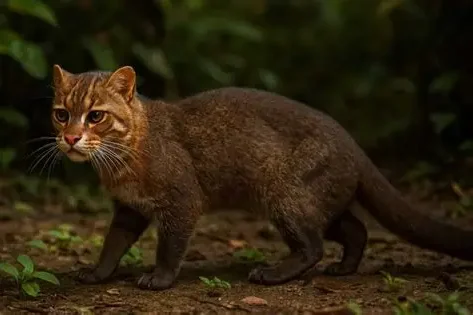
In Southeast Asia, camera traps captured images of the flat headed cat, a species rarely seen for decades. Once feared lost in certain regions, the cat appeared alive and raising young. This discovery was emotional for conservationists who had long hoped for evidence of survival. The sighting encouraged renewed protection efforts and habitat studies. It also showed how modern tools can quietly change long held assumptions. Sometimes discovery is not about something new, but about realizing something familiar never truly left.
9. Rare Snakes Found Where None Were Expected
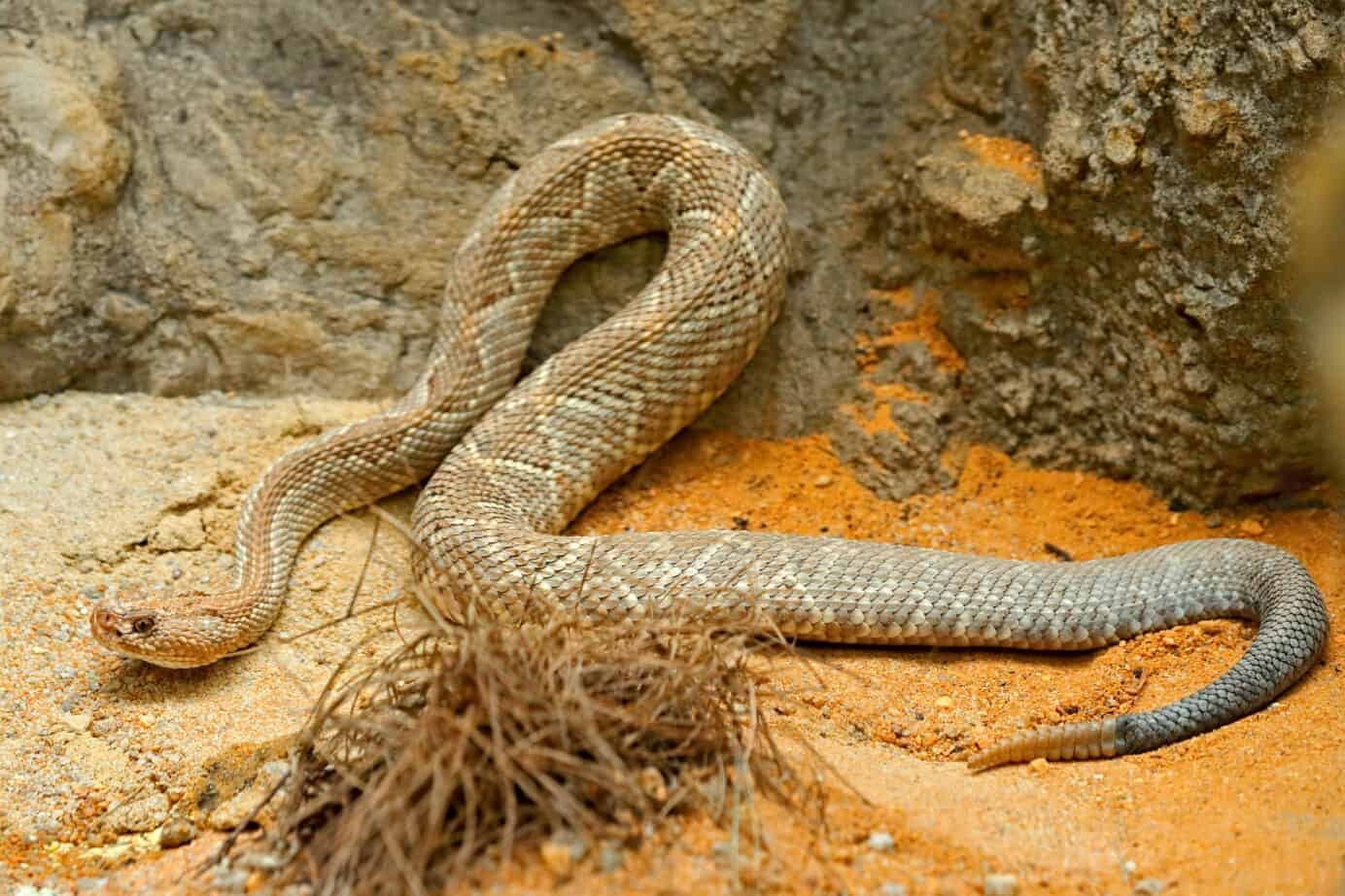
Researchers in India documented snake species in regions where they had never been recorded before. These sightings expanded known ranges and suggested habitats were more suitable than previously thought. Snakes often avoid attention, making them difficult to study. Discovering them required patience and local cooperation. The findings help scientists understand migration, climate influence, and ecosystem shifts. They also challenge fear driven perceptions of snakes by framing them as indicators of environmental health. Discovery here came through careful watching rather than dramatic encounters.
10. A Dinosaur Reidentified from Old Bones

Sometimes discovery happens in storage rooms instead of the field. Paleontologists reexamined dinosaur fossils collected decades ago and realized they belonged to a distinct species. The dinosaur lived millions of years ago and likely moved in groups, grazing across ancient landscapes. The reclassification added depth to understanding dinosaur diversity. It also showed how modern analysis can change long accepted ideas. This kind of discovery feels almost conversational, as if the past finally spoke clearly after years of being misunderstood.
11. A Tiny Marsupial in the Clouds
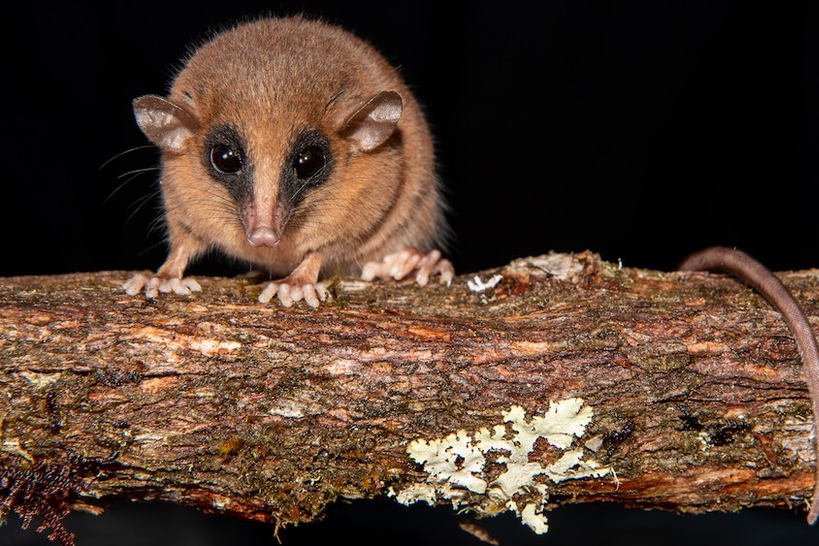
High in Peru’s cloud forests, scientists described a small marsupial that had avoided classification for years. Its size and nocturnal habits helped it remain unnoticed. Researchers carefully compared physical traits and genetic markers to confirm it was new to science. The discovery highlighted the importance of protecting elevated forests that act as biological islands. Small mammals like this play crucial roles in seed dispersal and insect control. Finding it felt like uncovering a quiet neighbor rather than an unknown stranger.
12. A Narrow-Nosed Ghost Shark
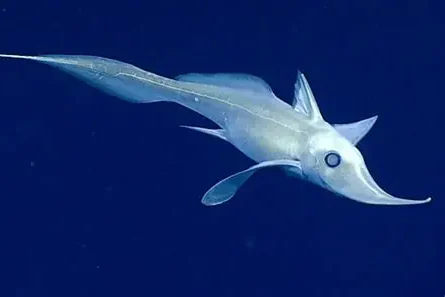
Deep ocean surveys led scientists to better understand a ghost shark species with a long narrow snout. Though related creatures were known, this one showed clear differences in structure and genetics. Living far below sunlight, it adapted to darkness in remarkable ways. The discovery expanded knowledge of ancient fish lineages that rarely surface. It also reminded researchers that deep water species evolve slowly yet distinctly. The ocean’s quieter residents often tell the longest stories.
13. A New Seahorse Found in Shallow Waters
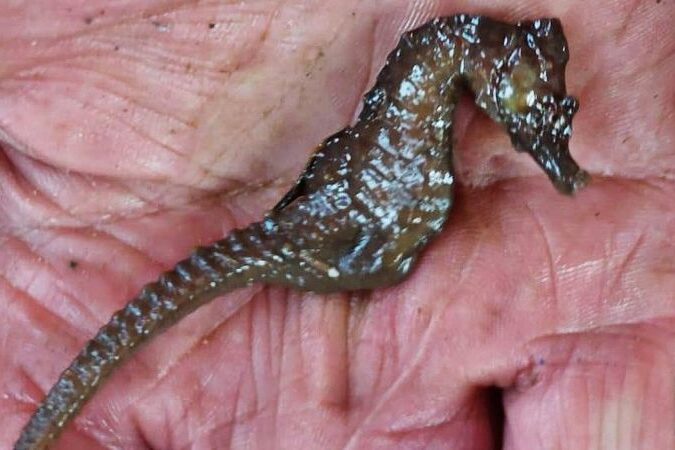
During routine surveys along shallow coastal waters, marine biologists identified a seahorse species that differed subtly from known relatives. Its body shape, snout length, and color pattern stood out during close observation. The seahorse lived among seagrass beds near shore, an area often overlooked during deep sea research. Genetic testing later confirmed it was a distinct species. Divers were surprised because the region had been studied repeatedly. The discovery showed how slow moving animals can remain unnoticed for years when they blend into familiar habitats that people assume are already fully understood.
14. A Frog Found Living Inside Bamboo
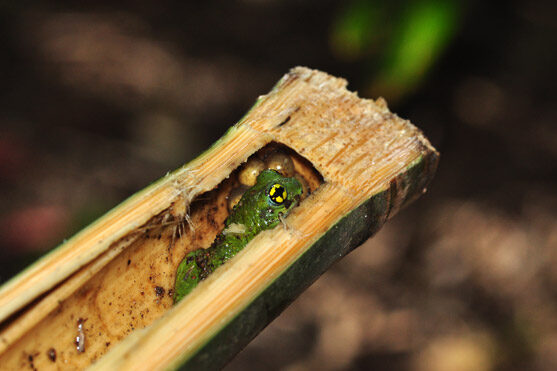
While studying forest habitats in Southeast Asia, researchers discovered a previously unknown frog species living almost entirely inside hollow bamboo stalks. Unlike most frogs that breed in ponds or streams, this species used rainwater trapped within bamboo segments to survive and reproduce. Its body size and smooth skin helped it move easily through narrow spaces. Scientists confirmed it was a new species after examining its call and physical traits. The discovery stood out because the frog occupied a micro habitat rarely studied closely, showing how specialized lifestyles can keep animals hidden even in well explored forests.
15. A New Freshwater Stingray in the Amazon
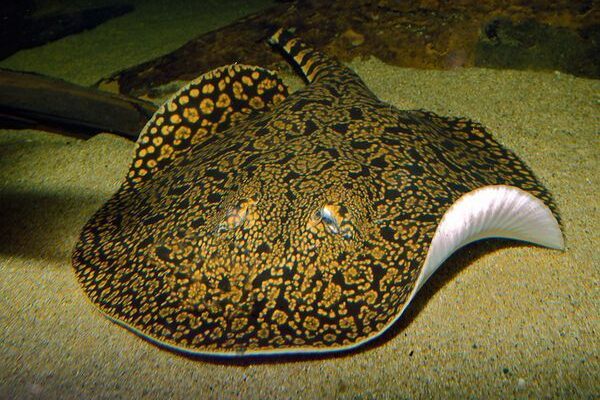
While studying river systems in the Brazilian Amazon, researchers identified a freshwater stingray species previously unknown to science. The ray showed distinct spot patterns and tail structure that separated it from related species. It was discovered during routine monitoring of fish populations rather than an exploratory expedition. Genetic testing later confirmed its uniqueness. Photographs captured its flattened body resting on sandy riverbeds, making the discovery easy to recognize visually. The find expanded understanding of freshwater stingray diversity and highlighted how large rivers still conceal unexpected life forms, even as they face increasing environmental pressure from human activity and development.
16. A Sea Slug That Hid in Plain Sight
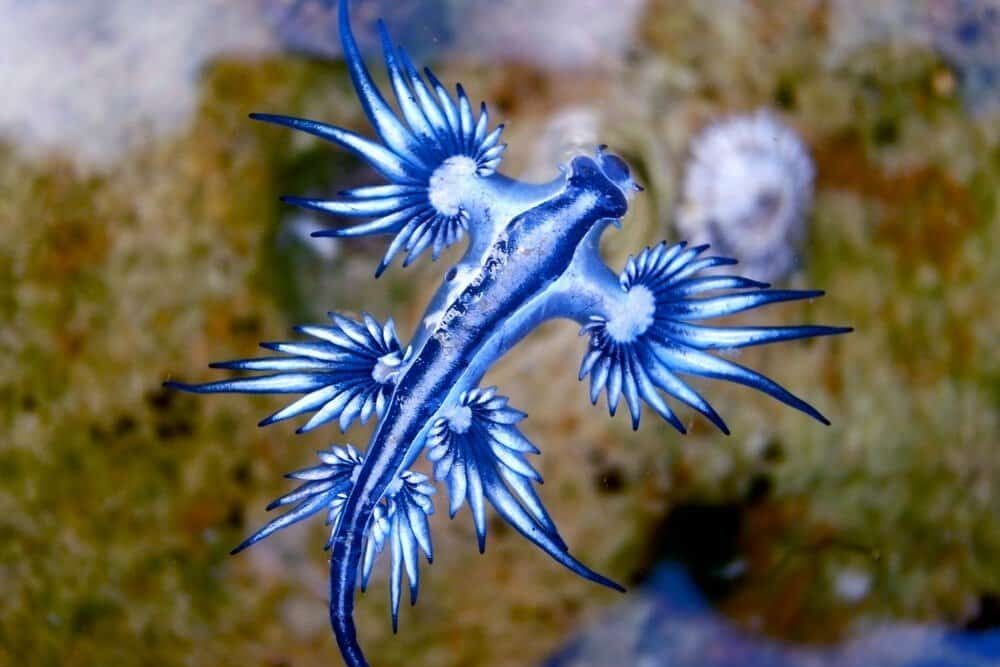
Researchers studying coral reefs noticed a tiny sea slug with colors and markings unlike known species. Found during routine surveys, the slug blended into algae and coral shadows, explaining why it stayed unnoticed. Its discovery helped scientists better understand reef micro ecosystems and how small grazers affect coral health. Photos of the slug quickly circulated because of its striking look. What makes this find relatable is how it came from slowing down, not searching harder. By paying attention to small details, scientists showed that reefs still hold surprises worth protecting and documenting for future research and public curiosity worldwide today.
17. A New Bat Identified in West Africa
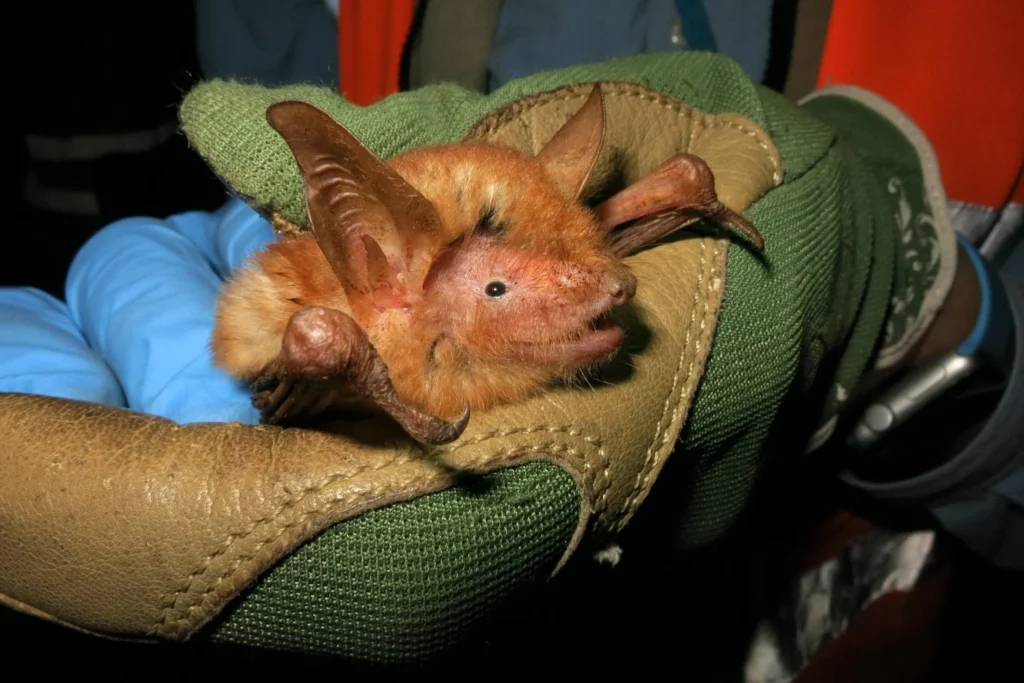
During wildlife surveys in West Africa, researchers identified a bat species that differed subtly from others in the region. Its wing structure, echolocation calls, and skull shape revealed it was not previously described. The bat was found roosting in caves near farmland, an area often assumed to be fully studied. Acoustic recordings played a key role in distinguishing it from similar species. Photographs captured the bat resting among rock crevices. The discovery showed how sound analysis continues to reveal hidden biodiversity and how mammals living close to human activity can remain unnoticed for years despite regular scientific attention.
18. A Stick Insect Shaped by Fire
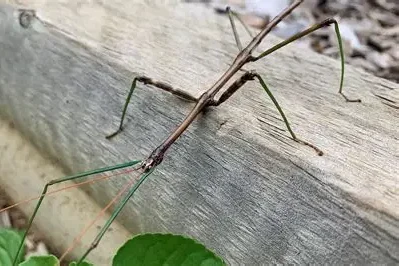
In Australia, scientists identified a new species of stick insect after bushfire recovery surveys. The insect mimicked burnt twigs, making it almost invisible in damaged forests. Its survival after fires offered insight into resilience and adaptation. Photographs revealed its remarkable camouflage and quickly drew attention online. This discovery mattered because it connected biodiversity to recovery, showing life persists quietly after disruption. Observations like this help scientists understand how species endure environmental stress while reminding readers that recovery often starts small and unnoticed across varied landscapes monitored during recent climate events and conservation efforts worldwide today quietly observed again recently online.
19. The Octopus Living Near Shore
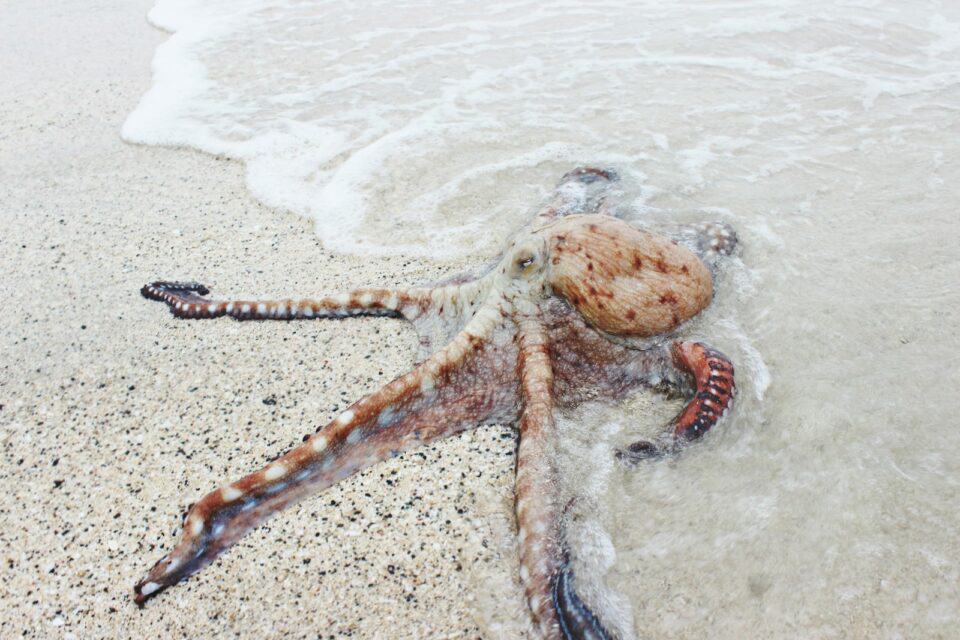
Marine biologists studying coastal waters identified a new species of small octopus living in shallow seagrass beds. Unlike deep sea relatives, this octopus thrived near shore, using plants for cover. Divers photographed it repeatedly, making images easy to find online. The discovery challenged assumptions that new cephalopods only exist in extreme depths. It also emphasized how coastal habitats still deserve close attention. Sometimes discovery happens where people swim, fish, and walk daily without realizing what lives nearby beneath familiar waters shared through local research projects and conservation outreach programs today globally online now visible often easily accessible publicly viewed worldwide.
20. A Chameleon Blending into Moss
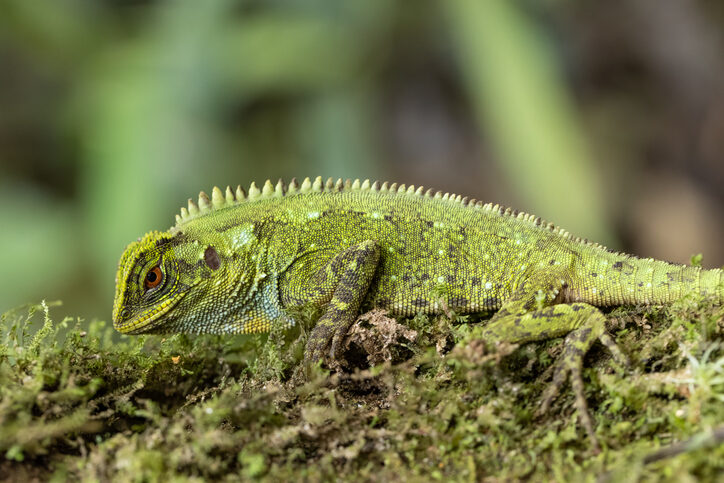
In Madagascar, researchers described a new chameleon species distinguished by subtle color shifts and head shape. Found during forest surveys, it blended perfectly with mossy branches. Photographs showed how easily it could be overlooked. The discovery reinforced Madagascar’s role as a hotspot for unique life. It also highlighted how habitat loss threatens species before they are known. This chameleon’s quiet reveal felt like a reminder to value forests not just for beauty, but for the unknown lives they shelter and protect through conservation awareness education efforts shared online today globally by scientists and communities alike now widely discussed visually documented.
21. A Jellyfish Spotted Near Busy Harbors
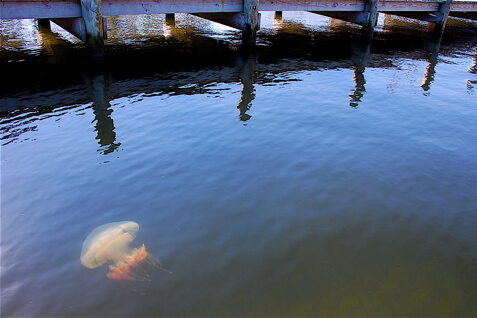
While monitoring coastal waters in Japan, researchers identified a previously unknown jellyfish drifting near fishing harbors. At first glance it resembled common moon jellies, but its bell shape, tentacle length, and swimming pattern differed. Detailed observation and genetic analysis confirmed it as a distinct species. The jellyfish appeared seasonally and tolerated warmer waters, suggesting recent environmental shifts may have aided its visibility. Photographs taken by divers and fishermen documented its translucent body and subtle markings. The discovery mattered because jellyfish blooms affect fisheries and tourism, and recognizing new species helps scientists better predict ecosystem changes in busy coastal regions globally.
22. A New Freshwater Crab Found in Mountain Streams
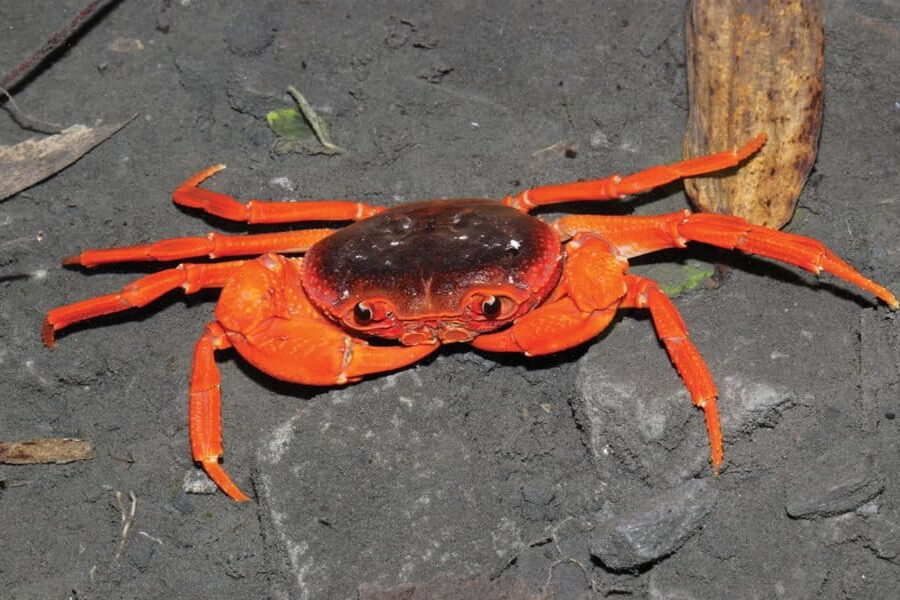
While surveying mountain streams in southern China, researchers identified a freshwater crab species that had never been formally described. It lived under rocks in fast flowing, clear water, making it easy to miss during casual observation. The crab showed unique claw proportions and shell texture that separated it from known relatives. Scientists confirmed its status through detailed measurements and genetic comparison. Photographs taken in the field show the crab gripping stones to resist currents. The discovery added to knowledge of freshwater biodiversity and highlighted how isolated streams can support distinct species shaped by local conditions over long periods of quiet evolution.
23. A Beetle That Shimmers in Grasslands
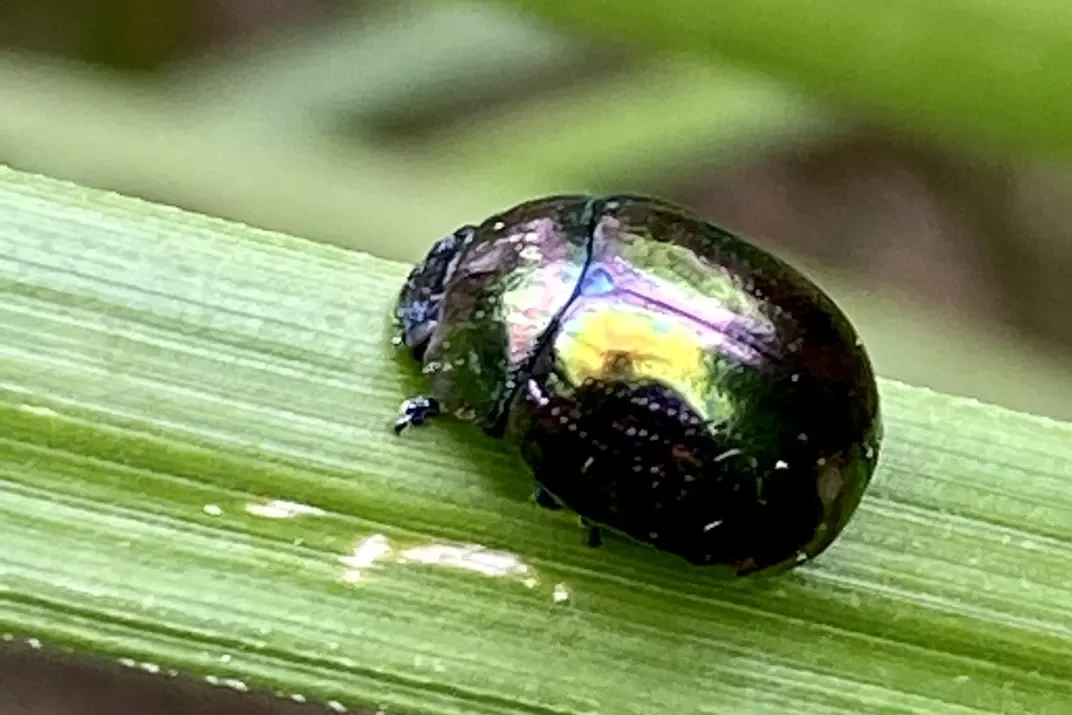
Entomologists in Africa documented a new species of beetle with iridescent coloring that reflected sunlight. Found in savanna grasslands, it had likely been mistaken for a known species before. High quality macro photography brought its details into focus online. The discovery added to understanding insect diversity in open landscapes. Beetles like this contribute to soil health and nutrient cycling. Recognizing them helps scientists appreciate ecosystems often overlooked compared to forests and reefs across wide regions studied through field surveys and shared visually online for education and conservation awareness today globally accessible now widely appreciated by readers everywhere curious about nature.
24. A New Moth Discovered Through Night Surveys
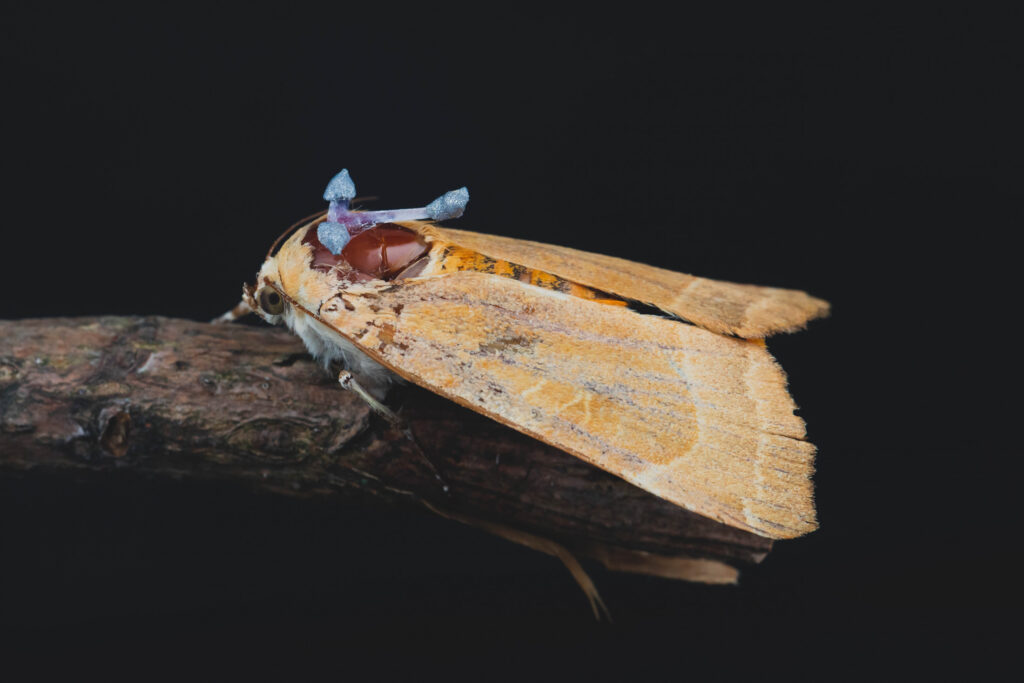
During nighttime light trapping in Central America, researchers identified a moth species that did not match existing records. At first it appeared similar to common forest moths, but closer inspection revealed unique wing patterns and antenna shape. The moth was active only during short nighttime windows, which explained why it had been overlooked. Scientists confirmed it as a new species after comparing specimens in collections. Photographs taken during the survey show its muted colors blending into tree bark. The discovery highlighted how night surveys continue to reveal hidden insect diversity and how timing plays a major role in what scientists are able to observe.
25. A Sea Cucumber Doing Important Work
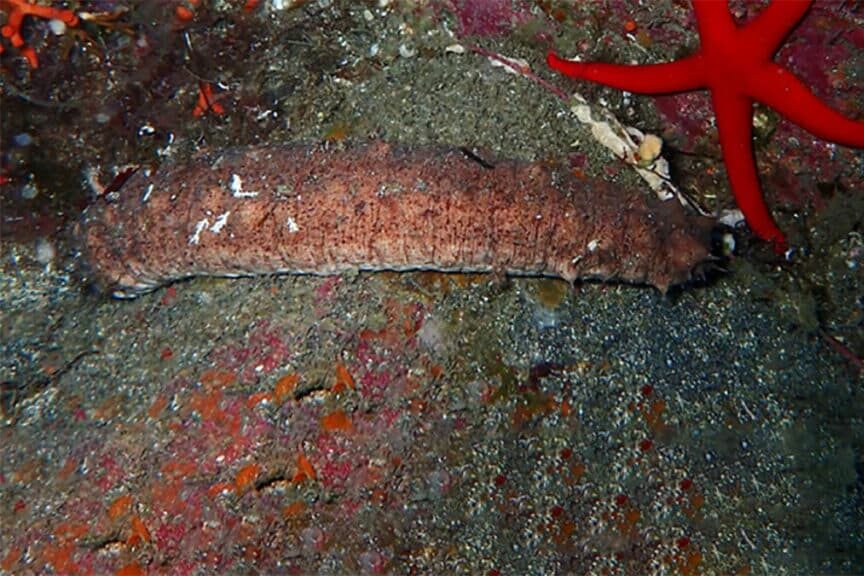
In tropical waters, scientists described a new species of sea cucumber with unusual body texture. It lived on sandy seabeds and helped recycle organic matter. Underwater photos showed its soft structure clearly. The discovery reminded researchers that unglamorous animals support entire ecosystems. Sea cucumbers improve sediment health and water quality. Recognizing new species like this helps protect habitats often dismissed as empty or unimportant by sharing images and research findings online with the public today fostering curiosity respect and conservation awareness worldwide now accessible easily for everyone interested in ocean life stories and learning more together globally today again now.
26. A Rail Bird Hidden in Coastal Wetlands
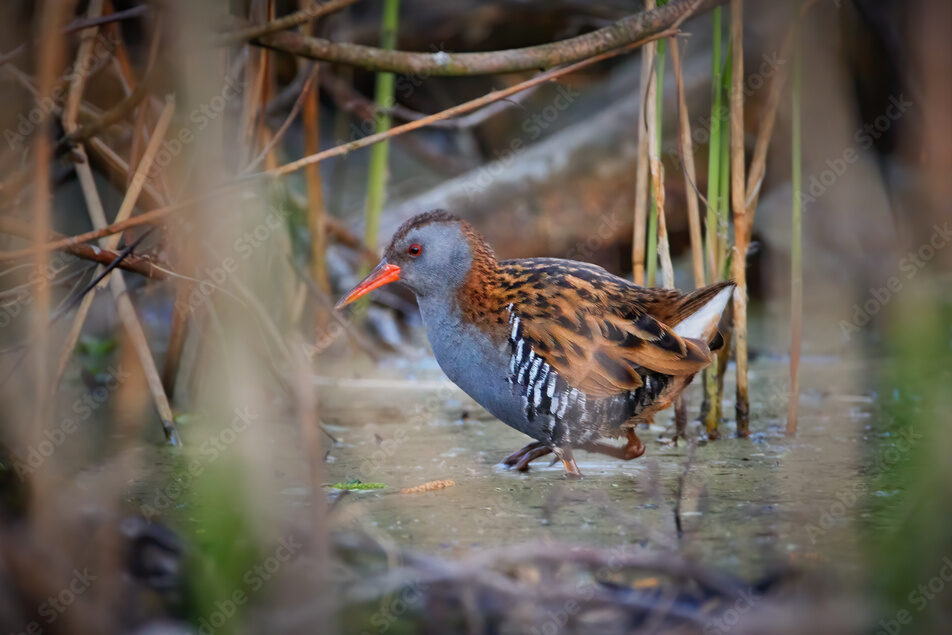
During surveys of coastal wetlands in Mexico, researchers identified a small rail bird species previously confused with juveniles of a common relative. Subtle differences in plumage, leg color, and call patterns first raised questions. Audio recordings later confirmed the bird produced a distinct vocalization. The species favored dense reeds near brackish water and rarely flew, making sightings brief. Photographs captured it moving quietly through vegetation. The discovery expanded understanding of wetland bird diversity and showed how similar looking species can remain hidden for decades when behavior and habitat limit observation across ninety isolated marsh systems studied over recent field seasons.
27. A Salamander of the High Forest
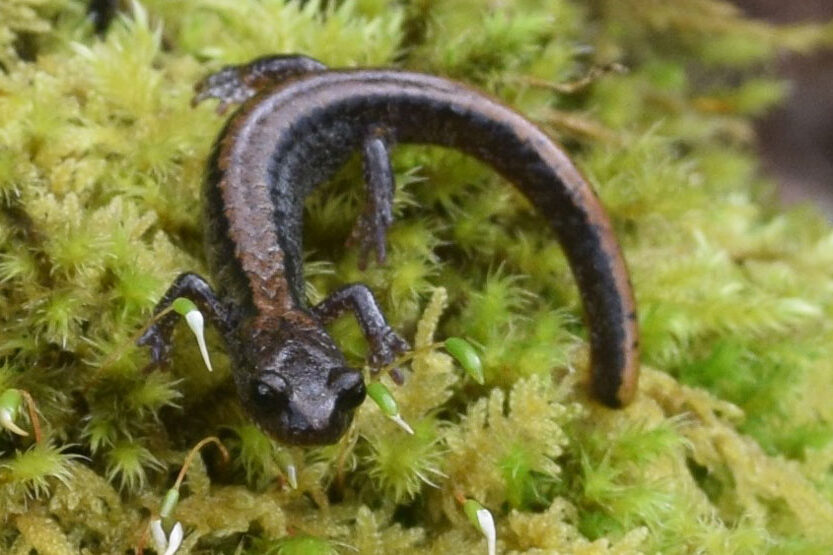
Researchers exploring mountain forests described a new species of salamander adapted to cool moist habitats. Its coloring matched leaf litter perfectly. Photographs showed how easily it could be missed. The discovery highlighted how altitude creates isolated ecosystems. Salamanders are sensitive to environmental change, making them important indicators. Finding a new one suggested these forests still offer refuge for delicate life forms during recent surveys documented visually online for conservation awareness education and biodiversity research shared globally today accessible easily by curious readers scientists and students alike now exploring nature stories further together worldwide again today online visible widely shared publicly.
28. A Crab Shaped by Mangroves
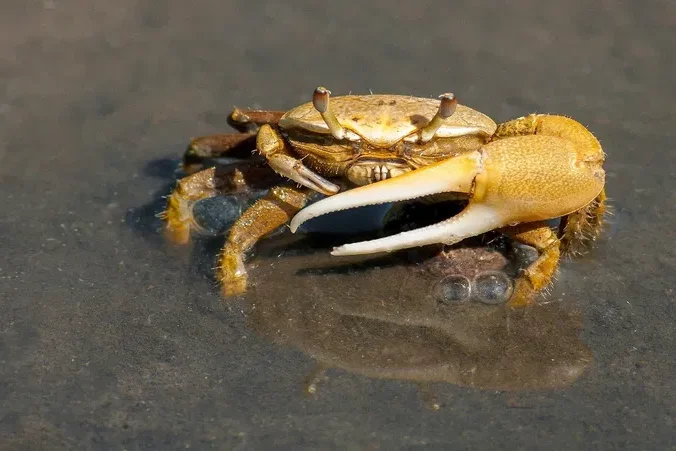
In coastal mangroves, scientists described a new species of crab with unusually shaped claws. The crab used them to feed efficiently in muddy environments. Clear photographs captured its behavior and form. Mangroves protect coastlines and host unique life. Discovering new species there reinforces their importance. This find connected biodiversity to coastal protection in a way readers could easily relate to through visible examples shared online with communities policymakers educators and conservation groups today globally accessible visually documented and discussed widely now helping protect these vital ecosystems together long term sustainably for future generations everywhere today again online visible shared openly.
29. A Cave Snail Found on Limestone Walls
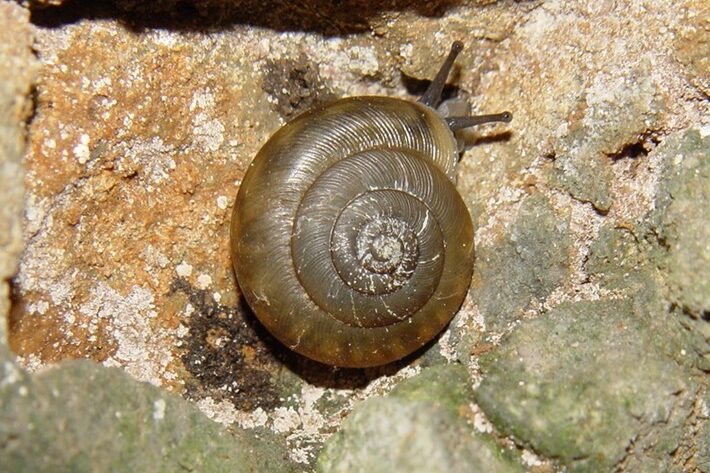
During surveys of limestone caves in Croatia, researchers identified a previously unknown land snail living on damp rock walls. The snail showed a translucent shell, reduced pigmentation, and slow movement suited to darkness. It was discovered during routine cave mapping rather than a biological expedition. Detailed comparison of shell structure and DNA confirmed it was distinct from known species. Photographs taken under soft lighting show its delicate spiral clearly. The discovery mattered because cave snails are sensitive to environmental change. Finding a new one helped scientists better understand how isolated underground habitats support unique life forms over periods of time.
30. A New Deep-Sea Sponge Identified Off Chile
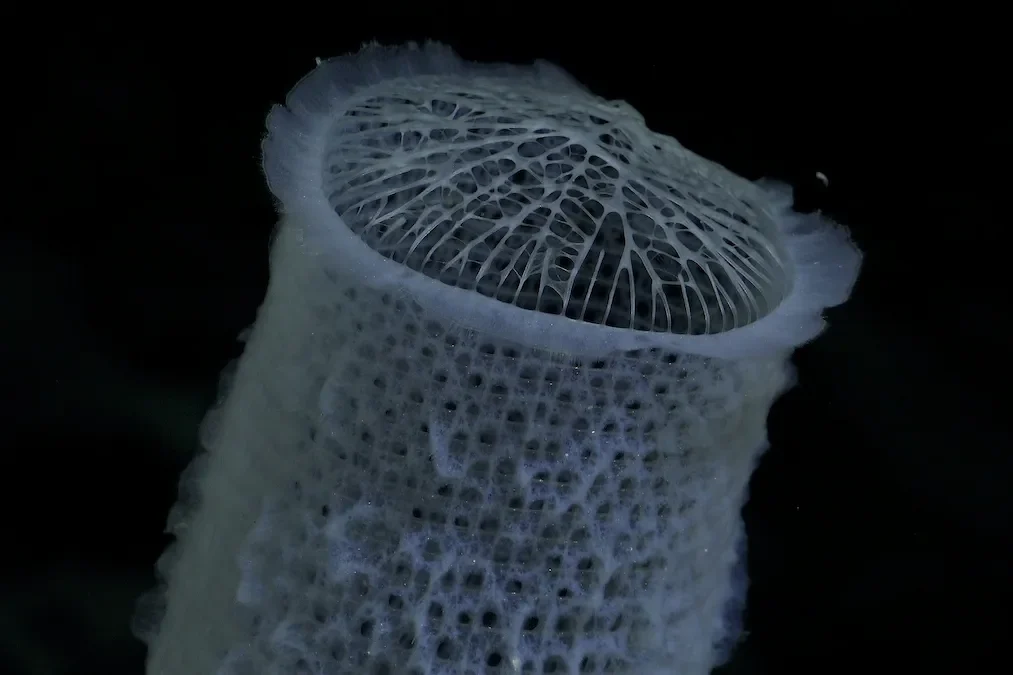
While analyzing samples collected from deep waters off the coast of Chile, marine researchers identified a sponge species unlike any previously recorded. Its porous structure and skeletal arrangement differed from known deep sea sponges in the region. The specimen was collected during a geological survey, not a biodiversity focused mission, making the discovery unexpected. Microscopic examination later confirmed its uniqueness. Photographs show its branching form adapted to low light and high pressure conditions. The discovery added to understanding of deep sea ecosystems and highlighted how organisms supporting entire marine communities can remain undocumented even as oceans are increasingly studied.


