
1. Octopus
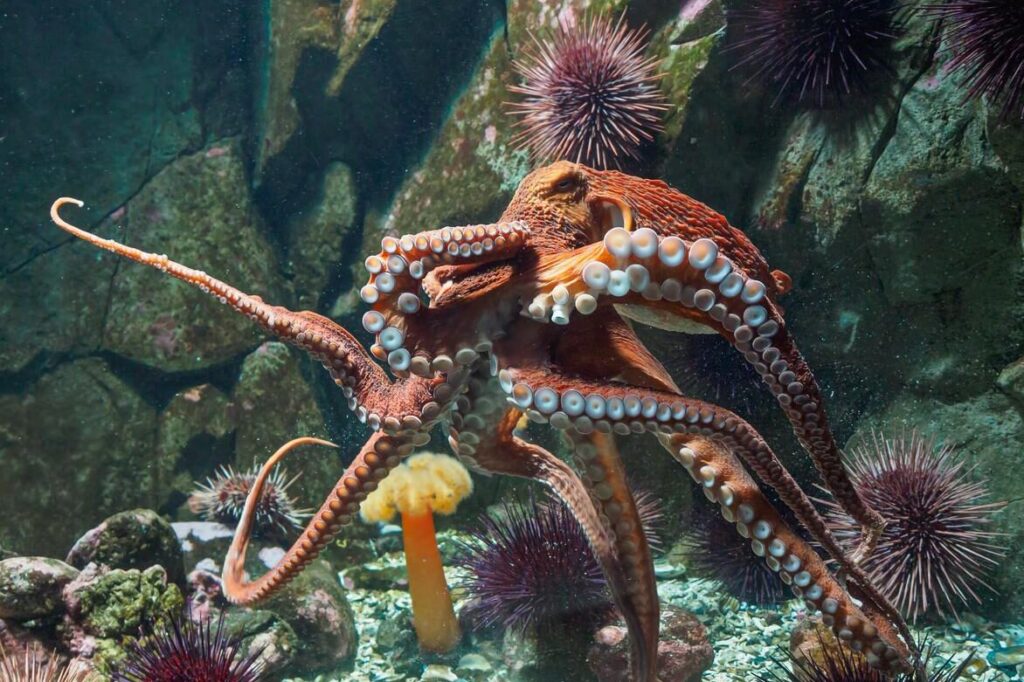
Animals have always amazed humans with abilities that seem almost impossible. Octopuses possess one of the most astonishing skill sets in the animal kingdom, and new research keeps expanding what we know. Scientists have confirmed that their skin contains specialized cells called chromatophores, iridophores, and leucophores, allowing them to change color, texture, and even reflect light in milliseconds. Studies also show that octopus arms can operate semi-independently from the brain, enabling complex multitasking. Research published in marine biology journals has documented advanced problem-solving, tool use, and memory retention.
2. Mantis Shrimp
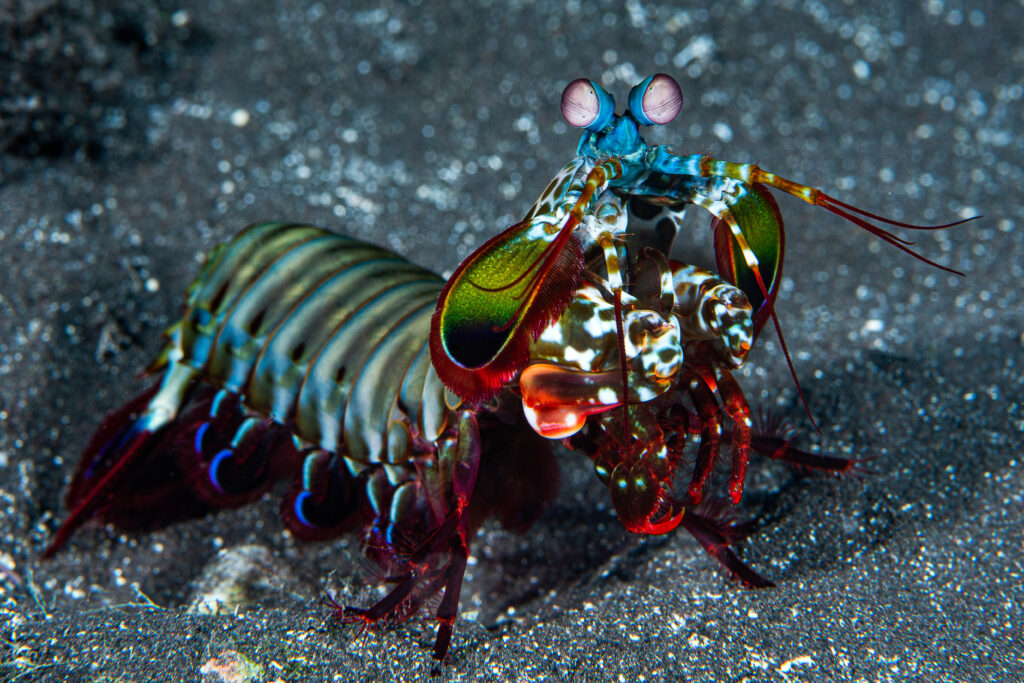
The mantis shrimp’s reputation is backed by physics and biology. Research has shown its punch accelerates faster than a bullet, generating cavitation bubbles that briefly reach temperatures comparable to the surface of the sun. Even more remarkable are its eyes. Scientists discovered that mantis shrimp can detect polarized light and perceive wavelengths beyond human vision, including ultraviolet. Although they don’t process color the same way humans do, this visual system helps them identify prey, rivals, and mates with incredible speed. These findings have influenced studies in optical technology and materials science, making the mantis shrimp a frequent subject in scientific literature.
3. Bat
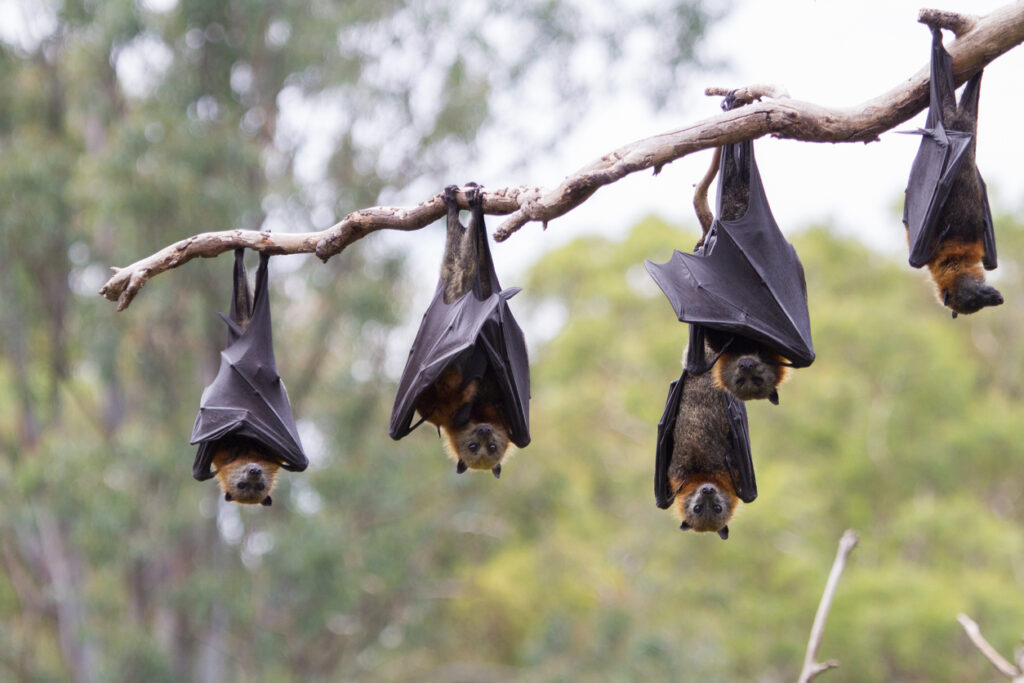
Bats navigate and hunt using echolocation, a biological sonar system refined through decades of research. By emitting high-frequency sound waves and interpreting returning echoes, bats can detect insects as thin as a human hair in complete darkness. Recent studies using high-speed microphones and brain imaging have revealed how bats rapidly adjust their calls depending on environment and prey movement. Some species can even distinguish between different insect wingbeats. This ability has inspired advancements in navigation systems and robotics. Far from being simple nocturnal creatures, bats demonstrate a sensory sophistication that continues to shape modern acoustic research.
4. Cheetah

Cheetahs are the fastest land animals, but recent biomechanical studies explain how they achieve such speed without collapsing. Researchers have shown that a cheetah’s flexible spine acts like a spring, dramatically increasing stride length during a sprint. Semi-retractable claws provide traction similar to athletic cleats, while oversized nasal passages and lungs deliver oxygen efficiently. Motion-capture analysis has also revealed how cheetahs adjust tail movement to maintain balance during sharp turns. These findings help scientists understand extreme athletic performance and are now referenced in comparative studies of speed, endurance, and injury prevention.
5. Electric Eel
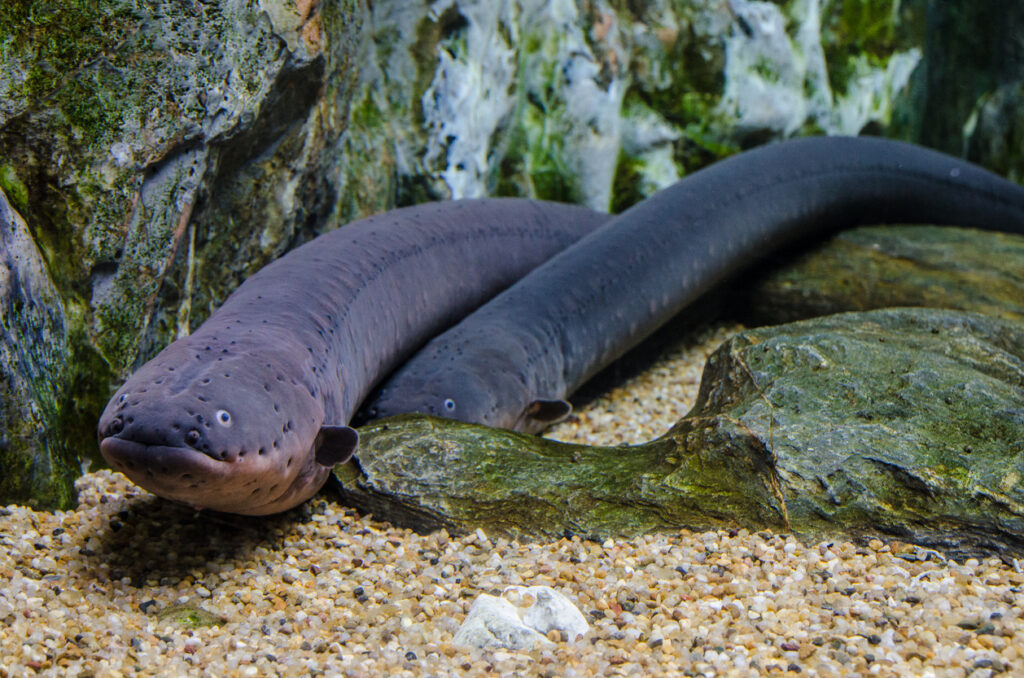
Electric eels generate powerful electrical discharges, and modern research has clarified how and why they do it. Their bodies contain thousands of specialized electrocyte cells arranged like biological batteries. Studies show eels can use low-voltage pulses for navigation and communication, while high-voltage shocks are reserved for hunting or defense. Recent experiments revealed that electric eels can curl their bodies to concentrate electric fields, making shocks more effective against prey. This research has implications beyond biology, influencing work in bioelectric medicine and the study of natural energy systems.
6. Arctic Tern
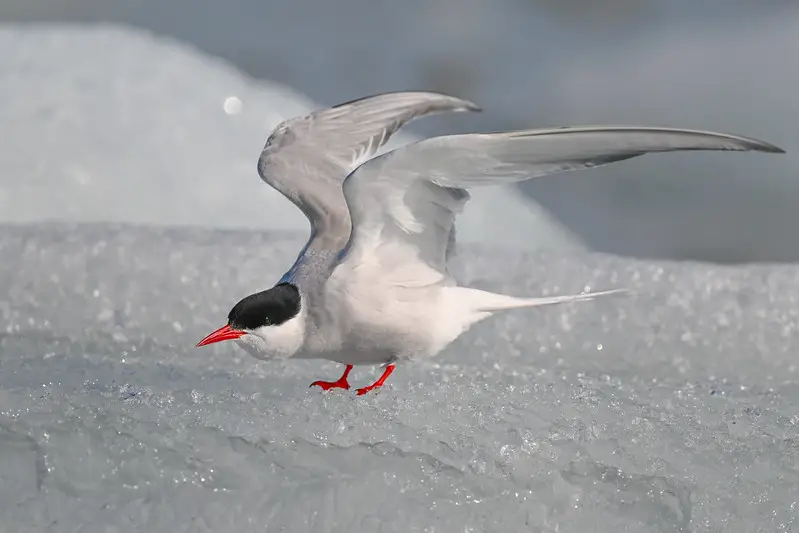
The Arctic tern holds the record for the longest migration of any animal, a fact confirmed through satellite tracking. Researchers have documented round-trip journeys exceeding 40,000 miles annually, traveling from the Arctic to Antarctica and back. New studies show that terns exploit global wind patterns and ocean currents to conserve energy during flight. Their navigation relies on a combination of visual landmarks, Earth’s magnetic field, and celestial cues. This extreme endurance and precision have made the Arctic tern a key species in migration research and climate studies, especially as shifting weather patterns affect global travel routes.
7. Star-Nosed Mole
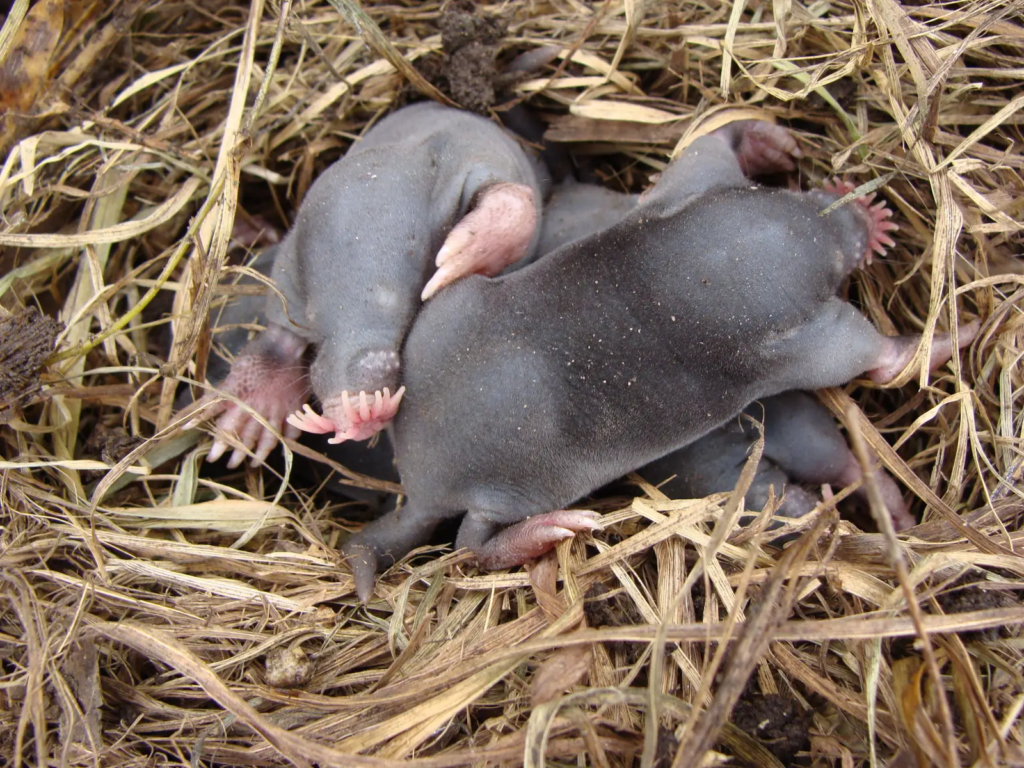
The star-nosed mole has one of the fastest sensory systems ever recorded. Its nose is surrounded by 22 fleshy tentacles packed with more than 25,000 sensory receptors. Research published in neuroscience journals shows the mole can identify and consume prey in under a quarter of a second. Unlike most mammals, it relies more on touch than sight, making its brain region for tactile processing exceptionally large. Scientists study this animal to understand how sensory information is prioritized and processed, offering insight into how brains adapt to extreme environments.
8. Tardigrade
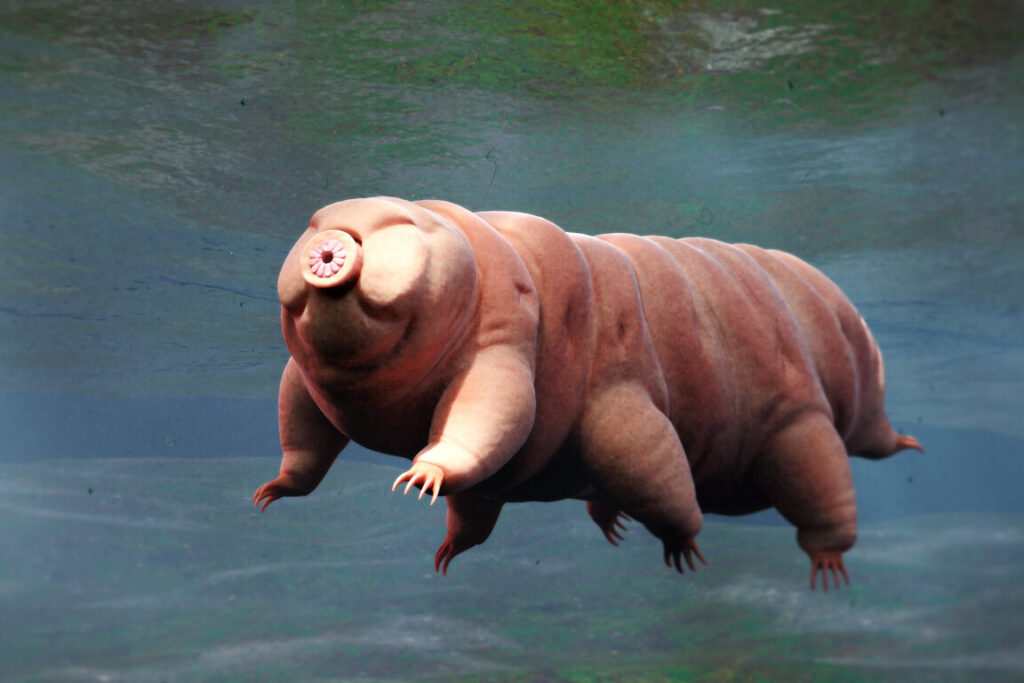
Tardigrades, often called water bears, are famous for surviving conditions that would kill almost any other organism. Research has confirmed they can endure extreme heat, freezing temperatures, radiation, and even the vacuum of space through a process called cryptobiosis. During this state, their metabolism nearly stops, and protective proteins shield their DNA. Studies conducted by space agencies and universities have tested tardigrades in orbit, where many revived successfully after exposure. These findings are now influencing research into long-term biological preservation and cellular repair mechanisms.
9. Pistol Shrimp
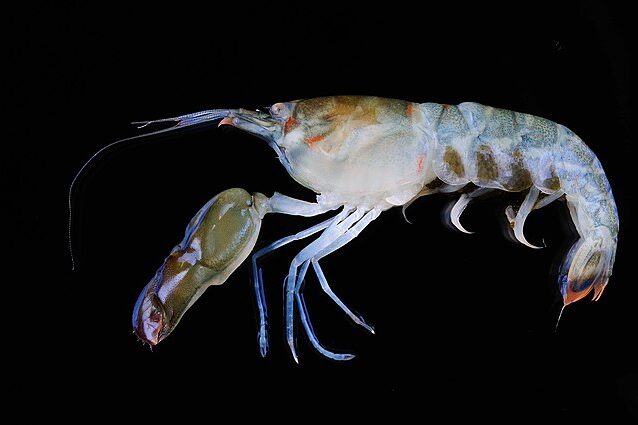
The pistol shrimp’s snap is more than just loud, it’s scientifically extreme. High-speed imaging has shown that when the shrimp closes its specialized claw, it creates a cavitation bubble that collapses with a shockwave strong enough to stun prey. The resulting sound can reach over 200 decibels underwater. Researchers discovered that this snap also briefly emits light due to the intense energy released. These findings have made the pistol shrimp a subject of interest in studies of fluid dynamics, sound propagation, and even naval engineering.
10. Peregrine Falcon

The peregrine falcon is the fastest animal in the air, reaching diving speeds over 200 miles per hour. Recent aerodynamic research explains how its streamlined body, stiff feathers, and adjustable wing shape reduce drag during high-speed dives. Scientists have also studied the falcon’s respiratory system, which prevents lung damage despite extreme pressure changes. High-speed cameras reveal how subtle head movements keep vision stable while targeting prey. These insights have been widely reported and are often referenced in studies of flight efficiency and high-speed maneuverability.
11. Honeybee
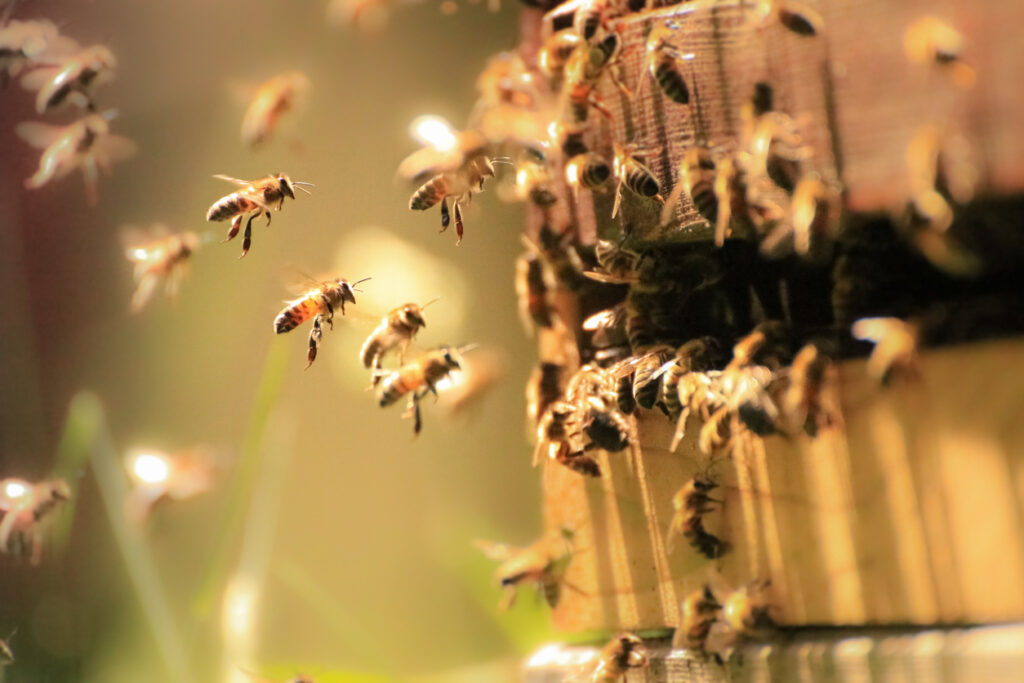
Honeybees communicate complex information using a behavior known as the waggle dance, a discovery that continues to be refined by modern research. Scientists have confirmed that the angle and duration of the dance convey precise details about the distance and direction of food sources relative to the sun. Recent studies using high-speed cameras and tracking software show that bees also incorporate environmental cues like wind and terrain into their messaging. This system allows entire colonies to make collective decisions efficiently. Researchers studying swarm intelligence frequently cite honeybees as a real-world example of decentralized problem-solving that works reliably at scale.
12. African Elephant
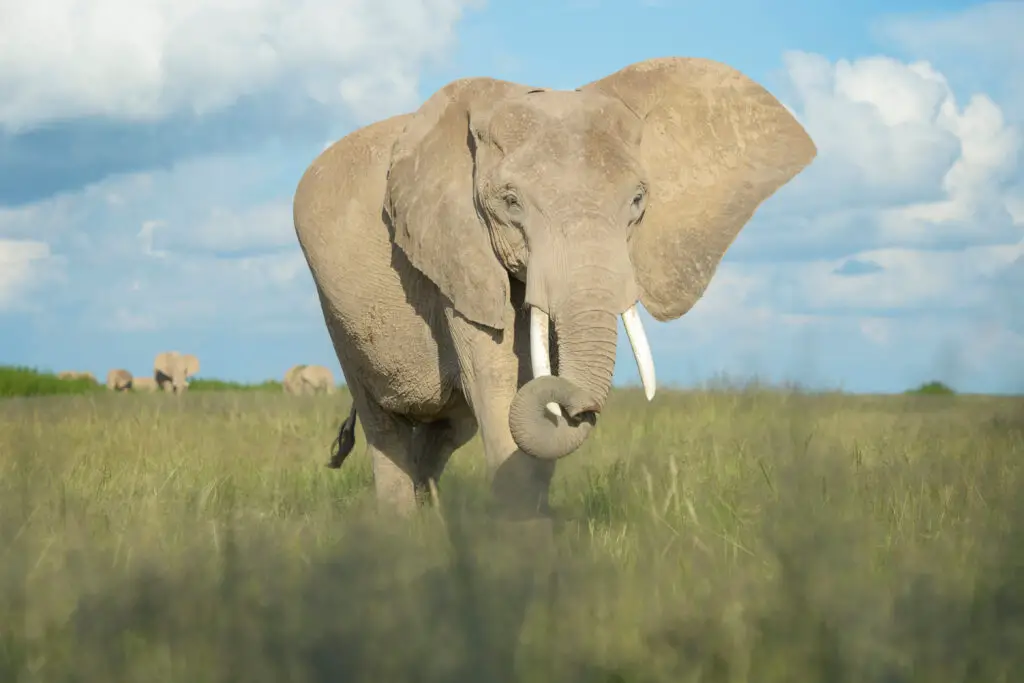
African elephants communicate using low-frequency sounds that travel miles through air and ground. Research has shown that these infrasonic calls allow herds to coordinate movement, warn of danger, and locate distant family members. Sensitive recordings and seismic sensors reveal that elephants can detect vibrations through their feet, adding another layer to their communication system. Studies also link this ability to their strong social bonds and long-term memory. These findings help explain how elephants maintain complex social networks across vast landscapes, even when individuals are separated by great distances.
13. Jumping Spider
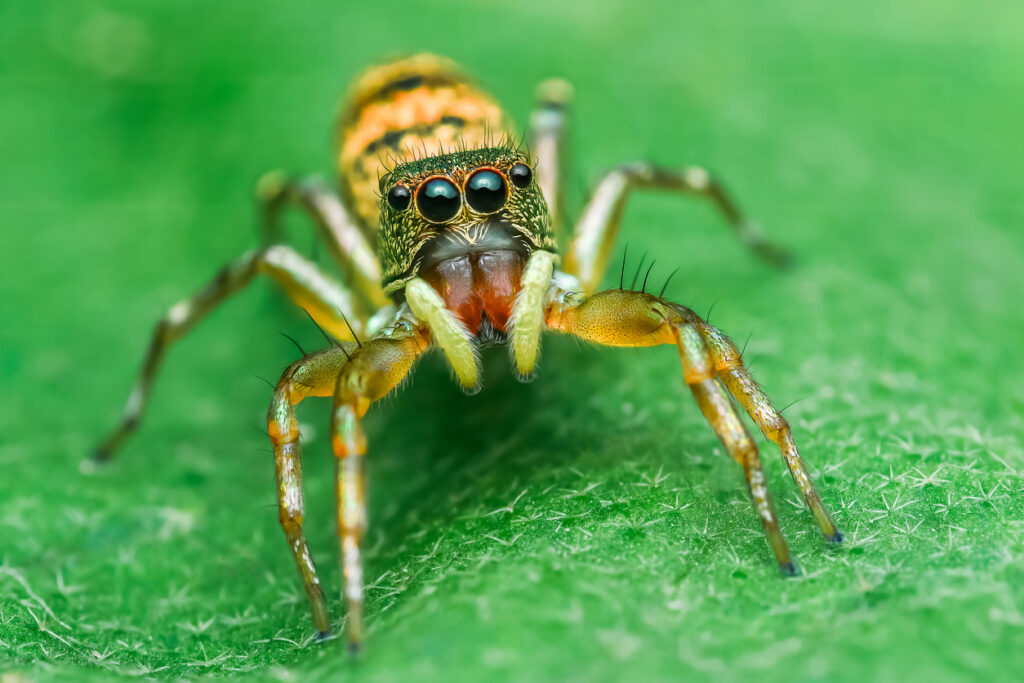
Jumping spiders possess vision that rivals much larger animals, a fact supported by extensive laboratory research. Their forward-facing eyes provide sharp depth perception, allowing them to judge distances accurately before leaping on prey. Scientists have discovered that these spiders can plan routes, remember visual landmarks, and even adjust hunting strategies after failed attempts. Brain studies suggest they process visual information more efficiently than previously thought. This combination of sharp eyesight and cognitive flexibility has made jumping spiders an important subject in research on visual perception and decision-making in small-brained animals.
14. Dolphin
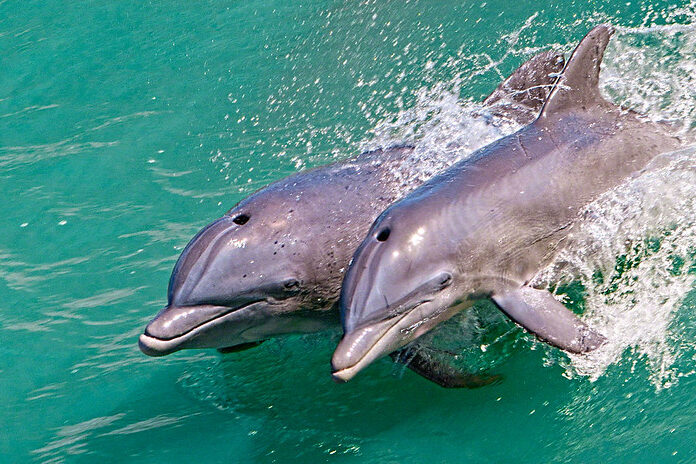
Dolphins use echolocation to perceive their environment in extraordinary detail. Research shows they emit clicks that bounce off objects, creating acoustic images detailed enough to detect shape, size, and even internal structure. Studies have also documented advanced social intelligence, including cooperative hunting and individual signature whistles that function like names. Brain scans reveal highly developed regions associated with problem-solving and communication. These findings, widely reported in marine science publications, continue to influence how researchers define intelligence and consciousness in non-human animals.
15. Kangaroo Rat
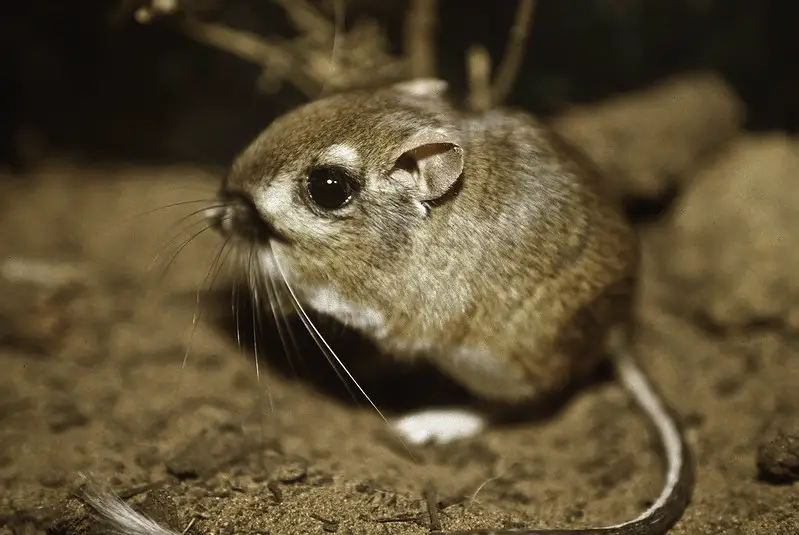
Kangaroo rats survive in some of the driest environments on Earth without drinking water. Research has shown that their kidneys are exceptionally efficient, producing highly concentrated urine that conserves moisture. They also extract water metabolically from dry seeds and remain active at night to avoid heat loss. Studies in desert ecology highlight how these adaptations allow kangaroo rats to thrive where other mammals cannot. Their physiology is frequently cited in research on water conservation and survival in extreme climates.
16. Chameleon
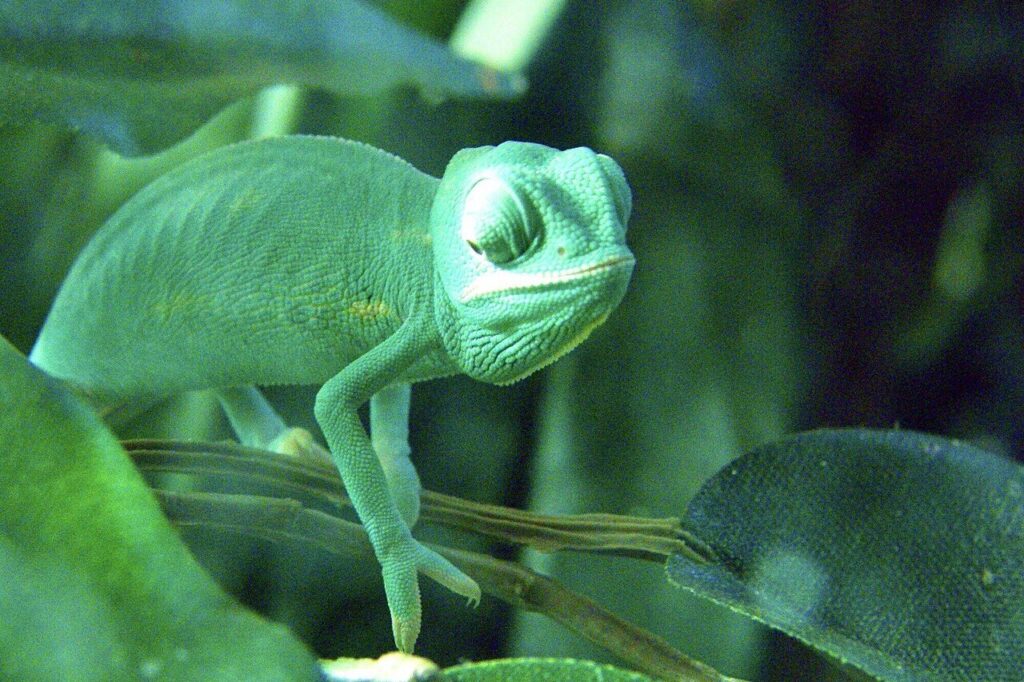
Chameleons are known for changing color, but recent research explains the mechanism more clearly. Scientists discovered that color shifts are controlled by nanocrystals in the skin that reflect light differently when cells expand or contract. This allows rapid changes linked to temperature, mood, or social signaling rather than simple camouflage. Chameleons also have independently moving eyes, giving them near 360-degree vision, and a tongue that can extend faster than the blink of an eye. These combined abilities make them a frequent subject in studies of biomechanics and optical biology.
17. Barn Owl
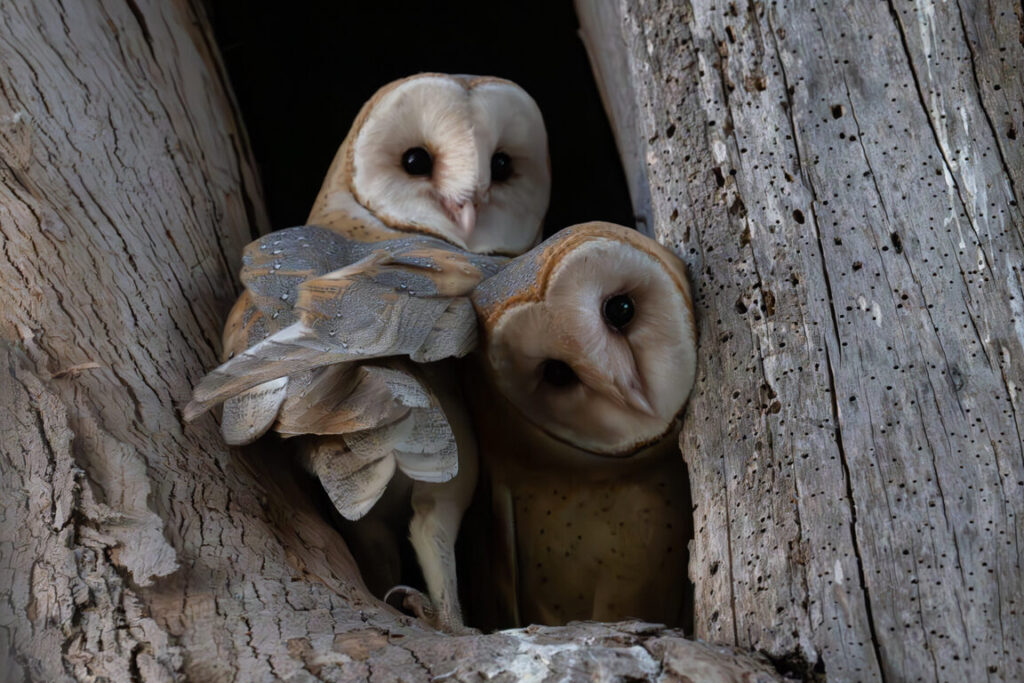
Barn owls hunt in near silence, a trait confirmed by detailed feather analysis. Researchers have shown that the fringed edges of their wing feathers break up airflow, dramatically reducing sound. Their facial disc funnels sound toward asymmetrical ears, allowing precise location of prey even in complete darkness. Laboratory experiments demonstrate that barn owls can pinpoint sound sources with astonishing accuracy. These findings have influenced acoustic engineering and are often referenced in discussions of stealth design inspired by nature.
18. Salmon
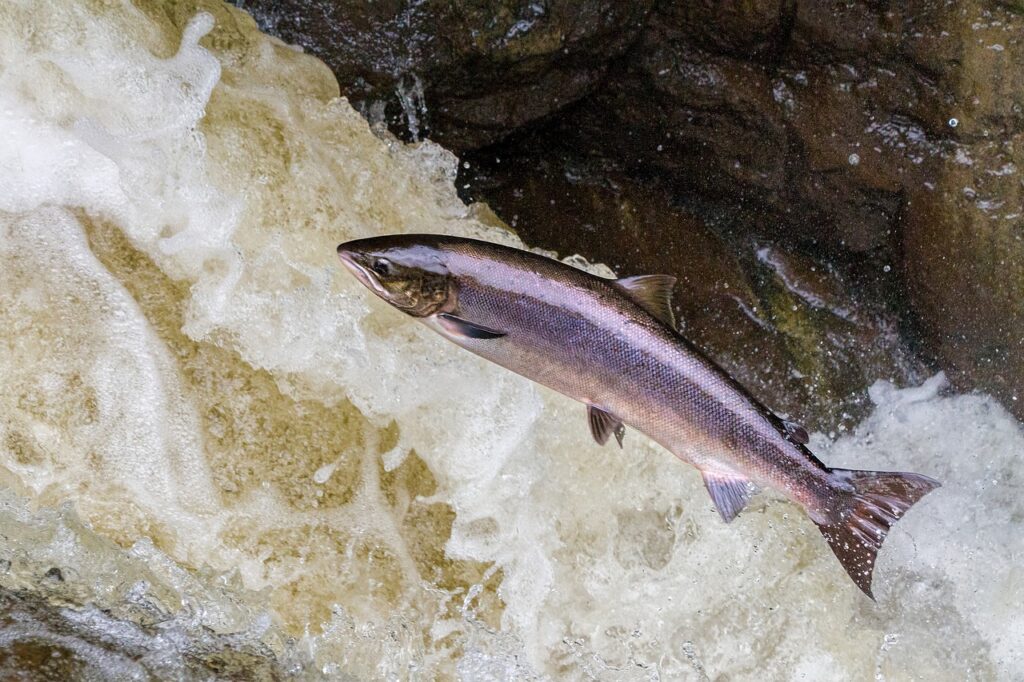
Salmon are famous for returning to their birthplace to spawn, and modern research has clarified how they accomplish this feat. Scientists believe salmon use a combination of Earth’s magnetic field and chemical cues in the water to navigate thousands of miles. Tagging studies and magnetic disruption experiments support this theory. Their ability to adapt physiologically from saltwater to freshwater during migration is also well documented. These traits make salmon a key species in research on navigation, adaptation, and the environmental impact of changing waterways.
19. Leafcutter Ant
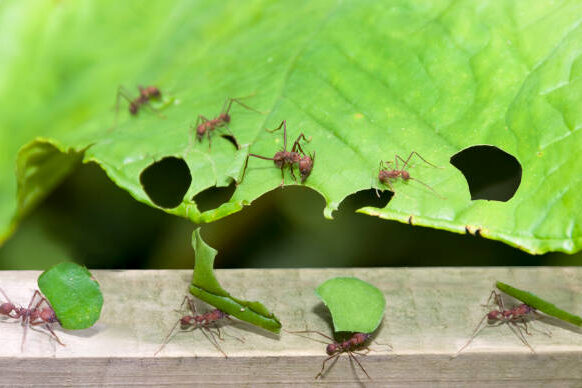
Leafcutter ants practice a form of agriculture that rivals human farming in efficiency. Research shows they harvest leaves not for food directly, but to cultivate fungus that feeds the colony. Specialized castes manage cutting, transport, and garden maintenance, while others control pests using natural antibiotics produced by bacteria on their bodies. Studies in evolutionary biology highlight this system as one of the earliest known examples of large-scale agriculture. Leafcutter ants are frequently cited in discussions of cooperation, sustainability, and division of labor in nature.
20. Woodpecker
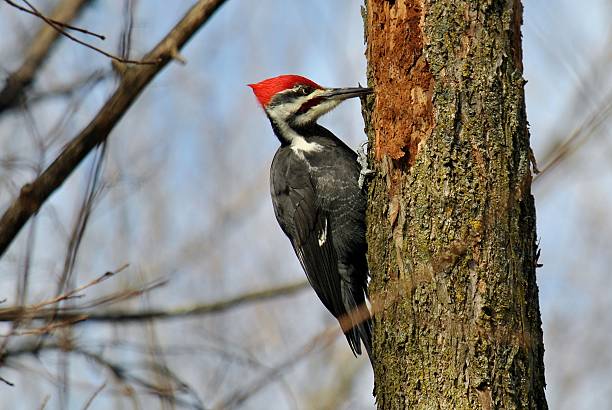
Woodpeckers can strike trees thousands of times a day without brain injury, a fact backed by anatomical research. Scientists have found that their skull structure distributes impact forces evenly, while spongy bone tissue absorbs shock. Their long tongues wrap around the skull, providing additional support and protection. High-speed imaging confirms that their pecking motion minimizes rotational forces that could cause damage. These discoveries have influenced studies in injury prevention and helmet design, making the woodpecker a model for impact-resistant biology.
21. Platypus
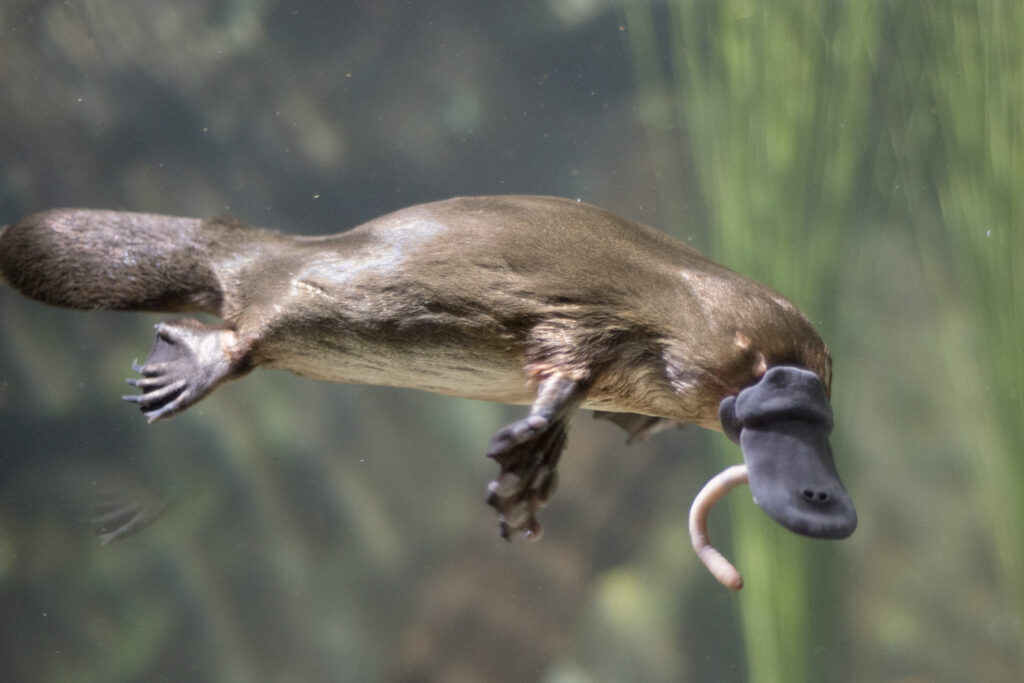
The platypus hunts using a sensory ability so unusual that it surprised scientists when fully documented. Research shows that its bill contains thousands of electroreceptors that detect the weak electrical signals produced by muscle contractions in prey. When diving, the platypus closes its eyes, ears, and nostrils, relying entirely on this electrical sense to locate food underwater. Studies demonstrate that it can determine both the direction and distance of prey with remarkable accuracy. This form of electroreception is among the most advanced found in mammals and has become an important reference point in research on sensory evolution and animal navigation.
22. Camel

Camels are masters of desert survival, and modern physiological studies explain how they endure extreme heat and dehydration. Research confirms that camel humps store fat, not water, which can be metabolized for energy and moisture when food is scarce. Their red blood cells are oval-shaped, allowing them to continue circulating even when severely dehydrated. Camels can also fluctuate their body temperature to reduce sweating, conserving water in harsh conditions. These adaptations are widely cited in zoological and environmental research as examples of how mammals evolve to thrive in some of the planet’s most unforgiving habitats.
23. Frog
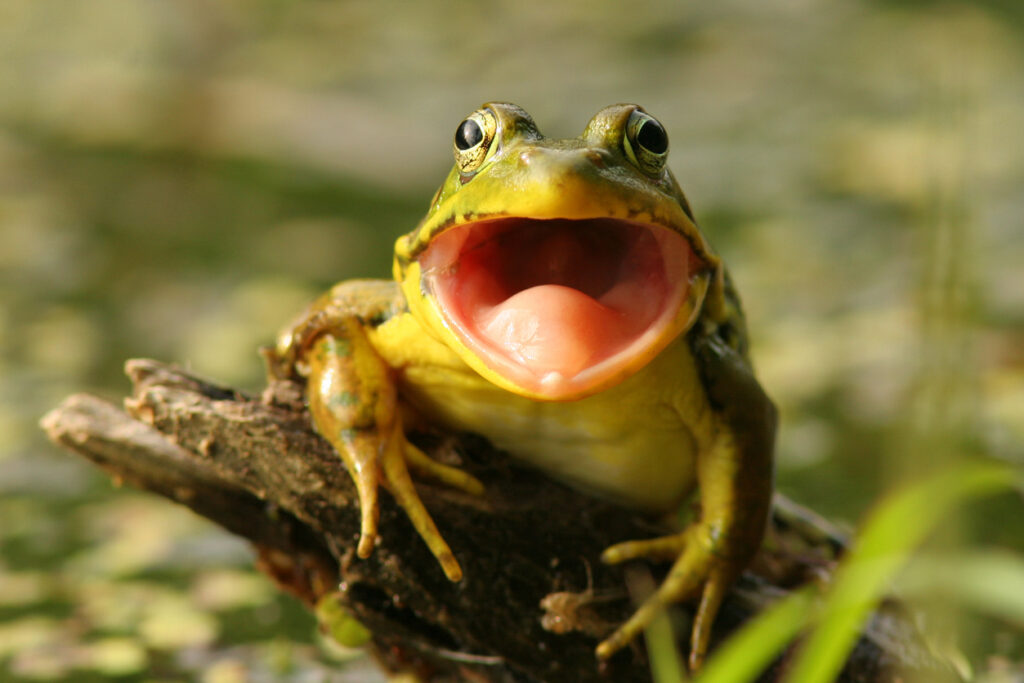
Some frog species can survive being frozen solid, a phenomenon confirmed through laboratory and field studies. During winter, these frogs allow ice to form in their bodies while producing glucose and other compounds that protect cells from damage. Their heart stops, breathing ceases, and brain activity becomes undetectable until temperatures rise again. Once thawed, normal function resumes. Researchers study this freeze tolerance to better understand cellular preservation and recovery. These findings have been widely reported and are now influencing research into organ preservation and medical cryogenics.
24. Shark

Sharks possess a sensory system that allows them to detect electrical fields produced by other animals. Known as the ampullae of Lorenzini, these specialized pores on the snout can sense minute electrical signals generated by muscle movement. Research shows this ability helps sharks locate prey hidden beneath sand or in murky water. Combined with acute smell and hearing, electroreception makes sharks highly effective hunters. Scientists frequently study this system to understand sensory integration in predators and to explore applications in underwater detection technology.
25. Pigeon
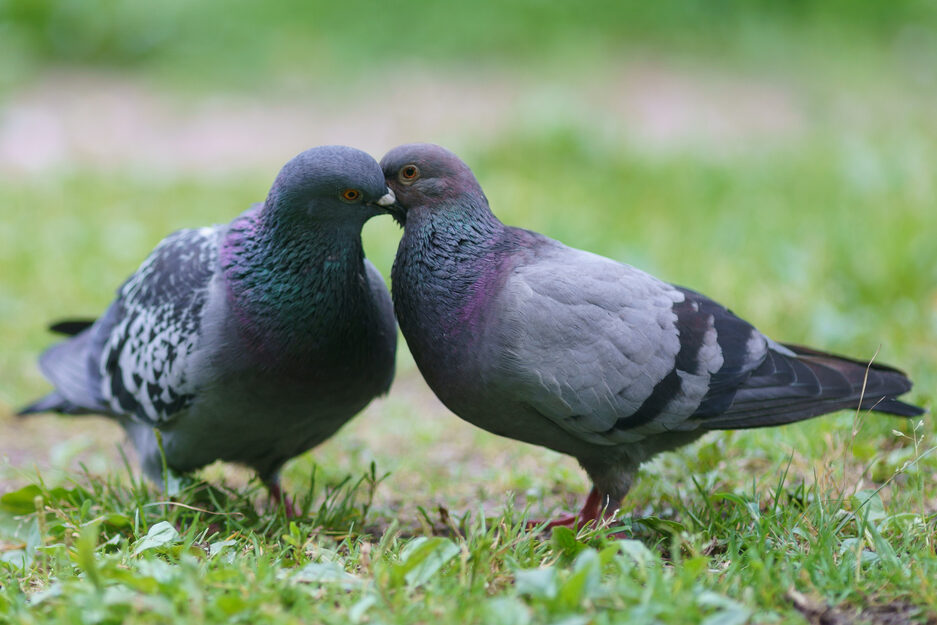
Pigeons have an exceptional ability to navigate long distances and return home, a skill supported by decades of research. Studies suggest pigeons use Earth’s magnetic field as a biological compass, along with visual landmarks and sun position. Iron-rich cells in their beaks are believed to play a role in magnetic sensing. GPS tracking experiments have shown pigeons can correct course mid-flight when displaced. This combination of navigation tools has made pigeons a key species in studies of orientation, memory, and animal migration behavior.
26. Axolotl
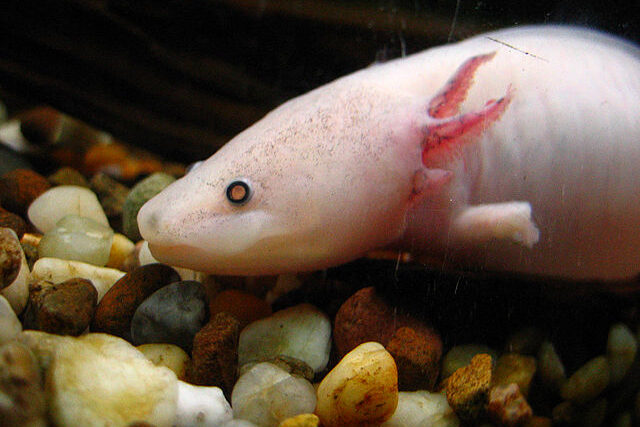
Axolotls are famous for their ability to regenerate lost limbs, organs, and even parts of the brain. Modern genetic research has revealed that axolotls reactivate developmental pathways that guide precise tissue regrowth without scarring. Unlike many animals, regenerated limbs restore full function, including nerves and blood vessels. Scientists study axolotls extensively to understand why this ability is absent in most mammals. Their regenerative capacity has been widely reported and is now central to research into wound healing, spinal injuries, and regenerative medicine.
27. Honey Badger

The honey badger’s reputation for toughness is strongly supported by scientific observation. Research and field reports show that its unusually thick, loose skin helps protect vital organs from bites and stings, including those from venomous snakes. Studies have also documented partial resistance to certain snake venoms, allowing honey badgers to survive encounters that would be fatal to many mammals. Their powerful jaws and strong forelimbs enable them to break into beehives, dig through hard ground, and defend themselves aggressively against larger predators. Wildlife biologists frequently cite the honey badger as an example of how physical resilience and behavioral fearlessness can dramatically improve survival odds.
28. Gecko
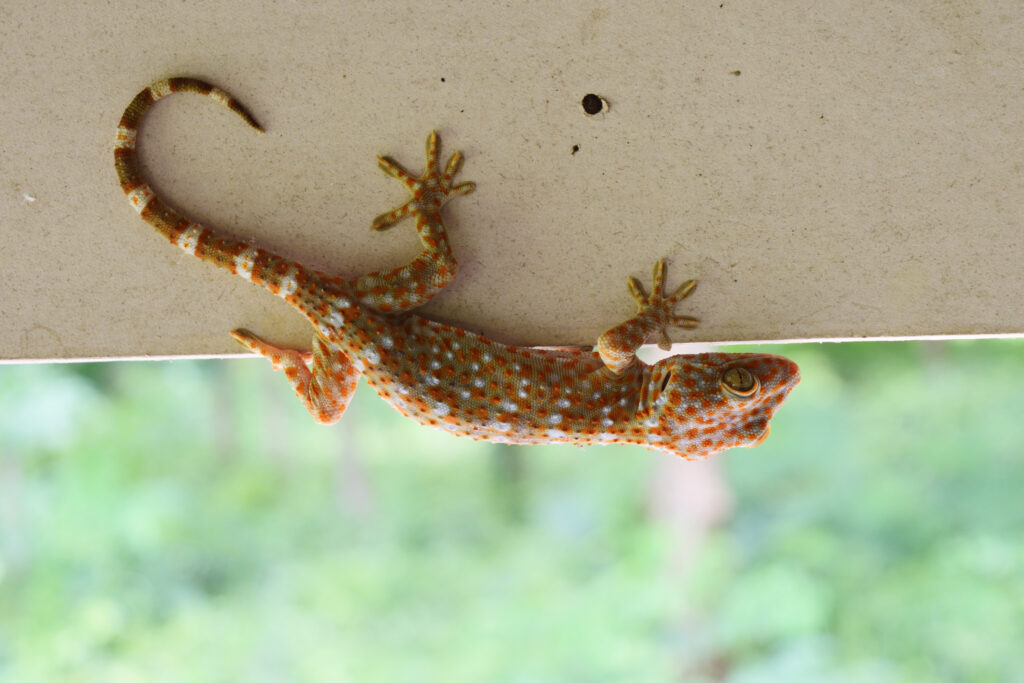
Geckos can climb smooth vertical surfaces and even walk upside down, thanks to microscopic structures on their toes. Research using electron microscopes has revealed millions of tiny hair-like setae that create molecular attraction through van der Waals forces. This allows geckos to adhere without sticky residue or suction. Studies also show they can instantly release and reattach their grip, enabling rapid movement across ceilings and glass. This discovery has been widely reported and has inspired the development of advanced adhesives and climbing technologies that mimic gecko feet at the nanoscale.
29. Swordfish
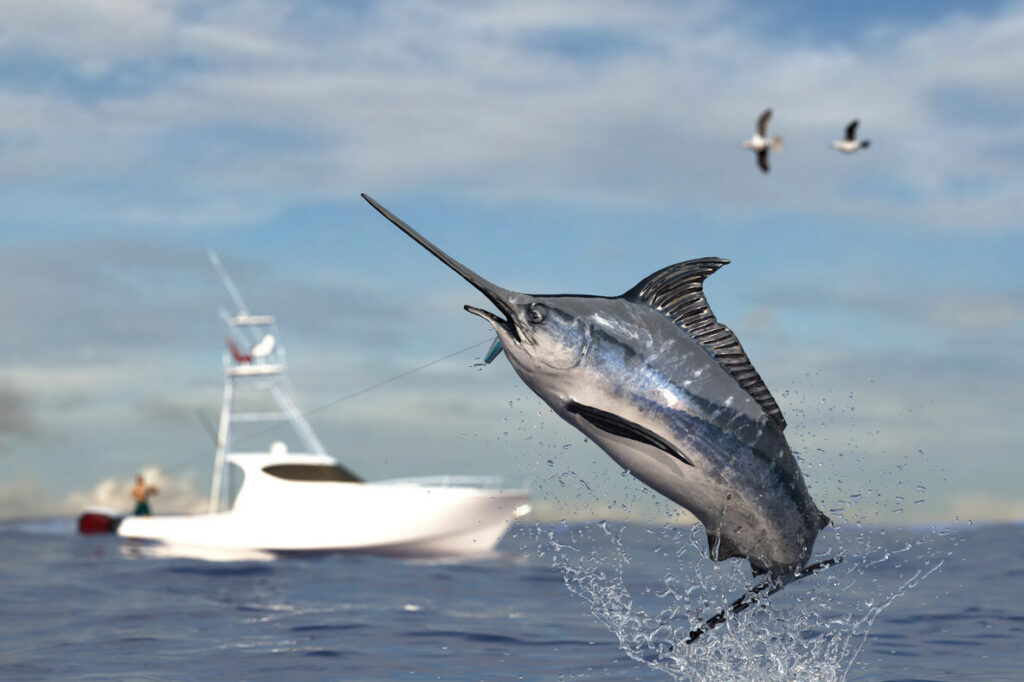
Swordfish possess a unique ability to heat their eyes and brain, giving them a major advantage in cold, deep waters. Research has shown that specialized muscles generate heat, keeping visual processing fast even in near-freezing temperatures. This allows swordfish to track and strike prey with precision at depth. Their long, flattened bill also reduces drag and helps stun prey during high-speed attacks. These adaptations are frequently discussed in marine biology studies as examples of how temperature regulation can enhance sensory performance in extreme ocean environments.
30. Crow
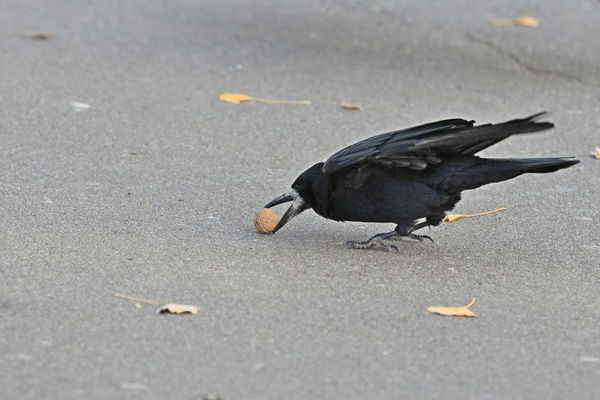
Crows display problem-solving abilities once thought to be unique to primates. Controlled experiments have shown that crows can use tools, solve multi-step puzzles, and even plan actions ahead of time. Some studies document crows bending wires into hooks or dropping nuts onto roads for cars to crack. Brain research reveals a high density of neurons linked to learning and memory, despite their small brain size. These findings have been widely reported and continue to reshape scientific understanding of intelligence, showing that complex cognition can evolve in very different forms across the animal kingdom.
New research continues to show that animal “superpowers” are not myths, but finely tuned adaptations shaped by evolution and environment.
Like this story? Add your thoughts in the comments, thank you.


