
1. Sandwich
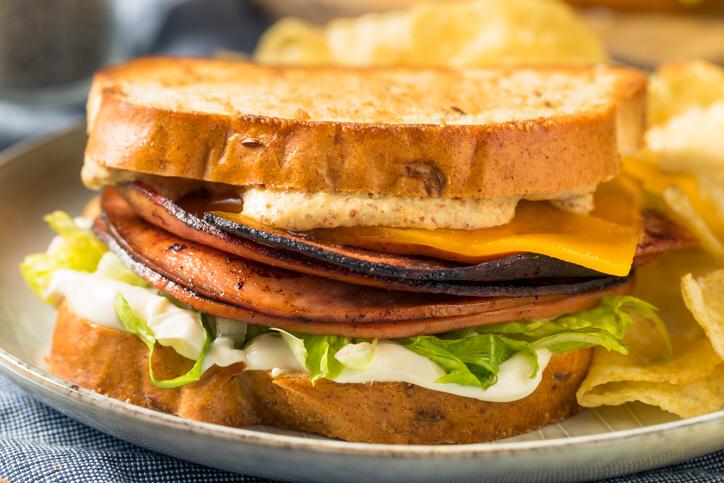
Food has a way of feeling familiar, even timeless. The sandwich owes its existence to convenience rather than culinary ambition. It is widely credited to John Montagu, an 18th-century British nobleman known for long gambling sessions. According to historical accounts, he requested meat tucked between slices of bread so he could eat without leaving the gaming table or dirtying his hands. The idea caught on quickly, not because it was refined, but because it was practical. Others began ordering “the same as Sandwich,” and the name stuck. Over time, this simple solution to a personal habit evolved into one of the most adaptable foods in the world, crossing cultures, classes, and cuisines with endless variations.
2. Ketchup

Ketchup did not begin as a tomato-based condiment. Its roots trace back to fermented fish sauces from China, commonly referred to as “ke-tsiap,” dating as far back as the 17th century. These salty, savory liquids were made from fish brine and spices and contained no tomatoes at all. British traders encountered the sauce in Southeast Asia and brought versions of it home, where cooks experimented with mushrooms, walnuts, and anchovies. Tomatoes only entered the recipe in the early 19th century in the United States. Over time, sugar and vinegar transformed it into the sweet, shelf-stable condiment now associated with fries and burgers rather than fermented fish.
3. Caesar Salad

Despite its Roman-sounding name, Caesar salad was not inspired by ancient history. It was created in the 1920s by restaurateur Caesar Cardini in Tijuana, Mexico. During a busy holiday weekend, Cardini reportedly ran low on ingredients and improvised using what was available: romaine lettuce, eggs, oil, cheese, and Worcestershire sauce. The dish was prepared tableside, adding a sense of theater that helped it gain popularity. Anchovies, often assumed to be central, were not part of the original recipe. What began as a resourceful response to shortage became a global restaurant staple.
4. Potato Chips
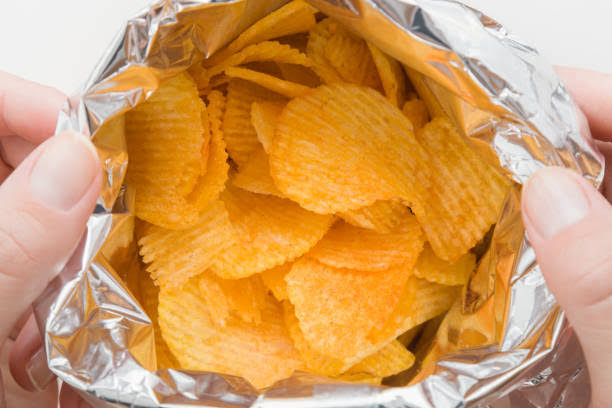
Potato chips were reportedly born out of frustration rather than innovation. In 1853, chef George Crum worked at a restaurant in Saratoga Springs, New York, where a customer repeatedly complained that his fried potatoes were too thick. In response, Crum sliced the potatoes paper-thin, fried them until crisp, and heavily salted them, expecting rejection. Instead, the customer loved them. The dish, first known as Saratoga chips, became popular with diners and eventually mass-produced. What started as a sarcastic gesture evolved into one of the most widely consumed snack foods in the world.
5. Ice Cream Cone

The ice cream cone emerged from a moment of necessity at the 1904 St. Louis World’s Fair. When an ice cream vendor reportedly ran out of bowls, a nearby waffle seller stepped in and rolled his thin waffles into cone shapes to hold the scoops. This simple collaboration solved an immediate problem and introduced a portable, edible container that delighted fairgoers. While multiple vendors later claimed credit, the fair undeniably popularized the cone concept. Its convenience transformed how ice cream was sold and enjoyed, helping turn it into a street-friendly treat rather than something confined to parlors and plates.
6. Chocolate Chip Cookies

Chocolate chip cookies were not the result of a perfected recipe but a happy accident. In the 1930s, Ruth Wakefield, owner of the Toll House Inn in Massachusetts, added chopped chocolate to cookie dough expecting it to melt evenly. Instead, the pieces held their shape, creating pockets of soft chocolate. Customers loved the unexpected texture. The recipe quickly spread, especially after Nestlé began printing it on chocolate bar packaging. What began as a baking experiment became a defining American dessert, shaping home baking traditions for generations.
7. Cornflakes

Cornflakes were originally created as part of a strict health movement. In the late 19th century, brothers John Harvey Kellogg and Will Keith Kellogg worked at the Battle Creek Sanitarium in Michigan. They believed bland foods could promote digestive health and discourage indulgent behavior. Cornflakes were developed as a simple, easily digestible meal for patients. While the original version was unsweetened, Will Kellogg later added sugar and marketed it to the public. The cereal’s transformation from medical food to breakfast staple reshaped how mornings were eaten worldwide.
8. Popsicles

Popsicles trace their origins to a child’s mistake. In 1905, 11-year-old Frank Epperson accidentally left a cup of flavored soda with a stirring stick outside overnight in cold weather. By morning, it had frozen solid. Years later, Epperson revisited the idea, eventually patenting the frozen treat. Initially called the “Epsicle,” it was later renamed Popsicle. The appeal lay in its simplicity and affordability, especially during hot summers. What began as an unplanned childhood experiment became a symbol of warm-weather refreshment and mass-produced nostalgia.
9. French Toast
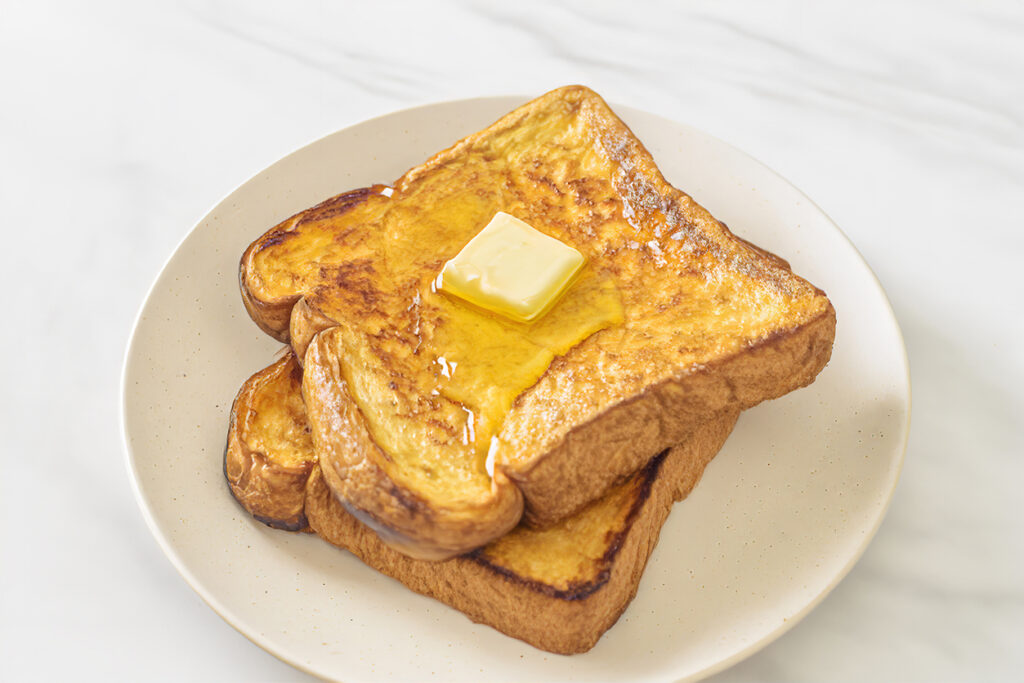
French toast is far older than its name suggests and did not originate in France alone. Versions of the dish appear in Roman-era cookbooks, where stale bread was soaked in milk and eggs before frying. The goal was practical: prevent food waste by reviving hardened loaves. In France, it became known as “pain perdu,” meaning “lost bread.” The English name likely emerged much later. Rather than a decadent breakfast invention, French toast began as a frugal solution used across cultures, proving that many comfort foods have roots in thrift and necessity rather than indulgence.
10. Cheese
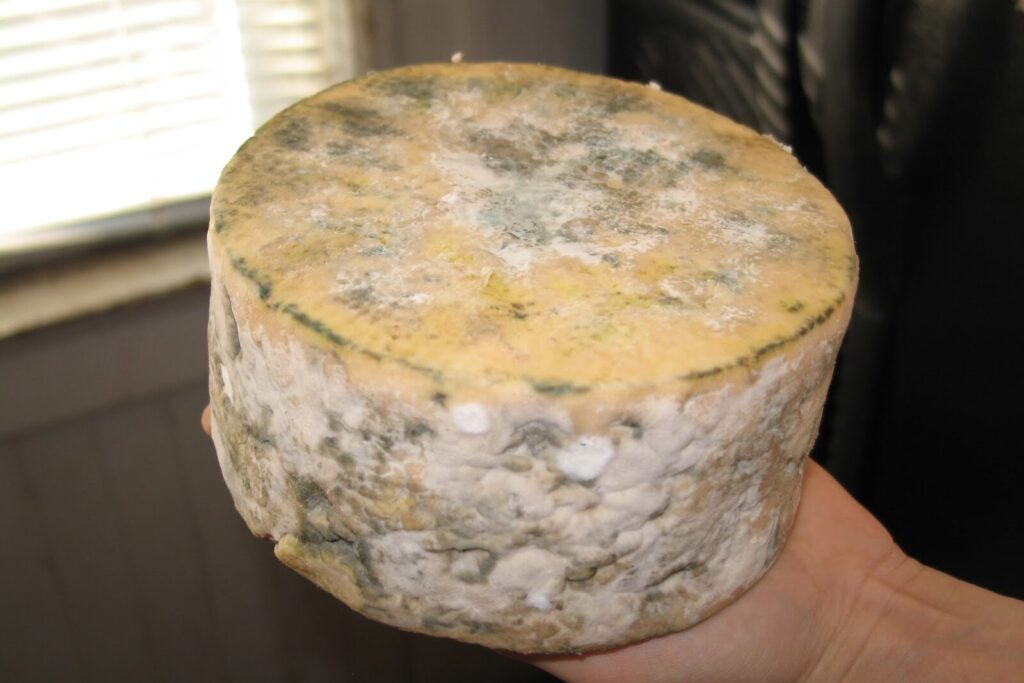
Cheese likely originated by accident thousands of years ago. Historians believe early herders stored milk in containers made from animal stomachs, which naturally contained rennet, an enzyme that causes milk to curdle. Combined with heat and movement, the milk separated into curds and whey, creating an early form of cheese. Rather than discarding it, people discovered it was edible, nutritious, and lasted longer than fresh milk. Over centuries, this accidental discovery evolved into countless regional cheese traditions. What began as a storage mishap became one of humanity’s most diverse and culturally significant foods.
11. Yogurt

Yogurt is one of the oldest fermented foods, and its origin appears to be accidental. Historians widely agree that early herding cultures in Central Asia stored milk in animal-skin containers. Natural bacteria combined with warm temperatures caused the milk to ferment, thickening it and giving it a longer shelf life. Instead of spoiling, the milk became tangy, nutritious, and easier to digest, especially for people who were lactose intolerant. Over centuries, yogurt became a dietary staple across the Middle East, Asia, and parts of Europe. Its association with health is not modern marketing alone; fermentation genuinely preserved nutrients and made milk safer to consume long before refrigeration existed.
12. Nachos
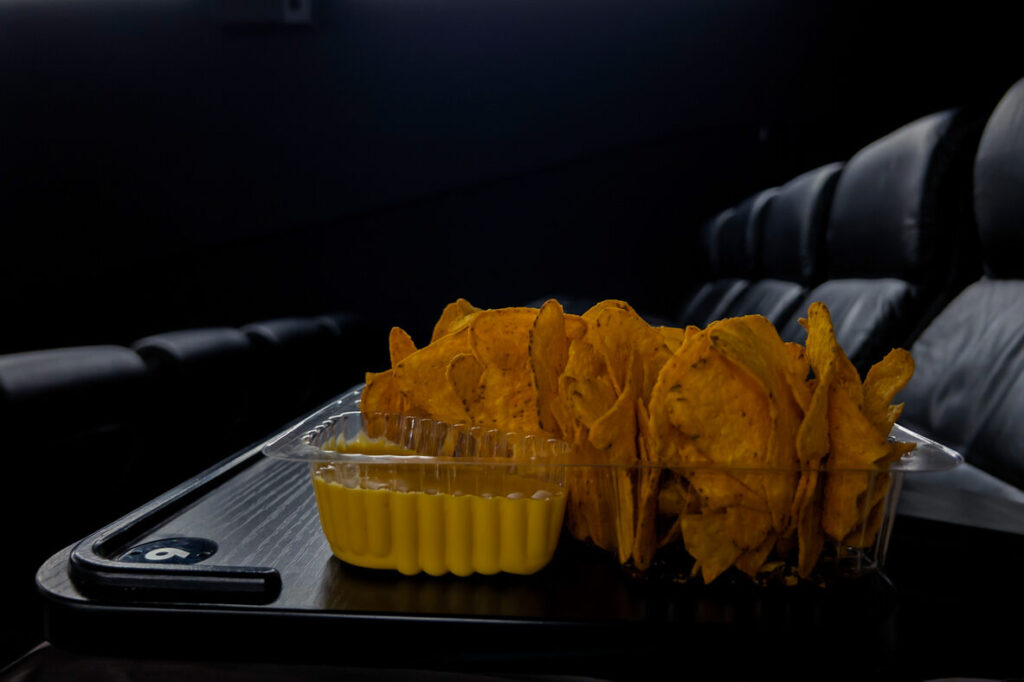
Nachos were created in 1943 as an improvised snack, not a planned dish. In the Mexican border town of Piedras Negras, a group of U.S. military wives arrived at a restaurant after closing time. The maître d’, Ignacio “Nacho” Anaya, assembled what he had on hand: fried tortilla chips, melted cheese, and sliced jalapeños. The simple plate was an instant hit. It spread quickly across Texas and the American Southwest, evolving into heavily topped versions. Yet the original nachos were modest and practical, born from hospitality and resourcefulness rather than culinary ambition or tradition.
13. Donuts

Donuts have roots in early European fried dough recipes, but their familiar ring shape came later for practical reasons. In the 19th century, dense centers often remained undercooked. According to popular accounts, a sailor punched a hole in the middle of the dough so it would fry evenly. The idea worked, and the ring shape caught on. Donuts became especially popular in the United States during World War I, when volunteers served them to soldiers for comfort. What started as a technical solution to uneven cooking eventually became an iconic design recognized around the world.
14. Margarine

Margarine was invented as a response to scarcity, not taste. In the 1860s, France faced butter shortages that affected both the military and working-class families. A government-sponsored competition sought an affordable substitute, leading to the creation of margarine using beef fat and milk. Although early versions were controversial and even restricted in some countries, margarine steadily improved and gained acceptance. Its history is tied closely to industrial food production and economic pressure. What many now see as a modern pantry staple began as a strategic solution to food supply problems during a national crisis.
15. Ramen
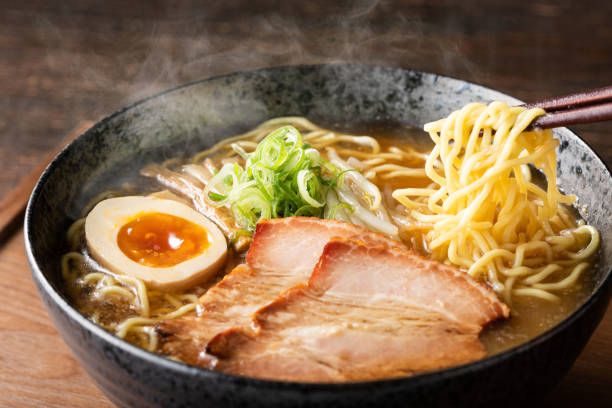
Ramen’s global popularity hides its roots in post-war hardship. While noodle soups existed earlier, instant ramen emerged in Japan during the late 1950s, when food shortages made affordable meals essential. The goal was simple: create something cheap, filling, and long-lasting. The invention of instant ramen allowed people to eat hot food with minimal ingredients and preparation. It spread quickly because it met real economic needs. Over time, ramen became deeply embedded in popular culture, evolving from survival food into a comfort meal and, eventually, a gourmet experience in restaurants worldwide.
16. Peanut Butter
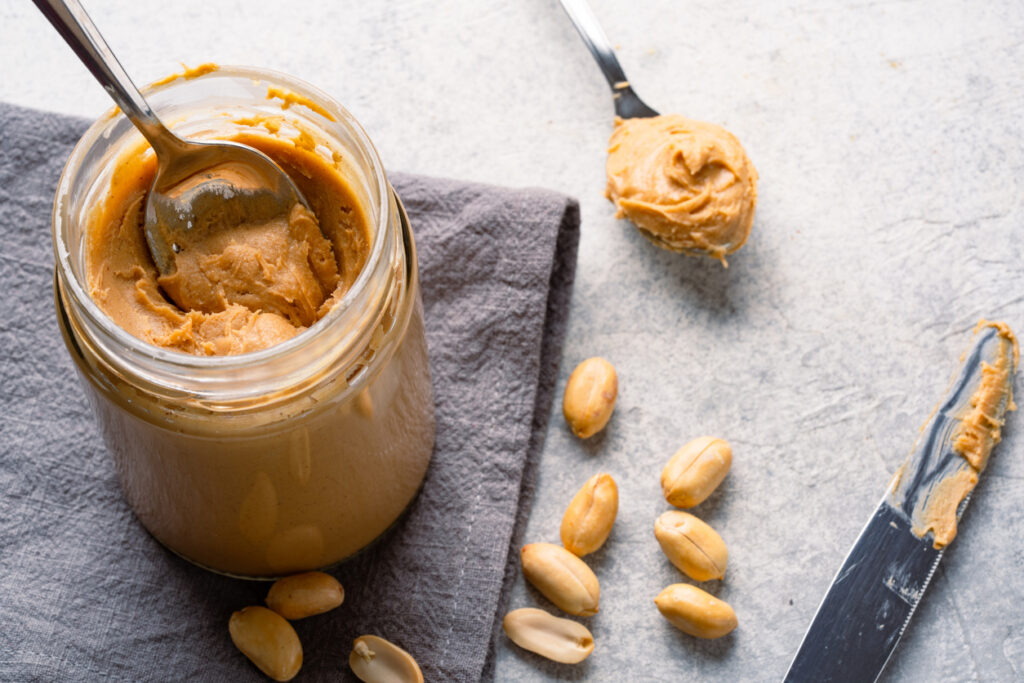
Peanut butter was not originally created as a snack food. Early versions appeared in the late 19th century as a high-protein alternative for people who struggled to chew meat, including hospital patients and the elderly. Ground peanuts provided nutrition without requiring heavy digestion. As processing methods improved, peanut butter became smoother, more shelf-stable, and easier to spread. Its association with sandwiches and childhood lunches came much later. The food’s origins are tied more closely to health and medical nutrition than to indulgence, making its modern comfort-food status an unexpected evolution.
17. Lobster
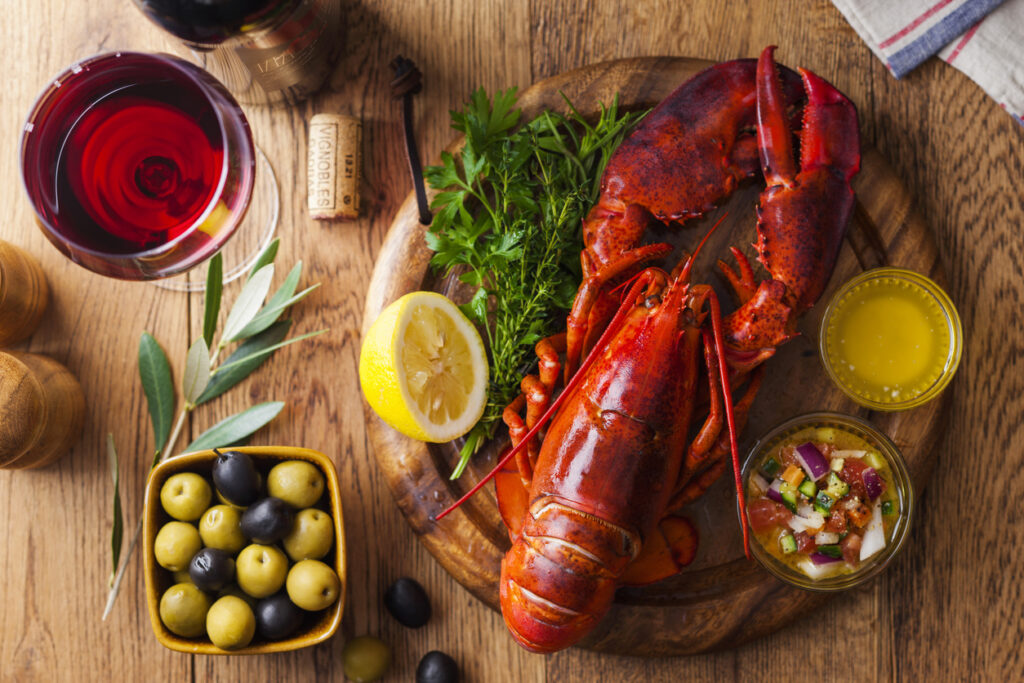
Lobster was once considered undesirable food in colonial North America. It was so abundant along the coast that it washed ashore in piles and was commonly fed to prisoners, servants, and enslaved people. In some regions, laws even limited how often lobster could be served to inmates due to complaints. Its reputation changed with improvements in transportation and preservation, allowing it to be served fresh inland. Over time, lobster became rare, expensive, and associated with luxury. The dramatic shift from poverty food to high-end delicacy remains one of the most striking reversals in food history.
18. Champagne

Champagne’s signature bubbles were once considered a flaw. Early winemakers in France struggled with unintended secondary fermentation, which caused bottles to fizz or explode. For years, producers attempted to eliminate the bubbles. Eventually, improved techniques allowed the carbonation to be controlled rather than feared. What was once viewed as a mistake became the defining feature of the drink. Champagne’s transformation from faulty wine to celebratory symbol shows how accidents can redefine luxury. Its modern image as a marker of success and milestones is built on centuries of trial, error, and adaptation.
19. Tofu
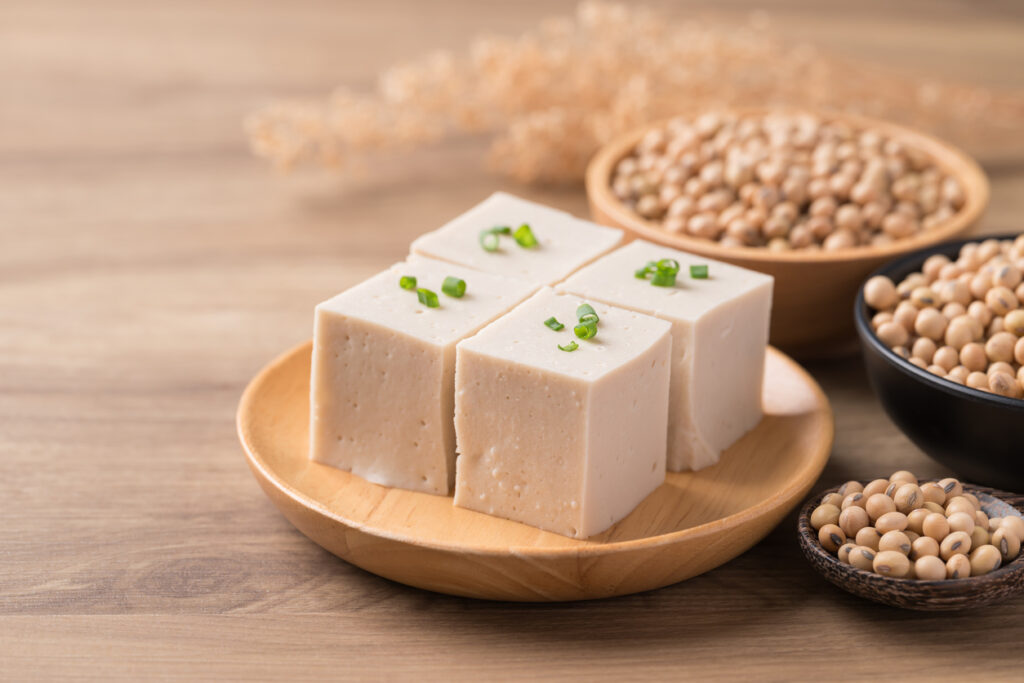
Tofu is believed to have originated in ancient China more than 2,000 years ago, likely through experimentation with soy milk. When a coagulant was added, the liquid solidified into a protein-rich food that could be shaped and preserved. Tofu became popular because it was affordable, versatile, and compatible with vegetarian diets. Rather than being a modern health trend, tofu has long been a practical staple rooted in efficiency and nutrition. Its spread across East Asia reflects cultural emphasis on balance and resourcefulness rather than dietary restriction or novelty.
20. Pizza

Pizza began as simple street food for working-class residents of Naples. Flatbread topped with inexpensive ingredients allowed people to eat quickly and affordably. Tomatoes, once viewed with suspicion in Europe, became a key topping because they were cheap and flavorful. Pizza remained largely local until Italian immigrants introduced it abroad, particularly in the United States. Over time, it evolved into countless regional styles. What is now a global comfort food and cultural symbol started as a practical meal for laborers, shaped by poverty, migration, and adaptability rather than culinary prestige.
Food history often reveals how closely eating is tied to necessity, chance, and human creativity. Many of the dishes we take for granted were shaped by mistakes, shortages, or simple attempts to solve everyday problems.
Like this story? Add your thoughts in the comments, thank you.


