
1. Placebo Effect Power

The placebo effect demonstrates that belief alone can trigger real physiological changes in the body. Patients given inactive treatments often report pain relief, symptom improvement, or measurable biological responses simply because they expect them. Brain scans show placebo responses can alter neurotransmitter activity and reduce pain signaling. However, scientists still do not fully understand how expectations translate into physical healing. The strength of the placebo effect varies widely between individuals and conditions, making it difficult to predict or harness consistently. Despite its importance in medical research, its underlying mechanisms remain elusive.
2. Dark Energy Origin
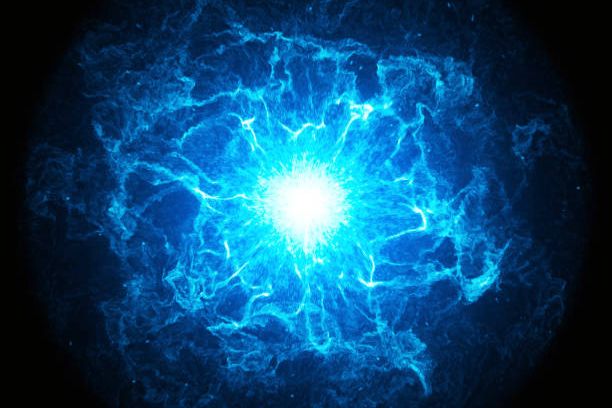
Dark energy is the mysterious force thought to be driving the accelerating expansion of the universe. First discovered in the late 1990s through observations of distant supernovae, it appears to counteract gravity on the largest cosmic scales. Scientists estimate dark energy accounts for roughly 68 percent of the universe, yet its origin and properties remain unknown. Some theories suggest it is an intrinsic property of space itself, while others propose new fields or modifications to gravity. Despite precise measurements from space telescopes, dark energy’s true nature continues to elude explanation.
3. Origin of Life
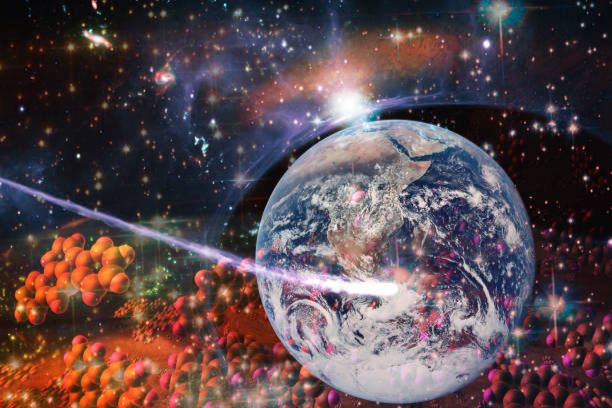
How life began on Earth remains one of science’s most profound mysteries. Researchers know that life existed at least 3.5 billion years ago, but the exact steps that transformed simple chemistry into living cells are still debated. Experiments have shown that organic molecules can form under early Earth–like conditions, yet assembling them into self-replicating systems is far more complex. Competing theories focus on deep-sea hydrothermal vents, shallow pools, or even extraterrestrial delivery of key compounds. Despite decades of study, no single explanation has gained universal acceptance.
4. Consciousness Mechanism

Consciousness, the subjective experience of awareness, remains poorly understood despite advances in neuroscience. Scientists can map brain regions involved in perception, memory, and decision-making, but how these processes combine to create conscious experience is unclear. Brain scans reveal patterns of electrical and chemical activity, yet they do not explain why certain neural processes feel like something from the inside. Philosophers and scientists refer to this as the “hard problem” of consciousness. Even with powerful imaging tools and artificial intelligence models, the biological basis of conscious awareness remains unresolved.
5. Fast Radio Bursts
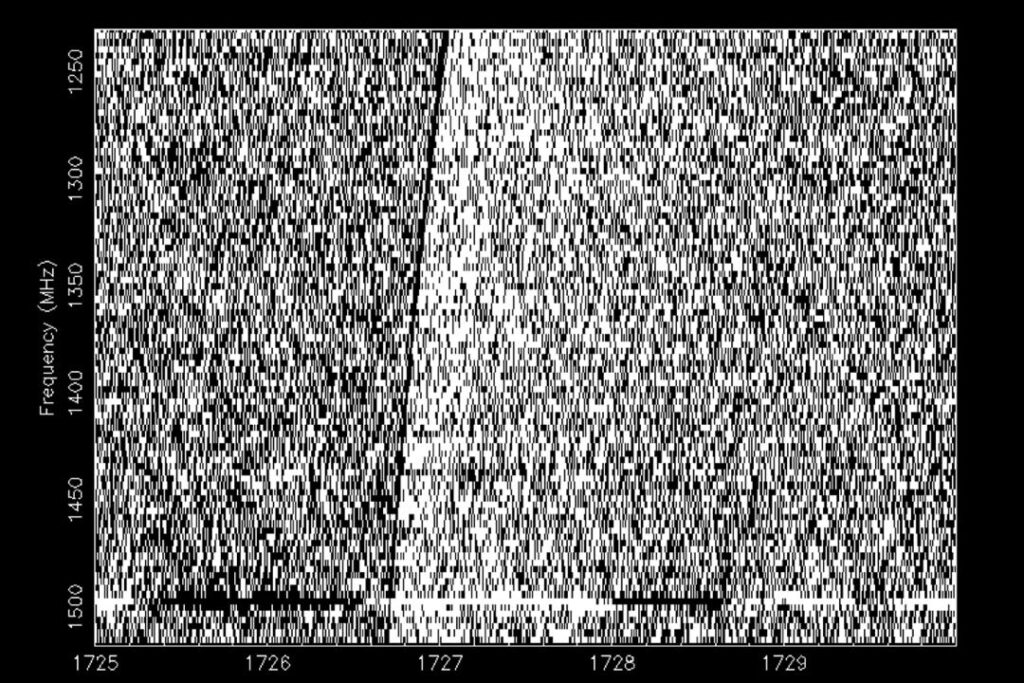
Fast radio bursts, or FRBs, are extremely brief yet powerful flashes of radio waves arriving from distant galaxies. First discovered in 2007, these signals last only milliseconds but can release as much energy as the Sun does in days. While astronomers have traced some FRBs to magnetars, highly magnetized neutron stars, not all bursts fit this explanation. Some repeat regularly, while others appear only once. Their diversity suggests multiple origins, but many details remain unexplained. Understanding FRBs could offer new insights into extreme cosmic environments and the structure of the universe.
6. Missing Antimatter
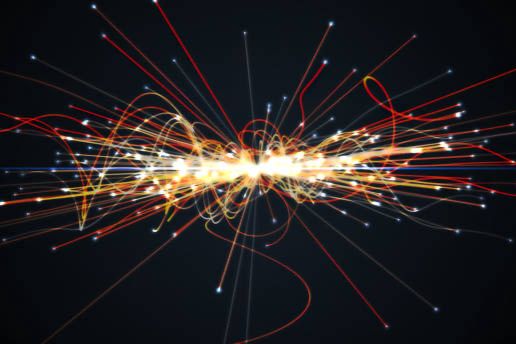
According to the laws of physics, the Big Bang should have produced equal amounts of matter and antimatter. When these opposites meet, they annihilate each other, releasing energy. Yet the observable universe is overwhelmingly made of matter, with almost no antimatter in sight. Scientists are investigating subtle asymmetries in particle behavior that might explain this imbalance, but experimental results so far fall short. Large experiments studying particle decay continue to search for clues, but why matter ultimately dominated remains one of cosmology’s greatest unsolved problems.
7. Earth’s Core Dynamics
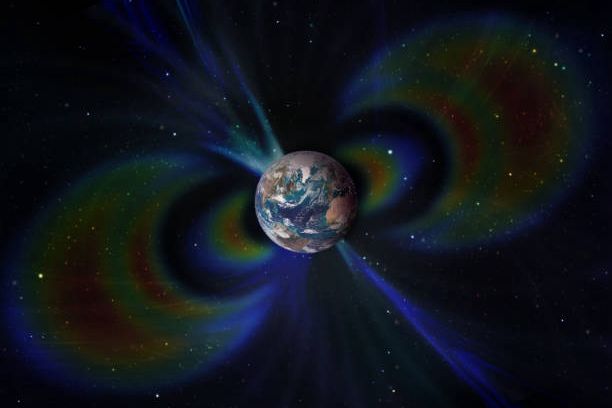
Earth’s magnetic field is generated deep within its molten iron core, yet scientists still don’t fully understand how this process works. Seismic data reveal that the inner core may rotate at a different speed than the rest of the planet, but measurements are difficult and sometimes contradictory. Changes in the magnetic field, including pole shifts and weakening, add further complexity. Because direct observation is impossible, researchers rely on models and indirect evidence. Understanding core dynamics is essential for explaining Earth’s magnetic history and its role in protecting life from solar radiation.
8. Quantum Gravity
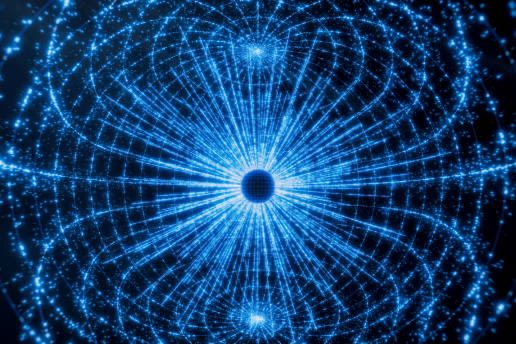
Quantum gravity seeks to unite quantum mechanics with general relativity, two theories that describe the universe at very different scales. While quantum mechanics governs subatomic particles, general relativity explains gravity and large cosmic structures. Attempts to merge them into a single framework have produced ideas like string theory and loop quantum gravity, but none have been experimentally verified. The extreme conditions needed to test quantum gravity exist only in places like black holes or the early universe. Without direct evidence, a complete theory remains out of reach.
9. The Fermi Paradox
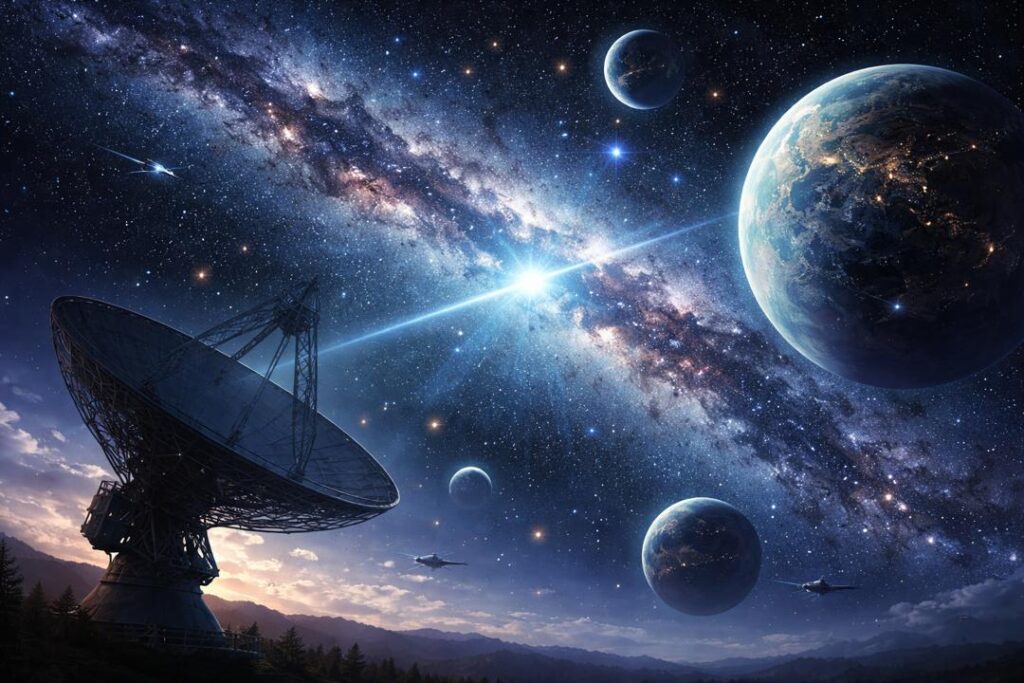
The Fermi Paradox asks a simple question: if the universe is so vast and old, why haven’t we detected signs of extraterrestrial civilizations? With billions of galaxies and potentially habitable planets, many scientists expect intelligent life to be common. Yet despite decades of searching, no confirmed signals have been found. Proposed explanations range from rare life conditions to self-destruction of advanced societies. Some suggest civilizations may be deliberately silent. The lack of evidence continues to challenge assumptions about life beyond Earth.
10. Aging Process Limits

Aging affects every living organism, but scientists still debate why it happens and whether it has a fixed biological limit. Research has linked aging to DNA damage, cellular wear, and shortened telomeres, yet no single mechanism explains the entire process. Some animals exhibit negligible aging, suggesting that long life may be biologically possible. While modern medicine has extended average lifespan, maximum human lifespan has changed little. Understanding aging is crucial not just for longevity, but for preventing age-related diseases. Despite rapid progress, fundamental questions remain unanswered.
11. Dreams Purpose

Dreams have fascinated scientists for centuries, yet their true purpose remains unclear. Research shows that most vivid dreams occur during rapid eye movement sleep, when brain activity is high and similar to wakefulness. Some theories suggest dreams help process emotions, consolidate memories, or simulate real-life threats, while others argue they may simply be byproducts of neural activity. Brain imaging has revealed which regions are active during dreaming, but that alone does not explain why dreams take symbolic or emotional forms. Despite modern sleep labs and neurological tools, there is still no consensus on why humans dream at all.
12. Dark Matter Identity
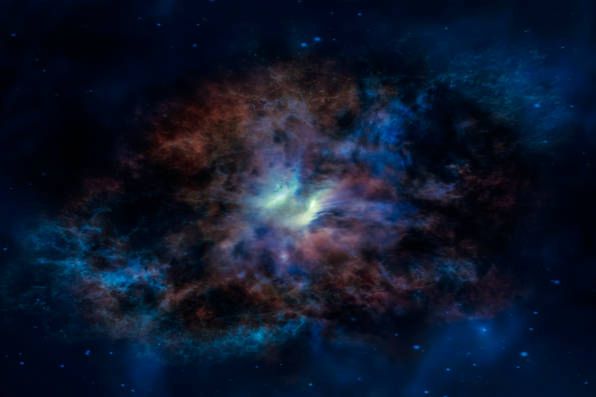
Science has answered countless questions about how our world works, yet some puzzles remain stubbornly unresolved. Dark matter is believed to make up about 85 percent of all matter in the universe, yet no one knows what it actually is. Scientists infer its existence from the way galaxies rotate and how light bends around massive cosmic structures, effects that cannot be explained by visible matter alone. For decades, researchers have proposed candidates ranging from weakly interacting particles to exotic new physics beyond the Standard Model. Massive underground detectors and particle accelerators like CERN continue searching for direct evidence, but so far, dark matter has never been observed directly. Its invisible nature remains one of modern physics’ biggest unanswered questions.
13. Time’s True Nature

Time governs every aspect of human experience, yet physicists still debate what it truly is. In everyday life, time flows steadily forward, but at the fundamental level, many physical laws work equally well backward. Einstein’s theory of relativity showed that time can slow down or speed up depending on motion and gravity. Meanwhile, quantum physics offers no clear definition of time at all. Scientists continue to debate whether time is a fundamental property of the universe or an emergent illusion. This question remains one of the deepest puzzles in theoretical physics.
14. Ball Lightning Phenomenon
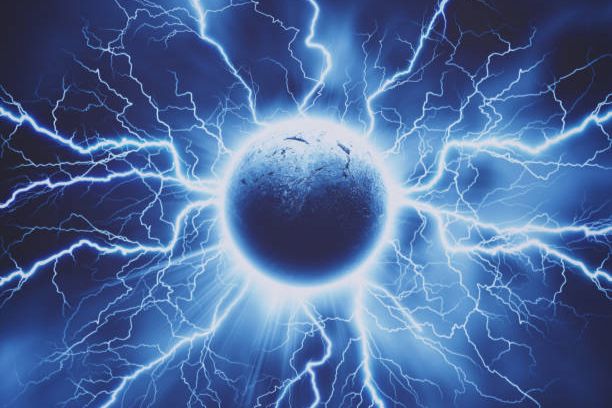
Ball lightning is a rare and mysterious atmospheric event reported for centuries. Witnesses describe glowing, floating spheres appearing during thunderstorms, sometimes moving unpredictably before vanishing or exploding. While thousands of credible accounts exist, the phenomenon is difficult to capture under controlled conditions. Proposed explanations include plasma formations, vaporized silicon particles, or electromagnetic effects, but none fully explain all observations. Occasional laboratory experiments have produced similar effects, yet they fall short of matching real-world reports. Because ball lightning is unpredictable and fleeting, its true nature remains unresolved.
15. Human Memory Limits

Human memory feels vast, yet it is surprisingly unreliable. People forget details, misremember events, or confidently recall things that never happened. Neuroscience has mapped how memories form in the brain, particularly in regions like the hippocampus, but storage capacity and accuracy remain poorly understood. Memories are not fixed recordings; they are reconstructed each time they are recalled, which introduces errors. Scientists still debate whether the brain has a finite memory limit or if forgetting is an adaptive feature. Understanding memory’s true boundaries remains an ongoing challenge.
16. Ocean Depth Unknowns

More than 80 percent of the ocean remains unexplored, making Earth’s own seas one of science’s greatest unknowns. Extreme pressure, darkness, and cold limit exploration of the deep ocean. New species are regularly discovered during deep-sea missions, suggesting complex ecosystems still hidden from view. Scientists suspect unknown geological processes and biological adaptations exist far below the surface. Despite advanced submersibles and sonar mapping, large areas remain inaccessible. The deep ocean continues to challenge our understanding of life and planetary processes.
17. Language Evolution

How human language first emerged remains deeply uncertain. Fossil evidence provides limited clues about speech capabilities, and language leaves no direct archaeological record. Some researchers believe language evolved gradually from gestures and sounds, while others argue for a rapid cognitive shift. Studies of ancient art, vocal anatomy, and primate communication offer partial insights but no definitive answers. Language’s complexity and universality make its origin especially puzzling. Despite advances in linguistics and anthropology, the beginnings of spoken language remain largely speculative.
18. Universe Final Fate

The ultimate fate of the universe depends on forces scientists are still trying to understand. Current evidence suggests expansion is accelerating, pointing toward a cold, empty future known as the Big Freeze. Other theories propose dramatic endings such as the Big Rip or a collapse back into a Big Crunch. Each scenario depends on the behavior of dark energy over immense timescales. Because these processes unfold over billions of years, they are impossible to observe directly. As a result, the universe’s final destiny remains one of cosmology’s greatest unanswered questions.
Scientific progress thrives on unanswered questions. These mysteries remind us that even with powerful tools and global collaboration, nature still holds secrets beyond our reach.
Like this story? Add your thoughts in the comments, thank you.


