
1. Mantis Shrimp Sees Everything
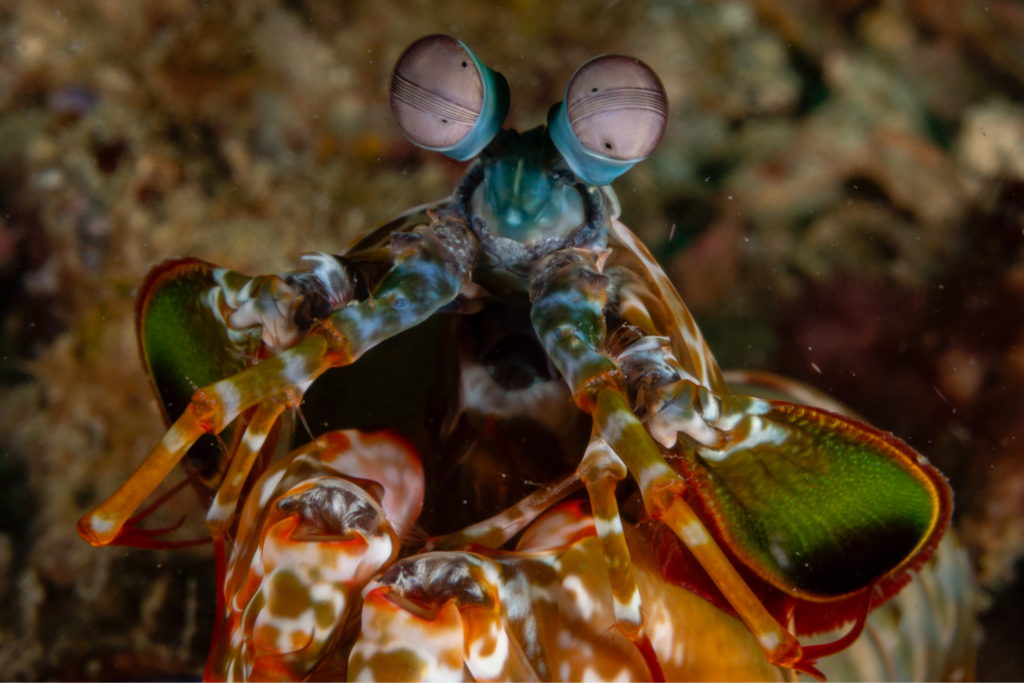
Nature has spent millions of years experimenting, refining, and perfecting survival tricks that often feel more like science fiction than biology. The mantis shrimp possesses one of the most complex visual systems ever discovered. While humans rely on three color receptors, mantis shrimp have up to 16 photoreceptors, allowing them to perceive ultraviolet and polarized light invisible to us. Researchers have shown that this helps them detect prey, rivals, and reflective surfaces in coral reefs with remarkable precision. Their eyes move independently and can judge depth using just one eye, a skill known as monocular depth perception. Despite early assumptions, scientists later found their vision prioritizes speed over detail, allowing rapid recognition rather than careful analysis. This system is perfectly adapted for fast-paced reef environments where hesitation can mean starvation or death.
2. Tardigrade Survives Space
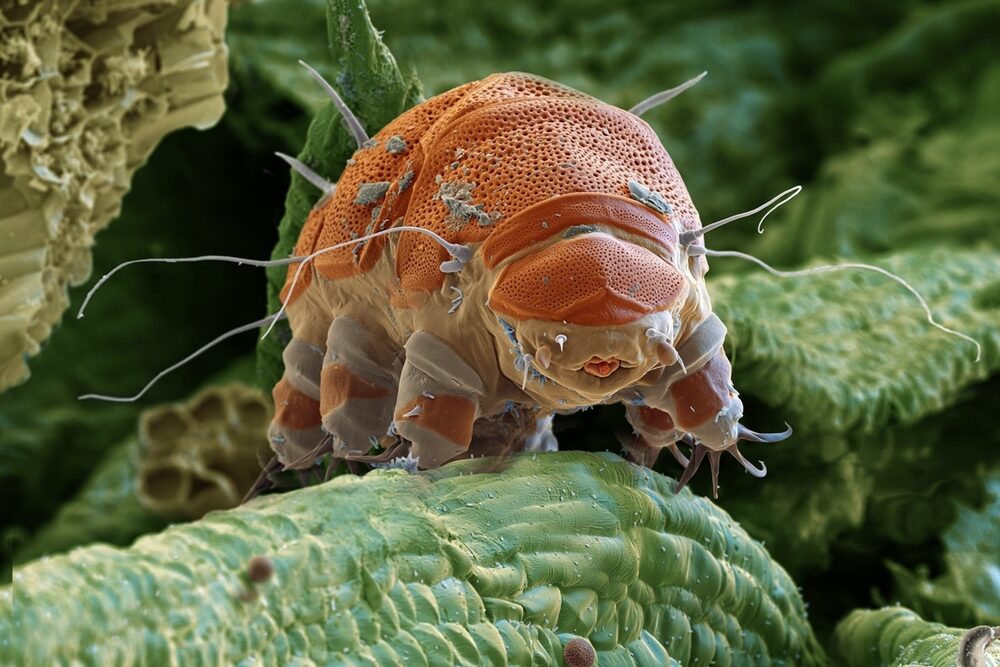
Tardigrades, often called water bears, are microscopic animals capable of surviving conditions that would instantly kill almost all life forms. Scientific experiments have shown they can endure extreme heat, freezing temperatures, crushing pressure, dehydration, radiation, and even the vacuum of outer space. They achieve this by entering a cryptobiotic state, essentially shutting down their metabolism until conditions improve. In this state, their bodies lose nearly all water content, preventing cellular damage. When moisture returns, they revive and resume normal activity. Their resilience has made them a major subject of astrobiology research, helping scientists understand how life might survive beyond Earth.
3. Electric Eel Generates Power
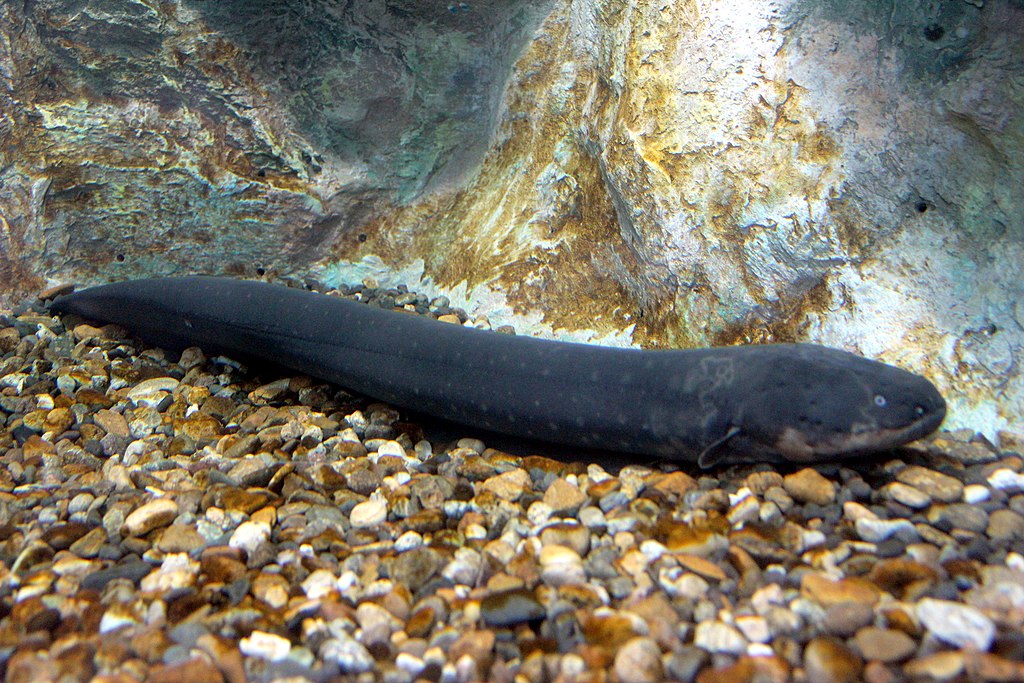
Electric eels can produce powerful electric shocks reaching up to 600 volts, making them one of the strongest bioelectric generators in the animal kingdom. This electricity comes from specialized cells called electrocytes, which function like tiny batteries stacked together. The eel uses low-voltage pulses to navigate murky waters and locate prey, while high-voltage bursts can stun or immobilize fish and even deter predators. Studies have shown electric eels can also leap partially out of the water to deliver more effective shocks when threatened. This ability allows them to dominate environments where visibility is poor and competition is fierce.
4. Octopus Escapes Anything
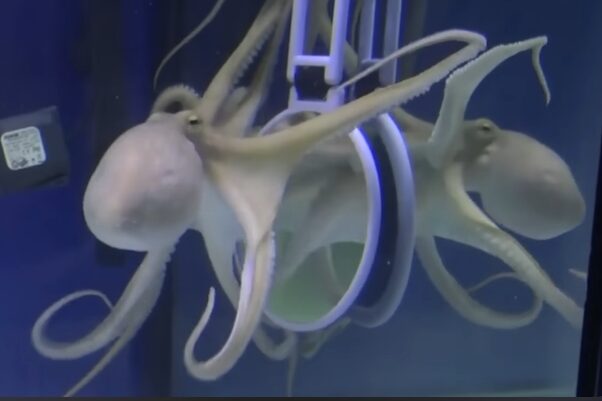
Octopuses are masters of escape, capable of squeezing through openings no larger than their beak. With no rigid skeleton, their soft bodies can compress and flow into impossibly tight spaces. Beyond physical flexibility, octopuses are highly intelligent, showing problem-solving skills, memory retention, and tool use in controlled studies. They can open jars, manipulate locks, and recognize individual humans. Their ability to change color and texture instantly using specialized skin cells adds another layer of defense, allowing them to blend seamlessly into their surroundings. These combined traits make octopuses some of the most elusive and adaptable animals in the ocean.
5. Bombardier Beetle Explodes
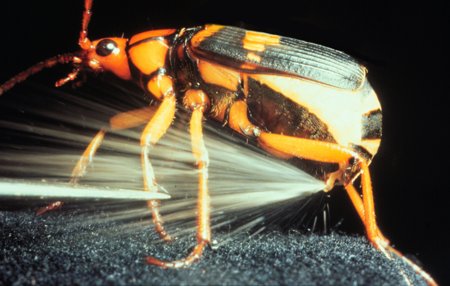
The bombardier beetle defends itself using a chemical reaction that functions like a controlled explosion. When threatened, it mixes two stored chemicals, hydroquinone and hydrogen peroxide, in a special chamber. The reaction produces a boiling, noxious spray expelled with a popping sound toward predators. Scientists have measured the temperature of this spray at near boiling point, making it highly effective against attackers. Remarkably, the beetle’s internal structure prevents self-harm during the process. This defense system has been studied extensively as an example of natural chemical engineering and evolutionary precision.
6. Lyrebird Mimics Reality
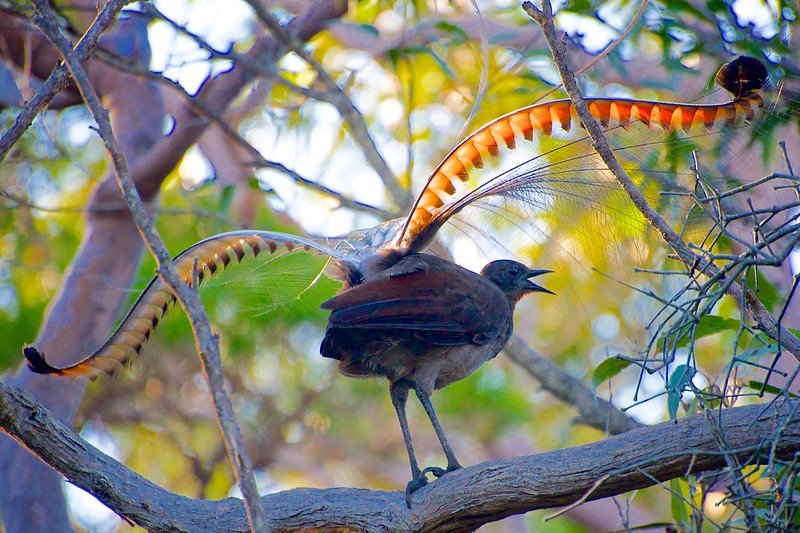
Lyrebirds are among the most skilled vocal mimics in the animal world. They can accurately reproduce not only other birds’ calls but also human-made sounds such as camera shutters, chainsaws, car alarms, and even construction noise. Field recordings and documentaries have confirmed that these imitations are astonishingly precise. Male lyrebirds use these complex performances during mating displays, combining sound with elaborate tail movements. Their vocal learning ability demonstrates advanced auditory memory and control. In habitats affected by human activity, lyrebirds often incorporate modern sounds into their repertoire, creating an eerie blend of nature and machinery.
7. Pistol Shrimp Fires Sound
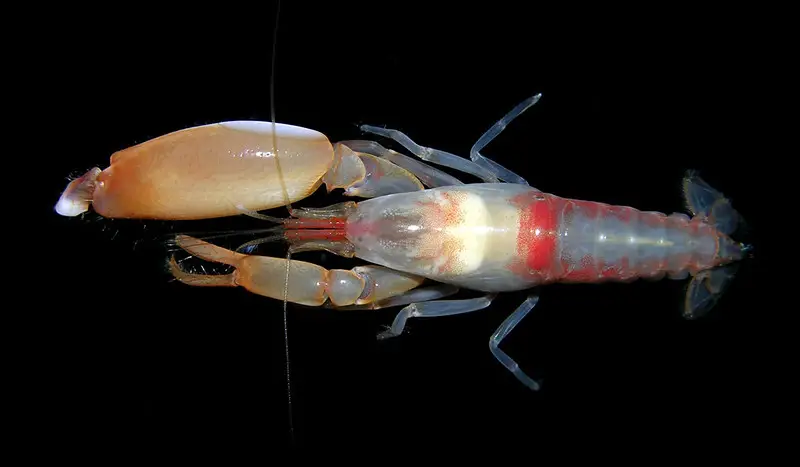
The pistol shrimp produces one of the loudest sounds in the ocean without using its voice. By snapping its specialized claw shut at incredible speed, it creates a cavitation bubble that collapses with a shockwave exceeding 200 decibels. This burst can stun or kill small prey instantly. High-speed photography has shown that the collapsing bubble briefly reaches temperatures comparable to the surface of the sun, though only for a fraction of a second. The shrimp often shares burrows with fish partners, using its snapping ability as both a hunting tool and a powerful deterrent against intruders.
8. Axolotl Regrows Organs
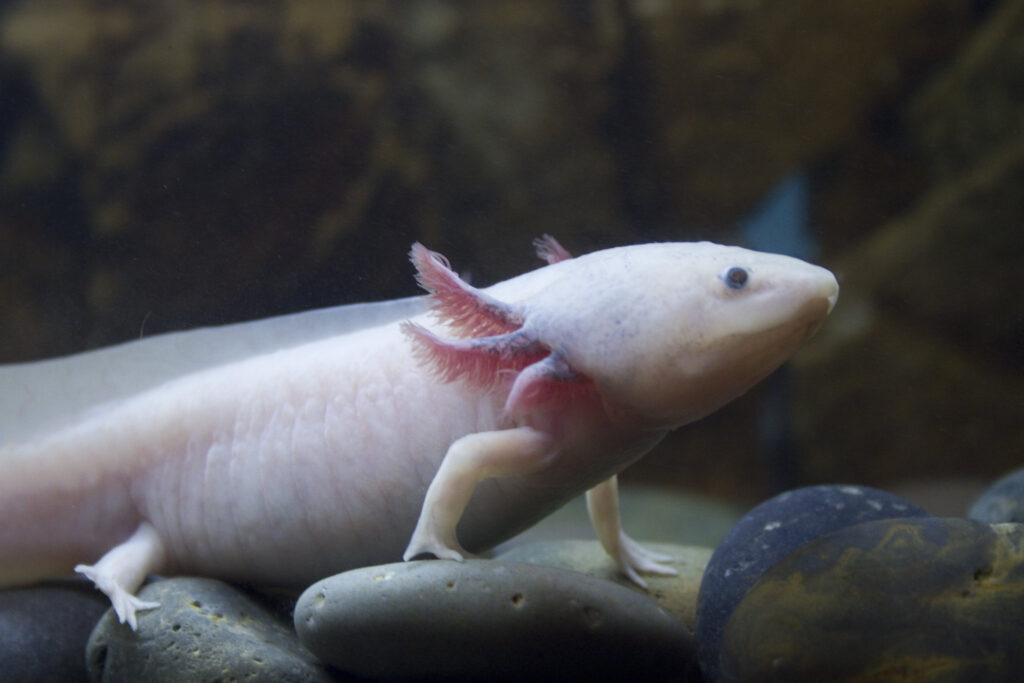
Axolotls possess an extraordinary ability to regenerate lost body parts, including limbs, spinal cord sections, heart tissue, and even parts of the brain. Unlike many animals, this regeneration occurs without scarring, restoring full function. Scientists have studied axolotls extensively to understand how their cells revert to a flexible state and rebuild complex structures. This process involves precise genetic signaling and immune responses that humans lack. Because of this, axolotls have become vital to medical research, particularly in regenerative medicine and wound healing, offering clues about potential future therapies.
9. Starfish Walk Without Brains

Starfish operate without a centralized brain, yet they move, feed, and respond to their environment effectively. Instead, they rely on a decentralized nerve ring and radial nerves extending into each arm. Their tube feet, powered by a hydraulic system, allow coordinated movement across surfaces. Studies show starfish can even regenerate entire bodies from a single arm if part of the central disk remains. This unusual nervous system challenges traditional ideas about intelligence and coordination, demonstrating that complex behavior does not always require a brain in the way humans understand it.
10. Wood Frog Freezes Alive
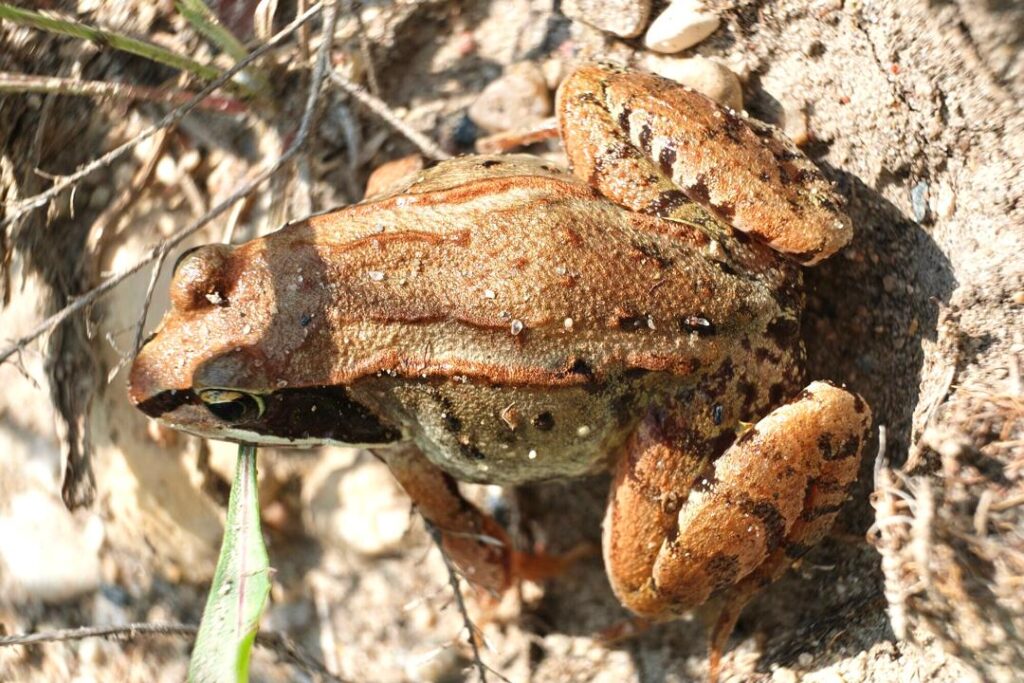
The wood frog can survive being frozen solid during winter months. As temperatures drop, its heart stops beating, breathing ceases, and up to 70 percent of its body water turns to ice. The frog survives by flooding its cells with glucose and urea, acting as natural antifreeze to prevent damage. When temperatures rise, the frog thaws and resumes normal activity within hours. This ability has been confirmed through laboratory studies and field observations. Researchers study wood frogs to better understand freeze tolerance, with implications for organ preservation and medical cryogenics.
11. Archerfish Shoots Targets
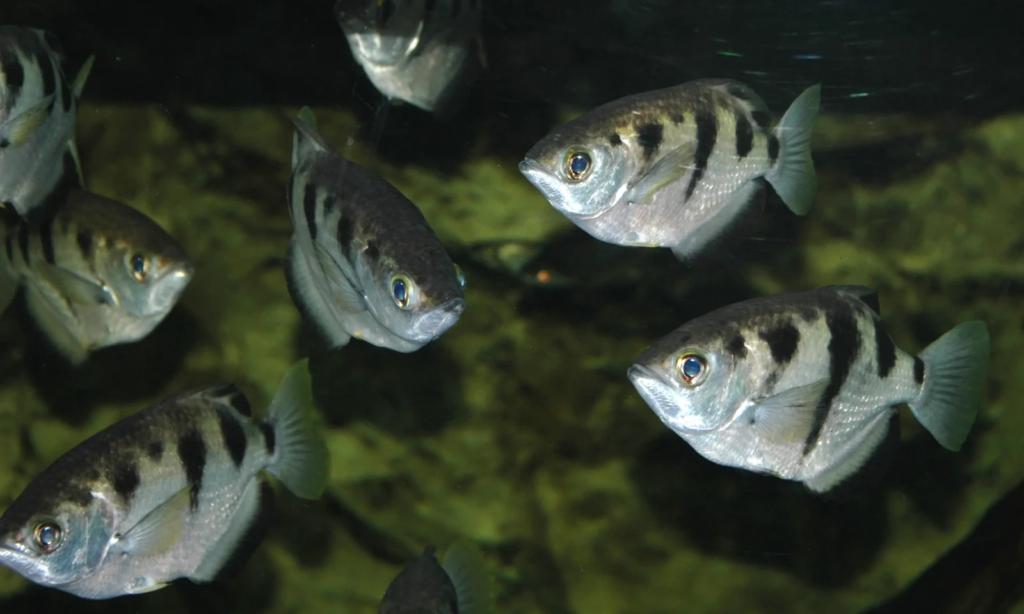
The archerfish hunts in a way that looks more like marksmanship than fishing. It shoots precise jets of water from its mouth to knock insects off overhanging branches and leaves, sometimes from several feet away. Scientists have documented that archerfish can adjust for refraction, the bending of light at the water’s surface, meaning they aim where the insect actually is, not where it appears to be. Even more surprising, studies show archerfish can improve their accuracy with practice and learn by watching other fish shoot. This combination of physics awareness, learning, and precision makes their hunting method one of the most unexpected in aquatic life.
12. Honeybee Communicates Directions
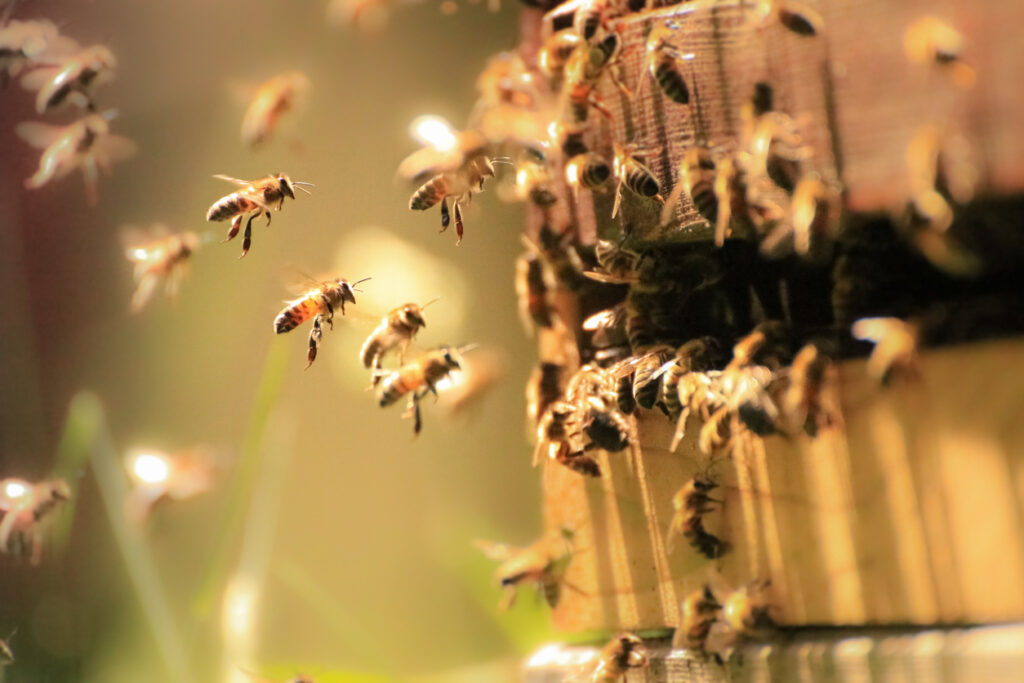
Honeybees use a complex movement pattern known as the waggle dance to communicate exact directions to food sources. By changing the angle, duration, and intensity of the dance, a bee can tell others how far to fly, which direction to go relative to the sun, and even the quality of the food. This behavior was confirmed through decades of observation and experimentation, including controlled relocation of food sources. The dance functions as a symbolic language, something extremely rare outside humans. It allows entire colonies to operate with remarkable efficiency, proving that advanced communication does not require spoken words or large brains.
13. Dolphin Recognizes Self

Dolphins are one of the few non-human animals proven to recognize themselves in mirrors. In controlled mirror tests, dolphins have been observed inspecting marks placed on their bodies that they could only see via reflection. This behavior suggests a level of self-awareness previously thought to be uniquely human. Beyond this, dolphins use signature whistles that function much like names, allowing individuals to identify one another even when separated. Their advanced cognition, problem-solving skills, and social complexity have been documented in both wild and captive studies, placing dolphins among the most intellectually sophisticated animals on Earth.
14. Platypus Detects Electricity

The platypus hunts using electroreception, a rare sensory ability that allows it to detect tiny electrical signals produced by muscle contractions in prey. When underwater, the platypus closes its eyes, ears, and nostrils, relying entirely on sensors in its bill. These sensors interpret electrical impulses to locate worms, insect larvae, and crustaceans buried in riverbeds. Scientific studies have shown this system is so precise that the platypus can determine the direction and distance of prey without seeing it. This unusual sense, combined with the animal’s already strange appearance, makes the platypus one of evolution’s most unconventional success stories.
15. Sea Cucumber Ejects Organs
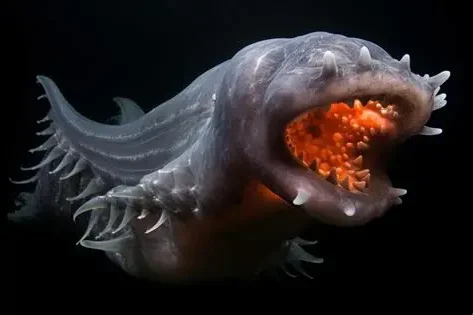
When threatened, some sea cucumbers defend themselves by ejecting their internal organs through their rear opening. These sticky, sometimes toxic structures can entangle or deter predators long enough for the animal to escape. What makes this ability even more remarkable is that sea cucumbers can regenerate the lost organs over time. Marine biologists have confirmed this process through repeated observation in natural habitats. While the tactic looks extreme, it is an effective survival strategy in environments where hiding places are limited. This ability demonstrates how radically different defensive solutions can be in ocean ecosystems.
16. Basilisk Runs on Water
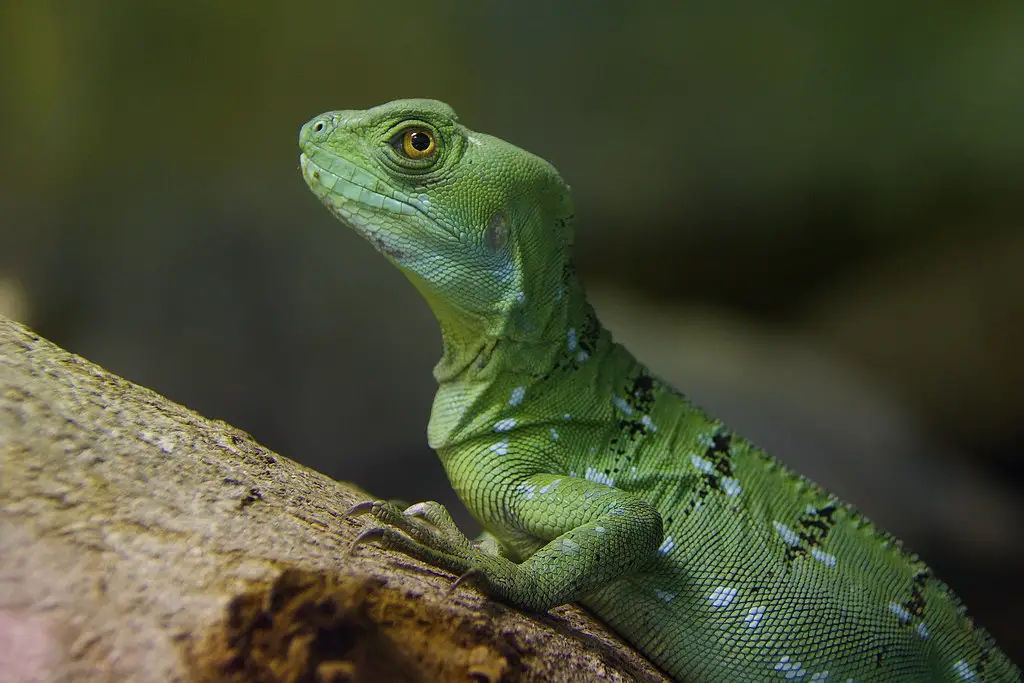
The basilisk lizard, often called the “Jesus lizard,” can run across the surface of water for short distances. High-speed analysis shows that its long toes and fringed feet slap the water rapidly, creating air pockets that support its weight momentarily. This allows the lizard to escape predators by sprinting across rivers and ponds. Scientists studying the motion found it relies on a precise combination of speed, posture, and foot shape. While it cannot run on water indefinitely, the ability is impressive enough to challenge assumptions about what solid ground is required for movement.
17. Kangaroo Rat Needs No Water
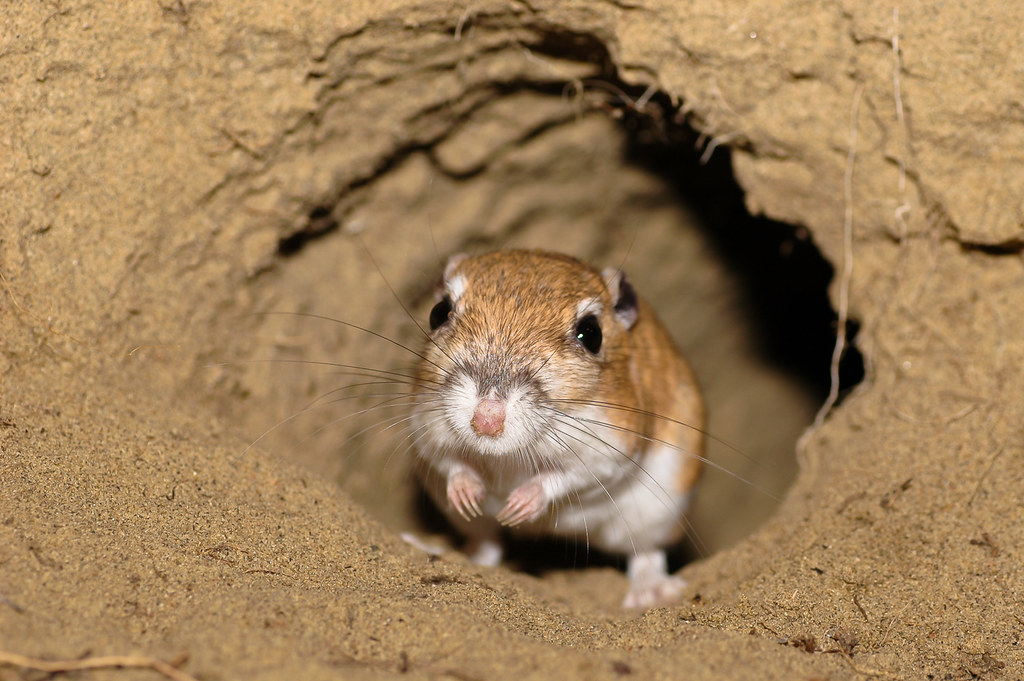
Kangaroo rats can survive their entire lives without drinking liquid water. They live in arid deserts where water is scarce, extracting moisture solely from the seeds they eat. Their kidneys are extraordinarily efficient, producing highly concentrated urine that minimizes water loss. They also stay underground during the hottest parts of the day to reduce evaporation. Laboratory studies and field observations have confirmed that kangaroo rats maintain hydration through metabolic water produced during digestion. This adaptation allows them to thrive in environments that would be fatal to most mammals.
18. Pufferfish Builds Circles
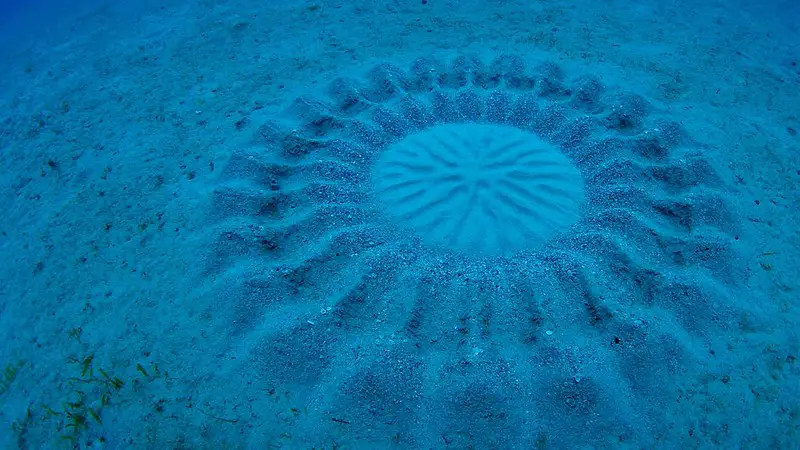
Male pufferfish create intricate, circular sand patterns on the ocean floor as part of their mating ritual. These geometric designs, often several feet wide, are carefully sculpted using fins and body movements. Marine researchers discovered that females choose mates based on the symmetry and complexity of these structures. The circles also help direct ocean currents to collect fine sand in the center, providing a safe place for eggs. This behavior was widely documented after underwater footage revealed the source of previously mysterious seafloor patterns. It stands as one of the most visually striking examples of animal construction.
19. Clownfish Changes Sex
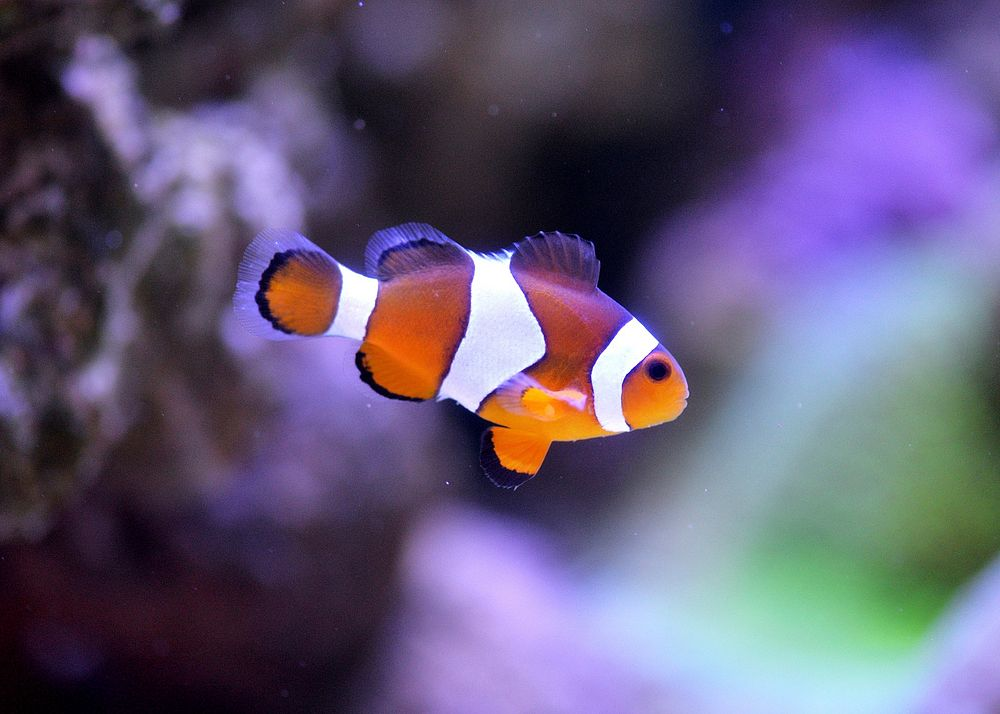
Clownfish have the ability to change sex as part of their natural life cycle. All clownfish are born male, but within a social group, the dominant individual becomes female. If the female dies, the largest male undergoes a biological transformation and becomes female, while another male moves up the hierarchy. This process has been confirmed through long-term observation of clownfish living in sea anemones. The ability ensures reproductive continuity even when populations are small or isolated. It is a powerful example of how flexible biology can be when survival depends on it.
These animals may seem unbelievable at first glance, but every ability listed here is backed by observation, experimentation, and decades of scientific study.
Like this story? Add your thoughts in the comments, thank you.


