
1. Red Sky At Night
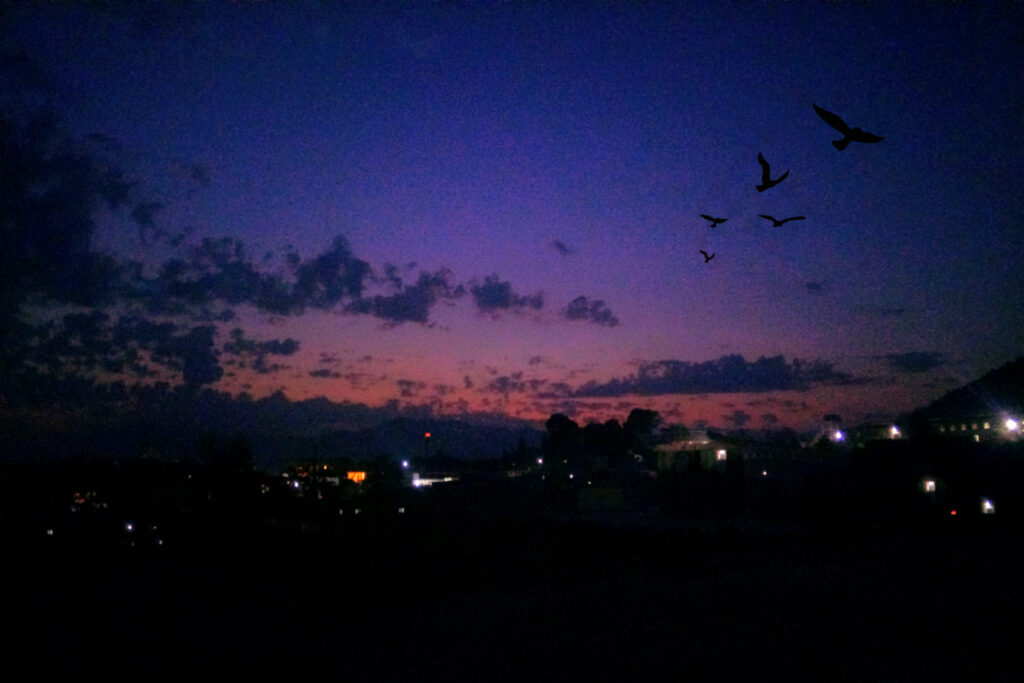
Sometimes the best way to begin is slow and familiar, like sharing an old story around the table. Long before forecasts, people watched the evening sky and trusted what they saw. A deep red horizon felt like a promise of gentle weather, giving farmers courage to plan the next day. It was simple, almost quiet, yet it shaped decisions and conversation. Even now, looking up reminds us that patience, attention, and memory once guided daily life more than screens ever could. That small habit carried families through seasons and helped them trust the sky when other answers were far away.
2. Groundhog Shadows

People liked simple signs, and the groundhog became one of the friendliest. Each winter, folks watched it leave the burrow and waited to see the shadow that might appear. If it turned back, they said cold days would linger. If it stayed out, they felt hope for an early spring. This ritual created laughter, stories, and gentle patience. It was less about accuracy and more about sharing a moment that honored the turning of seasons. In a quiet way, it reminded communities to watch nature closely and stay connected to something steady while planning meals, fields, celebrations, and days ahead.
3. Cows Lying Down
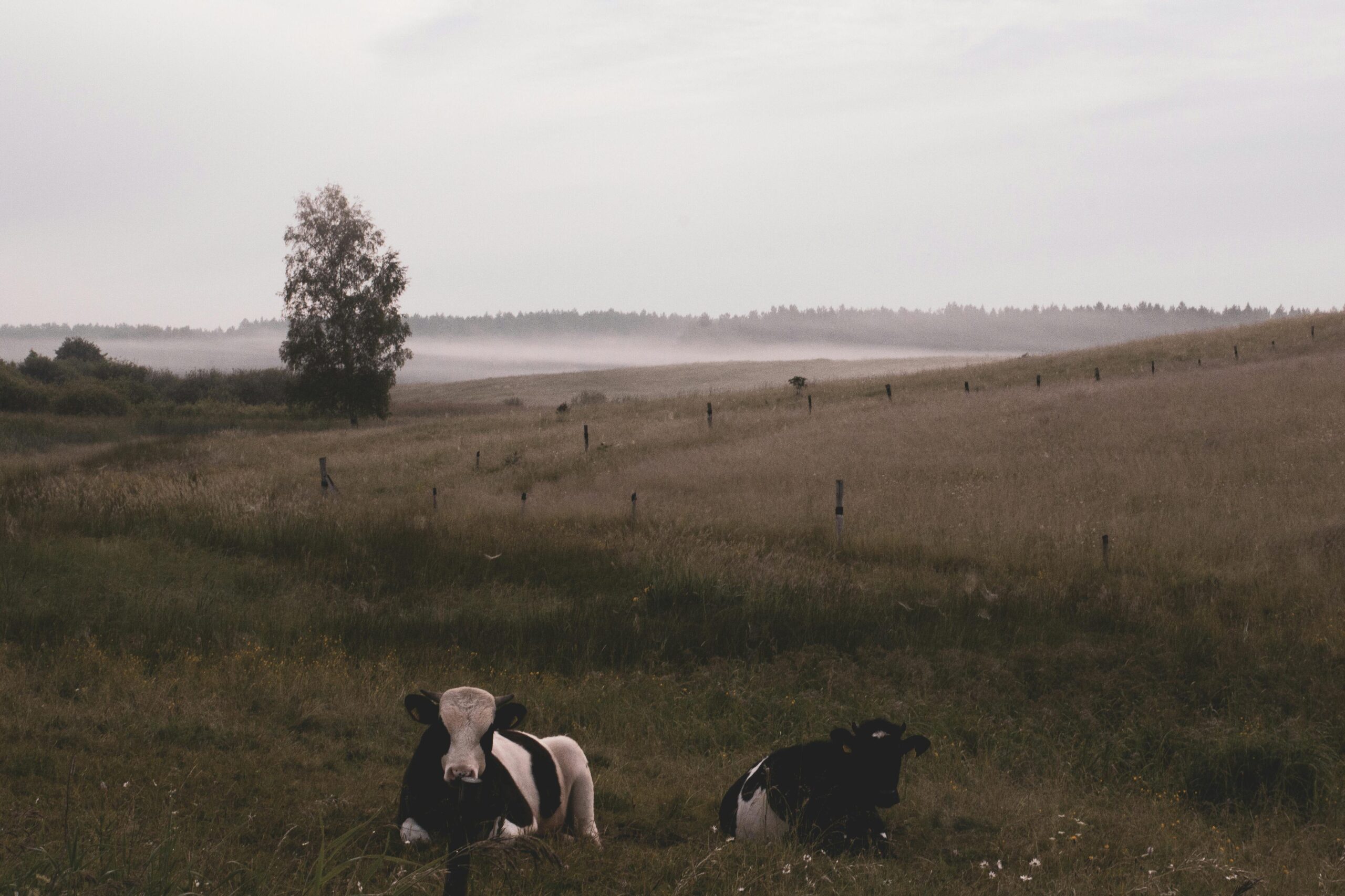
Out in the pasture, cows offered another quiet signal people trusted. When they settled into the grass and rested together, many believed rain might soon arrive. The idea grew from watching them daily and noticing patterns that felt meaningful. It was comforting, almost like hearing a calm voice say prepare a little. Whether true or not, the habit encouraged patience and awareness. Farmers learned to observe slowly instead of rushing. That gentle rhythm shaped choices, guided chores, and reminded families that life outdoors speaks softly if we are willing to listen and that weather belongs to our everyday noticing always.
4. Birds Flying Low
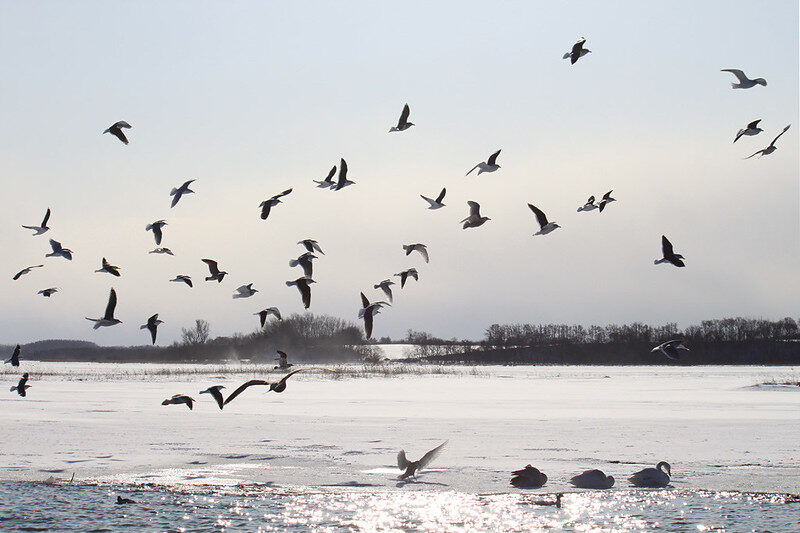
People once watched birds more carefully than clocks, because their wings seemed to carry hints about the weather. When birds flew low across fields and roads, folks believed the air felt heavy and storms might not be far away. It was practical, gentle, and easy to notice, especially during chores or travel. This simple habit taught patience, because you had to keep looking and comparing days. Even if it was not perfect, it helped families prepare, gather things inside, finish work early, and feel in rhythm with nature instead of surprised by whatever came next for a little while longer.
5. Halo Around the Moon
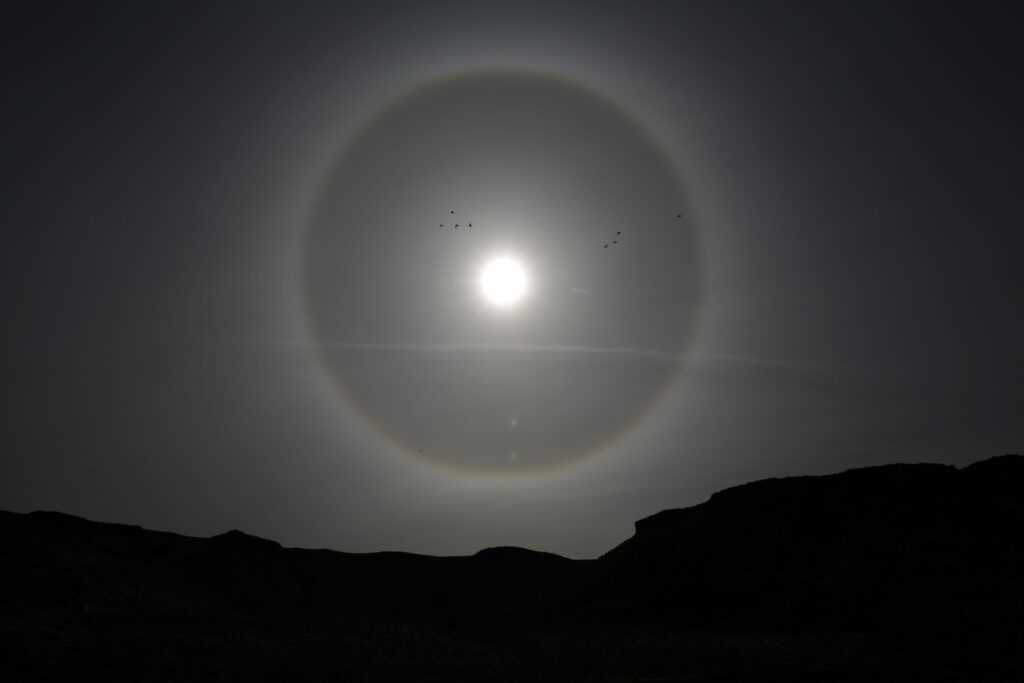
On certain nights the sky felt almost magical when a pale circle formed around the moon. People believed this quiet ring meant rain or snow could soon follow, so they paid attention and planned accordingly. It turned the night into a soft reminder that weather travels in slow steps long before we notice it fully. Families shared the meaning around fires and doorways, passing along calm guidance instead of worry. Watching the moon like this created patience, curiosity, and awareness, helping people feel prepared and connected to something larger than themselves at the end of ordinary days for many years.
6. Pine Cones Closing

In forests and yards, pine cones became small messengers for people who worked outdoors every day. When the air turned moist, the cones slowly closed, and that movement felt like a signal that rain might be coming. It did not require tools or special knowledge. You only needed to look down and notice. This created a habit of quiet observation that children learned from parents and neighbors. Paying attention to such tiny changes encouraged respect for seasons and time, reminding everyone that nature often speaks softly before storms and gives us chances to prepare with steady hands for the day.
7. The Quiet Before Storms
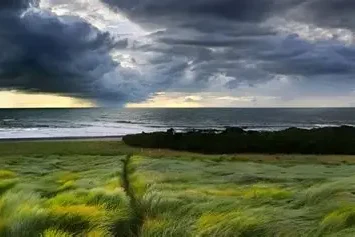
Many people spoke about the strange stillness that sometimes settled across fields and streets before a storm arrived. The air felt heavier, sounds softened, and even birds seemed to pause, as if everything waited together. This quiet became a sign to gather tools, close windows, and bring animals closer. It gave families a chance to get ready without fear. Over time the pattern turned into shared wisdom, passed along in simple conversations. Learning to notice that still pause helped people respect the sky and understand that weather often sends gentle warnings before it shows its stronger side to us all.
8. Cats Acting Restless

Because cats lived close to people, their moods often became quiet signals about changing weather. When a cat paced, stared toward the door, or curled up near warm spots, families believed something in the air was shifting. It may not have been exact, but it encouraged kindness, curiosity, and awareness. Watching a pet became a way of watching the world. These little moments of attention helped people feel prepared rather than surprised. They created conversation, laughter, and gentle reminders that everything reacts when the sky begins to change, and we can learn a lot simply by noticing carefully each day.
9. The Wind Changing Direction

Reading the wind was like reading the path ahead, and people learned to pay attention to where it traveled. When the wind shifted suddenly, they believed new weather would follow. Sailors, farmers, and walkers trusted these movements because they repeated through many seasons. Watching the wind created awareness, patience, and respect. It taught that life changes quietly before it changes loudly. This simple habit guided work, travel, and conversation, helping families feel prepared instead of rushed. Even today, a sudden breeze across the face can remind us that nature still speaks in signals we once understood so closely at times.
10. Smoke From the Fire
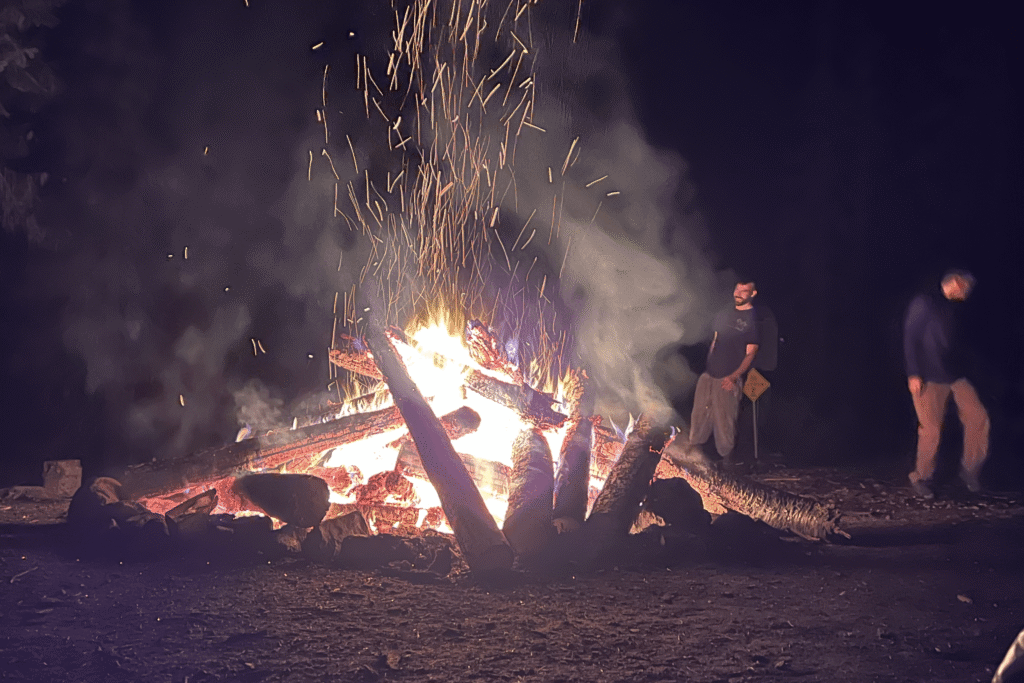
Daily fires warmed homes, cooked meals, and quietly shared clues about the sky. When the smoke rose straight upward, people felt safe expecting fair weather. When it bent sideways or twisted, they sensed unsettled air. This sign was always nearby, dependable, and easy to notice while working or talking together. It taught families to connect observation with preparation. Over time, these small lessons shaped habits, reminding everyone that the world offers guidance if we pause and look. Even without modern tools, people found reassurance by watching the fire and trusting the calm wisdom it seemed to hold through each season.
11. Crickets Singing Louder

Evenings often filled with the gentle music of crickets, and that sound slowly became part of how people read the weather. When the chirping grew louder and more steady, they felt warmth or rain might be near. Listening like this created peaceful awareness and encouraged patience. It turned nighttime into a classroom where families learned together without books or tools. These tiny voices reminded everyone that life around us responds to every shift. By paying attention, people felt prepared, connected, and quietly guided, trusting that nature would speak if they slowed down and let their ears notice its rhythm gently.
12. Leaves Turning Upward
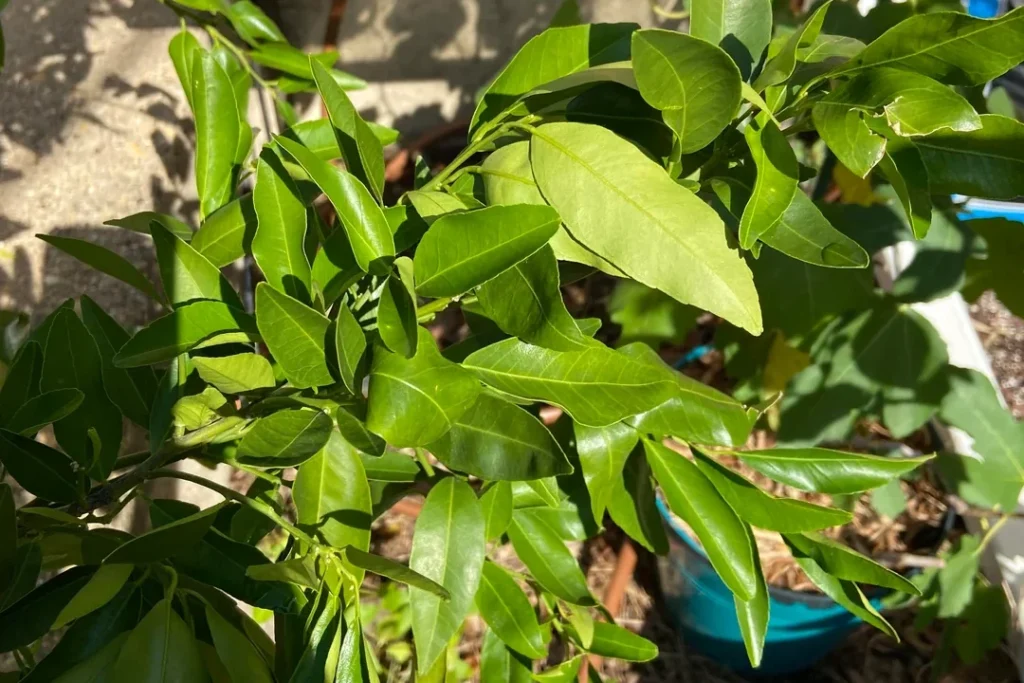
People once noticed how leaves on trees sometimes flipped upward before storms arrived. The lighter sides showed, as if the trees themselves were signaling change in the air. This small sign encouraged families to bring things inside, finish chores, and stay ready without panic. It taught patience and curiosity at the same time. Over years, the habit turned into quiet wisdom shared during walks, chores, and visits. Paying attention to leaves helped people feel connected to the sky and reminded them that nature often sends quiet clues long before rain appears across fields, roofs, gardens, and winding paths each season.
13. Seasonal Calendar Watching
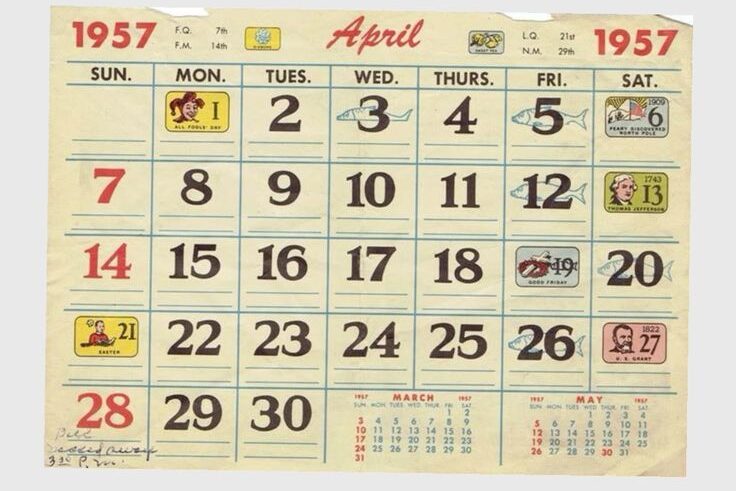
People once kept simple calendars that matched closely with the rhythm of the land. They watched how certain days returned with familiar weather and used those patterns to plan planting and travel. If a particular date brought wind or rain most years, they took it as a quiet signal of what might happen again. This practice encouraged patience, record keeping, and steady awareness across generations. It helped families feel prepared, even without tools. By trusting memory and community wisdom, they shaped their days around nature and found comfort in noticing how seasons often repeat themselves over time for many people.
14. Reading River Levels

Along rivers and streams, people learned to read the water like a living page. When levels suddenly dropped or rose, they believed weather was shifting somewhere nearby. A falling river could suggest dry days ahead, while rising water hinted at rain traveling toward them. This awareness came from walking the same banks year after year and seeing what followed. It encouraged respect, patience, and planning. Families used these signs to guide fishing, farming, and travel. Paying attention to water made them feel connected to the wider world and reminded them that weather often moves quietly before anyone hears about it.
15. Listening To Thunder

Thunder once served as a distant messenger, telling people that change was on the way. When they counted the time between lightning and the rolling sound, they believed they could sense how near a storm might be. Shorter gaps meant it felt closer. Longer gaps brought a bit of relief. This habit helped families judge safety, finish outdoor tasks, and gather together indoors. It also encouraged calm attention instead of fear. By listening carefully, people learned that weather has patterns, moods, and clues, and that paying attention can turn worry into preparation while keeping everyone grounded through unsettled skies today.
16. Watching Morning Dew

Morning fields sometimes offered quiet signals through the shine of dew across the grass. When heavy droplets lingered, people believed the day might stay fair because moisture rested gently instead of rising into storm clouds. When the ground felt dry, they prepared for possible changes. This daily observation encouraged patience and walking slowly at sunrise. It helped farmers plan chores and understand their land more deeply. Over time, the habit became shared wisdom, passed softly through talk and experience. By noticing dew, families felt supported by small clues that turned uncertainty into gentle guidance they could trust through each season.
17. Studying Animal Tracks
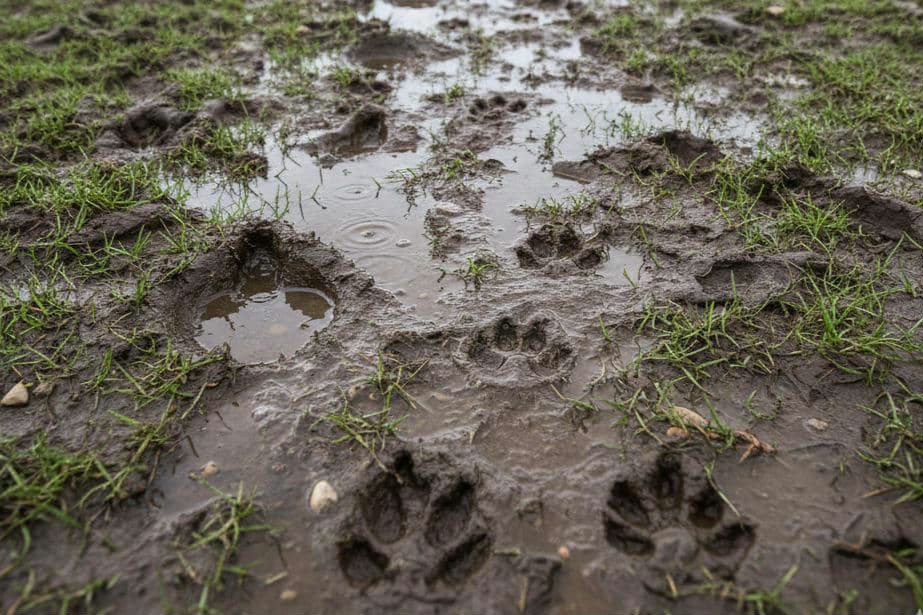
Snow, mud, and soft soil often carried stories through animal tracks that crossed fields and paths. People noticed how tracks appeared or disappeared before storms and believed this hinted at approaching change. When prints vanished quickly, they suspected wind or rain. When patterns stayed, they expected calmer weather. This practice encouraged curiosity and care, because it required close looking. It helped hunters, farmers, and travelers understand both animals and sky together. Over generations, it became another quiet way to prepare for tomorrow, turning everyday landscapes into useful guides that gently supported decisions across villages, farms, and wandering roads alike everywhere.
18. Watching Horizon Haze

The distant horizon sometimes carried a faint gray haze that signaled moisture rising in the air. When people noticed this blur deepening, they believed rain might not be far behind. If the view stayed sharp and clear, they expected a longer stretch of fair weather. Observing the horizon encouraged stillness and patience, because you had to stand, wait, and look. It taught families to notice what changed slowly. This gentle habit helped travelers decide when to leave and helped farmers judge timing. It made the sky feel like a teacher, offering guidance to anyone willing to pause and see more.
19. Tracking First Frost
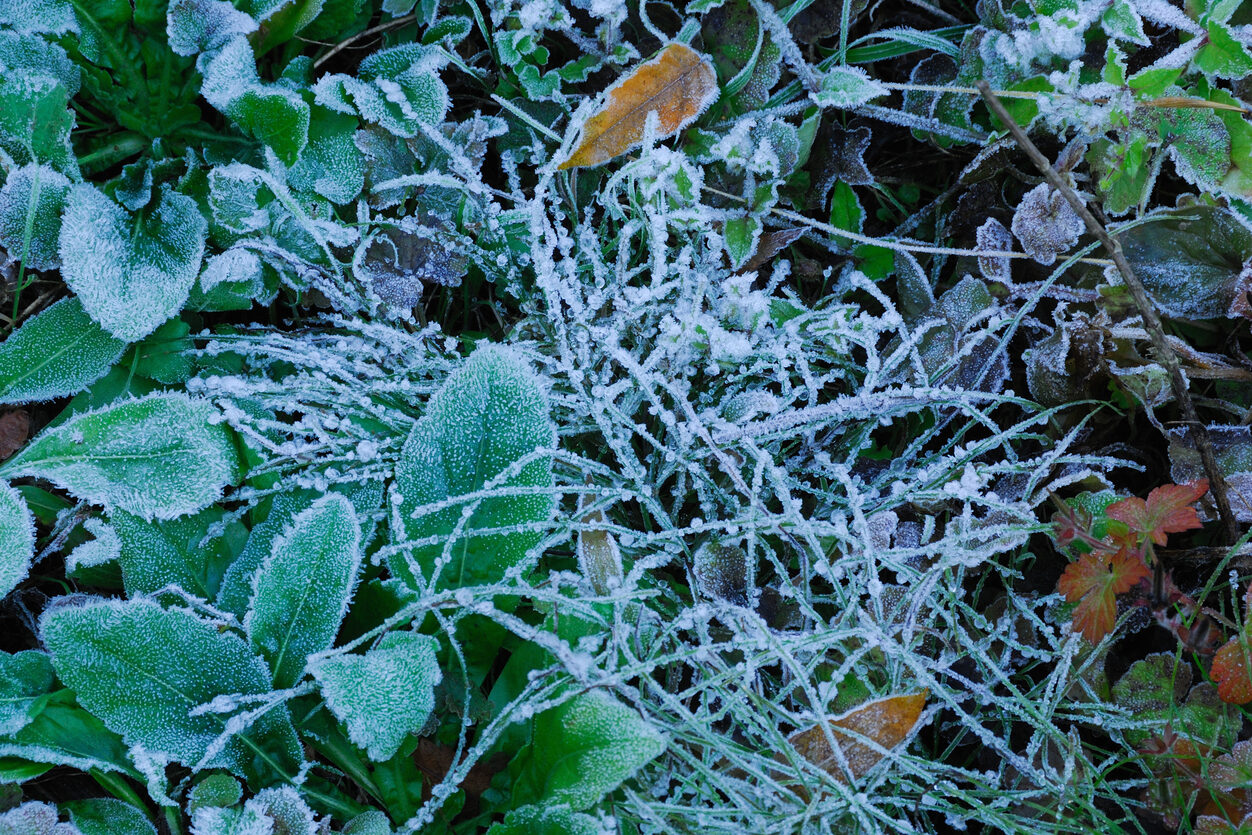
The first frost of the season was more than a sparkle on plants. People watched where it appeared and how long it lasted, believing it marked the turning point toward colder days. Gardens, fields, and paths offered clues about timing. When frost arrived early, they prepared for harder weather. When it came late, they felt grateful for extra growing time. This observation encouraged thoughtful planning and respect for the limits of nature. Over time, it shaped traditions, meals, and work, gently guiding families to accept change and move with the season instead of fighting what was clearly approaching for good.
20. Listening To Ocean Waves

Communities near the sea learned to listen closely to the rhythm of the waves. When the surf grew louder and rougher, they believed storms might be developing far away and moving closer. When the water rested quietly, they prepared for calmer weather and safer travel. This practice blended sound, patience, and memory. It kept families alert without fear. Over countless days, people matched the voice of the ocean with what followed, building trust in what they heard. The shoreline became a guide, reminding everyone that nature often speaks through patterns long before danger arrives or quiet returns again for us.
21. Watching Shadows Grow
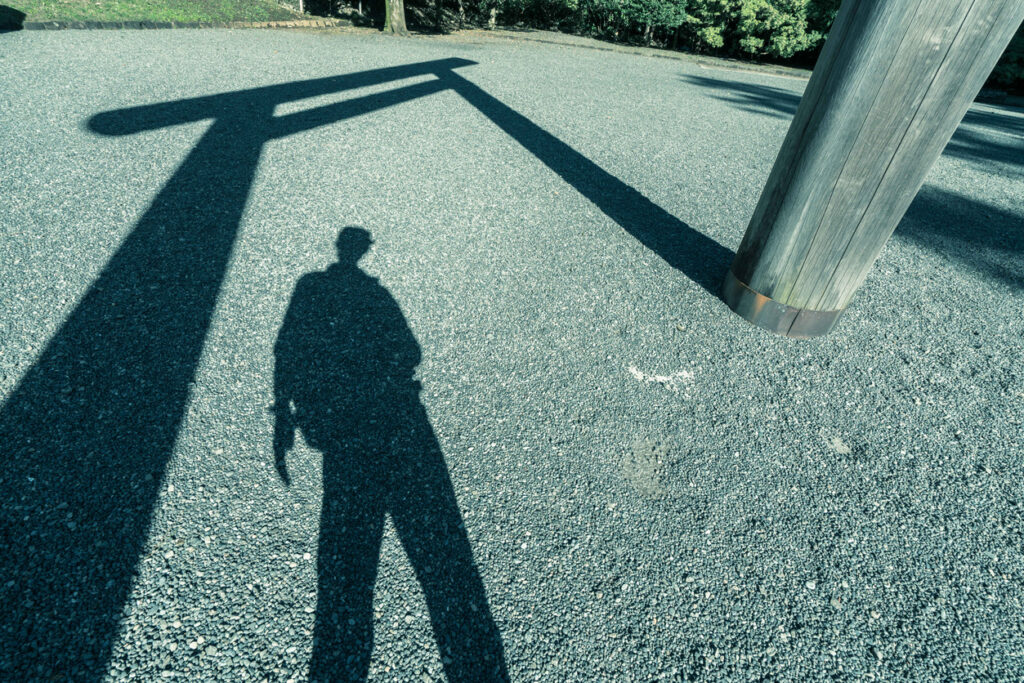
People once used shadows as gentle clocks that hinted at the day’s mood. When shadows stretched longer earlier than expected, they believed cooler air and possible change might arrive. Shorter shadows suggested warmth would stay a while. This practice encouraged awareness of light and time, bringing attention to the way the sun traveled across fields, roads, and homes. It helped families schedule chores and rest without formal tools. Over time, it became another quiet reminder that everything in nature moves together, and that by noticing shadow and sunlight, people could make wiser choices and stay peacefully prepared for whatever followed.
22. Feeling Pressure Changes

Before instruments measured pressure, people sensed it in their bodies and homes. Headaches, stiff doors, and aching joints sometimes arrived together, and they learned to connect these feelings with oncoming weather. When pressure shifted, air felt different, and that difference became a clue. This awareness came from experience, conversation, and paying attention. It encouraged people to slow down, take care, and prepare for what might come. In a quiet way, it reminded families that the body listens to the world, and that noticing those signals can help guide choices about work, travel, safety, and rest when skies begin changing tomorrow.
23. Watching Spider Webs

People once believed spider webs could quietly hint at changing weather. When the air grew damp, webs often sagged and gathered moisture, and that simple change became a signal that rain might be on the way. When the web stayed tight and dry, they felt safer expecting fair weather. This habit encouraged slow observation, because you had to pass by the same corner or fence and notice differences over time. It helped families prepare gently, bringing clothes inside or delaying chores. In its own small way, the web became a silent guide that tied daily life to nature’s careful rhythm.


