
1. Preventive Care First
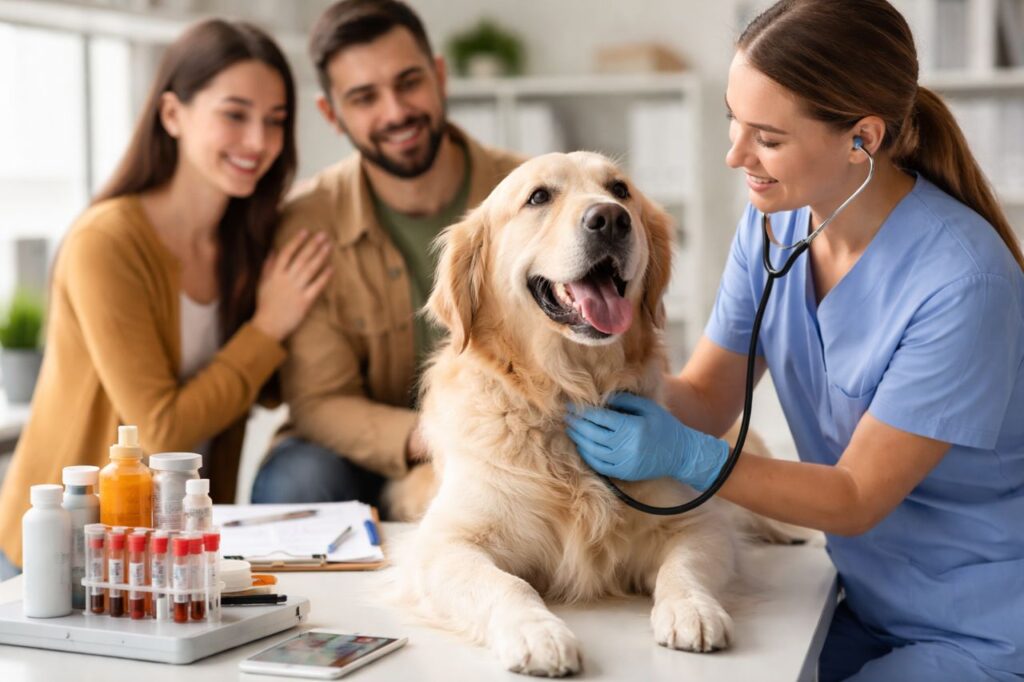
Pets are living longer, owners are more informed, and veterinary clinics are seeing clear shifts in how animals are cared for. Veterinarians are seeing a strong shift away from reactive treatment toward preventive care as owners focus on keeping pets healthy before problems start. Routine blood work, early dental cleanings, regular parasite screenings, and annual wellness plans are becoming more common, especially among younger pet owners. This change is partly driven by rising treatment costs, which make prevention more affordable than emergency care. Vets report that conditions like kidney disease, diabetes, and arthritis are being detected earlier thanks to proactive testing. Pet insurance policies and wellness subscriptions are also reinforcing this approach by covering routine checkups. By 2026, many clinics expect preventive visits to outnumber illness-based appointments, fundamentally changing how veterinary schedules are structured.
2. Wearable Health Trackers

Smart collars and wearable health trackers are increasingly used to monitor pets’ daily activity, sleep patterns, heart rate, and even respiratory changes. Veterinarians are paying close attention because these devices often reveal subtle health shifts before owners notice symptoms. Data from wearables can help flag early signs of pain, anxiety, weight gain, or mobility decline, particularly in older pets. While vets caution that wearables don’t replace physical exams, many clinics already review tracker data during consultations. As accuracy improves and costs drop, vets expect these tools to become routine for managing chronic conditions and post-surgery recovery. By 2026, wearable data is likely to play a supporting role in everyday veterinary decision-making.
3. Pet Obesity Concerns

Obesity remains one of the most common and serious health issues vets encounter, and it continues to rise despite growing awareness. Sedentary lifestyles, overfeeding, and high-calorie treats are leading to weight-related problems such as joint strain, heart stress, and shortened lifespans. Veterinarians are now seeing obesity in younger pets, not just seniors. Clinics are responding with structured weight-management programs, nutritional counseling, and realistic activity plans tailored to each pet’s age and breed. Vets are also pushing back against misleading portion sizes on pet food packaging. By 2026, obesity prevention is expected to be treated as a core part of routine veterinary care rather than a secondary concern.
4. Mental Health Awareness

Veterinarians are increasingly addressing behavioral and emotional health, recognizing that anxiety, stress, and boredom directly affect physical well-being. Separation anxiety, noise sensitivity, and destructive behaviors became more visible during shifts in work-from-home routines. Vets now collaborate more frequently with trainers and behaviorists, especially for dogs showing chronic stress responses. Prescription calming aids, enrichment strategies, and structured routines are being recommended earlier rather than as last resorts. Cats are also receiving more attention for stress-related issues linked to environmental changes. By 2026, vets expect mental health discussions to be a standard part of wellness exams, reflecting a broader understanding of whole-pet health.
5. Customized Nutrition Plans

One-size-fits-all feeding is steadily giving way to personalized nutrition based on breed, age, activity level, and medical history. Veterinarians are closely watching this trend because diet plays a major role in preventing disease and managing chronic conditions. Prescription diets for kidney health, allergies, and digestive issues are already common, but tailored meal plans are expanding beyond clinical cases. Fresh food subscriptions and breed-specific formulas are growing, though vets emphasize the importance of evidence-based nutrition. Clinics report more owners asking detailed questions about ingredients and sourcing. By 2026, vets expect nutrition counseling to become as routine as vaccination discussions.
6. Senior Pet Focus
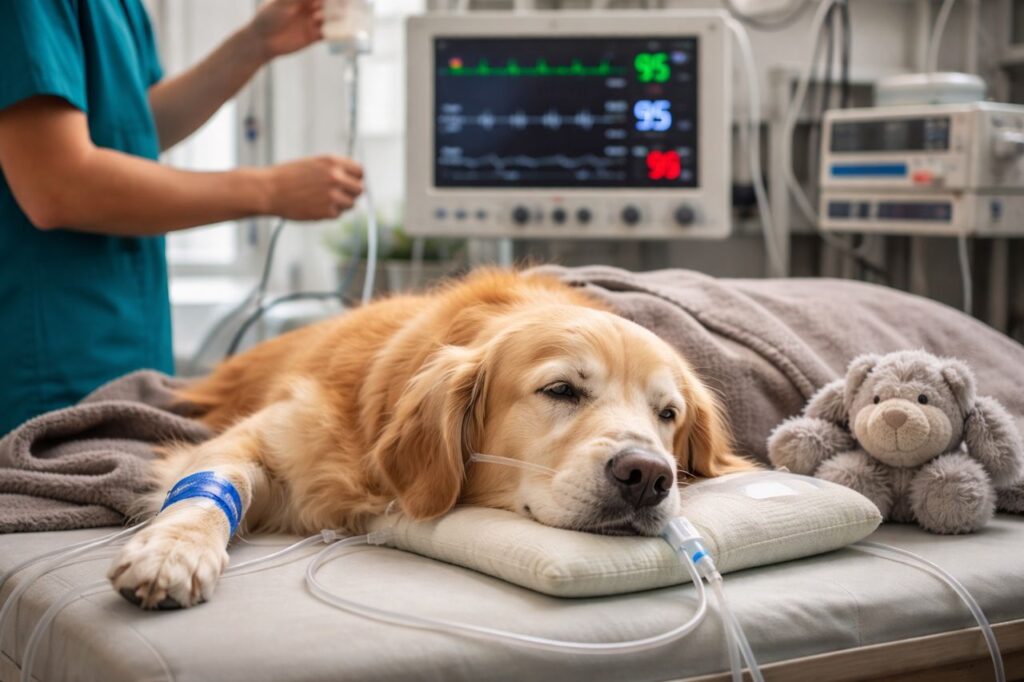
As pets live longer due to better care, veterinarians are seeing a sharp rise in age-related conditions that require specialized attention. Arthritis, cognitive decline, heart disease, and reduced mobility are now common topics during routine visits. Vets are encouraging earlier senior screenings, often starting at age seven for dogs and even earlier for large breeds. Pain management strategies, physical therapy, and home adjustments are becoming central to senior care plans. Owners are also more emotionally invested in maintaining quality of life for aging pets. By 2026, many clinics expect senior-focused services to be one of the fastest-growing areas in veterinary medicine.
7. Telehealth Consultations
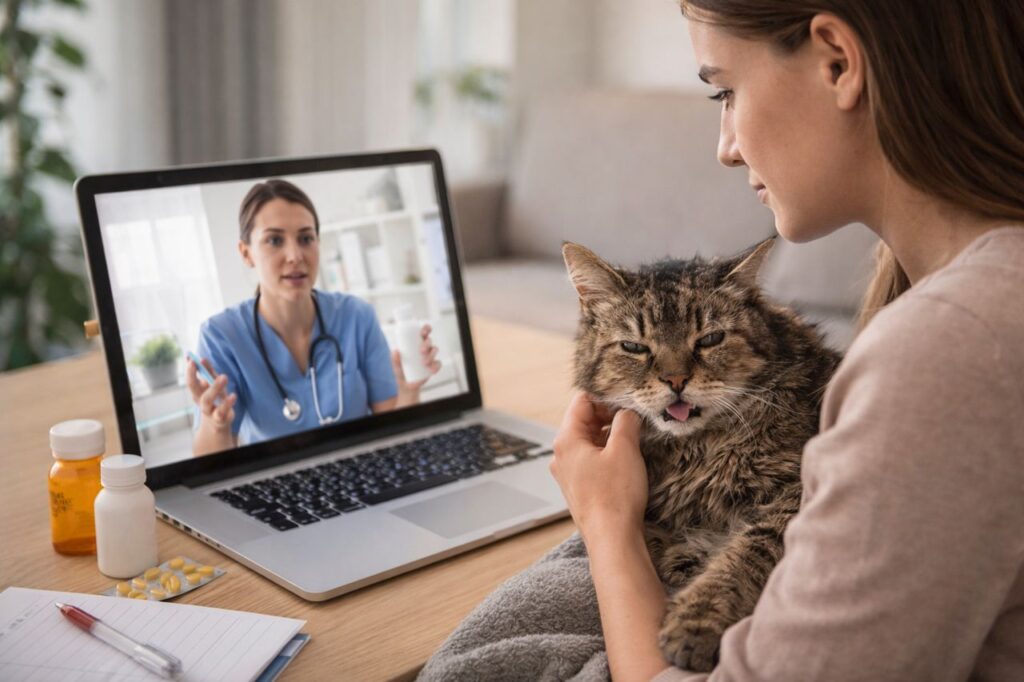
Telemedicine has moved from emergency use to a permanent part of veterinary practice, and vets are refining how it fits into care plans. Virtual consultations are commonly used for follow-ups, behavior advice, medication reviews, and post-surgery check-ins. While physical exams remain essential, telehealth helps reduce clinic stress for anxious pets and saves time for owners. Veterinarians are also using video calls to assess home environments that affect pet health. Regulations continue to evolve, but most vets agree telehealth improves access when used responsibly. By 2026, clinics expect hybrid care models combining in-person and virtual visits to be standard.
8. Alternative Pain Therapies

Veterinarians are paying closer attention to non-traditional pain management options as owners seek gentler long-term solutions. Therapies such as acupuncture, laser treatment, hydrotherapy, and physical rehabilitation are increasingly offered alongside conventional medicine. These approaches are especially common for arthritis, injury recovery, and post-surgical pain. While not every alternative therapy suits every pet, vets report positive outcomes when treatments are evidence-informed and professionally administered. Pet owners are also more open to multi-modal pain plans rather than relying solely on medication. By 2026, alternative therapies are expected to be a routine option in many modern veterinary clinics.
9. Dental Health Priority
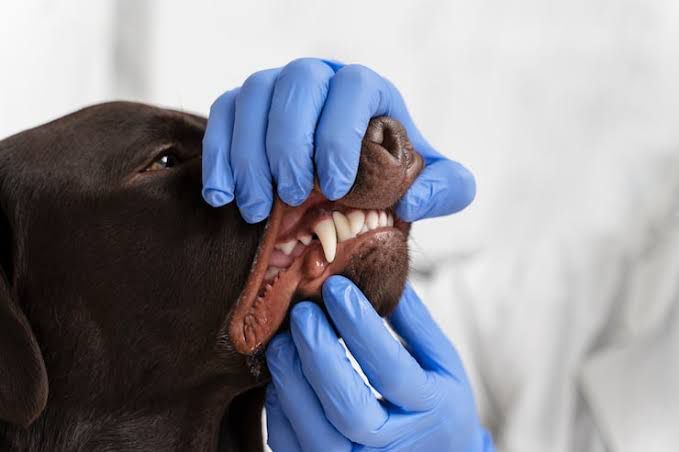
Dental disease is one of the most underdiagnosed issues vets encounter, yet awareness is finally improving. Veterinarians report that owners are increasingly recognizing the link between oral health and serious conditions like heart and kidney disease. Routine dental cleanings, at-home brushing, and dental diets are being recommended earlier in a pet’s life. Clinics are also using improved imaging to detect hidden tooth problems. Despite lingering concerns about anesthesia, vets emphasize the long-term health benefits of proper dental care. By 2026, dental health is expected to be treated as a foundational part of preventive medicine, not an optional add-on.
10. Parasite Resistance Monitoring

Veterinarians are closely monitoring changes in how parasites respond to commonly used preventives. Reports of flea, tick, and worm resistance have prompted vets to rotate products and emphasize proper dosing. Climate shifts are also expanding parasite ranges, exposing pets to risks year-round rather than seasonally. Vets now stress consistent prevention even for indoor pets, especially cats. Diagnostic testing is being used more often to confirm infections rather than assuming treatment effectiveness. By 2026, parasite control is expected to rely more on testing, regional data, and tailored prevention plans instead of blanket recommendations.
11. Fear-Free Clinic Visits
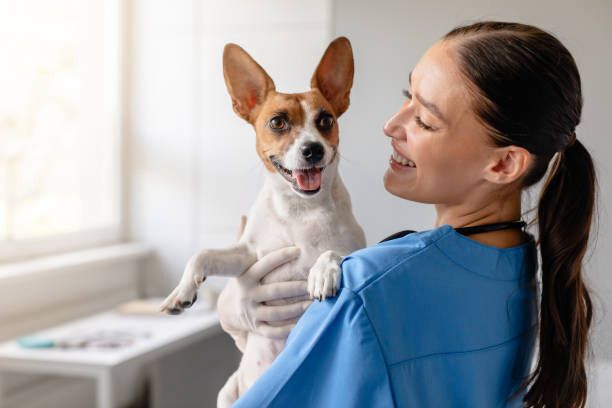
Veterinarians are placing greater emphasis on reducing stress during clinic visits, recognizing how fear can affect both behavior and health outcomes. Fear-free handling techniques, quieter waiting areas, pheromone diffusers, and longer appointment times are becoming more common. Many clinics now train staff to read subtle stress signals and adjust exams accordingly, using treats, gentle restraint, or floor-level exams instead of exam tables. This approach is especially important for cats and rescue animals with prior trauma. Vets report that calmer visits lead to more accurate diagnoses and safer handling. By 2026, fear-reduction practices are expected to be a baseline standard rather than a specialty offering.
12. Rising Diagnostic Imaging
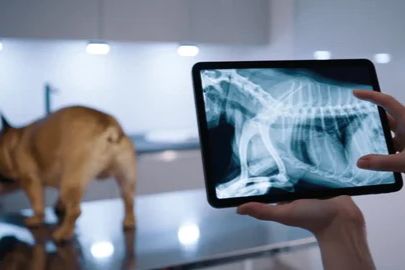
Advanced imaging tools such as digital X-rays, ultrasound, and CT scans are being used more frequently in everyday veterinary care. Vets rely on these tools to detect internal issues that physical exams alone can miss, including tumors, organ abnormalities, and soft tissue injuries. As equipment becomes more accessible and affordable, smaller clinics are adopting imaging capabilities once limited to referral hospitals. Early imaging helps shorten diagnostic timelines and reduce trial-and-error treatments. Veterinarians also note that visual evidence helps owners better understand medical decisions. By 2026, diagnostic imaging is expected to play a central role in faster, more precise treatment planning.
13. Chronic Disease Management
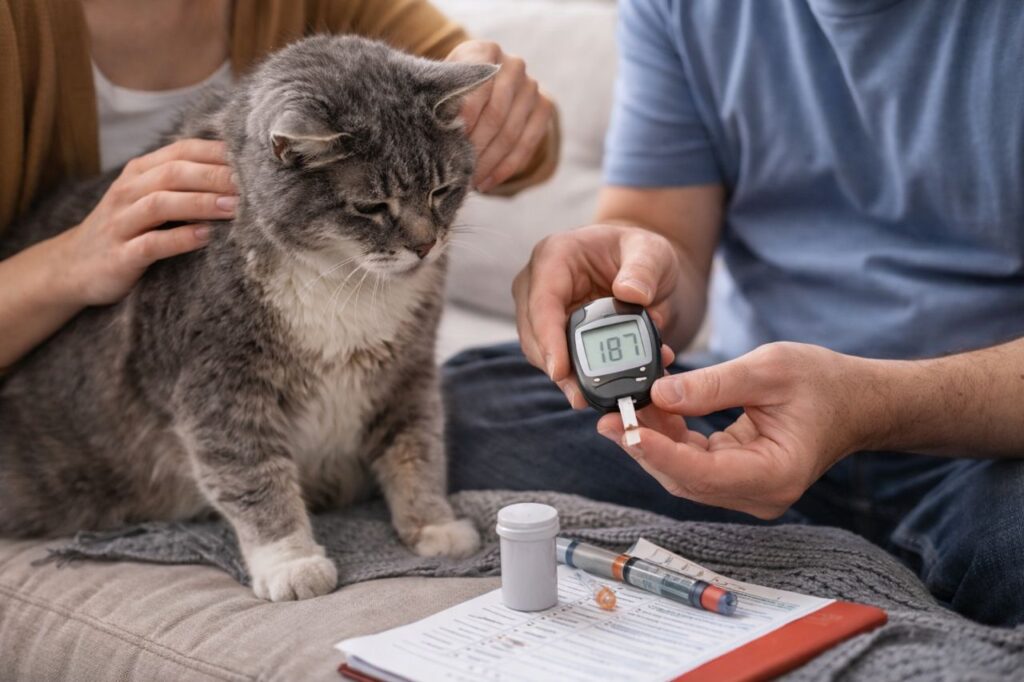
Veterinarians are increasingly managing pets with long-term conditions rather than treating isolated illnesses. Diabetes, kidney disease, heart disease, and allergies now require ongoing monitoring and lifestyle adjustments. Vets work closely with owners to create sustainable care routines that include diet changes, medication schedules, and regular testing. Digital reminders and home-monitoring tools are making compliance easier. Clinics are also seeing pets live comfortably for years with conditions that once shortened lifespans. By 2026, chronic disease care is expected to account for a significant portion of routine veterinary visits, reflecting longer pet lifespans and improved medical support.
14. Ethical Breeding Awareness

Veterinarians are paying closer attention to the health consequences of selective breeding, especially in flat-faced and extreme-feature breeds. Breathing difficulties, joint problems, skin conditions, and eye issues are frequent concerns linked to inherited traits. Vets are increasingly educating owners and breeders about responsible breeding practices and genetic testing. Some clinics now discuss breed-related risks during first visits to set realistic expectations for care needs. Public awareness campaigns and policy discussions are also influencing demand. By 2026, vets expect ethical breeding conversations to become more mainstream as pet owners prioritize long-term health over appearance.
15. Environmental Health Risks

Veterinarians are seeing more cases linked to environmental factors such as air quality, household chemicals, and climate-related changes. Wildfire smoke, extreme heat, and pollution can worsen respiratory and cardiovascular conditions in pets. Vets also caution about exposure to toxic plants, pesticides, and cleaning products commonly found in homes. Seasonal allergies are appearing more intense and longer-lasting in some regions. Clinics increasingly advise owners on environmental adjustments, including air filtration and safer product choices. By 2026, environmental health is expected to be a regular discussion point during wellness visits as conditions continue to evolve.
16. Behavioral Training Referrals

Veterinarians are referring more clients to professional trainers and behaviorists as behavior issues become a leading reason for rehoming pets. Problems like aggression, fear responses, and destructive behavior often have medical or emotional roots that require coordinated care. Vets now screen for pain, anxiety, or neurological issues before recommending training plans. Early intervention is emphasized, especially for puppies and newly adopted animals. This collaborative approach improves outcomes and strengthens the human-animal bond. By 2026, behavioral referrals are expected to be a routine part of veterinary practice rather than a last-step solution.
17. Vaccine Schedule Customization
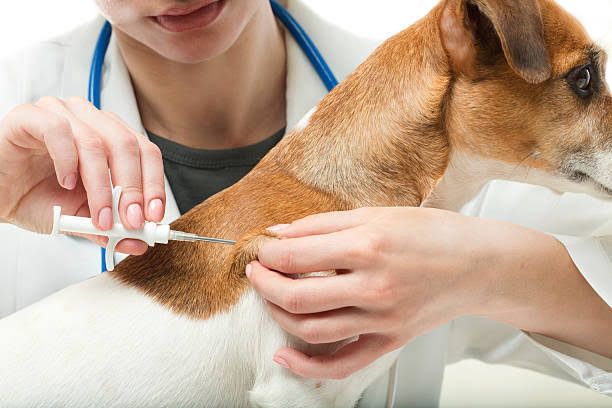
Veterinarians are moving away from rigid vaccination schedules toward individualized plans based on lifestyle, location, and risk exposure. Indoor pets, senior animals, and those with medical sensitivities may require adjusted protocols. Vets rely on updated guidelines and titer testing to balance protection with safety. This tailored approach helps reduce unnecessary vaccinations while maintaining disease prevention. Pet owners are also asking more informed questions about vaccine frequency. By 2026, customized vaccination planning is expected to be standard practice, reflecting a more nuanced understanding of immunity and risk management.
18. Exotic Pet Ownership

Veterinarians are seeing steady growth in exotic pet ownership, including reptiles, birds, and small mammals. These animals require specialized care, diet, and environmental conditions that many owners initially underestimate. Vets report more cases linked to improper housing, nutrition, or temperature control. Clinics are responding by expanding training and referral networks for exotic species. Educational outreach is also increasing to help owners meet species-specific needs. By 2026, vets expect continued demand for exotic pet expertise, along with stronger emphasis on owner education to prevent avoidable health problems.
19. End-of-Life Planning

Veterinarians are having more open and compassionate conversations about end-of-life care as owners seek guidance earlier. Quality-of-life assessments, palliative care, and hospice options are discussed well before emergencies arise. Vets note that planning ahead reduces stress and allows families to make informed, humane decisions. Home euthanasia services and memorial options are also becoming more common. This shift reflects deeper emotional bonds between people and pets. By 2026, end-of-life planning is expected to be a thoughtful, proactive process rather than a rushed decision during crisis moments.
20. Data-Driven Vet Care
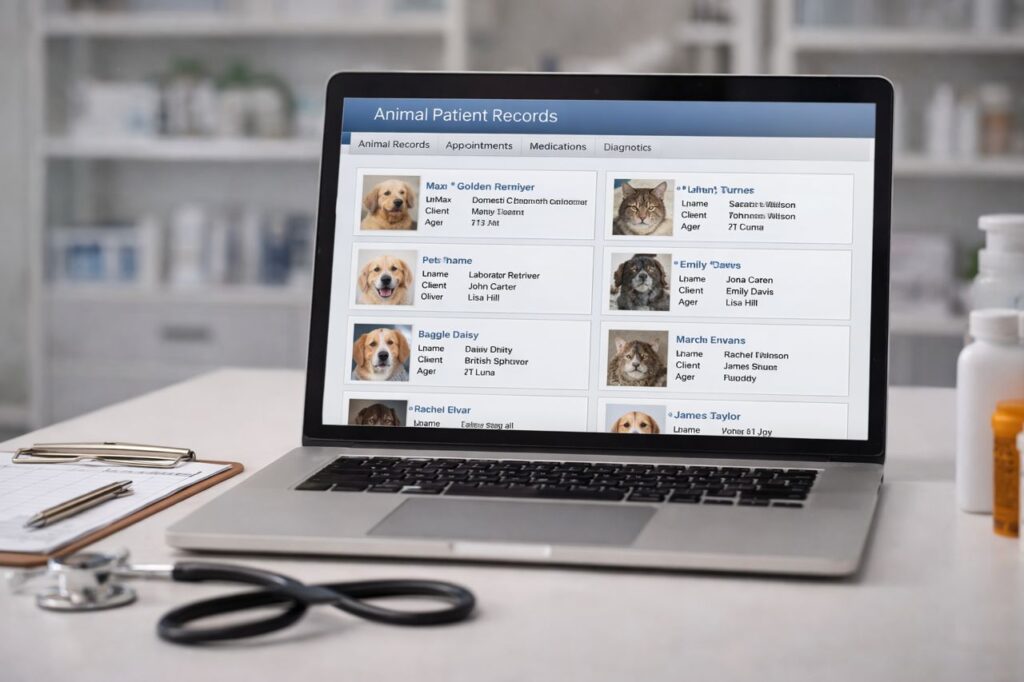
Veterinary medicine is increasingly guided by data collected from electronic records, diagnostics, and monitoring tools. Clinics analyze trends in treatment outcomes, medication responses, and disease prevalence to improve care standards. Shared databases also help vets identify emerging health patterns at regional and national levels. This evidence-based approach supports more consistent and transparent decision-making. Owners benefit from clearer explanations backed by measurable data. By 2026, data-driven care is expected to strengthen trust between vets and clients while improving long-term health outcomes for pets.
As pet ownership continues to evolve, veterinarians remain at the center of these changes, balancing science, compassion, and practical realities. The trends shaping 2026 reflect deeper bonds between people and their pets, along with higher expectations for care.
Like this story? Add your thoughts in the comments, thank you.


