
1. Smarter Health Wearables
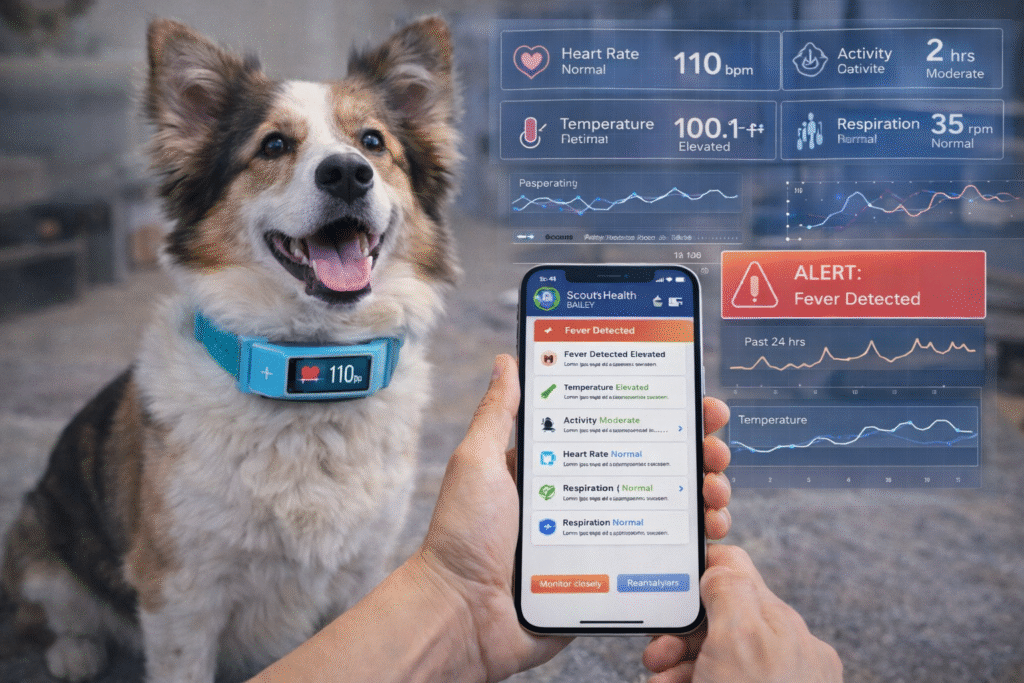
Pet care is entering a quieter but more meaningful tech-driven shift. Pet wearables in 2026 go far beyond simple GPS tracking. Modern devices now monitor heart rate variability, respiratory patterns, activity levels, and sleep quality using veterinary-backed algorithms. These wearables are designed to flag subtle changes, such as reduced movement or abnormal rest cycles, that often precede visible illness. Data collected over weeks or months allows patterns to emerge, helping owners and veterinarians distinguish between normal behavior and early warning signs. Many devices sync with mobile apps that translate complex metrics into clear, actionable insights. This shift encourages preventive care rather than reactive treatment, especially for aging pets or breeds prone to specific conditions. As adoption increases, wearable data is also shaping broader research into animal health trends.
2. AI Symptom Analysis
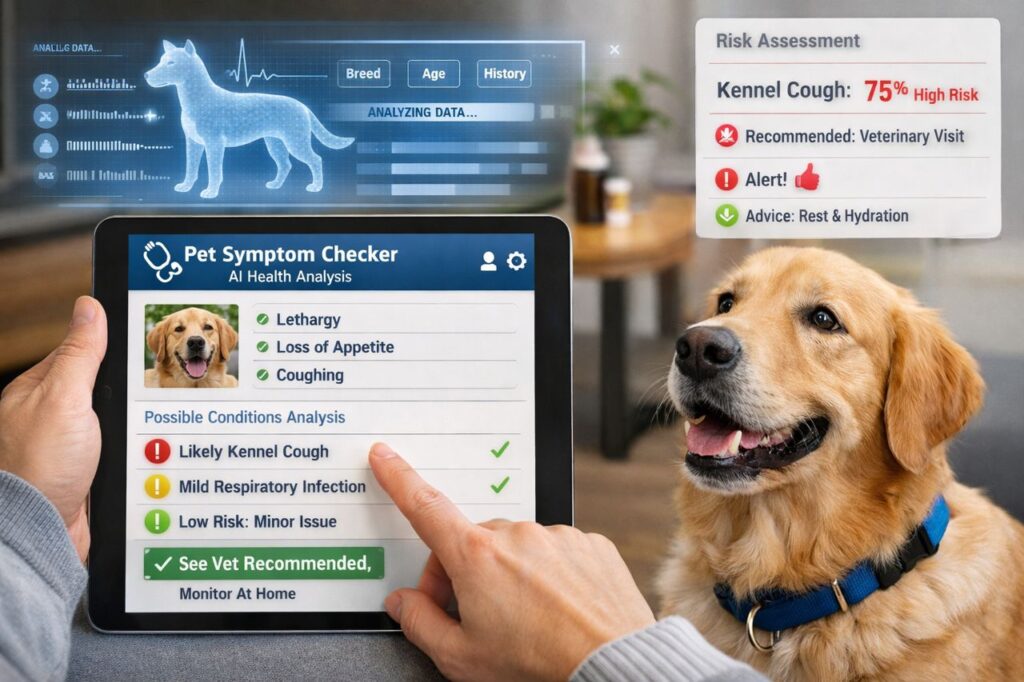
AI-powered symptom checkers are becoming a trusted first step for concerned pet owners. In 2026, these tools analyze owner-reported symptoms alongside historical data, breed characteristics, age, and recent behavior patterns. Instead of vague advice, users receive probability-based guidance that helps determine whether a situation requires immediate veterinary attention or simple monitoring. These systems do not replace professionals but reduce panic-driven decisions and unnecessary emergency visits. Many platforms are trained using large datasets from veterinary clinics and peer-reviewed studies, improving accuracy over time. The result is more informed conversations between owners and vets, with clearer timelines and better-prepared questions when professional care is needed.
3. Remote Vet Consultations

Tele-veterinary care is becoming a normal part of pet ownership rather than an emergency alternative. In 2026, video consultations allow vets to visually assess mobility, skin conditions, eye clarity, and post-surgery recovery without requiring stressful travel for pets. These services are especially valuable for routine follow-ups, medication adjustments, and behavioral assessments. Remote consultations also improve access for owners in rural or underserved areas where veterinary clinics may be scarce. Many platforms integrate pet health records, images, and wearable data, allowing vets to make better-informed recommendations. While in-person exams remain essential for diagnostics, virtual care is reducing delays and improving continuity in long-term treatment plans.
4. Smart Feeding Systems

Automated feeding systems are becoming more adaptive and health-focused. In 2026, smart feeders adjust portion sizes based on a pet’s age, weight trends, activity level, and veterinarian recommendations. Some systems integrate with wearables to reduce food intake after low-activity days or increase calories during recovery periods. These feeders also track eating speed and frequency, helping identify appetite changes that may signal health issues. For multi-pet households, RFID and camera recognition prevent food stealing and ensure each animal receives the correct diet. This technology supports healthier weight management and reduces overfeeding, which remains one of the most common preventable pet health problems.
5. Personalized Nutrition Algorithms
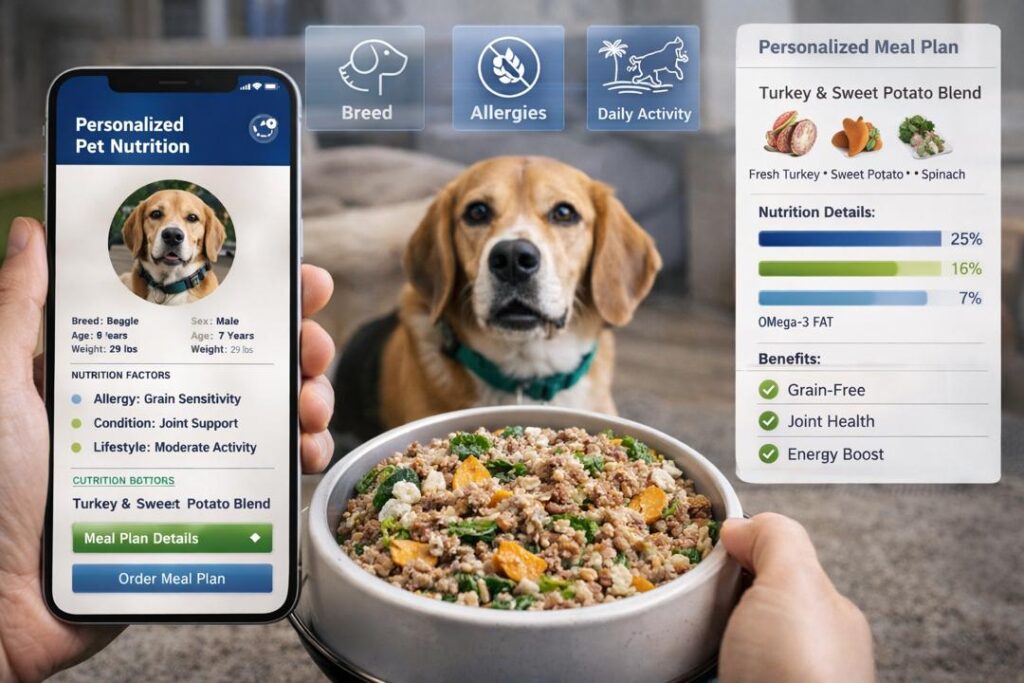
Pet nutrition is becoming data-driven rather than generic. In 2026, nutrition platforms analyze breed tendencies, allergies, digestion history, and lifestyle factors to recommend tailored meal plans. These systems often work with fresh or subscription-based food providers, adjusting formulations as pets age or develop new health needs. Owners receive clear explanations for ingredient choices, making feeding decisions more transparent. Some platforms even incorporate stool quality and energy feedback from owners to refine recommendations. This personalized approach reflects growing research linking diet to long-term health outcomes, particularly for joint health, coat quality, and digestive stability.
6. Advanced Litter Monitoring
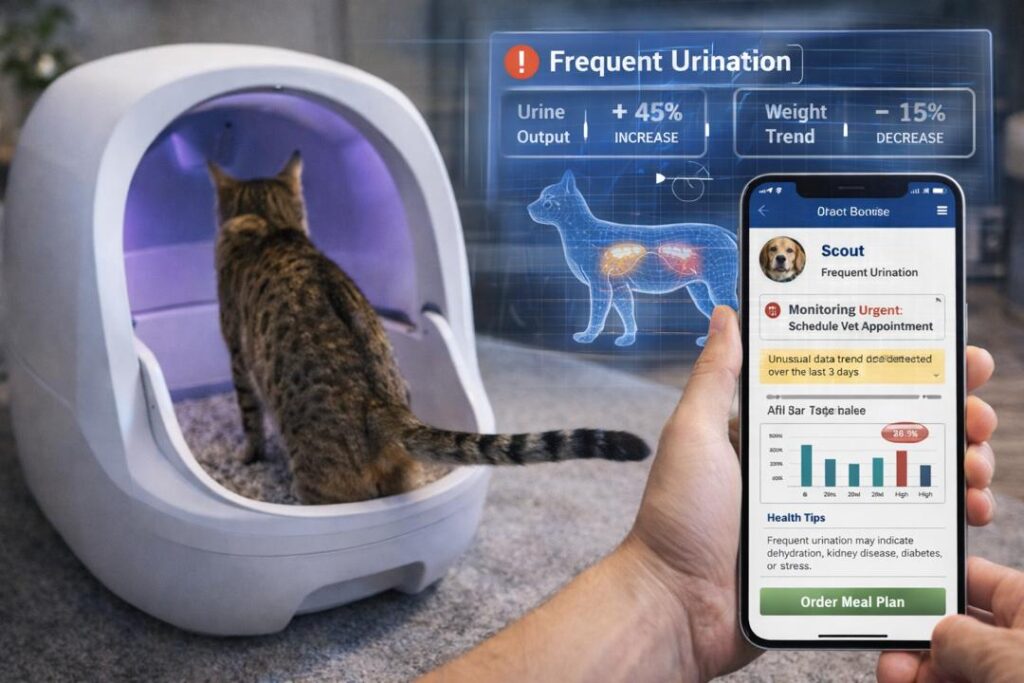
Smart litter systems are offering early insights into feline health. By 2026, these devices track urine frequency, volume, and weight changes with high precision. Sudden deviations, such as reduced output or irregular patterns, can indicate dehydration, kidney issues, or urinary tract problems. The technology is especially valuable for cats, which often hide discomfort until conditions become serious. Data is presented in simple summaries, allowing owners to notice trends without constant observation. For households with multiple cats, individual tracking reduces confusion and improves accuracy. This quiet monitoring helps catch problems earlier, when treatment is typically less invasive and more effective.
7. Behavior Tracking Insights
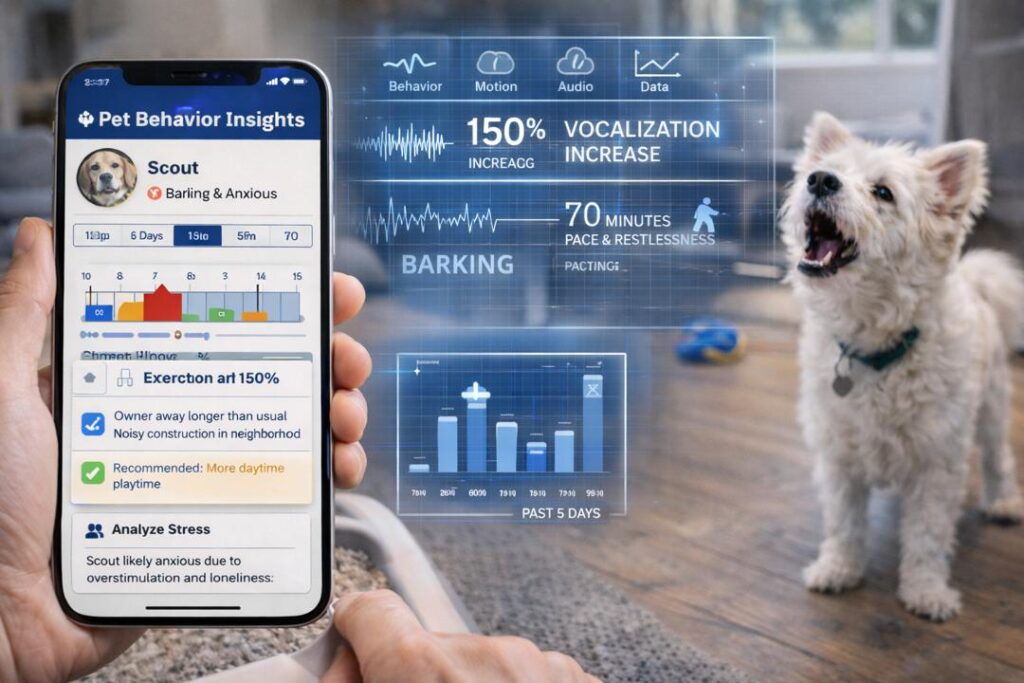
Behavior analysis tools are becoming more sophisticated and contextual. In 2026, AI-driven platforms combine motion data, audio cues, and daily routines to interpret stress, boredom, or anxiety-related behaviors. Excessive pacing, vocalization changes, or altered sleep patterns can be flagged and explained with possible causes. These insights help owners adjust environments, schedules, or training approaches before problems escalate. For working owners, behavior tracking provides reassurance and clarity about how pets cope when alone. Over time, aggregated data also helps trainers and veterinarians better understand common behavioral triggers across breeds and living conditions.
8. Smart Home Pet Integration
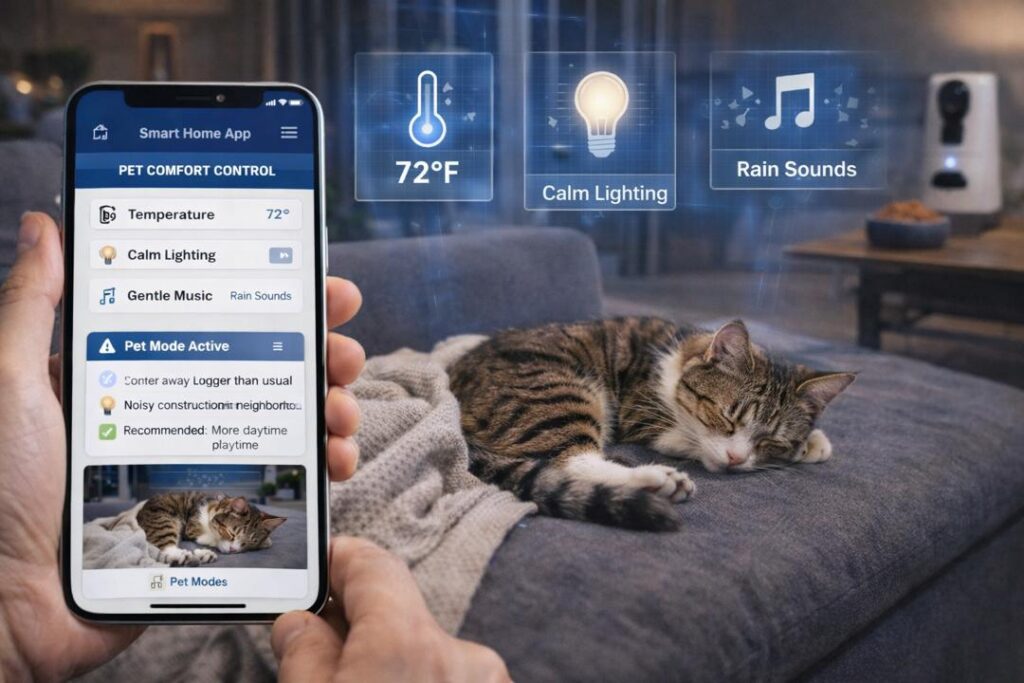
Homes are increasingly designed with pets in mind. In 2026, smart home systems coordinate temperature control, lighting, and sound to maintain pet comfort throughout the day. Automated routines can lower noise sensitivity during storms, maintain cooling during heatwaves, or provide calming lighting during evening hours. Some systems activate cameras, feeders, or enrichment devices when pets show signs of restlessness. This integration supports consistent care even when owners are away, reducing stress for animals sensitive to routine changes. As smart homes become more common, pets are no longer an afterthought but an active part of household automation design.
9. GPS Safety Evolution
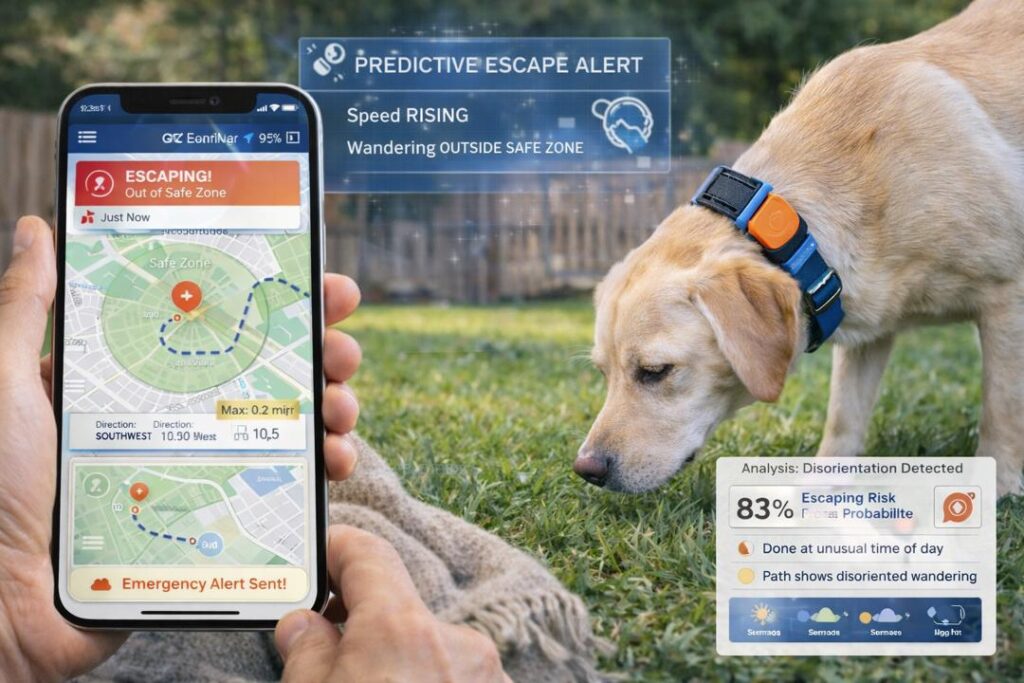
Pet GPS technology is shifting from simple location tracking to predictive safety. In 2026, devices create geofenced behavior maps that recognize unusual movement patterns, such as disorientation or escape attempts. Some systems assess speed, direction, and time of day to determine whether movement is normal or concerning. Alerts are becoming smarter, reducing false alarms while prioritizing genuine risks. This evolution is particularly useful for dogs with strong prey drives or pets prone to anxiety-related wandering. Combined with longer battery life and improved accuracy, GPS tools are offering owners greater peace of mind without constant monitoring.
10. Digital Health Records
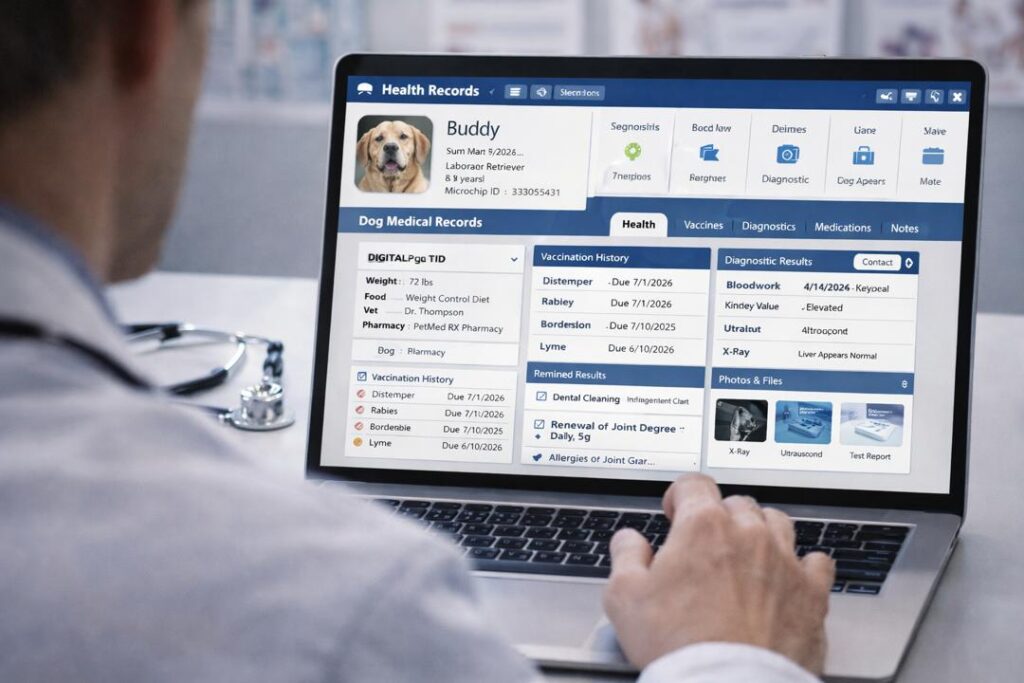
Centralized digital health records are simplifying long-term pet care. In 2026, vaccination history, diagnostic results, medication schedules, and dietary notes are securely stored and easily shared between clinics, groomers, and boarding facilities. This reduces paperwork errors and ensures continuity when changing vets or traveling. Owners benefit from clear timelines and reminders, while professionals gain faster access to reliable background information. Digital records also support data-driven research by identifying trends across populations. As interoperability improves, pet health management is becoming more organized, transparent, and less dependent on fragmented paperwork.
11. Predictive Disease Detection
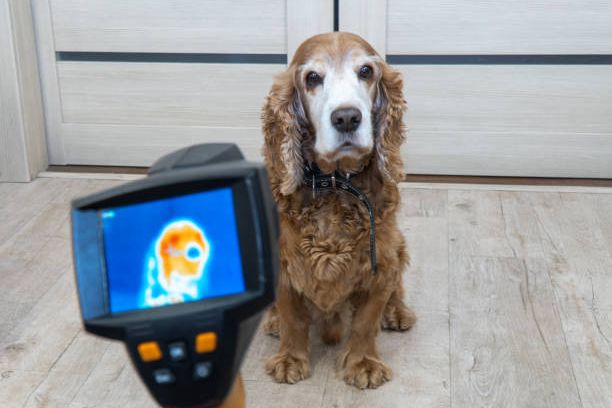
By 2026, predictive health technology is playing a larger role in catching pet illnesses before symptoms become obvious. These systems combine long-term data from wearables, feeding logs, activity patterns, and veterinary records to identify subtle risk markers. For example, gradual reductions in mobility paired with sleep disruptions can signal joint issues well before limping appears. The goal is not diagnosis but early risk awareness, giving owners and vets time to intervene with lifestyle changes, supplements, or monitoring. This approach mirrors trends in human healthcare, where prevention reduces costs and improves outcomes. For pets, it means fewer emergencies and better quality of life, especially for breeds known to develop age-related or hereditary conditions.
12. Smart Grooming Tools

Grooming technology in 2026 is becoming more precise and health-focused. Smart brushes and clippers now detect skin sensitivity, coat density, and shedding patterns while in use. These tools help owners avoid overbrushing, reduce irritation, and spot changes such as dry patches or unusual hair loss early. Some systems track grooming frequency and link it to skin or allergy data, offering suggestions based on seasonal changes or breed needs. For pets that struggle with grooming anxiety, quieter motors and guided routines make the process less stressful. This shift turns grooming from a cosmetic task into a meaningful part of routine health monitoring.
13. AI Training Assistants
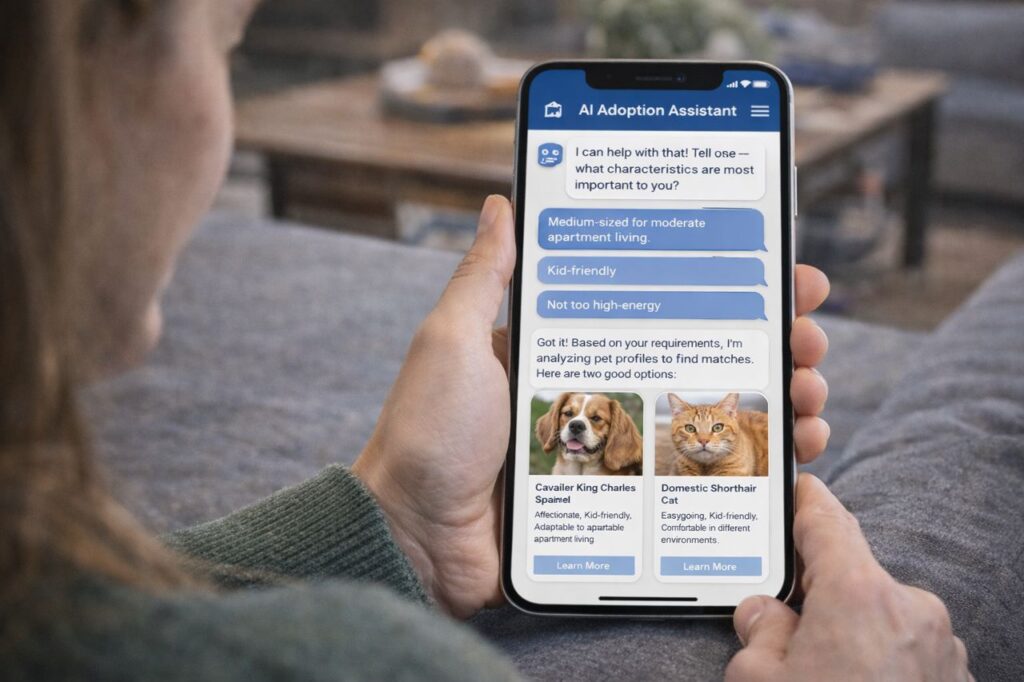
Training support is becoming more accessible through AI-powered assistants. In 2026, these tools analyze video and audio recordings of training sessions to provide feedback on timing, consistency, and technique. Owners receive suggestions tailored to their pet’s age, breed tendencies, and learning pace. Rather than replacing professional trainers, AI assistants help reinforce best practices between sessions. This is especially helpful for first-time owners navigating obedience basics or addressing common challenges like leash pulling or separation anxiety. By promoting consistent, reward-based methods, these tools support humane training approaches and help reduce frustration on both sides of the leash.
14. Automated Medication Tracking
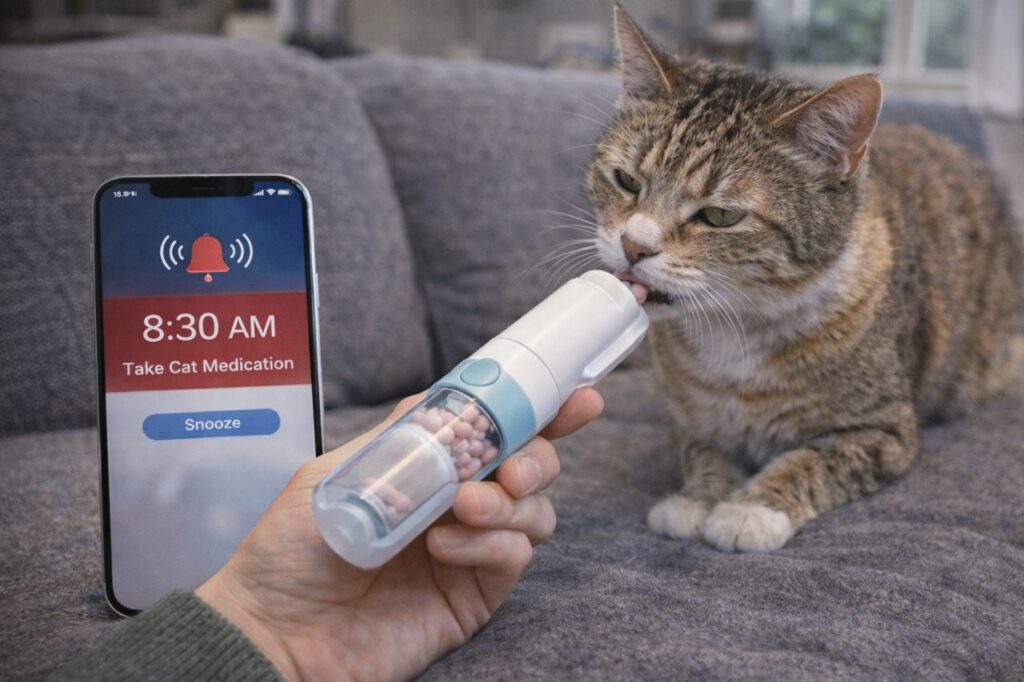
Medication management is becoming simpler and safer through automation. In 2026, smart pill dispensers and app-based reminders help owners follow complex treatment schedules accurately. Some systems confirm doses through weight sensors or visual recognition, reducing the risk of missed or doubled medication. Integration with digital health records allows vets to adjust prescriptions remotely and monitor adherence. This technology is particularly valuable for pets with chronic conditions requiring long-term treatment. Clear alerts and tracking logs also support caregivers managing multiple pets or assisting elderly family members with pet care responsibilities.
15. Emotional Wellness Tech
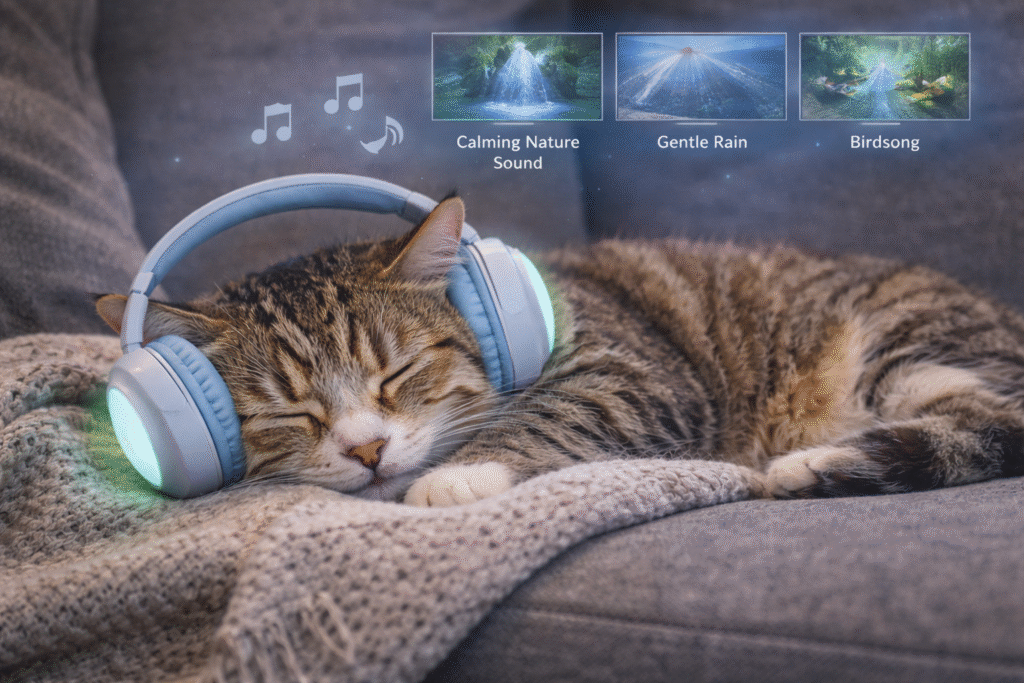
Pet care technology is increasingly addressing emotional well-being, not just physical health. In 2026, tools designed to monitor stress levels use behavior data, vocal patterns, and activity changes to detect anxiety or boredom. Calming devices may activate soothing sounds, gentle lighting, or enrichment toys when stress indicators rise. These systems are especially useful for pets left alone for long periods or those sensitive to environmental changes. By recognizing emotional needs as part of overall health, technology is encouraging more balanced care that supports mental stimulation and emotional stability alongside nutrition and exercise.
16. Smart Boarding Management
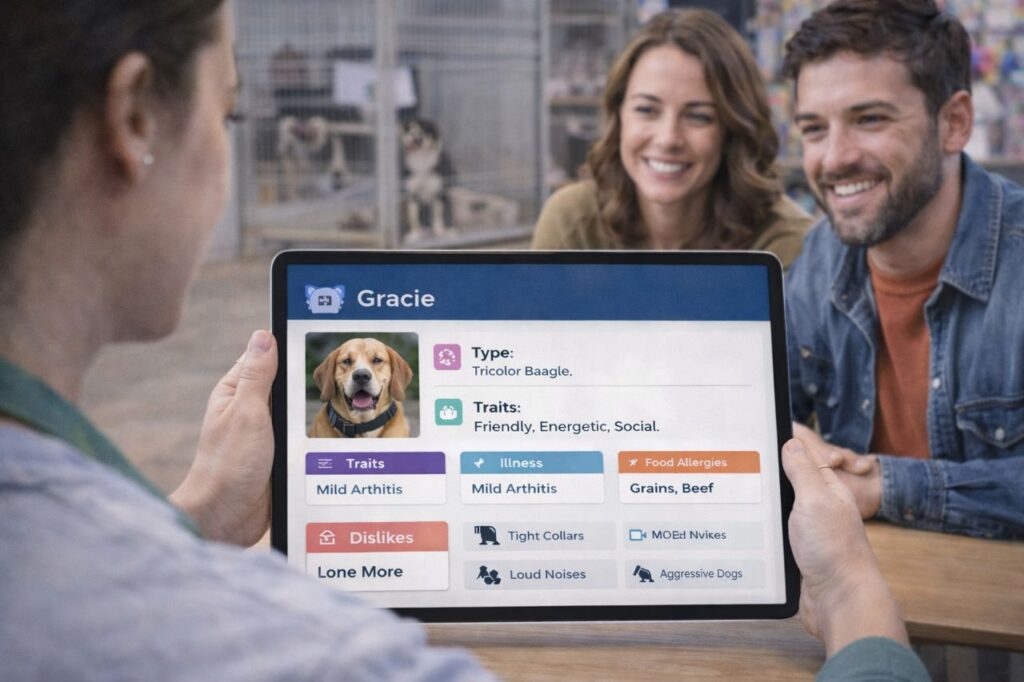
Boarding facilities are adopting technology to improve transparency and safety. By 2026, smart boarding systems track feeding, playtime, rest periods, and interactions for each pet. Owners receive regular updates, photos, and behavior summaries, reducing anxiety while away. Facilities benefit from better scheduling, reduced errors, and clearer accountability. Health alerts can flag reduced appetite or unusual behavior, prompting early attention. This level of monitoring helps standardize care quality across facilities and builds trust between owners and service providers, making boarding a less stressful experience for everyone involved.
17. DNA Health Screening
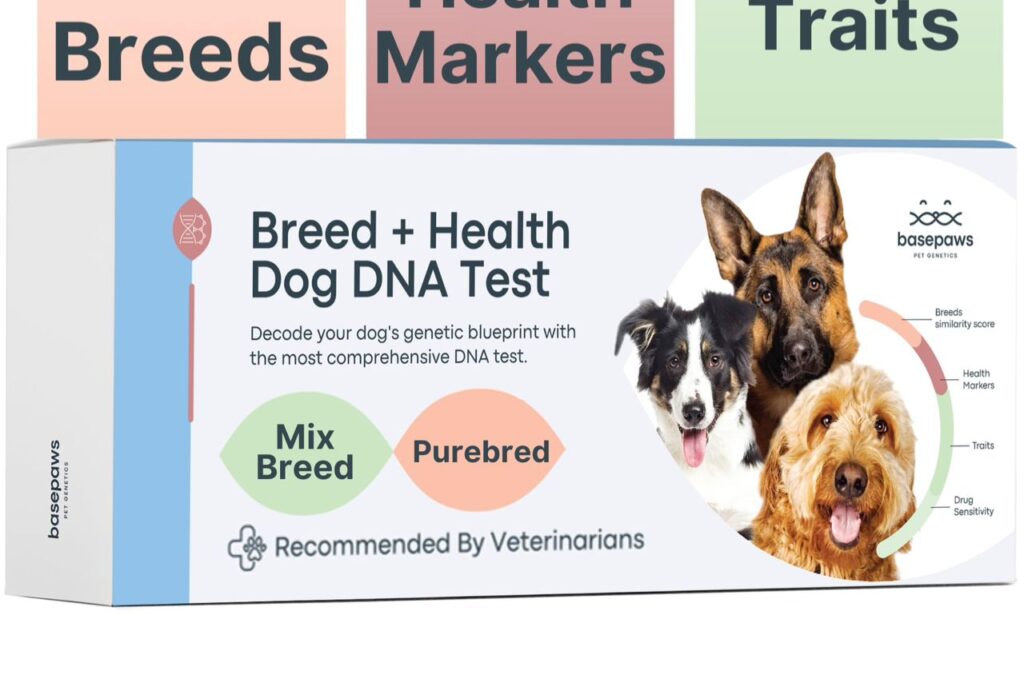
Genetic testing is becoming more actionable in everyday pet care. In 2026, DNA screening goes beyond breed identification to highlight potential health risks, medication sensitivities, and nutritional needs. Results are increasingly integrated into veterinary records and feeding recommendations, allowing care plans to reflect genetic predispositions. Owners gain clearer expectations about future health considerations without alarmist predictions. This information supports informed decisions about exercise, diet, and preventive screening schedules. As databases grow, genetic insights are becoming more accurate and more useful across diverse breeds and mixed ancestry pets.
18. Virtual Pet Communities

Technology is also reshaping how owners learn from one another. In 2026, virtual pet communities combine social interaction with expert moderation and data sharing. Owners can compare behavior trends, diet outcomes, or training progress with similar pets while accessing verified guidance. These platforms reduce misinformation by linking discussions to credible sources and professional input. For new owners, communities provide reassurance and practical advice grounded in real experiences. This blend of social connection and structured information helps normalize challenges and promotes responsible, informed pet ownership.
19. Smart Travel Safety
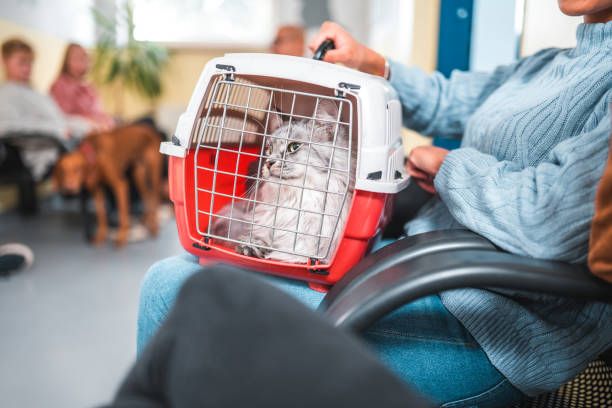
Travel technology for pets is becoming more reliable and data-driven. In 2026, smart carriers and crates monitor temperature, ventilation, and movement during trips. Alerts notify owners if conditions become unsafe, whether during car travel or air transport. Some systems log travel stress indicators, helping owners plan better rest breaks or adjust future trips. This technology is particularly important as more people travel with pets or relocate internationally. Improved monitoring reduces risk and supports safer, more comfortable journeys for animals across different travel environments.
20. Aging Pet Support Tech

As pets live longer, technology is increasingly focused on senior care. In 2026, tools designed for aging pets monitor mobility, sleep quality, and cognitive changes. Smart ramps, bowls, and beds adapt to reduced strength or joint issues, promoting independence. Data from these tools helps owners adjust routines and spot early signs of discomfort or confusion. This support allows older pets to remain comfortable at home longer, delaying the need for intensive care. Technology is helping owners respond thoughtfully to aging, balancing compassion with practical assistance.
21. Vision Monitoring Systems

In 2026, emerging vision-monitoring tools are helping owners notice eye problems earlier than ever. Smart cameras and mobile apps can now detect changes such as cloudiness, abnormal pupil size, excessive blinking, or altered eye tracking during normal movement. These systems work by comparing daily visuals against baseline images collected over time. Subtle changes that are easy to miss in daily life can trigger alerts recommending observation or a veterinary check. This is especially valuable for aging pets and breeds prone to cataracts or glaucoma. While not diagnostic, vision monitoring technology supports earlier intervention, when treatment options are often more effective and less invasive.
22. Voice Pattern Recognition
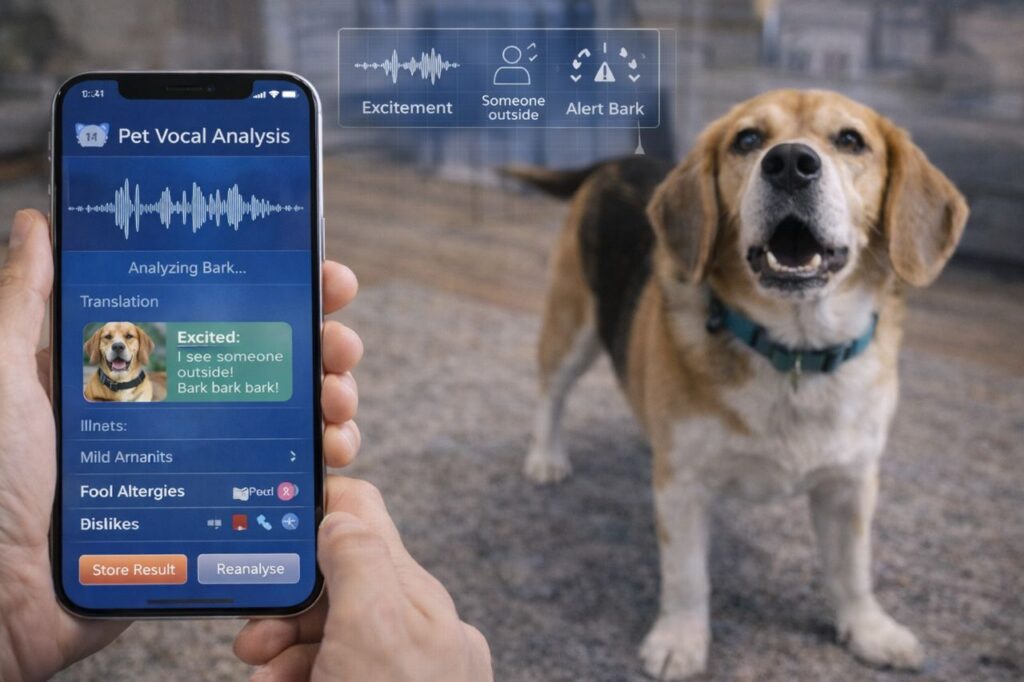
Pet vocalization analysis is becoming more refined in 2026. AI-powered tools can now distinguish between normal sounds and vocal patterns linked to stress, pain, or frustration. By analyzing pitch, frequency, and repetition, these systems identify changes that may signal discomfort or emotional distress. Owners receive simple explanations and suggested responses, such as environmental adjustments or closer monitoring. This technology is particularly helpful for pets that cannot easily express pain through movement changes. Over time, voice data helps owners better understand individual communication styles, strengthening the bond between humans and their animals through clearer, more responsive care.
Like this story? Add your thoughts in the comments, thank you


