
1. Quiet Beginnings And The Way Leaders Rise
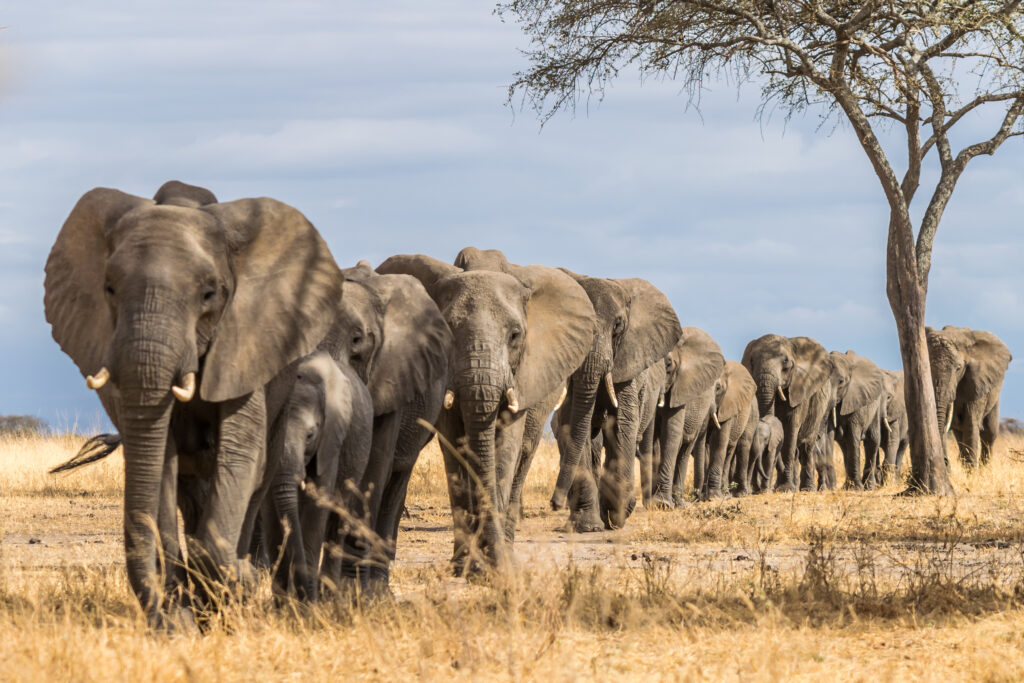
Sometimes it helps to pause and notice how nature figured leadership out before people did. Animals choose quietly, and elephants begin the lesson beautifully. The oldest female carries memory of water, danger and shelter. Others follow because she has guided them through hard seasons. No one argues and no one campaigns. Leadership appears as trust built slowly over years. By watching her steadiness, the herd finds safety, direction and calm unity. Without voices or speeches, the group moves together. That simple truth shows how experience, patience and care often raise leaders more gently than noise in the world today too.
2. When Bees Seem To Agree Without Talking
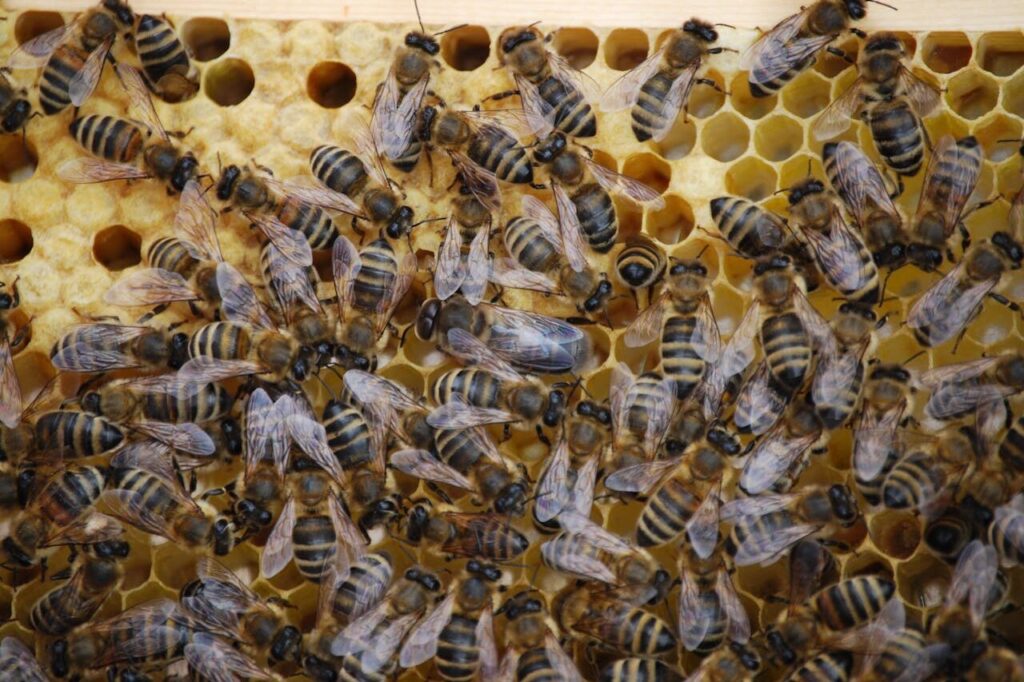
Watching bees feels like seeing a tiny city stay organized without anyone shouting instructions. Each bee understands its task and keeps working faithfully. When nectar is discovered, a movement signal guides the others and they respond immediately. The queen is present, but real guidance is shared through cooperation. Nothing is loud, dramatic or forced. The hive survives because everyone contributes and trusts the rhythm. Leadership here grows quietly from teamwork instead of pride. It reminds us that when purpose is shared, order appears naturally, and progress continues without fear. Simple effort, patience and unity keep the whole colony alive today.
3. Wolves Leading From Care Not Force
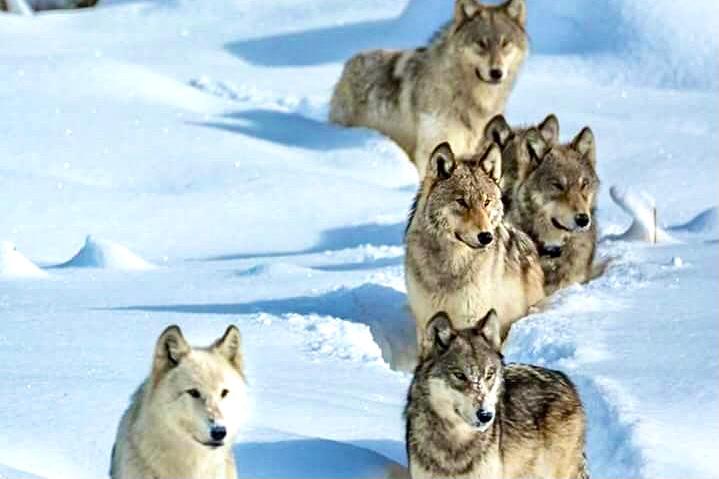
Wolves often surprise people because their leadership is quieter than many expect. The trusted wolf does not always march ahead. Sometimes it lingers at the back to guard the slow and watch the edges. The pack reads posture, calm eyes and steady movement. Young wolves learn simply by observing in difficult moments. Real influence is not only strength. It is responsibility, patience and care. The pack follows because safety feels stronger than control. In that quiet guidance, everyone stays together through hunger, storms and long travel, showing how gentle protection can lead communities farther than loud demands in their lives.
4. Zebras Trust The Wisdom Of Older Mares
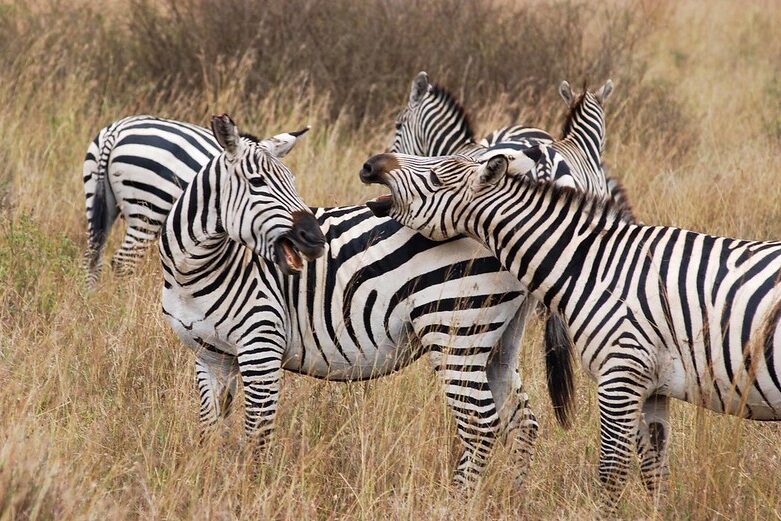
Zebra herds reveal leadership that forms slowly and naturally. An older mare usually knows the safest paths, the nearest water and the right moments to move. Others notice her position and respond to her quiet signals. There are no arguments and no speeches, only awareness and trust. Because she has protected them before, confidence grows around her presence. When danger appears, the herd gathers tightly and follows together. Leadership here is memory shaped into guidance that keeps everyone alive. It reminds us that sometimes the best leader is the one who has traveled far and learned carefully over the years.
5. Hyenas Showing Quiet Strength In Community
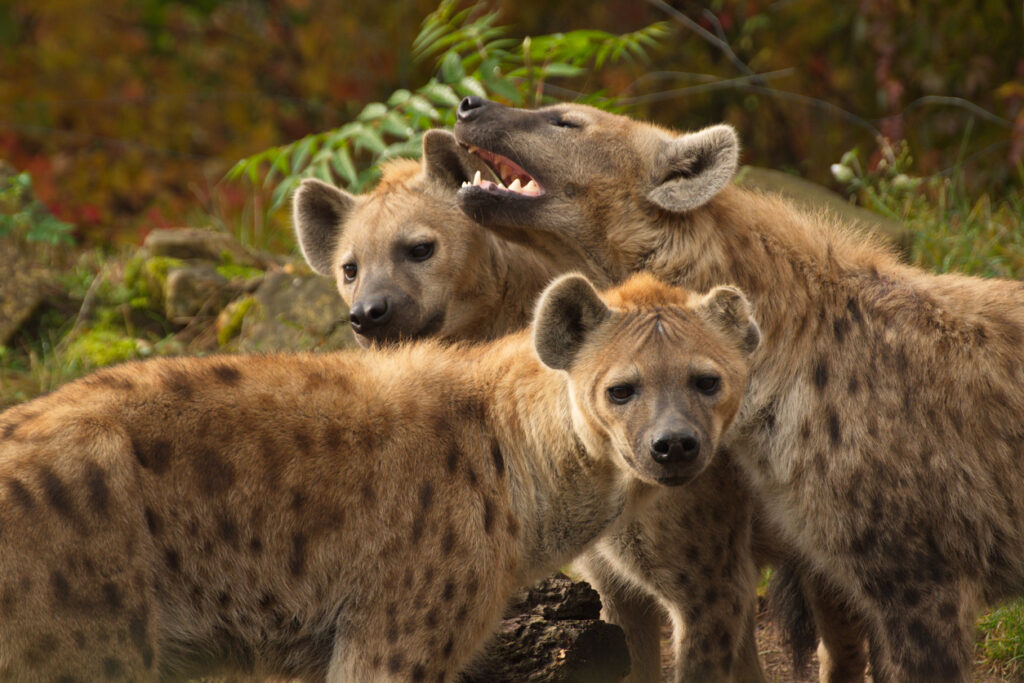
Spotted hyenas live in organized clans where leadership feels firm yet mostly silent. A strong female usually stands at the top, and everyone understands her role without announcements. Young animals grow up knowing how to behave and where they fit. Her presence keeps hunts coordinated and food fairly shared. The group depends on that structure when territory must be defended. Although hyenas appear fierce, their system brings order and stability. Leadership here means clarity and protection rather than noise. It shows that guiding others can simply be about keeping balance so every member has a real chance to survive well.
6. Fish Schools Moving As One Thought

When fish gather into shimmering schools, it almost feels like watching one long body glide through the water. There is no voice telling them when to turn or where to go. A few sense danger or direction first, then shift slightly, and the movement spreads. Everyone adjusts together, calm and quick. No one competes for attention. Survival guides their choices and the group benefits. This kind of leadership reminds us that quiet signals can matter more than orders, and that awareness shared at the right moment can keep many lives safe at the same time for everyone there each day.
7. Ants Teaching Gently While They Walk
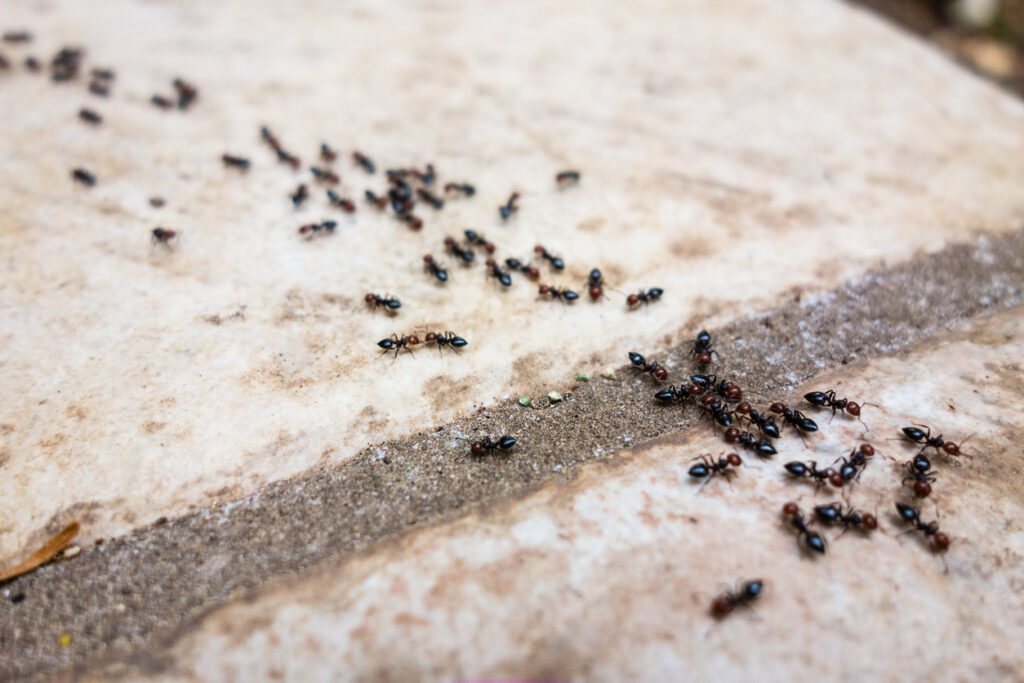
Ants look tiny, but their way of showing leadership feels thoughtful and patient. When one discovers food, it does not shout or gather the colony loudly. Instead it guides another ant along the exact path, slowing down so the follower learns each turn. Soon others know the route and the whole group benefits. No one is praised, and nothing becomes dramatic. Leadership appears as calm guidance shared step by step. It shows that helping someone understand can be more powerful than racing ahead alone, especially when the success of many depends on learning the right direction together for everyone involved.
8. Pigeons Sharing Decisions While Flying
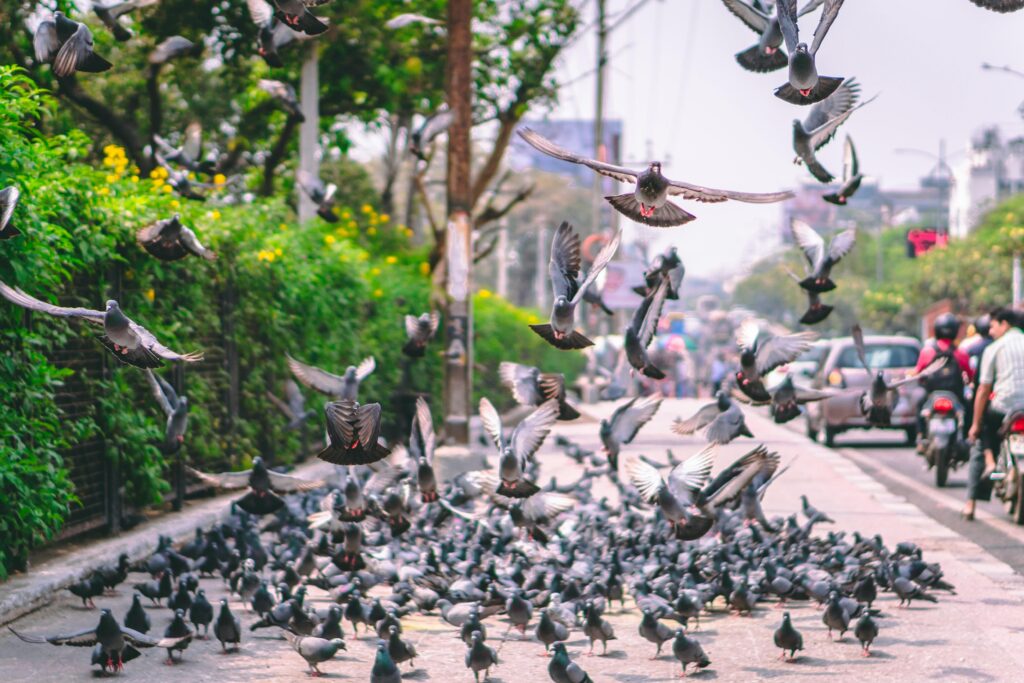
When pigeons travel across long distances, leadership feels gentle and shared. One bird may sense a better direction while another notices wind changes. Instead of competing, they adjust to each other until the flock settles into one clear path. No voices guide them. Only attention, timing and memory shape the journey. The result is surprising accuracy without arguments or control. This kind of leadership reminds us that many small contributions can create one strong decision, and that working together often carries us farther than relying on a single leader to choose everything for the rest of the group to succeed.
9. Dogs Understanding Order Without Words
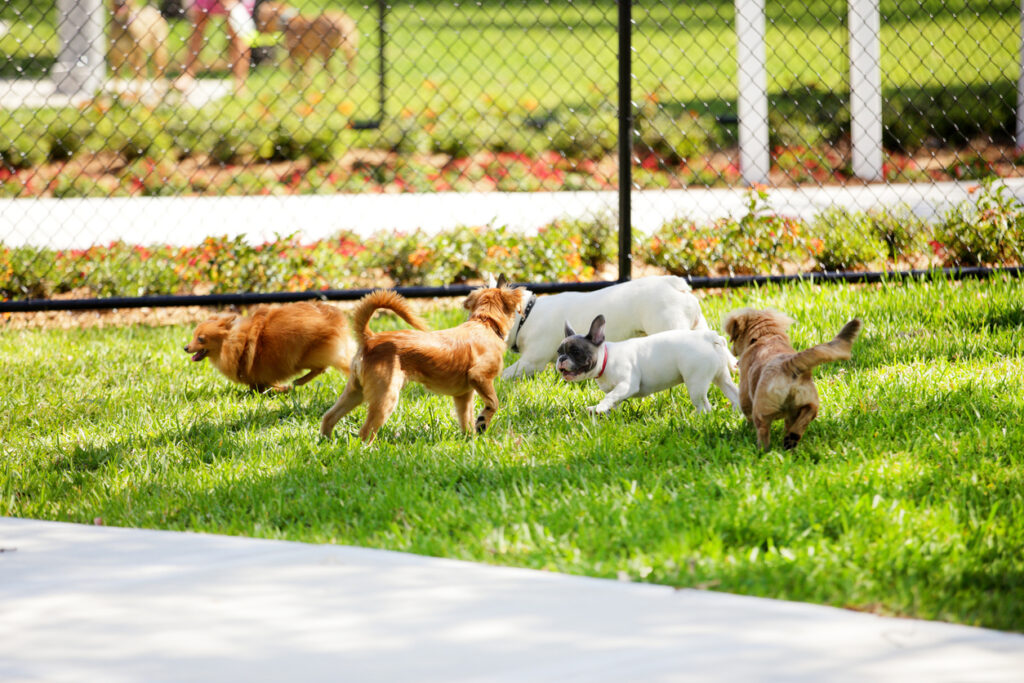
In groups of dogs, there is always a sense of quiet order. One dog often shows calm confidence, steady posture and patience, and the others simply respond. No speeches, no contests, just recognition. When danger appears, that trusted dog moves first and the rest follow. Young dogs learn by watching, not by being told. Leadership forms naturally through behavior. It reminds us that people and animals both tend to follow those who remain balanced, fair and protective. Real influence grows from consistency and care, not from noise, and it helps the whole group feel safe wherever they travel each day.
10. Baboons Using Signals Instead of Voices
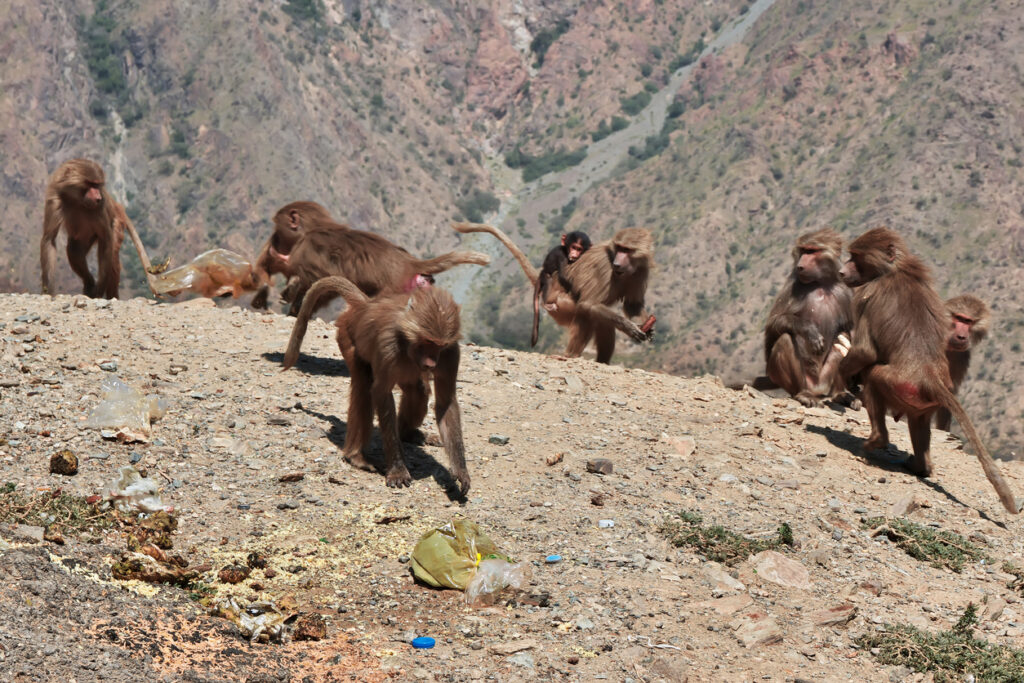
Baboons live in busy groups that could easily become confusing, yet they stay organized through quiet signals rather than speech. When certain members shift position and begin moving, others understand and follow. Dominance exists, but conflicts are often avoided because the rules are clear. Young baboons study these patterns carefully and learn who makes decisions. The troop then travels, feeds and rests with coordination that feels almost planned. This shows that leadership can rely on awareness instead of noise, and that respect grows when guidance is steady, predictable and fair to the many lives inside the group every single season.
11. Goats Making Decisions Together
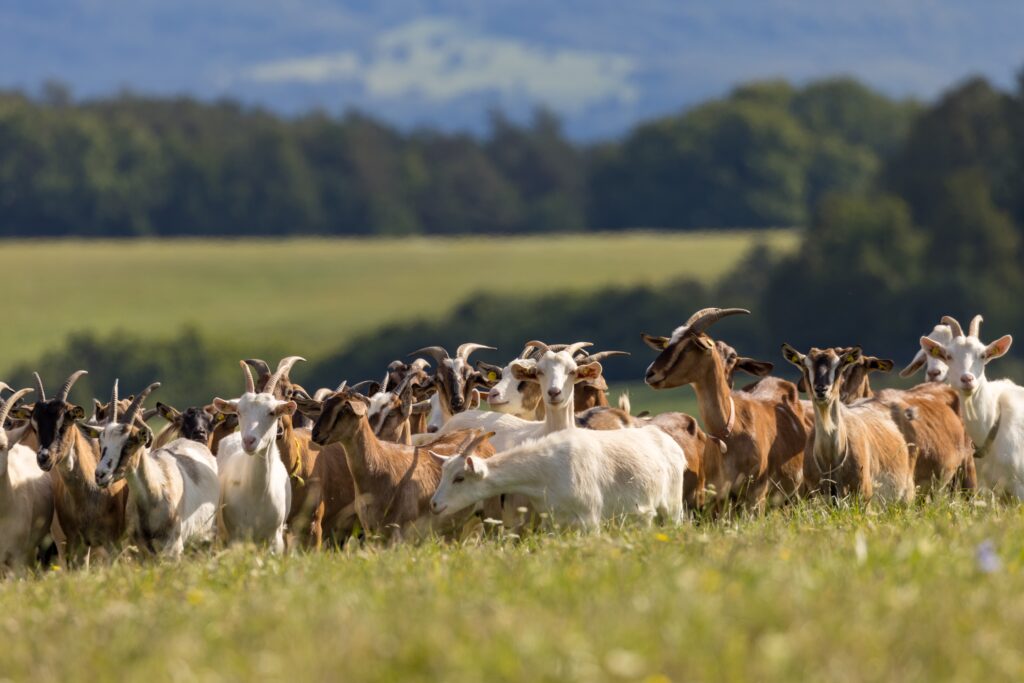
Goats may seem stubborn, yet their groups reveal thoughtful leadership. Older goats often influence where the herd grazes or rests, and others watch their choices closely. If the path leads to good food, trust increases quietly. There is little noise and no competition. Learning happens through outcomes, not arguments. Over time, the group begins to follow those who repeatedly choose well. Leadership grows from results instead of force. It reminds us that credibility develops slowly, and that patient guidance often works better than control. When wisdom is noticed, communities move together with calm confidence and shared purpose for the future.
12. Dolphins Showing Leadership Through Roles

Dolphin pods feel social and intelligent, and their leadership appears flexible rather than fixed. Different dolphins take the lead at different times. One guides during hunting because it knows the waters, while another helps protect younger members. They rely on movement, awareness and closeness instead of long commands. Decisions change with the situation, and cooperation becomes the real strength. This reminds us that leadership does not always belong to one permanent figure. Sometimes it belongs to whoever understands the moment best and uses that knowledge to support the group so everyone can thrive together in the changing ocean world today.
13. Chimpanzees Learning Who to Follow
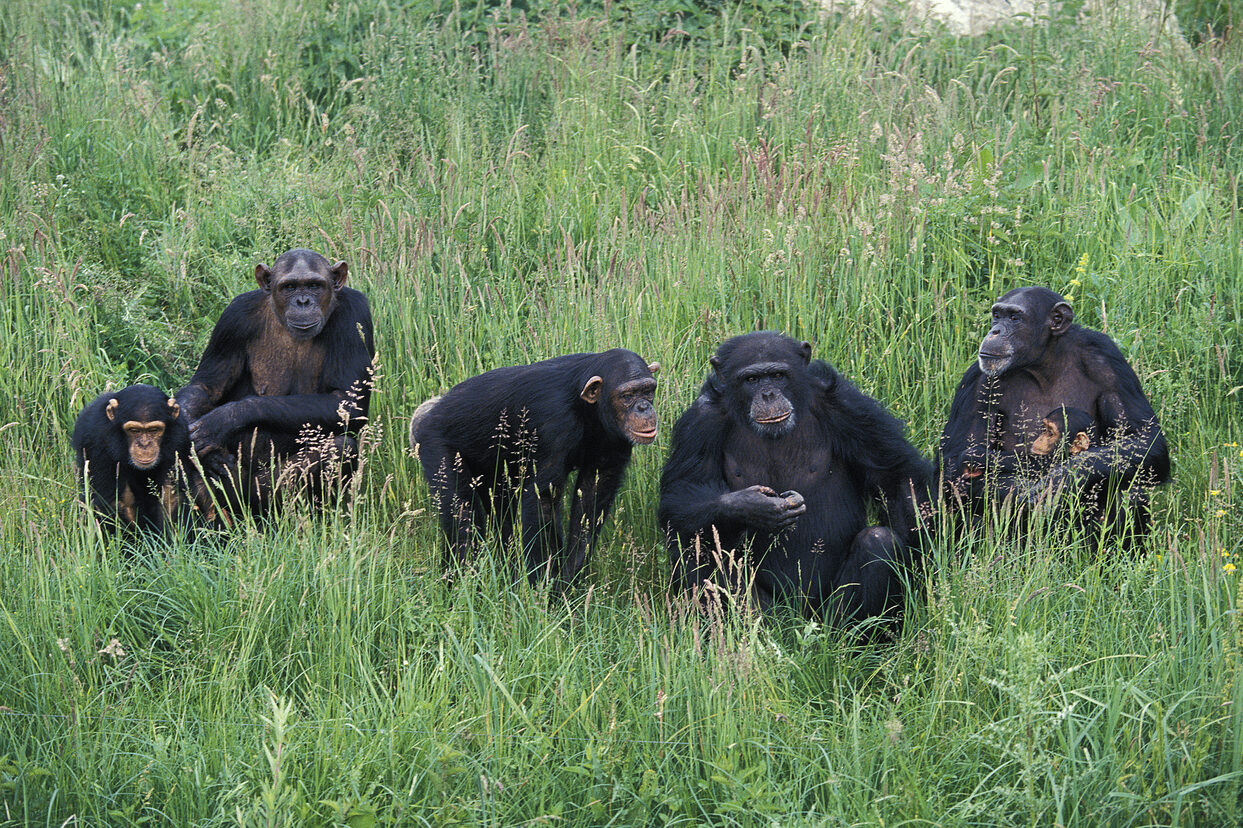
Chimpanzee groups choose leaders through behavior rather than words. Some chimps show courage, patience and fairness. Others prove they can calm tension without harming members. Over time, trust forms naturally. Younger chimps watch carefully and remember who stands steady during conflicts. Leadership is earned, not given. It reminds us that people also notice character before authority. When someone protects, shares and thinks clearly, others feel safe following. This kind of leadership lasts because it grows from respect, and it keeps the group together when life becomes uncertain or stressful in their forest homes for many seasons of challenge ahead always.
14. Ant Colonies Thriving Through Clear Roles
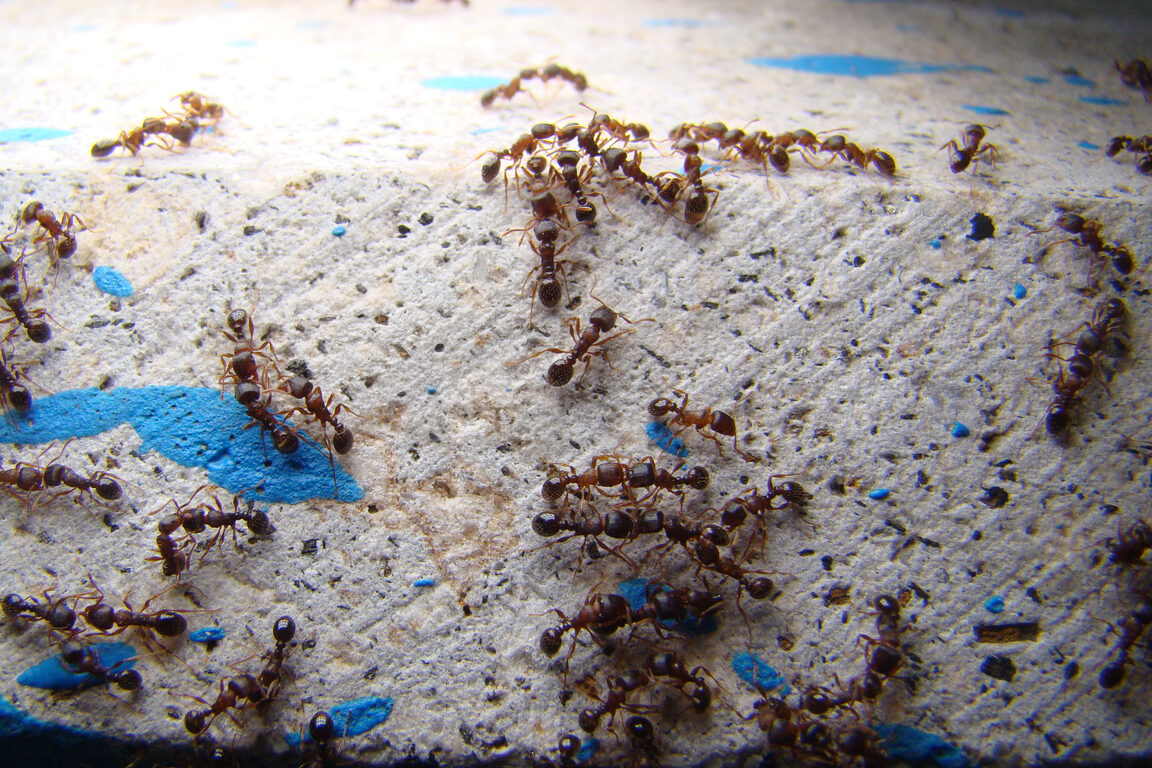
Inside an ant colony, leadership almost disappears because structure itself guides the group. Each ant has a task, whether gathering food, caring for young, or defending the nest. No one gives instructions. Simple signals and instinct create smooth coordination. The community functions like a small city that never sleeps. Leadership here is not about personality. It is about order that allows everyone to work. This shows that systems can sometimes lead better than individuals, and that when roles are clear, entire communities succeed quietly together without confusion or unnecessary conflict getting in the way for the good of all always.
15. Horses Moving With Shared Awareness
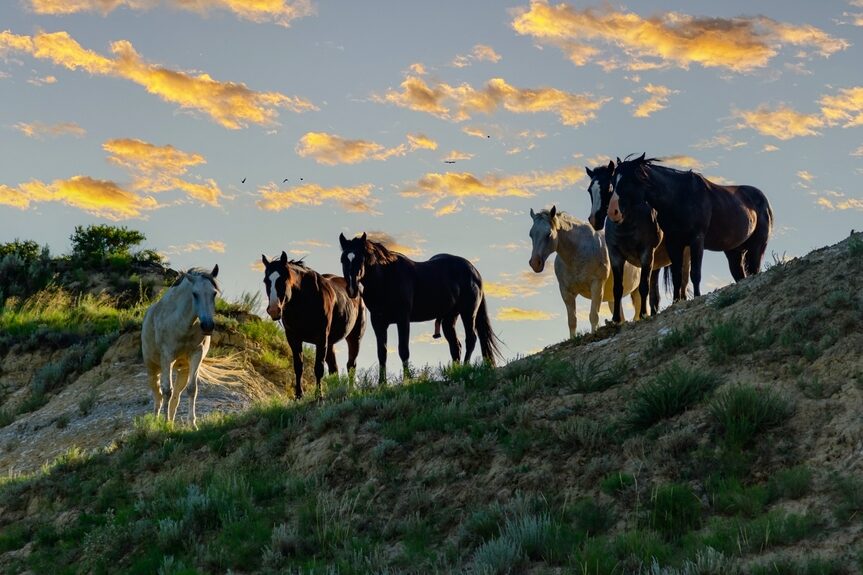
Wild horses travel together using sensitivity instead of commands. One horse may sense danger or a better path and start to move. Others notice and follow because trust already exists. Often an experienced mare influences direction while a strong stallion protects the group. Their cooperation feels calm and natural. No voices guide them, only awareness and connection. Leadership here is gentle and relational, allowing the herd to stay united across open land. It shows that when connection leads, safety and confidence grow, and every member finds a place within the journey they share together through seasons of weather and change.
16. Birds Turning Together in The Sky
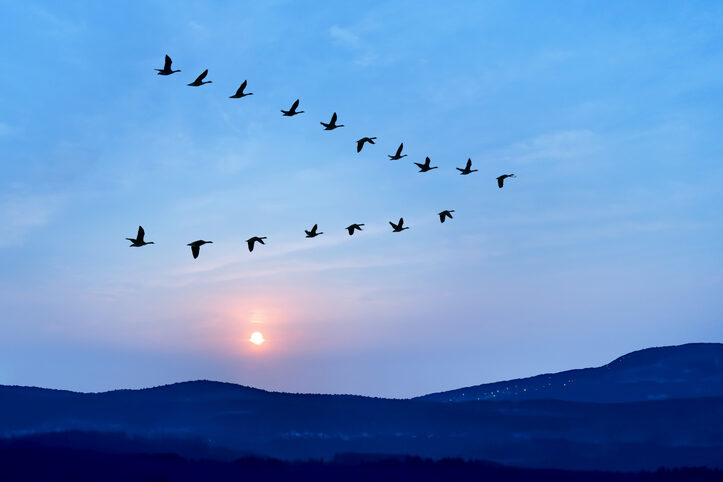
When birds swirl through the sky, the entire flock turns almost at the same moment. There is no single voice telling them when to shift or glide. Instead each bird watches its neighbors closely and reacts instantly. A tiny change becomes a shared decision. No struggle for power, no confusion. Just quiet awareness guiding the whole group in safety. That pattern reminds us that leadership sometimes comes from staying attentive and connected, not from trying to control everything alone, and that when we truly pay attention, we help one another move smoothly through whatever comes our way together.
17. Meerkats Showing Watchful Leadership In Silence
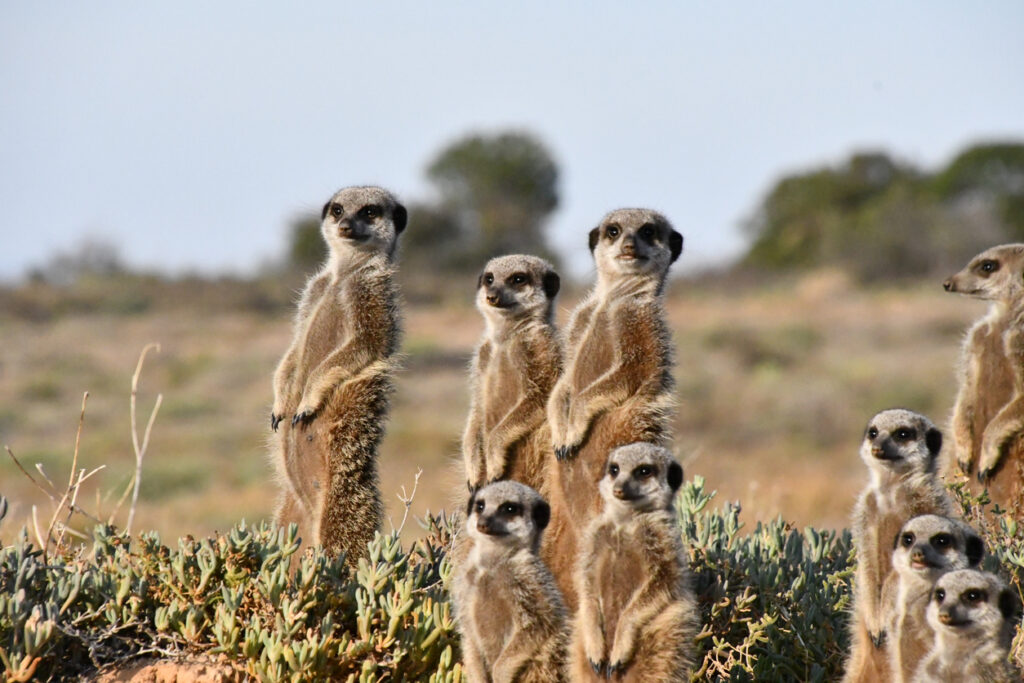
Meerkats live in close families where leadership grows from patience, vigilance and care. One meerkat climbs to a lookout and watches while others dig, eat or play below. It listens carefully, scans the horizon and gives soft warning calls when danger rises. The group trusts this quiet guardian because alertness keeps everyone alive. Leadership here is not control, it is responsibility carried for the sake of the whole. Watching them reminds us that real leaders protect first, guide gently and stay aware for others. I
18. Penguins Leading Through Care and Patience

Penguins live in harsh places where cooperation matters more than noise. When it is time to move or protect the young, certain adults quietly step forward and others pay attention. They form circles, take turns guarding and guide the group across the ice with calm familiarity. No one gives speeches and no one tries to stand out. Leadership grows from care, memory and steady courage. The colony follows because trust has been proven through storms and long winters. Watching them reminds us that real guidance often looks simple, and that staying together can carry everyone safely through the cold seasons.


