
1. NVIDIA Bet on Graphics When the Industry Looked Elsewhere
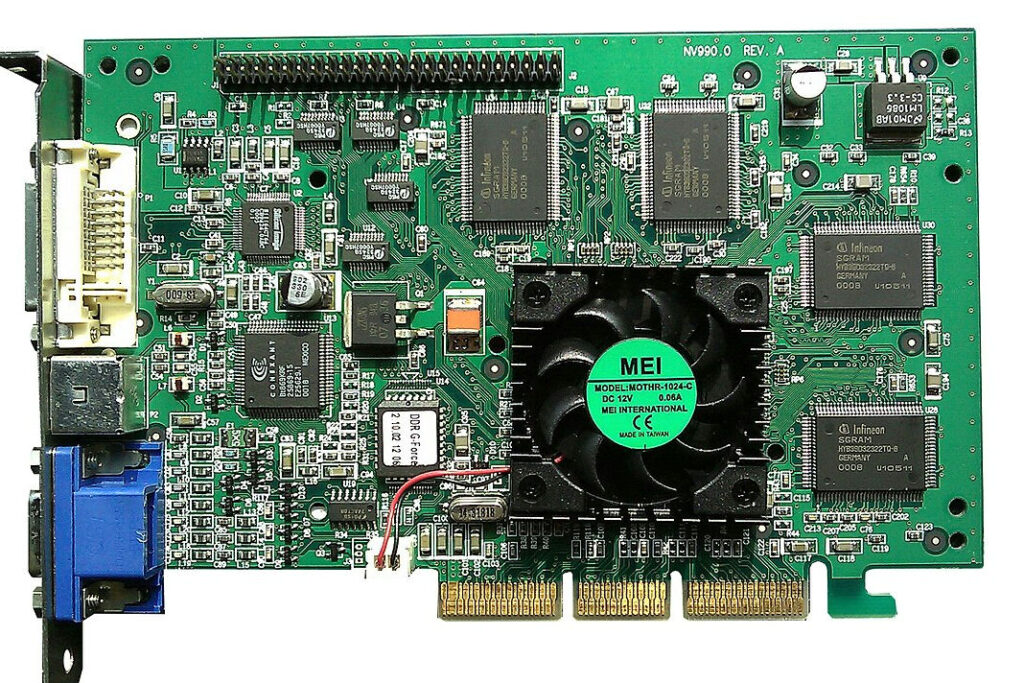
When NVIDIA launched in 1993, most chipmakers focused on CPUs. Graphics chips were seen as optional hardware for gamers. NVIDIA’s founders believed visual computing would become essential, not secondary. That belief shaped every early decision, even when money was tight. By specializing deeply instead of diversifying early, NVIDIA built unmatched expertise in parallel processing. This focus later became the foundation for AI acceleration, where handling thousands of calculations at once is critical. What began as a gaming-driven niche quietly evolved into one of the most important technologies in modern computing.
2. A Near Collapse Forced a Culture of Reinvention
In the mid-1990s, NVIDIA was close to running out of cash after failed chip launches. The company survived only because its RIVA 128 graphics card succeeded just in time. That brush with failure permanently shaped NVIDIA’s culture. Leaders learned to abandon weak ideas quickly, take bold risks, and think long term. Instead of playing it safe, NVIDIA embraced constant reinvention. This mindset later allowed the company to pivot from gaming to AI without hesitation. Many analysts credit this early survival lesson as a key reason NVIDIA reacts faster than rivals when technology shifts.
3. Gaming Revenue Secretly Funded Future AI
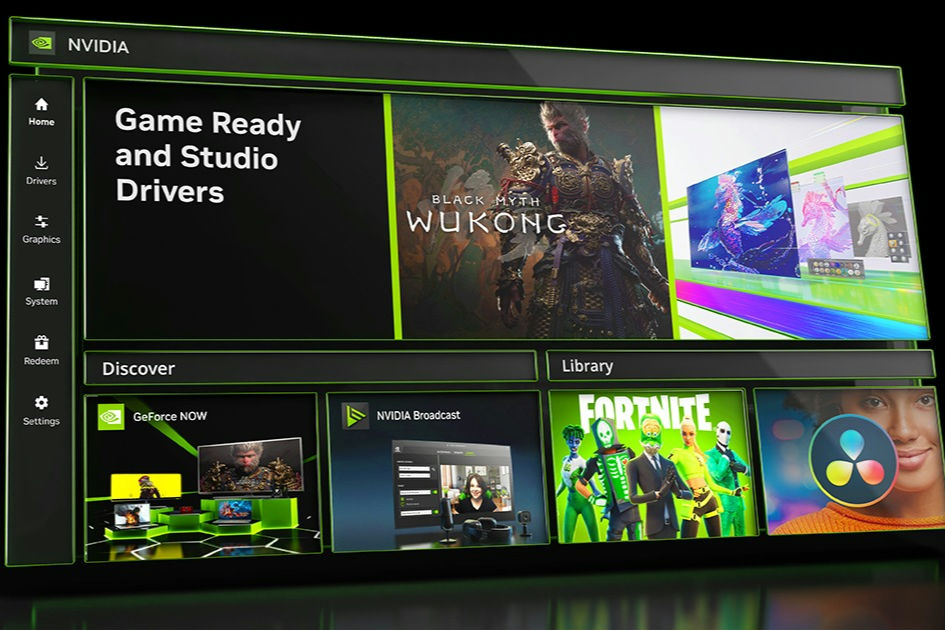
For years, gamers were NVIDIA’s main customers. Rather than treat gaming as a side business, NVIDIA reinvested heavily in research using gaming profits. Those funds quietly paid for advanced chip architectures, software tools, and experiments long before AI demand existed. While competitors cut costs during slow cycles, NVIDIA kept spending. When machine learning suddenly exploded, NVIDIA already had the hardware and expertise ready. In effect, gaming GPUs financed the infrastructure that now powers global AI systems, making gamers an unexpected part of the company’s long-term success story.
4. CUDA Turned GPUs Into Programmable Platforms
In 2006, NVIDIA launched CUDA, allowing developers to program GPUs like general-purpose processors. This was a turning point. GPUs were no longer locked to graphics alone. Researchers could now use them for simulations, scientific computing, and neural networks. CUDA created deep developer loyalty because entire workflows became optimized for NVIDIA hardware. Even when competitors matched chip performance, they struggled to match the software ecosystem. CUDA became one of NVIDIA’s strongest competitive advantages and a major reason enterprises stayed locked into its platform.
5. AI Researchers Adopted NVIDIA Before AI Was Popular

Long before AI dominated headlines, academic researchers discovered GPUs could train neural networks far faster than CPUs. NVIDIA noticed this grassroots adoption and actively supported it with tools and documentation. As research results spread online, NVIDIA hardware became the default choice for AI labs. When AI moved from academia into business, companies followed the same path researchers had already paved. This early trust meant NVIDIA didn’t need to convince the market when AI demand surged — it was already the standard.
6. Data Centers Replaced PCs as the Growth Engine

Over time, NVIDIA shifted its focus from consumer PCs to massive data centers. Instead of selling individual cards, it sold AI-optimized systems built for cloud providers and enterprises. These products generated higher margins and longer contracts. As data-center revenue overtook gaming, investors began valuing NVIDIA as infrastructure rather than a cyclical hardware brand. This transition played a major role in pushing the company toward record valuations.
7. NVIDIA Chose Full Systems Over Simple Chips
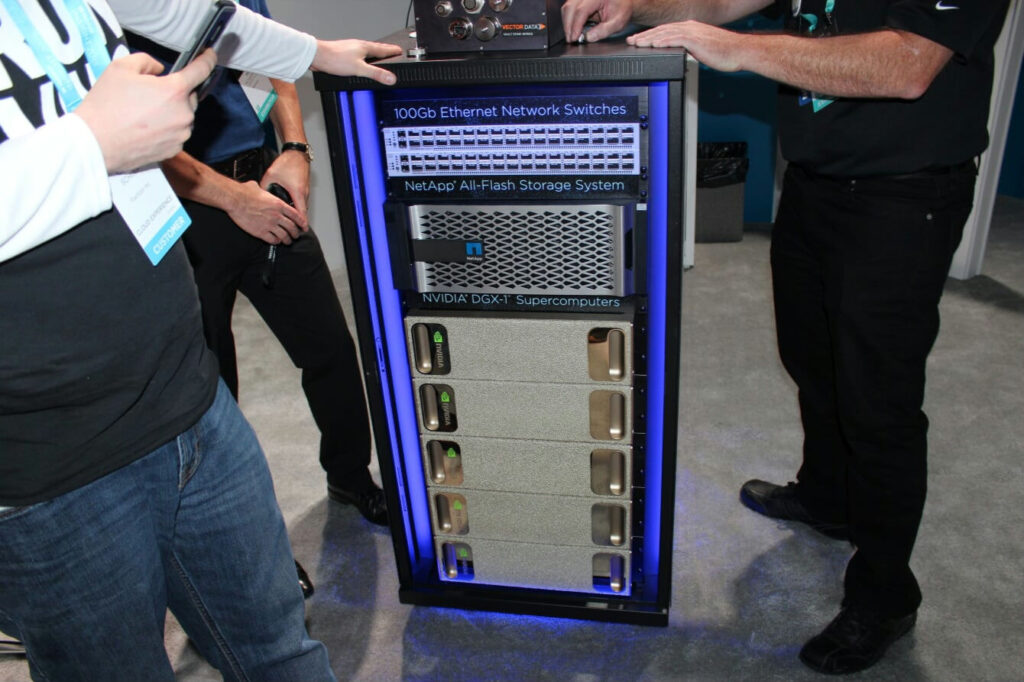
Rather than sell components alone, NVIDIA began offering complete AI systems like DGX. Customers could deploy ready-made infrastructure instead of assembling parts themselves. This reduced adoption friction and increased customer dependence on NVIDIA’s ecosystem. By controlling hardware, software, and networking, NVIDIA captured more value per sale and positioned itself as a solutions provider, not just a chipmaker.
8. Networking Expertise Strengthened AI Scaling

NVIDIA’s acquisition of Mellanox added high-speed networking crucial for training large AI models across thousands of GPUs. AI performance depends on fast communication between machines, not just raw compute. By integrating networking into its systems, NVIDIA delivered better scalability than rivals. This made its platforms especially attractive to cloud providers and research institutions running massive workloads.
9. Cloud Partnerships Delivered Instant Global Reach

Partnerships with major cloud providers allowed developers to access NVIDIA GPUs without buying hardware. This lowered entry barriers and rapidly expanded adoption. Startups, researchers, and enterprises could experiment, scale, and deploy AI globally using NVIDIA-powered cloud instances. These relationships turned NVIDIA hardware into the backbone of modern cloud AI.
10. Vertical Platforms Opened New Industries

NVIDIA applied its technology to cars, robotics, and simulation. Platforms like DRIVE and Omniverse helped companies design, test, and deploy complex systems virtually. These tools locked NVIDIA into long product cycles and expanded its addressable market far beyond servers. Each new industry strengthened the company’s role as a foundational technology provider.
11. Stable Leadership Enabled Long-Term Bets

Jensen Huang’s long tenure as CEO provided rare consistency in tech. NVIDIA could pursue strategies that took years to pay off without pressure to chase short-term trends. This stability reassured partners, employees, and investors, helping NVIDIA stay focused while others pivoted repeatedly.
12. Investors Recast NVIDIA as Core Infrastructure

Eventually, Wall Street stopped viewing NVIDIA as a graphics company and began seeing it as essential infrastructure for AI, cloud computing, and simulation. That shift in narrative, supported by strong revenue growth and platform dominance, justified premium valuations. NVIDIA’s rise to the top reflected not hype, but its central role in powering the future of computing.
NVIDIA’s dominance wasn’t accidental. It came from focus, patience, software leadership, and the willingness to invest long before rewards were visible.
Like this story? Add your thoughts in the comments, thank you.


