
1. Benches With Little Secrets
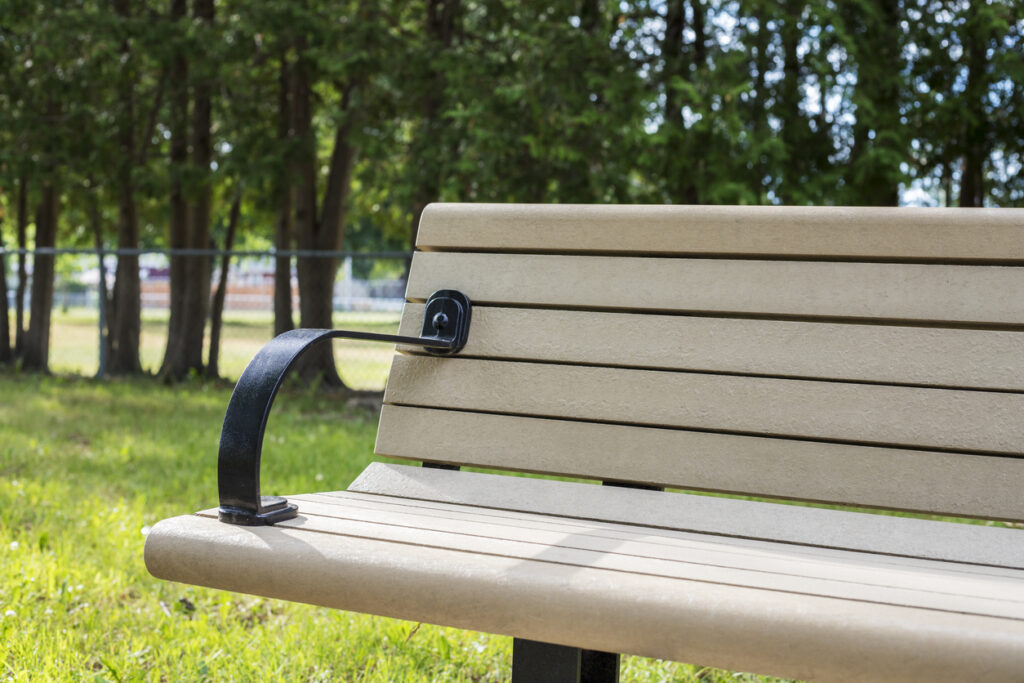
Sometimes we walk through familiar places without really seeing what is around us, and that is where the hidden features begin. Benches in public places often look ordinary, yet they hold little secrets like curved seats, side rails, and subtle spacing that help people rest comfortably without staying forever. This quiet design encourages gentle pauses, quick conversations, and moments to breathe before moving on again. When you finally notice how intentional they are, the city starts to feel thoughtful, almost like someone planned kindness for you ahead of time, and that soft realization changes how you walk each passing day.
2. The Dots On Sidewalks
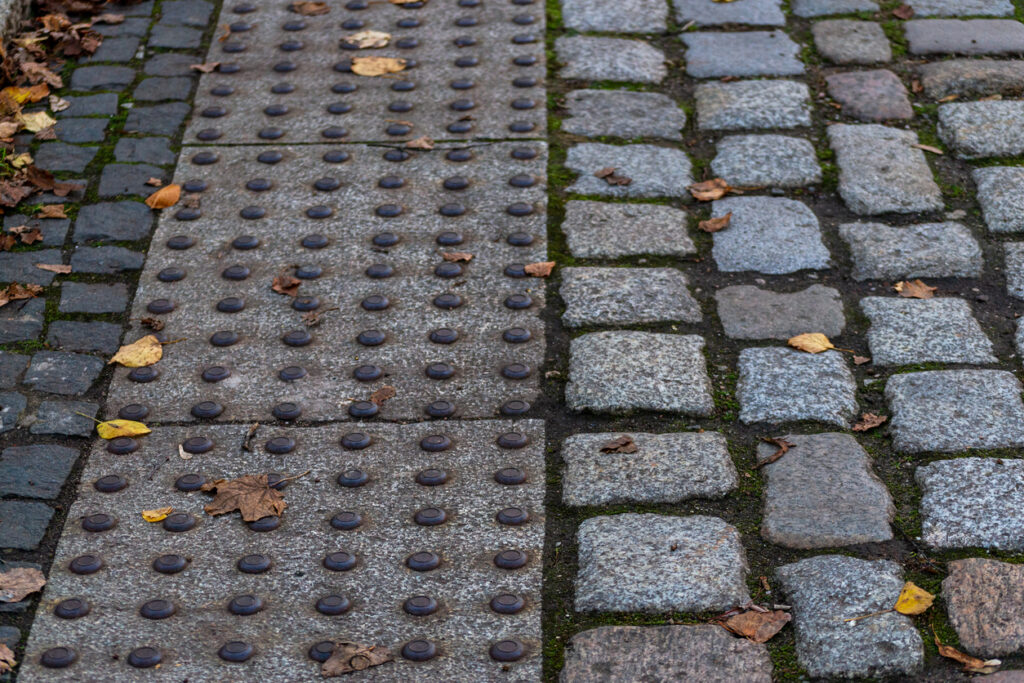
Those little bumps beneath your shoes may feel random at first, but they quietly guide people who cannot rely fully on sight. They signal where sidewalks end, where crossings start, and where danger might be waiting. These patterns are not decoration. They are navigation. When you begin to understand them, you notice how cities try to speak gently to everyone, not just those who see clearly. It is a reminder that thoughtful design does not always shout. Sometimes it whispers safety through texture, letting more people move with confidence through places the rest of us rush through without thinking.
3. The Curved Corners
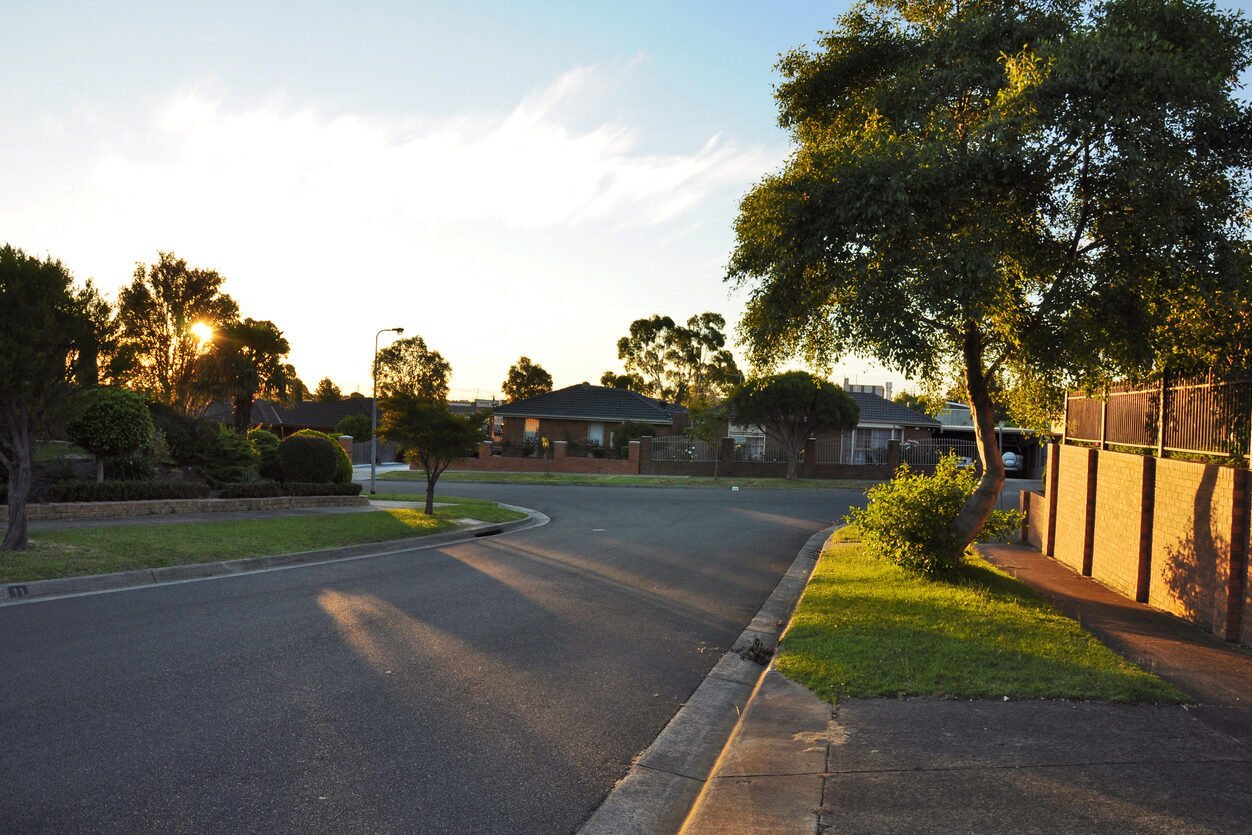
At certain intersections, turning feels easier, smoother, and somehow calmer. Those rounded curbs are not accidents. They help strollers, wheelchairs, bikes, and rolling bags glide without awkward bumps. They also slow fast walkers just enough to make crossings safer. What looks simple is actually a quiet conversation between people and pavement. Once you start recognizing these curves, it becomes clear that small shapes can soften busy spaces. They reduce tension, prevent collisions, and give everyone a little grace as they pass. It is another sign that cities are designed with layers of care most of us never truly notice.
4. The Quiet Shade Overhead
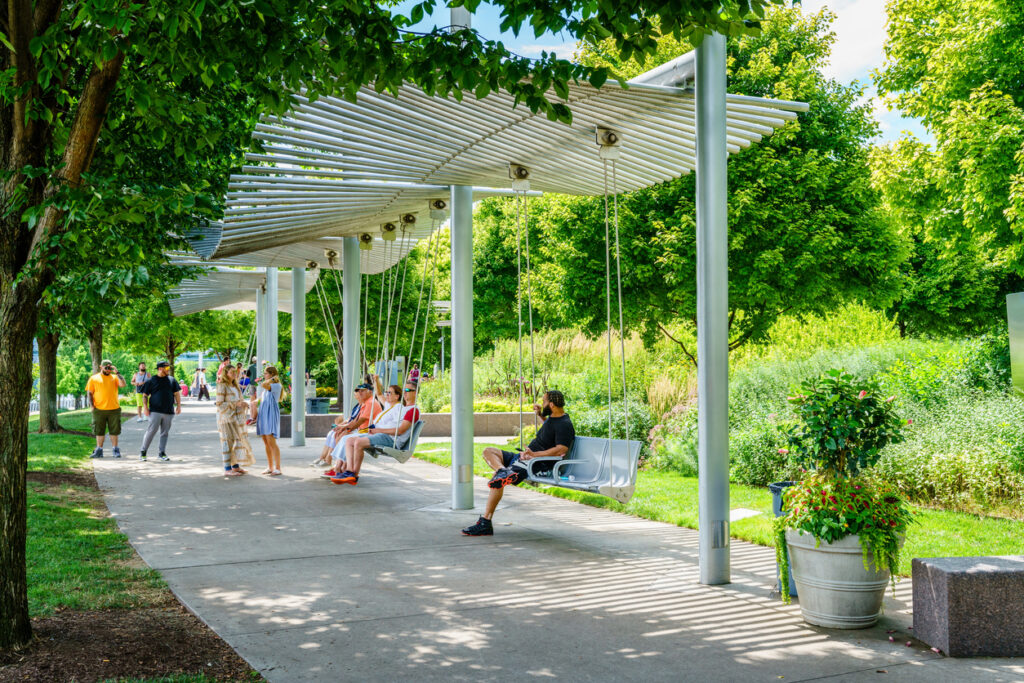
You may step under a structure and suddenly feel as if the world has cooled down. Those slats and panels above you are intentionally placed to block heat during the hottest hours while still letting the breeze move through. They turn harsh sunlight into softer light, especially where people wait or gather. You might not realize how calculated they are, but they protect you gently. When you pause beneath them, it becomes easier to breathe and easier to stay. That small comfort shows how design can care for us without needing thanks or attention from anyone passing by.
5. The Short Rail Beside Stairs
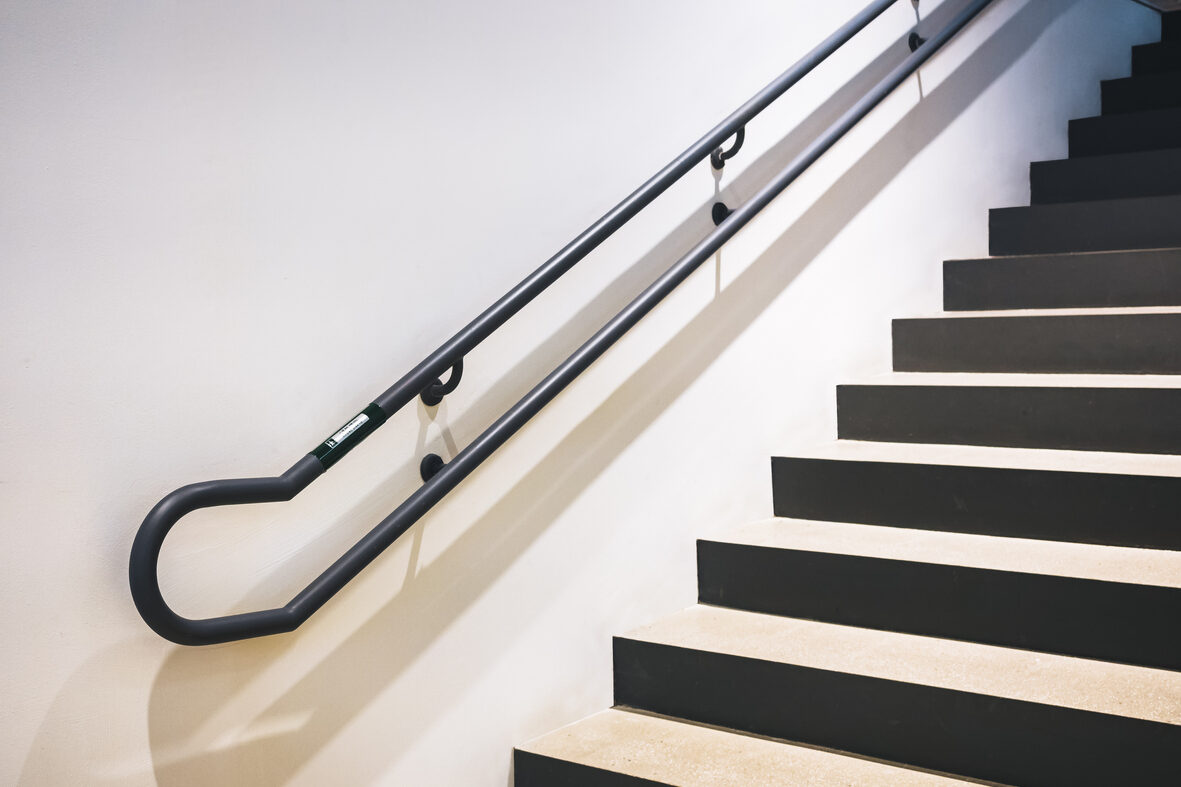
Sometimes you notice a lower rail along the stairs and wonder why it exists. That rail is meant for children, shorter adults, and people who need steadier balance. It helps hands find support exactly where they need it. What feels tiny in appearance becomes huge in confidence. The staircase suddenly belongs to more people. This simple feature speaks quietly about inclusion. It says that moving up or down should feel possible, not frightening. Once you start seeing rails like this everywhere, you realize many spaces were designed with different bodies and different strengths in mind, not just one.
6. The Tiny Grooves In Floors
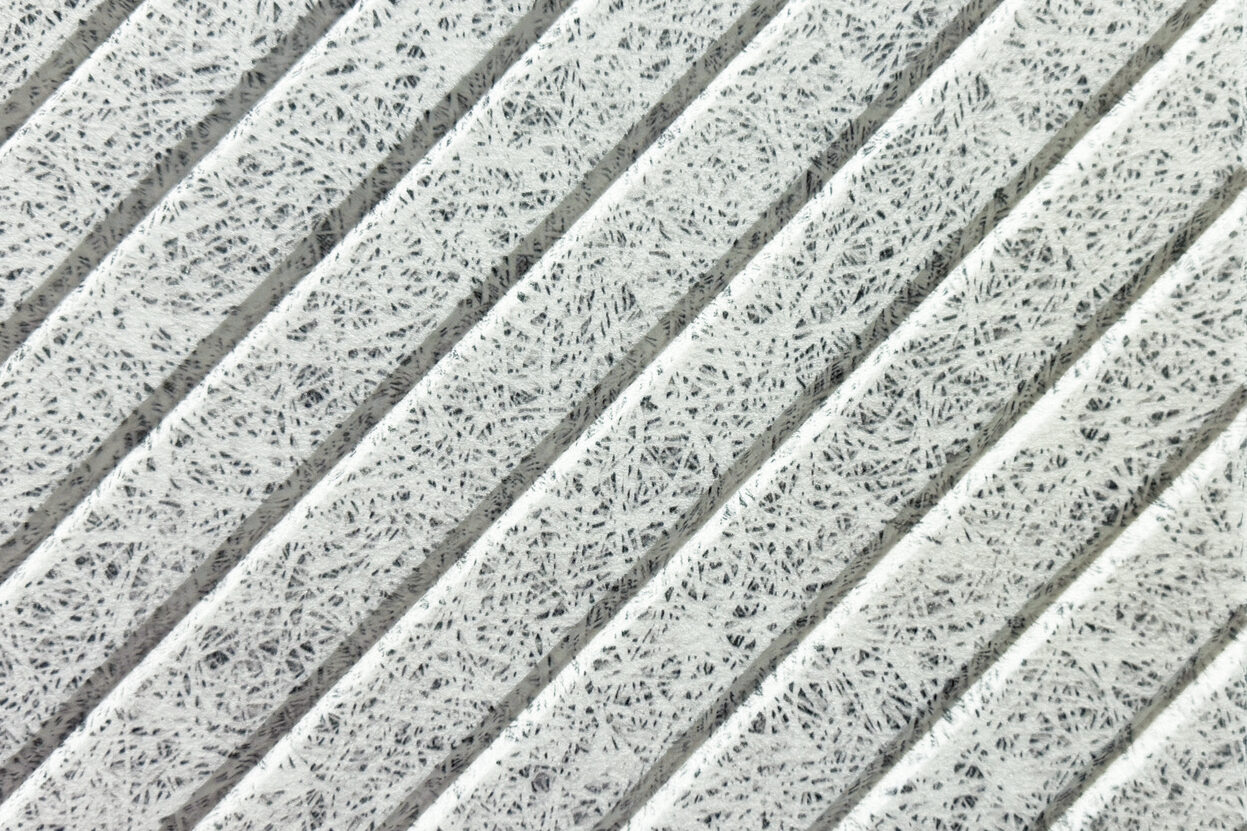
In busy buildings and stations, long thin grooves often run across the floor without drawing your attention. They are working every day, guiding water, dirt, and mud away from where feet land so people do not slip. They keep walkways cleaner and safer without anyone needing to sweep constantly. What might appear decorative is actually protective. On rainy days, they quietly do even more. When you notice them, you realize there are layers of planning beneath every step you take. It feels almost reassuring to know that even the floor is designed to look out for you silently.
7. The Extra Space Near Doors
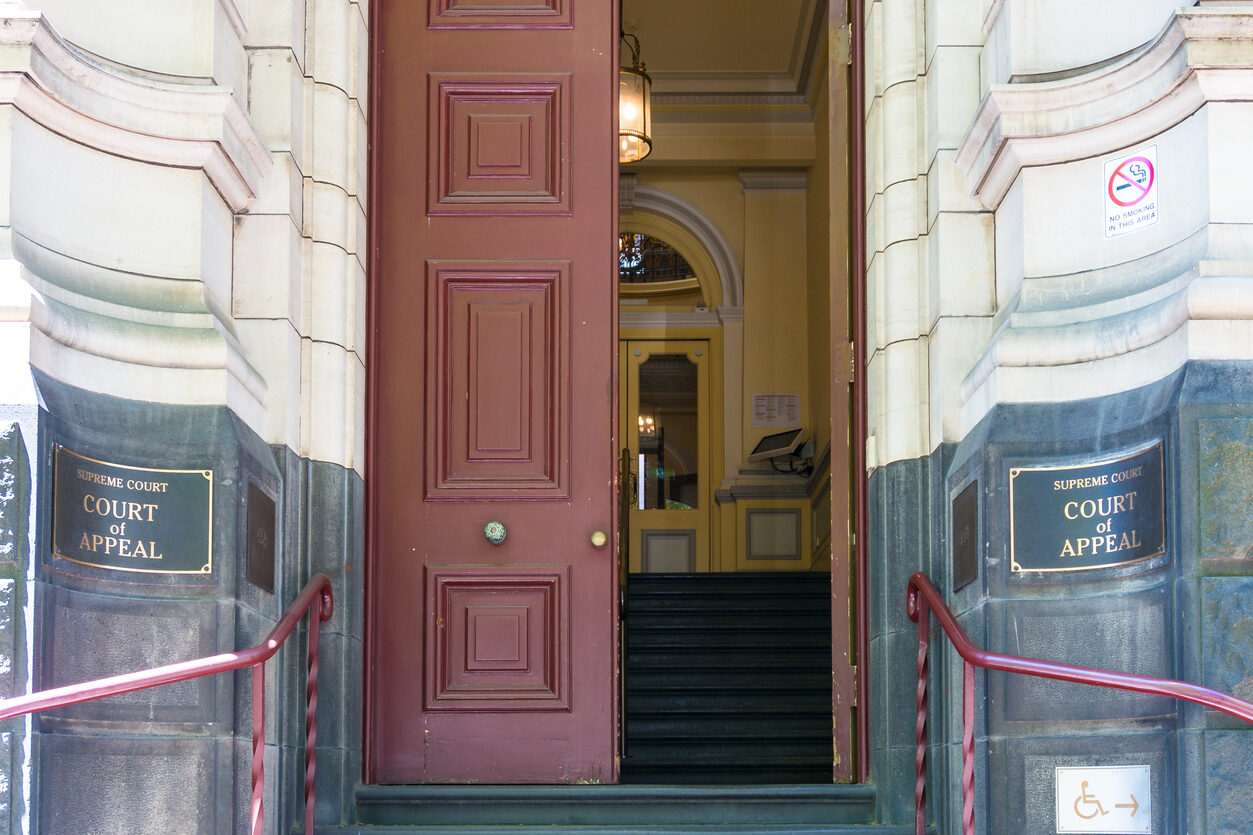
Near many public doors, there is always a bit of unexpected space that seems empty. That opening gives people room to pause, gather themselves, wait, or let others pass. It prevents crowding and confusion during busy hours. Instead of chaos, there is flow. Instead of pushing, there is patience. This quiet pocket holds purpose even when unnoticed. When you begin paying attention, you see how those few extra feet create calmer entrances and exits. They remind us that comfort does not always come from adding more things. Sometimes it comes from intentionally leaving thoughtful space around us.
8. The Slight Tilt on Tables
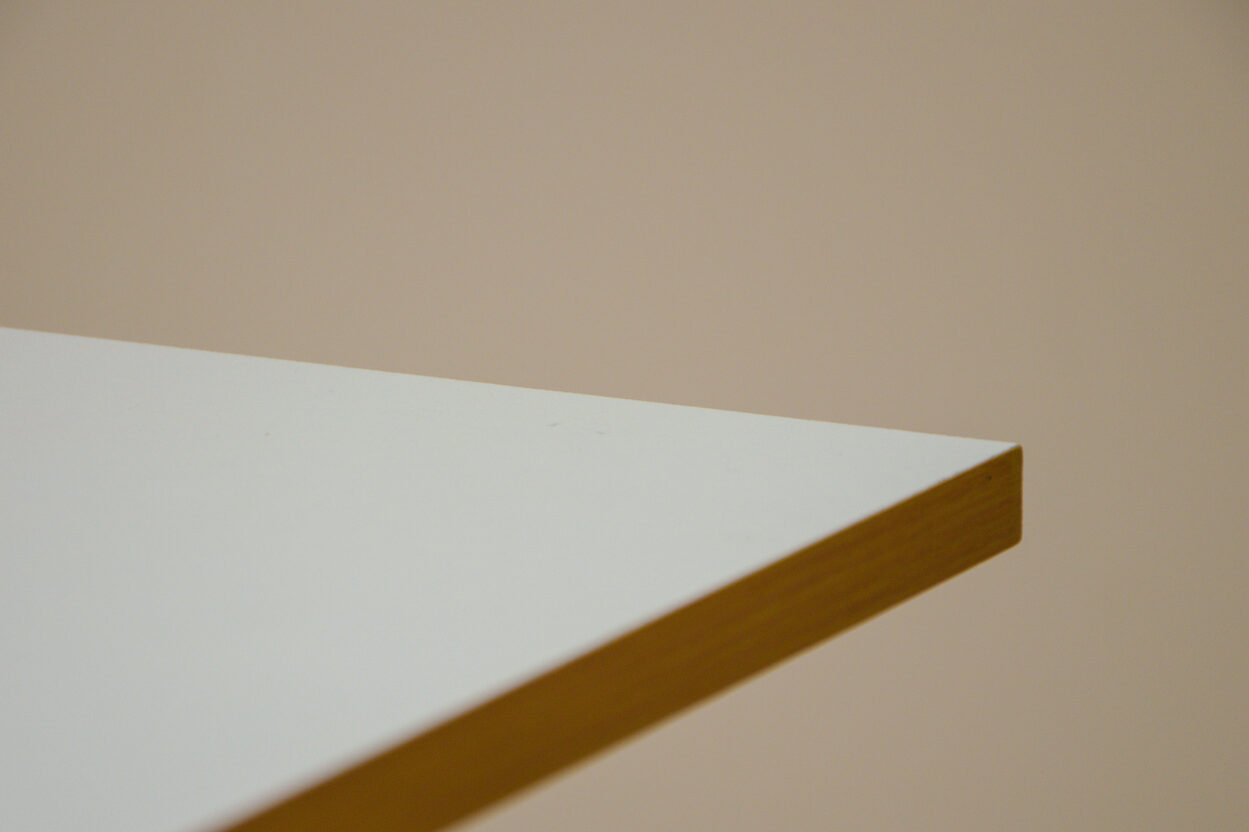
Outdoor tables sometimes feel lightly slanted, and it can seem strange until rain arrives. That gentle tilt lets water roll away instead of collecting in puddles where people sit or place food. It keeps surfaces usable longer without anyone wiping constantly. The design is simple yet clever, quietly working in the background. Most people never realize why their table dries so quickly after a storm. But once you notice, you start appreciating how many small choices exist just to make everyday moments easier, especially when you simply want to sit, talk, relax, and enjoy where you are.
9. The Lines on Parking Lots
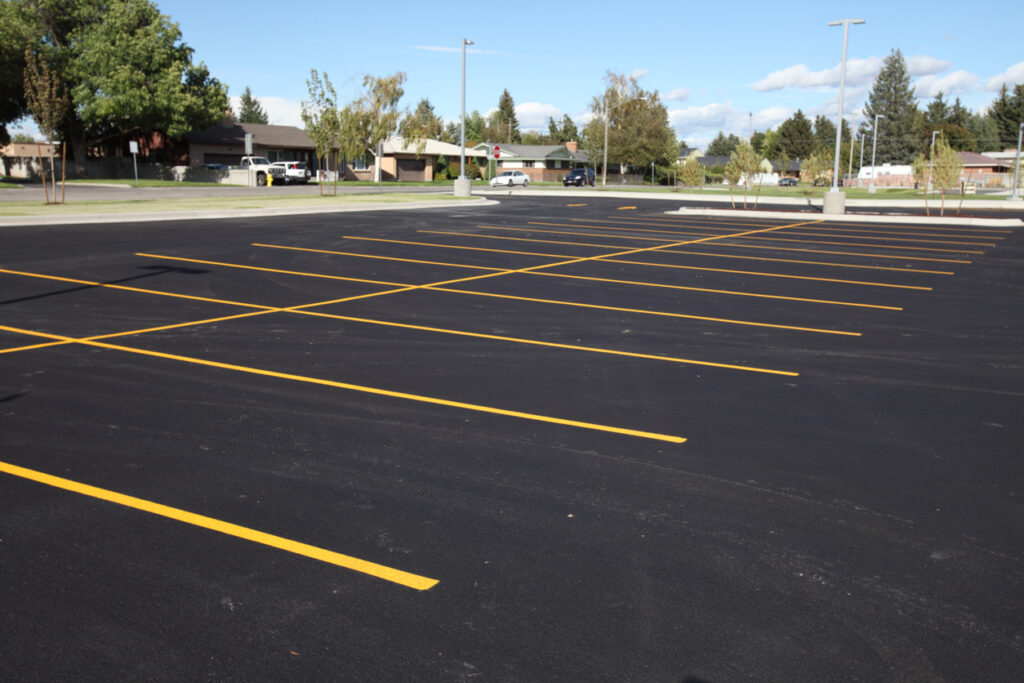
Parking lots can look like plain stretches of pavement, but the painted lines control far more than parking spots. They organize traffic, create walking routes, and guide drivers toward exits without confusion. They shape patience into movement and movement into order. When you recognize how intentional they are, the space stops feeling chaotic and starts looking like a quiet map. Each line helps people cooperate without conversation. It is gentle structure at work, showing how even the most ordinary places rely on subtle patterns to keep everyone a little safer while coming and going every single day.
10. The Low Walls Along Paths
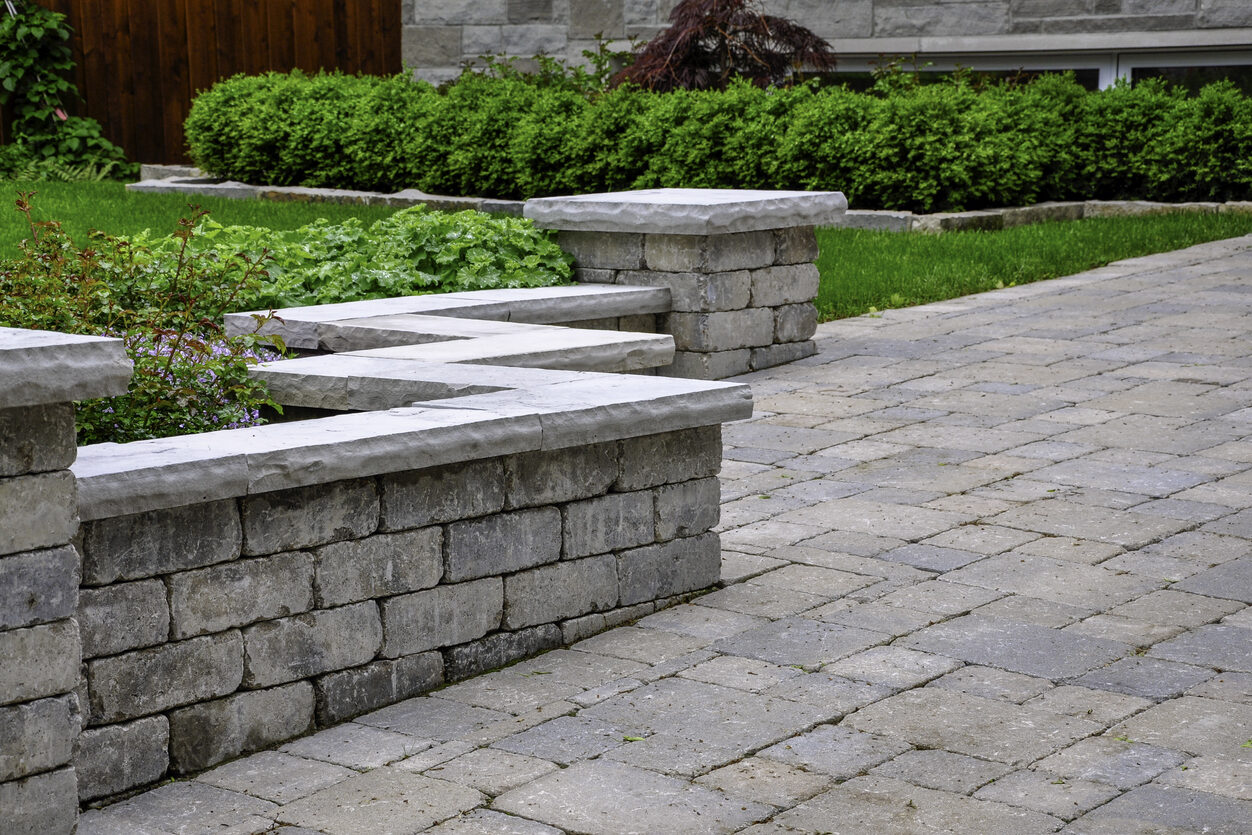
Those short walls along walkways seem decorative at first glance, but they actually serve several purposes at once. They create soft boundaries, guide direction, and offer a place to lean or rest for a moment. Children perch on them. Friends pause there mid-conversation. They gently separate people from traffic without harsh barriers. These walls travel beside us as silent companions, shaping our routes in ways we seldom notice. When you finally see their role, paths begin to feel intentional instead of random. They show how structure can feel supportive rather than strict, helping us move comfortably forward.
11. The Raised Edges Around Gardens
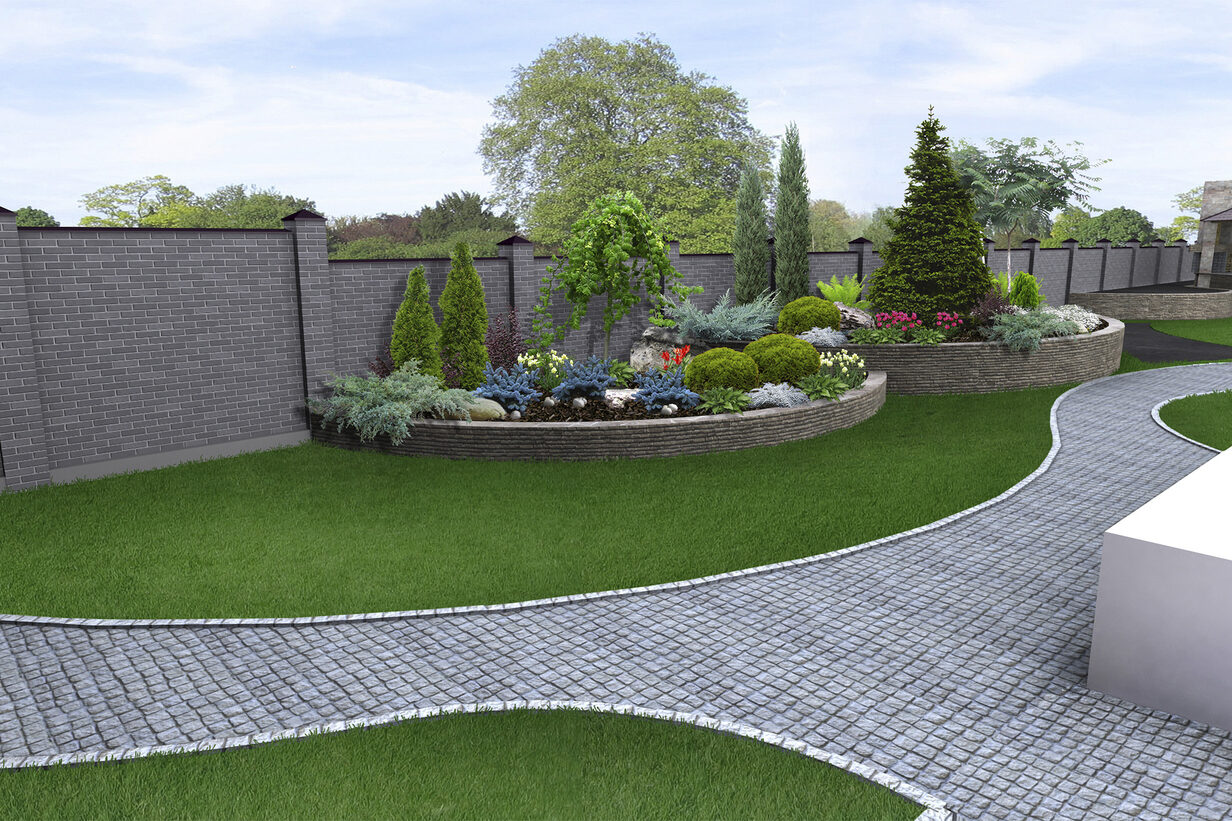
In parks and public squares, small raised edges often surround garden beds. They look decorative but do important work. They keep feet from stepping into fragile soil, prevent runoff during heavy rain, and mark a respectful line between walking areas and growing spaces. These borders protect plants without fences or warnings. They invite people close while still saying gently, not here. When you start noticing them, you realize how many simple details make shared places feel cared for. It becomes clear that beauty and protection can exist together in ways that feel natural, quiet, and wonderfully human.
12. The Quiet Grates Beside Walkways
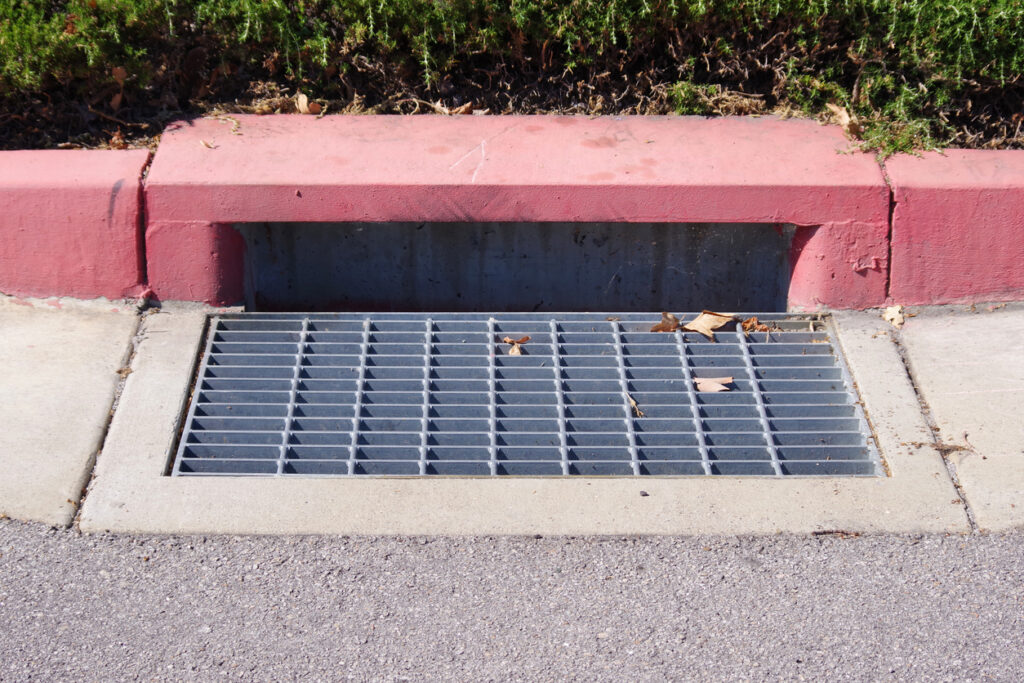
Those metal grates along sidewalks rarely get a second glance, yet they quietly manage heavy rain so streets do not flood. Water slips through them, travels below, and disappears before most people notice anything happened. They help keep shoes dry, prevent puddles from spreading, and protect nearby plants from drowning. These grates also stop debris from clogging drains, working constantly while remaining almost invisible. Once you recognize how much they do, you cannot unsee their purpose. It becomes one more reminder that many public spaces keep us comfortable through small, hidden systems gently supporting everything happening above them.
13. The Little Ramps on Curbs
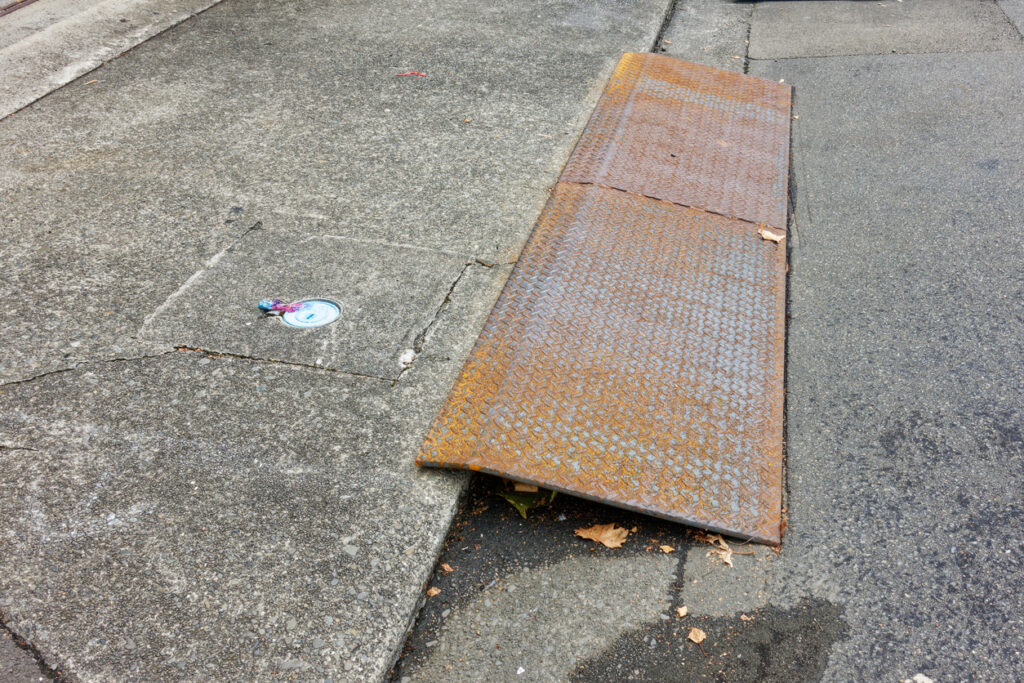
At first glance, curb ramps seem ordinary, but they change everything for people using wheelchairs, strollers, carts, and bikes. They remove that final barrier between sidewalk and street, turning an awkward drop into a smooth path. These ramps also help older adults and anyone with tired legs move more easily. Something so small can mean independence. When you notice how often they appear, you realize cities are slowly learning that movement should belong to everyone. It feels good to see design that quietly opens doors, making everyday travel kinder, simpler, and far less stressful for so many people.
14. The Subtle Lines on Train Platforms
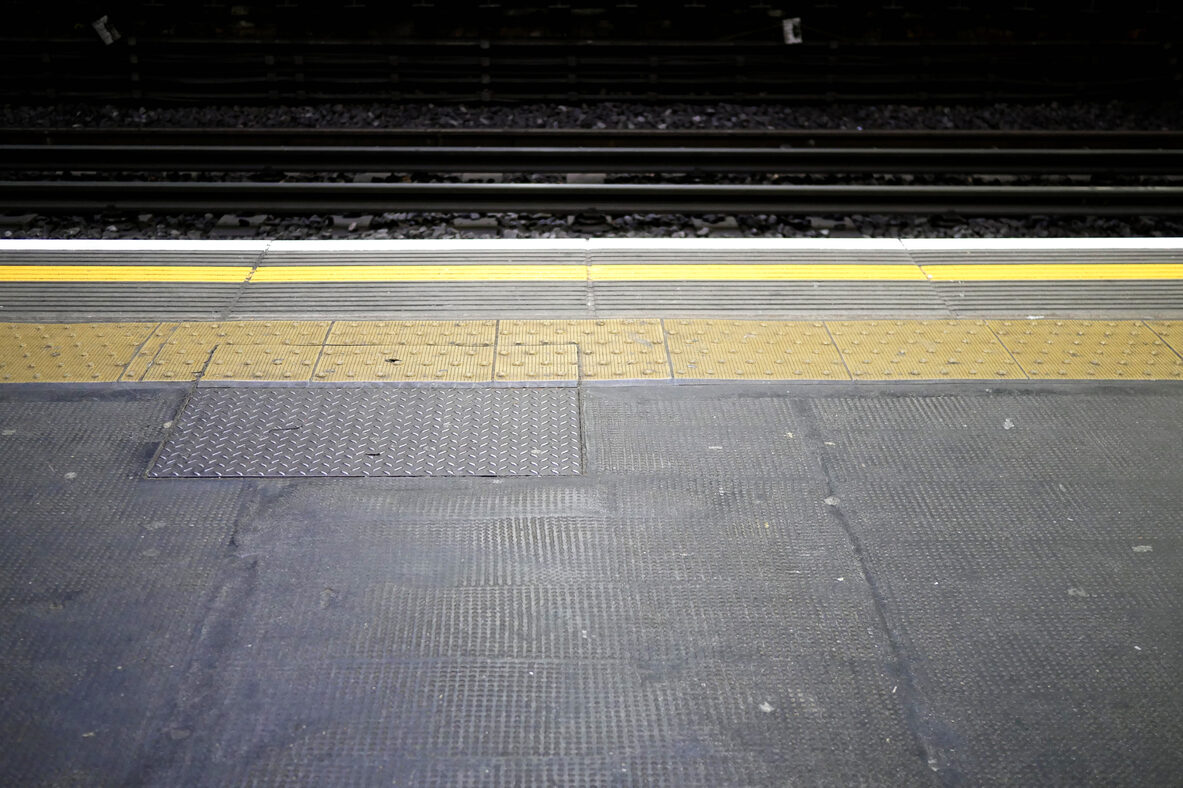
Those faint lines near the edge of a platform are more than decoration. They act like soft reminders to stay back, creating a buffer between people and danger. Even without thinking, most of us naturally stop before crossing that mark. It is gentle guidance built into the ground. When trains rush past, that quiet boundary suddenly makes perfect sense. Spaces like this show how design can guide behavior without scolding or signs. It simply nudges us toward safety while letting the moment feel normal, calm, and part of everyday travel instead of something to worry about constantly.
15. The Quiet Corners in Libraries

In many libraries, there are tucked-away corners that feel extra peaceful. They are designed with softer lighting, comfortable seating, and distance from noise so your mind can settle. These corners give space for thinking, studying, or just breathing for a while. They welcome people who need focus without distraction. Nothing flashy, nothing loud, just quiet support. When you find one, it almost feels like the building understands you. It shows how thoughtful spaces can care for our attention, inviting us to slow down, learn, and reconnect with ourselves in the middle of busy, moving public life.
16. The Wide Medians in Roads
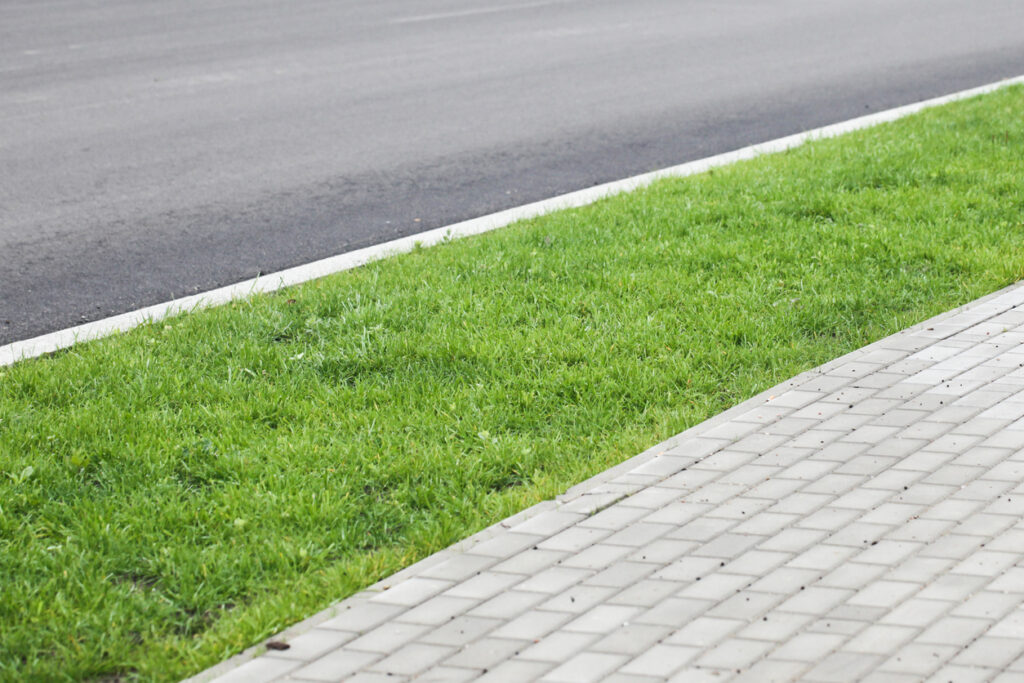
Those wide grassy strips between lanes often seem like wasted space, but they are doing important work. They separate traffic, absorb noise, and give drivers extra time to correct mistakes. In busy areas, they even become small safe zones if someone needs to stop suddenly. Trees and plants there help soften harsh roads and bring a little nature back into the scene. Once you realize their purpose, they feel less like empty land and more like quiet guardians guiding cars and protecting people while everyone moves from one place to another each day.
17. The Resting Spots on Long Paths
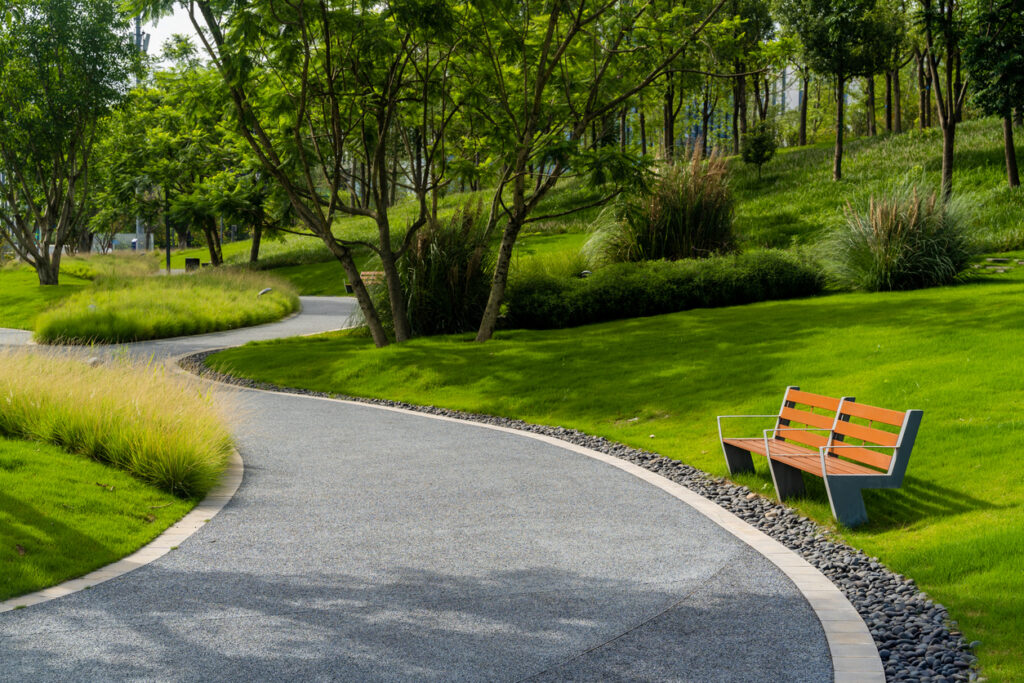
On long walking trails or park paths, benches sometimes appear exactly when you begin to feel tired. They are placed intentionally, not randomly. Designers think about distance, shade, and views, creating gentle pause points for anyone who needs a break. People sit, breathe, talk, sip water, or simply watch the world move. These stops remind us that slowing down is part of traveling too. They create rhythm and comfort, turning a long walk into something enjoyable instead of exhausting. When you notice this pattern, it feels like the path itself is cheering you on along the way.
18. The Hidden Lighting in Walkways
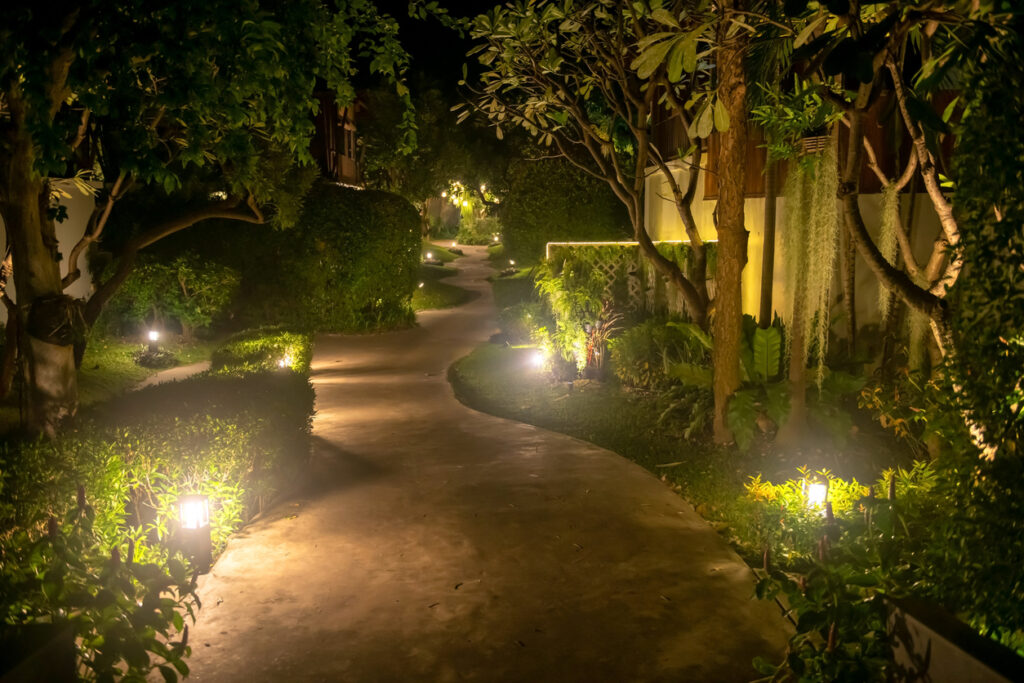
At night, small lights along paths glow softly instead of shining harshly. They guide footsteps, reveal edges, and make walks safer without blinding anyone. These lights create warmth instead of glare, making places feel inviting rather than intimidating. They also help people feel seen without feeling watched. You might forget they are there during the day, yet they quietly come alive when darkness settles. This gentle lighting reminds us that safety does not always need to be loud or bright. Sometimes it is subtle, caring, and quietly working while we simply continue on our way.
19. The Extra Rails on Bridges
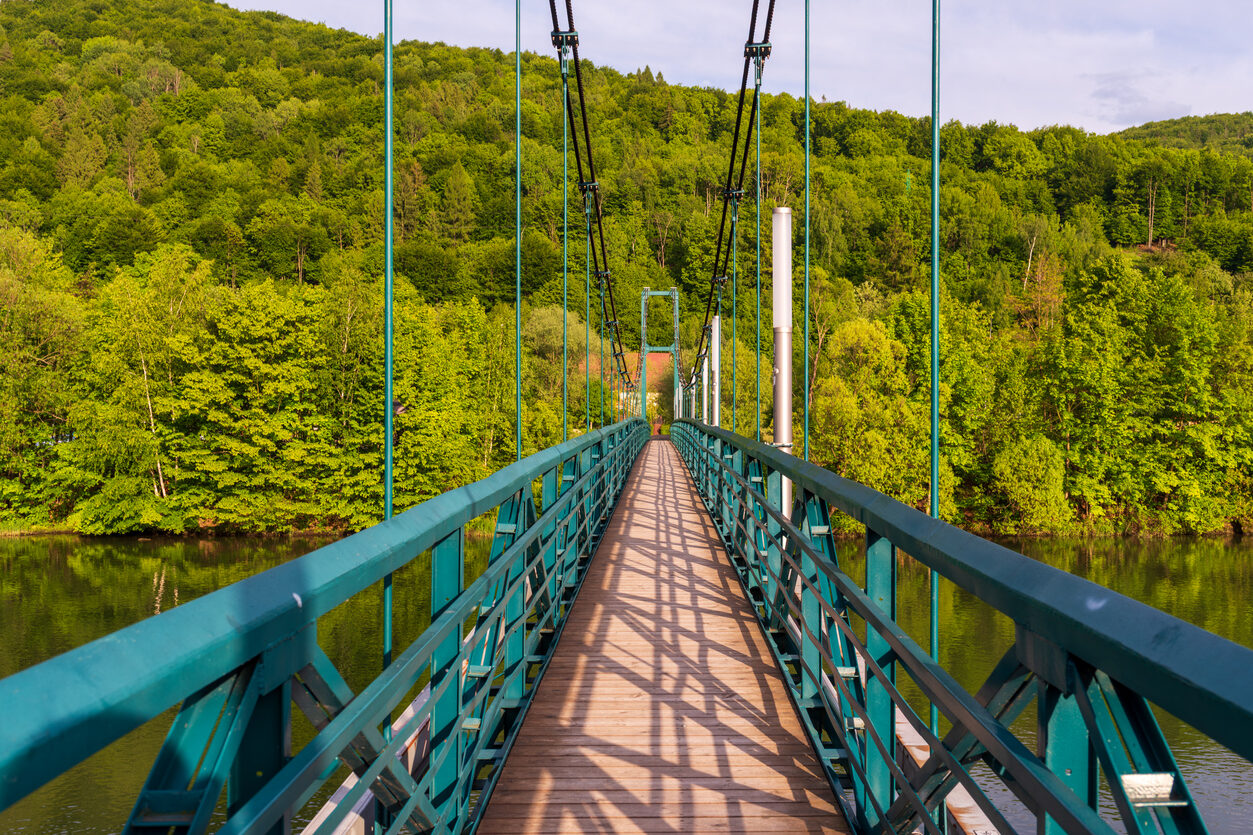
When you walk across certain bridges, you may notice extra interior rails that seem unnecessary. They are actually there to add protection, especially for children and shorter people. These rails make spaces feel more secure without closing off the view. They allow everyone to enjoy the scenery while staying safe. Small details like this show that public places can think ahead about different heights, different fears, and different needs. It feels thoughtful, almost like someone planned for families to explore together comfortably, without needing to hold on too tightly or worry every step of the way.
20. The Open Spaces Around Statues

Those wide empty areas around statues or monuments are not accidents. They invite people to gather, reflect, take photos, or simply stand quietly. The openness creates respect by giving the structure breathing room while also making it easier for people to move around without crowding. These spaces often become meeting spots, resting places, and quiet centers inside busy environments. When you recognize their purpose, they feel less empty and more intentional. They gently encourage people to slow down, look up, and share a moment together in the middle of everyday movement.
21. The Soft Pathways Through Parks
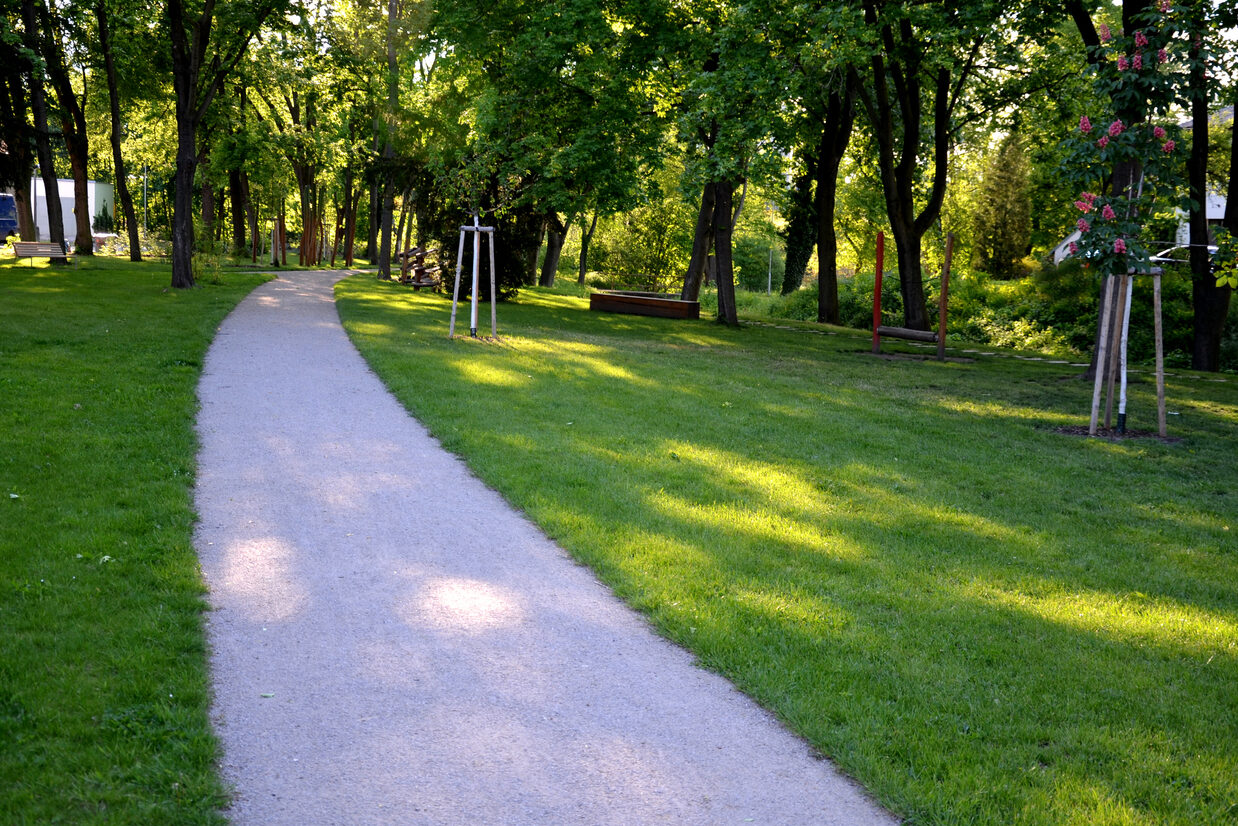
Some park paths feel softer under your feet, almost cushioned. They are made from materials that absorb impact and protect knees, especially for runners and walkers who visit often. They also help water drain better and keep mud from spreading. Walking on them feels easier and more natural, like the ground itself is working with you instead of against you. These paths turn ordinary exercise into something more comfortable and kind. When you notice the difference, you start appreciating how even nature areas are carefully shaped to support the bodies moving through them every single day.
22. The Calm Spaces Between Everything
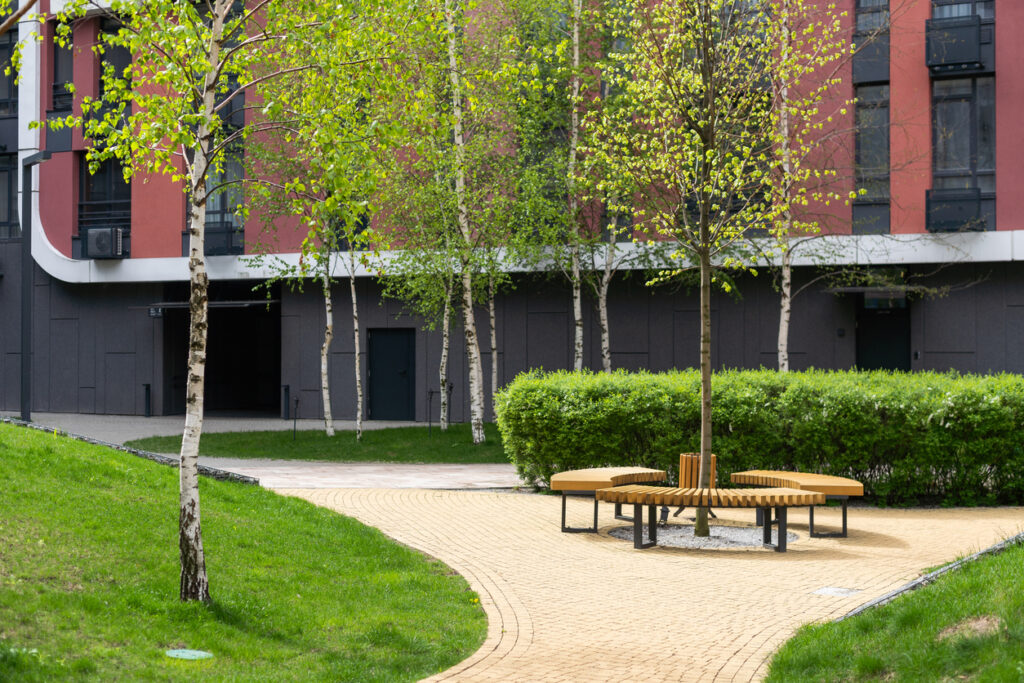
In many public places, there are quiet spaces that seem to exist for no reason at all. They give room for strollers, friends talking, deep breaths, and passing strangers who simply need a second. These pauses between buildings, benches, paths, and trees hold peace more than anything else. They remind us that life is not only movement. It is also rest, noticing, and sharing. When we begin to see these hidden intentions, public spaces start to feel like gentle companions. And maybe the next time we walk through them, we look closer, appreciate more, and keep exploring with curiosity.


