
1. Instinct Matters More Than Price
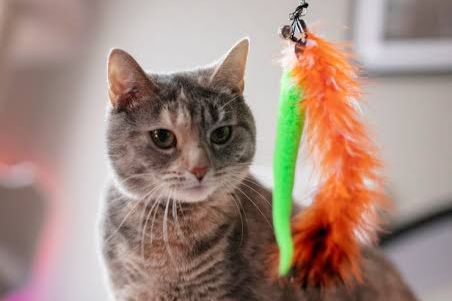
Many pets are naturally drawn to toys that activate instincts they were born with, not the ones that look most impressive to humans. Dogs descended from hunters and scavengers often favor toys they can chew, tug, or destroy because those actions mirror tearing prey or gnawing bones. Cats, on the other hand, respond more strongly to toys that move unpredictably, resembling birds or small animals. Studies in animal behavior consistently show that instinct-driven play feels rewarding because it triggers natural dopamine responses. This explains why a simple rope or feather wand may outperform an expensive electronic toy. When a toy doesn’t align with an animal’s instinctive behavior, it may be ignored entirely, no matter how colorful or advanced it seems.
2. Smell Can Be More Important Than Sight
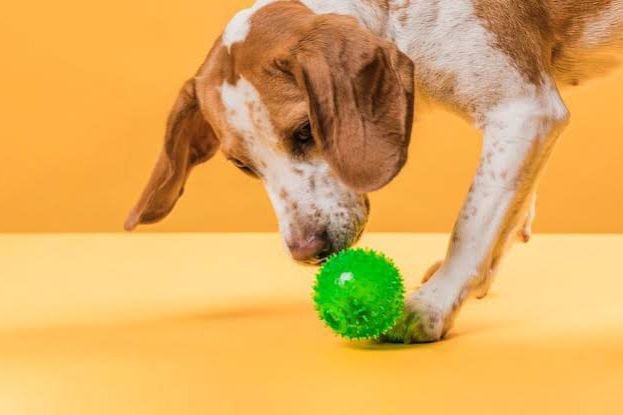
Pets experience the world primarily through scent, especially dogs. Research shows dogs have up to 300 million scent receptors, making smell far more influential than visual appeal. Toys that absorb familiar household scents or carry traces of food, treats, or owners’ hands often become favorites. This also explains why pets sometimes abandon brand-new toys in favor of old, worn ones. New toys may smell like factories or packaging, which can be uninteresting or even unpleasant. Over time, as toys pick up comforting scents, pets grow attached. Cats also rely on scent, though more selectively, often favoring toys infused with catnip or silvervine, which activate specific pleasure receptors in the brain.
3. Texture Shapes Long-Term Interest
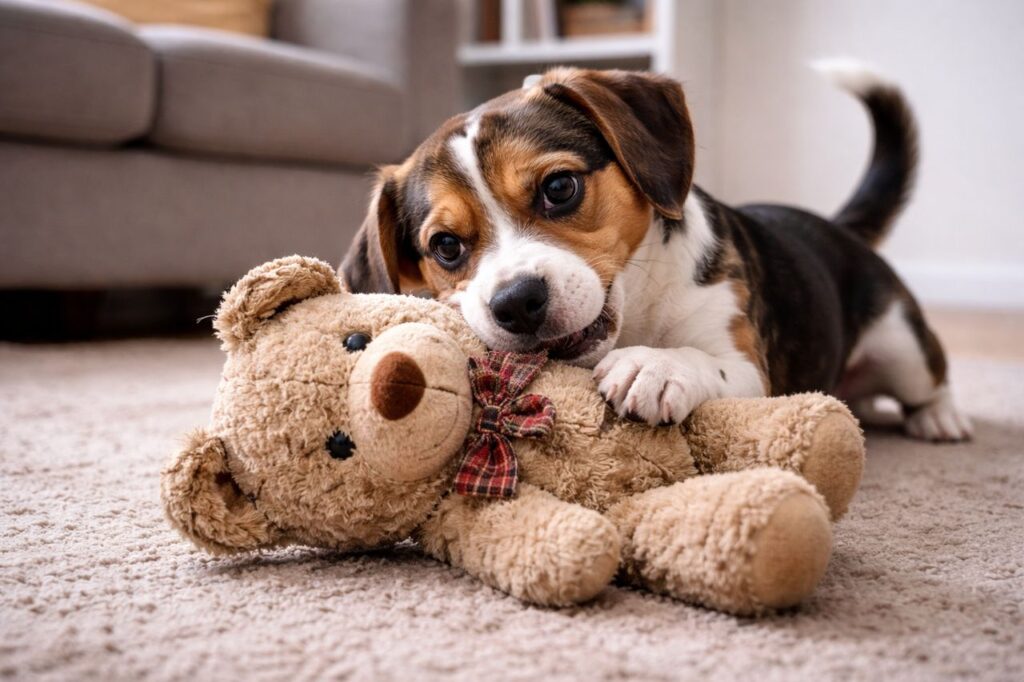
The way a toy feels in a pet’s mouth or paws plays a major role in whether it’s loved or ignored. Veterinary studies note that dogs often prefer textures that provide resistance, such as rubber or tightly woven fabric, because chewing releases calming endorphins. Puppies and teething dogs, in particular, seek out textures that soothe sore gums. Cats tend to enjoy a mix of soft and rough textures that mimic fur, feathers, or skin. If a toy feels too hard, too slippery, or too stiff, pets may lose interest quickly. Texture is also tied to safety and comfort, making it one of the strongest predictors of repeat play.
4. Movement Triggers Attention Instantly
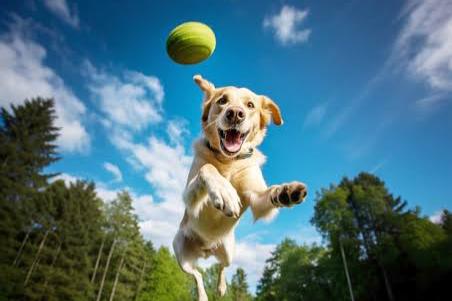
Animals are hardwired to notice movement before anything else. Toys that roll unpredictably, bounce irregularly, or flutter through the air immediately capture attention because they mimic living prey. This is especially true for cats, whose hunting instincts rely on sudden motion cues. Research into feline play behavior shows cats are far more likely to engage with toys that stop and start rather than move smoothly. Dogs also respond strongly to motion, particularly chase-based toys like balls or frisbees. Static toys can quickly become boring unless paired with scent or texture. Without movement, many toys fail to trigger the mental excitement pets crave.
5. Sound Can Either Attract or Repel
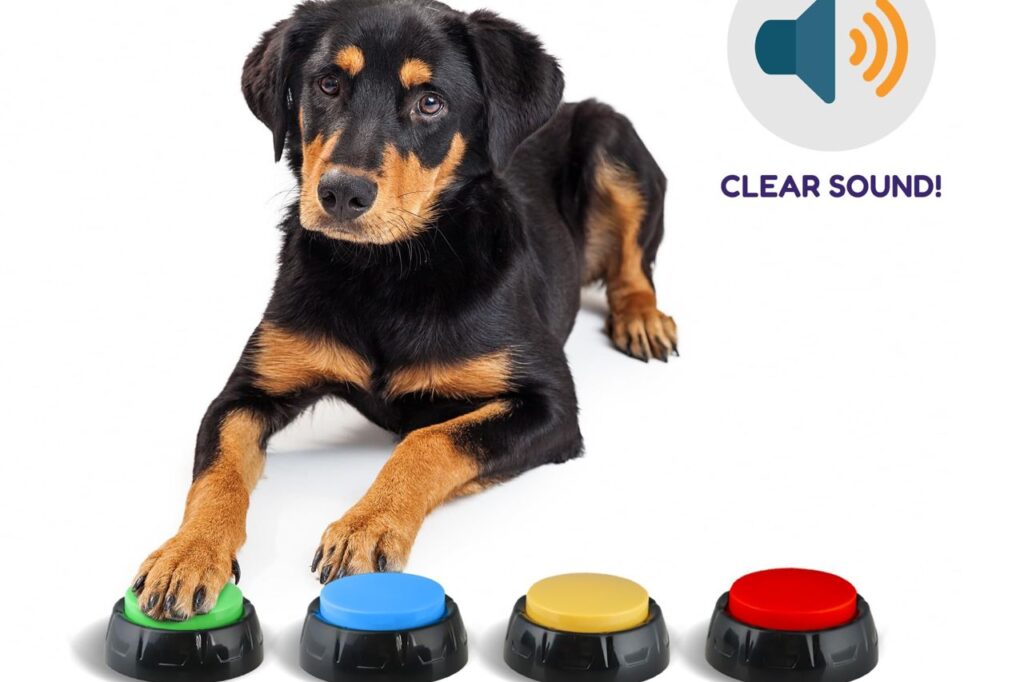
Sound-producing toys divide pets into two clear groups. Some dogs are irresistibly drawn to squeaky toys because the high-pitched noise mimics the distress sounds of prey. Animal behaviorists link this response to inherited hunting patterns. However, not all pets enjoy noise. Some dogs and many cats avoid loud or sudden sounds because they can feel overwhelming or stressful. Research on animal anxiety confirms that noise sensitivity varies widely by breed, age, and personality. A toy that squeaks may excite one pet and scare another. This is why sound-based toys often have extreme reactions, either becoming favorites or being completely ignored.
6. Familiarity Creates Emotional Attachment
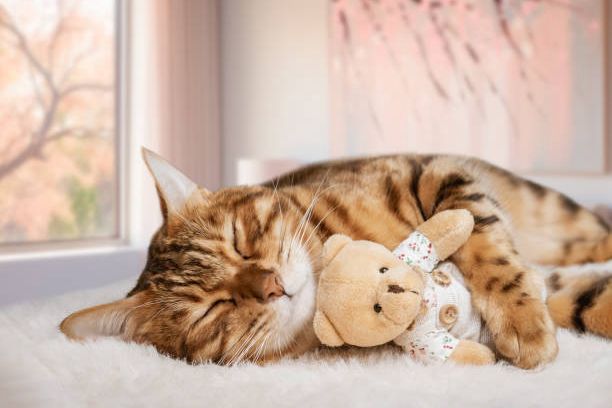
Pets often form emotional bonds with toys that feel familiar and comforting. Studies on companion animals show that familiar objects can reduce stress, especially during times of change or separation. A toy that has been around during positive experiences like playtime, naps, or owner interaction can become a source of security. This is why pets may carry certain toys to bed or seek them out when anxious. New toys, no matter how exciting, may take time to earn trust. Familiarity builds through repeated exposure, scent transfer, and emotional associations, turning ordinary toys into cherished companions.
7. Size and Shape Influence Usability
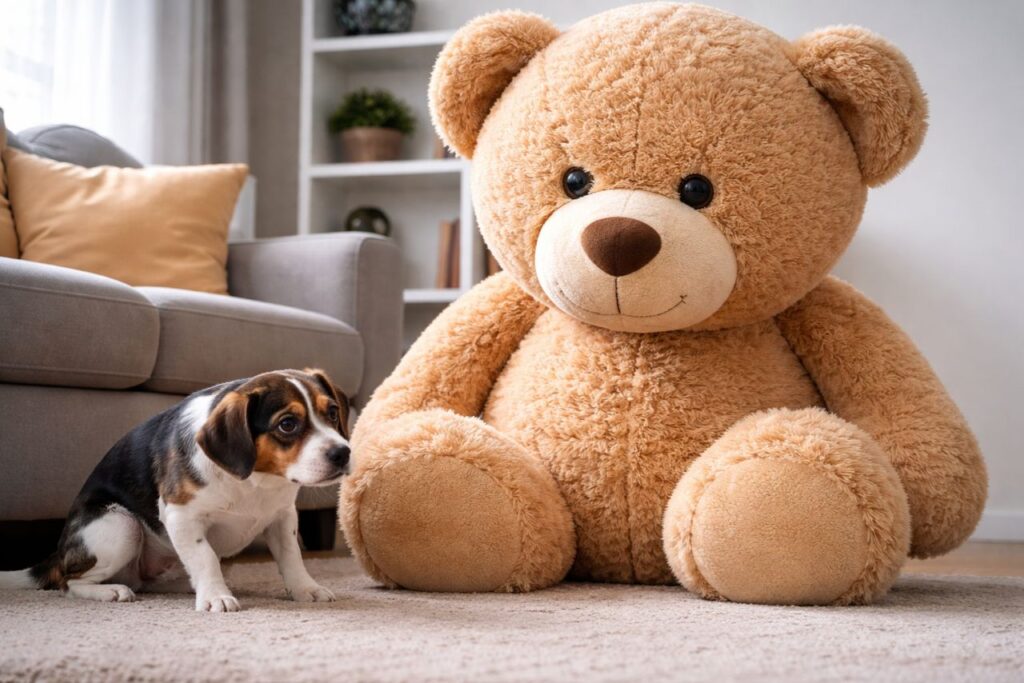
A toy’s size and shape directly affect how enjoyable it is for a pet. Toys that are too large may feel awkward or intimidating, while toys that are too small can be difficult to grip or even unsafe. Veterinary experts emphasize that dogs prefer toys sized appropriately for their jaws, allowing comfortable chewing and carrying. Cats favor lightweight toys they can bat, toss, and grab easily. Shape also matters. Irregular shapes encourage longer play because they move unpredictably. When toys are poorly sized or shaped, pets often lose interest quickly, regardless of quality or price.
8. Mental Challenge Keeps Toys Interesting
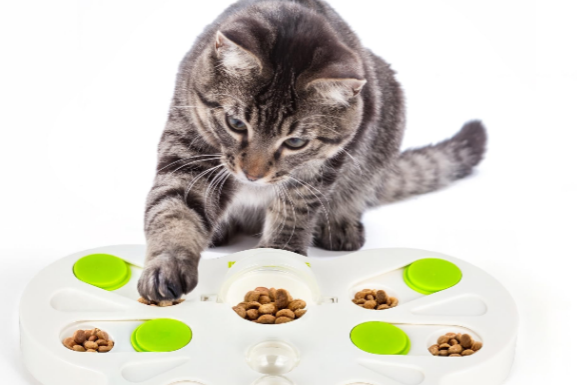
Pets thrive on mental stimulation, not just physical activity. Research in animal enrichment shows that puzzle toys and treat-dispensing toys hold attention longer than simple toys. These toys tap into problem-solving instincts, rewarding persistence with food or movement. Dogs, especially working breeds, enjoy toys that require thinking and strategy. Cats also benefit from toys that encourage stalking and planning. Without mental engagement, pets may quickly abandon toys that offer no challenge. A toy that makes pets think provides a sense of achievement, turning playtime into a rewarding mental exercise.
9. Past Experiences Shape Toy Preferences
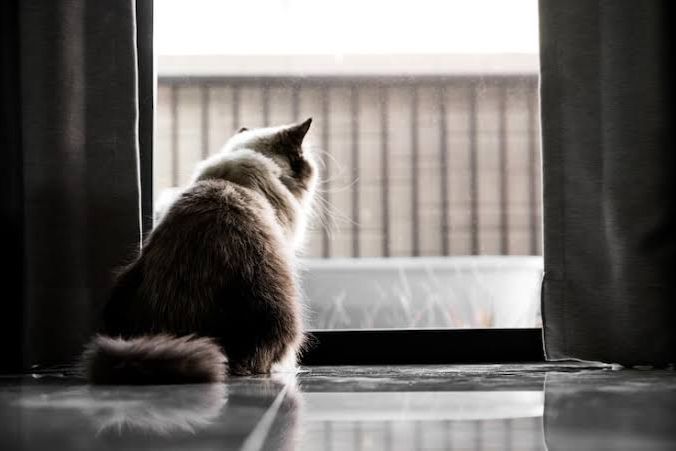
A pet’s history can strongly influence how it responds to toys. Animals that have experienced stress, neglect, or trauma may avoid toys associated with loud sounds, sudden movements, or unfamiliar textures. Behavioral studies show that negative associations can override instinctive play behaviors. Rescue pets, in particular, may need time to explore toys safely and gradually. Even pets without trauma can develop preferences based on early experiences. A toy introduced during a positive moment may become a favorite, while one linked to fear may be ignored forever.
10. Owner Interaction Changes Everything
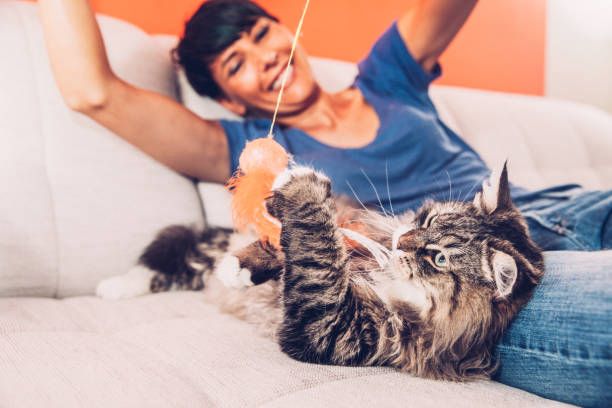
Pets are social learners, and owner involvement plays a huge role in toy preference. Research consistently shows pets are more likely to enjoy toys that are part of shared play. When owners throw, tug, or animate toys, pets associate them with attention and bonding. This explains why pets often lose interest in toys when left alone but become excited when humans join in. Interaction transforms toys from objects into social tools. A toy that feels boring on its own can become irresistible when paired with human engagement.
11. Breed and Species Differences
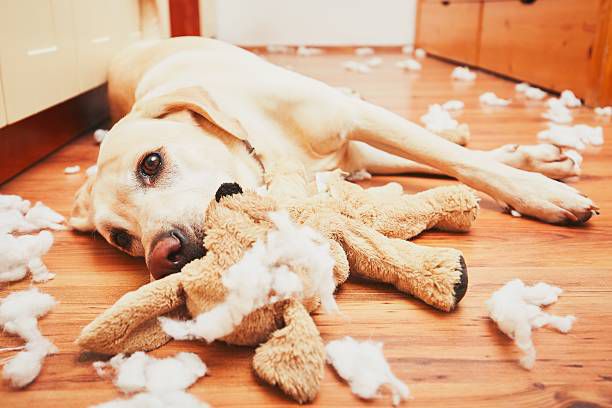
Different breeds and species have wired preferences that shape toy appeal. For example, Labrador Retrievers and other gun dog breeds often prefer retrieving and chewing toys because their genetics favor chasing and carrying objects. Terriers, bred for digging and hunting small prey, may enjoy toys with irregular shapes and textures that mimic burrowing animals. Cats with high predatory drive, like Bengals, tend to favor fast-moving, small toys that can be pounced on, while more relaxed breeds may prefer soft, cuddly toys. Understanding these inherited tendencies helps explain why the same toy can be worshiped by one pet and ignored by another: the toy either aligns with the animal’s ancestral tasks or it doesn’t.
12. Life Stage Changes What’s Fun
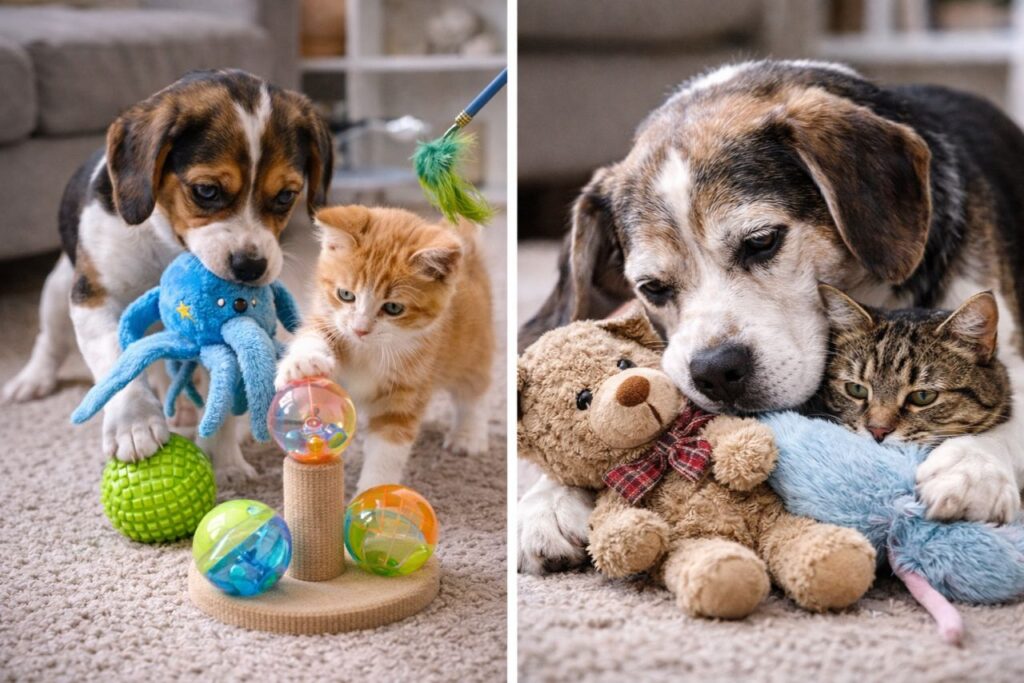
Puppies and kittens often value different toy features than adult or senior pets because their physical and cognitive needs change with age. Young animals typically need teething-friendly textures, easy-to-carry sizes, and strong sensory cues to keep them engaged; they also benefit from toys that teach bite inhibition and coordination. Adult pets may prefer challenge-based toys or items that satisfy a well-developed prey drive, while older pets often favor softer textures and lower-impact play that’s gentle on joints. Owners who rotate toys according to life stage report longer-term interest and safer play habits, which explains why a toy that thrilled your puppy might be put aside by the same dog years later.
13. Reward History Reinforces Preference
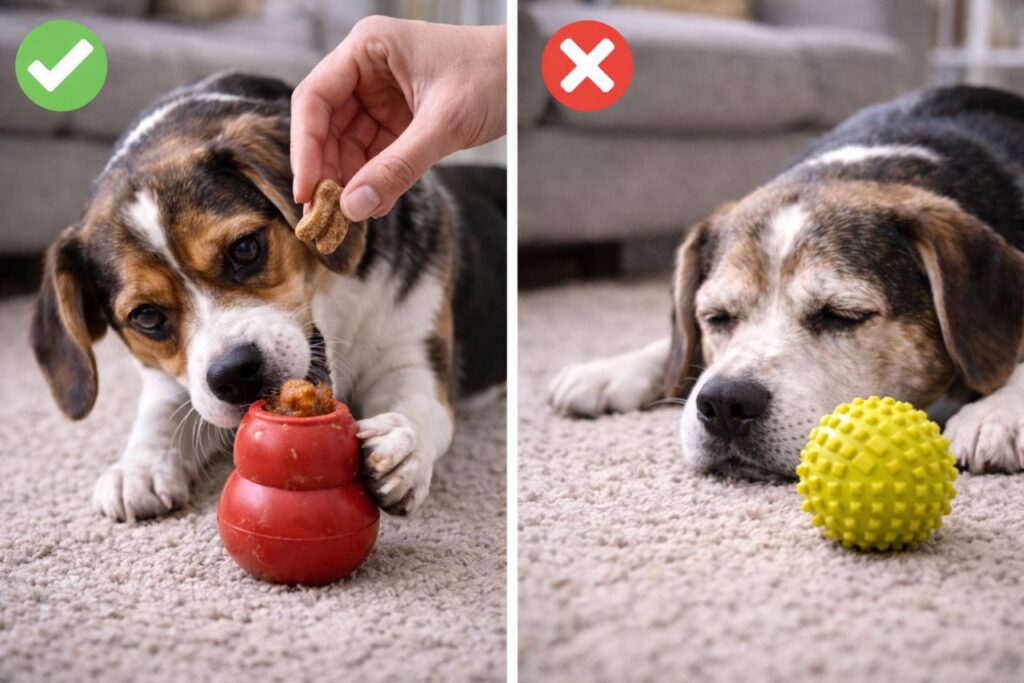
Pets learn quickly which toys lead to rewards, whether that reward is praise, treats, or satisfying physical sensations. If a toy has repeatedly resulted in a tasty treat (like a filled Kong), a fun tug session, or owner attention, the pet will return to it because it predicts positive outcomes. This reinforcement loop is the same principle behind training: behaviors that are rewarded become habits. Conversely, toys that fail to deliver meaningful rewards, no treats, no interaction, no satisfying texture, are classed as low-value and often get ignored. That’s why pairing new toys with treats or playtime speeds up acceptance.
14. Social Context Shapes Toy Value
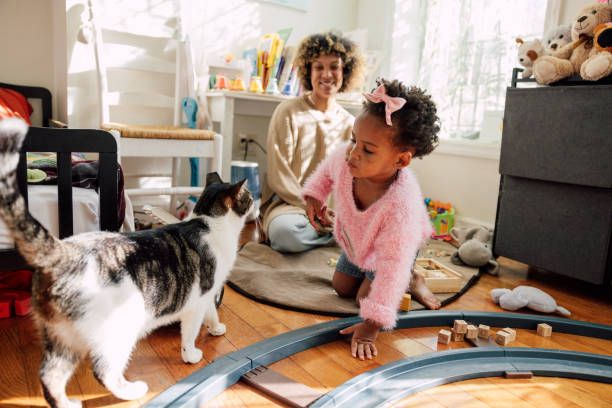
Toys aren’t only objects; they’re social tools. Pets often value toys more when play involves family members or other animals in the household. Group play or shared games of fetch link toys to social bonding and attention, which increases their worth. Conversely, a toy used only when the owner is absent may never become meaningful. For multi-pet homes, competition can raise a toy’s allure, what one pet covets becomes more desirable to another, while cooperative play can also make certain toys treasured group items. Owners who use toys to create shared moments find that pets form stronger attachments to those items.
15. Novelty vs. Predictability Balance
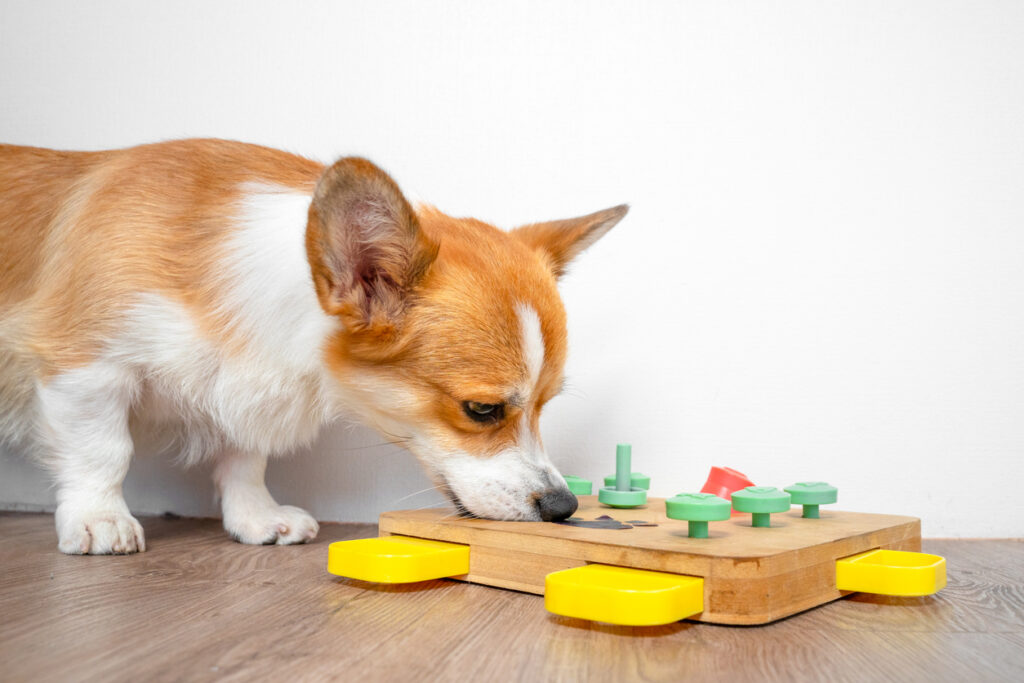
Animals balance curiosity for new things with comfort in the familiar. Novel toys trigger exploration and short-term excitement, but without predictable rewards they quickly lose appeal. Predictable toys that reliably produce treats or movement provide sustained interest. The most successful toys blend novelty with reliable payoff, think a new puzzle toy that consistently dispenses kibble. Pet enrichment researchers recommend rotating toys every few days and reintroducing older favorites to maintain this balance. Pets that get a steady but varied stream of play items tend to stay engaged longer and show fewer destructive behaviors.
16. Safety and Durability Influence Trust
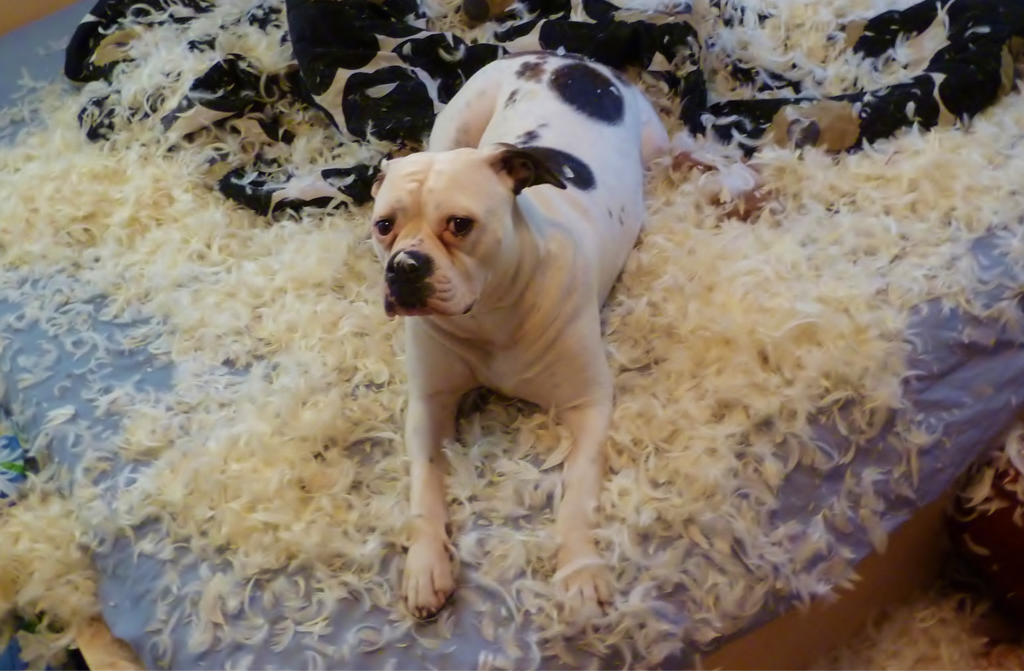
A pet’s previous encounters with unsafe or easily destroyed toys can reduce trust in new playthings. Dogs that have accidentally swallowed stuffing or chewed apart seams may become wary of soft toys; cats that’ve caught real prey before may avoid feather toys that feel flimsy. Durable construction and safe materials not only protect pets but also help them feel secure during vigorous play. Veterinarians and animal behaviorists advise matching toy strength to the pet’s chewing power and removing worn toys promptly. When toys last and feel safe, pets are more likely to keep returning to them.
17. Owner Scent and Handling Matter
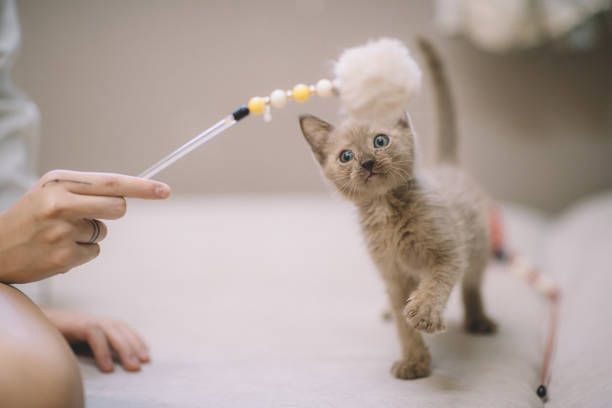
A toy handled by a favorite person will often become the preferred choice. Owners naturally transfer their scent to toys through touching, throwing, and hiding treats in them, and many pets find this familiar scent calming and attractive. This is especially true for animals with separation anxiety, items carrying the owner’s smell can reduce stress and become “comfort toys.” Simple actions like rubbing a blanket on an owner’s clothes before giving it to a pet or playing with a new toy in the owner’s lap can dramatically increase the item’s appeal. Scent is a subtle but powerful bridge between object and emotional connection.
18. Convenience Determines Everyday Use

Practical factors, how easy a toy is to clean, store, or take outside, affect whether it gets used. Busy owners often reach for lightweight, easy-to-grab toys when they have a few spare minutes; pets learn to expect those quick-play items and favor them. Toys that are heavy, need special cleaning, or are stored far away end up neglected, no matter how perfect they are in theory. Pet product designers and trainers recommend keeping a small selection of ready-to-use favorites in high-traffic areas to encourage regular play. Convenience for humans often equals regular play for pets.
Try rotating toys, pairing new items with treats or interaction, and observing which features your animal repeatedly seeks.


