
1. The Migrant Mother (1936)
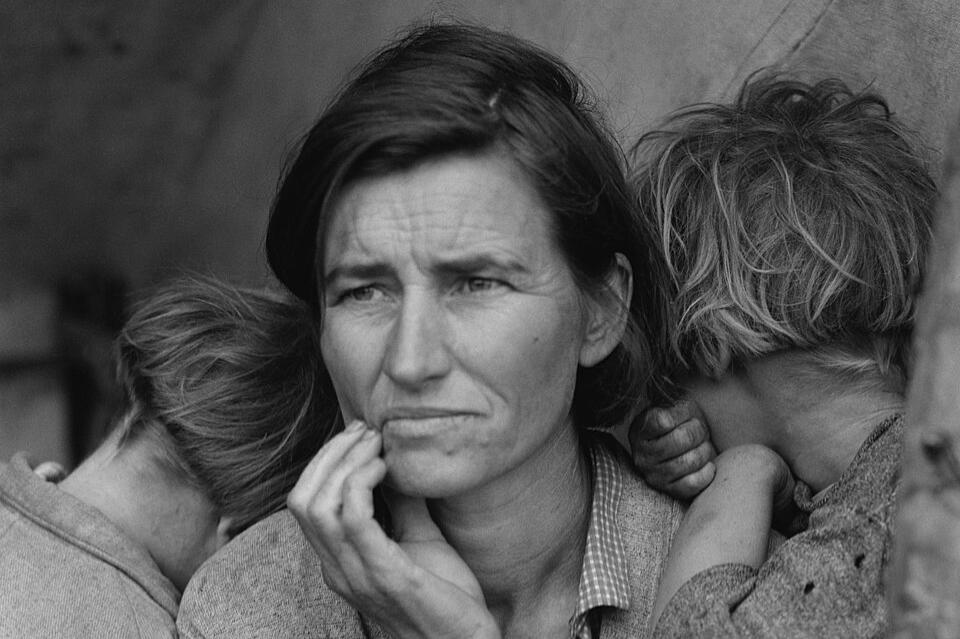
Some photographs do more than capture a moment, they change how people think, feel, and act. Taken during the Great Depression by Dorothea Lange, Migrant Mother depicts Florence Owens Thompson with her children, capturing exhaustion, worry, and quiet resilience. Published widely, the image immediately shifted public awareness of poverty from statistics to human faces. Americans who had previously viewed the Depression as distant or exaggerated were confronted with undeniable hardship. The photograph influenced public support for New Deal programs and emergency food aid. Its impact was so direct that relief supplies were sent to the migrant camp shortly after publication. The image became a defining symbol of economic suffering, proving photography’s power to mobilize compassion and government action through a single, carefully observed moment.
2. The “Napalm Girl” Photograph (1972)
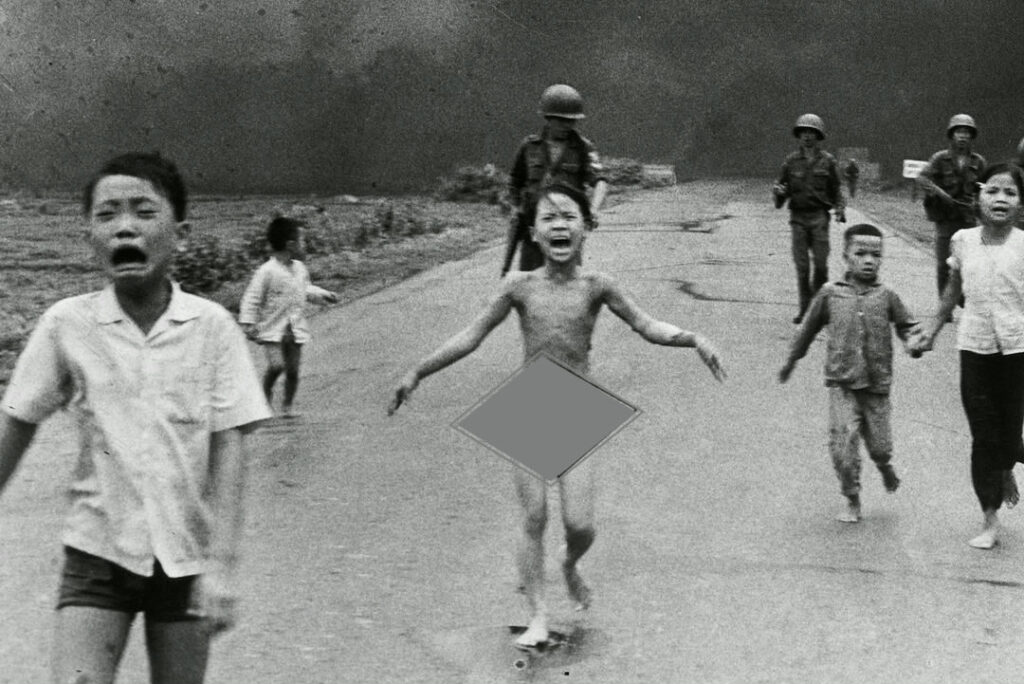
The photograph officially titled The Terror of War shows nine-year-old Phan Thi Kim Phuc running naked after a napalm attack during the Vietnam War. Captured by Nick Ut, the image appeared on front pages worldwide in 1972. Until then, many Americans viewed the war through abstract headlines and government briefings. This photograph shattered that distance by revealing the brutal human cost, especially to children. Public outrage intensified almost overnight, fueling protests and accelerating opposition to the war. The image won the Pulitzer Prize and remains one of the most influential war photographs ever taken. Its emotional power lay not in graphic detail, but in the raw fear and suffering etched across a child’s face, a moment that permanently altered how the Vietnam War was perceived.
3. Earthrise Over the Moon (1968)
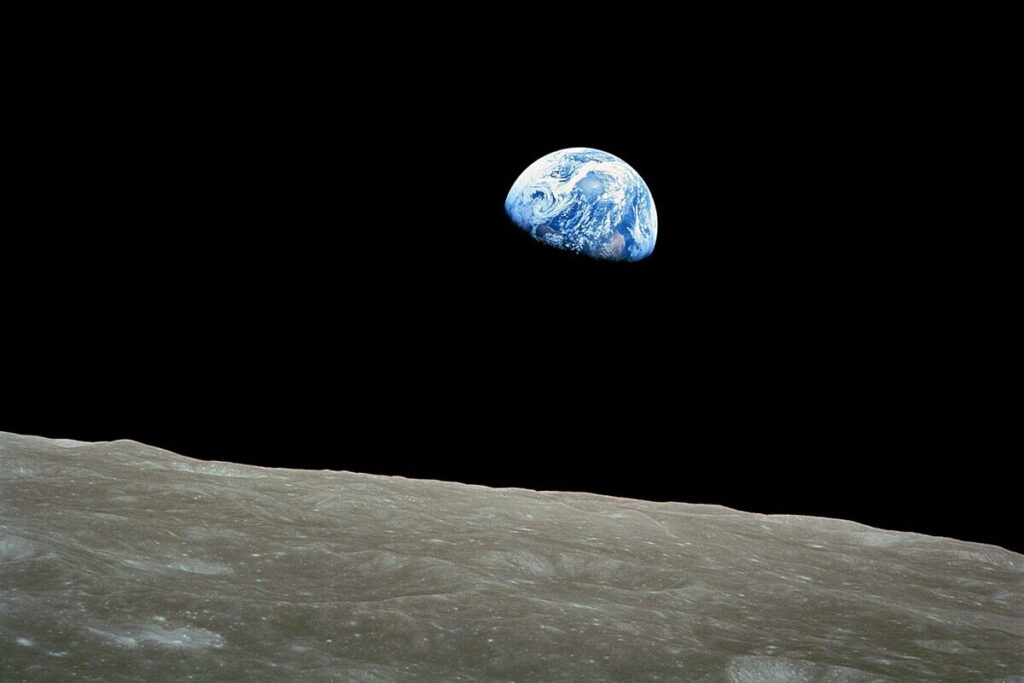
When astronauts aboard Apollo 8 photographed Earth rising above the Moon’s horizon, the image stunned the world. Taken by William Anders, the photograph showed Earth as a small, fragile blue sphere floating in darkness. At the height of the Cold War, the image shifted public thinking from division to shared responsibility. Environmental movements gained momentum as people saw, perhaps for the first time, how vulnerable the planet truly looked. The photograph inspired early environmental legislation and helped shape the modern conservation movement. Rather than showing technological triumph alone, Earthrise reframed humanity’s place in the universe, quietly encouraging global unity and stewardship in a way no speech or policy document ever had.
4. Tank Man at Tiananmen Square (1989)
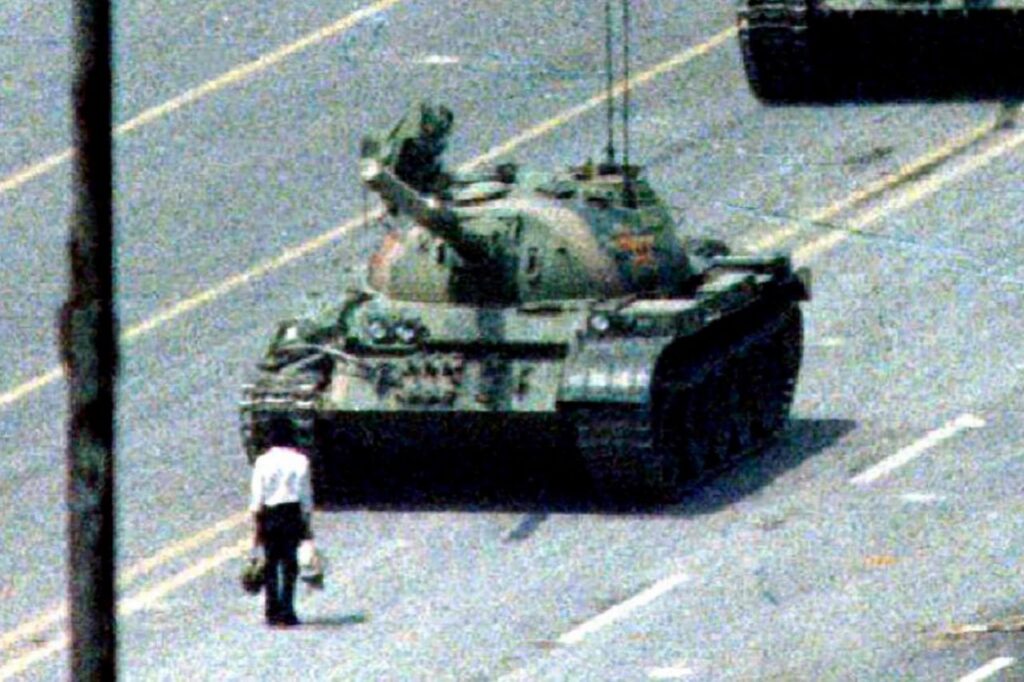
The image of a lone man standing in front of a line of tanks after the Tiananmen Square protests remains one of the most powerful symbols of individual resistance. Though the protester’s identity remains unknown, the photograph, taken by several journalists including Jeff Widener, spread rapidly across global media. It challenged official narratives and exposed the scale of government force used against civilians. International opinion toward China shifted sharply, prompting diplomatic criticism and sanctions. The photograph’s power lies in its simplicity: one unarmed individual confronting military authority. Even decades later, it continues to shape global conversations about freedom, protest, and state power.
5. Emmett Till’s Open Casket (1955)
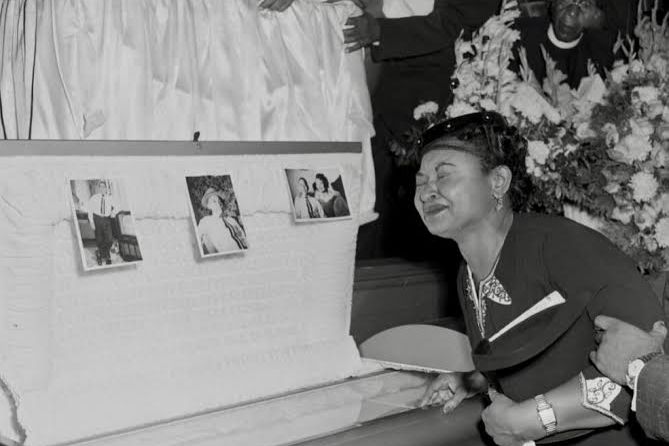
When Mamie Till-Mobley insisted on an open-casket funeral for her murdered son Emmett Till, photographs of his brutalized face shocked the nation. Published in Jet magazine, the images forced Americans to confront the realities of racial violence in the South. Public reaction was swift and emotional, galvanizing support for the Civil Rights Movement. Many activists later cited the photographs as a turning point in their political awakening. By refusing to hide injustice, the images dismantled denial and made racial terror impossible to ignore. Few photographs have ever played such a direct role in changing public awareness and fueling a national movement for justice.
6. The Hindenburg Disaster (1937)
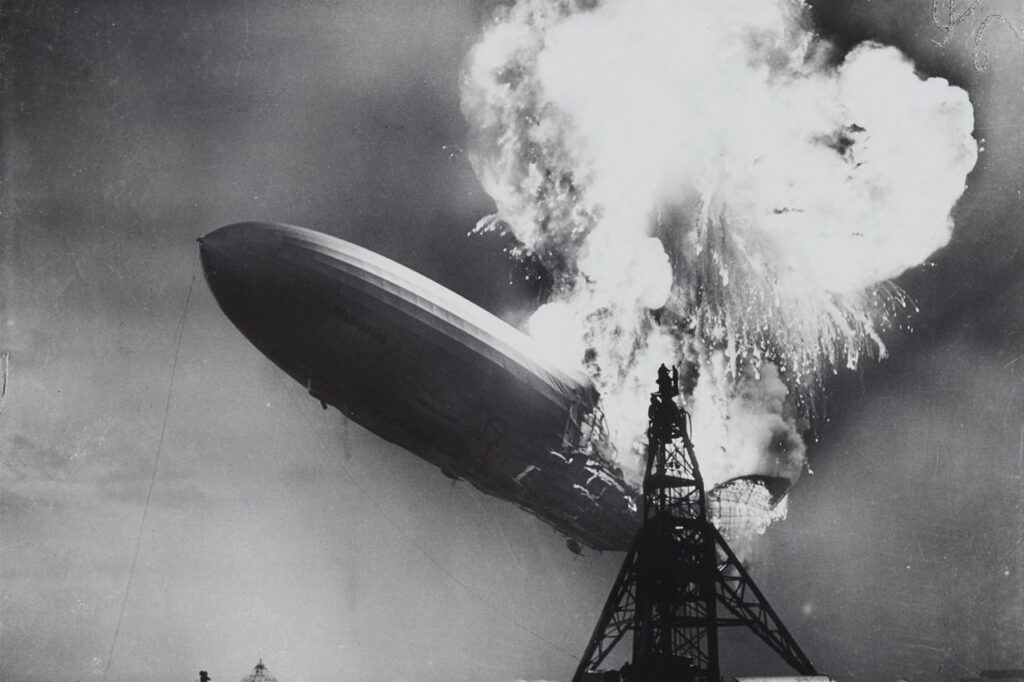
Photographs of the German airship Hindenburg engulfed in flames marked the sudden end of the airship era. Until the disaster, zeppelins symbolized luxury and technological progress. Images showing the massive structure collapsing in seconds horrified the public and shattered confidence in lighter-than-air travel. Paired with the famous radio broadcast, the photographs cemented the tragedy in collective memory. Public opinion shifted immediately, and commercial airship travel never recovered. The images served as a visual warning about unchecked technological optimism, proving that a single moment, frozen in time, could halt an entire industry’s future.
7. Raising the Flag on Iwo Jima (1945)
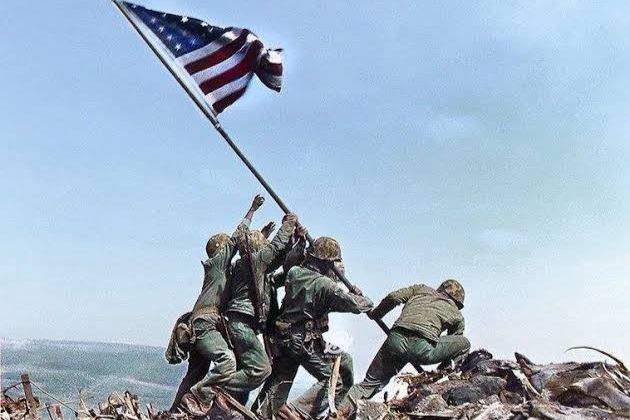
Captured by Joe Rosenthal, this photograph showed U.S. Marines raising the American flag during the Battle of Iwo Jima. Published during World War II, it became an instant symbol of sacrifice, unity, and perseverance. Public morale surged, and the image was widely used in war bond campaigns. While later discussions questioned whether the moment was staged, its emotional impact was undeniable. The photograph reshaped how Americans visualized victory and heroism, transforming a brutal battle into a lasting national symbol. It remains one of the most reproduced images in U.S. history.
8. Gandhi at the Spinning Wheel (1946)
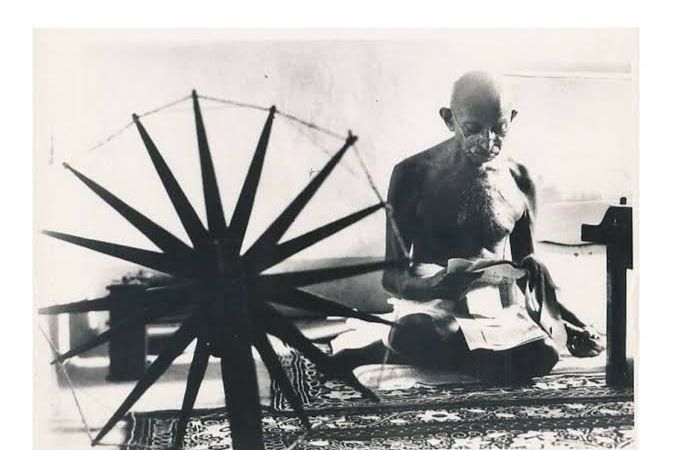
Photographs of Mahatma Gandhi seated beside a simple spinning wheel reinforced his message of self-reliance and peaceful resistance. At a time when British rule portrayed Indian independence as unrealistic, these images shifted global opinion. Gandhi appeared not as a revolutionary threat, but as a moral leader rooted in humility. The photographs helped international audiences understand the philosophy behind India’s independence movement. By visually rejecting excess and power, Gandhi’s image became inseparable from nonviolent resistance, influencing civil rights leaders worldwide and strengthening global support for Indian independence.
9. The First Atomic Bomb Aftermath (1945)
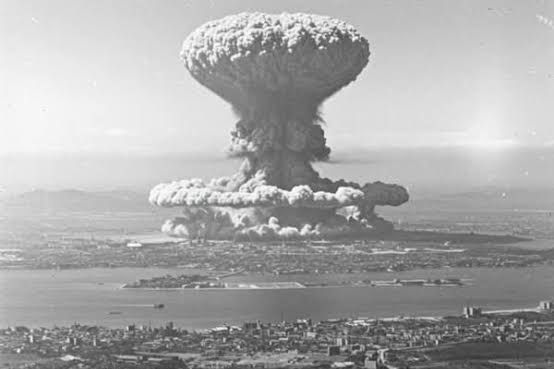
Early photographs of Hiroshima after the atomic bombing revealed flattened cities, injured civilians, and unimaginable destruction. Released cautiously by authorities, the images eventually reached global audiences and changed perceptions of nuclear warfare. What had been described as a strategic military breakthrough suddenly appeared as a humanitarian catastrophe. Public debate intensified over the ethics of nuclear weapons, fueling early anti-nuclear movements. The photographs forced governments and citizens alike to confront the long-term consequences of atomic power. They remain critical visual evidence in discussions about warfare, morality, and global security.
10. The Dust Bowl Farmer and Children (1930s)
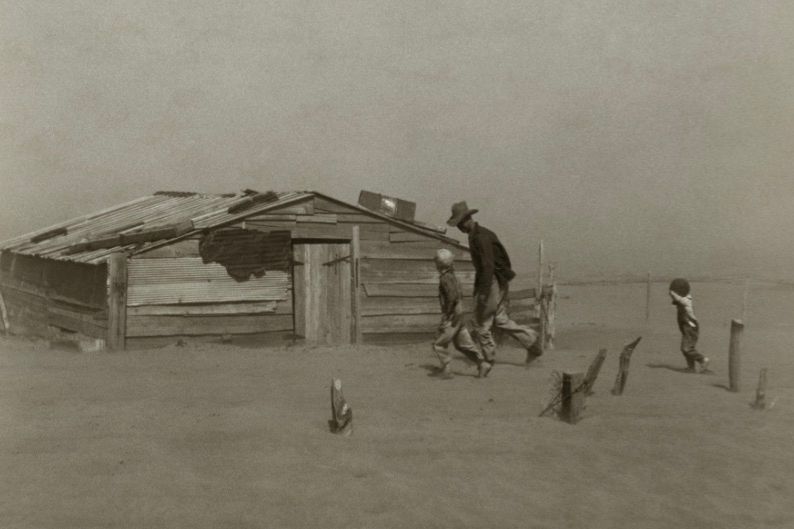
Images of Dust Bowl families standing in ruined farmland revealed the devastating effects of environmental mismanagement and economic collapse. Photographers working for the Farm Security Administration documented daily life as crops failed and families migrated west. These photographs shifted public opinion by linking environmental disaster to human suffering. Americans who had viewed the Dust Bowl as a regional issue began to see it as a national crisis. The images directly influenced public support for agricultural reform and conservation programs. They remain some of the earliest examples of photography shaping environmental awareness through emotional truth rather than political argument.
11. Afghan Girl (1984)

Steve McCurry’s photograph of a green-eyed teenage refugee in a Pakistani camp, published as Afghan Girl on the June 1985 cover of National Geographic, became the human face of the Afghan refugee crisis. The girl’s intense gaze personalized a conflict that many readers only knew through policy briefings and casualty counts; her portrait made faraway displacement intimate and immediate. The photo drove public interest in Afghan refugees, spurred donations for relief groups, and influenced Western media coverage by shifting focus toward oppressed civilians rather than just geopolitical chessboards. Years later, when journalist teams tracked down the girl (Sharbat Gula), renewed coverage reawakened global empathy, showing how a single portrait can sustain attention and shape humanitarian narratives for decades.
12. Thích Quảng Đức’s Self-Immolation (1963)
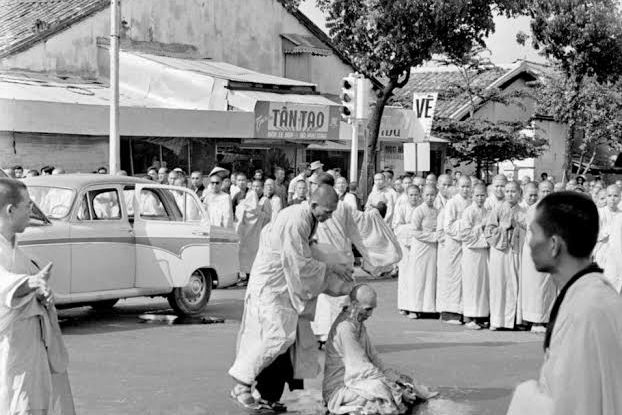
The stark image of Buddhist monk Thích Quảng Đức sitting motionless as flames consumed him during a Saigon protest is one of the most searing acts of visual protest in modern history. Taken by press photographers in June 1963, the photograph exposed the international community to the depth of opposition to South Vietnam’s policies and the persecution of Buddhists under the Diệm regime. The photograph pierced diplomatic polite silence and intensified pressure on the South Vietnamese government and its allies; within weeks political support shifted and the U.S. reexamined its policy stance. The photo’s moral clarity, a man choosing martyrdom to protest injustice, altered world opinion by turning a regional religious conflict into a matter of international conscience.
13. Saigon Execution (1968)
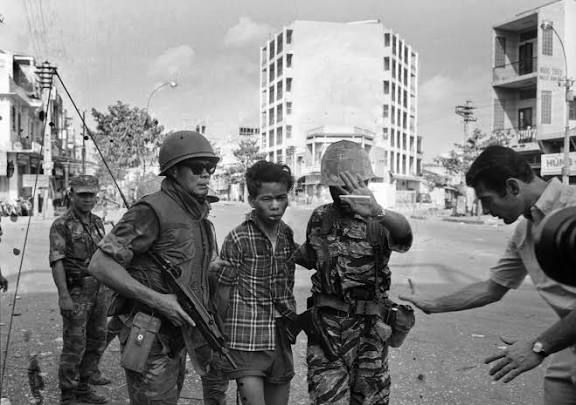
Eddie Adams’s photograph of a South Vietnamese police chief executing a suspected Viet Cong prisoner on a Saigon street captured the raw brutality of the Vietnam War in a single instant. Published worldwide in 1968, the image undercut sanitized official narratives by revealing a moment of summary killing, provoking outrage and debate about both wartime conduct and the media’s role. Many viewers, especially outside frontline contexts, found their sympathy shift away from ambiguous strategic arguments to moral condemnation. The photograph didn’t just document an act; it raised urgent questions about justice, command responsibility, and the human cost of war. Its immediate effect was to harden antiwar sentiment and intensify scrutiny of military practices.
14. The Vulture and the Little Girl (1993)
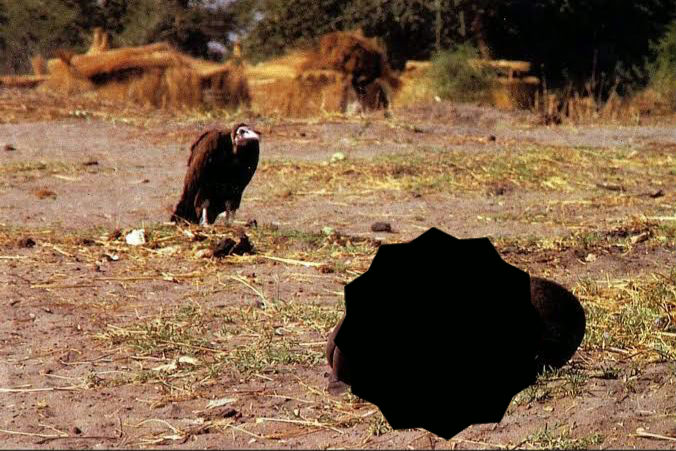
Kevin Carter’s photograph of a starving Sudanese child collapsed on the ground with a vulture waiting nearby became a global symbol of famine’s human toll when it ran in 1993. The image forced readers to confront the immediacy of suffering in southern Sudan and spurred donations and emergency responses from governments and NGOs. At the same time, the photograph ignited intense ethical debate about humanitarian responsibility, journalistic intervention, and the role of photographers in crisis zones. Carter’s image did more than document tragedy; it disrupted comfortable distance and compelled international audiences to reckon with how media exposure translates into political and charitable action in humanitarian emergencies.
15. The Falling Man (2001)
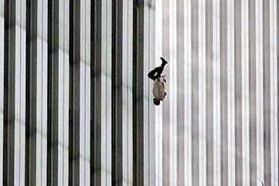
One of the most controversial and haunting images from September 11, 2001, The Falling Man captured a person plunging from the North Tower of the World Trade Center. Published amid endless imagery of collapse and rescue, the photograph confronted readers with the private human choices made in the face of catastrophic public violence. Its immediate effect was to complicate the narrative of heroism and victimhood by showing the agonizing, personal dimensions of terror. Discussion around the image, including debates about dignity, media responsibility, and public mourning, shaped how the attacks were covered and remembered. The photograph remains a difficult but essential record of the day’s unbearable human calculus.
16. Lewis Hine’s Child Labor Portraits (early 1900s)
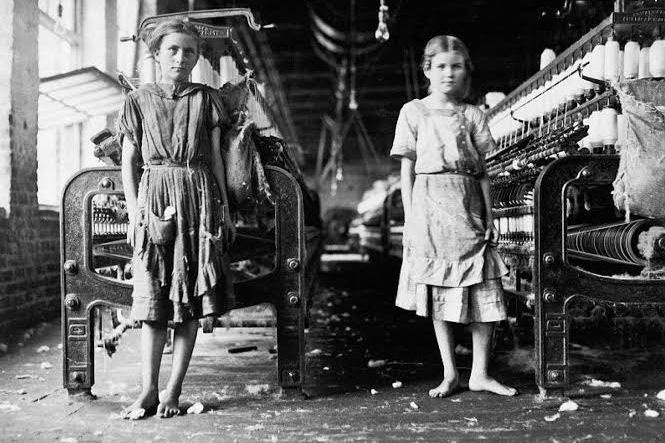
Sociologist-photographer Lewis Hine spent years documenting children working in mills, mines, and factories; his images of small, exhausted workers at dangerous jobs translated a statistic into a face and a story. Published in reports and magazines in the 1900s and used by the National Child Labor Committee, Hine’s photographs helped shift public opinion from acceptance or indifference to moral urgency. Legislators and reformers cited his work when arguing for child labor laws and compulsory schooling; his visual evidence was crucial in building political will for federal reform. Hine’s photographs show how methodical documentary work, aimed at law and policy audiences, can reshape social expectations and produce concrete legal change.
17. Little Rock Integration (1957)
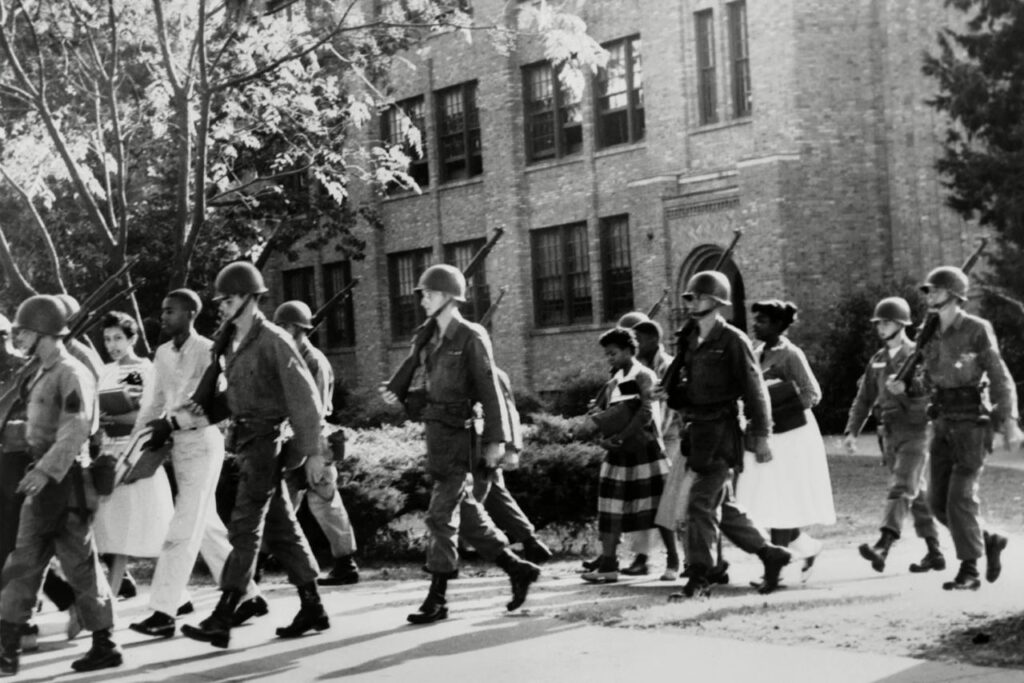
A photograph of Elizabeth Eckford, a Black student arriving alone at Little Rock Central High School while an angry white mob jeered, crystallized the crisis over school desegregation in the United States. The image, circulated nationally in 1957, made abstract Supreme Court rulings painfully visible: desegregation wasn’t theoretical, it was a daily struggle with real human intimidation. The photo helped mobilize national opinion in favor of federal intervention; it pressured the Eisenhower administration to place troops at the school to enforce desegregation orders. By translating legal doctrine into a striking human scene, the photograph sharpened public understanding and bolstered support for the civil rights cause.
18. Biafran Famine Photographs (late 1960s)
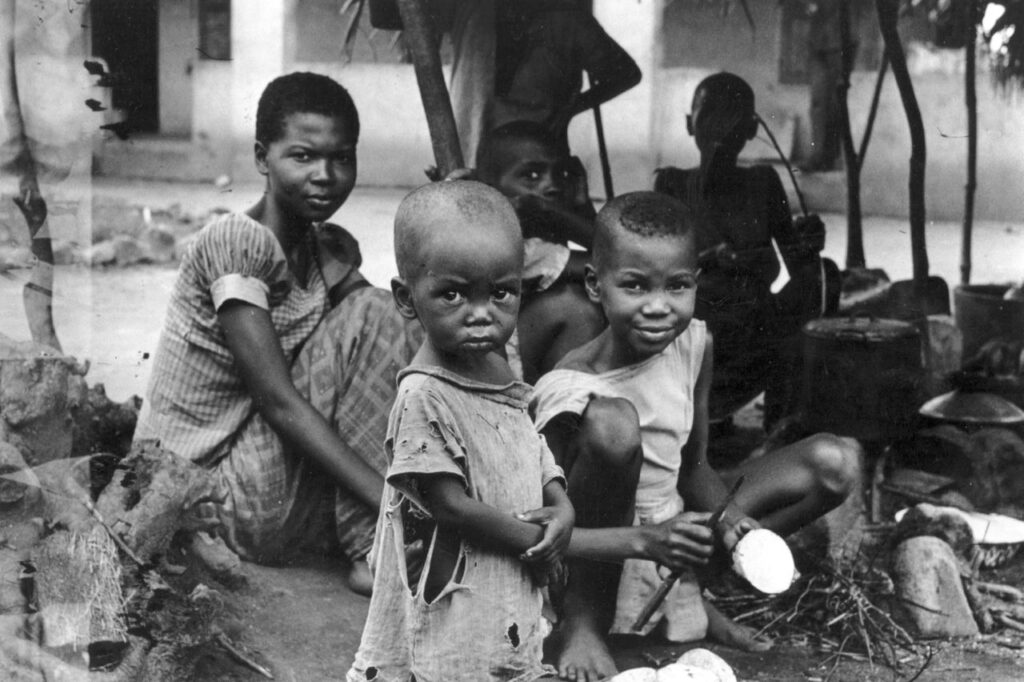
Photographs of emaciated Biafran children and desperate refugee camps during the Nigerian Civil War (1967–1970), circulated by international press and relief organizations, transformed the conflict from a regional civil war into a global humanitarian emergency. These images provoked a massive outpouring of international aid and helped stimulate the modern humanitarian-NGO movement; charities expanded relief operations and public donations surged. The photographs also forced foreign governments and media to grapple with the ethics of intervention and reporting. By bringing distant suffering into living rooms around the world, the Biafran images reshaped how international audiences perceived responsibility toward civilians caught in civil conflicts.
19. The Falling Soldier (1936)
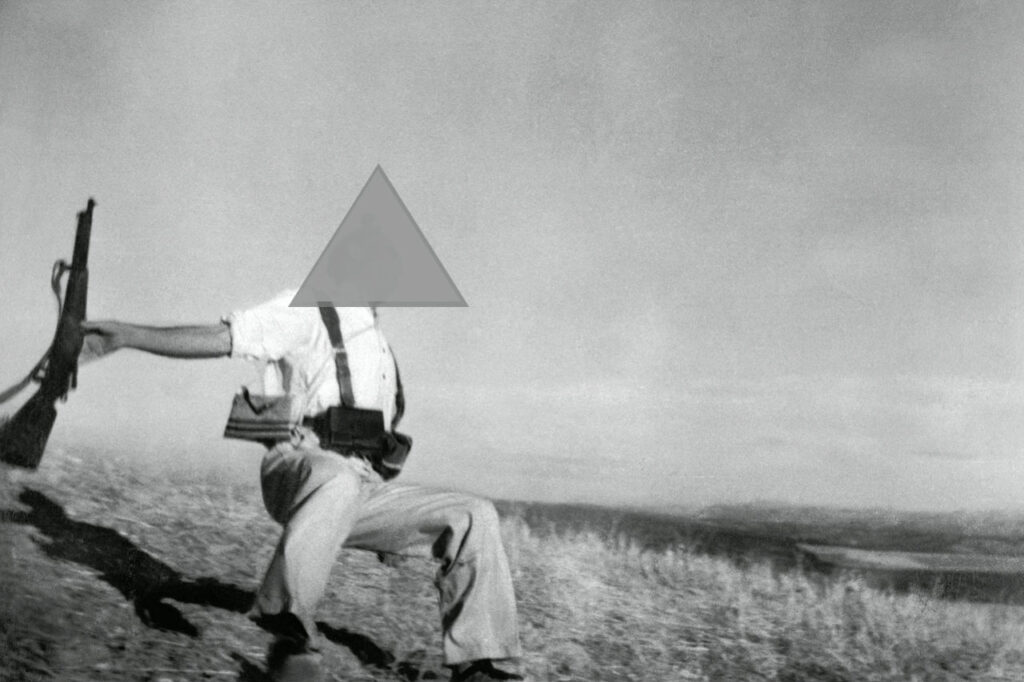
Robert Capa’s 1936 photograph of a Republican soldier collapsing mid-shot during the Spanish Civil War, known as The Falling Soldier, became an emblem of wartime sacrifice and the chaotic immediacy of modern combat. Widely reproduced in newspapers and magazines, the image evoked sympathy for the Republican cause and helped rally international volunteers and anti-fascist sentiment. It also influenced how war could be visually narrated: not as a procession of generals and strategy maps, but as abrupt, tragic human loss. Later debates about the photograph’s staging did not erase its initial impact; for many contemporaries, the image still crystallized the moral intensity and urgency of the anti-fascist struggle in the 1930s.
20. Guerrillero Heroico – Che Guevara (1960)

Alberto Korda’s 1960 portrait of Ernesto “Che” Guevara, a cropped, intense headshot later reprinted as Guerrillero Heroico, transformed a revolutionary into an almost mythic global icon. The photograph’s circulation across pamphlets, posters, and magazines turned Che from a regional guerrilla leader into a symbol of anti-imperialist struggle, inspiring activists worldwide. Its ubiquity altered public perception by romanticizing revolutionary commitment and making Guevara’s image synonymous with resistance, for better and worse. The picture influenced political fashion, protest art, and popular culture, showing how a single evocative portrait can elevate an individual into a transnational emblem that shapes movements and meanings long after the events themselves.
21. Kent State Shooting Photograph (1970)
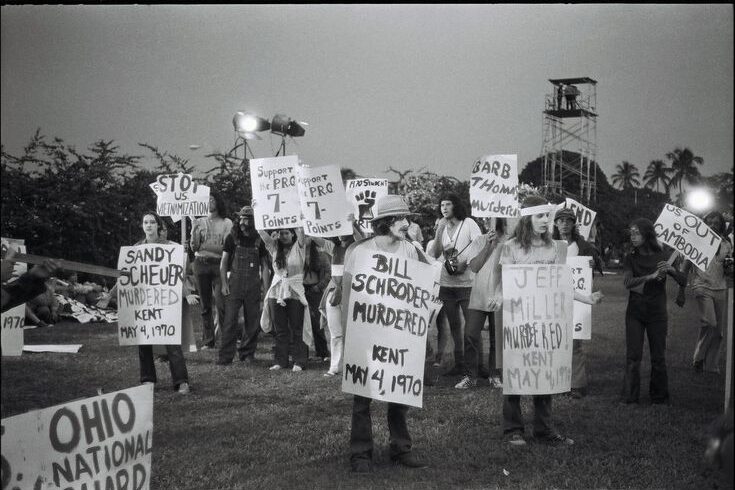
The photograph showing a young woman screaming over the body of a slain student at Kent State University became one of the most emotionally charged images of the Vietnam War era. Taken after National Guard troops opened fire on unarmed student protesters in May 1970, the image captured the nation’s shock in a single frame. The victim, Jeffrey Miller, lay motionless while Mary Ann Vecchio cried out beside him. When the photo appeared in newspapers across America, public opinion shifted rapidly. Many who had been undecided about campus protests suddenly viewed them through a lens of tragedy rather than rebellion. The image intensified opposition to the war, triggered nationwide student strikes, and deepened mistrust between citizens and the government. It remains a defining visual record of domestic unrest during wartime.
22. Lunch Atop a Skyscraper (1932)
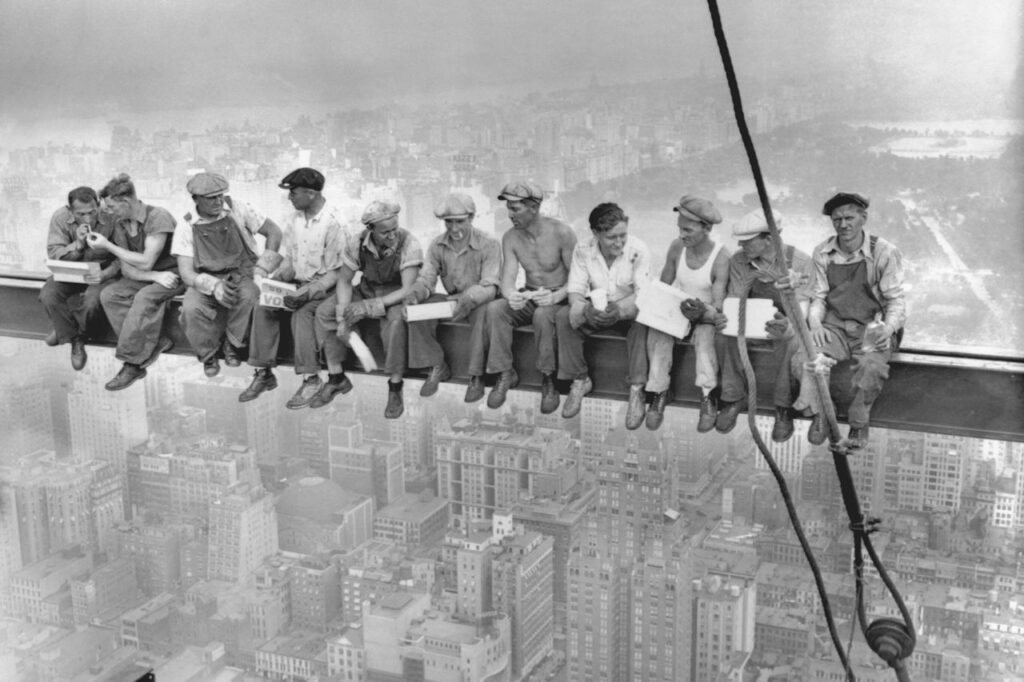
This iconic photograph of eleven construction workers casually eating lunch while sitting on a steel beam high above New York City stunned audiences when it was published in 1932. Taken during the construction of Rockefeller Center, the image offered a striking contrast to the hardship of the Great Depression. While millions struggled to survive, the photograph highlighted both human resilience and the dangers faced by industrial laborers. Public reaction reshaped perceptions of urban workers, turning them into symbols of courage and endurance rather than invisible labor. The image also sparked conversations about workplace safety and economic inequality. Over time, it became one of the most reproduced photographs in history, reminding viewers how ordinary people quite literally built modern cities under extraordinary conditions.
These photographs spoke instantly, crossing borders and beliefs by showing truth in its rawest form.
Like this story? Add your thoughts in the comments, thank you.


