
1. Hybrid Living Becomes the Default

By 2026, hybrid living is expected to extend far beyond work schedules. Many people are already blending home, office, and social spaces in flexible ways, and this lifestyle is becoming normalized rather than negotiated. Workers split time between remote setups, shared spaces, and occasional office visits, while daily routines adapt around flexibility instead of rigid structure. This shift is supported by employer policies, productivity research, and the widespread availability of collaboration tools. Lifestyle choices like midday errands, off-peak commuting, and living farther from city centers are increasingly common. Social media conversations also reflect how people now design their days around energy and output rather than clock hours. Hybrid living is less about location and more about control, autonomy, and balance.
2. Low-Buy and No-Buy Lifestyles Gain Momentum

Rising living costs and online conversations around financial wellness have pushed low-buy and no-buy lifestyles into the mainstream. By 2026, these habits may be less about trends and more about long-term coping strategies. People increasingly commit to purchasing only essentials, avoiding impulse buys, and repairing or reusing items they already own. Social platforms are filled with personal challenges documenting months or years without discretionary spending. This lifestyle is also closely tied to sustainability and mental clarity, as many report reduced stress and decision fatigue. Brands have responded by emphasizing durability and repair services. The low-buy mindset reflects a broader cultural shift toward intentional living rather than constant consumption.
3. Personalized Wellness Replaces One-Size-Fits-All Health
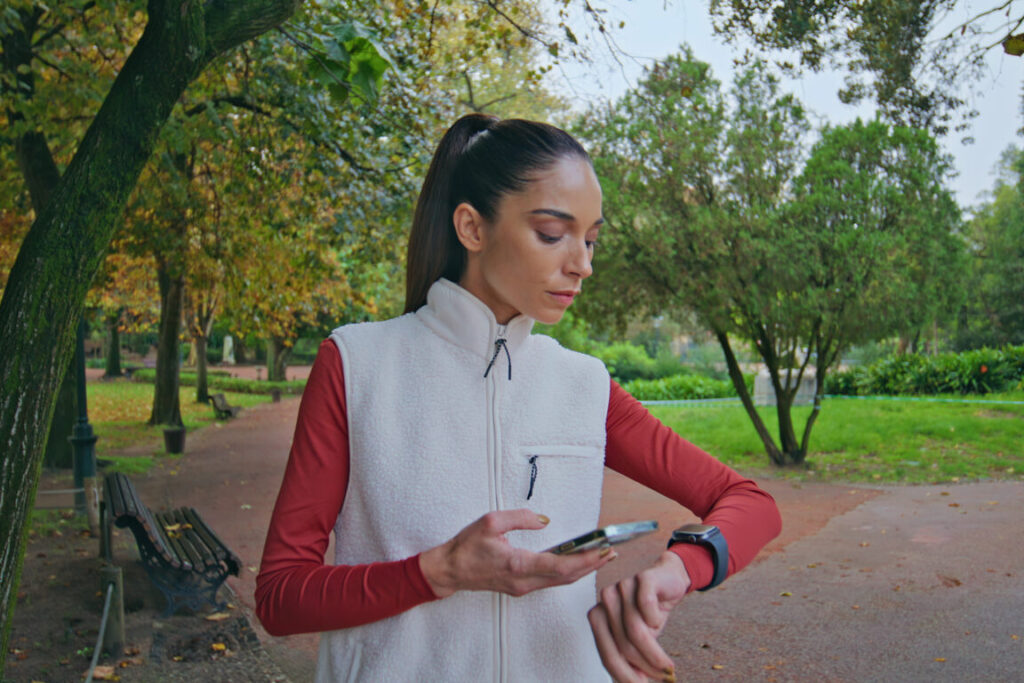
By 2026, wellness is expected to feel far more individualized than ever before. Instead of following generic fitness or diet plans, people increasingly rely on data-driven insights tailored to their bodies and lifestyles. Wearable devices, health apps, and at-home testing tools already provide feedback on sleep, activity, stress, and nutrition. This information helps users adjust routines in small but meaningful ways. Online discussions show growing skepticism toward extreme health trends, replaced by curiosity about what works personally. Personalized wellness also includes mental health pacing, rest cycles, and realistic goal-setting. The result is a lifestyle focused on sustainability and self-awareness rather than perfection.
4. Quiet Luxury Influences Everyday Choices
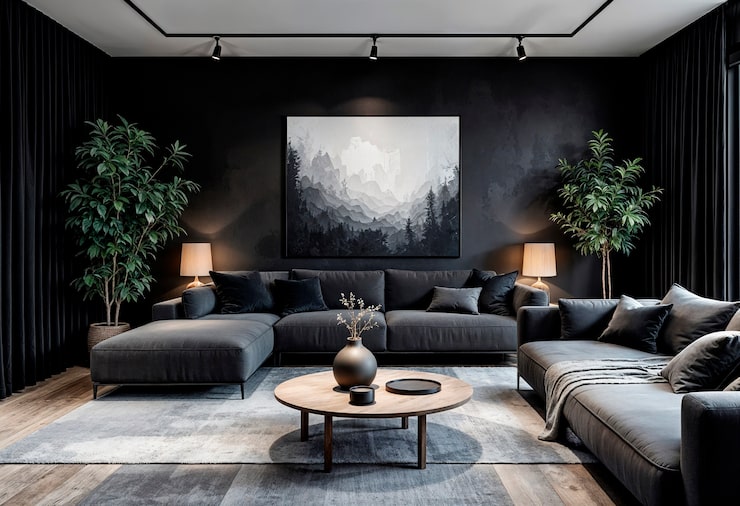
Quiet luxury is less about showing wealth and more about subtle quality, and by 2026, its influence may extend beyond fashion into broader lifestyle choices. People increasingly prioritize timeless designs, neutral tones, and durable materials over flashy branding. This shift is visible in clothing, home decor, travel preferences, and even social media aesthetics. The appeal lies in longevity and understated confidence rather than trend-chasing. Online creators often emphasize cost-per-use and craftsmanship, reinforcing the value of fewer, better items. Quiet luxury reflects changing attitudes toward success, where refinement and restraint signal stability and self-assurance.
5. Digital Decluttering Becomes a Regular Habit
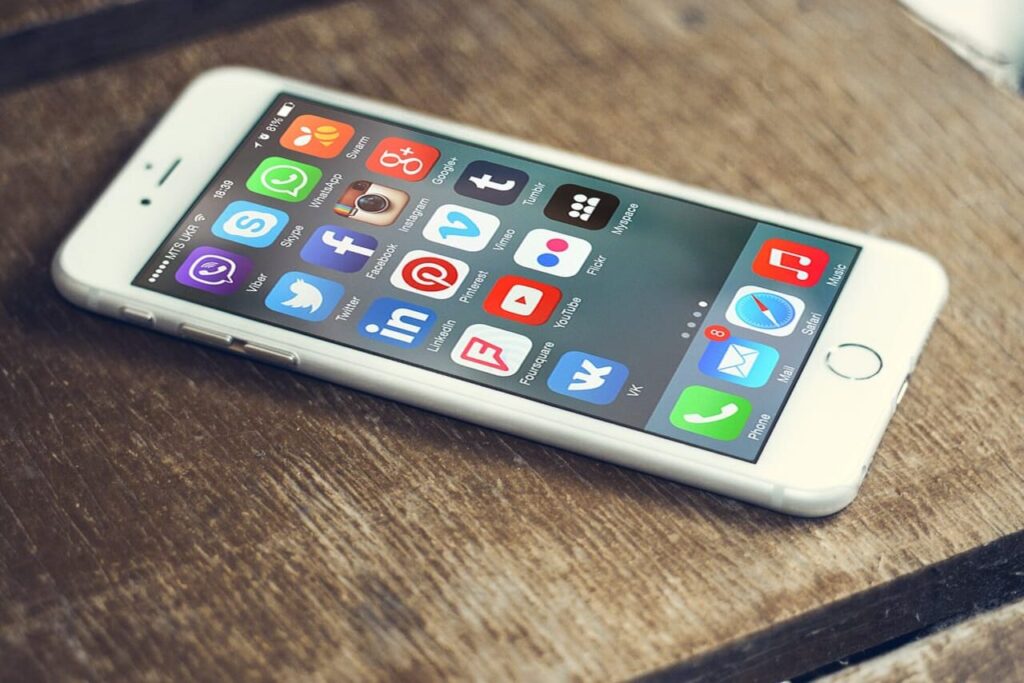
As digital noise increases, many people are actively simplifying their online lives. By 2026, digital decluttering may become as routine as cleaning a physical space. This includes deleting unused apps, reducing notifications, unsubscribing from emails, and setting boundaries around screen time. Studies already link digital overload to stress and reduced focus, prompting lifestyle changes that favor clarity. Social media users frequently share “reset” routines for phones and laptops. Digital decluttering is not about rejecting technology, but using it more intentionally. The trend highlights a growing awareness that mental space is just as valuable as physical space.
6. Local Experiences Matter More Than Big Trips

By 2026, lifestyle conversations increasingly emphasize meaningful local experiences over frequent long-distance travel. Economic factors, environmental concerns, and time constraints have encouraged people to explore nearby attractions, events, and communities. Farmers markets, neighborhood festivals, local cafes, and short weekend getaways have become lifestyle highlights. Social platforms showcase “hidden gems” close to home, reframing what counts as a fulfilling experience. This trend supports local economies while offering convenience and reduced travel stress. The focus shifts from quantity of trips to quality of moments, reinforcing a slower, more connected way of living.
7. AI-Assisted Daily Routines Feel Normal

AI tools are quietly embedding themselves into everyday routines, and by 2026, their presence may feel unremarkable. From scheduling reminders and managing emails to controlling smart homes, AI assistance increasingly supports daily decisions. Many people already rely on automated grocery lists, calendar suggestions, and personalized recommendations. Social discussions often frame these tools as time-savers rather than replacements for human effort. As familiarity grows, resistance fades. The lifestyle shift is subtle but powerful, freeing up mental energy for creativity, rest, and relationships while delegating repetitive tasks to technology.
8. Home Spaces Serve Multiple Purposes

By 2026, homes are expected to function as offices, gyms, classrooms, and relaxation zones all at once. This shift has influenced furniture design, interior layouts, and daily habits. Foldable desks, modular storage, and adaptable lighting are increasingly popular. People design spaces that change throughout the day, reflecting flexible lifestyles. Online content frequently shares ideas for maximizing small or shared spaces. This trend emphasizes practicality and comfort over formal room definitions. The home becomes a responsive environment that adapts to life’s rhythms instead of dictating them.
9. Slower Living Gains Cultural Respect

Slower living is shifting from niche philosophy to mainstream aspiration. By 2026, choosing rest, routine, and moderation may feel socially acceptable rather than indulgent. This lifestyle values pacing, consistency, and presence over constant hustle. Morning routines, intentional breaks, and realistic productivity goals are widely shared online. People increasingly question burnout culture and redefine success in personal terms. Slower living doesn’t mean inactivity; it means alignment. The trend reflects broader mental health awareness and a desire for sustainability in both work and personal life.
10. Lifestyle Content Feels More Real and Less Perfect

By 2026, audiences increasingly favor authenticity over polished perfection. Lifestyle content across platforms shows messy homes, unfinished goals, and honest routines. This shift reflects fatigue with unrealistic standards and curated identities. Creators who share real experiences often build stronger trust and engagement. Viewers relate more to progress than perfection. This trend influences personal lifestyles too, encouraging people to embrace flexibility and self-compassion. The cultural message becomes clear: real life is allowed to look real, and that honesty is something worth sharing.
11. Circular Fashion
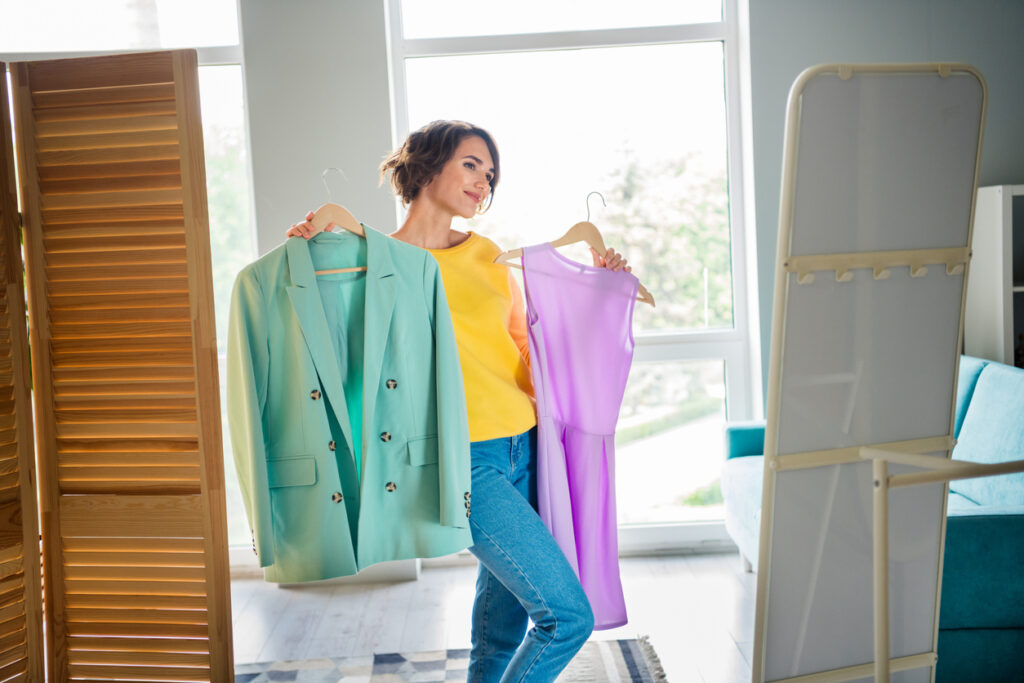
Consumers and brands are shifting from throwaway wardrobes to reuse, repair, rental, and resale models, not as a niche but as an increasingly mainstream business strategy that reduces waste and stretches value-per-item. Resale platforms, rental services, and repair-focused brands are expanding, and designers are experimenting with take-back and refurbishment services so garments can have longer lifecycles. This movement is driven by cost-conscious shoppers, sustainability commitments, and the appeal of “new-to-you” pieces; industry reporting shows resale and circular services are growing into a recognized segment of the fashion economy.
12. Plant-Forward Eating
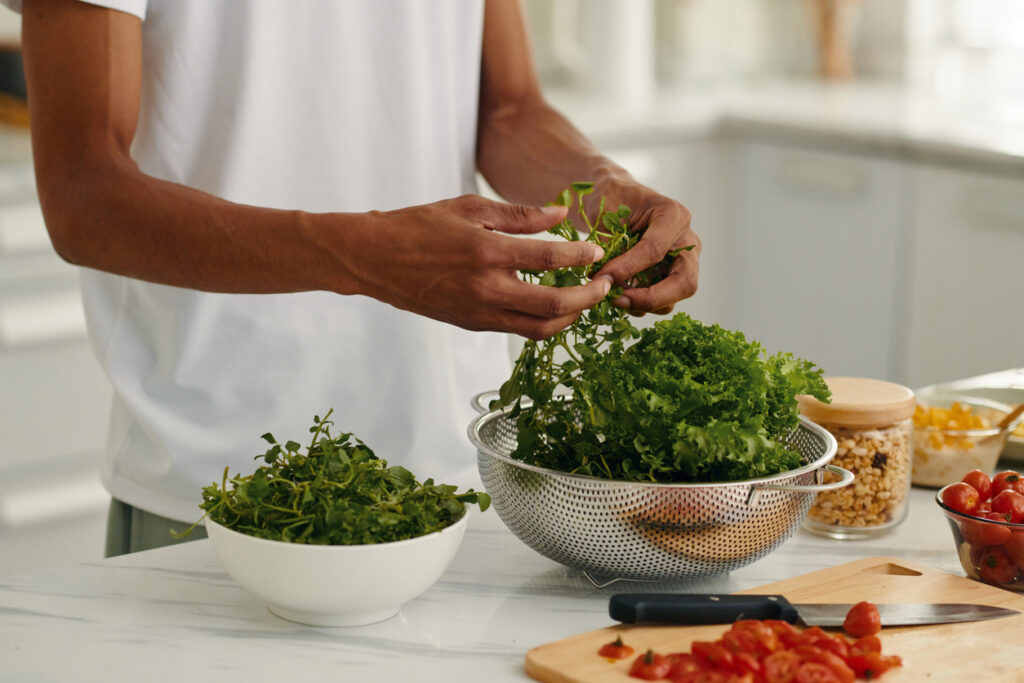
Rather than an all-or-nothing switch, many people are adopting plant-forward plates, meals built around vegetables, legumes, whole grains, and flavorful plant proteins while still allowing occasional meat. Restaurants and food producers are responding with menu engineering that centers plants for taste and cost-effectiveness, and consumer research shows flexitarian choices are stabilizing into long-term behavior for health, price, and climate reasons. Expect more creative plant-centric mains, better-tasting alternatives, and mainstream acceptance of mixed (not purely vegan) offerings by 2026.
13. Micro-Mobility & Active Transport
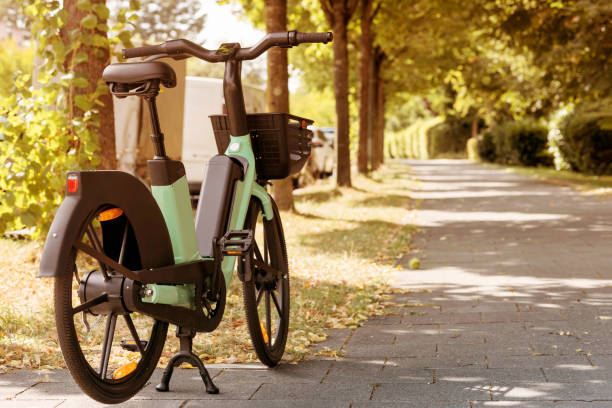
E-bikes, e-scooters, shared micro-mobility fleets, and better cycling infrastructure are changing short-distance travel in cities, offering cheaper, faster, and lower-emission alternatives to short car trips. Market analyses project continued double-digit growth for micro-mobility adoption as cities invest in lanes and operators refine safety, parking, and fleet management. For many urbanites, micro-mobility will be an everyday option for commuting, errands, and combining with public transit rather than an occasional novelty.
14. “Subscription Everything” Grows Smarter

The subscription model continues expanding beyond media into essentials, lifestyle goods, mobility, and even refurbished tech rentals, consumers like predictable billing, convenience, and flexible upgrades. Companies are increasingly bundling services and offering ad-supported tiers or hybrid pricing to retain subscribers amid “streamflation” and rising costs. The subscription economy’s steady growth is reshaping how households access goods and entertainment, with recurring billing becoming a normalized part of monthly budgets.
15. Financial-First Living & Side Hustles
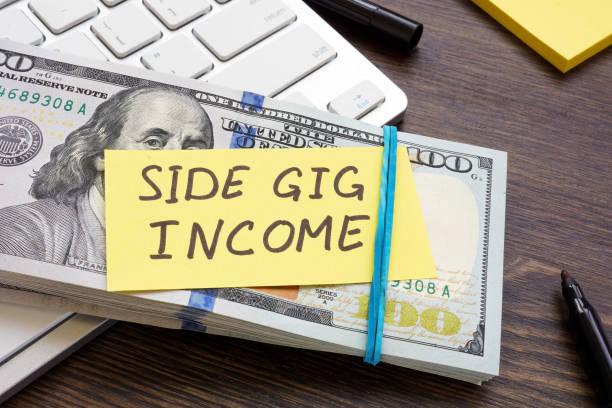
With tighter budgets and higher living costs in many regions, people are treating financial health like a lifestyle, prioritizing budgeting apps, emergency funds, low-buy challenges, and side income. The gig economy and creator platforms make supplementary earnings more accessible, and public conversation now normalizes multiple income streams as part of everyday financial resilience. This practical focus affects consumption, travel choices, and how people value time versus money.
16. DIY, Skills Learning, and the Maker Mindset
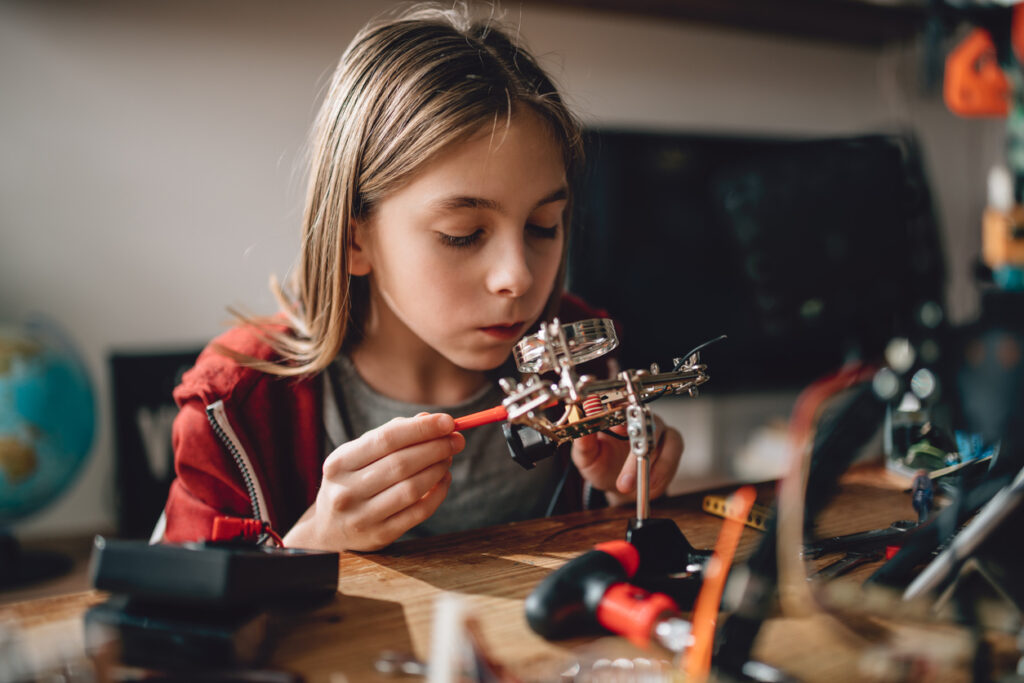
People increasingly invest time in learning practical skills, cooking, basic repairs, digital creation, or craft trades, using short online courses, community workshops, and maker spaces. This hands-on, skill-building lifestyle delivers creative satisfaction, cost savings, and new income possibilities. Employers and platforms are supporting micro-credentials and modular learning paths, and learners expect bite-sized, personalized content that translates to real-world ability.
17. Co-Living and Community-Minded Housing
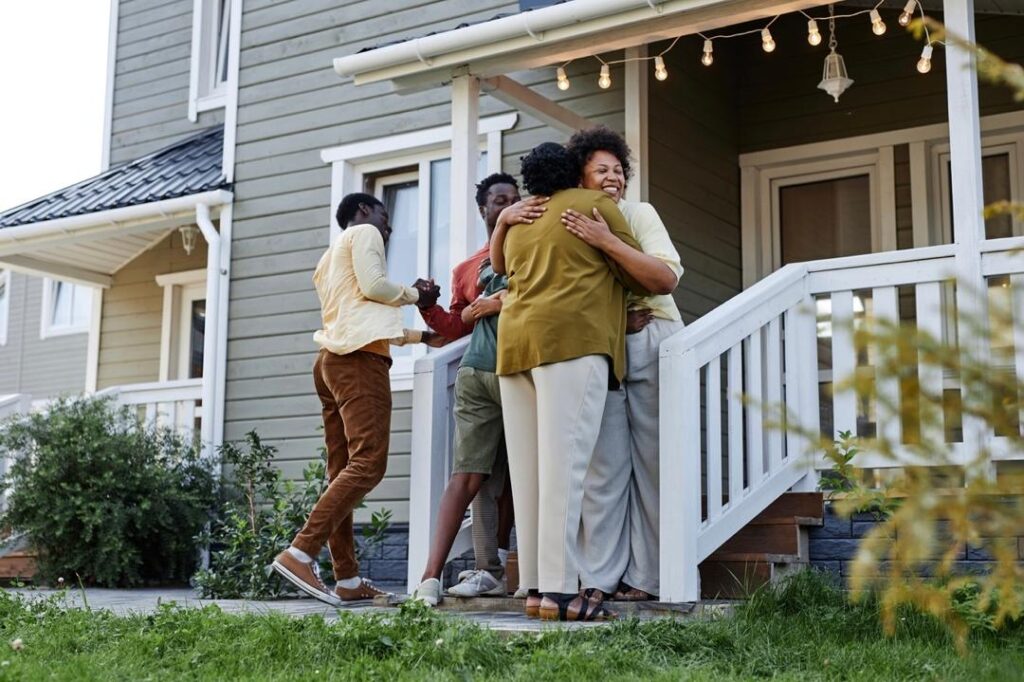
Rising housing costs, shifting social preferences, and the search for convenience are driving growth in co-living and shared housing models, especially for students and young professionals. Co-living spaces bundle services, community events, and flexible leases, making them attractive alternatives to solitary renting. Market reports show the sector expanding rapidly, as operators tailor offers for affordability, social connection, and short-term flexibility. Expect co-living to become a lasting housing segment in dense urban areas.
18. Experiential Home Entertainment
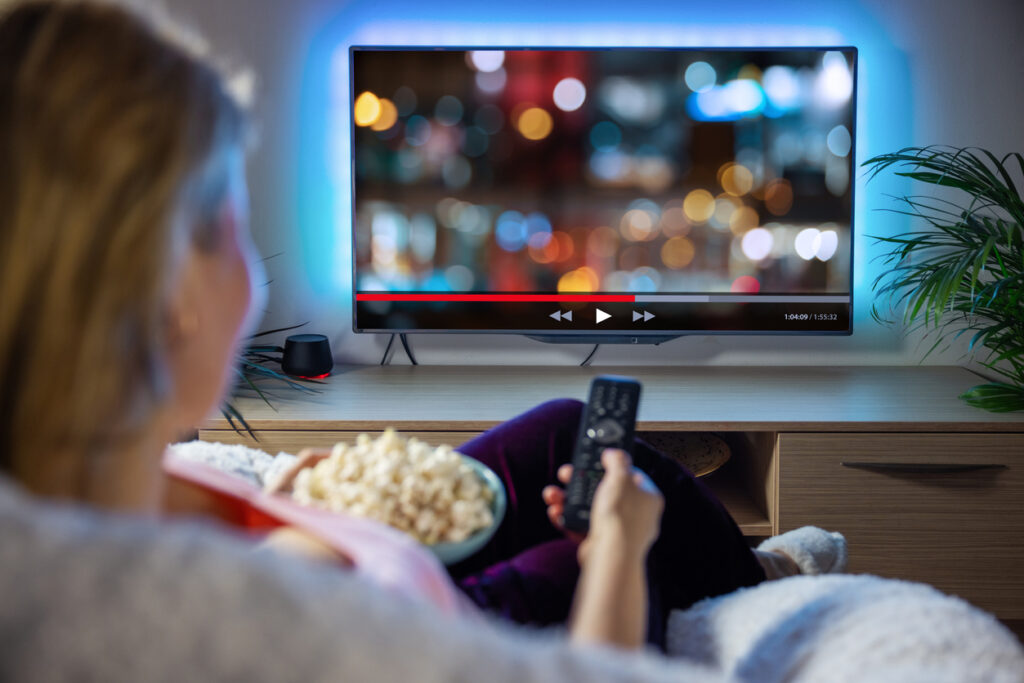
As people spend more time at home and seek memorable shared moments, homes are becoming entertainment hubs: big screens, spatial audio, hybrid live-stream events, and immersive gaming are elevating at-home experiences. The home-entertainment market is growing, and companies push higher fidelity and integrated solutions that make “going out” optional for certain experiences. At the same time, creators blend live experiences with at-home participation, blurring lines between venue and living room.


