
1. Apple 1984

It feels like opening an old scrapbook and spotting clues the future was already forming. Apple 1984 did that so quietly. The Super Bowl ad pictured a lone runner breaking a gray world while a voice promised 1984 would not be like the book. People did not fully understand it at first, yet it hinted at personal computers becoming friendly and personal. Looking back, it almost reads like a simple invitation to think differently and to imagine technology as something that could set us free that still shapes how we live and work today everywhere we go each passing year
2. Lemmings
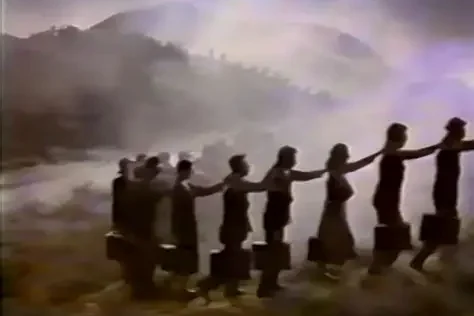
After that bold start came Lemmings, another Apple commercial that tried to warn us about following the crowd. In the ad, workers marched toward a cliff while a narrator invited businesses to consider new tools instead of old routines. The message was sharp and maybe uncomfortable, yet it carried an idea we know well now. Innovation asks people to stop moving on autopilot. Even though the campaign upset viewers, it hinted that technology would challenge habits and push offices toward smarter systems that make sharing, planning, communication, and everyday problem solving simpler for teams everywhere as time keeps moving forward
3. You Will
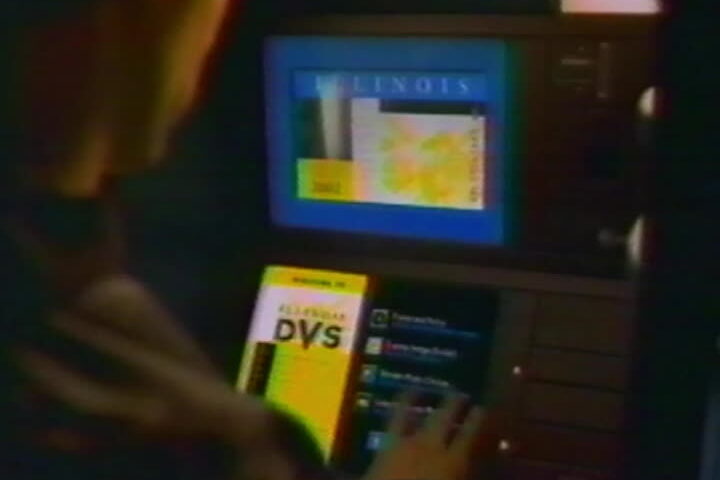
AT and T launched the You Will series with gentle questions about what life might one day feel like. Each scene showed ordinary people using screens to learn, travel, shop, and talk without barriers. The promise sounded calm and confident, almost like a friend saying it will happen. Viewers saw libraries online, cars paying tolls, video meetings, and smart services that followed them anywhere. Many of those dreams are now routine parts of daily life. The ads did not sell one gadget. They invited us to picture a connected future and quietly believe it could happen for families across generations
4. The Futures Bright the Futures Orange
It is interesting how slogans sometimes feel like small predictions. When the mobile company promoted The Futures Bright The Futures Orange, it hinted at phones becoming central to modern life. The ads pictured people staying connected wherever they went, with color, style, and a sense of possibility. At the time, mobile calls still felt special. Now our phones handle messages, photos, payments, and directions. That simple promise about a bright future captured the excitement of communication becoming personal and portable. Looking back, the line sounds almost gentle, yet it pointed toward the world we carry in our pockets each day
5. Picturephone
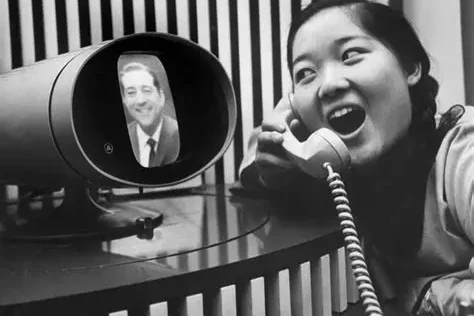
Long before video chats became normal, Bell promoted Picturephone as a glimpse of tomorrow. Families were shown talking face to face across distance, sharing moments that ordinary calls could not capture. The idea felt magical, yet complicated and expensive. People wondered if anyone truly needed to be seen while talking. Time answered that question. Today we meet, learn, worship, and celebrate through screens. The dream of seeing loved ones when we cannot travel has become part of everyday life. Picturephone arrived too early, but its message planted a seed and helped people imagine closeness in new ways for the future
6. Think Different
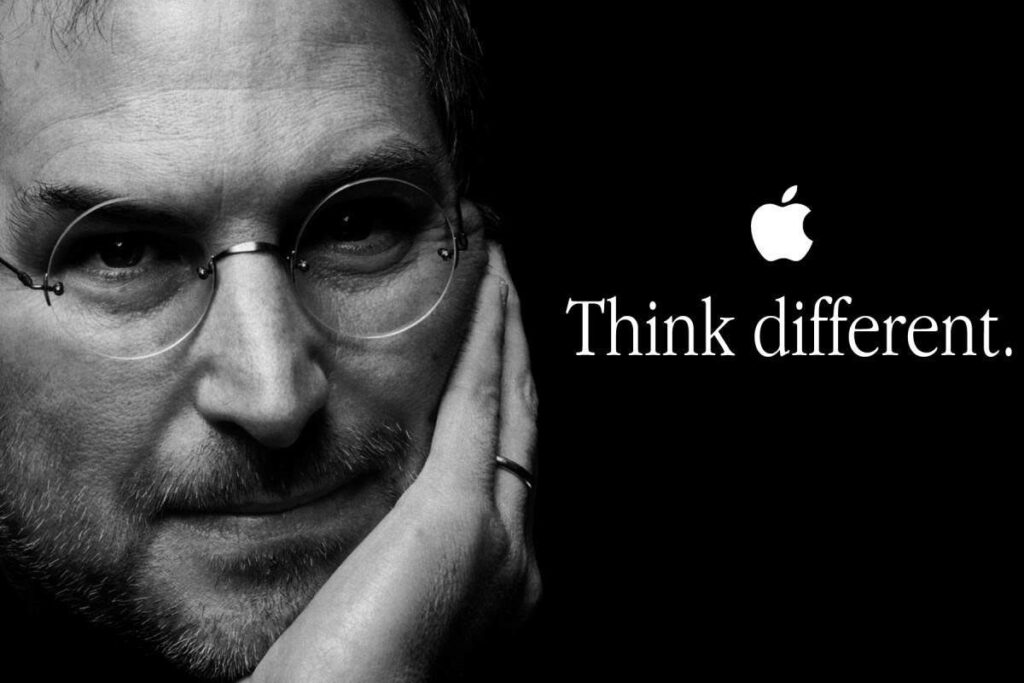
When Apple introduced Think Different, it spoke to dreamers and builders rather than listing product features. The campaign celebrated inventors, artists, and risk takers, suggesting that imagination could change daily life. It did not predict a single device, yet it encouraged people to see technology as a creative partner. That outlook quietly pointed toward a world filled with apps, digital art, and tools that help ordinary voices be heard. The message felt simple and human. Honor the ones who see things another way, because tomorrow often begins with a new idea shared at the right moment in everyday human lives
7. A Diamond Is Forever

De Beers introduced A Diamond Is Forever and changed how people talked about love and commitment. The ad did not predict gadgets or machines. It imagined a future where relationships would be marked by symbolic purchases that last. Over time the idea shaped traditions, expectations, and celebrations around marriage. It also hinted at how marketing could redefine personal milestones and create meaning that travels across generations. Looking back, the campaign shows how powerful stories can guide culture in quiet ways. What began as an ad became a social ritual that still influences proposals around the world in many gentle moments
8. Reach Out and Touch Someone
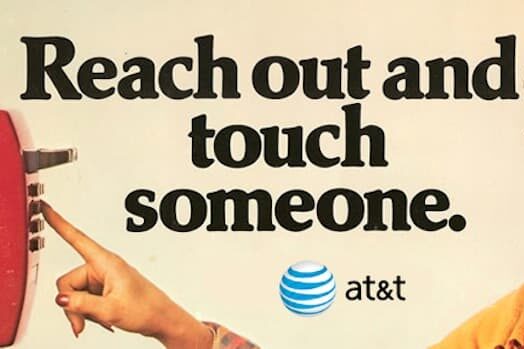
The phrase Reach Out and Touch Someone invited families to make long distance calls feel warm and personal. The idea suggested that technology could build emotional bridges, not just send voices across wires. It encouraged people to call more often and treat distance as a smaller obstacle. Looking back, it hinted at messaging, video, and constant contact that fills our days now. The campaign captured the human side of communication and made connection feel like an act of care. It predicted a culture where staying close is easier, even when our lives move in different directions across time and seasons
9. Have a Break, Have a KitKat
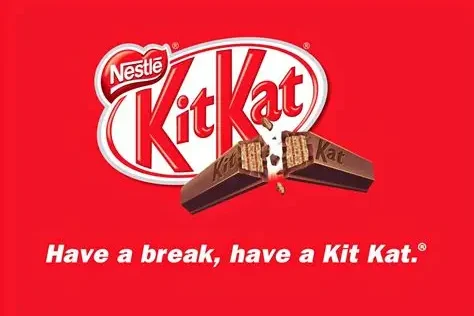
Have a Break Have a KitKat turned a simple snack into a reminder to pause. The slogan encouraged workers and students to step away from tasks for a moment of rest. In a way, it anticipated the modern idea of balance and mental recharge. Today we talk about wellness, burnout, and mindful breaks. That small invitation to stop for chocolate quietly reflected a future where people would value time off as much as productivity. The ad made the pause itself memorable and familiar, showing how simple routines can shape healthier habits over years for families workers students everywhere every single
10. Think Small
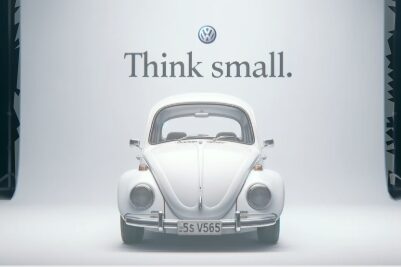
Volkswagen asked drivers to Think Small at a time when cars were getting bigger. The ad turned humility into appeal and made people question what they really needed from a vehicle. In doing so, it hinted at later trends toward efficiency, sustainability, and simple design. The message suggested that less can sometimes feel smarter and more joyful. Today we see compact cars, fuel saving models, and thoughtful minimal design across many products. That early invitation to rethink size helped people imagine a future where practicality could be desirable in homes cities trips commutes and everyday choices for years to come
11. Got Milk?

Got Milk? arrived as a simple question, yet it shaped how we think about habits in ordinary kitchens. The campaign showed moments when people reached for food and discovered the glass was empty. It encouraged planning ahead, stocking up, and treating groceries as part of daily wellbeing. In a gentle way, it predicted our world of reminders, lists, and apps that help us manage the fridge. The joke was small, but the idea was big. Prepare before the moment comes. That mindset now guides how families shop, organize, and stay ready for whatever tomorrow happens to bring for us all
12. Where’s the Beef

Where’s the Beef became a playful question from a fast food commercial, but it carried an idea that still feels relevant. Viewers laughed as an older woman searched for real substance inside a giant bun. The phrase traveled into everyday conversation and eventually into politics and business. In a quiet way, it predicted a culture that asks companies to prove quality, transparency, and value. Today people read labels, compare reviews, and expect honesty before they buy. That tiny joke about a small patty encouraged generations to look deeper and ask better questions whenever promises sound bigger than the reality today
13. Just Do It
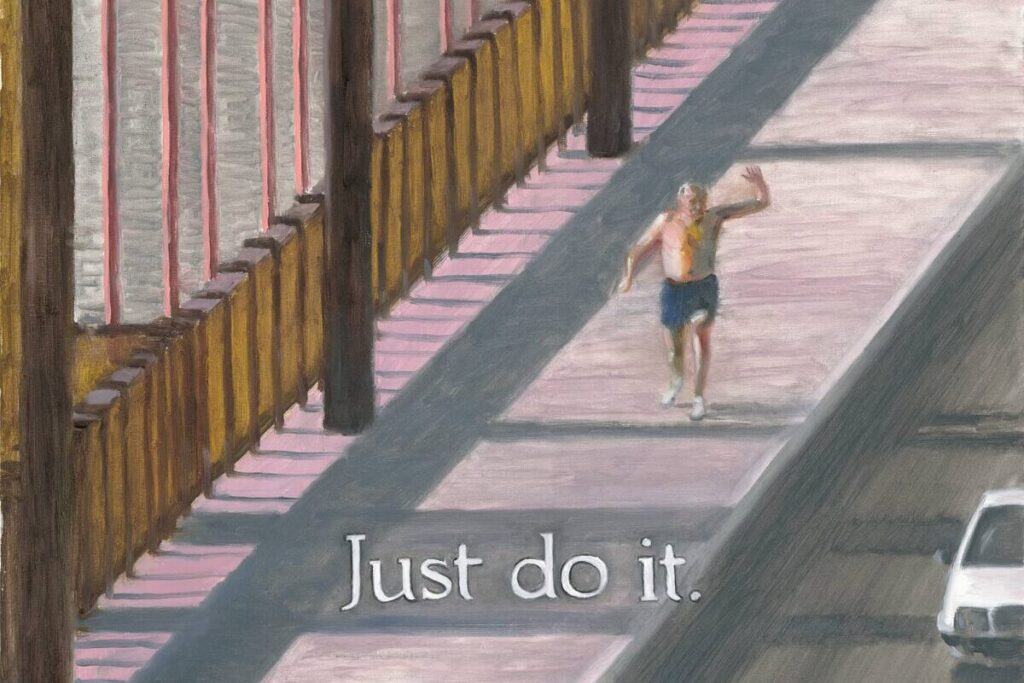
Just Do It sounded like a push toward movement, but it also hinted at a future mindset. The simple phrase encouraged people to begin, even when conditions were not perfect. Over time it inspired athletes, students, creators, and everyday workers to trust small steps. In a broader sense, it predicted our culture of motivation tools, goal tracking, and fitness apps that follow our progress. The message reminded us that action builds confidence. It simplified big dreams into first moments that start right where we are. That spirit still shapes how many of us approach change, growth, and personal resilience today
14. The Man Your Man Could Smell Like
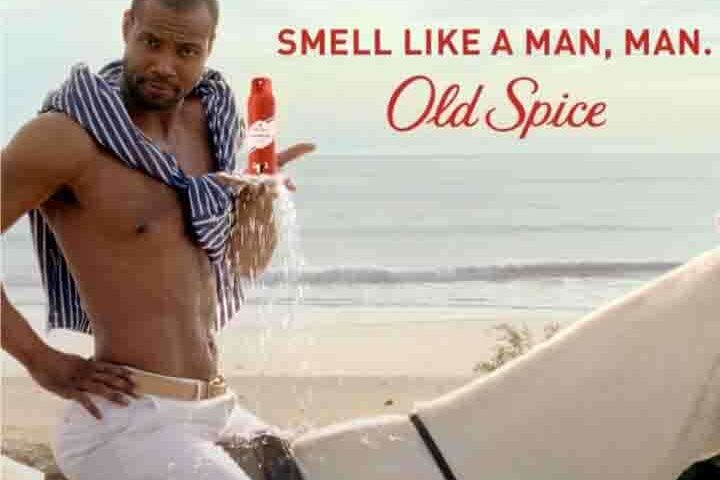
The Man Your Man Could Smell Like appeared playful and surprising, yet it hinted at how branding would evolve. Instead of listing product features, the commercial told a funny story and invited viewers into a personality. That style predicted a future where ads feel like conversation, humor, and entertainment. Companies now build characters, social replies, and ongoing stories around everyday items. The Old Spice spot reminded audiences that identity matters, even for soap. It showed how confidence and imagination could turn a routine purchase into something memorable, shaping the way modern campaigns talk, joke, connect, and stay with people everywhere
15. Because You’re Worth It

Because You’re Worth It arrived with a gentle message about self respect. Instead of focusing only on the product, the campaign encouraged women to see beauty as confidence and personal choice. In its own quiet way, it predicted conversations we hear now about self expression, empowerment, and identity. The phrase traveled beyond hair color and became part of everyday language. It suggested that marketing could affirm people rather than simply persuade them. Looking back, it feels like a bridge toward a future where consumers expect brands to speak with care and meaning while honoring individual dignity in daily life today
16. I Want My MTV
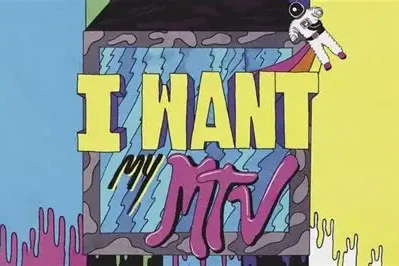
I Want My MTV became a rallying cry for music television and hinted at the rise of audience control. The slogan encouraged viewers to call their cable companies and ask for access. That invitation flipped the power dynamic and predicted a world where people choose what to watch and when. Streaming, playlists, and personalized media all echo that early demand. The ad showed that entertainment could respond to the viewer instead of dictating the schedule. It was catchy and bold, but it also opened a door to participation that feels completely normal now in homes, phones, and families everywhere today
17. The Pepsi Generation
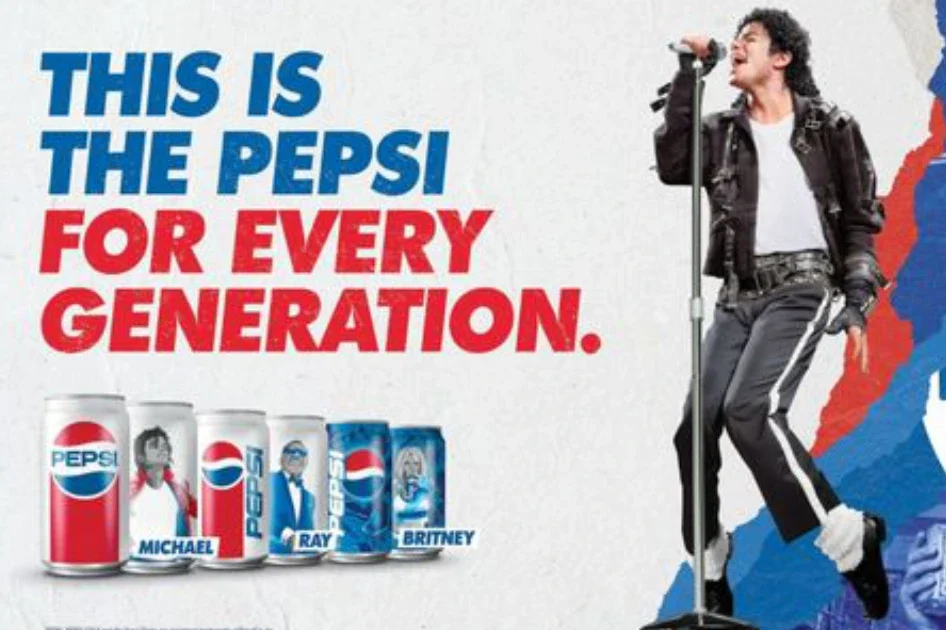
The Pepsi Generation positioned soda as a symbol of youth and possibility. Instead of only selling taste, the campaign linked the drink to lifestyle, music, and energy. In doing so, it predicted the future of branding where products become part of identity. Today we see communities built around sportswear, tech devices, and favorite foods. The idea suggested that people enjoy belonging as much as buying. That insight feels ordinary now, but at the time it was fresh. The Pepsi Generation helped shape marketing that speaks to how we live, not just what we consume, across moments large and small today
18. Share a Coke
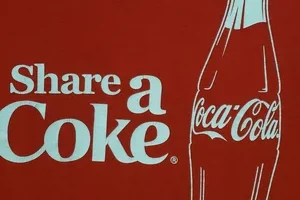
Share a Coke invited people to find bottles printed with names and give them to friends. It turned a simple purchase into a personal gesture. In many ways, it predicted the rise of customization and social sharing that defines so much of modern culture. People photographed their bottles, posted them online, and treated soda like a tiny celebration. The campaign showed how personal connection can lift an ordinary brand into memory. It encouraged kindness, recognition, and moments of fun. That spirit still influences how companies design products that feel unique to each person while making life a little brighter
19. This Buds for You
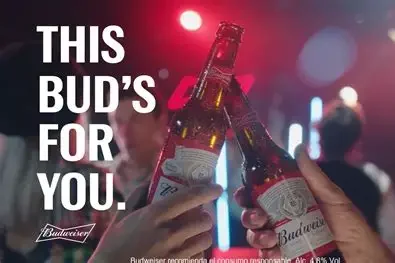
This Buds For You spoke directly to hardworking people and honored everyday effort. The message connected celebration with recognition, suggesting that small wins deserved a toast. In a quiet way, it predicted how brands would later focus on community, gratitude, and shared experience. The ad reminded viewers that identity could come from what they support and who they stand beside. Today we see campaigns built around appreciation, partnership, and belonging. That familiar line still echoes at games, gatherings, and weekend moments, showing how advertising can shape rituals that travel through time and gently stay part of ordinary life for many
20. Don’t Leave Home Without It
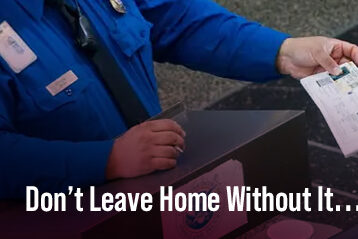
Don’t Leave Home Without It encouraged travelers to see a card as protection, identity, and help in uncertain moments. The phrase suggested that security could live inside a wallet. In a sense, it predicted the rise of digital payments, mobile wallets, and tools that support us wherever we go. The ad connected money with reassurance and responsibility rather than only spending. Today we tap, store tickets, manage trips, and solve problems from our phones. That quiet promise of being covered shaped expectations, and it gently hinted at a future where trust and technology travel together across journeys big and small


