
1. Honey for a Lingering Cough

Growing up, many of us learned early that a spoon of honey before bed meant comfort. It felt ordinary, almost casual, yet it worked more often than not. Honey helps soothe irritated throat tissue, coating dryness and calming that tickle that keeps you awake at night. Its natural antibacterial properties support the body while saliva production increases, easing discomfort naturally. Honey works best for mild coughs caused by irritation rather than serious illness. It is gentle, familiar, and easy to trust. Sometimes healing starts with something sweet, slow, and steady, reminding us that care does not always need to feel clinical to be effective.
2. Ginger for an Upset Stomach
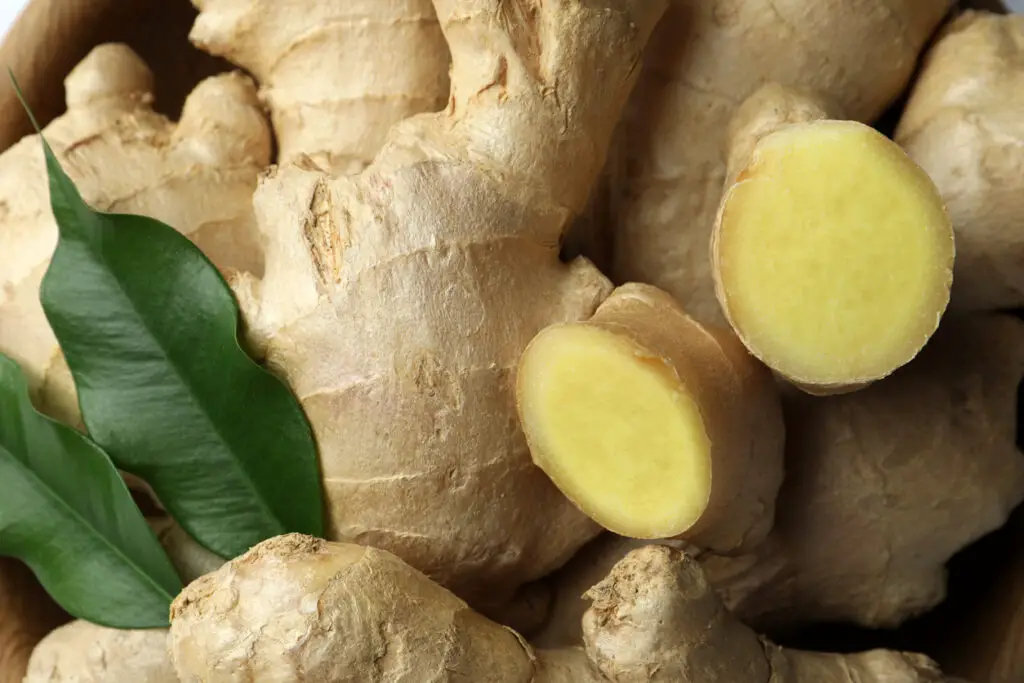
Ginger has always been the quiet hero for uneasy stomachs, whether from travel, stress, or nausea. Its warming nature helps relax digestive muscles, allowing food to move more comfortably through the system. Ginger encourages stomach emptying and reduces that unsettled feeling that lingers too long. Many people sip it slowly as tea or chew a small piece when discomfort begins. It does not overpower the body. It supports it. That balance makes ginger easy to return to again and again. It feels like a remedy you grow into, one that works best when you listen to your body and respond gently.
3. Saltwater Gargle for Throat Pain
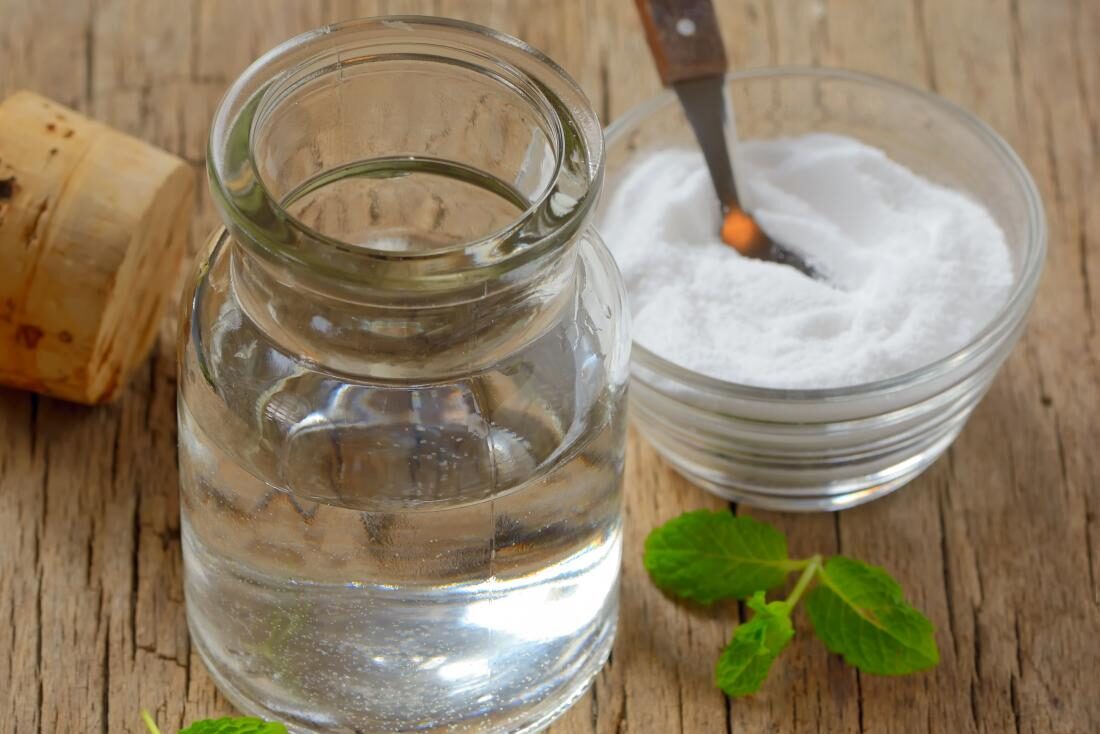
A sore throat often arrives quietly, then lingers louder than expected. Warm saltwater gargling has long been a go to solution because it helps reduce swelling and irritation. Salt draws excess fluid from inflamed tissue, easing discomfort while warmth encourages blood flow. This simple practice supports the body as it calms irritation naturally. It works especially well early, before soreness deepens. Gargling does not rush healing. It creates space for it. Many people appreciate how accessible it is, requiring little more than water and patience. It proves that relief can come from understanding the body rather than overpowering it.
4. Peppermint for Digestive Relief
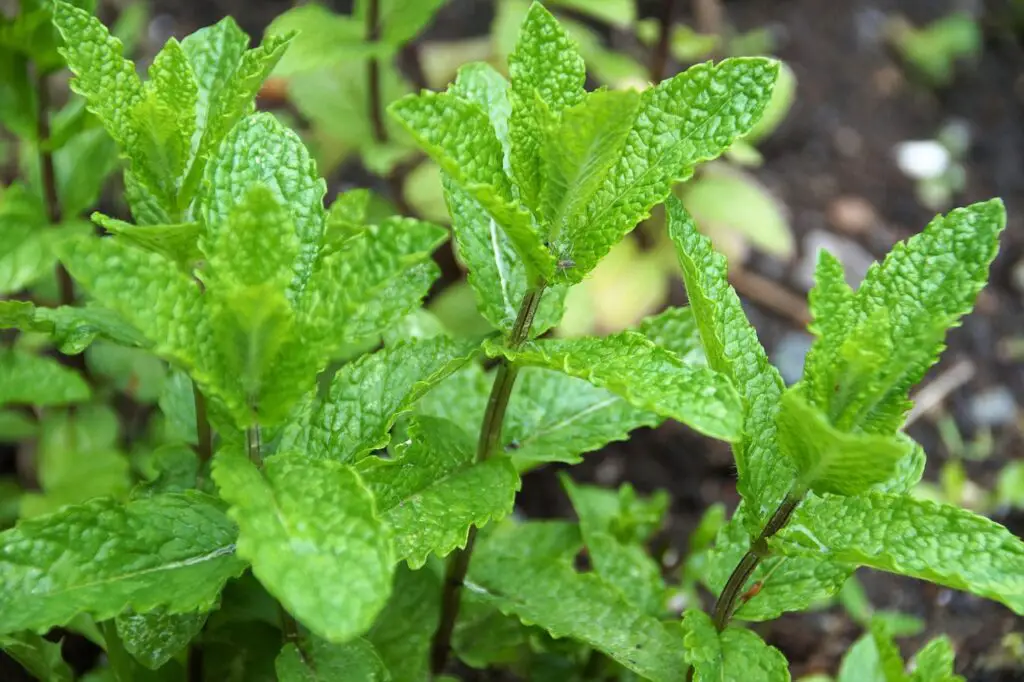
Peppermint tea often appears after heavy meals, and for good reason. Peppermint helps relax intestinal muscles, reducing cramping and gas that make digestion uncomfortable. Its cooling effect also brings a sense of calm that many people feel almost immediately. Drinking peppermint tea slowly allows the body to settle without pressure. It does not force digestion. It encourages ease. That gentleness makes it reliable for everyday discomfort. Peppermint feels less like treatment and more like care, something you choose for yourself rather than something prescribed. Over time, it becomes part of a rhythm, a small pause that helps digestion feel manageable again.
5. Oatmeal for Itchy Skin
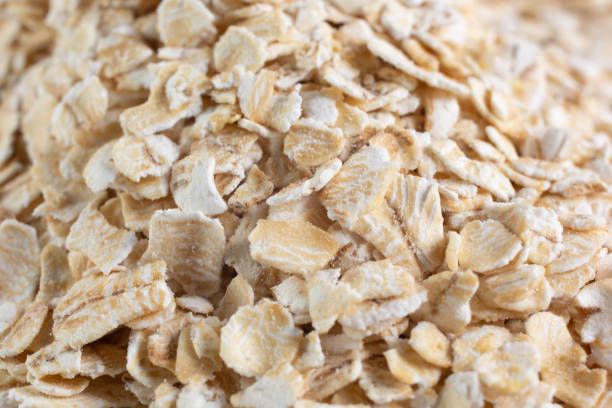
Oatmeal baths have soothed irritated skin for generations, especially when itching feels endless. Oatmeal helps calm inflammation and creates a protective layer that locks in moisture. This barrier reduces dryness while easing the urge to scratch. It works quietly, making skin feel supported rather than overwhelmed. Oatmeal is especially helpful for sensitive skin that reacts easily. Many people find comfort simply soaking, allowing warmth and softness to do their work. It reminds us that healing skin often responds best to kindness. When discomfort fades slowly instead of instantly, it feels more lasting. Oatmeal turns an ordinary ingredient into something deeply reassuring and familiar.
6. Garlic for Immune Strength
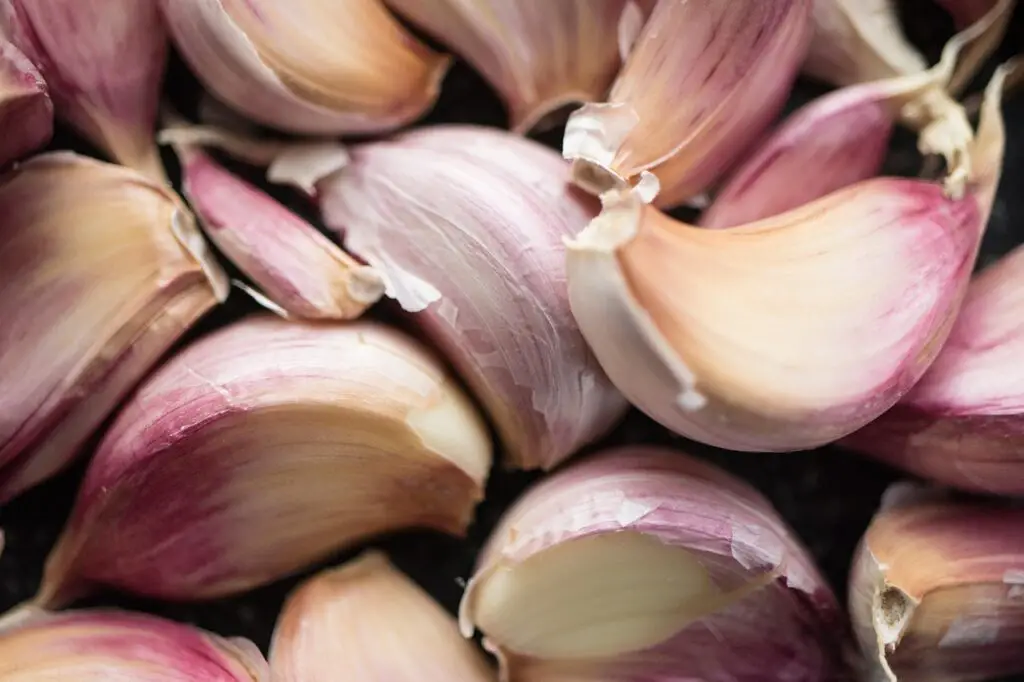
Garlic has always carried a reputation for strength, both in flavor and purpose. It supports immune health by helping the body respond more effectively to everyday threats. Regular use may help the body feel more resilient over time. Garlic works best as a habit rather than a quick fix, quietly supporting balance from within. Its bold aroma often warns of its potency, yet many still return to it willingly. Garlic feels honest. It does not promise miracles. It offers steady support. That reliability explains why it has remained a trusted kitchen remedy for so long, passed down as something that simply makes sense.
7. Warm Compress for Muscle Tension

When muscles feel tight or sore, warmth often feels instinctively right. A warm compress increases blood flow, helping muscles relax and stiffness ease. It encourages oxygen and nutrients to reach tired tissue, supporting recovery without force. Warmth also calms nerve endings, making pain feel less sharp and more manageable. This remedy works best for lingering tension rather than sudden injury. It invites the body to slow down. Many people find comfort in the routine itself, taking time to rest while warmth does its work. It reminds us that recovery does not always require action. Sometimes it requires allowing the body to soften.
8. Lemon Water for Gentle Hydration

Lemon water often becomes a habit without much thought, yet it supports hydration in a simple way. The citrus flavor encourages people to drink more water, which helps the body function smoothly. Lemon adds a small boost of freshness that can make hydration feel intentional rather than forced. It can also support digestion by stimulating saliva and gentle stomach activity. Lemon water is not dramatic. Its value lies in consistency. It supports the body quietly throughout the day. Over time, that steady hydration helps energy feel more balanced. It shows how small adjustments can improve how the body feels without adding complexity.
9. Chamomile for Restful Sleep
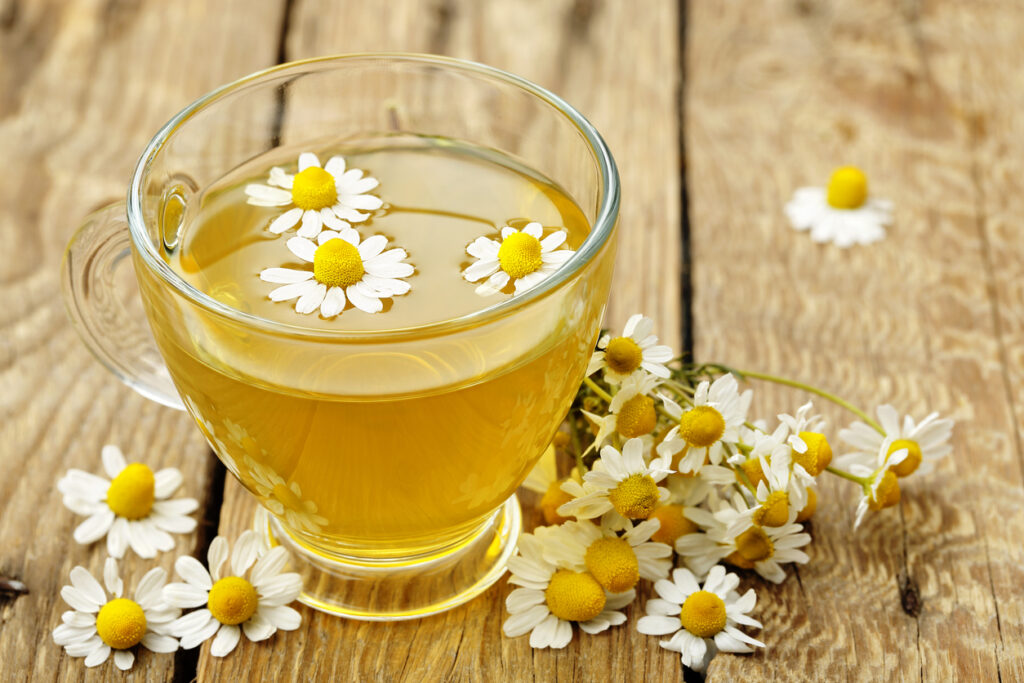
Chamomile tea often signals the end of the day, gently guiding the body toward rest. It supports relaxation by calming the nervous system and easing mild anxiety that can interfere with sleep. The warmth alone encourages stillness, while chamomile’s natural compounds help the mind slow down. It does not force sleep. It prepares for it. Many people find that making chamomile part of an evening routine helps the body recognize when it is time to unwind. This gentle transition matters. Sleep often comes easier when the body feels safe and unhurried. Chamomile offers that invitation quietly, cup by cup.
10. Turmeric for Everyday Inflammation
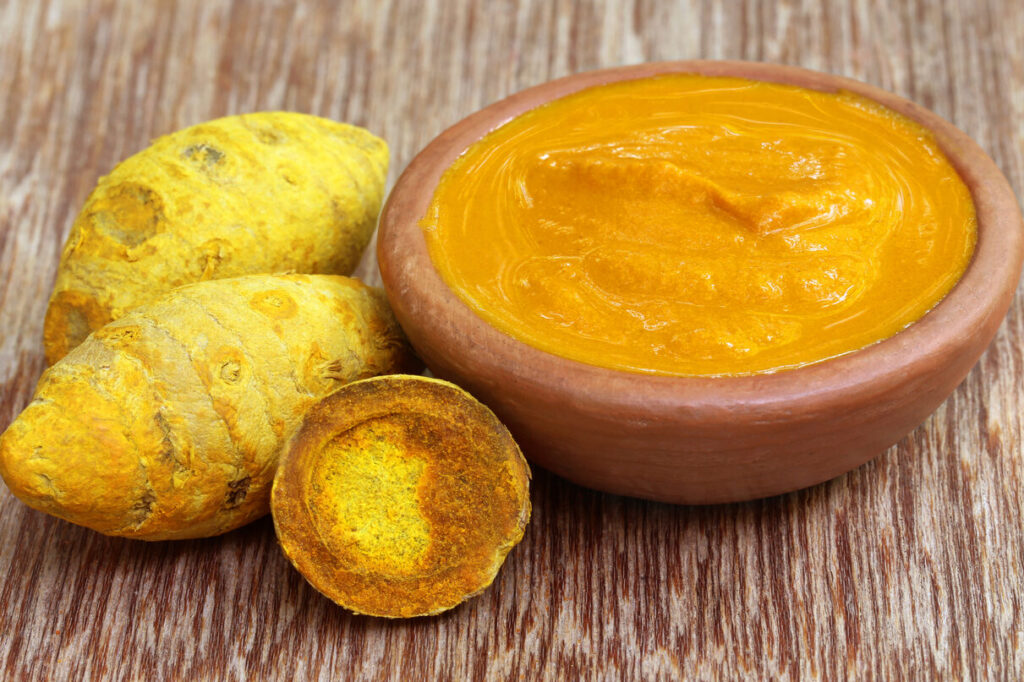
Turmeric has been valued for its grounding presence in food and wellness routines. It supports the body by helping manage everyday inflammation, especially when used consistently. Turmeric works gradually, encouraging balance rather than immediate relief. Many people enjoy it in warm drinks or meals, making it part of daily nourishment. Its strength lies in patience. Over time, turmeric supports joints and general comfort without demanding attention. It blends into routines easily, which helps consistency. That ease explains its lasting appeal. Healing often happens through repetition, not urgency. Turmeric reminds us that caring for the body can be slow, steady, and deeply rooted in tradition.
11. Apple Cider Vinegar for Blood Sugar Balance

Apple cider vinegar has long been used before meals, often in small diluted amounts. It helps slow digestion of carbohydrates, supporting steadier blood sugar responses. This gentle effect can be helpful when managing energy levels throughout the day. Apple cider vinegar is not meant for large amounts. Its strength encourages moderation and awareness. Many people appreciate how it fits into mindful eating habits. It becomes less about the vinegar itself and more about paying attention to how the body responds to food. That awareness can lead to healthier patterns over time. This remedy works best when paired with consistency, patience, and a balanced approach.
12. Aloe Vera for Minor Skin Burns
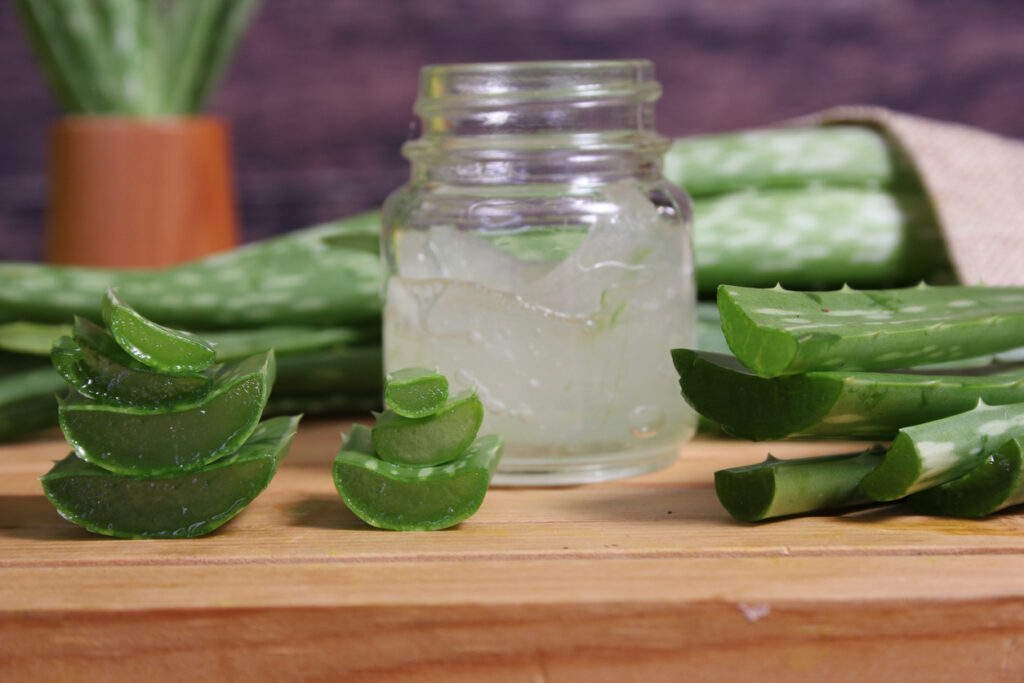
Aloe vera has always been a trusted comfort for irritated skin. Its cooling sensation helps soothe pain while supporting the skin’s natural repair process. Aloe keeps skin hydrated, which reduces dryness and peeling during healing. It feels calming rather than harsh, making it ideal for mild burns or sun exposure. Many people keep it nearby because it works quickly and gently. Aloe does not overwhelm damaged skin. It protects and supports it. That balance explains why it remains a household staple. It offers reassurance in moments of discomfort, reminding us that some of the most effective care comes from simple, plant based support.
13. Baking Soda for Mild Heartburn

Baking soda has long been used for occasional heartburn because it helps neutralize excess stomach acid. When mixed carefully with water, it can reduce that burning sensation temporarily. It works quickly, which makes it appealing during sudden discomfort. This remedy is best used sparingly and with awareness. Its effectiveness lies in moderation. Many people appreciate having a simple option available without overthinking. Baking soda does not replace long term solutions, but it offers short term comfort when needed. It reflects a practical approach to care, using basic knowledge to restore balance. Sometimes relief comes from understanding rather than complexity.
14. Cold Compress for Swelling and Pain

Cold compresses are often the first response to swelling, and for good reason. Cold helps reduce inflammation by constricting blood vessels, limiting fluid buildup in tissues. It also numbs the area slightly, easing pain signals. This remedy works best soon after injury or irritation begins. Applied gently and briefly, cold supports the body’s natural response to stress. Many people find reassurance in how immediate it feels. Cold compresses do not solve everything, but they create space for healing to begin. They remind us that timing matters. Knowing when to cool the body can be just as important as knowing when to warm it.
15. Yogurt for Digestive Balance

Yogurt has long been linked to digestion, often eaten without much ceremony. It supports gut balance by introducing beneficial bacteria that help digestion feel smoother over time. Regular consumption can support comfort, immunity, and nutrient absorption. Yogurt works quietly, strengthening the digestive system rather than reacting to symptoms. Many people find that consistency matters more than quantity. Choosing simple varieties helps keep the focus on nourishment. This remedy feels like a daily companion rather than a solution pulled out only when something feels wrong.
16. Warm Milk for Easier Sleep

Warm milk before bed feels nostalgic and calming. Milk contains tryptophan and calcium which support the body’s natural sleep rhythm. Warmth also encourages relaxation, helping muscles loosen and breathing slow. This combination makes drifting off feel easier without forcing sleep. Many people find the ritual itself just as helpful as the drink. Sitting quietly, sipping slowly, signals the day is ending. It becomes a cue the body learns to recognize. This remedy works best when paired with consistent bedtime habits. It does not promise instant sleep, but it encourages readiness. Sometimes rest arrives when comfort and routine work together gently.
17. Cinnamon for Blood Sugar Support
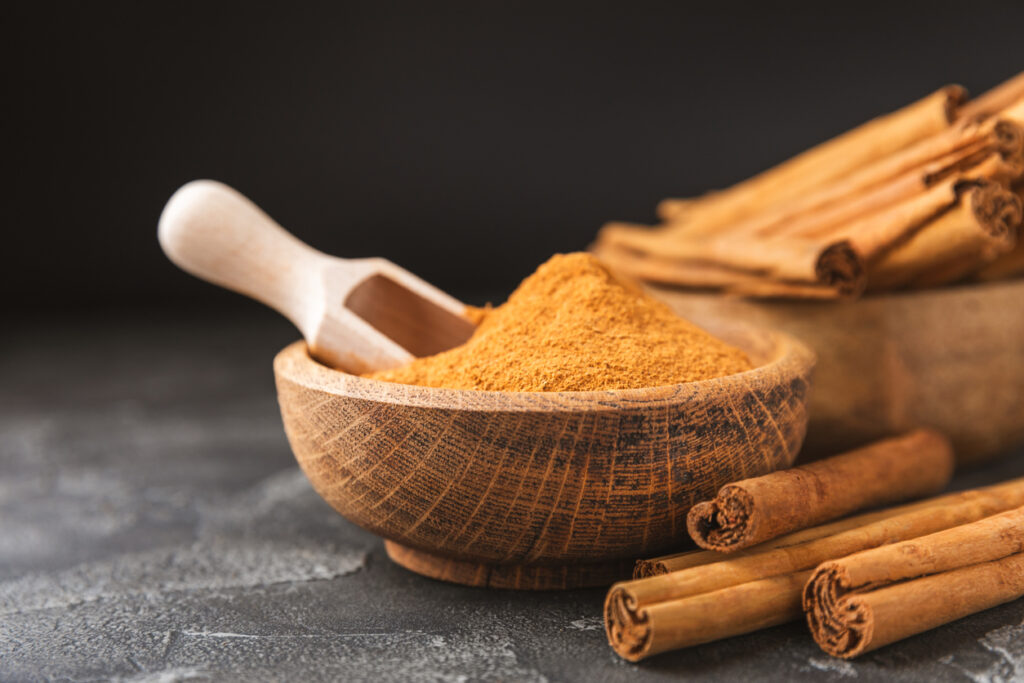
Cinnamon often shows up quietly in kitchens, yet it plays a helpful role in daily balance. It supports how the body responds to sugar by improving insulin sensitivity over time. Many people sprinkle it into meals or drinks without much thought. That ease makes consistency possible. Cinnamon does not work loudly or quickly. It supports steadiness instead. Its warmth also adds comfort, making healthy choices feel less restrictive. Over time, small habits like this can influence how energy feels throughout the day. Cinnamon reminds us that care does not need to be complicated. Sometimes subtle support, repeated often, shapes how the body responds more than drastic changes ever could.
18. Cloves for Tooth Discomfort
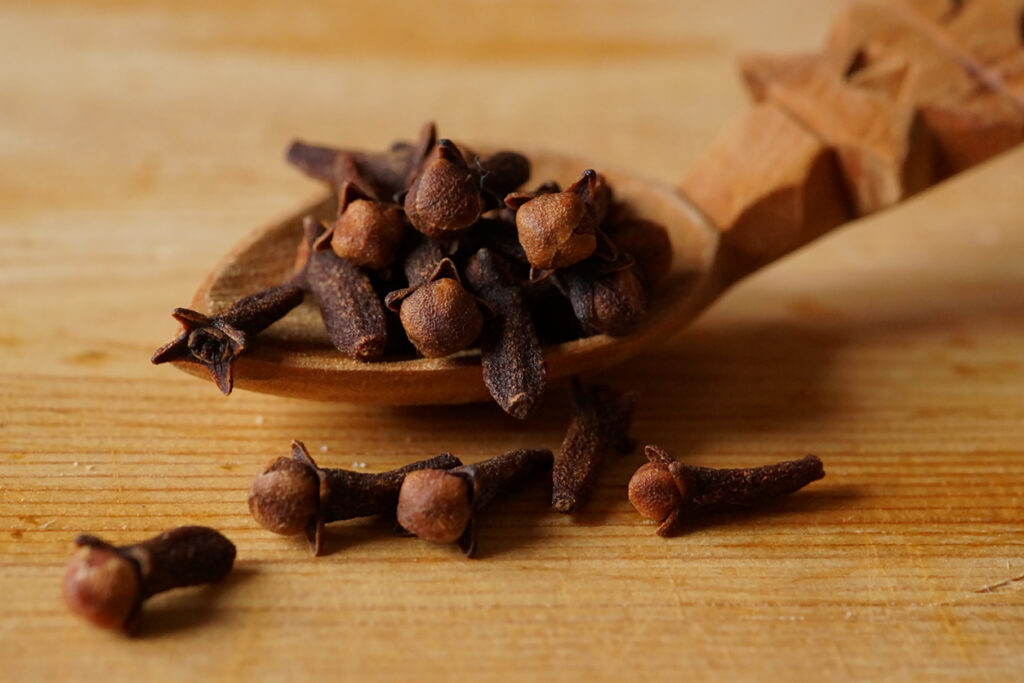
Cloves have long been used for tooth discomfort, especially when pain appears suddenly. They contain natural compounds that create a numbing sensation when applied gently. This can help reduce discomfort until proper dental care is available. Many people use clove oil sparingly or hold a softened clove near the affected area. The relief is temporary but noticeable. Cloves work best as a short term comfort measure rather than a solution. Their strong scent often signals their potency. This remedy reflects a practical approach to pain, using what is available to restore calm. Sometimes easing discomfort allows the body and mind to settle enough to rest.
19. Rice Water for Digestive Calm
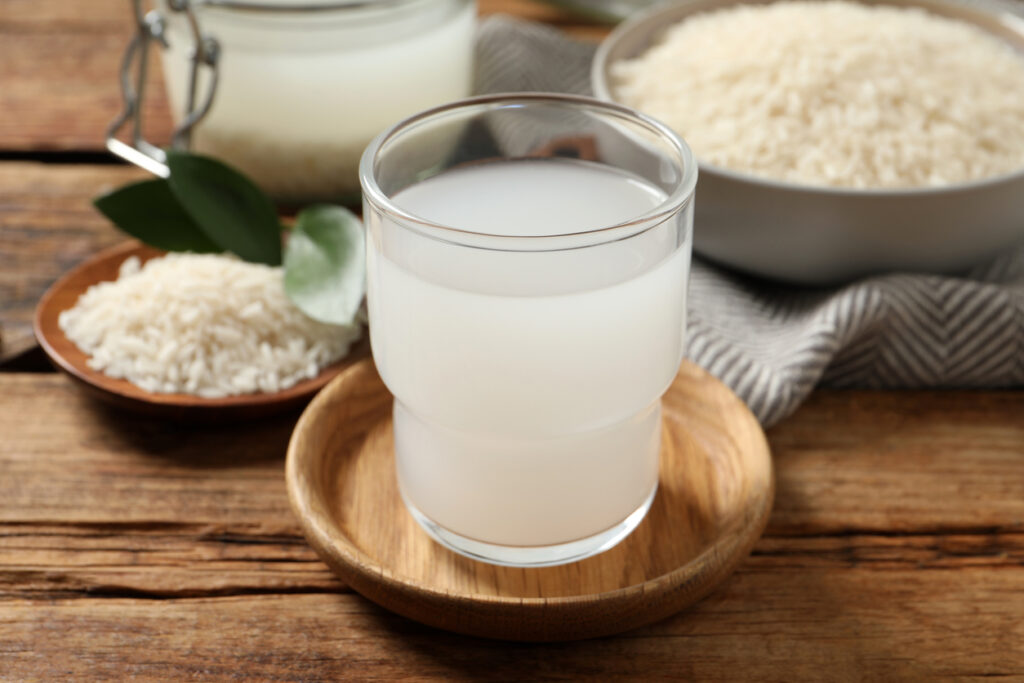
Rice water has been used quietly for generations, especially during digestive upset. It helps soothe the stomach by providing gentle nourishment that is easy to absorb. Rice water supports hydration while calming irritation in the digestive tract. Many people find it comforting when appetite feels low. Its mild nature makes it approachable during recovery. This remedy does not overwhelm digestion. It supports it slowly. Rice water works best when the body needs rest rather than stimulation. It reflects a patient approach to healing, allowing the system to regain strength gradually. Sometimes simplicity offers the most relief when digestion feels fragile and uncertain.
20. Epsom Salt Baths for Muscle Relaxation
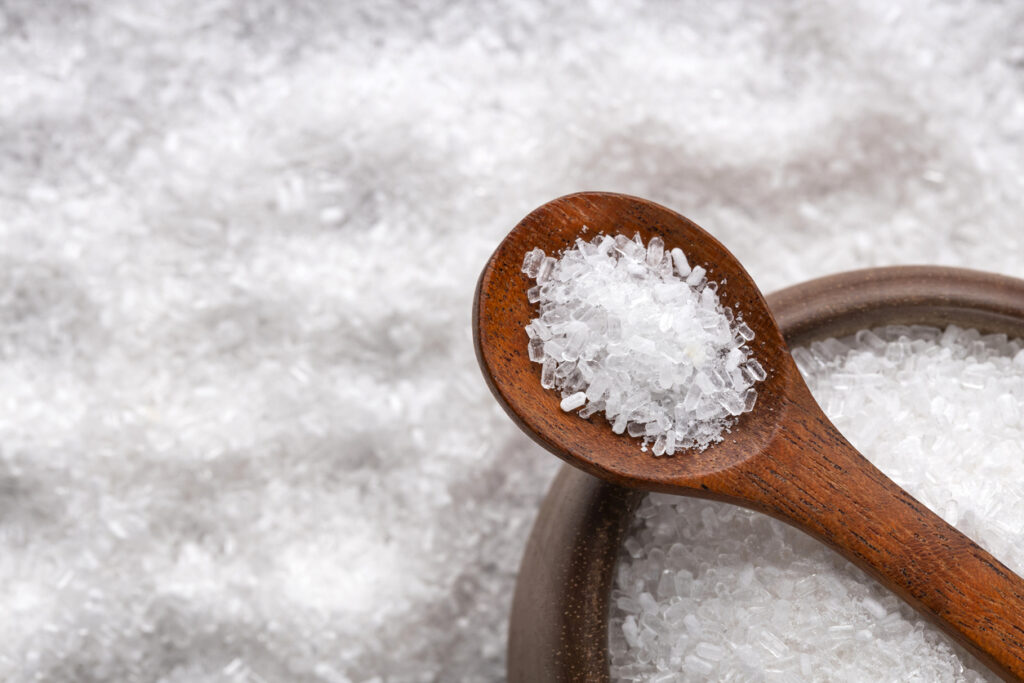
Epsom salt baths often feel like a small luxury, yet they serve a practical purpose. Warm water combined with Epsom salt helps muscles relax and tension release. Magnesium in the salt supports calmness, making the body feel less tight after long days. Many people use this remedy after physical strain or stress. Soaking encourages stillness, giving the nervous system time to settle. This is not about rushing recovery. It is about creating space for it. Epsom salt baths work best when taken without distraction. They remind us that rest can be active care. Sometimes slowing down allows the body to recover more fully.
21. Cucumber for Mild Skin Puffiness

Cucumber slices often appear on tired eyes for good reason. Cucumbers contain water and natural compounds that help reduce puffiness and soothe irritated skin. Their cool temperature also supports calm, making swelling feel less intense. Many people enjoy the quiet ritual of resting with cucumbers, even briefly. The effect feels refreshing rather than dramatic. This remedy works best when puffiness comes from fatigue or fluid retention. It does not promise transformation. It offers relief. Cucumbers remind us that care can feel gentle and light. Sometimes tending to small discomforts improves how we feel more than chasing perfection ever could.
22. Mint Leaves for Head Tension
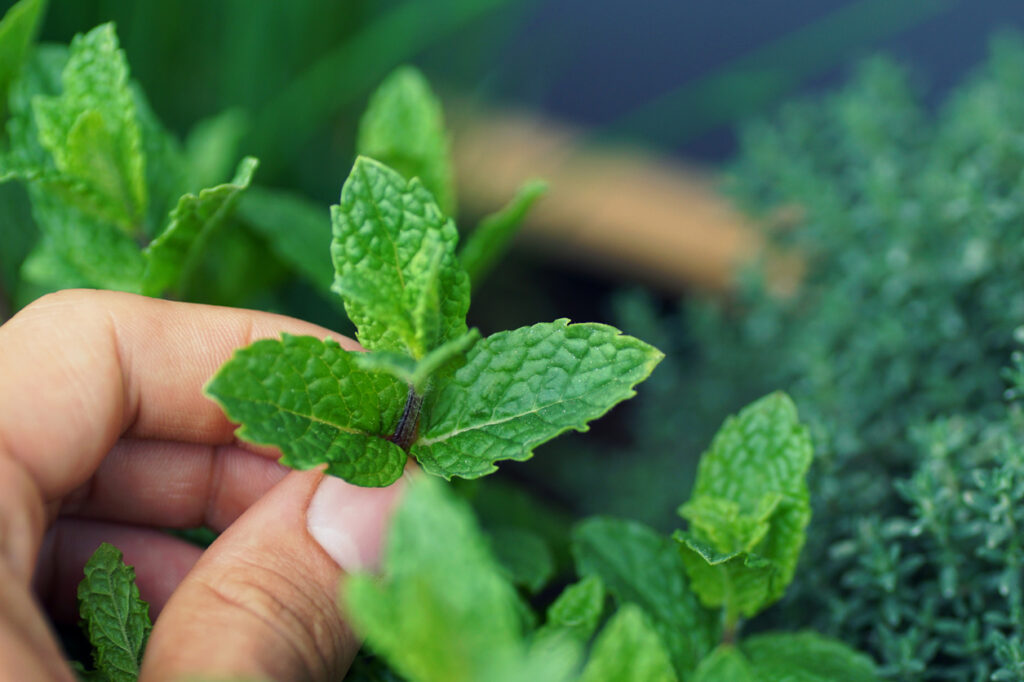
Mint leaves have long been associated with freshness and clarity. When used gently, they can help ease head tension by promoting relaxation. Mint’s natural cooling effect feels calming when the head feels heavy or overstimulated. Some people inhale the scent or apply diluted mint preparations carefully. The relief often feels subtle but grounding. Mint works best when tension builds slowly rather than suddenly. It encourages a pause, allowing breathing to slow. This remedy is less about eliminating discomfort and more about easing it. Mint reminds us that sensory comfort can influence how the body processes stress and tension throughout the day.
23. Fennel Seeds for Bloating
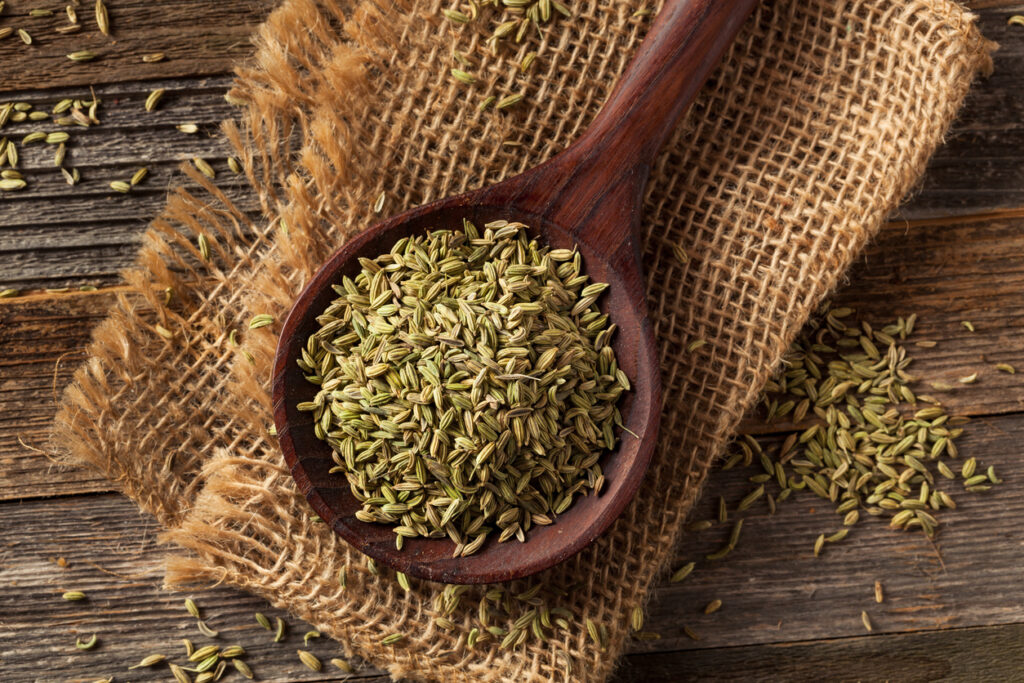
Fennel seeds often follow meals in quiet routines, especially when digestion feels sluggish. They help relax digestive muscles, reducing bloating and gas. Chewing them slowly encourages saliva production, supporting digestion naturally. Many people enjoy the mild sweetness, which makes this habit easy to maintain. Fennel does not rush the body. It encourages ease. Over time, this small practice can help meals feel more comfortable. Fennel seeds work best as part of mindful eating rather than a reaction to discomfort. They remind us that digestion benefits from attention and patience. Sometimes listening to the body’s rhythm helps it function more smoothly.
24. Onion for Chest Congestion
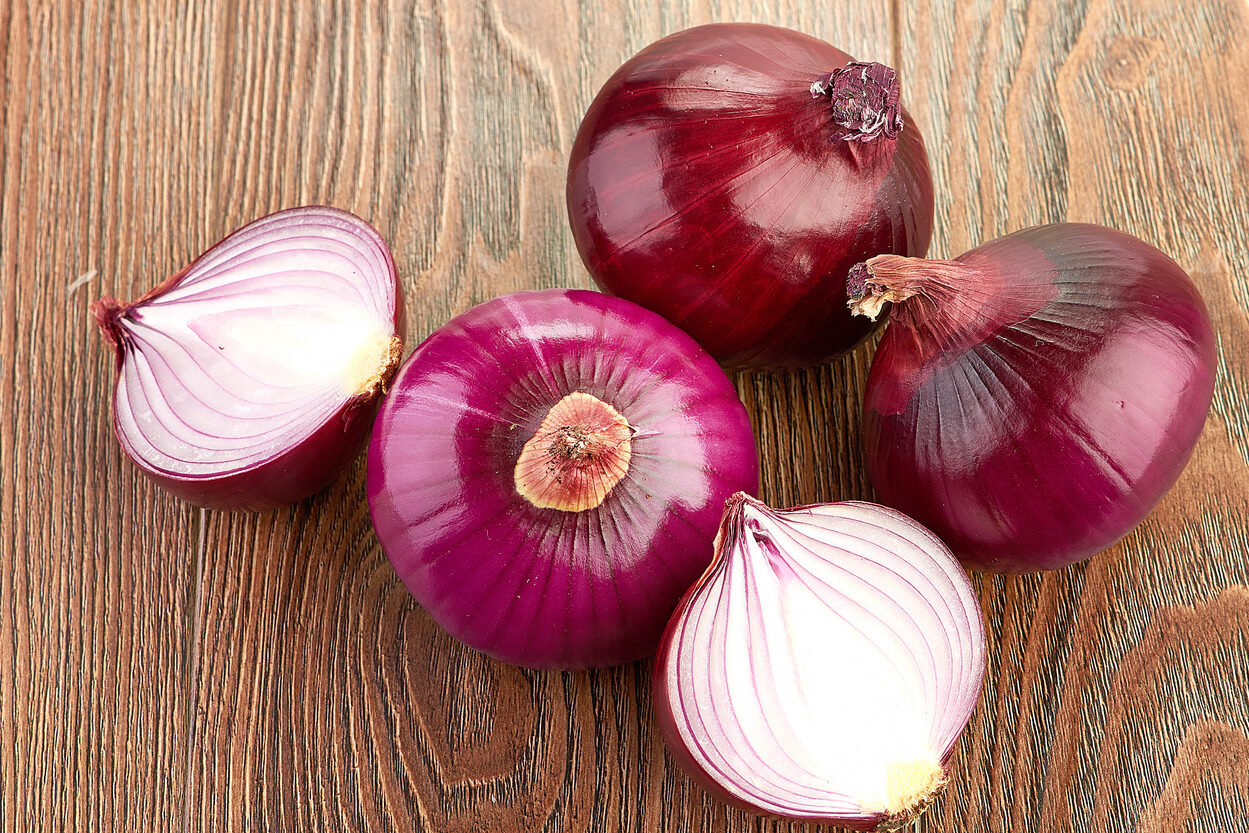
Onions have long been used to support breathing during chest congestion. Their natural compounds help loosen mucus, making coughs feel more productive. Some people place cut onions nearby or prepare them gently in food. The strong scent signals their potency. Onions work best when congestion feels thick and stubborn. They do not act instantly, but they support the body’s effort to clear airways. This remedy feels old fashioned because it is rooted in observation rather than convenience. Onions remind us that strong sensations often accompany effective support. Sometimes relief begins with allowing the body to release what it no longer needs.
25. Papaya for Digestive Enzymes

Papaya supports digestion through natural enzymes that help break down protein. Many people notice meals feel lighter when papaya is included regularly. Its gentle sweetness makes it easy to enjoy without effort. Papaya works best as part of routine nourishment rather than a response to discomfort. Over time, it supports smoother digestion and reduced heaviness after meals. This remedy feels less like treatment and more like care through food. Papaya reminds us that digestion thrives on consistency and balance. Sometimes what we eat quietly influences how the body feels long after the meal ends.
26. Carrot Soup for Recovery Strength

Carrot soup has often been served during recovery, especially when appetite feels fragile. Carrots provide gentle nourishment while being easy to digest. Warm soup supports hydration and comfort at the same time. Many people find strength returning slowly when simple foods are reintroduced. This remedy works best when the body needs rebuilding rather than stimulation. Carrot soup does not overwhelm. It supports. Its familiarity brings reassurance, which matters during healing. Sometimes recovery is not about speed. It is about choosing foods that respect the body’s pace. Carrot soup reflects patience, care, and the quiet rebuilding of strength.
27. Fenugreek for Blood Sugar Awareness
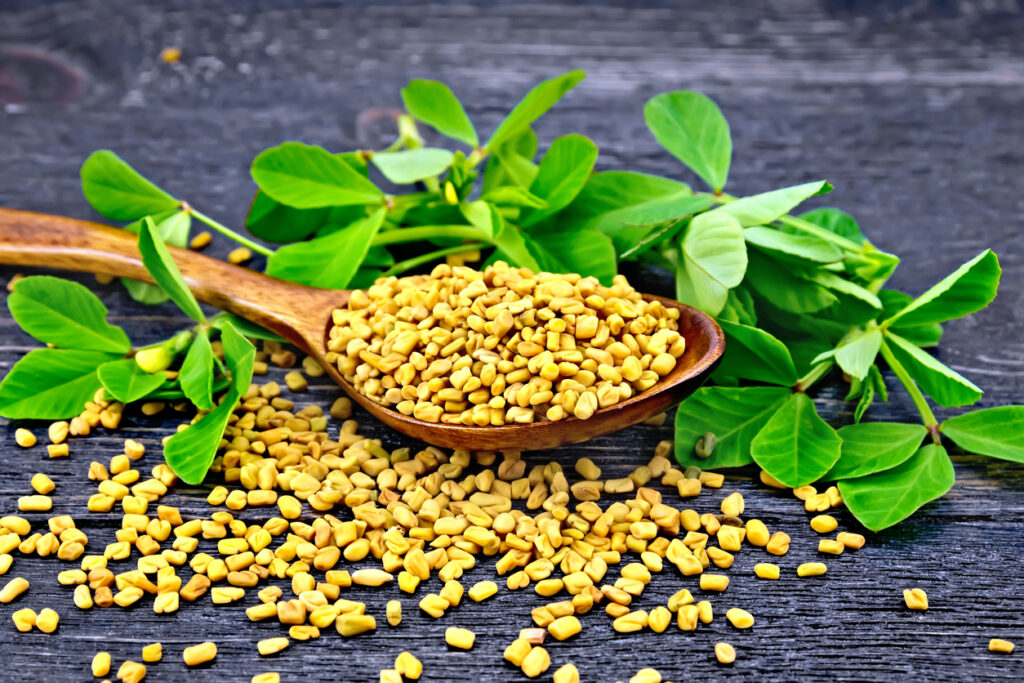
Fenugreek has long been included in meals for its supportive role in blood sugar balance. It helps slow carbohydrate absorption, encouraging steadier energy levels. Many people incorporate it into food without much thought. That simplicity supports consistency. Fenugreek does not replace medical care. It complements awareness. Over time, small adjustments like this can influence how the body responds to meals. Fenugreek works best when paired with mindful eating habits. It reflects an approach that values daily choices over drastic changes. Sometimes supporting balance begins with paying attention to what feels steady rather than what feels extreme.
28. Steam Inhalation for Nasal Comfort

Steam inhalation has long been used to ease nasal discomfort and congestion. Warm steam helps loosen mucus, making breathing feel easier. It also supports moisture in dry passages, reducing irritation. Many people find the process calming, especially during quiet moments. Steam works best when used gently and safely. It does not cure illness, but it supports comfort. This remedy encourages slowing down and breathing deeply. Steam inhalation reminds us that relief can come from warmth and patience. Sometimes creating a calm environment helps the body recover more easily than rushing toward solutions.
29. Raisins for Iron Support

Raisins have often been included in diets for quiet nourishment. They contain iron, supporting healthy blood levels when consumed regularly. Many people enjoy them as a snack or mixed into meals. Their sweetness makes them approachable. Raisins work best as part of balanced eating rather than a single fix. Over time, small nutritional choices like this can support energy and resilience. This remedy reflects how food often works subtly, building strength gradually. Raisins remind us that nourishment does not need to be complicated. Sometimes consistent, simple foods help the body maintain balance without drawing attention to themselves.
30. Rest for Overall Healing

Rest often feels underestimated, yet it supports every system in the body. When the body rests, repair processes work more effectively. Energy is redirected toward healing rather than constant output. Many traditional remedies worked partly because they encouraged rest alongside them. Rest does not mean inactivity alone. It means allowing the body space to recover. This final reminder ties everything together quietly. Remedies work best when paired with listening. As you move through daily routines, notice what your body asks for. Small choices matter.


