
1. Joint pain reacting to pressure drops

Many people notice joint stiffness or aching hours before a storm arrives, and this isn’t imagined. Research shows that falling barometric pressure allows tissues around joints to expand slightly, which can irritate nerves, especially in people with arthritis or old injuries. Even individuals without diagnosed joint conditions can feel subtle discomfort when pressure changes quickly. Because pressure shifts often occur well before rain or thunderstorms are visible, the body may register the change first. Over time, people who experience this repeatedly learn to associate the sensation with incoming storms. It becomes an internal signal, shaped by experience, rather than conscious weather analysis.
2. Headaches triggered by changing air pressure

Certain headaches, including migraines and sinus headaches, are strongly linked to atmospheric pressure changes. When pressure drops ahead of a storm, it can disrupt pressure balance inside the sinuses or affect blood vessel behavior in the brain. This shift may cause pain or pressure sensations hours before rainfall or thunder begins. Studies have found that migraine sufferers are particularly sensitive to these fluctuations. People who experience this regularly often come to trust their headaches as an early warning system. With repeated exposure, the brain connects the physical sensation with storm patterns, creating a learned ability to anticipate weather changes without visual cues.
3. Heightened sense of smell before rain

Before storms, humidity rises and air pressure drops, allowing scents to linger closer to the ground. Compounds like ozone and petrichor, released from soil and plants, become more noticeable. Some people have particularly sensitive olfactory systems and can detect these smells long before clouds darken. This heightened awareness may feel like an instinct, but it’s rooted in biology. Research confirms that moist air carries scent molecules more efficiently. People who grow up spending time outdoors often learn to associate these subtle smells with incoming rain or storms, turning scent recognition into a reliable predictive cue.
4. Ear pressure sensitivity

The inner ear helps regulate balance and pressure, making it sensitive to atmospheric shifts. As barometric pressure falls ahead of a storm, some people feel fullness, popping, or mild discomfort in their ears. This response is especially common in individuals with sinus issues, allergies, or previous ear infections. Because these sensations can appear hours before weather visibly changes, they act as an early alert. Over time, people who experience this regularly learn to connect ear pressure changes with approaching storms. It’s a physical response that becomes meaningful through repetition and awareness.
5. Hair reacting to rising humidity

Hair absorbs moisture from the air, especially when humidity rises ahead of rain. This causes hair strands to swell, leading to frizz, curls loosening, or sudden changes in texture. People with naturally curly or fine hair often notice these shifts quickly. Because humidity typically increases before storms arrive, hair changes can act as an early signal. While this may sound trivial, it’s based on measurable atmospheric science. Many people unconsciously track these changes over years, learning to trust their hair’s behavior as a reliable indicator of approaching wet weather.
6. Sinus pressure responding to weather shifts

Sinus cavities are air-filled spaces that react to pressure changes in the atmosphere. When barometric pressure drops before a storm, the pressure inside the sinuses may not equalize immediately, causing discomfort or pain. This is well documented in medical research, especially among people with allergies or chronic sinus conditions. Because these sensations often begin long before rain or thunder appears, affected individuals learn to associate sinus pressure with incoming storms. Over time, the body’s response becomes a familiar and trusted signal, even without conscious attention to weather forecasts.
7. Static electricity changes indoors

Humidity levels directly affect static electricity. As moisture increases before storms, static shocks often decrease or disappear altogether. People who are accustomed to frequent static in dry conditions may notice this sudden change indoors. While subtle, it’s a real physical effect tied to moisture in the air. Over time, people may unconsciously register this shift as a sign that weather is changing. Because humidity rises before many storms, especially thunderstorms, the absence of static can serve as an early environmental clue that something is approaching outside.
8. Increased fatigue or drowsiness

Some people feel unusually tired or sluggish before storms, a response linked to falling air pressure and reduced oxygen availability. Studies suggest that changes in atmospheric pressure can affect blood oxygen levels slightly, leading to feelings of fatigue. Lower light levels from cloud cover may also play a role. When this happens consistently, individuals begin to associate sudden tiredness with incoming storms. While not dramatic, the pattern becomes recognizable over time. The body’s response acts as a quiet signal, alerting people to weather changes before they consciously notice environmental signs.
9. Changes in animal behavior noticed indoors

Animals are highly sensitive to pressure, sound frequencies, and static electricity. Pets may become restless, clingy, or anxious before storms, sometimes hours in advance. People who spend a lot of time with animals often notice these behavioral shifts even when indoors. Research supports that animals can sense low-frequency sounds and pressure changes humans can’t easily detect. Over time, people learn to interpret their pets’ reactions as weather indicators. While the animals are doing the sensing, humans become skilled observers, effectively predicting storms through familiar behavioral cues.
10. Lifelong exposure to outdoor environments

People who spend years working outdoors, such as farmers, fishermen, or construction workers, often develop a strong intuitive sense of weather. This isn’t mystical; it’s learned pattern recognition. Repeated exposure to subtle cues like wind shifts, humidity changes, pressure sensations, and smells trains the brain to anticipate storms. Research on experiential learning shows that humans become better predictors through consistent feedback over time. These individuals may not consciously analyze conditions, but their bodies and memories respond automatically. What feels like instinct is actually experience shaped into reliable environmental awareness.
11. Subtle changes in indoor air pressure

Before a storm, falling barometric pressure can subtly affect indoor environments. People may notice doors closing differently, windows rattling more easily, or a faint pressure sensation in enclosed rooms. These effects happen because indoor air pressure adjusts to the outside atmosphere, often before visible weather changes occur. While many people overlook these signs, others notice the pattern through repeated experience. Over time, the brain links these indoor changes with approaching storms. This awareness doesn’t require scientific knowledge, just familiarity. What feels like intuition is actually the result of noticing consistent physical responses within familiar spaces.
12. Sensitivity to low-frequency sounds

Storms produce low-frequency sounds that can travel long distances, even before thunder is clearly audible. Some people are more sensitive to these frequencies and experience them as pressure, vibration, or unease rather than sound. Research shows that low-frequency noise can affect the inner ear and nervous system. These subtle cues often arrive well ahead of visible storm activity. People who repeatedly experience this sensation learn to associate it with incoming weather. Over time, the body reacts automatically, providing an early signal that a storm is forming somewhere nearby.
13. Changes in breathing comfort

As storms approach, shifts in pressure, humidity, and air density can affect breathing comfort. Some people feel shortness of breath or heaviness in the chest, especially those with asthma or respiratory sensitivities. Medical studies confirm that weather changes can influence airway behavior. Because these sensations may begin hours before rain or thunder appears, individuals start recognizing them as warning signs. With repetition, breathing discomfort becomes a familiar indicator of changing weather. This response is physical rather than psychological, rooted in how the lungs interact with atmospheric conditions.
14. Static sensations on skin or hair

Before storms, changes in atmospheric electricity and humidity can create faint sensations on the skin or hair. Some people report tingling, goosebumps, or a sense that the air feels charged. Scientific research shows that storms alter the electrical balance between the ground and atmosphere. While most people don’t consciously notice this, sensitive individuals do. Over time, the sensation becomes linked to approaching storms. The body responds before the eyes do, creating a learned association between subtle physical feelings and upcoming weather changes.
15. Awareness of sudden silence outdoors
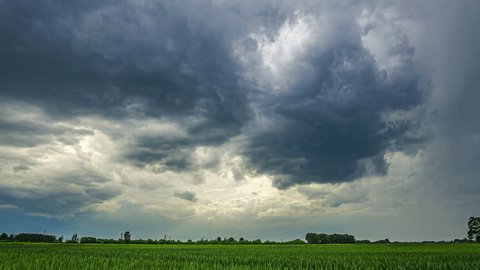
Many storms are preceded by a noticeable drop in environmental noise. Birds may stop calling, insects go quiet, and wind may briefly still. This phenomenon is well documented in meteorology and ecology. People who are attentive to ambient sound often notice this silence even from indoors through open windows. Over time, they learn to associate it with incoming storms. The absence of sound becomes as meaningful as noise. This quiet moment serves as a natural signal that atmospheric conditions are shifting rapidly.
16. Old injuries responding to pressure changes

Scar tissue and healed injuries often respond to pressure changes differently than healthy tissue. As air pressure drops before storms, these areas may ache, tighten, or feel uncomfortable. Medical research supports that damaged tissue can be more sensitive to environmental shifts. Because these sensations appear reliably before storms, people learn to trust them as indicators. Even injuries from years earlier can act as unexpected weather sensors. The body remembers trauma in ways that become useful signals, turning past injuries into present-day predictors.
17. Heightened emotional sensitivity

Some people feel emotionally unsettled or irritable before storms, a response linked to changes in pressure, light, and ion levels in the air. Research suggests that atmospheric conditions can influence serotonin and stress hormones. While subtle, these mood shifts can be consistent. People who experience them repeatedly begin to associate emotional changes with incoming storms. Over time, this emotional awareness becomes another form of prediction. It’s not about guessing the weather, but recognizing how the body and mind respond to environmental cues.
18. Familiarity with local weather patterns

People who live in the same area for many years often develop strong awareness of local weather behavior. Certain cloud movements, wind directions, or humidity changes tend to precede storms in predictable ways. Research on pattern recognition shows that humans become skilled at anticipating outcomes through repeated exposure. Even without looking outside, people may sense familiar conditions forming. This local knowledge builds quietly over time. What feels like prediction is actually long-term environmental learning shaped by consistency and experience.
19. Sensitivity to light and sky brightness indoors

Before storms, cloud cover thickens and alters the quality of natural light entering buildings. Some people are particularly sensitive to these changes, noticing dimness or color shifts indoors. Studies confirm that light levels can affect mood and alertness. When these changes occur repeatedly before storms, the brain learns to associate them with incoming weather. Even without consciously observing the sky, people register the altered light. Over time, this becomes another reliable internal cue for approaching storms.
20. Learned body-based pattern recognition

At its core, storm prediction without looking outside is about pattern recognition. The human brain is highly skilled at detecting repeated sequences of physical sensations and environmental changes. Research in neuroscience shows that repeated exposure trains the brain to anticipate outcomes automatically. Over time, people don’t need to analyze each cue individually. The body responds as a whole, creating a sense of certainty. What feels like instinct is actually experience, biology, and memory working together to interpret subtle atmospheric signals.
Like this story? Add your thoughts in the comments, thank you.


