
1. Clearing Flat Surfaces

A calm home rarely comes from big renovations or expensive upgrades. Instead, it’s often the smallest changes that quietly reshape how a space feels. Visual clutter has been shown to increase cognitive overload and stress levels, according to environmental psychology studies. When tables, counters, and shelves are packed with random items, the brain processes them as unfinished tasks. Clearing flat surfaces removes that constant background noise. Even reducing visible items by a few objects can make a room feel more breathable and orderly. Homes that prioritize open surfaces are easier to clean, faster to reset, and feel calmer almost immediately. Designers often recommend leaving at least 30–40 percent of surfaces empty so the eye has places to rest, which creates a sense of balance without making the space feel bare.
2. Switching to Warm Lighting
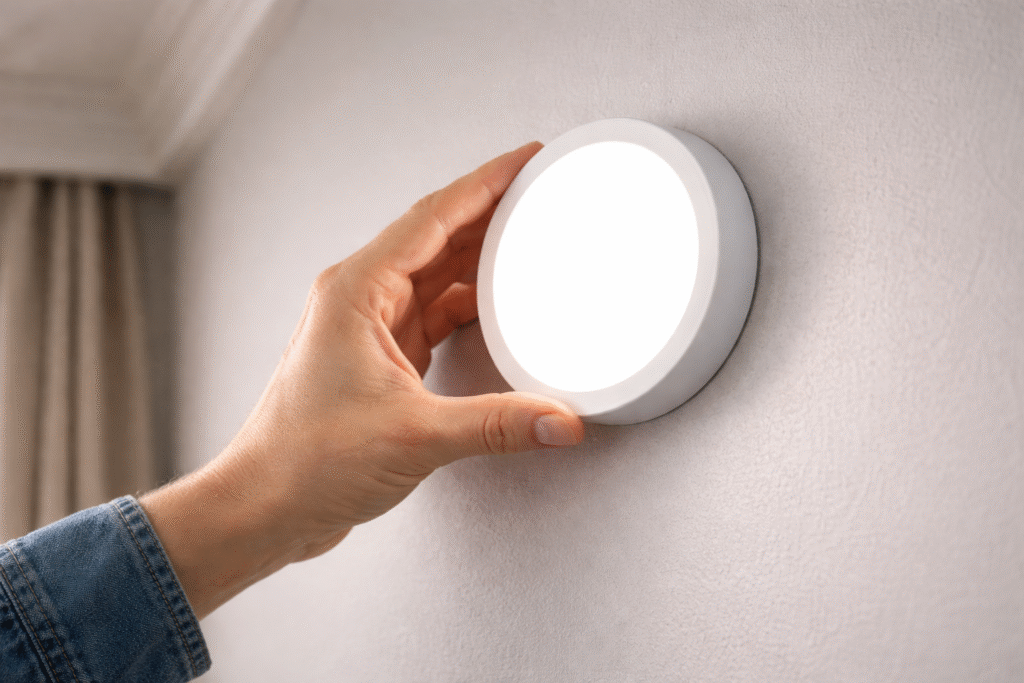
Lighting color directly affects mood and relaxation. Studies on circadian rhythms show that warm-toned light helps signal the body to wind down, while harsh white or blue light increases alertness. Swapping cool bulbs for warm LEDs instantly softens a room’s atmosphere, especially in the evening. Warm lighting reduces eye strain, makes colors feel gentler, and adds a subtle sense of comfort. This is why hotels and spas almost always use warm illumination. The change doesn’t require new fixtures, just a bulb replacement, yet it can transform how a space feels after sunset.
3. Letting in Natural Light

Natural daylight has been linked to lower stress levels, improved mood, and better sleep quality. Simply opening curtains or replacing heavy drapes with sheer ones allows sunlight to spread more evenly through a room. This light helps regulate internal clocks and makes spaces feel larger and more open. Homes with consistent natural light often feel cleaner and calmer, even without major design changes. Research also shows that people tend to feel more relaxed in rooms with visible daylight transitions throughout the day, reinforcing a natural rhythm that artificial lighting alone can’t fully replicate.
4. Adding One Indoor Plant
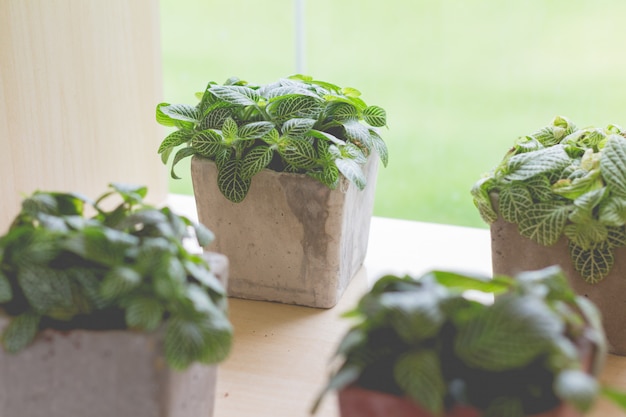
Indoor plants are consistently associated with reduced stress and improved air perception, even when air quality changes are minimal. The presence of greenery introduces organic shapes and softens hard lines found in furniture and walls. Studies in biophilic design show that even a single plant can make a space feel more restorative. Plants also create a sense of care and liveliness, subtly signaling that the home is nurtured rather than rushed. Low-maintenance options work just as well visually, making this one of the easiest calming upgrades available.
5. Using Softer Textures

Texture plays a quiet but powerful role in how calm a home feels. Soft fabrics like cotton, wool, or knit throws reduce the visual sharpness of a room dominated by hard surfaces. Research into sensory comfort suggests that tactile softness encourages relaxation by reducing environmental tension. Adding a throw blanket, fabric cushions, or a soft rug introduces warmth without changing the layout. These textures also absorb sound slightly, helping reduce echo and harsh noise. The result is a space that feels more inviting and less rigid almost instantly.
6. Reducing Visual Noise
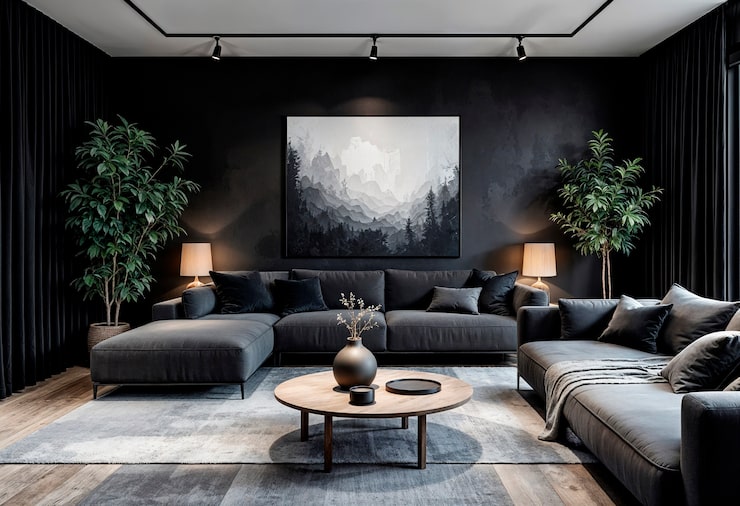
Too many contrasting colors, patterns, or decorative items can overwhelm the brain. Studies show that environments with excessive visual stimuli increase mental fatigue. Reducing visual noise doesn’t mean removing personality; it means choosing fewer, more intentional elements. Neutral tones, repeated materials, and consistent finishes help the eye move smoothly through a space. When visual input becomes predictable, the brain relaxes. Even swapping a busy wall arrangement for one or two cohesive pieces can dramatically change how calm a room feels.
7. Keeping Scents Neutral

Smell is closely tied to emotion and memory, making it a powerful tool for creating calm. Research shows that overly strong or mixed scents can cause sensory overload and irritation. Neutral or subtle scents, such as light herbal or clean-air fragrances, promote relaxation instead. Homes that smell fresh but not perfumed tend to feel calmer and more welcoming. Simply airing out rooms regularly or using mild natural scents can reset how a space feels. The goal is freshness, not intensity.
8. Creating a Consistent Color Palette
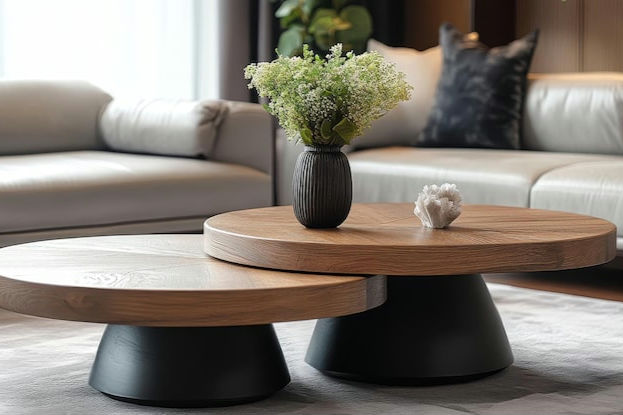
Color consistency reduces mental processing effort. When a room uses too many unrelated colors, the brain works harder to interpret the space. Research in color psychology suggests that harmonious palettes help lower stress levels. Sticking to a small group of complementary shades creates visual flow and cohesion. This doesn’t require repainting everything; even coordinating pillows, artwork, and accessories can unify a space. Consistent color use makes rooms feel intentional, grounded, and calmer almost immediately.
9. Hiding Everyday Clutter

Visible clutter is linked to increased anxiety and difficulty relaxing. Storage solutions that hide everyday items help reduce that constant mental reminder of unfinished tasks. Baskets, drawers, and cabinets allow homes to function without appearing chaotic. Research shows people feel calmer in spaces where belongings have defined places. The improvement doesn’t require perfect organization, just reducing what’s visible. Once clutter is out of sight, rooms feel quieter and easier to be in.
10. Lowering Noise Sources
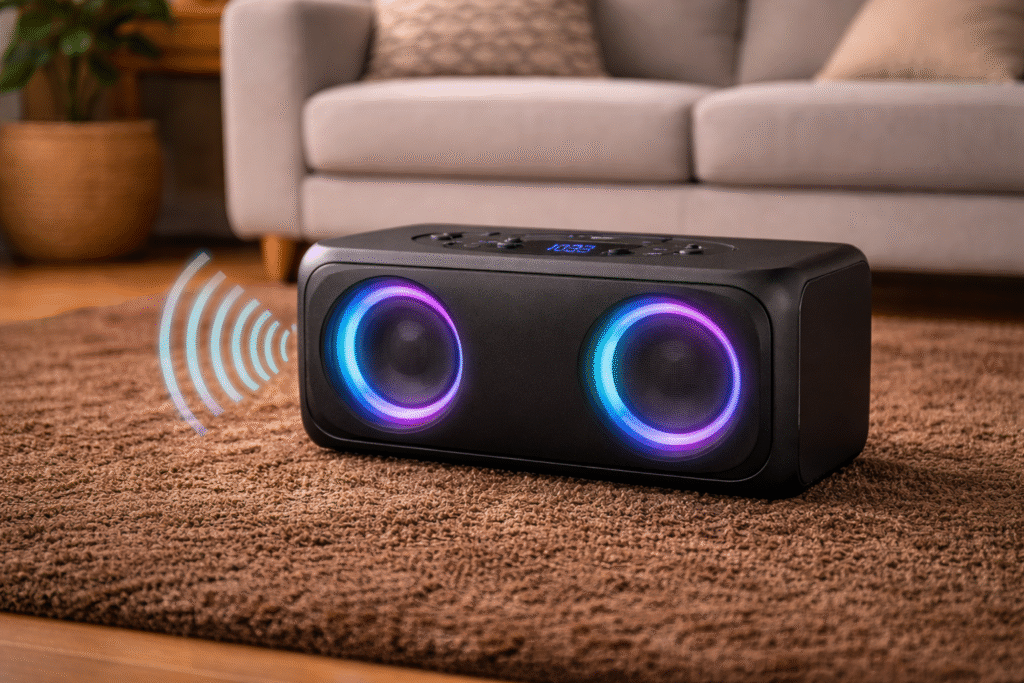
Background noise can subtly increase stress, even when it’s barely noticed. Studies on acoustic comfort show that soft materials help absorb sound and reduce echo. Adding curtains, rugs, or upholstered furniture lowers ambient noise levels naturally. Turning off unused electronics also helps reduce constant low-level hums. When a room sounds calmer, it feels calmer. Noise reduction improves focus, rest, and overall comfort, making this one of the most overlooked but effective small improvements.
11. Calm Corner
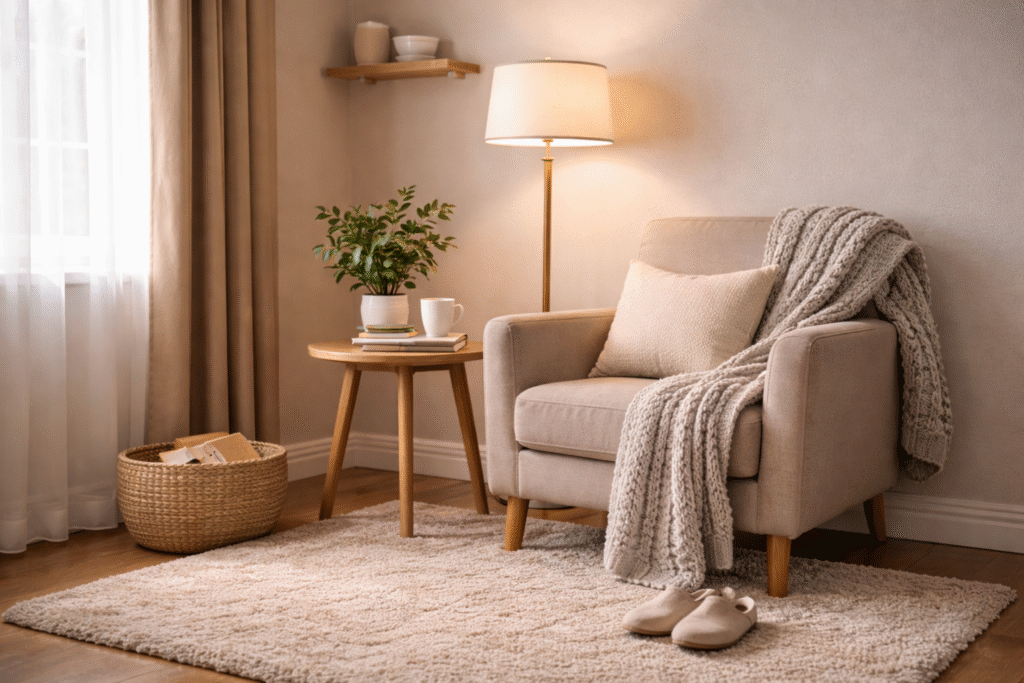
Create a single spot in your home dedicated to quiet: a chair with a small side table, a lamp, and a soft throw. Having one predictable place for reading, reflection, or a five-minute pause signals to your brain that rest is allowed there. Environmental psychology shows designated spaces for specific behaviors help form calming rituals and lower daily decision load. This corner doesn’t need to be large or perfectly styled; it just needs to be consistently reserved for calm activities. Over time, simply sitting there cues relaxation faster than trying to rest in a multipurpose area full of competing stimuli.
12. Soft Curtains
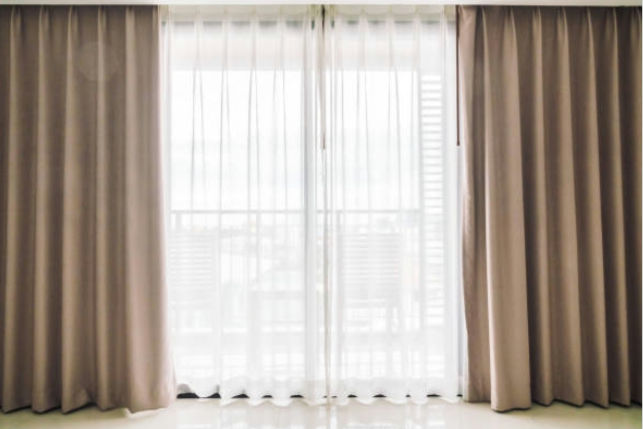
Replacing heavy or mismatched window coverings with soft, flowing curtains instantly softens light transitions and frames windows more gently. Curtains that filter light create a warm, even glow and reduce glare while still letting the outside in. Textiles over bare blinds also help absorb sound and make rooms feel cozier. Choose fabrics that move a little with a breeze , that subtle motion is calming. Even switching to neutral tones or semi-sheer materials can make a room feel intentionally tranquil, because the eye isn’t bounced between sharp shadows or competing window treatments.
13. Minimal Entryway
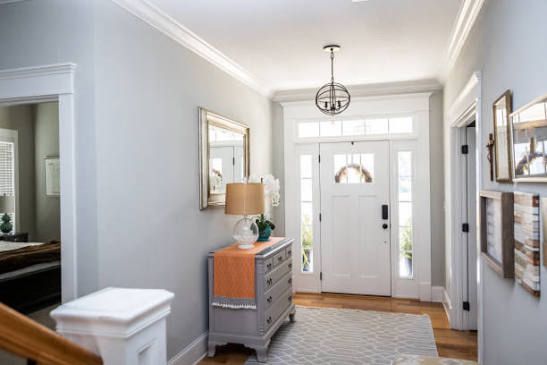
The entry is the first sensory impression of home; keeping it minimal reduces stress each time you come through the door. A small bench, a hook or two, and a single basket for daily items avoids a buildup of junk that greets you. Clear, purposeful entryways help the brain shift from outside alertness to indoor relaxation. Studies show transitions that are simple and predictable reduce cognitive friction. Even when space is tight, limiting visible items to essentials and creating a quick drop-off routine helps the whole home feel calmer because the “arrival” moment is smooth and tidy rather than chaotic.
14. Dedicated Bedtime Space
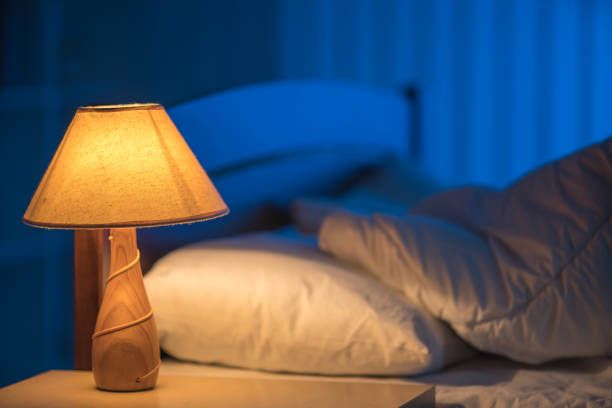
Designate your bedroom as a sleep-first zone by removing work, bright screens, and exercise equipment. Research on sleep hygiene shows that beds and bedrooms associated only with rest produce better sleep and lower nighttime anxiety. A low-clutter bedside table, dimmable lamp, and calming textiles are all that’s needed to signal wind-down time. Keep chargers out of sight and consider soft, neutral colors to reduce late-night visual stimulation. When the bedroom’s purpose is clearly rest, it becomes easier to fall asleep and to mentally park daytime stress, making the entire home feel more peaceful after dark.
15. Drawer of Calm Scents
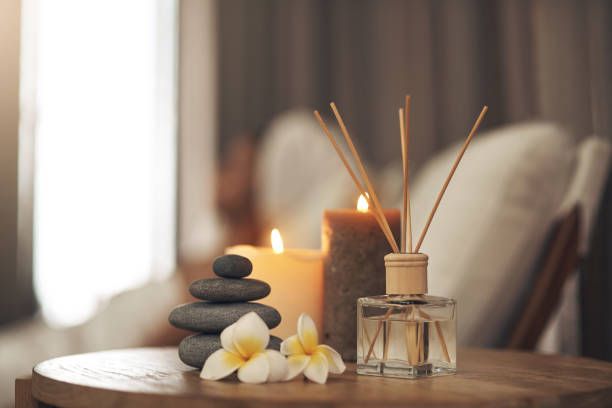
Keep a small drawer or box of gentle scent items, lavender sachets, mild linen sprays, or a couple of low-strength essential oils, for quick refreshes. Smell is tightly linked to mood, and having a designated, subtle scent supply allows you to nudge a room’s atmosphere without overpowering it. Use these sparingly and consistently so the scent becomes a calming cue rather than an assault on the senses. Storing them neatly in a drawer avoids clutter and ensures scents remain fresh; a tiny ritual of spritzing or unfolding a sachet can become a surprisingly powerful way to reset the household mood.
16. Tech-Free Zones
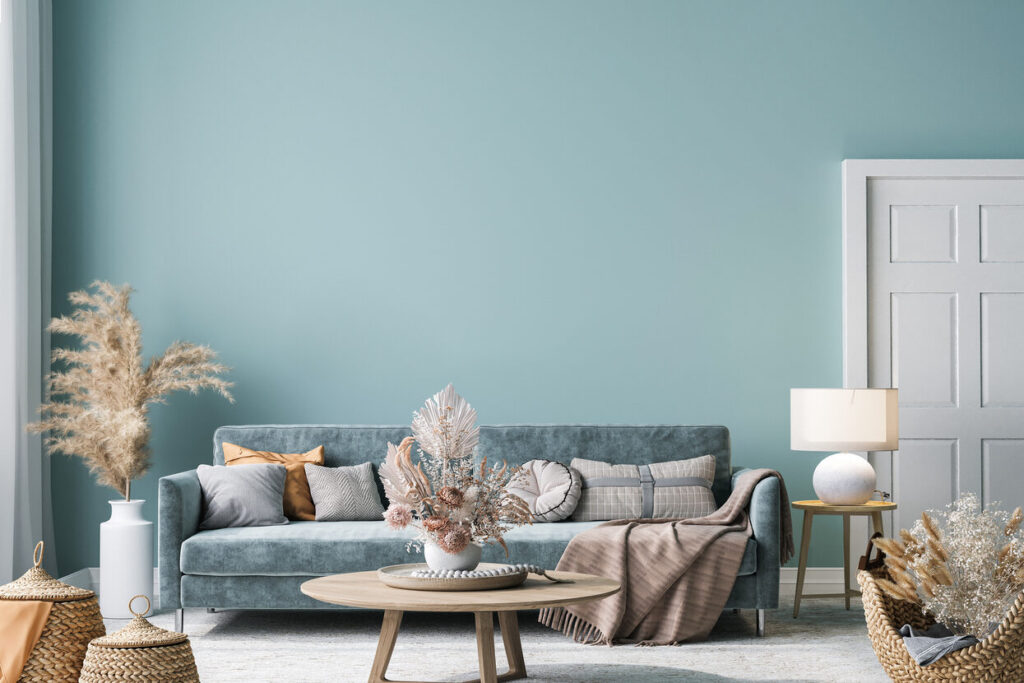
Designate one small space or set times when devices are off-limits to reduce mental fragmentation and background noise. Research on attention and stress shows that frequent device checks increase cortisol and reduce sustained calm. A tech-free dining table, a no-phone living-room hour, or a charger station in another room creates breathing room for conversation and reflection. When screens aren’t constantly competing for attention, rooms feel more present and less frenetic. This tiny household rule can transform how people behave in shared spaces and give the whole home a steadier, calmer rhythm.
17. Tidy Cords and Chargers
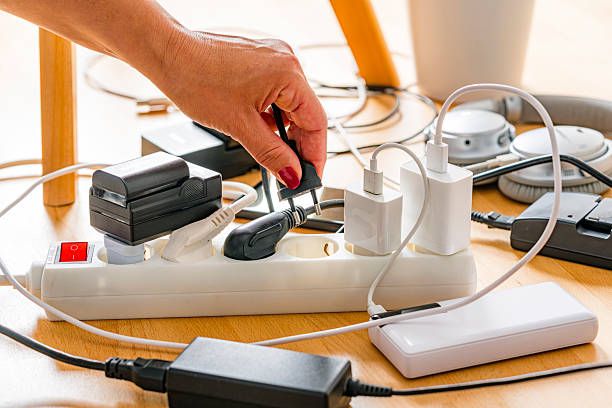
Untidy cables create a subtle visual and tactile mess that the brain notices even when you don’t. Simple cord management, using clips, boxes, or a single charging station, reduces this low-level distraction. Organized charging areas also mean fewer last-minute searches and less clutter on surfaces. The cognitive benefit comes from reducing micro-annoyances: when cords are tidy, the eye settles faster and the space reads as cared for. This small, inexpensive change also improves safety and makes cleaning easier, both of which contribute to a calmer-feeling home.
18. Matching Storage Bins

Uniform storage containers visually unify a room and make chaos seem ordered even when contents differ. Matching baskets, boxes, or bins reduce visual busyness by repeating shapes and textures, which helps the eye interpret spaces quickly. This approach is especially useful in playrooms, closets, or open shelving where a variety of items must be stored. When storage looks intentional, the underlying mess becomes less distracting. Labels or consistent placement make retrieval simple, so the system supports calm by minimizing time and effort spent searching for things.
19. Low-Maintenance Surfaces
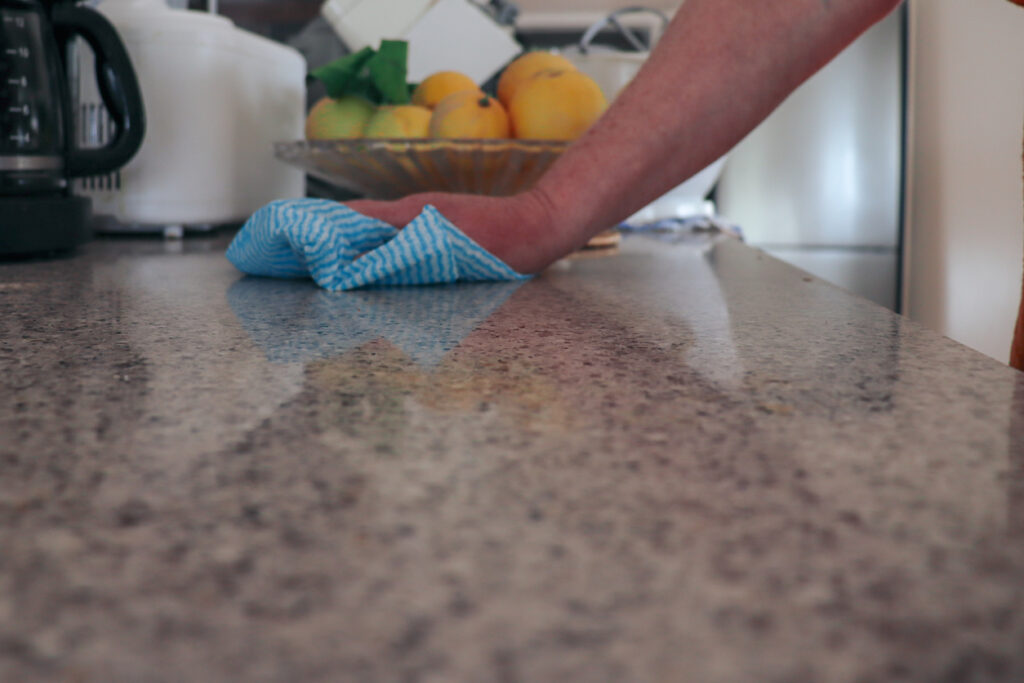
Choose surfaces that are easy to wipe and keep clean for areas you use often. Materials that resist staining and show less dust reduce housekeeping time and the visual stress of small messes. When surfaces look tidy with minimal effort, the whole home feels more peaceful and manageable. This is especially effective in high-traffic zones like kitchens and entryways, where daily grime can quickly create a sense of disorder. Low-maintenance finishes don’t need to be expensive, small swaps like a washable rug or a wipeable tablecloth can deliver the same calming payoff.
20. Gentle Climate Control
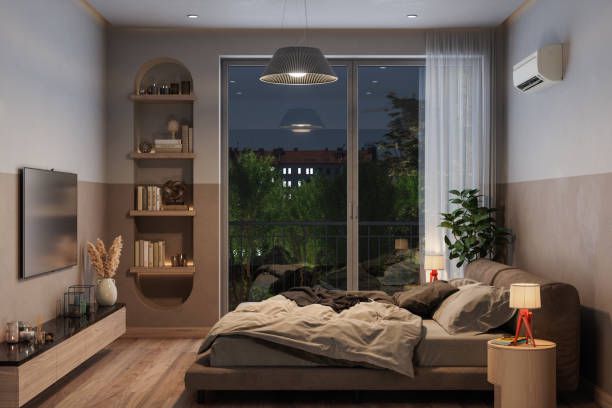
Keeping indoor temperature comfortable and consistent reduces physical stress and restlessness. Slightly cooler temperatures at night aid sleep, while moderate daytime warmth feels cozy without causing lethargy. Smart or programmable thermostats help maintain predictable settings so temperature changes don’t become jarring. Even simple habits, closing windows on a windy night, opening them on a mild morning, or using a small fan for white-noise and airflow, make spaces feel more comfortable. When thermal comfort is stable, people relax faster and the home feels more controlled and calming overall.
21. Consistent Furniture Spacing
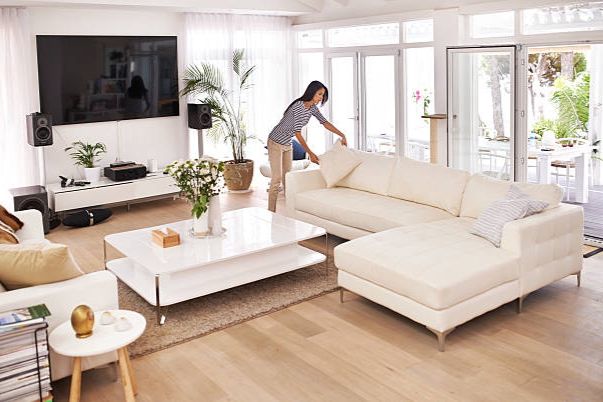
Crowded furniture disrupts visual flow and makes rooms feel tense, even when everything is stylish. Interior layout research shows that consistent spacing helps the eye move smoothly and reduces subconscious stress. Allowing clear walkways and breathing room between furniture pieces improves both function and calm. This doesn’t require buying new items; simply shifting chairs a few inches apart or pulling sofas slightly away from walls can change how a room feels. Balanced spacing also improves airflow and makes cleaning easier, reinforcing a sense of order. When movement through a room feels natural and unobstructed, the space automatically feels more relaxed.
These tiny improvements work because they reduce mental noise, support natural rhythms, and make daily life feel more manageable.
Like this story? Add your thoughts in the comments, thank you.


