
1. Dogs Seeking Human Approval
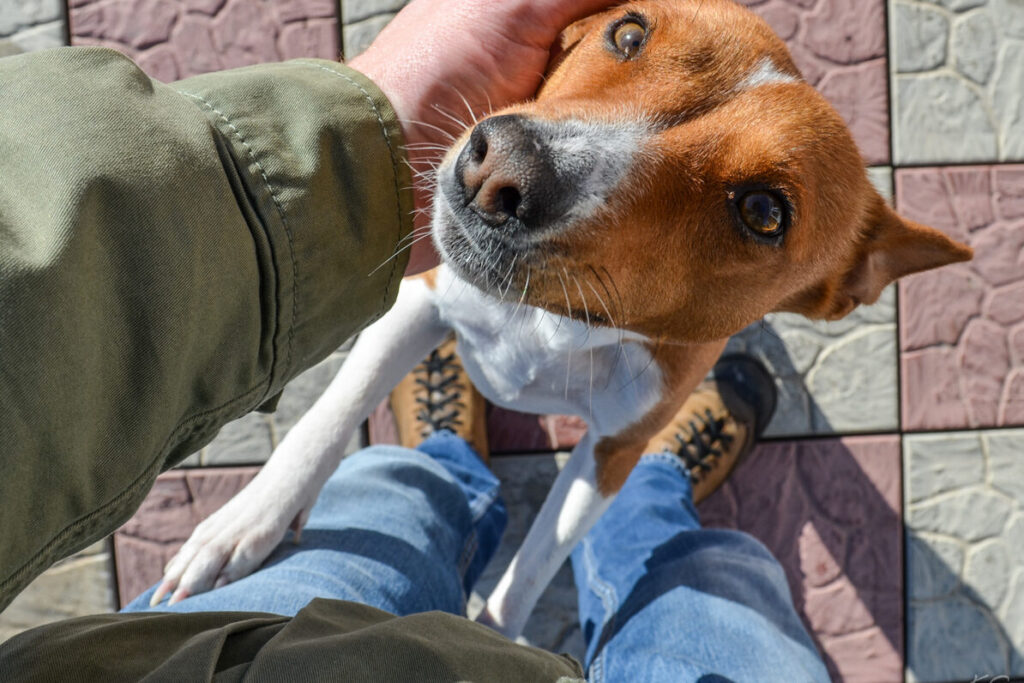
For thousands of years, humans have shaped animals to fit into our homes, work, and daily routines. Along the way, we didn’t just change how pets look, we quietly rewired how they behave, think, and even feel. Modern dogs are unusually focused on human reactions, a trait shaped by selective breeding over centuries. Early wolves that tolerated humans and paid attention to human cues were more likely to survive near settlements. Over time, people favored dogs that responded well to praise, eye contact, and commands. Research shows dogs actively seek human approval through eye contact and body language, releasing oxytocin, the same bonding hormone found in parent-child relationships. This desire to please isn’t universal in wild animals and is far less pronounced in wolves.
2. Floppy Ears in Domesticated Animals

Floppy ears are common in pets but rare in wild animals, and their prevalence is no accident. Scientists link this trait to domestication syndrome, a collection of physical changes that appear when animals are bred for reduced aggression. Selecting calmer, less fearful animals indirectly affected cartilage development, leading to softer ear structures. This phenomenon appears in dogs, rabbits, pigs, and even domesticated foxes in long-term breeding experiments. While floppy ears don’t provide a survival advantage, humans found them endearing and continued breeding animals that displayed the trait. Over generations, this aesthetic preference permanently reshaped how many pets look today.
3. Cats Vocalizing More Around Humans
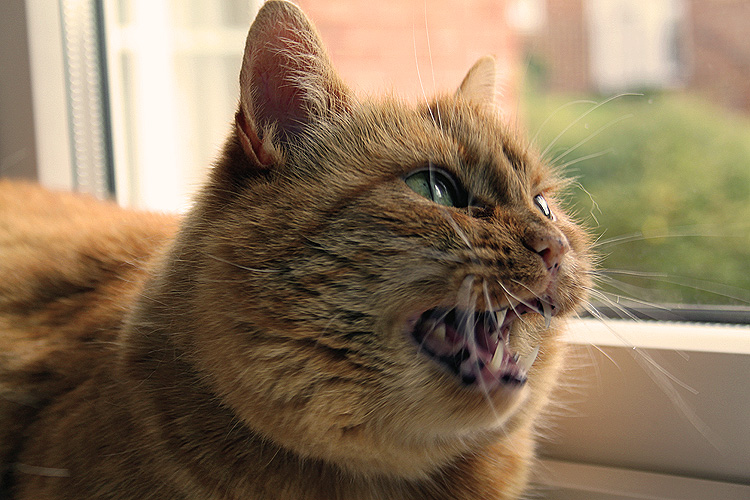
Adult cats rarely meow at other cats, yet they frequently vocalize around humans. This behavior is largely a learned response shaped by domestication. Early cats that lived near humans discovered that vocal sounds attracted attention, food, or care. Humans, in turn, responded more readily to cats that communicated audibly. Over generations, cats that were more vocal around people became more successful companions. Some studies suggest cats even modify their meows to sound more like a human baby’s cry, which triggers nurturing responses. This human-directed communication is a striking example of how pets adapted their behavior specifically to interact with us.
4. Dogs Retaining Puppy-Like Behavior Into Adulthood
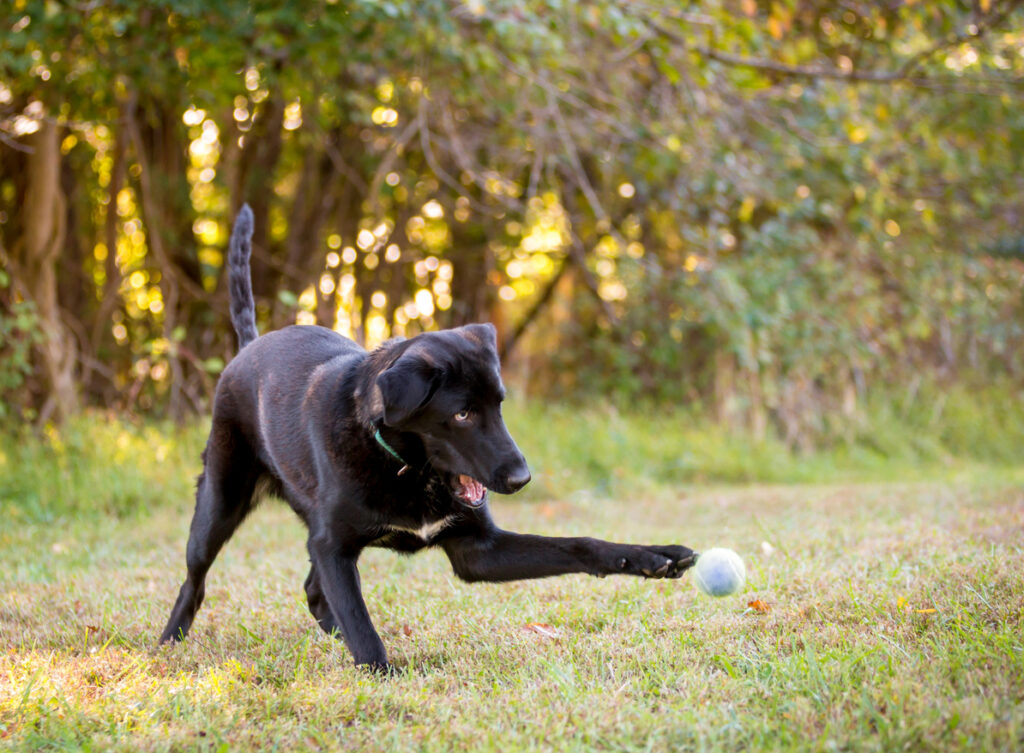
Many dogs remain playful, curious, and socially dependent throughout their lives, unlike wolves, which mature into more independent adults. This trait, known as neoteny, occurs when juvenile characteristics persist into adulthood. Humans consistently favored dogs that were friendly, playful, and emotionally responsive, unintentionally selecting for puppy-like behaviors. These traits made dogs easier to train and more enjoyable companions. Neoteny also explains physical traits like shorter snouts and rounder faces in some breeds. While this prolonged juvenility benefits human companionship, it also means dogs rely more heavily on human guidance and structure than their wild ancestors ever did.
5. Extreme Coat Color Variations
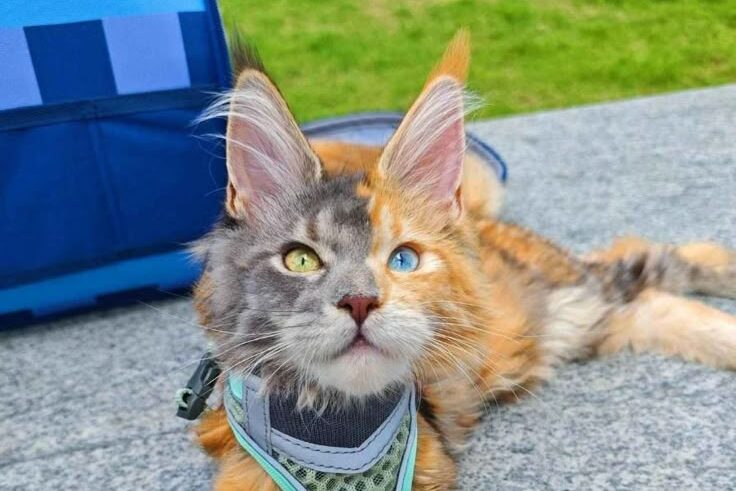
Wild animals tend to have muted coat colors that support camouflage, but pets display an astonishing range of patterns and shades. This diversity emerged because humans bred animals for appearance rather than survival advantage. As animals became protected from predators, camouflage was no longer essential. Genes controlling pigmentation became more flexible, leading to spots, patches, and unusual color combinations. In some cases, coat color also became linked to temperament due to genetic proximity. Humans often favored distinctive-looking animals, reinforcing these traits across generations. The result is the remarkable visual diversity seen in modern pets today.
6. Dogs Reading Human Facial Expressions

Dogs are exceptionally skilled at interpreting human facial expressions, a trait refined through close cohabitation. Studies show dogs can distinguish between happy, angry, and neutral human faces and adjust their behavior accordingly. This sensitivity likely developed because dogs that could anticipate human moods were better at avoiding conflict and gaining rewards. Over time, humans unknowingly reinforced this skill by interacting more positively with emotionally perceptive dogs. Unlike wolves, dogs readily respond to subtle facial cues, making them uniquely attuned to human emotional states. This ability strengthens communication but also makes dogs sensitive to household stress.
7. Cats Tolerating Close Living Quarters
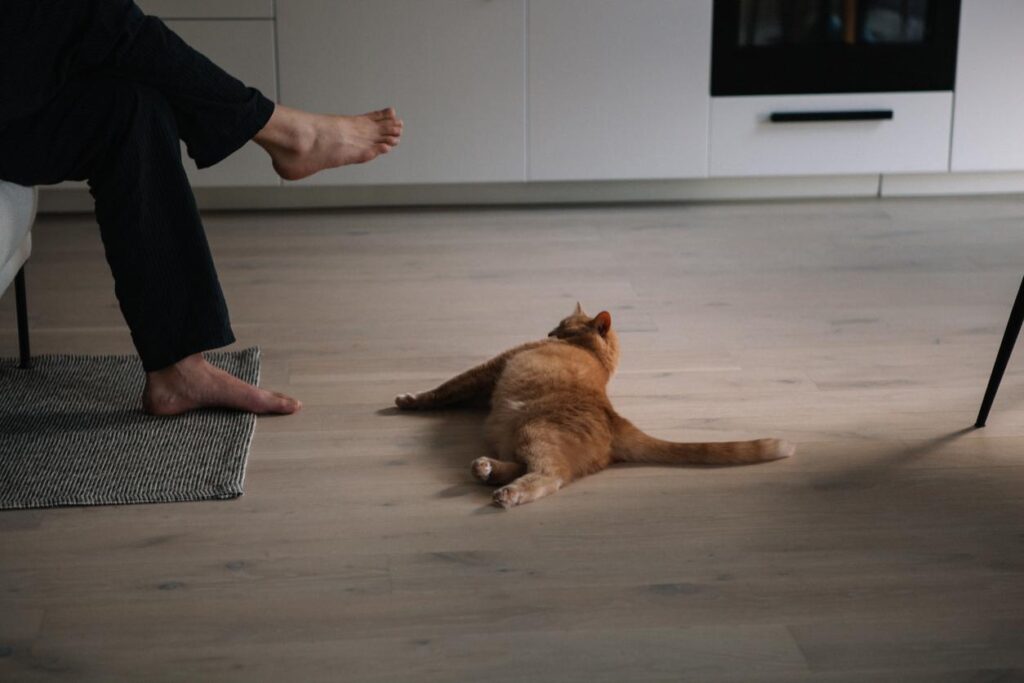
Wildcats are typically solitary, yet many domestic cats comfortably share confined indoor spaces. This tolerance emerged as humans favored cats that adapted well to barns, homes, and crowded settlements. Cats that could coexist without excessive aggression were more likely to be fed and protected. Over time, this led to increased social flexibility, even if cats still value personal space. While domestic cats retain territorial instincts, they are far more adaptable than their wild counterparts. This trait made modern indoor living possible, allowing cats to thrive in environments their ancestors would have found stressful or unsuitable.
8. Dogs Enjoying Structured Routines
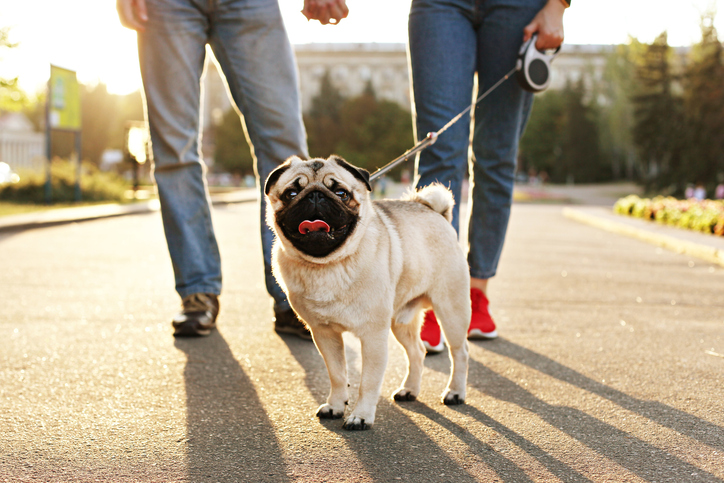
Dogs thrive on predictable routines, a behavior shaped by human-controlled environments. Feeding schedules, walks, and training sessions rewarded dogs that adapted to regular patterns. Over generations, dogs that adjusted well to human timetables were easier to manage and more valued. This reliance on structure contrasts with wild animals, which must remain flexible to survive. Today, many dogs show anxiety when routines are disrupted, highlighting how deeply ingrained this trait has become. While routines provide comfort and stability, they also reflect how domestication reshaped dogs to depend on human-organized lives.
9. Smaller Body Sizes in Companion Breeds
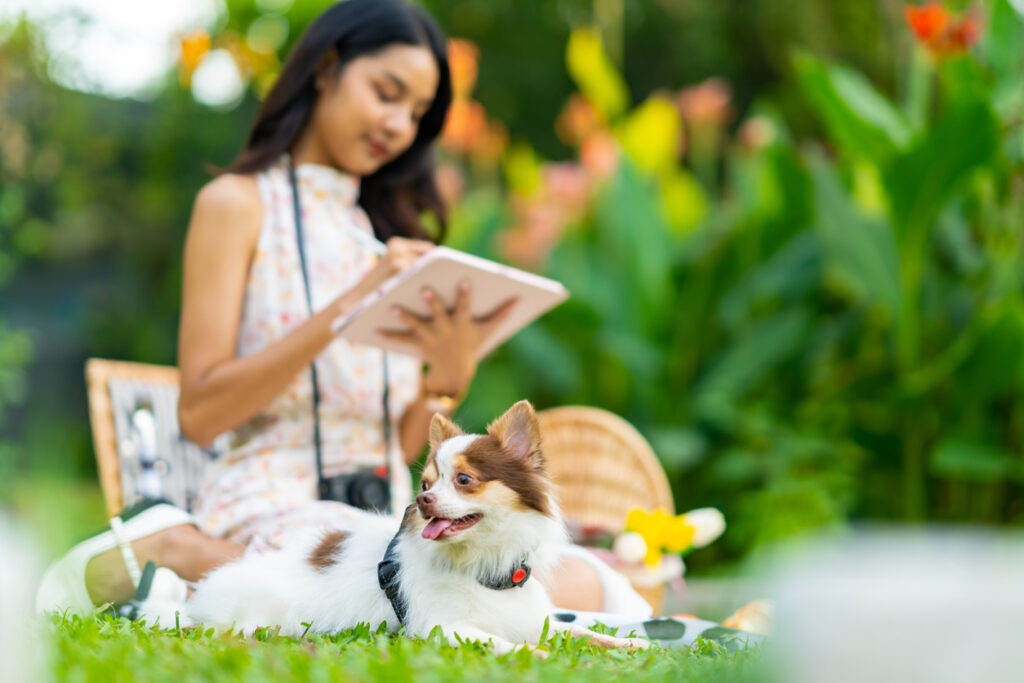
Humans intentionally bred smaller animals for companionship, convenience, and indoor living. Early societies favored compact dogs and cats that required less food and space. Over time, selective breeding dramatically reduced body size in certain breeds. Smaller pets were easier to carry, house, and control, especially in urban settings. However, miniaturization sometimes brought unintended health challenges, including fragile bones and dental crowding. Despite these issues, the appeal of small pets remained strong. This shift illustrates how human lifestyle changes directly influenced the physical evolution of companion animals.
10. Pets Forming Strong Cross-Species Bonds
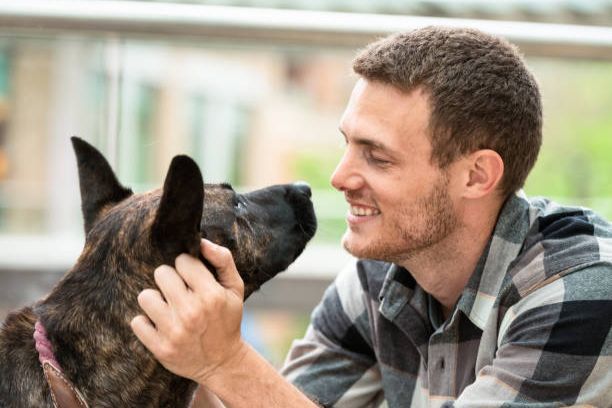
One of the most remarkable traits bred into pets is their ability to form deep emotional bonds with humans. While wild animals may tolerate other species, they rarely develop lasting attachments. Domesticated pets, however, seek comfort, security, and affection from humans. Studies show pets experience stress reduction when near their owners, similar to human attachment responses. Animals that bonded well were more likely to be cared for and protected, reinforcing this trait over generations. This cross-species bonding is a cornerstone of modern pet companionship and a defining result of domestication.
11. Brachycephalic Faces
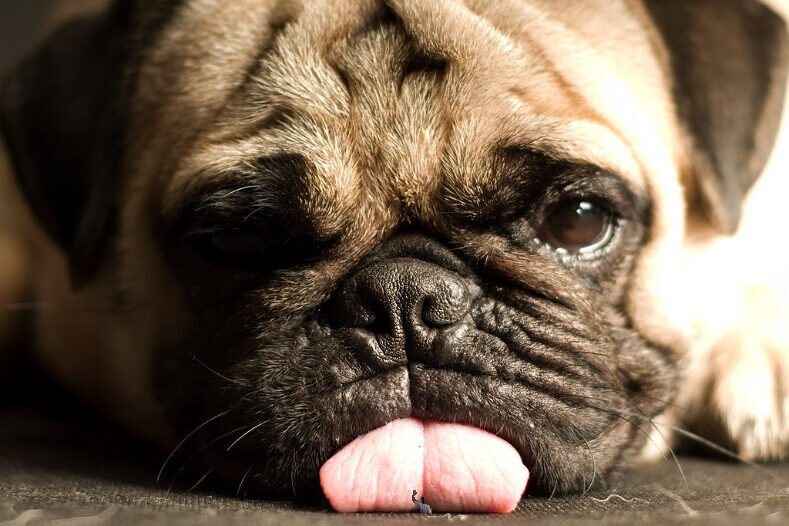
Breeding for a shortened skull produced the flat, pushed-in faces of pugs, bulldogs, and some toy breeds, a look many people find cute but one that reshaped breathing, temperature regulation, and dental layout. Short muzzles change airway anatomy, so affected dogs often snort, wheeze, and overheat more easily; they may need surgery for severe airway blockage and extra care in hot weather. Facial compression also crowds the teeth and can cause eye and skin fold problems. The facial shape was reinforced by human preference for “baby-like” features, and while it strengthens a companion bond, it created predictable health and welfare concerns that owners and breeders now must manage responsibly.
12. Short Legs and Sturdy Bodies
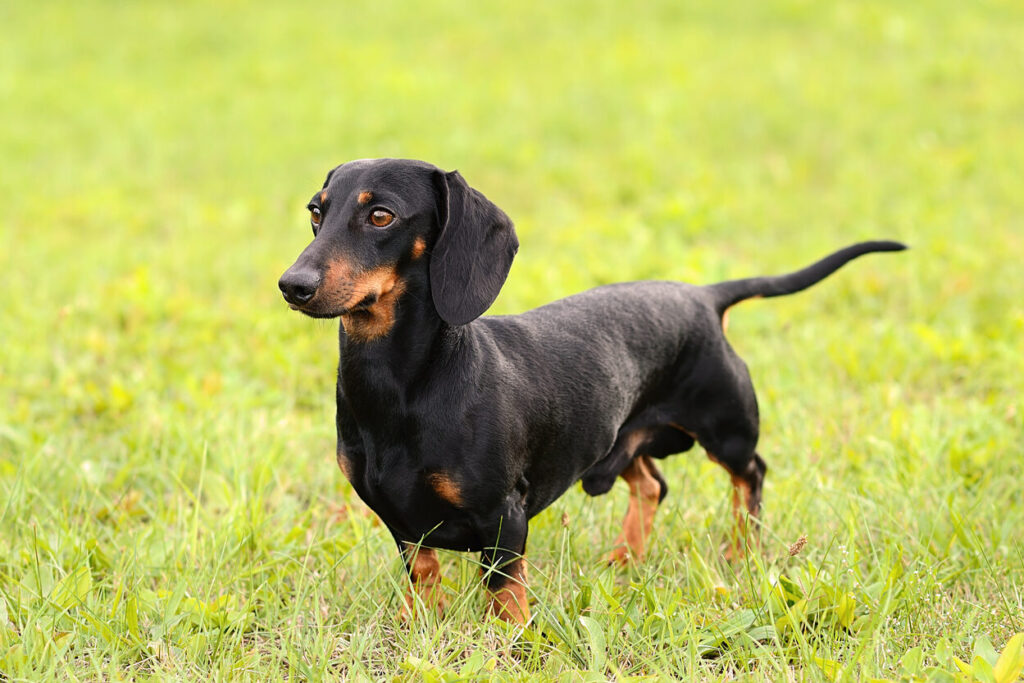
Selective breeding for compact, low-to-the-ground forms produced breeds like corgis and dachshunds with shortened limbs and elongated spines, traits originally useful for herding or going into burrows but now often purely aesthetic. The genetic changes responsible affect cartilage and bone development, creating a characteristic gait and silhouette. While that body plan is charming, it also increases the risk of back and joint problems, especially in breeds with long backs, and owners often have to limit jumping and manage weight to protect the spine. The result shows how functional breeding goals can become decorative preferences, with trade-offs in lifetime mobility and health that must be considered.
13. White Coats Linked to Deafness

A striking number of white-coated animals, including certain dogs, cats, and livestock, show a higher risk of congenital deafness, a side effect of selection for pigmentation patterns. Genetic mechanisms that reduce pigment-producing cells in skin and inner ear can inadvertently affect auditory development, so animals with large white areas or particular coat patterns sometimes lack functioning inner-ear cells and are born deaf or hard of hearing. Famous examples include Dalmatians and white cats with blue eyes. While the white coat is a visible trait humans prized for its look, it came with hidden sensory trade-offs that breeders and owners must recognize and manage.
14. Curly, Low-Shedding Coats
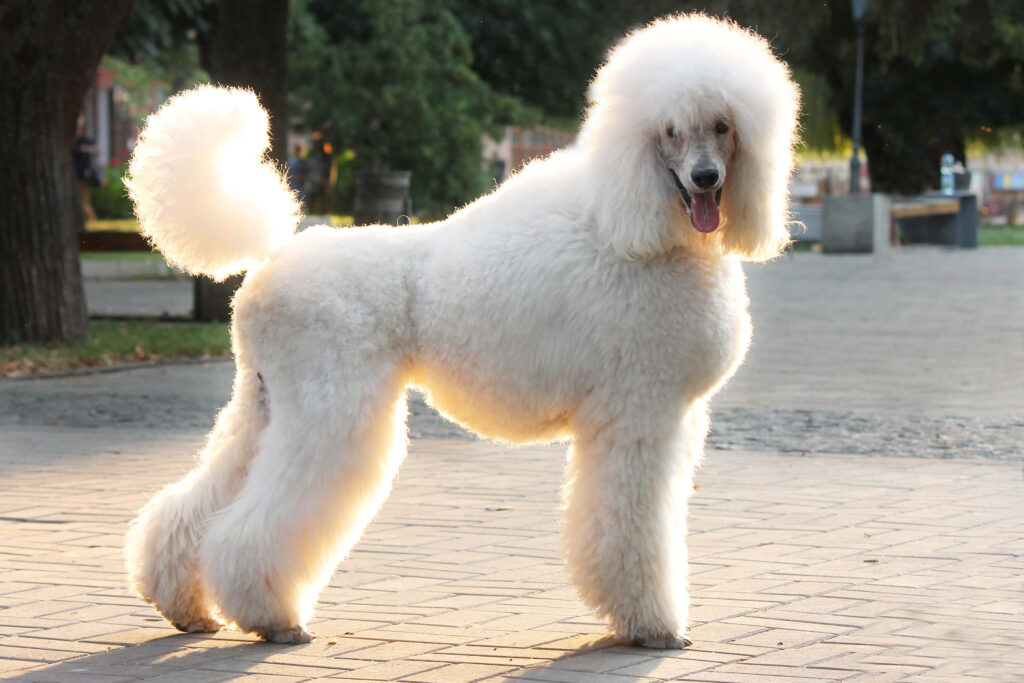
Breeding focused on coat texture produced tightly curled, low-shedding fur in breeds like poodles and some “designer” mixes, a trait marketed as hypoallergenic though it’s more about reducing visible shedding than eliminating dander. Curly hair tends to trap loose hairs and dander close to the body, which can reduce surface hair around the house and appeal to allergy-conscious owners; however it does not guarantee allergy-free interactions because allergenic proteins are still present in skin and saliva. These coats also need regular grooming to prevent matting and skin problems, meaning the trait trades convenience in one area for added maintenance in another.
15. Blue Eyes and Vision Links
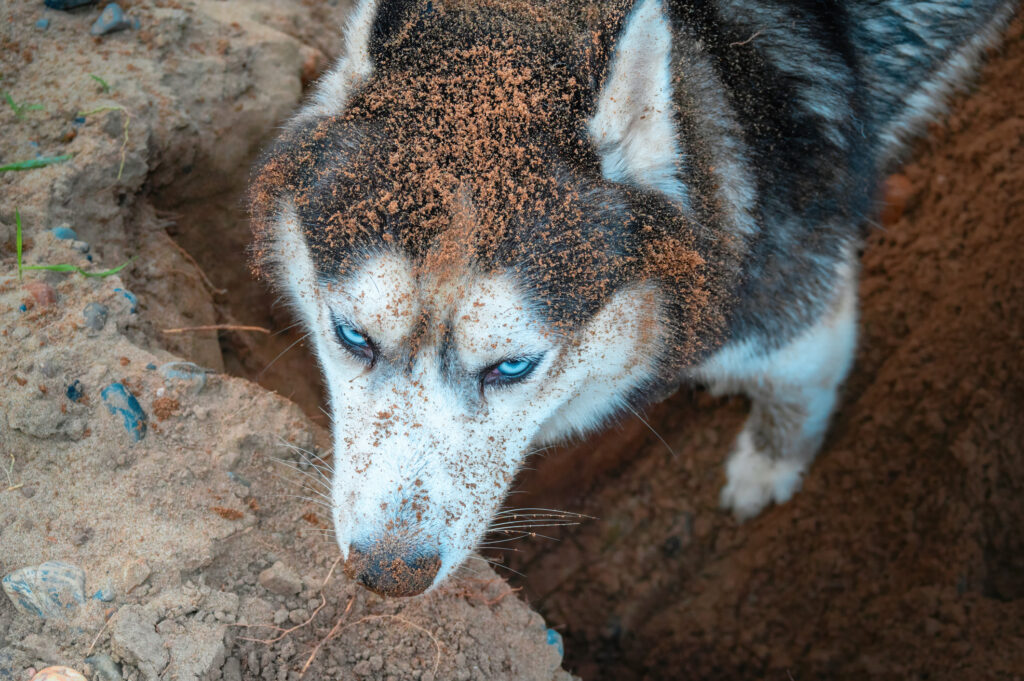
Blue eyes in pets became fashionable and were reinforced by selective breeding for striking facial features, yet they can sometimes co-occur with other genetic traits that affect vision or hearing, especially when linked to genes controlling pigment. In several species, pigment mutations that change eye color also influence structures in the ear or eye, creating an incidental risk of sensory problems in the same individuals. For many owners, the result is a mesmerizing look, but it also means breeders and buyers should be aware that eye color can sometimes be a visible hint at underlying genetic links affecting health, not just an aesthetic choice.
16. Elevated Prey Drive in Some Breeds
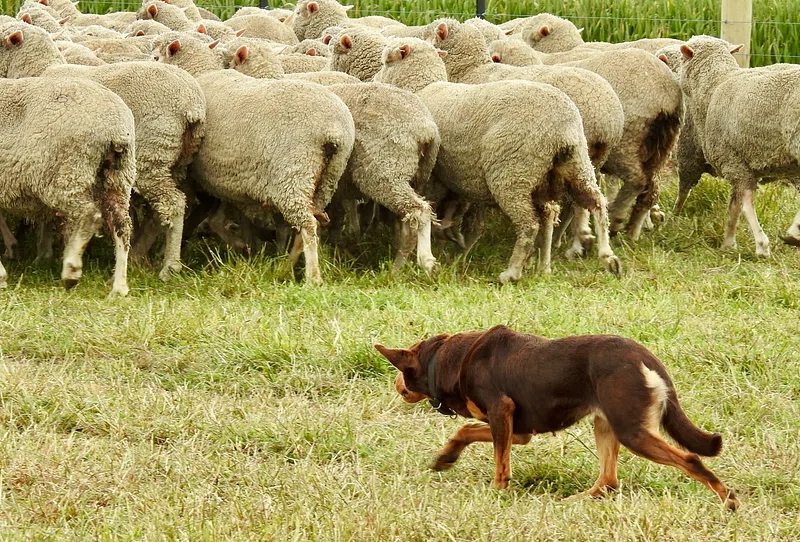
Humans amplified prey-chasing behaviors by selecting dogs that excelled at hunting, flushing, or herding, giving rise to breeds with intense focus on moving targets, quick bursts of speed, and a tendency to chase small animals. That drive is a combination of instinct, breed history, and generations of selecting animals that excelled at certain tasks. In modern homes, a high prey drive can translate to chasing bikes, squirrels, or household pets, which is charming for sport but sometimes stressful for owners and other animals. Management with training, outlets for exercise, and breed-appropriate activities helps channel the trait productively.
17. Social Sensitivity to Human Signals
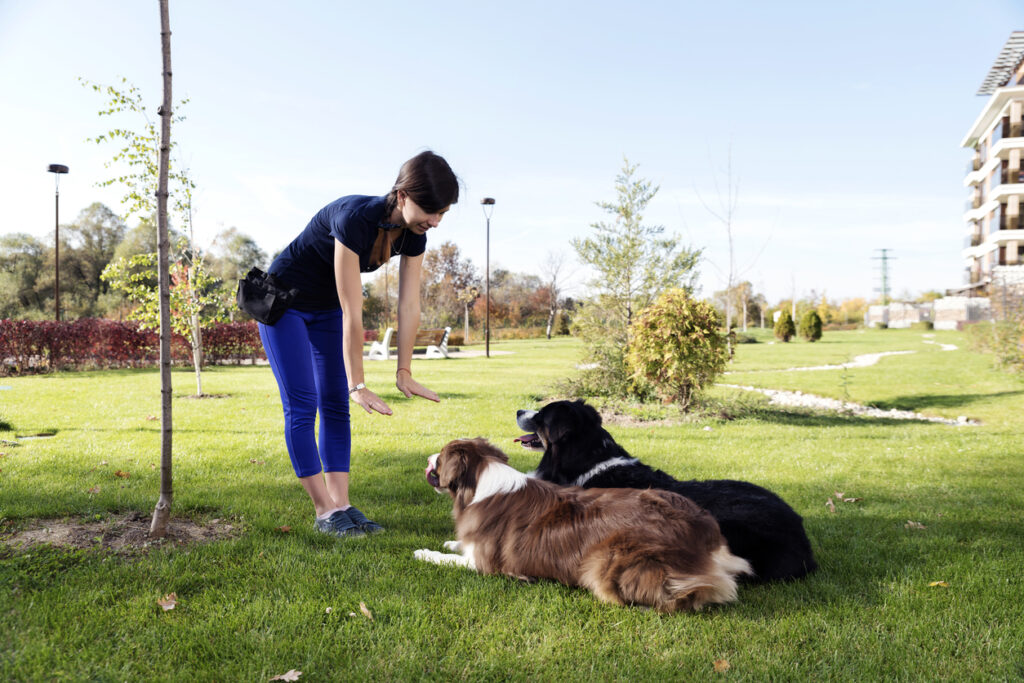
Pets evolved to be unusually sensitive to human gestures, tone, and attention, learning to follow pointing, adjust behavior to a mood, and even beg more effectively than many wild species. This heightened social cognition came from generations of living closely with people, where animals that read human cues more accurately gained food, shelter, and safety. Dogs are particularly adept at following human pointing and gaze, while cats and other pets show varying levels of responsiveness shaped by both genetics and socialization. The trait deepened interspecies communication but also makes pets finely tuned to household emotional climates.
18. Reduced Fear of Humans
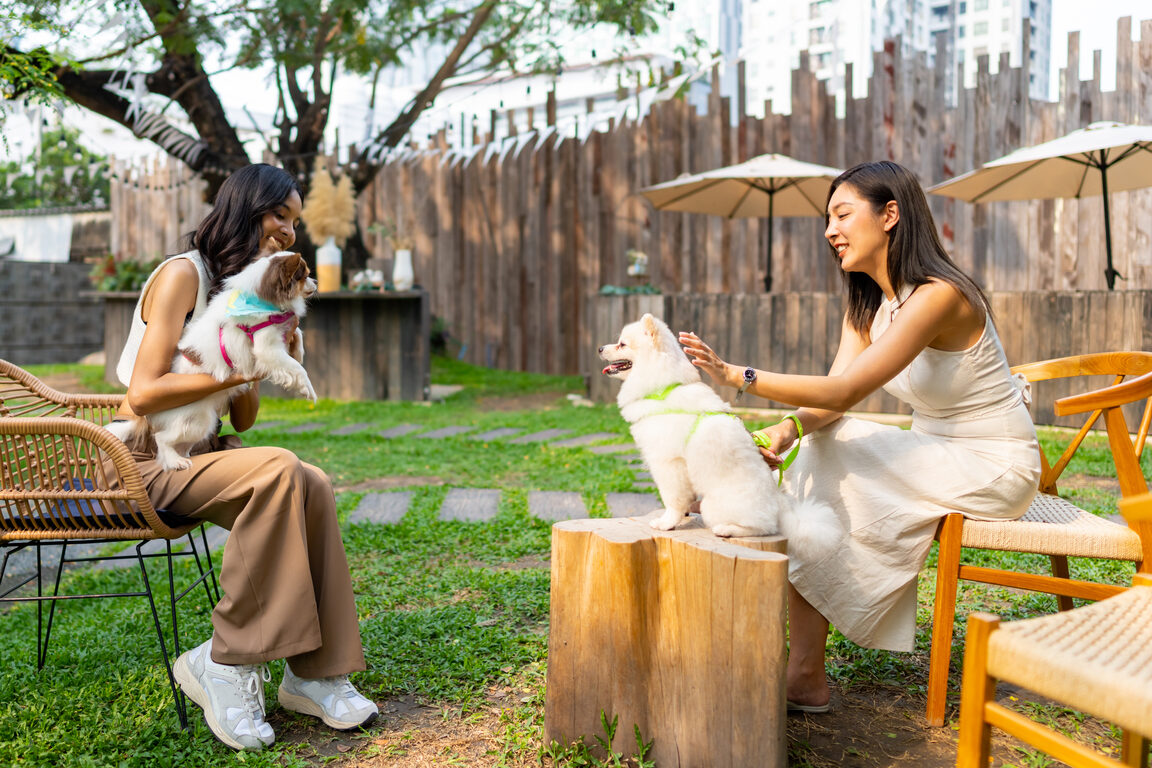
One central outcome of domestication is lowered fear and aggression toward people: calmer, more approachable animals were repeatedly chosen for breeding, producing companionable temperaments across species. This selection favored animals that tolerated handling, noise, and close living, enabling pets to thrive in human homes. The change shows up in posture, vocalizations, and stress responses: domesticated animals are generally less reactive and more curious than their wild counterparts. While it supports bonding and ease of care, it also means domesticated animals may lack important wild survival skills and become dependent on humans for enrichment and safety.
19. Small Clutches and Reproductive Changes
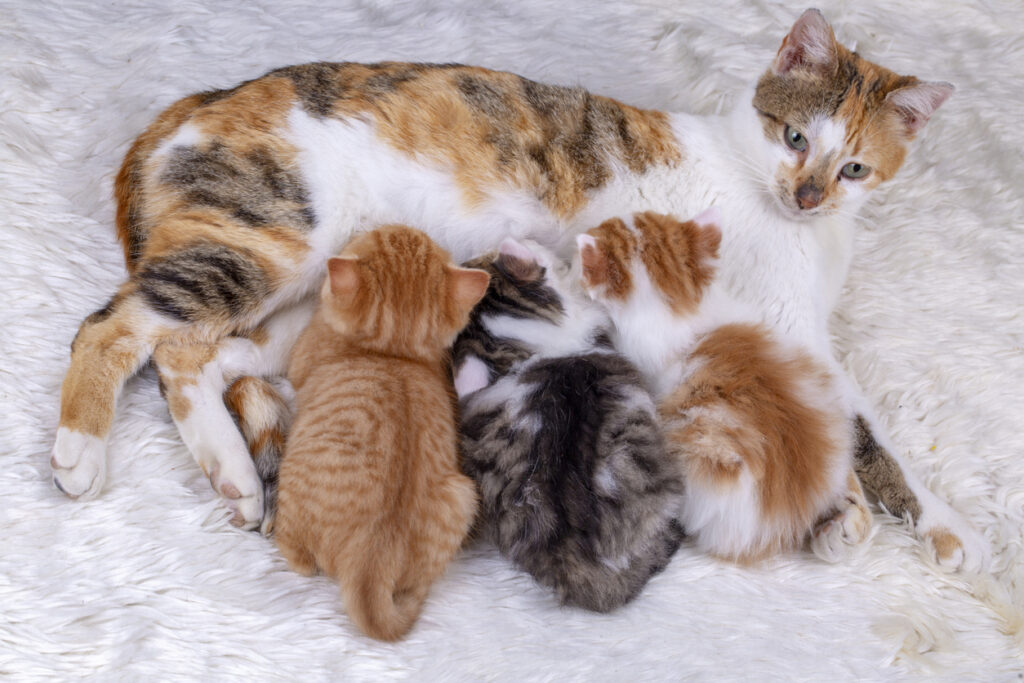
Domestication sometimes altered reproductive patterns, in some species humans selected for smaller, more manageable litters or for reliable breeding cycles that fit agricultural schedules. These changes can include altered timing of fertility, larger neonates, or smaller clutch sizes depending on the species and purpose. For pets, more predictable reproduction made breeding and care simpler for people but changed natural rhythms shaped by environment. The result is that many domestic animals reproduce on schedules influenced by human needs rather than wild-season cues, creating responsibilities for breeders to manage genetics and welfare carefully.
20. Tendency to Beg and Scavenge Near People
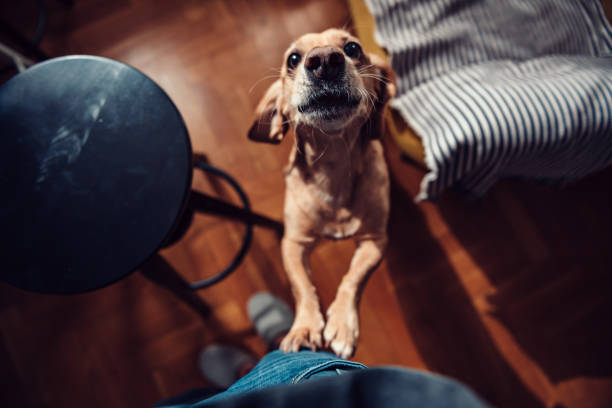
Animals that learned to scavenge human leftovers or signal for food gained a constant advantage in settled communities; over generations, this created pets that naturally beg, follow kitchens, and persistently request treats. Behaviors like pawing, vocalizing, or “bringing” items often started as practical strategies for survival in human environments and later became reinforced because humans rewarded them. Today, begging is a near-universal pet behavior that strengthens human-animal interaction but can lead to obesity or bad habits if not managed. It’s a clear example of how everyday household life reshaped animal behavior for mutual benefit, and for the occasional stolen snack.
21. Reduced Problem-Solving Independence
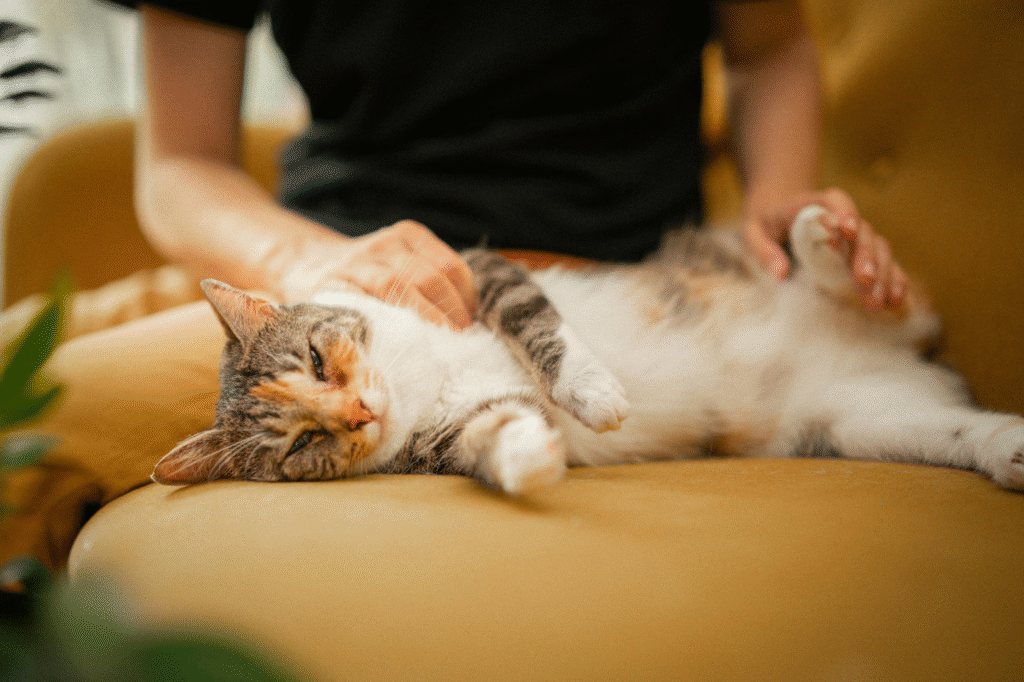
Many pets quickly look to humans when faced with a challenge rather than attempting to solve it themselves. This tendency developed because domesticated animals that deferred to humans were more successful in shared environments. Instead of risking mistakes, animals learned that human intervention often meant food, safety, or guidance. Studies comparing dogs and wolves show wolves persist longer at solving problems independently, while dogs often pause and seek eye contact. Humans unintentionally reinforced this behavior by helping responsive animals more frequently. While this trait strengthens bonding and communication, it also means pets rely heavily on human support and need enrichment that encourages safe problem-solving.
22. Playfulness Beyond Survival Needs
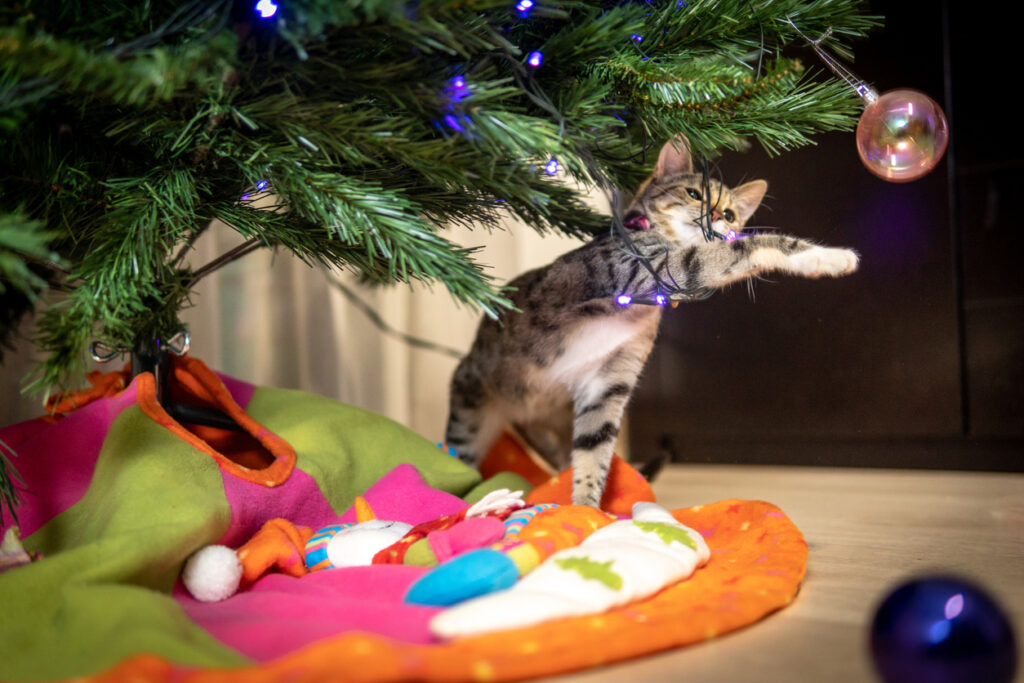
In the wild, play usually fades as animals mature and survival priorities take over. Pets, however, often remain playful throughout adulthood. Humans favored animals that engaged in play because it signaled friendliness, reduced aggression, and strengthened emotional bonds. Toys, games, and interactive play became part of daily life, reinforcing playful behavior long after it served any survival purpose. This trait helps pets adapt to indoor living and human schedules, but it also means they require regular mental and physical stimulation. Without appropriate outlets, playful energy can turn into boredom-related behaviors like chewing or excessive vocalizing.
23. Attachment Anxiety When Left Alone

Strong bonds with humans sometimes come with a downside: anxiety during separation. Pets bred to stay close to people may struggle when left alone for long periods. This trait developed because animals that stayed near humans were safer and more likely to be fed. Over time, close attachment became the norm, especially in dogs. In modern homes, long work hours can clash with this inherited need for proximity. Signs include pacing, vocalizing, or destructive behavior. Understanding this trait helps owners create routines, enrichment, and gradual training that support emotional well-being without reinforcing distress.
24. Enhanced Facial Expressiveness

Domesticated animals often display facial expressions that closely resemble human emotional cues. Research shows dogs evolved more mobile facial muscles, particularly around the eyes, allowing them to raise their brows in ways humans interpret as expressive or endearing. Animals that appeared more communicative received more attention and care, reinforcing these traits over generations. Facial expressiveness strengthens communication but can also lead people to project human emotions onto pets inaccurately. While pets do express feelings, their signals differ from ours. This trait highlights how visual communication became a powerful tool in human-pet relationships.
25. Lower Stress Thresholds Indoors
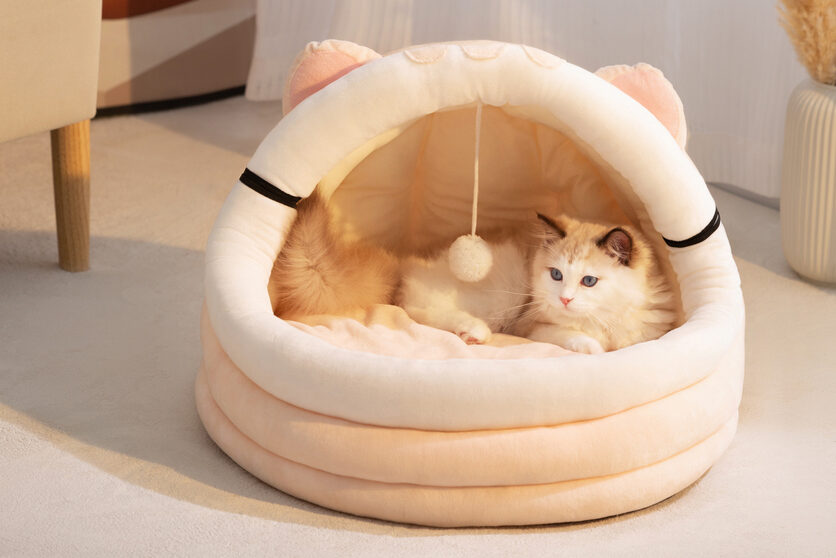
Living indoors exposes pets to unfamiliar sounds, confined spaces, and artificial lighting, conditions their ancestors never experienced. Domesticated animals adapted to these environments, but selective breeding didn’t always account for stress sensitivity. As a result, some pets react strongly to everyday household noises like vacuums, alarms, or doorbells. While reduced fear of humans helped domestication, sensitivity to artificial stimuli remains common. This trait explains why enrichment, safe hiding spaces, and gradual exposure are important for indoor pets. Understanding environmental stress helps owners create calmer, more predictable homes.
26. Increased Tolerance for Handling

Pets are far more tolerant of physical handling than their wild counterparts. Humans consistently selected animals that allowed touching, grooming, and restraint without aggression. Over generations, this led to pets that accept being picked up, petted, or examined. While this trait supports veterinary care and family living, it can also mask discomfort. Some pets endure handling even when stressed, relying on subtle signals rather than obvious resistance. Owners benefit from learning body language cues to avoid pushing tolerance too far. This trait reflects how safety and manageability shaped domesticated animals.
27. Reduced Seasonal Breeding Cycles
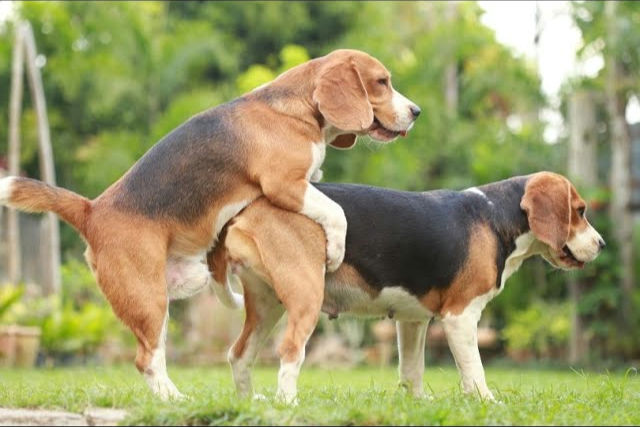
Many domesticated animals no longer breed strictly by season. Controlled food supply, artificial lighting, and selective breeding altered reproductive rhythms that once depended on daylight and climate. Dogs, cats, and small mammals can now reproduce year-round, unlike many wild relatives. This flexibility benefited humans managing breeding programs but also increased the risk of overpopulation when reproduction isn’t carefully controlled. Spaying, neutering, and responsible breeding practices help address this inherited change. The shift shows how human environments reshaped biological cycles once tightly linked to nature.
28. Preference for Human Food Flavors
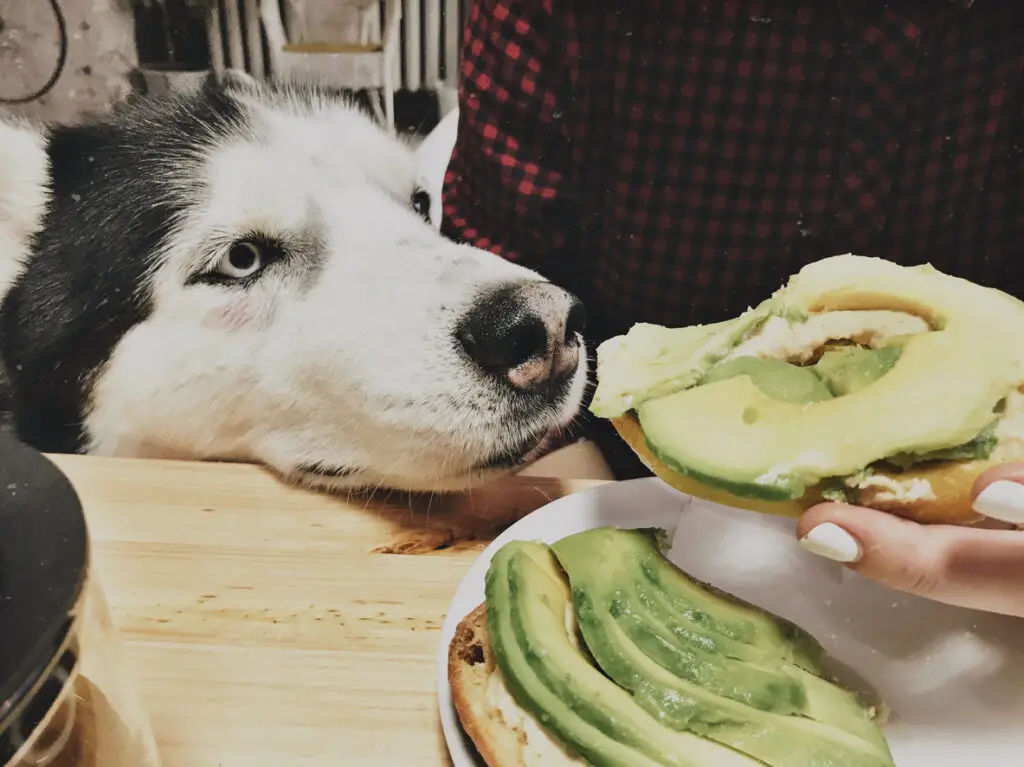
Pets often show strong interest in human foods, especially those rich in fats and carbohydrates. This preference developed as animals scavenged near human settlements and adapted to calorie-dense leftovers. Over time, taste preferences shifted away from strictly natural prey diets. While modern pet foods are nutritionally balanced, pets may still crave table scraps. This trait increases bonding moments but also raises health concerns if unmanaged. Understanding its origins helps owners resist overfeeding and maintain appropriate diets that meet nutritional needs without relying on human food rewards.
29. Increased Lifespan Compared to Wild Relatives
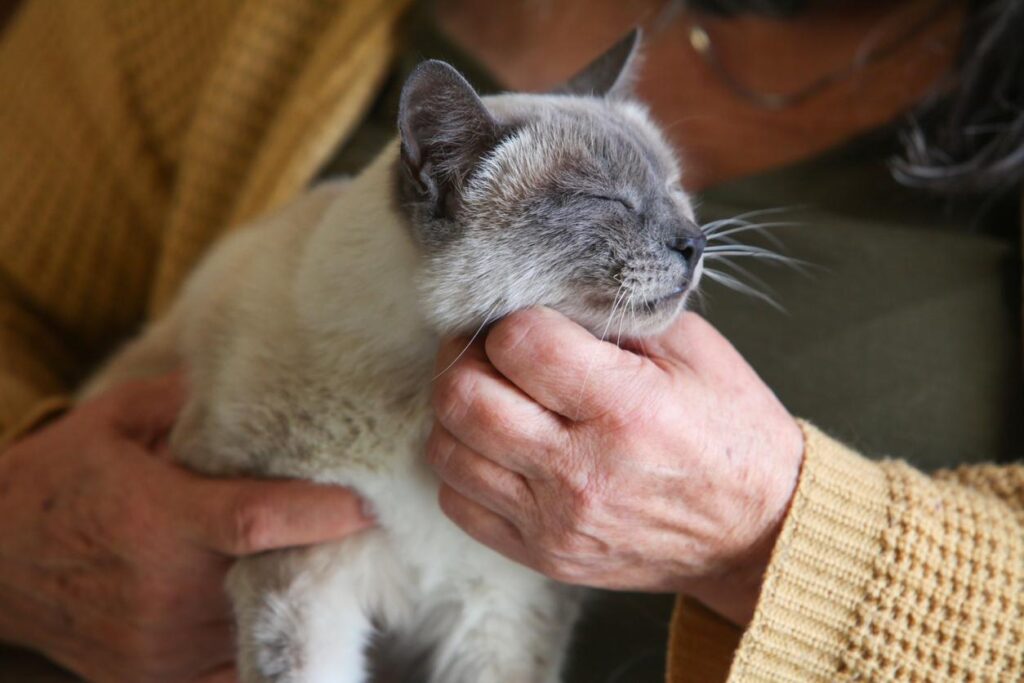
Domestication significantly extended the average lifespan of many species by reducing predation, providing regular food, and offering medical care. Pets live longer than their wild counterparts, sometimes by several years or more. However, selective breeding for appearance can also introduce chronic health issues that affect quality of life in later years. Longer lifespans mean extended responsibility for owners, including senior care and age-related health management. This trait reflects both the benefits and obligations of human influence, as pets depend on us not just for survival, but for comfort throughout old age.
30. Expectation of Human Emotional Support
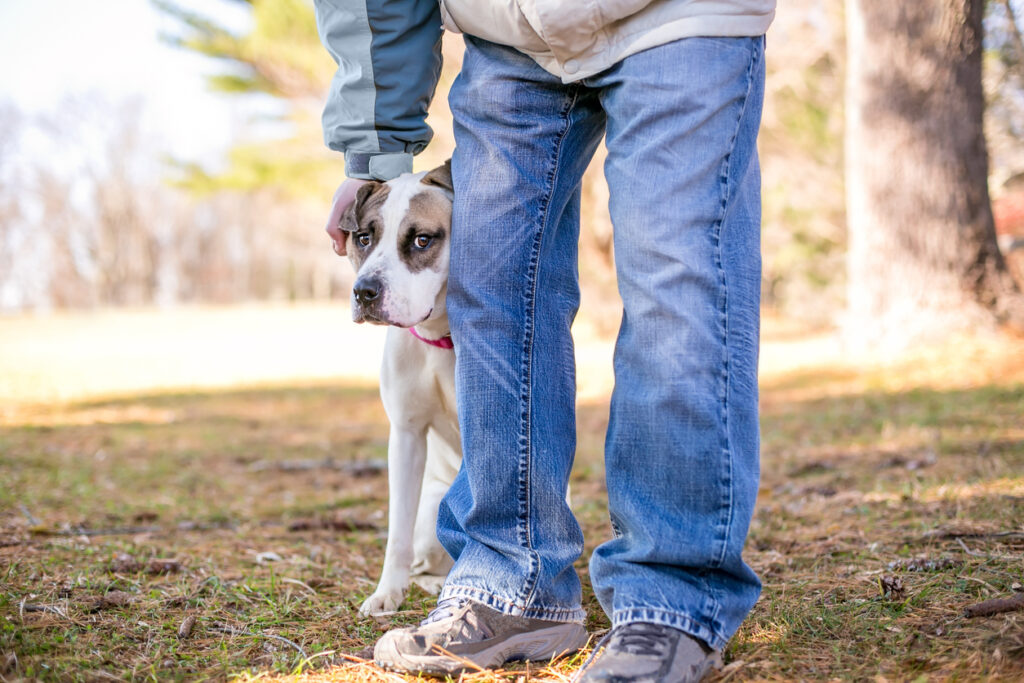
Perhaps the most profound trait bred into pets is their expectation of emotional support from humans. Pets often seek comfort during stress, illness, or fear, turning to people as a source of reassurance. Animals that relied on humans for safety and bonding were more likely to thrive in domestic settings. Over generations, this created companions that actively seek closeness and emotional regulation through human interaction. This trait deepens connection but also means pets are sensitive to neglect or emotional inconsistency. It underscores the responsibility that comes with companionship.
Many traits we cherish today emerged unintentionally, shaped by daily life, preference, and proximity. Understanding these inherited characteristics helps us care for pets with empathy, realism, and respect for the long history that made them our closest animal companions.
Like this story? Add your thoughts in the comments, thank you.


