
1. Memorizing Phone Numbers

Some habits don’t end with announcements or goodbyes. They fade quietly, replaced by convenience, speed, or technology, until one day you realize you haven’t done them in years. There was a time when people could recite dozens of phone numbers from memory, including relatives, friends, workplaces, and emergency contacts. This skill was essential before mobile phones stored contacts automatically. Studies on digital reliance show that smartphone contact lists have largely replaced memory-based recall, a phenomenon researchers call “cognitive offloading.” As mobile phones became widespread in the early 2000s, the need to memorize numbers faded. Many people today struggle to recall even close family members’ numbers without checking their phones.
2. Printing Photos for Albums
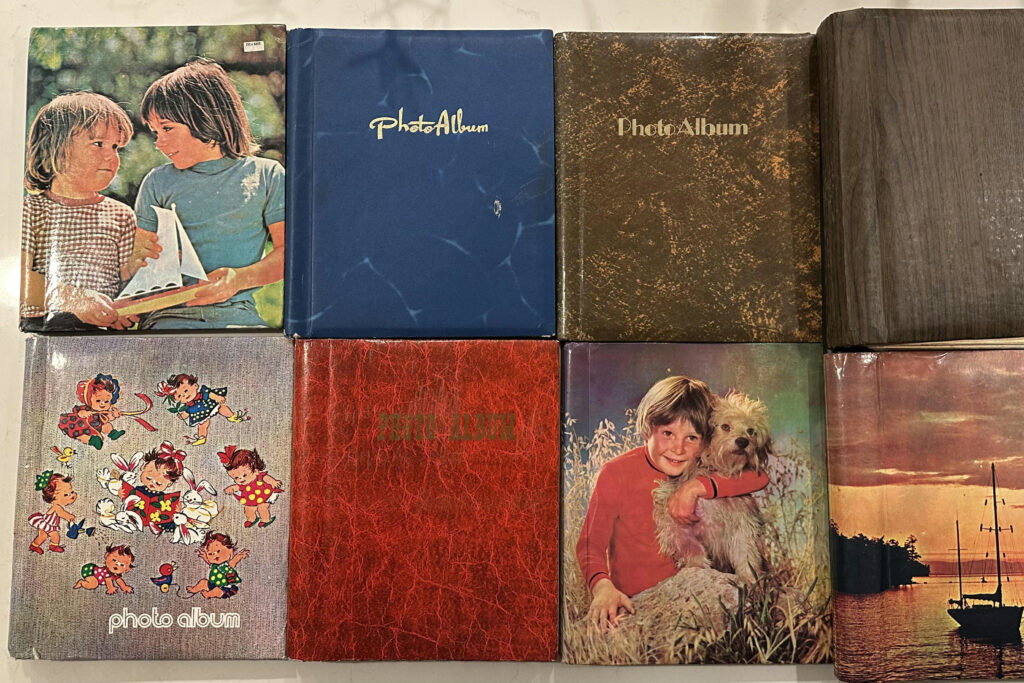
Printed photo albums were once a central part of family life, documenting holidays, birthdays, and milestones. The rise of digital cameras and smartphones shifted photo storage to hard drives, cloud services, and social media platforms. According to photography industry reports, photo printing rates dropped sharply after 2010 as digital storage became cheaper and easier. While people now take more photos than ever, far fewer are printed or physically organized. Albums tucked onto shelves slowly gave way to endless digital folders. The change felt natural, but it quietly removed a shared ritual of sitting together, flipping pages, and revisiting memories in a tangible way.
3. Calling Just to Chat
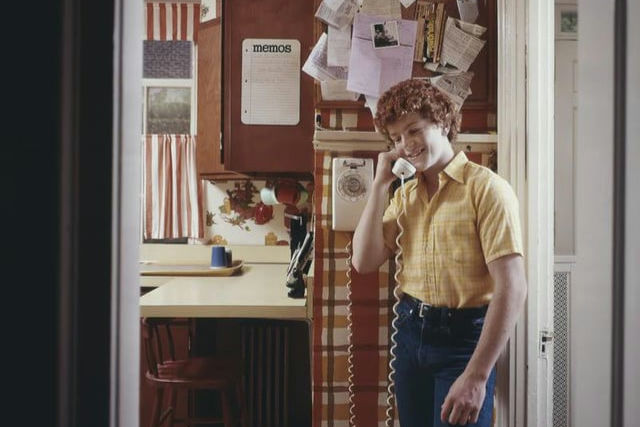
Phone calls used to be the default way to catch up with friends and family. Long conversations often filled evenings, especially before text messaging became widespread. As SMS, messaging apps, and social media grew, casual phone calls declined. Telecommunications studies show that voice call usage has steadily decreased among younger users since the late 2000s. Texting allows short, asynchronous communication, which feels more convenient in busy schedules. Over time, calling shifted to urgent or formal situations only. Many people didn’t consciously stop chatting on the phone; they simply reached for faster options until the habit quietly faded.
4. Carrying Cash Everywhere

Cash once dominated everyday transactions, from groceries to transportation. The spread of debit cards, mobile payments, and contactless systems reduced the need to carry physical money. Financial data from central banks show declining cash usage in many countries, especially in urban areas. People gradually stopped visiting ATMs as often, relying instead on cards and digital wallets. The shift felt subtle because payment options expanded rather than replacing cash overnight. Today, many people leave home with no physical money at all, something that would have seemed risky or unusual just a generation ago.
5. Reading the Newspaper Front to Back
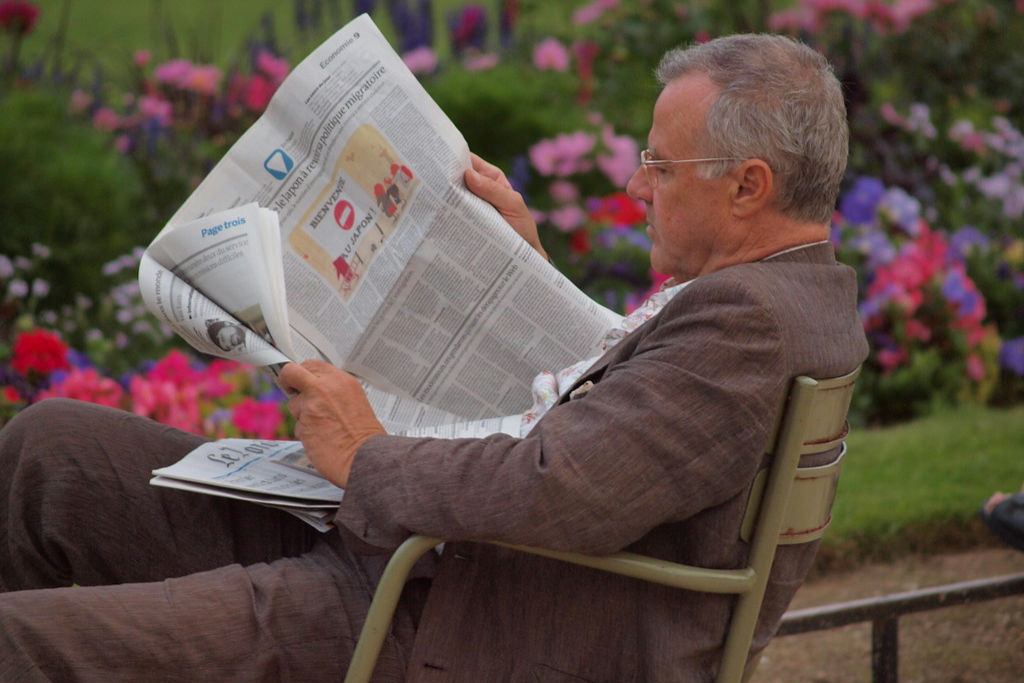
Daily newspapers were once read cover to cover, often during breakfast or commutes. Readers absorbed local news, classifieds, weather, and opinion columns in a single sitting. With the rise of online news and social media feeds, information became fragmented and personalized. Media research shows readers now consume headlines selectively, often skipping entire sections. Print circulation declined steadily as digital platforms offered constant updates. Many people didn’t decide to stop reading newspapers fully; they simply checked news online more often until the old routine quietly disappeared.
6. Waiting Patiently Without Distraction
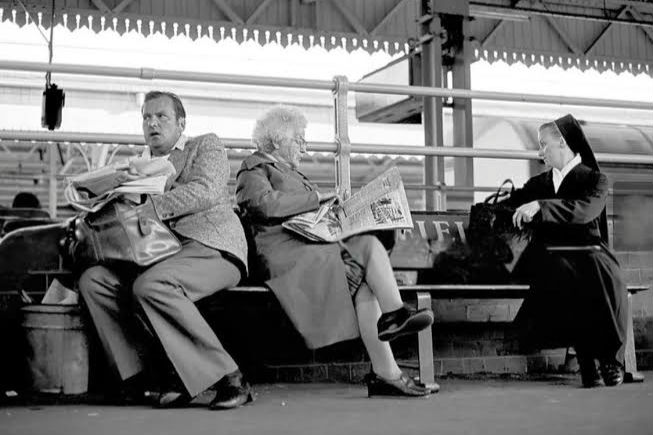
Waiting used to mean simply waiting. People stood in lines, sat at bus stops, or waited in offices with nothing to occupy their attention. The arrival of smartphones changed this behavior almost completely. Studies on mobile device usage show people instinctively reach for their phones during any idle moment. This shift removed boredom but also erased a shared experience of quiet observation or reflection. Because the change happened gradually, many didn’t notice when waiting without screens stopped being normal. Today, moments of stillness feel unusual rather than expected.
7. Using Paper Maps on Trips
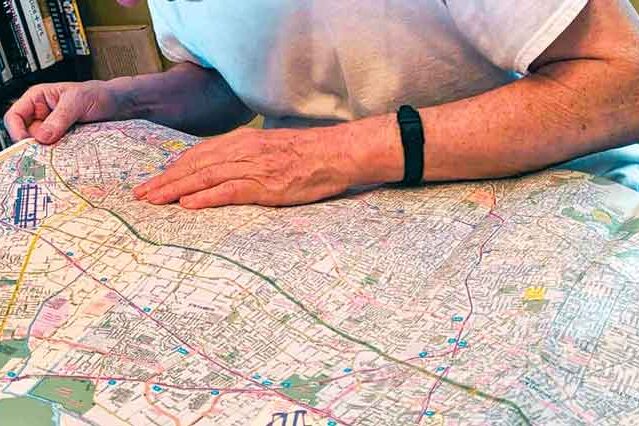
Paper maps were once essential travel tools, especially for road trips. Drivers planned routes in advance, highlighted roads, and stopped to recheck directions. The introduction of GPS devices and later smartphone navigation apps replaced this practice. Transportation studies show digital navigation significantly reduced reliance on physical maps by the late 2000s. People gradually stopped buying or carrying them without noticing. The skill of map reading faded alongside the habit, making navigation easier but removing a hands-on understanding of geography that many travelers once took for granted.
8. Writing Letters by Hand
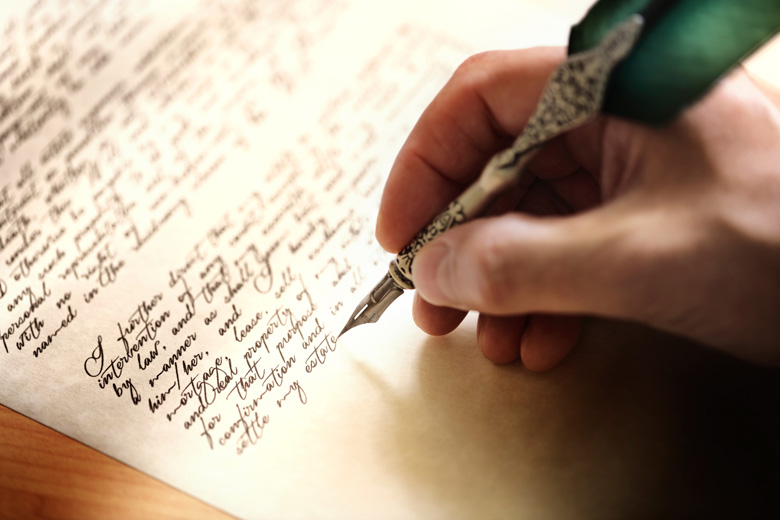
Handwritten letters were once a primary form of long-distance communication. Friends, couples, and families exchanged detailed updates through the mail. Email and instant messaging slowly replaced letter writing with faster alternatives. Postal service data across many countries show a long-term decline in personal letter volume since the early 2000s. People didn’t stop writing letters suddenly; they simply replied digitally more often until the habit faded. Today, handwritten notes are reserved for special occasions, making something once routine feel rare and sentimental.
9. Watching TV at a Set Time
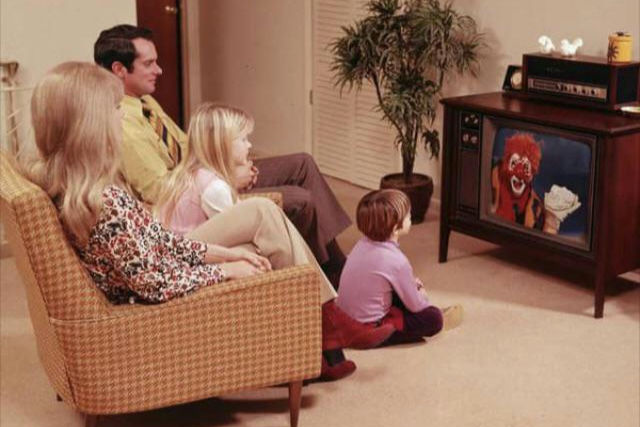
Television once followed strict schedules, with viewers planning evenings around specific programs. Missing an episode often meant waiting weeks for a rerun. The rise of on-demand streaming changed viewing habits entirely. Media consumption studies show audiences now prioritize flexibility over schedules. People gradually stopped checking TV guides as streaming libraries grew. The shift happened so smoothly that many didn’t notice when appointment viewing disappeared. Television became something you watch when convenient, not something that structures your day.
10. Keeping a Physical Address Book
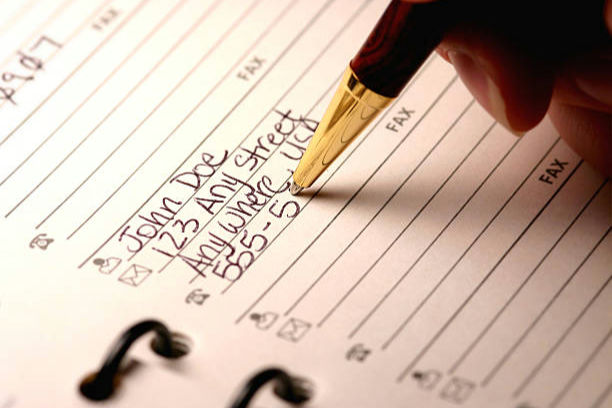
Address books once stored phone numbers, mailing addresses, and important dates. They were updated carefully and kept close at hand. Digital contact storage replaced this practice as smartphones synchronized information automatically. Research on personal information management shows digital tools reduced the need for manual record-keeping. People slowly stopped updating physical address books until they were forgotten in drawers. Today, many couldn’t locate one even if they tried. The transition felt effortless, but it quietly ended a small yet personal form of organization.
11. Checking the Weather in the Morning Paper
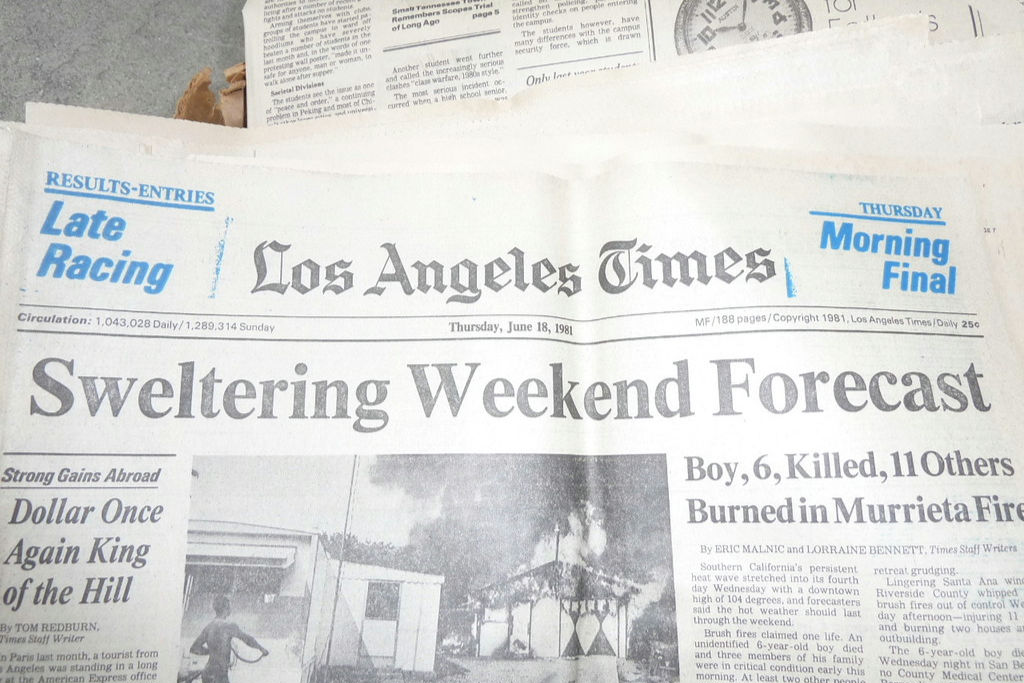
Morning weather checks once involved unfolding a newspaper and scanning small forecast boxes. People planned clothing, travel, and errands around a single daily prediction. As smartphones and weather apps became common, forecasts turned into real-time updates. Meteorological organizations note that digital platforms now dominate public weather access. The change happened gradually, replacing a once-daily ritual with constant availability. Many people no longer think about where forecasts come from, only that they’re always there. What disappeared wasn’t the need for weather information, but the habit of checking it in one fixed place at one fixed time.
12. Listening to Full Albums in Order
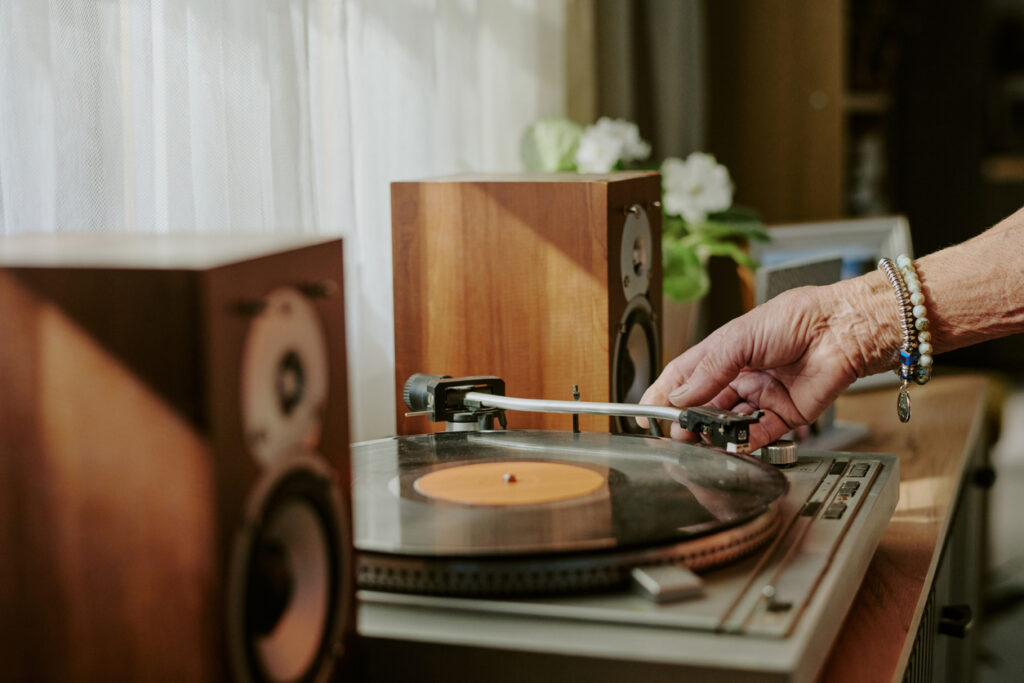
Music was once consumed as complete albums, often played from start to finish. Vinyl records, cassette tapes, and CDs encouraged listening in sequence. With the rise of digital downloads and streaming playlists, individual tracks became the focus. Music industry data shows streaming platforms favor singles and algorithm-driven mixes over full albums. Listeners didn’t consciously stop album listening; it simply became less common. While albums still exist, the shared experience of sitting through an entire record in order quietly faded for many everyday listeners.
13. Writing Down Directions Before Leaving

Before GPS navigation, travelers often wrote down step-by-step directions or printed them from early mapping websites. Missing a turn meant stopping to ask for help or rechecking notes. As turn-by-turn navigation apps improved, this preparation became unnecessary. Transportation studies show digital navigation reduced pre-trip planning behaviors. People stopped writing directions without realizing it, trusting devices to adjust routes automatically. The habit faded naturally as technology removed the need for advance planning, making travel easier but less deliberate.
14. Answering the Phone Without Knowing Who It Was
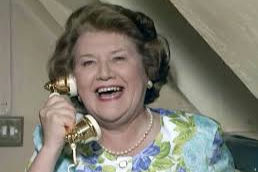
Before caller ID, answering the phone meant uncertainty. People picked up without knowing who was calling, whether it was a friend, family member, or wrong number. Caller ID technology and saved contacts changed this behavior. Telecommunications data shows call screening increased steadily after caller ID became standard. Many people now ignore unknown numbers entirely. The shift felt logical, but it quietly removed a small element of surprise from daily life that once felt normal.
15. Browsing Stores Without Buying Anything

Browsing physical stores was once a common leisure activity. People wandered malls or bookstores simply to look, compare, and discover. The rise of online shopping changed this habit. Retail studies show fewer in-store visits now occur without purchase intent. Online browsing replaced physical wandering, offering endless options without leaving home. Many people didn’t notice when casual in-store browsing declined. The behavior didn’t disappear entirely, but it became less central to everyday life.
16. Keeping Coins for Payphones
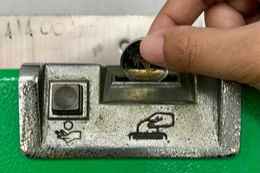
Carrying coins for payphones was once a practical necessity. Public phones offered a lifeline in emergencies or while traveling. As mobile phone ownership expanded, payphone use declined sharply. Telecommunications reports document widespread payphone removal starting in the early 2000s. People stopped carrying spare change for calls without realizing why. The habit faded as mobile access became universal, quietly ending a small but important form of public infrastructure.
17. Writing Shopping Lists on Paper

Paper shopping lists were once a staple of household planning. Notes were scribbled, crossed out, and sometimes forgotten at home. Digital note apps and voice assistants replaced this habit. Consumer behavior research shows list-making moved largely to smartphones over the past decade. Many people didn’t stop using lists; they simply stopped using paper. The familiar scrap of paper disappeared, replaced by screens that update automatically and never run out of space.
18. Rewinding Tapes and DVDs
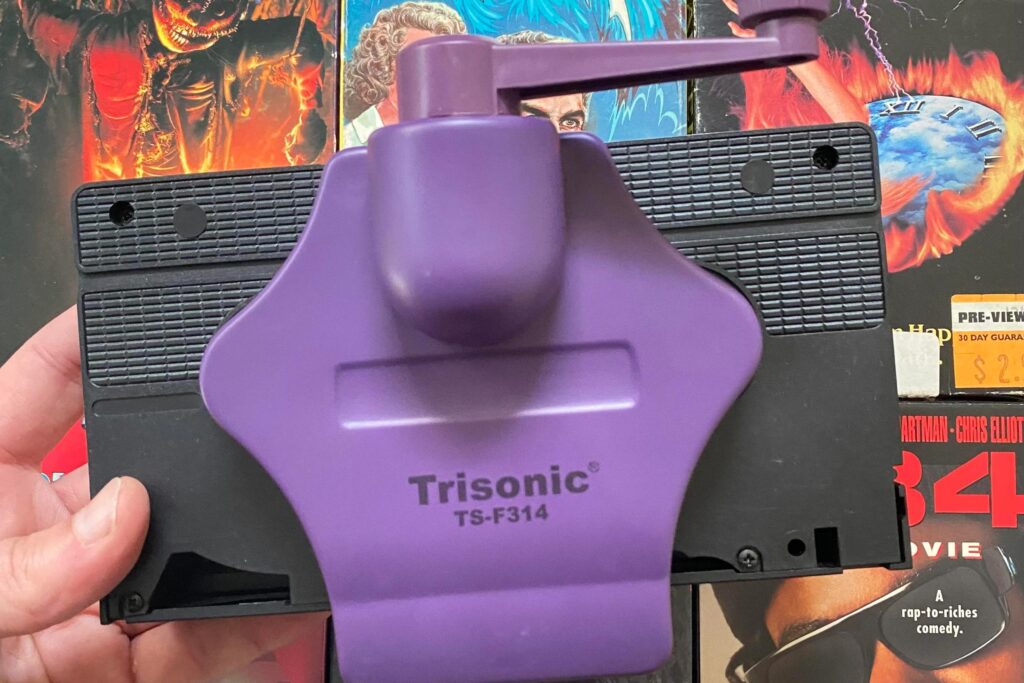
Rewinding was once part of media consumption. VHS tapes and cassette players required users to rewind before returning or replaying content. Even DVDs encouraged manual navigation. Streaming eliminated this entirely. Media technology histories show physical playback habits vanished as digital formats took over. People stopped rewinding without noticing because the action simply wasn’t needed anymore. The small responsibility disappeared along with the devices that required it.
19. Checking Movie Times in the Newspaper
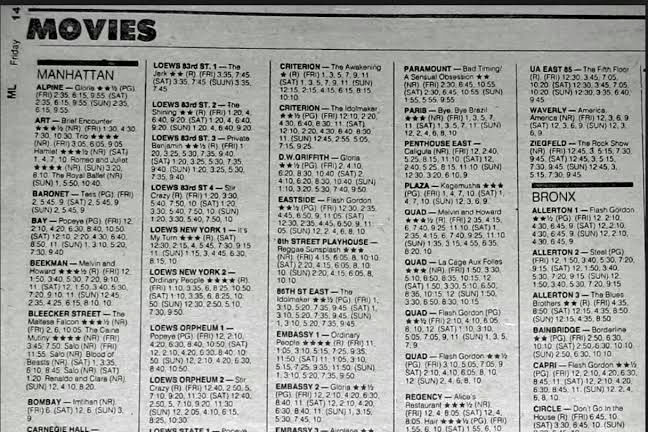
Movie showtimes were once found in newspaper listings or posted outside theaters. Planning a movie meant checking times in advance. As cinema websites and ticketing apps became common, printed listings declined. Entertainment industry data shows digital ticket sales now dominate. People stopped checking newspapers for showtimes without thinking about it. The habit faded naturally as access became faster and more precise online.
20. Keeping Physical Calendars on the Wall

Wall calendars once tracked birthdays, appointments, and reminders. Dates were written in pen and visible to everyone in the household. Digital calendars replaced this function with alerts and syncing. Productivity studies show digital scheduling tools now dominate personal planning. People didn’t stop using calendars; they stopped using physical ones. The wall calendar quietly disappeared, replaced by notifications that live in pockets instead of kitchens.
21. Reading Instruction Manuals Cover to Cover
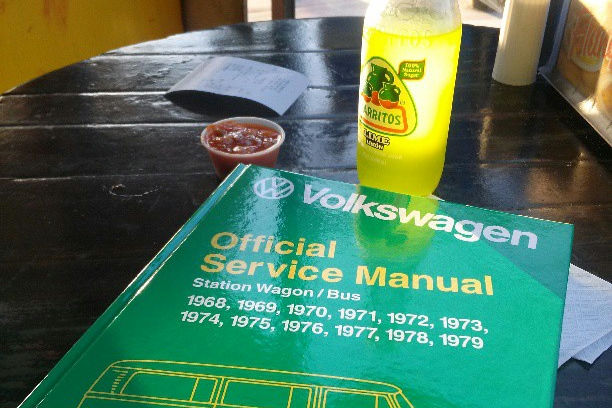
Instruction manuals were once carefully read before using new appliances or electronics. These booklets explained setup, safety, and troubleshooting in detail. As devices became more intuitive and online tutorials expanded, people stopped reading manuals thoroughly. Consumer behavior research shows users now rely on quick-start guides, videos, or search engines for specific problems. The habit faded gradually as confidence in user-friendly design grew. Manuals still exist, but they are often ignored, downloaded once, or never opened at all, quietly changing how people learn to use everyday technology.
22. Using Alarm Clocks Beside the Bed

Dedicated alarm clocks once sat on bedside tables in nearly every home. They served a single purpose and were considered essential. With smartphones offering alarms, timers, and reminders, standalone alarm clocks declined. Market data shows significant drops in alarm clock sales after widespread smartphone adoption. People didn’t consciously replace them; phones simply took over the function. Many bedrooms no longer contain a traditional clock, and the transition happened so smoothly that few noticed when this familiar object disappeared.
23. Keeping Emergency Phone Numbers by the Phone

Homes once displayed handwritten emergency numbers near landline phones. These lists ensured quick access during stressful situations. As mobile phones stored contacts automatically and emergency services became integrated into devices, these notes vanished. Safety research shows smartphones now centralize emergency information. People stopped updating physical lists without realizing it. The practice disappeared not because it was unnecessary, but because technology absorbed its purpose, quietly changing how households prepare for emergencies.
24. Waiting for Photos to Be Developed
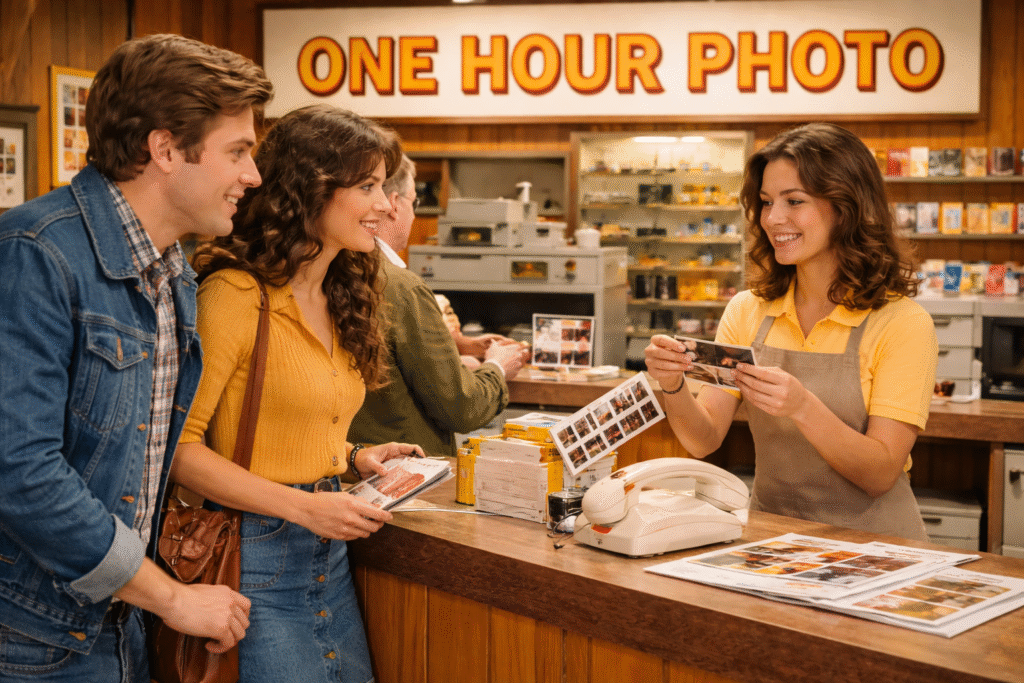
Film photography required patience. Photos were dropped off for development and collected days later. The shift to digital cameras removed this waiting period entirely. Photography industry reports show film processing declined sharply in the early 2000s. People gradually stopped expecting delays between taking and seeing photos. The anticipation that once accompanied photography disappeared, replaced by instant review and deletion. The habit didn’t end suddenly; it simply became unnecessary as technology evolved.
25. Sending Holiday Cards Through the Mail
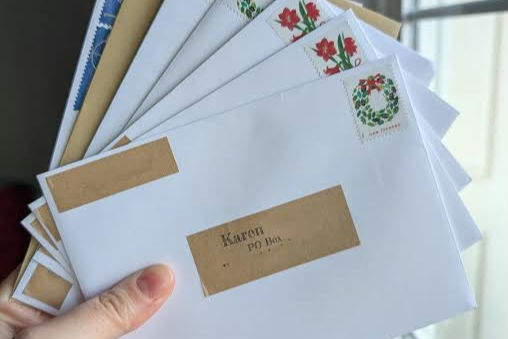
Holiday cards were once mailed in large numbers each year. Families selected designs, wrote messages, and tracked addresses. Digital greetings and social media posts reduced this tradition. Postal service data shows long-term declines in personal mail volume. Many people didn’t stop entirely; they sent fewer cards each year until the practice quietly faded. Physical cards became occasional gestures rather than annual rituals, changing how people mark seasonal connections.
26. Browsing Music Stores
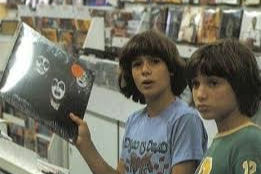
Music stores were once destinations for discovery. Shoppers browsed shelves, listened to samples, and spoke with staff. As digital downloads and streaming replaced physical media, music stores declined. Industry reports document widespread store closures since the 2000s. People didn’t stop exploring music; they simply moved online. The experience of physical browsing faded without much notice, replaced by algorithms and search bars.
27. Adjusting the Antenna for Better Reception
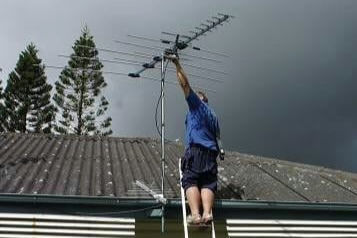
Television antennas once required manual adjustment to improve picture quality. Families repositioned antennas to reduce static and interference. The transition to cable, satellite, and digital broadcasting removed this necessity. Broadcast technology studies show antenna use declined as signal quality improved. People stopped adjusting antennas because there was nothing left to adjust. The small ritual disappeared alongside the technology that made it necessary.
28. Recording Shows on Blank Tapes
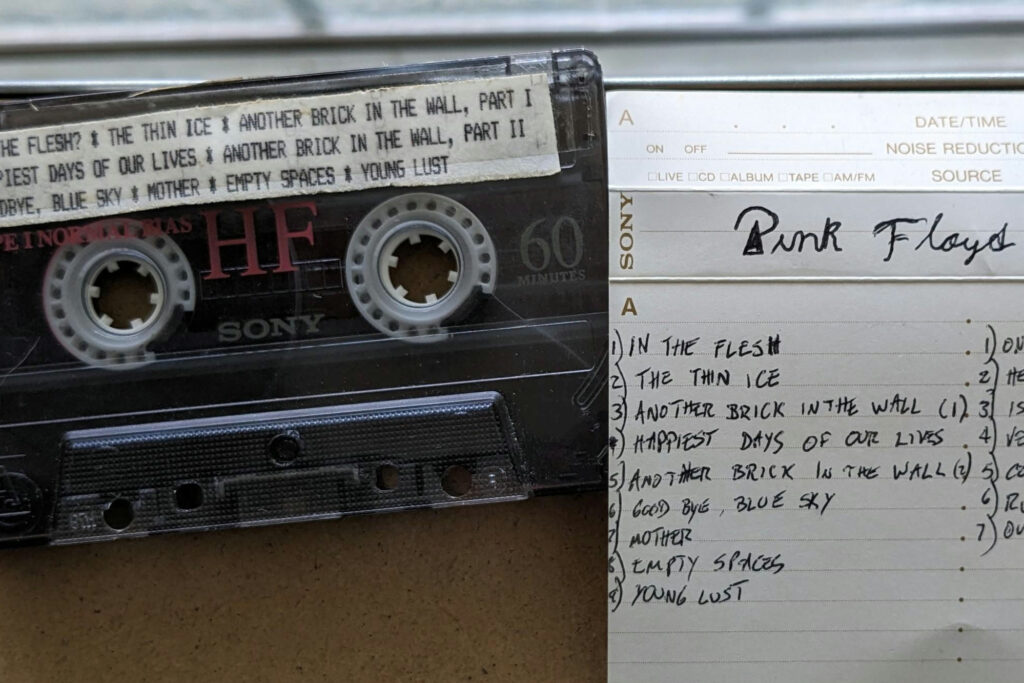
Recording television once involved blank tapes, careful timing, and label writing. Missing the start or end of a program was common. Digital video recorders and streaming replaced this process. Media history sources show physical recording formats declined rapidly after DVR adoption. People stopped managing tapes without realizing it. Recording became automatic or unnecessary, quietly removing a hands-on part of media consumption.
29. Reading Classified Ads
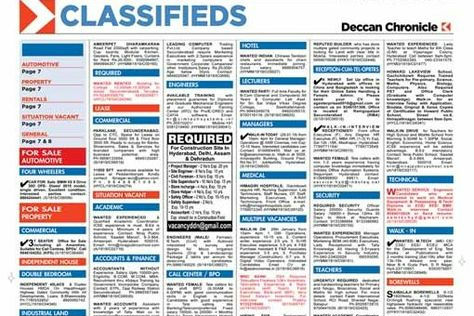
Classified ads once connected people to jobs, housing, and services. Readers scanned columns daily for opportunities. Online marketplaces and job boards replaced print classifieds. Media industry data shows classified advertising revenue collapsed as digital platforms grew. People didn’t stop searching for opportunities; they changed where they looked. The familiar newspaper section quietly disappeared, replaced by searchable online listings.
30. Writing Checks for Everyday Purchases
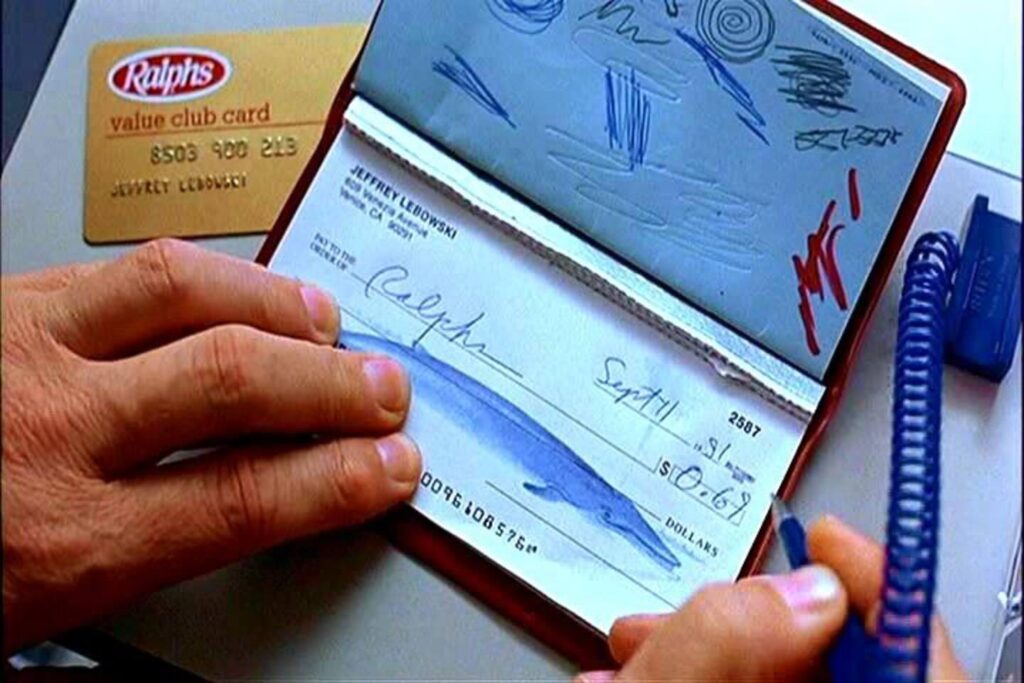
Checks were once common for groceries, rent, and bills. Writing checks required identification and manual processing. Electronic payments and debit cards reduced their use. Banking data shows steady declines in check transactions over the past two decades. People gradually stopped carrying checkbooks as alternatives became faster. The habit faded without ceremony, marking the end of a payment method that once felt indispensable.
Some habits don’t end with clear goodbyes. They fade as life grows faster and more digital, leaving behind quiet traces of how daily routines once worked.


