
1. Yeasty or Fermentation Smell

A yeasty, beer-like aroma indoors may indicate fermentation occurring where organic sugars and yeast or bacteria are trapped, think forgotten fruit, clogged drains, or damp organic waste in compost bins. Fermentation microbes produce alcohols and esters that smell pleasantly fruity to some, but in enclosed spaces this scent often flags spoilage or hidden organic matter. Kitchens, garbage disposals, and basement compost can all be culprits. Public health guidance suggests tracing these smells quickly because fermentation can attract pests and signal conditions that support broader microbial growth. Cleaning out food waste, sanitizing drains, and improving ventilation usually resolve the smell and prevent recurrence.
2. Musty Basement Smell
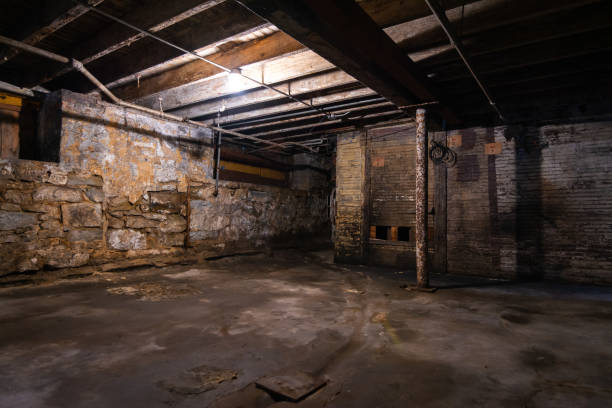
Sometimes, the biggest warning signs in a home don’t make noise or leave visible damage, they simply linger in the air. A persistent musty smell in a basement is one of the most common signs of excess moisture and potential mold growth. This odor is caused by microbial volatile organic compounds released by mold and mildew as they grow on damp surfaces like concrete walls, insulation, cardboard boxes, or wooden beams. Even if mold isn’t visibly spreading, moisture trapped in porous materials can sustain growth behind walls or under flooring. Studies from environmental health agencies consistently link musty odors to hidden water intrusion, poor drainage, or inadequate ventilation. Over time, this environment can weaken building materials and contribute to respiratory irritation, especially in people with allergies or asthma.
3. Rotten Egg Odor

A rotten egg smell inside a home is often associated with hydrogen sulfide or intentionally added odorants in natural gas. Utility companies add sulfur-based chemicals to gas lines so leaks are easily detectable. If the smell is strong or sudden, it may indicate a gas leak from an appliance, pipeline, or connection point, which can pose serious safety risks. In some cases, the odor may also come from sewer gas entering the home through dry drains or cracked pipes. Research from gas safety regulators shows that ignoring this smell can increase risks of fire, explosion, or health symptoms like headaches and dizziness.
4. Burning Plastic Smell
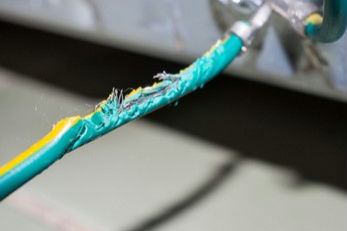
A burning plastic smell inside a home is frequently linked to overheating electrical components. This odor can come from melting wire insulation, overloaded outlets, or malfunctioning appliances. Electrical safety reports consistently warn that this smell should never be ignored, as it may signal an increased risk of electrical fires. Even brief or intermittent occurrences can indicate loose wiring behind walls or aging electrical systems struggling to handle modern power demands. The smell often appears before visible sparks or outages, making it a critical early warning. Identifying the source quickly can prevent costly damage and serious safety hazards.
5. Fishy Smell Without Food
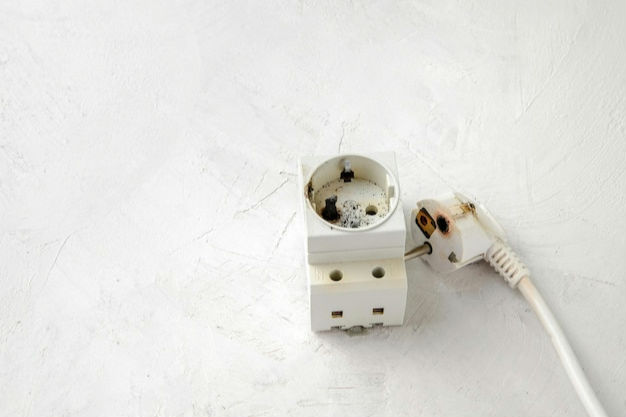
A fishy smell in a home when no food is present is another well-documented sign of electrical issues. Certain plastics used in wire insulation release amine compounds when overheated, producing an odor often compared to fish. Fire investigation studies frequently cite this smell as an early indicator of failing electrical connections, especially in breaker panels or wall outlets. Unlike burning smells, this odor may come and go, making it easy to dismiss. However, repeated occurrences suggest ongoing overheating that can escalate into electrical fires if not addressed. The smell is often strongest near walls or enclosed spaces.
6. Sewage-Like Odor
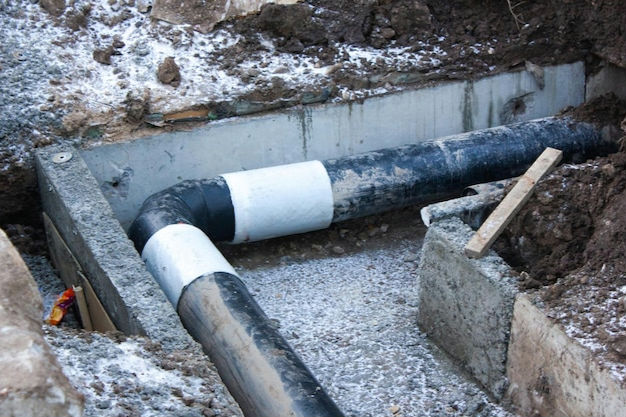
A sewage-like smell indoors typically points to sewer gas escaping into the living space. This can happen when plumbing traps dry out, allowing gases to travel up through drains, or when there are cracks in sewer lines. Sewer gases contain methane and other compounds that create a strong, unpleasant odor. Plumbing studies show that poor ventilation or infrequently used drains are common contributors. Beyond discomfort, prolonged exposure can cause headaches or nausea. This smell often signals hidden plumbing issues that may worsen over time, including pipe corrosion or blockages that eventually lead to leaks or backups.
7. Old Books or Paper Smell

The comforting scent of old books or paper can sometimes indicate chemical decay happening inside a home. This smell is caused by the breakdown of lignin and cellulose in paper products, releasing organic compounds into the air. While often associated with libraries, when noticeable throughout a home it may signal excessive dryness or aging materials deteriorating faster than expected. Preservation research shows that this odor can also point to poor air circulation, allowing compounds to build up indoors. In some cases, it reflects long-term storage issues affecting documents, insulation, or wood-based materials hidden behind walls or ceilings.
8. Sour Milk Smell
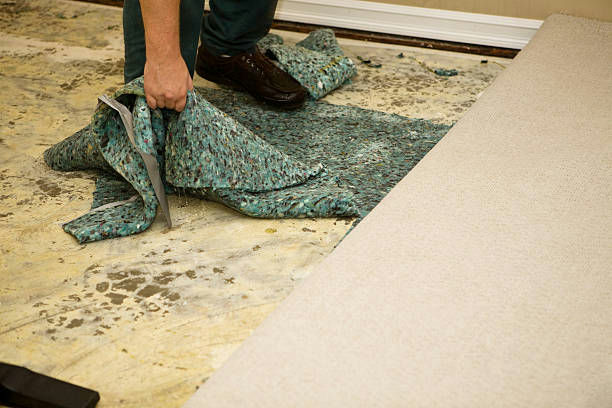
A sour milk smell lingering indoors isn’t always linked to forgotten food. It can result from bacterial growth in damp carpets, upholstery, or insulation that has absorbed spills or moisture. Indoor hygiene studies show that proteins trapped in porous materials can break down over time, releasing sour odors similar to spoiled dairy. This smell may also come from HVAC drip pans or filters that haven’t been cleaned regularly. While subtle at first, it often grows stronger as bacteria multiply. The odor serves as an early clue that organic matter is decomposing somewhere out of sight.
9. Metallic or Sharp Smell
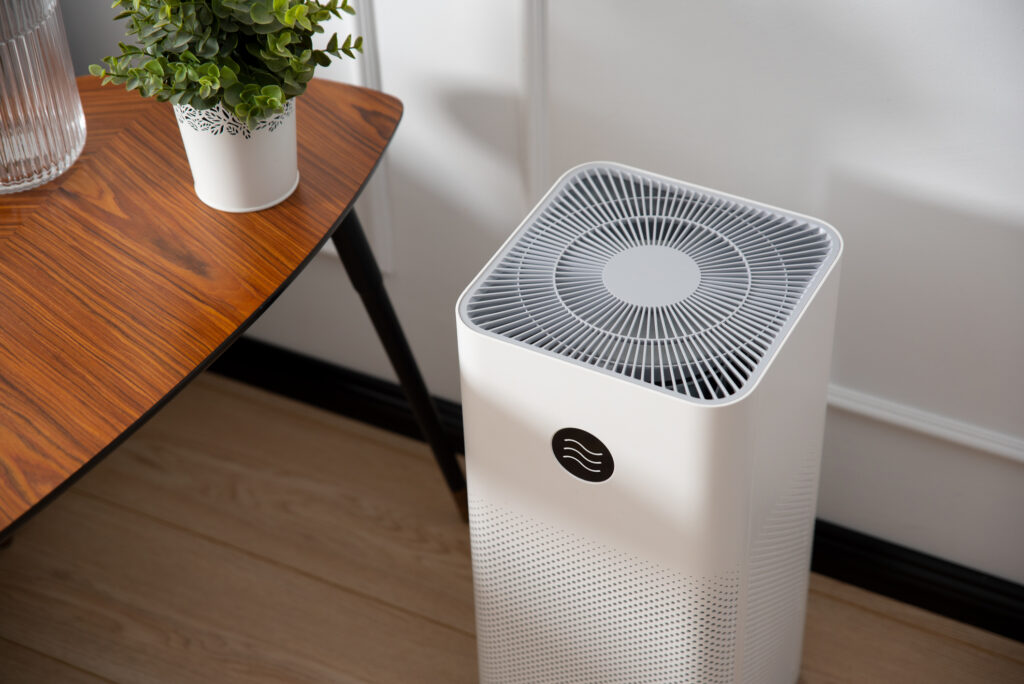
A metallic or sharp smell inside a home is sometimes associated with ozone or electrical arcing. Ozone has a crisp, almost metallic scent and can be produced by malfunctioning electrical equipment, old appliances, or certain air purifiers. Environmental safety studies note that elevated ozone levels indoors can irritate the lungs and worsen respiratory conditions. This smell may also indicate chemical reactions occurring on metal surfaces exposed to moisture or electrical discharge. While the odor may seem faint, repeated detection suggests an underlying mechanical or electrical issue that warrants attention before it escalates.
10. Mothball or Camphor Scent

A persistent mothball or camphor scent typically points to naphthalene or paradichlorobenzene, chemicals people use to protect stored clothing or linens. While the smell might seem like a harmless reminder of winter sweaters, it can indicate overuse or poor storage where vapors are concentrated. These compounds slowly off-gas from old mothballs, old scented packets, or even certain pest-control products left in closets and attics. Health agencies warn that prolonged exposure, especially in poorly ventilated spaces, can cause headaches, nausea, or respiratory irritation. The scent can also linger on materials and travel through HVAC systems, signaling that stored items or pest-control products need removal or safer replacement.
11. Sharp Ammonia or Cat Urine Smell
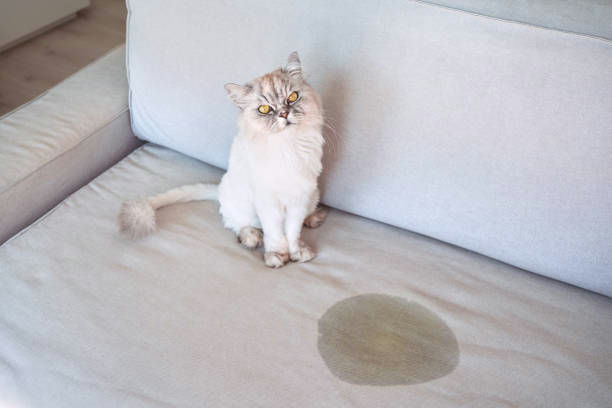
A sharp ammonia odor often comes from concentrated urine residues, commonly from pets or unnoticed leaks in upholstery and carpets. As organic waste breaks down, bacteria convert proteins into ammonia, producing a biting, bleach-like smell. This scent can hide in carpets, behind baseboards, or in seldom-used rooms; it becomes more noticeable when humidity rises or when HVAC systems redistribute air. Research on indoor allergens shows that lingering urine odors are linked to higher microbial loads and can worsen asthma and allergy symptoms. Finding the source often requires lifting cushions, checking pet-accessible areas, and deep-cleaning or replacing affected porous materials to fully remove the problem.
12. Persistent Damp Laundry Smell

When a home constantly smells like damp laundry, it often points to lingering moisture trapped in fabrics, carpets, or washing machines. This odor is caused by bacteria and mildew thriving in humid conditions, especially in poorly ventilated laundry areas. Research into indoor air quality shows that washing machines, especially front-load models, can harbor mold behind seals and detergent drawers. If the smell spreads beyond the laundry area, it may also indicate excessive indoor humidity, which can damage walls and furnishings over time. The scent is often an early warning sign before visible mold growth appears elsewhere in the home.
13. Fresh-Paint or Chemical New-Home Smell
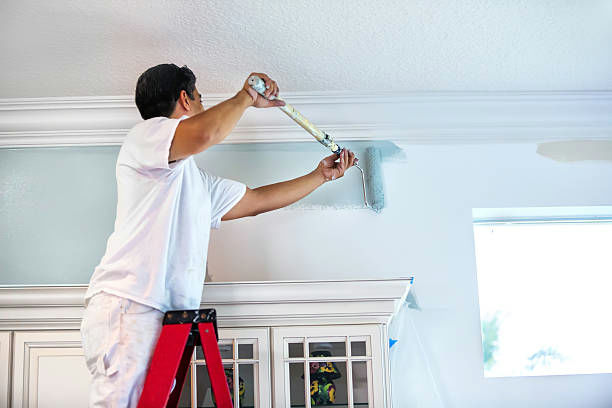
That fresh-paint or “new home” scent usually comes from volatile organic compounds (VOCs) off-gassing from paints, new furniture, carpets, or flooring. VOCs evaporate into the air after installation and can produce a recognizable sweet or solvent-like smell. While many modern products have lower VOC formulations, older finishes and certain adhesives still release stronger odors for days to months. Indoor air quality studies link prolonged VOC exposure to headaches, throat irritation, and sometimes longer-term risks. The smell is a warning that ventilation, air exchanges, and time are needed; using low-VOC products and airing out new items reduces both odor and chemical load.
14. Rotten Meat or Foul Decomposition Smell

A strong, putrid smell like rotten meat usually indicates a decomposing animal, often a rodent stuck inside walls, attics, or crawlspaces. This odor results from bacterial breakdown of tissues and can become painfully strong as decomposition advances. Because carcasses are often hidden, the smell is commonly the first sign homeowners notice; it may intensify with warm weather as bacteria accelerate decay. Such situations not only smell awful but can spread bacteria and attract insects. Resolving it requires locating and removing the source, sanitizing the area, and sometimes repairing entry points to prevent wildlife intrusions that could repeat the problem.
15. Gasoline or Petroleum Scent
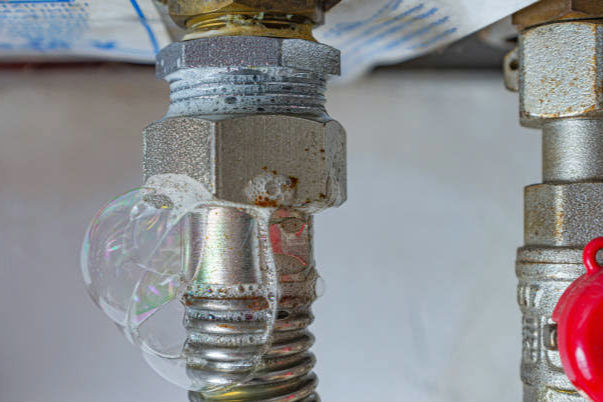
A gasoline or petroleum scent indoors signals that fuel vapors are present, which is both a health and fire risk. This smell can come from stored fuel containers, leaks in lawn equipment stored in garages, or runoff seeping into basements from outdoor spills. Gasoline vapors are heavier than air and can collect in low spaces, where they may be ignited by a pilot light or electrical spark. Environmental safety advisories recommend removing fuel sources immediately, ventilating the area, and addressing any leaks. If the smell persists after removing obvious sources, it could indicate seepage into building foundations or hidden storage areas that need professional attention.
16. Strong Chlorine or Pool-Chemical Smell
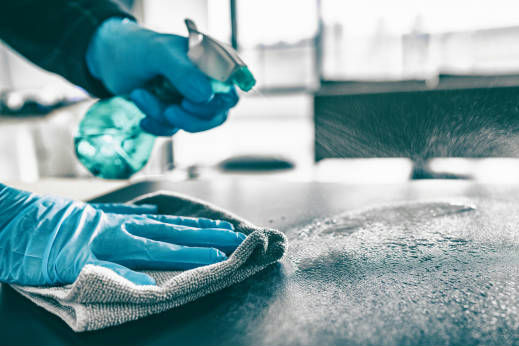
A sharp chlorine or pool-chemical smell inside a house often means chlorine-containing materials or disinfectants are present and reacting with organic matter. While some bleachy scent is expected after cleaning, unusually strong chlorine odors can result from pool equipment leaks, stored cleaning agents seeping into living areas, or chemical reactions in humid basements. Indoor air studies caution that heightened chlorine exposure can irritate eyes and lungs and may indicate poor storage practices. Identifying the source, whether a leaking pool pump, spilled cleaner, or an overused sanitizer, lets you ventilate and safely store chemicals to prevent both odor and health issues.
17. Constant “Wet Dog” Smell

A persistent “wet dog” smell beyond the presence of a pet can indicate trapped moisture and microbial growth in carpets, upholstery, or underflooring. Pet fur can collect oils and dirt that, when damp, foster bacteria and yeasts producing that characteristic odor. Even in homes without pets, the scent often points to damp fabrics or lingering moisture after spills. Carpet padding and underlay are particularly prone to harboring odors because they dry slowly and are hard to clean thoroughly. Addressing it means deep-cleaning fabrics, ensuring full drying, and checking for underlying moisture issues that could be supporting ongoing microbial activity.
18. Overly Perfumed or Floral Scent
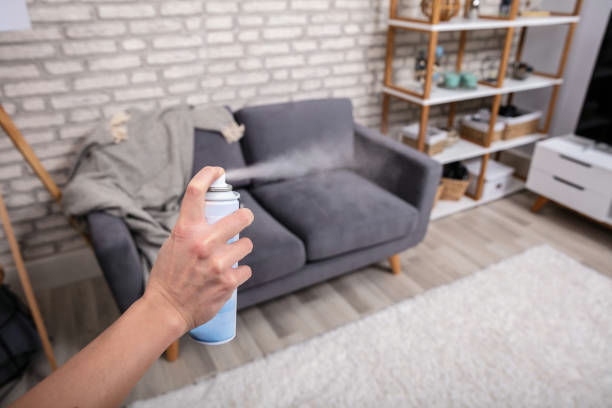
An intentionally strong floral or perfume-like scent may seem pleasant but can hide problems: heavy use of air fresheners, scented plug-ins, or fragranced cleaners can mask underlying odors and continually add synthetic chemicals to indoor air. Research into indoor pollutants shows that regular use of scented products increases VOC levels and can trigger headaches or respiratory irritation in sensitive people. In some cases, very sweet floral smells come from decomposition or mold that air fresheners are temporarily covering up. If the scent is concentrated in one area, check for moist materials or hidden odors; reducing masking fragrances and locating the real source is the healthier approach.
19. Earthy, Mushroom-Like Smell
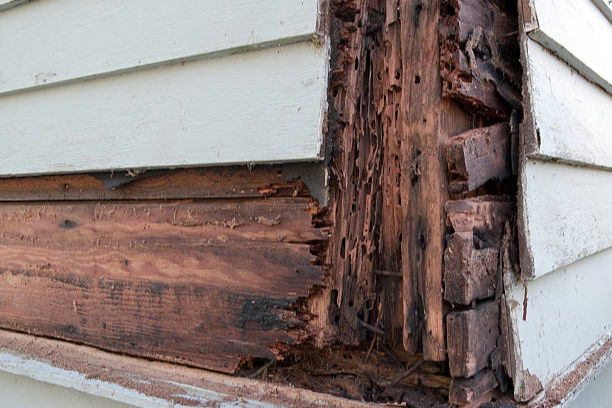
An earthy, mushroom-like smell inside a home usually signals wood rot, fungal decay, or soil-based fungal spores penetrating structures. This scent is common where water intrusion has persisted long enough for wood and building materials to be colonized by fungi, under floorboards, behind siding, or in crawl spaces. Building science research links these odors to structural damage risk and decreased indoor air quality; fungal growth can weaken framing and supports over time. The smell is an important early cue to inspect for leaks, roof or foundation issues, and damp framing so repairs and targeted remediation can prevent broader damage and restore a healthy indoor environment.
If you notice any of these smells, tracing and fixing the source quickly can protect health and prevent costly repairs.


