
1. Home Bread Baking
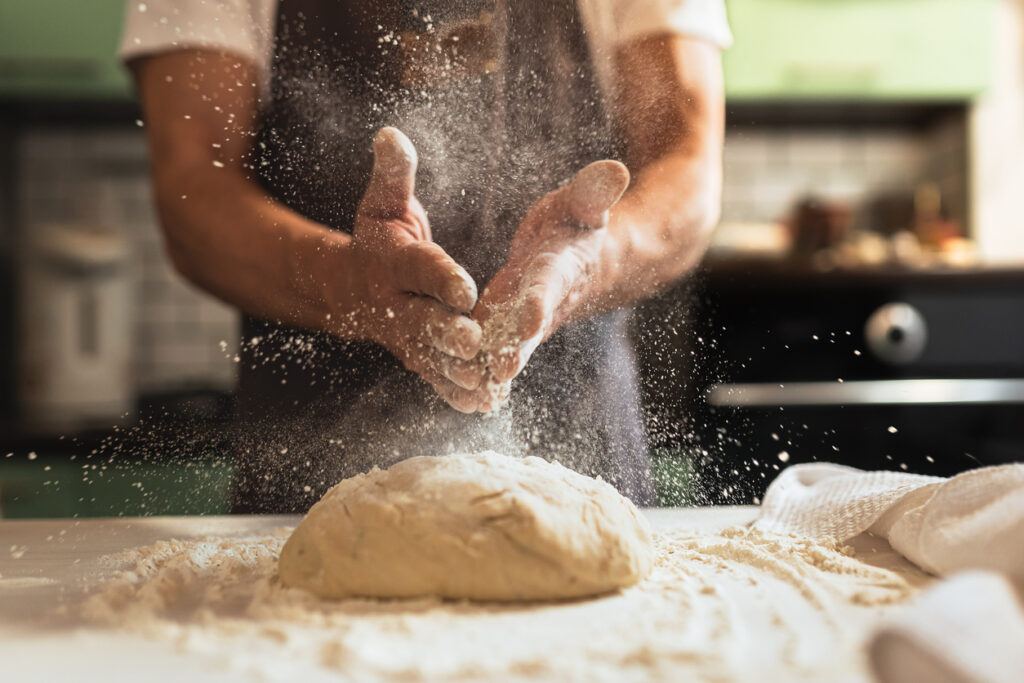
Lately, many people are quietly returning to hobbies that bring comfort and rhythm, and home bread baking fits naturally into that shift. Measuring flour, mixing dough, and waiting for it to rise creates a steady pace that feels reassuring. Many beginners are surprised by how forgiving bread can be, even when it looks imperfect. The smell alone makes the effort worthwhile. Baking becomes less about skill and more about presence and patience. People enjoy learning through repetition, adjusting little things each time. Sharing homemade bread adds meaning, turning a simple loaf into connection. It gently eases people back into making things with their hands, offering something real at the end that feels earned and quietly satisfying.
2. Pressed Flower Art
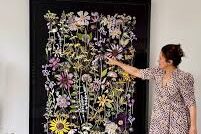
Pressed flower art often begins with a slow walk and a moment of noticing something small and beautiful. People collect flowers casually, press them between pages, and return later to rediscover them transformed. The process is unhurried and forgiving, making it easy to begin without pressure. This hobby blends creativity with attention, allowing memory to take shape through texture and color. Over time, pressed flowers become bookmarks, framed pieces, or journal accents that feel deeply personal. It follows naturally from bread baking because both reward patience and care. Pressed flower art invites people to hold onto moments gently, turning ordinary days into quiet keepsakes made by hand and remembered without needing perfection.
3. Calligraphy for Everyday Notes
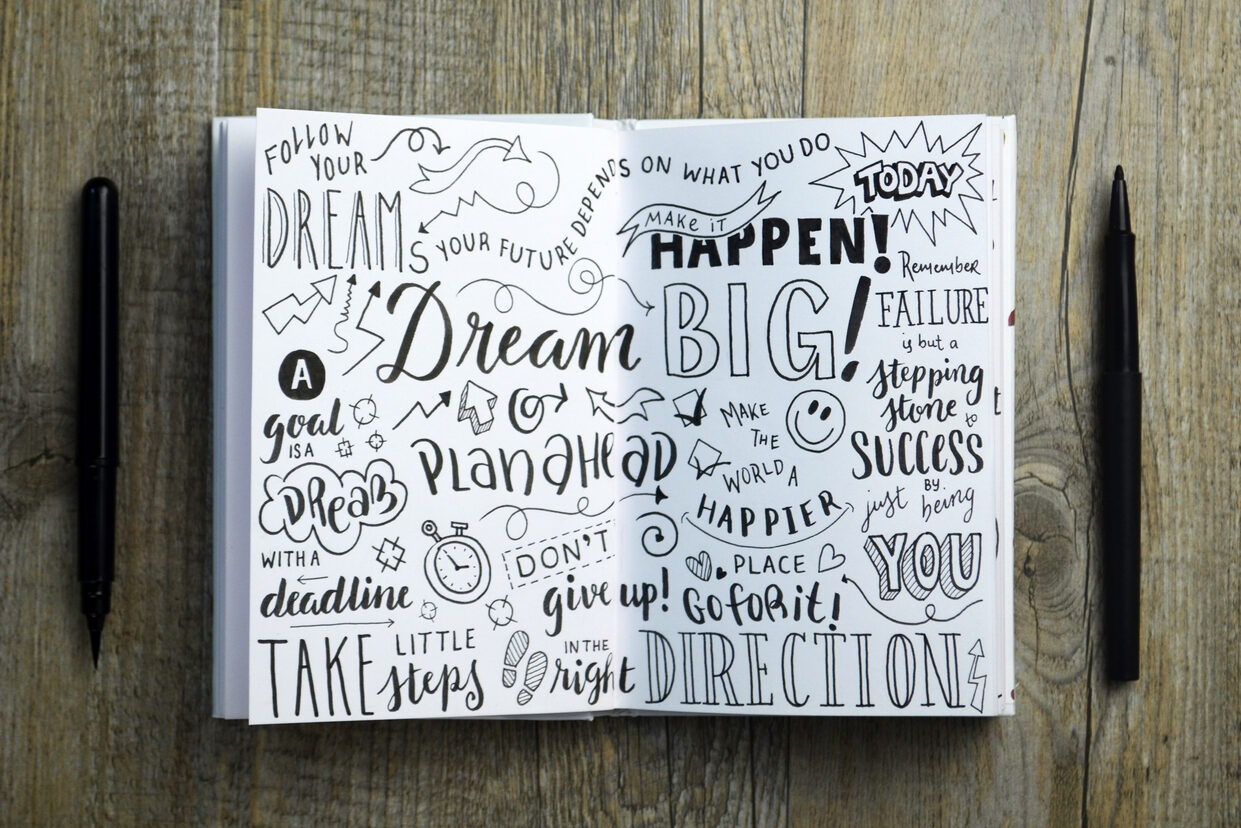
Calligraphy has moved beyond special occasions and into daily life, where people use it to slow their communication down. Writing carefully changes how words feel, even when the message is simple. Many start by practicing basic strokes, then move into notes, lists, or letters. The appeal lies in intention rather than perfection. Calligraphy turns ordinary writing into a small ritual, helping people pause before rushing through thoughts. Over time, handwriting becomes more personal and expressive. This hobby flows naturally from bread baking because both invite repetition and patience. Each letter, like each loaf, improves through practice. Calligraphy reminds people that how something is said can matter just as much as what is written.
4. Film Photography

Film photography is returning as people look for ways to be more intentional with memories. Unlike digital photos, film encourages thought before pressing the shutter. Every frame matters, which makes the act of photographing feel deliberate. Many enjoy the anticipation of waiting for prints, allowing moments to settle before being seen. The process creates space for reflection rather than instant review. Film photography pairs well with calligraphy because both value care and commitment. Mistakes are accepted as part of the story. Over time, people find that film helps them notice light, framing, and timing more deeply. The hobby offers a quiet reminder that not everything needs to be immediate to be meaningful.
5. Mending and Visible Repairs
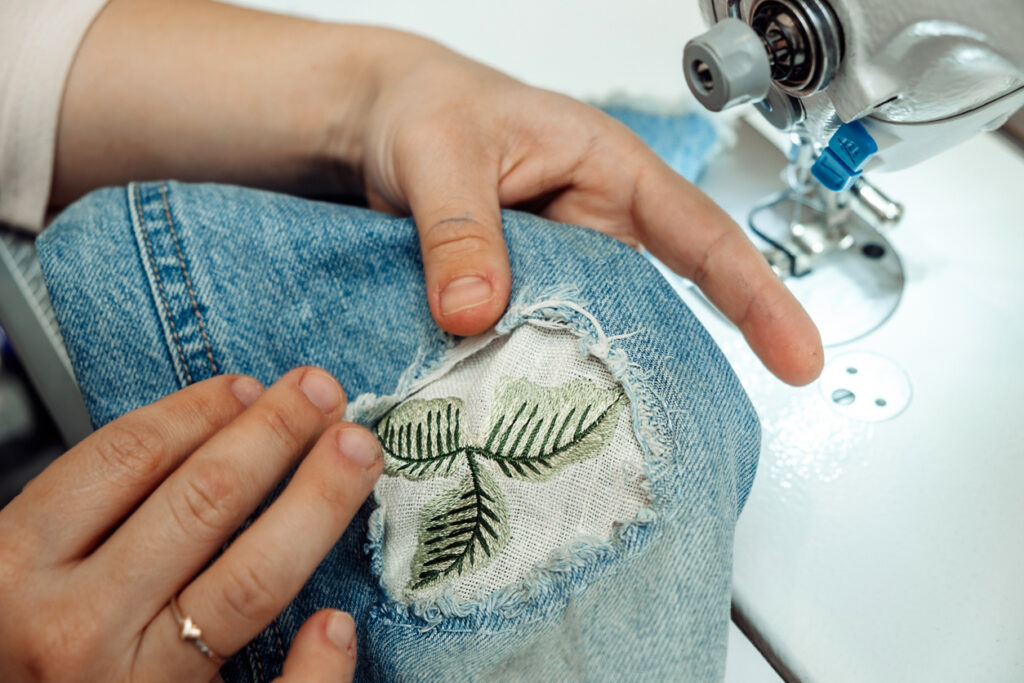
Mending clothes is becoming a meaningful way to reconnect with what people already own. Instead of discarding worn items, people stitch them back together with care and creativity. Visible repairs turn flaws into features, telling stories rather than hiding damage. This hobby appeals to those who value patience and sustainability. Learning basic stitches feels empowering, especially when a favorite item becomes wearable again. Mending flows naturally from film photography because both teach appreciation for imperfection. Over time, people develop a deeper relationship with their clothes. Each repair becomes a reminder of effort and intention. The act of mending encourages slowing down, noticing details, and valuing longevity over convenience.
6. Backyard Birdwatching

Backyard birdwatching invites people to notice what has always been there. With minimal effort, birds become daily visitors that bring quiet excitement. Learning their habits and sounds turns ordinary mornings into moments of curiosity. Many start with a simple feeder or notebook, gradually recognizing patterns. This hobby connects well with mending because both emphasize care and observation. Birdwatching encourages patience without pressure to achieve anything. Over time, people feel more connected to their environment. The presence of birds adds rhythm to daily life, reminding watchers that nature moves steadily regardless of schedules. Birdwatching offers calm attention, making it an easy habit to return to again and again.
7. Scrapbooking with a Modern Twist
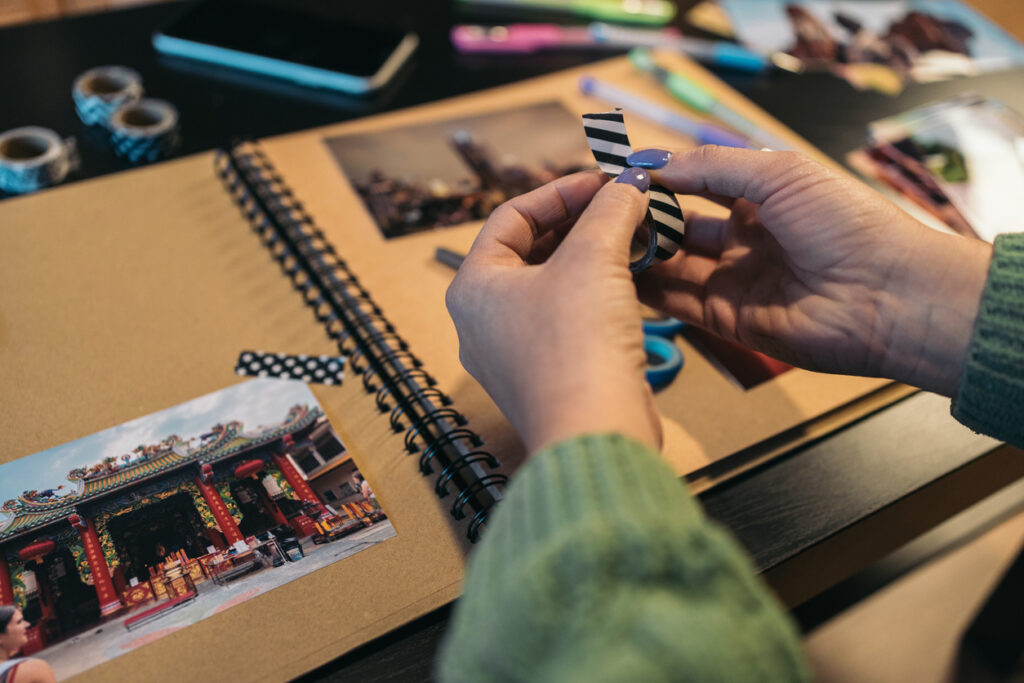
Modern scrapbooking focuses more on memory than presentation. People combine photos, notes, and small keepsakes without worrying about perfection. Pages become personal reflections rather than polished displays. This hobby feels approachable because there are no rules to follow. Scrapbooking flows naturally from birdwatching since both celebrate noticing small moments. Sitting with memories allows people to process experiences gently. Over time, scrapbooks turn into quiet records of growth and change. Using paper and glue feels grounding in a digital world. The act of arranging memories by hand helps people slow down and reflect. Scrapbooking becomes less about crafting and more about honoring everyday life.
8. Pottery at Community Studios
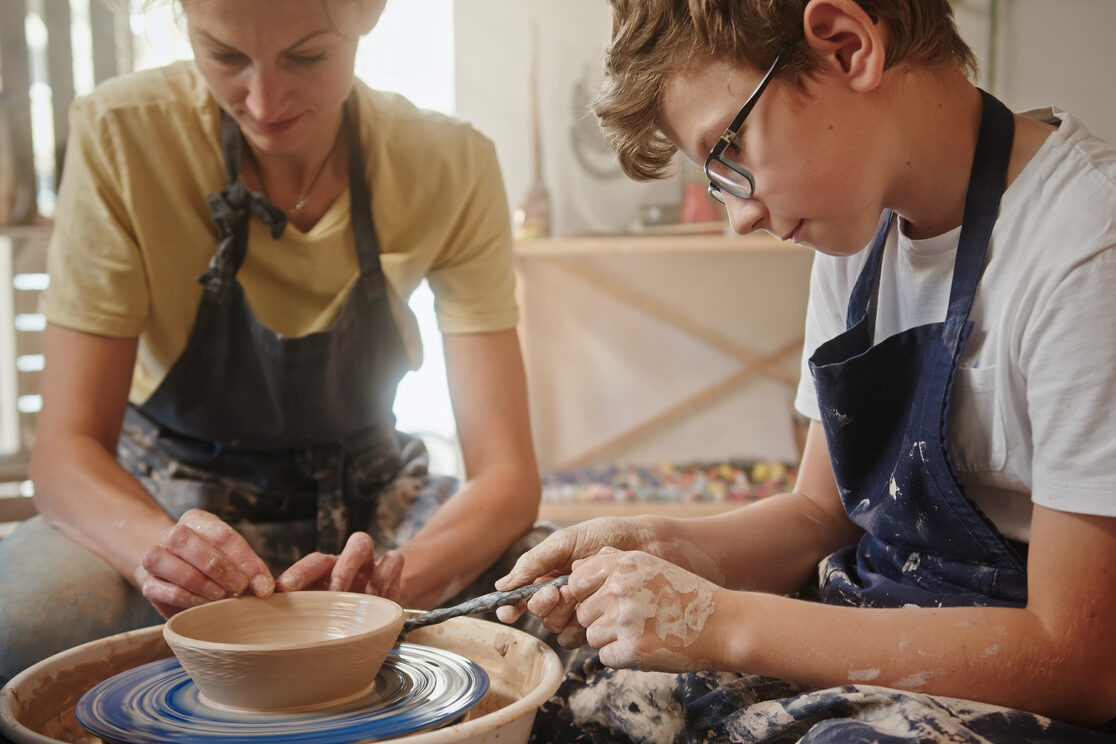
Pottery draws people into shared spaces where hands and clay do the talking. Working with clay requires attention and acceptance, as the material responds honestly to touch. Beginners often enjoy the freedom to make mistakes without judgment. Pottery follows scrapbooking naturally because both encourage expression without pressure. The physical nature of clay feels grounding, offering relief from screen time. Over time, shaping bowls or mugs becomes meditative. Finished pieces carry visible effort, making them meaningful even when imperfect. Community studios also create connection, allowing quiet conversation alongside focused work. Pottery offers a balance of creativity, patience, and presence that keeps people coming back.
9. Soap and Candle Making
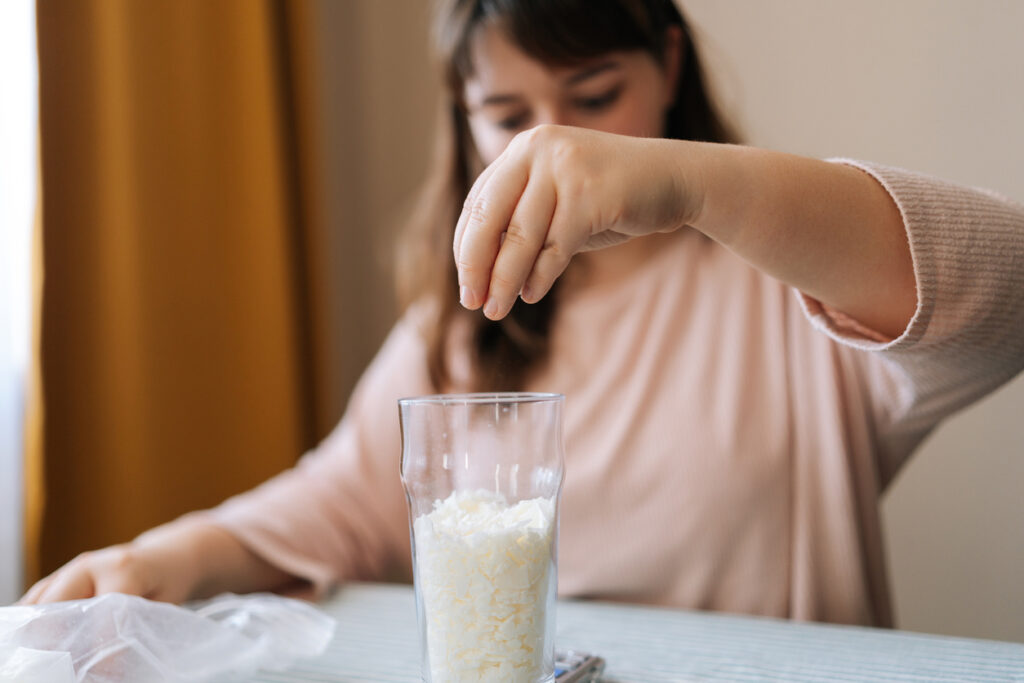
Soap and candle making combines creativity with usefulness, which makes it especially appealing. People enjoy creating items they can actually use or gift. The process involves careful measuring, mixing, and waiting, creating a soothing rhythm. This hobby flows naturally from pottery since both result in tangible objects. Experimenting with scents and colors allows for personal expression without pressure. Over time, makers develop preferences that reflect mood and season. The act of crafting everyday essentials adds intention to routine. Soap and candle making encourages mindfulness through repetition and care, turning ordinary moments into something slightly more thoughtful and comforting.
10. Puzzle Collecting
Puzzle collecting has grown into a relaxing way to unwind without screens. Working through pieces invites focus without urgency, allowing the mind to settle. Many people enjoy returning to the same puzzle over several days. This hobby follows candle making naturally because both offer calm repetition. Collecting puzzles with unique artwork adds personality to the experience. Completing one puzzle brings satisfaction, but the process matters just as much. Over time, puzzling becomes a comforting ritual shared alone or with others. It offers structure without stress, making it easy to return to whenever life feels overwhelming or scattered.
11. Journaling Without Rules

Journaling without rules allows people to write honestly without expectation. There are no prompts to follow or goals to meet. Writing becomes a place to unload thoughts freely. This hobby pairs well with puzzle collecting because both create quiet space. Some people write daily, others only when needed. Over time, patterns appear naturally. Journaling helps people understand their feelings by seeing them on paper. It encourages reflection without judgment. The simplicity of writing freely makes the habit sustainable. Journaling becomes a trusted place to return to, offering clarity and calm whenever life feels noisy or confusing.
12. Home Fermentation

Home fermentation appeals to those curious about slow transformation. Watching simple ingredients change over time feels rewarding and educational. This hobby connects naturally with journaling because both require observation and patience. People enjoy learning through trial and error while caring for something living. Fermenting foods like yogurt or vegetables builds confidence and curiosity. Over time, the process feels intuitive rather than technical. The waiting becomes part of the pleasure. Fermentation encourages attention and care, reminding people that good things often develop gradually. It adds a sense of participation to everyday eating, making meals feel more intentional and connected to effort.
13. Model Building
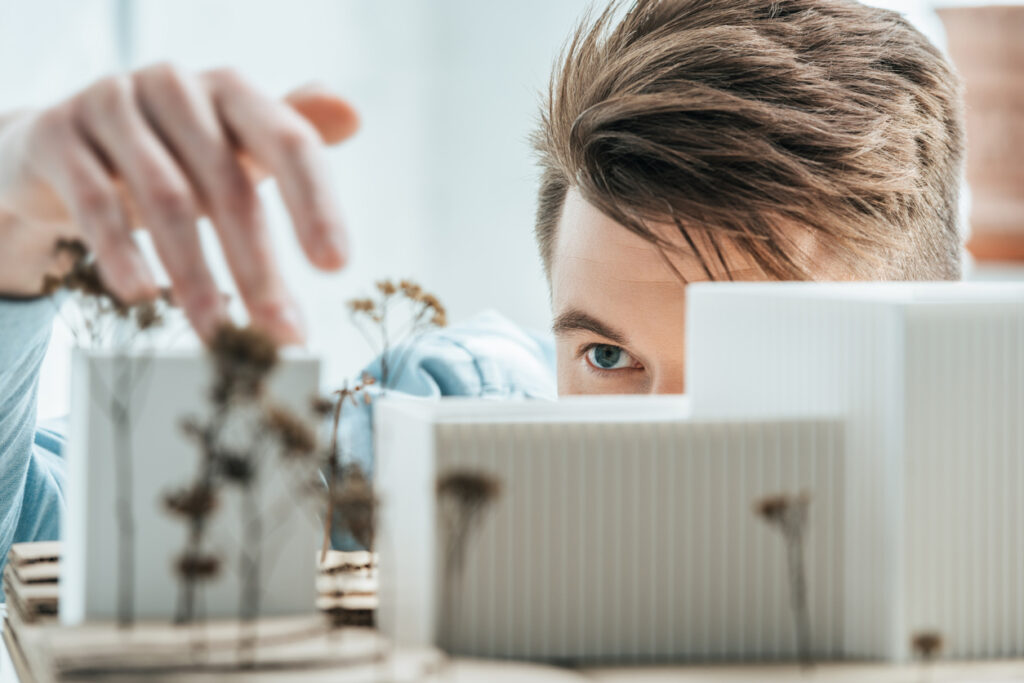
Model building offers focus and immersion through detailed work. Assembling small pieces requires attention and steady hands. This hobby follows fermentation naturally since both reward patience. People enjoy seeing progress slowly take shape. Mistakes are part of learning, not failure. Over time, builders develop problem solving skills and confidence. Finished models feel earned, reflecting time invested. Model building provides a structured way to disconnect while still engaging the mind. It appeals to those who enjoy quiet concentration. The process encourages slowing down, making it easier to stay present and appreciate progress one careful step at a time.
14. Nature Sketching
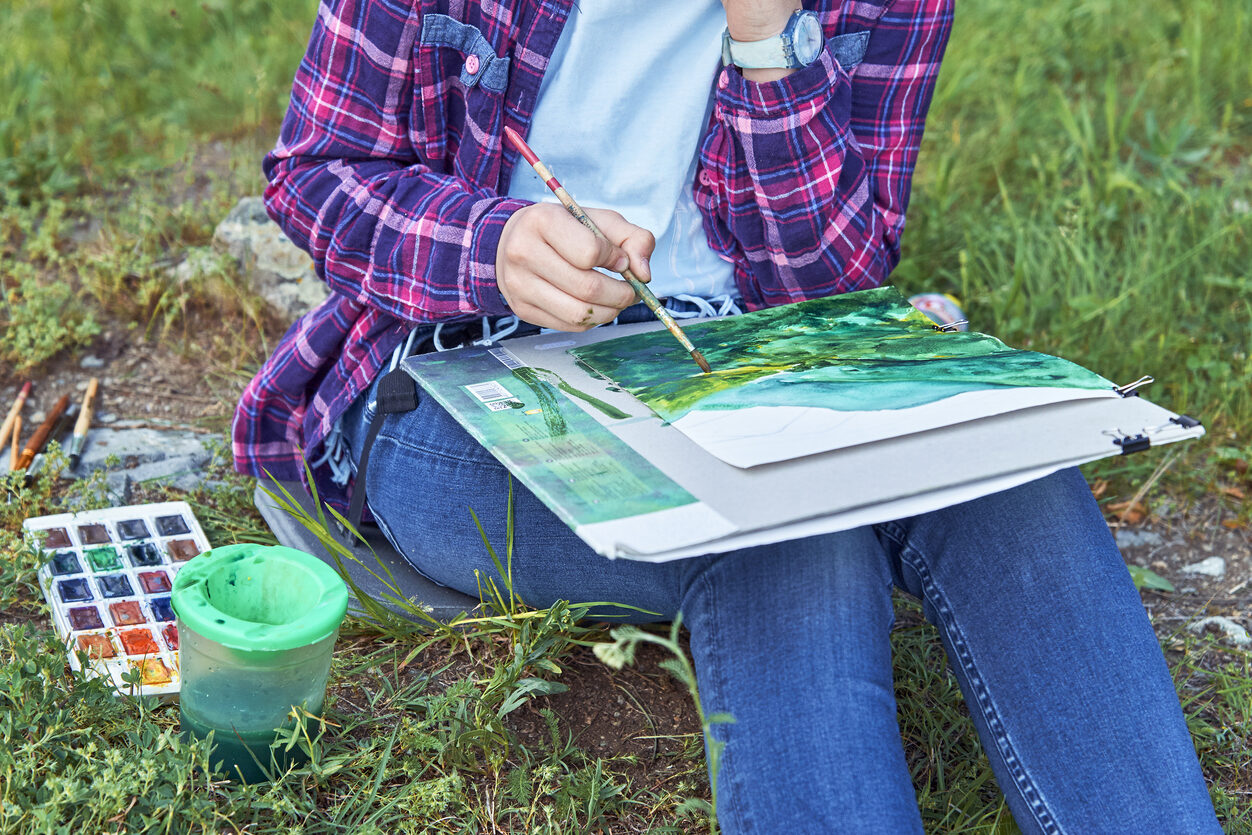
Nature sketching invites people to observe rather than rush. Drawing plants or landscapes helps sharpen attention. This hobby pairs well with model building because both value careful observation. Skill level matters less than presence. Sketching outdoors encourages connection with surroundings. Over time, lines become more confident, but the goal remains noticing details. Sketchbooks turn into personal records of time spent observing. Nature sketching slows movement and thought, offering calm focus. It encourages curiosity and appreciation without pressure to perform. The act of drawing becomes a quiet conversation with the environment, fostering patience and awareness.
15. Thrift Flipping for Fun
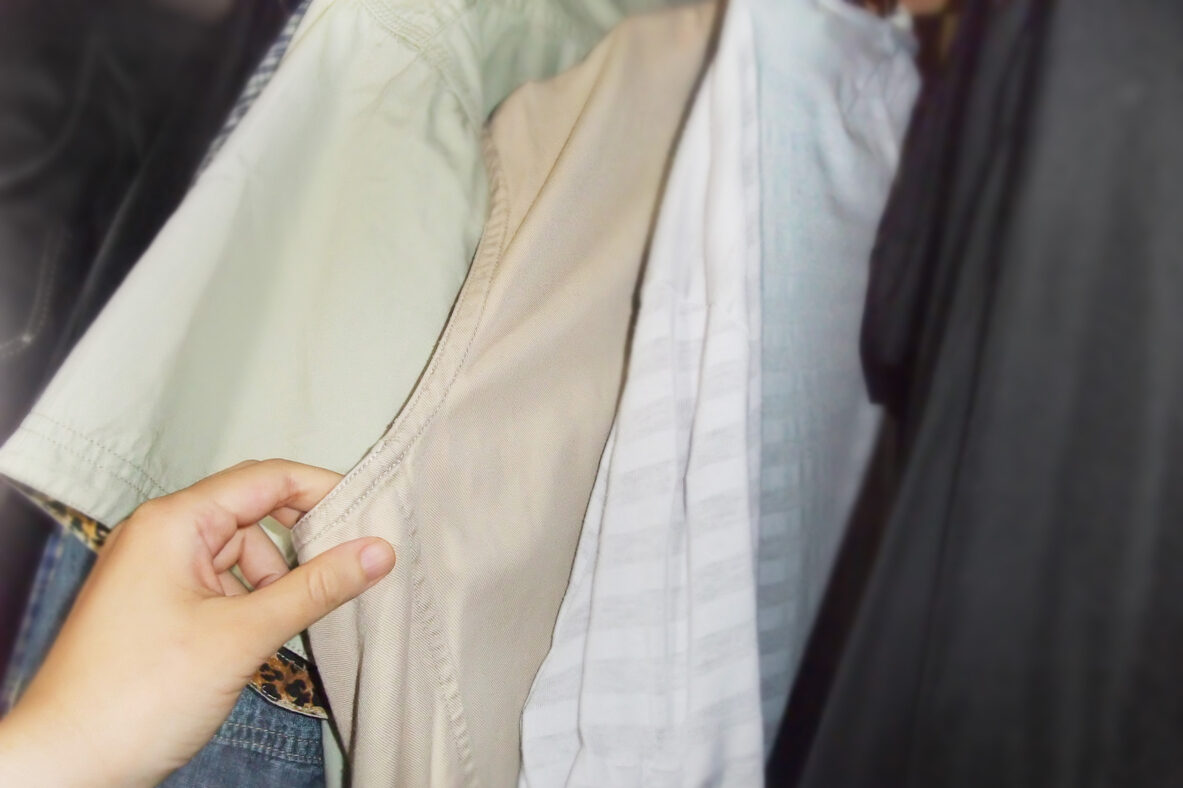
Thrift flipping has grown as people learn to see potential in overlooked items. Browsing secondhand shops becomes an exercise in creativity. This hobby flows naturally from nature sketching because both train the eye. Small changes can completely transform an object. People enjoy the challenge of imagining new uses. Over time, flipping builds confidence and resourcefulness. It encourages appreciation rather than excess. The process becomes less about profit and more about satisfaction. Thrift flipping teaches patience, imagination, and care, setting the stage for hobbies that continue to value intention, creativity, and thoughtful use of what already exists.
16. Bookbinding at Home
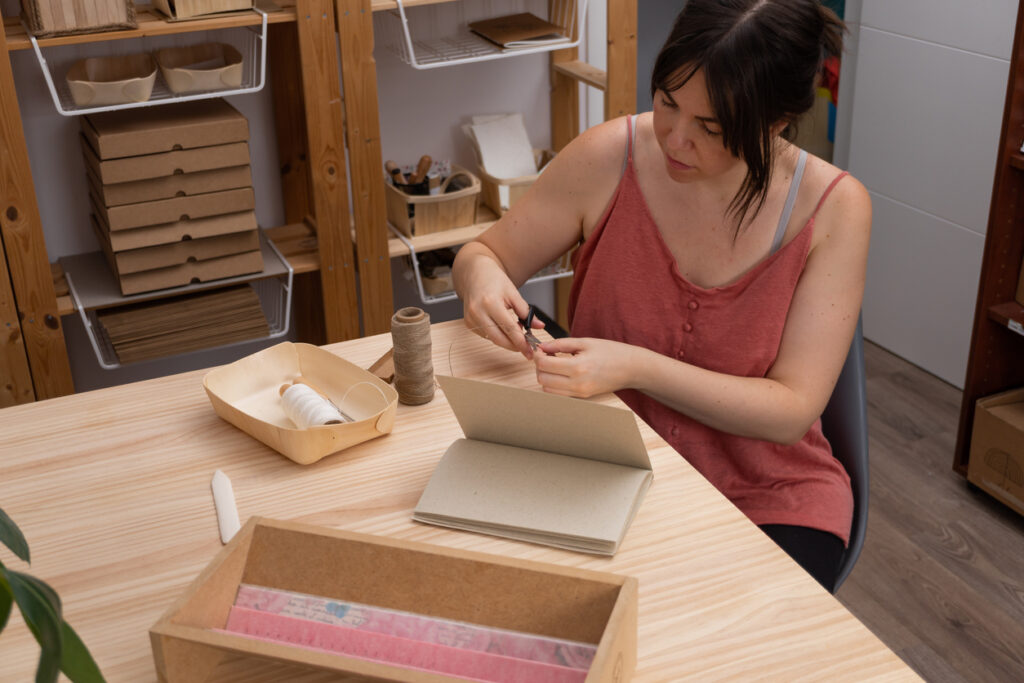
Bookbinding at home feels like giving words a place to rest. People start with simple stitches, folded pages, and curiosity about how books hold together. The process is slow and forgiving, which makes it welcoming for beginners. Working with paper builds patience and appreciation for physical reading. Many notice they write more thoughtfully once they bind their own notebooks. This hobby flows naturally from journaling and writing, since both value intention. Over time, handmade books become personal companions filled with notes, plans, and memories. Bookbinding rewards care rather than speed, turning quiet evenings into something purposeful. It reminds people that stories, even unfinished ones, deserve to be held, kept, and returned to gently. With patience learned slowly over time together.
17. Foraging with Care
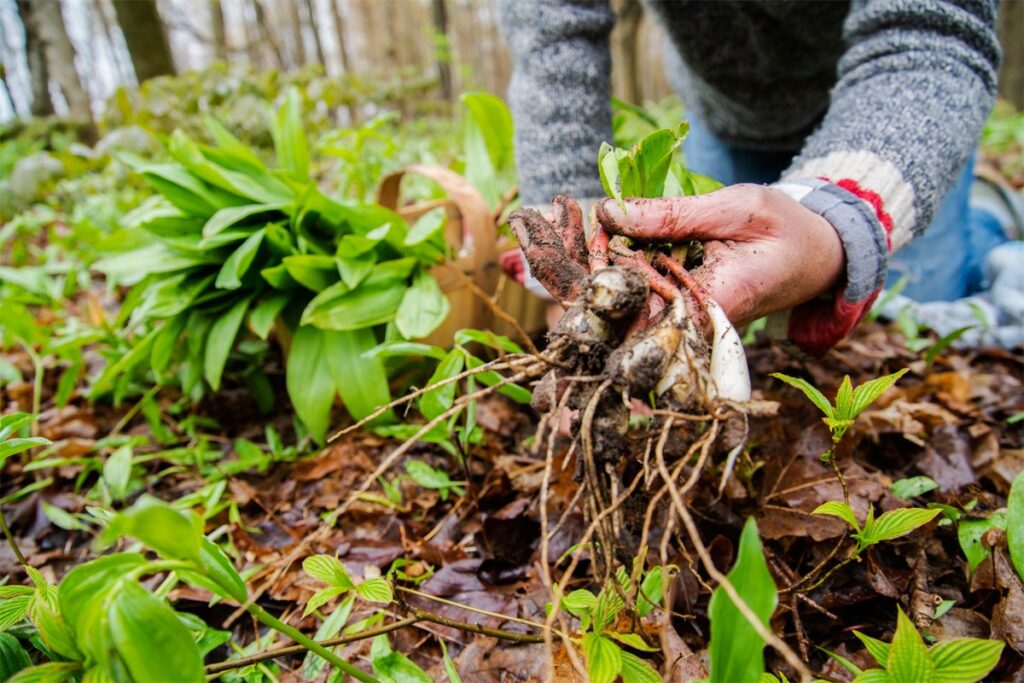
Foraging with care has returned as people seek closer ties to nature. It begins with learning, restraint, and respect for surroundings. Beginners often start by observing more than collecting, which builds awareness. This hobby connects naturally with hiking and cooking, encouraging curiosity without rush. Understanding seasons and plants deepens appreciation for landscapes. Over time, people realize foraging is less about taking and more about knowing. The practice encourages patience and humility, reminding participants to leave plenty behind. Foraging becomes a quiet partnership with the environment, where attention matters most. It offers a grounded way to slow down, learn continuously, and feel part of something older than modern routines through shared walks and thoughtful meals together at home and outdoors daily.
18. Typewriter Writing

Typewriter writing draws people who want focus without digital distraction. Sitting before heavy keys encourages commitment to each sentence. The sound and resistance slow thoughts in a comforting way. Writers often plan more before typing, knowing revisions take effort. This hobby flows naturally from journaling and storytelling, supporting intentional expression. Over time, pages feel deliberate and honest. Mistakes remain visible, which builds acceptance rather than frustration. Writing becomes an experience instead of a race. Typewriters invite presence and patience, helping ideas arrive fully formed. The habit rewards attention, turning writing sessions into moments of calm concentration and steady creative confidence for writers seeking simplicity and depth again today through tactile work and slower creative rhythms that support mindful daily practice.
19. Hand Quilting
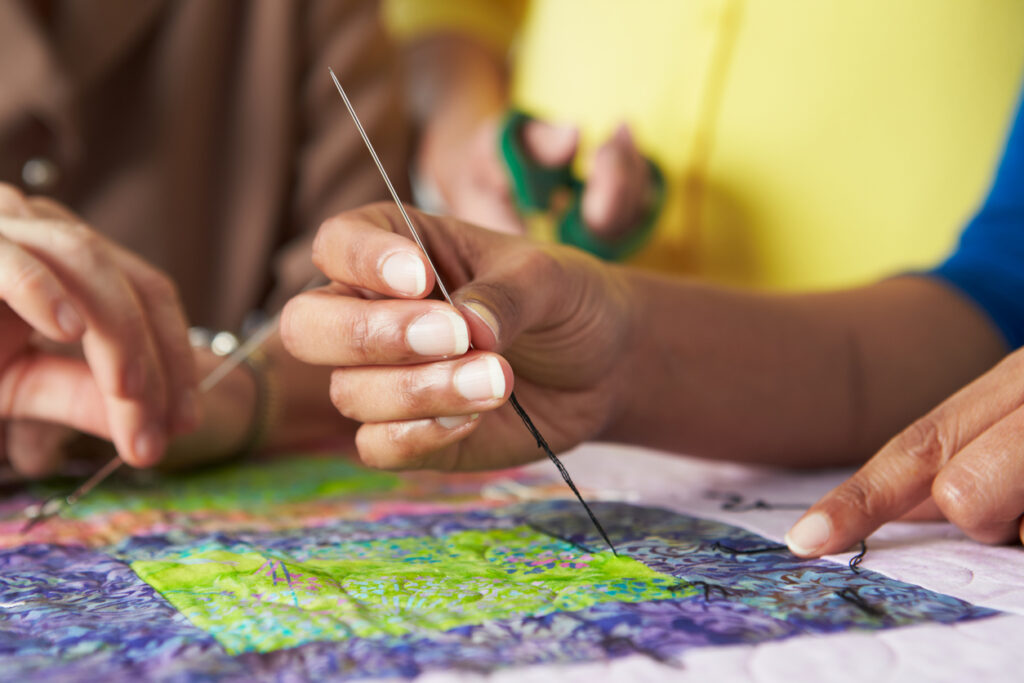
Hand quilting is returning as a comforting, steady practice rooted in patience. Stitch by stitch, pieces come together slowly and intentionally. Many begin with small projects, learning through repetition rather than perfection. Quilting connects hands and memory, making time feel softer. This hobby flows naturally from sewing and family traditions, offering familiarity. Over time, quilts become records of care and persistence. The rhythm of stitching calms the mind and anchors attention. Finished quilts carry warmth beyond their fabric. Hand quilting encourages slowing down, honoring process, and finding satisfaction in steady progress made quietly across evenings shared with music, conversation, and gentle focus that nurtures patience, creativity, and connection over time within homes seeking calm and meaning during busy modern lives.
20. Letter Writing Circles

Letter writing circles bring people together through thoughtful exchange. Members commit to writing regularly, creating rhythm and accountability. Receiving a handwritten letter feels personal and intentional. Writing slowly allows emotions to settle before being shared. This hobby flows naturally from calligraphy and journaling, emphasizing presence. Over time, correspondence deepens trust and familiarity. Letters become keepsakes that reflect growth and care. The act of writing creates anticipation and reflection. Letter writing circles restore patience to communication, helping people feel seen and heard through simple, honest words exchanged consistently between individuals seeking connection beyond quick messages and screens while building lasting relationships through shared stories over time written carefully and received with quiet appreciation that grows steadily with each exchange between friends.
21. Urban Beekeeping
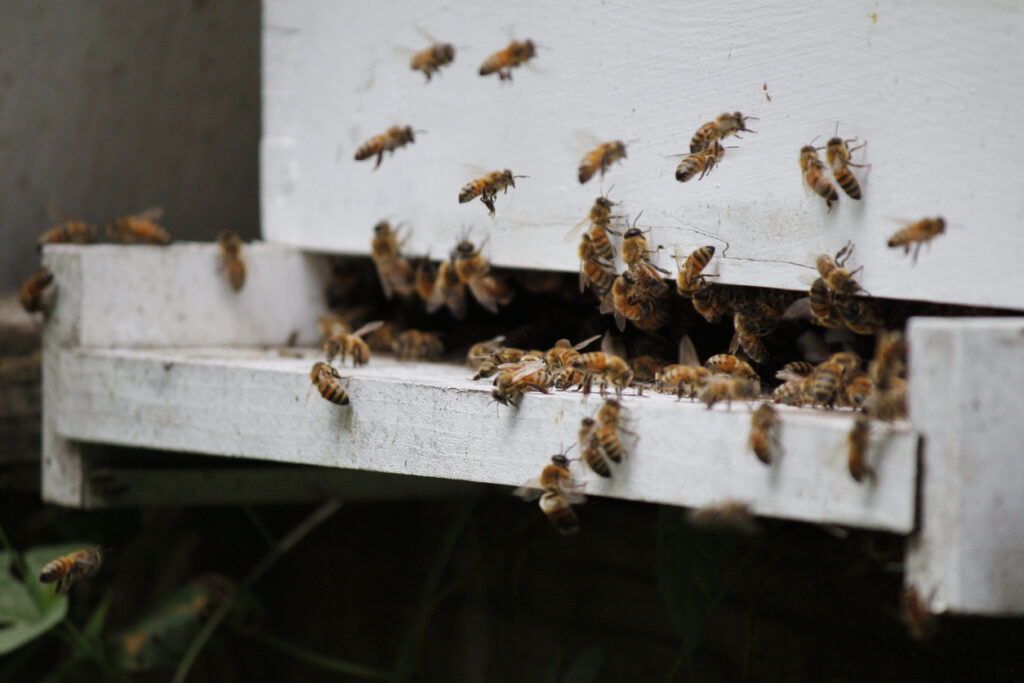
Urban beekeeping attracts people interested in caring for fragile ecosystems. Keeping hives requires learning, observation, and responsibility. Beginners often work with mentors, gaining confidence gradually. This hobby flows naturally from gardening and sustainability interests. Observing bees teaches respect for balance and timing. Over time, beekeepers notice increased awareness of seasonal changes. Caring for hives becomes a steady commitment rather than a quick project. Urban beekeeping encourages stewardship within shared spaces. It helps people feel connected to their surroundings while contributing quietly to environmental health and collective responsibility through mindful practices that support pollination and local food systems within cities adapting slowly toward greener, cooperative futures where small actions build resilience and shared awareness among neighbors and families alike every season.
22. Whittling Small Objects
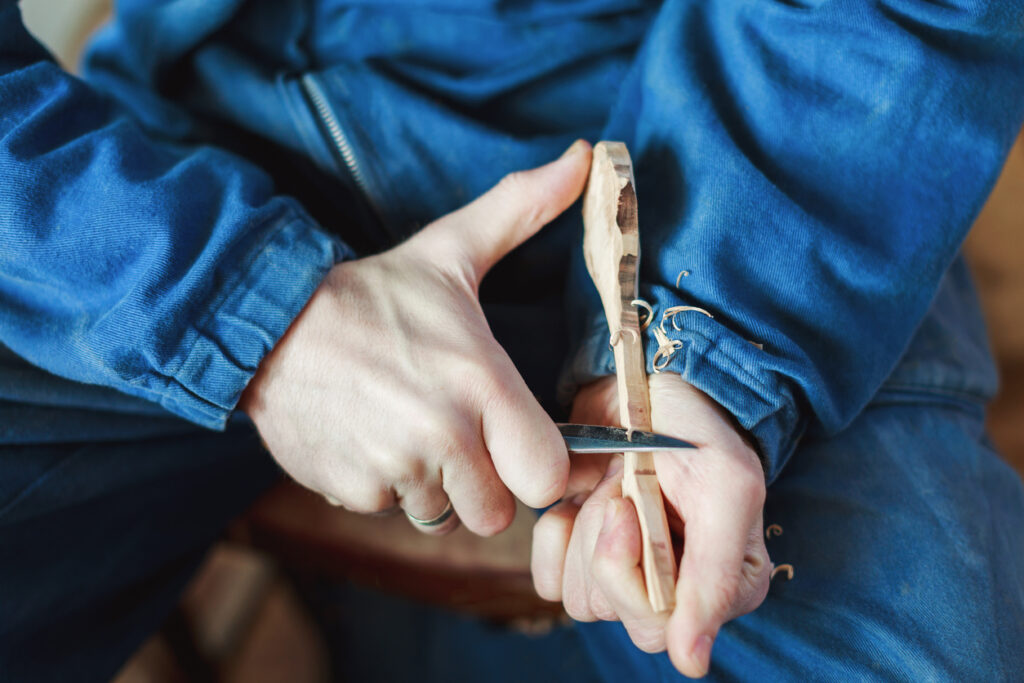
Whittling small objects invites focus through simple tools and wood. The practice encourages steady hands and thoughtful movement. Beginners often start with small projects, learning control gradually. This hobby flows naturally from woodworking curiosity. Carving requires attention, which helps quiet racing thoughts. Over time, each cut becomes more intentional. Finished pieces carry charm through imperfection and effort. Whittling creates space for reflection without complexity. It offers a tactile way to unwind, making creativity feel approachable and honest through slow, deliberate shaping during moments when patience matters more than speed or results and quiet concentration becomes a welcome companion for hands seeking calm, purpose, and satisfaction through steady progress without pressure to perform or impress others in creative personal time alone.
23. Home Herbal Blending
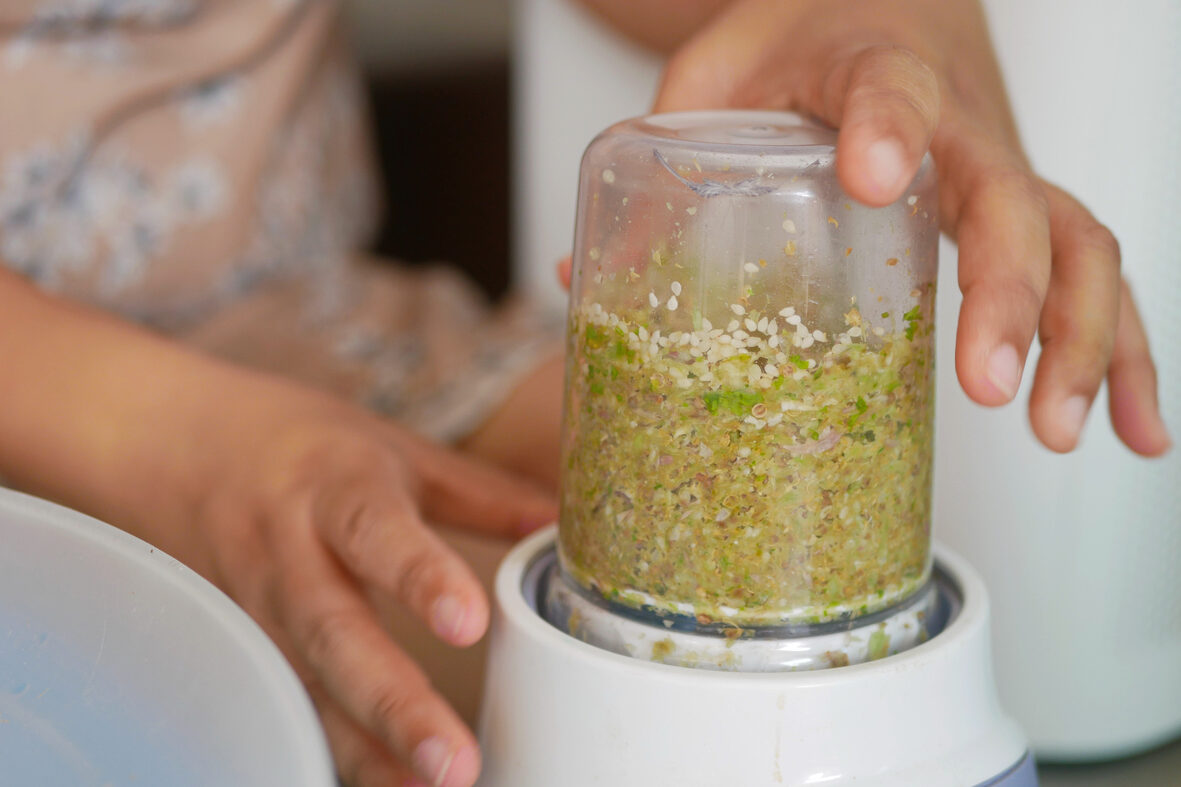
Home herbal blending appeals to people curious about natural remedies and flavors. Mixing herbs encourages learning through scent, texture, and taste. Beginners often start with familiar plants, building confidence slowly. This hobby flows naturally from gardening and wellness interests. Creating blends feels nurturing and intentional. Over time, people develop preferences based on mood and season. Herbal blending invites attention to the body and environment. The process becomes calming rather than technical. It offers a gentle way to care for oneself while experimenting thoughtfully with nature inspired ingredients at home during quiet moments meant for reflection learning patience, balance, and respect for subtle change as skills grow through repetition and gentle curiosity without rushing outcomes or expectations over time daily practice.
24. Amateur Astronomy

Amateur astronomy draws people outside at night to observe quietly. Learning constellations and planets builds curiosity and patience. Many begin with the naked eye, adding tools later. This hobby flows naturally from evening walks and reflection. Stargazing shifts perspective, making worries feel smaller. Over time, patterns in the sky become familiar. Astronomy invites awe without requiring constant activity. The practice rewards stillness and attention. It offers moments of wonder that ground people, reminding them of scale, mystery, and shared experience under the same sky during calm evenings spent learning slowly and observing carefully with friends, family, or alone in thoughtful silence that encourages patience, humility, and appreciation for time passing steadily beyond daily concerns without demand or urgency present always.
25. Hand Loom Weaving

Hand loom weaving offers rhythm through repeated motion and focus. Creating fabric slowly helps people settle into patience. Beginners start with small looms, learning patterns over time. This hobby flows naturally from knitting and textile interests. Watching threads become cloth feels deeply satisfying. Over time, weaving builds confidence and attention. Finished pieces reflect effort rather than speed. Weaving invites presence, turning time into texture. It provides a calming way to create useful items while honoring process, care, and steady progress through thoughtful repetition during quiet hours meant for creativity and mindful focus that support emotional balance and appreciation for handmade work as skills improve gently through consistent, patient practice without pressure to rush results or meet expectations set by others.
26. Toy Restoration
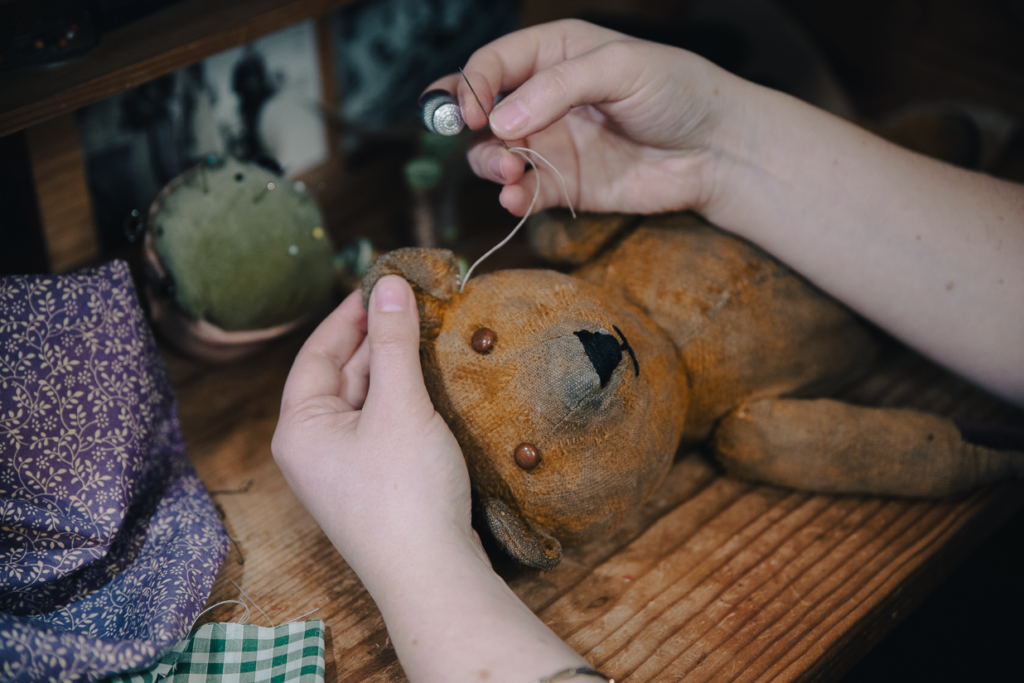
Toy restoration combines nostalgia with careful craftsmanship. Repairing old toys requires patience and gentle problem solving. Many start with simple cleaning and small fixes. This hobby flows naturally from thrifting and collecting interests. Restoring toys reconnects people with childhood memories. Over time, each repaired piece feels meaningful. The process values care over replacement. Toy restoration encourages respect for materials and history. It offers a satisfying way to preserve stories while practicing focus, creativity, and thoughtful attention to detail during weekends spent learning slowly and appreciating craftsmanship that once shaped play, imagination, and emotional connection across generations within families and small personal collections kept carefully as reminders of time and care invested by patient hands over many quiet hours together again.
27. Hand Map Drawing
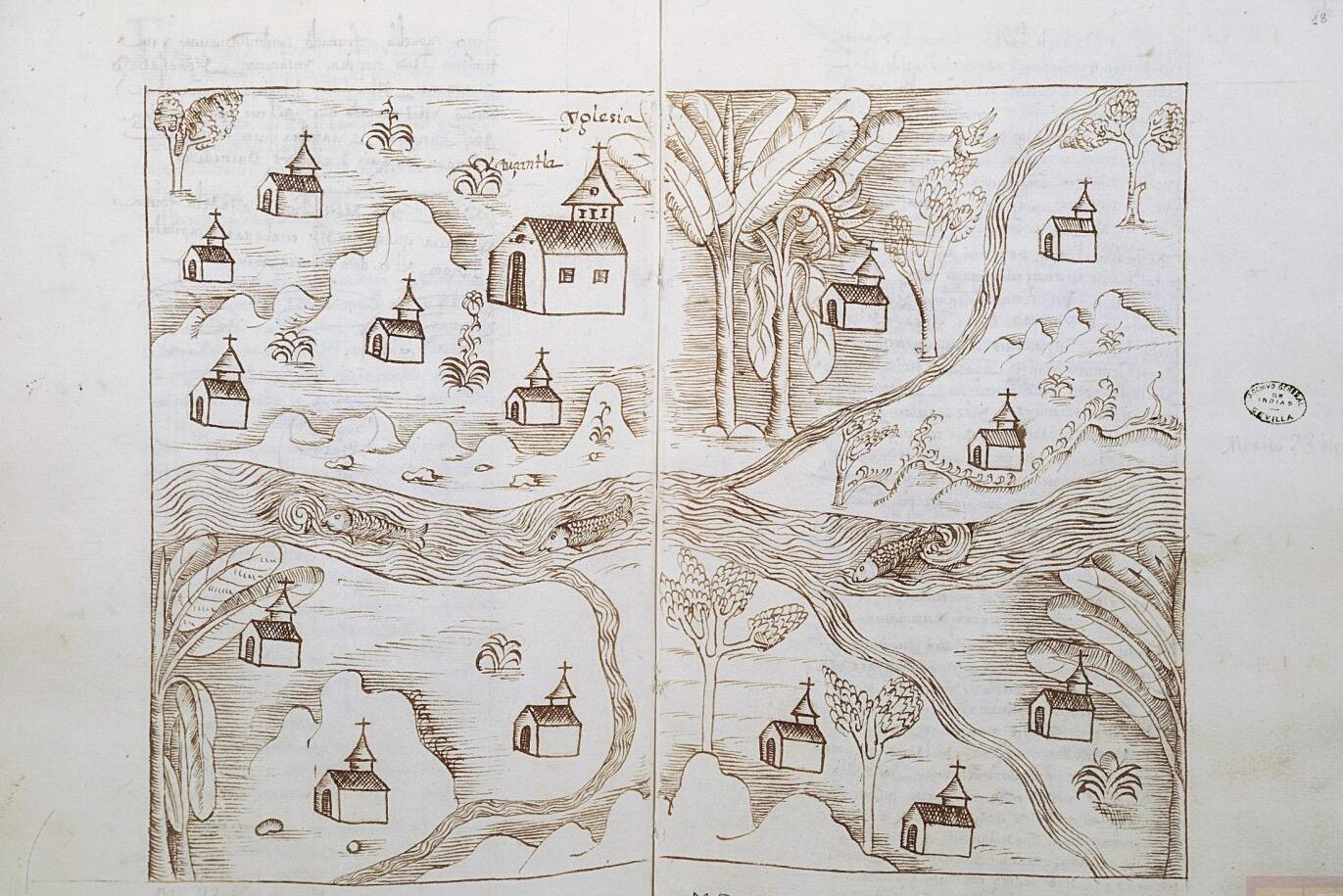
Hand map drawing invites people to record places personally. Sketching neighborhoods or journeys builds memory and awareness. This hobby flows naturally from travel journaling and drawing. Maps become stories rather than exact representations. Over time, details reflect emotional connection to place. Drawing by hand encourages observation and patience. Each map captures experience rather than accuracy. Hand map drawing allows creativity without pressure. It offers a reflective way to revisit spaces, moments, and movement through thoughtful lines and remembered paths during travels, walks, and quiet afternoons spent reflecting on how places shape feelings, stories, and personal growth as maps slowly fill notebooks with lived experiences that remain meaningful long after journeys end within personal archives of memory created by hand alone.
28. Home Instrument Repair
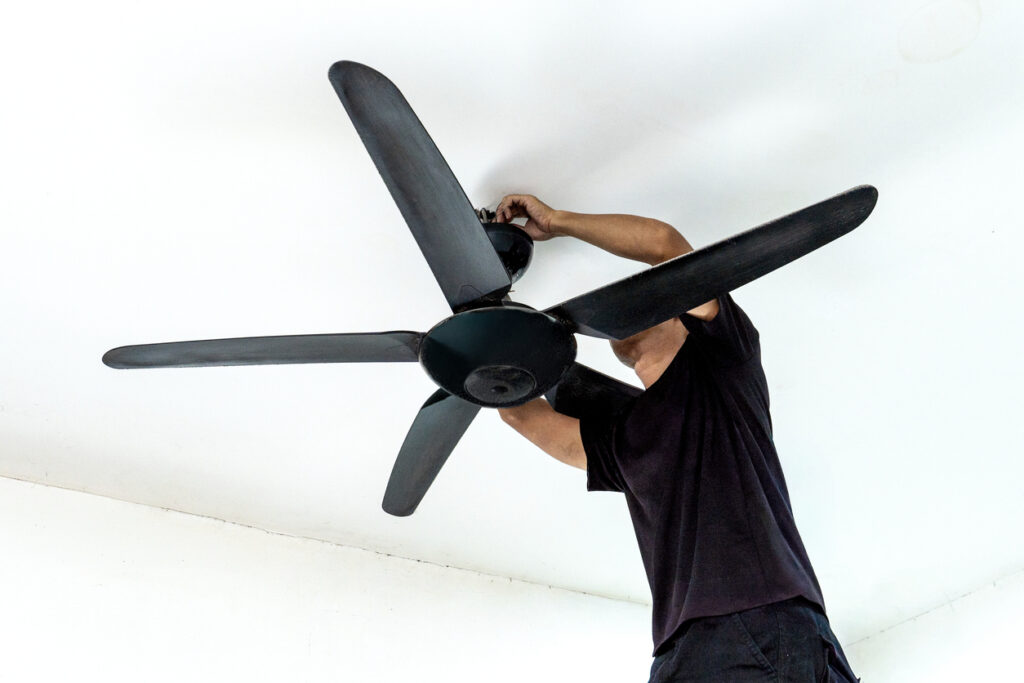
Home instrument repair attracts musicians curious about how sound works. Learning to fix small issues builds confidence and respect. This hobby flows naturally from regular practice. Repairing instruments deepens connection to music. Over time, players listen more carefully. Understanding mechanics improves technique and care. Home repair encourages patience and responsibility. It reduces dependence on constant replacement. This practice offers musicians a practical way to support creativity through maintenance, attention, and steady learning while building self reliance and appreciation for craftsmanship that keeps instruments reliable, expressive, and personally understood during rehearsals, performances, and quiet practice sessions where care supports sound quality and creative confidence without rushing repairs or ignoring subtle problems noticed early through attentive listening by dedicated musicians everywhere now.
29. Slow Cooking Traditions
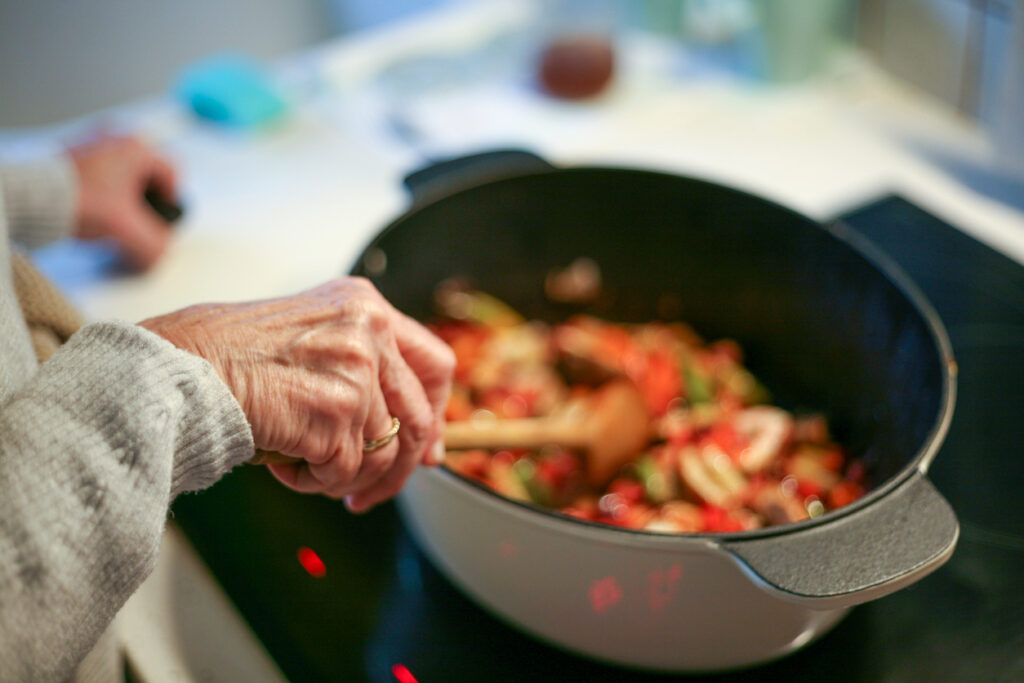
Slow cooking traditions are returning as people embrace patience in food. Preparing meals over hours builds anticipation and care. This hobby flows naturally from family recipes and shared kitchens. Slow cooking encourages attention to ingredients and timing. Over time, flavors deepen and techniques improve. Meals become experiences rather than tasks. The process values waiting as much as eating. Slow cooking creates opportunities for connection and reflection. It offers nourishment through consistency, memory, and steady routines practiced regularly during weekends, holidays, and evenings meant for togetherness where time spent cooking becomes meaningful shared experience that strengthens bonds, traditions, and personal appreciation for food prepared slowly and served thoughtfully without shortcuts or unnecessary distractions along familiar comforting routines within busy households today.
30. Personal Hobby Journal

Keeping a personal hobby journal quietly brings everything together. Recording experiences helps people notice progress and joy. This hobby flows naturally from trying many creative practices. Writing reflections deepens understanding of what feels meaningful. Over time, journals become records of patience and growth. Entries show how interests change gently. The act of writing reinforces commitment without pressure. Hobby journals encourage consistency and appreciation. They remind people that spending time intentionally creates balance, satisfaction, and a lasting sense of personal rhythm built slowly through curiosity, effort, and repeated attention across seasons where interests grow, pause, and return showing that hobbies do not need urgency to matter but thrive through patience and gentle commitment over time spent well with intention daily alone.


