
1. When a Quiet College Town Changed Overnight
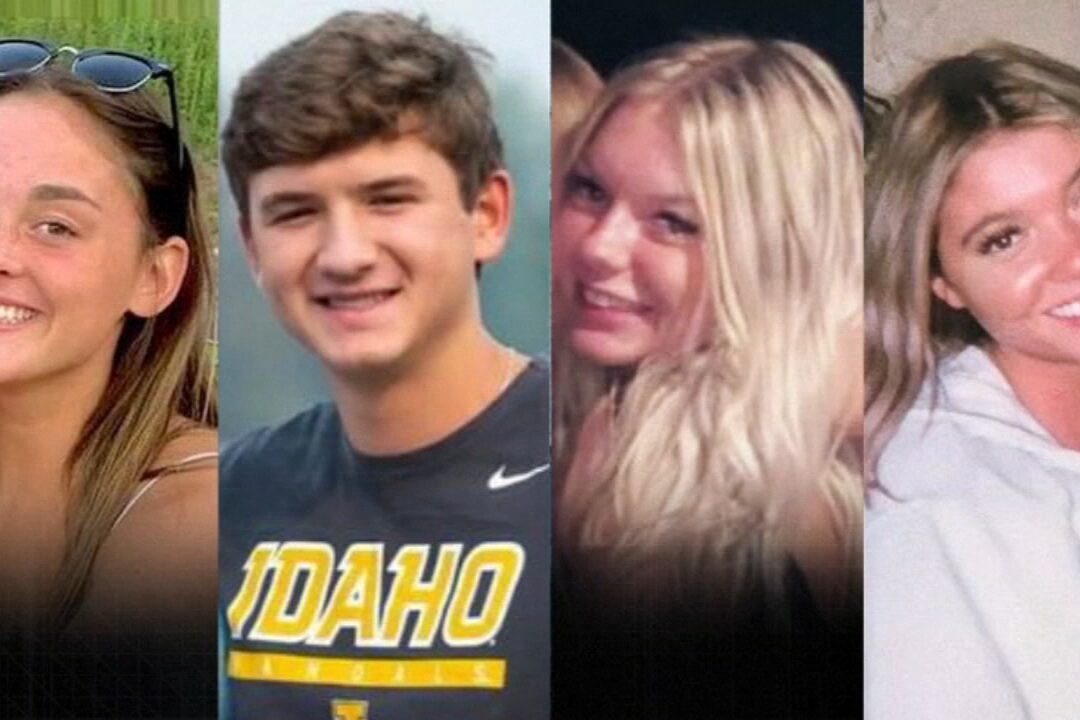
Idaho has long been associated with calm streets and familiar faces, so when four University of Idaho students were killed in Moscow, the shock felt personal to almost everyone. What should have been an ordinary weekend became a moment that changed how the town saw itself. Kaylee, Madison, Xana, and Ethan were young, full of plans, and living a life many nearby students recognized as their own. That closeness made the loss heavier. Fear crept in quietly, not through panic but through small changes like locking doors sooner and calling loved ones more often. People spoke in hushed tones at grocery stores and lingered longer on their phones at night. It was not just grief for the students, but grief for a sense of safety that had always felt guaranteed. In a place used to peace, the reality of violence reshaped everyday life in subtle, lasting ways.
2. The Shock That Moved Through Campus Halls

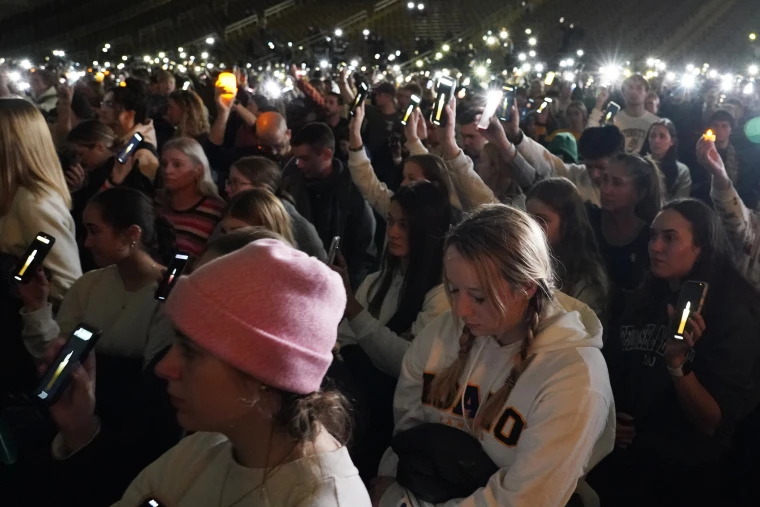
On campus, the atmosphere shifted almost immediately after the news spread. Students walked to class carrying more than backpacks, carrying questions they could not answer. Many struggled to focus as thoughts returned again and again to the house where the students were found. Candlelight vigils brought people together, not because they had the right words, but because standing alone felt worse. Professors paused lessons, acknowledging the weight hanging in the room. Counseling centers filled quickly with students seeking reassurance or simply someone to listen. Even casual conversations felt different, softer and slower. What stood out was how connected everyone suddenly felt through shared vulnerability. Friend groups expanded, strangers checked on one another, and silence became a language of respect. The campus did not just mourn four lives lost, it mourned the sudden loss of normalcy that had defined daily student life.
3. Fear That Lingered Beyond the Headlines
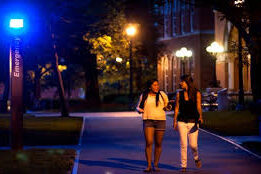
When national attention moved on, fear stayed behind in quieter forms. Residents noticed how routines changed without conscious effort. People avoided walking alone at night, double checked locks, and paid closer attention to unfamiliar sounds. Parents worried from afar, calling more often and asking questions they had never asked before. The lack of immediate answers made the fear heavier, because uncertainty has a way of filling every quiet moment. Rumors spread easily, adding tension to an already strained community. Even those who lived far from the crime scene felt unsettled, because the randomness made it relatable. This was not something that happened in a distant place to distant people. It happened in familiar neighborhoods, in housing that looked like countless others nearby. Fear became something shared silently, shaping choices until clarity could finally arrive.
4. The Weight of Waiting for Answers

Waiting tested the patience and emotions of everyone connected to the case. Each day without updates felt longer than the last, stretching nerves thin. People refreshed news feeds repeatedly, hoping for a breakthrough that might bring relief. Law enforcement urged calm, but unanswered questions left room for anxiety to grow. Families of the victims waited with a deeper pain, navigating grief while the world speculated. For the wider community, waiting meant living in between fear and hope. Conversations circled the same thoughts, wondering how such violence could happen and what it meant for the future. Time felt suspended, as though life could not fully move forward without understanding. The waiting period revealed how much people rely on answers to feel safe again. It was not curiosity driving the tension, but a need for reassurance that the unknown would not last forever.
5. When an Arrest Brought Mixed Emotions
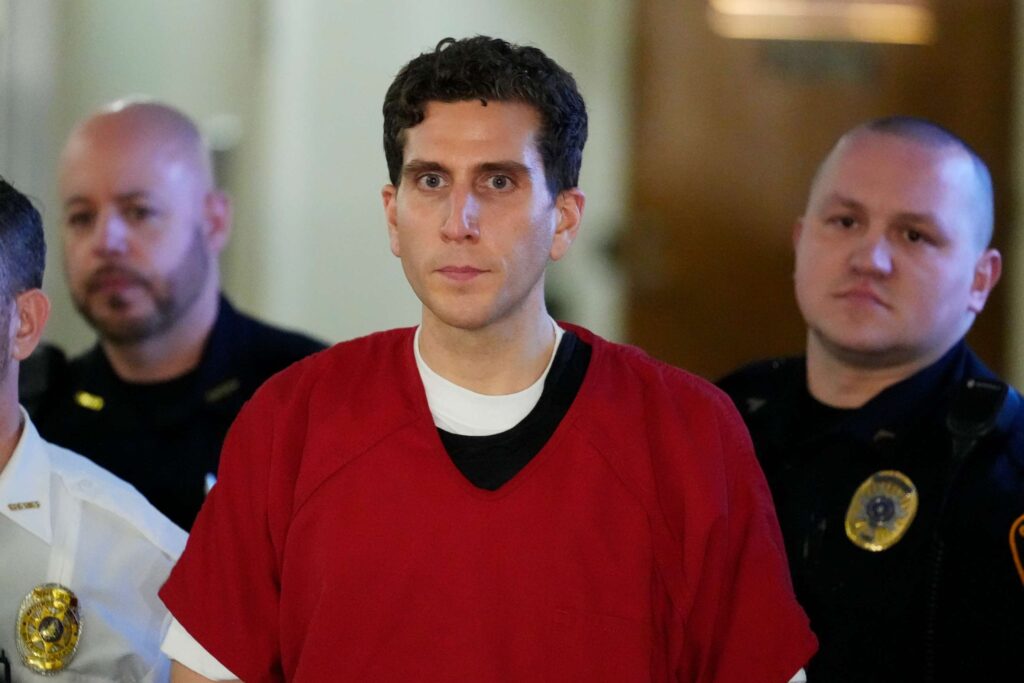
The arrest of a suspect shifted the emotional tone of the town, but it did not bring simple relief. For some, it was the first moment they felt they could breathe again. For others, it reopened wounds and raised new questions. People wanted to understand motives, choices, and how events unfolded. While the legal process moved forward, grief remained unchanged for those closest to the victims. An arrest could not undo loss or restore what had been taken. Instead, it marked a transition from uncertainty to reflection. Conversations turned toward healing, safety, and how to support one another. The moment reminded the community that justice is only one part of recovery. Emotional closure follows a slower path, shaped by time, memory, and collective care rather than legal outcomes alone.
6. Remembering Lives Beyond the Tragedy
As weeks passed, many made a deliberate effort to remember the students as people rather than victims. Friends shared stories about laughter, kindness, and everyday moments that defined who they were. Photos resurfaced showing celebrations, friendships, and hopes for the future. These memories helped shift focus away from violence and toward life. Remembering them this way became a quiet act of healing. It allowed grief to coexist with gratitude for having known them at all. Memorials offered a place to reflect, but it was storytelling that truly kept their presence alive. By centering their lives rather than their deaths, the community reclaimed a sense of humanity. It reminded everyone that tragedy does not erase the impact a person has made, and that love continues long after loss.
7. How Trust Slowly Began to Return
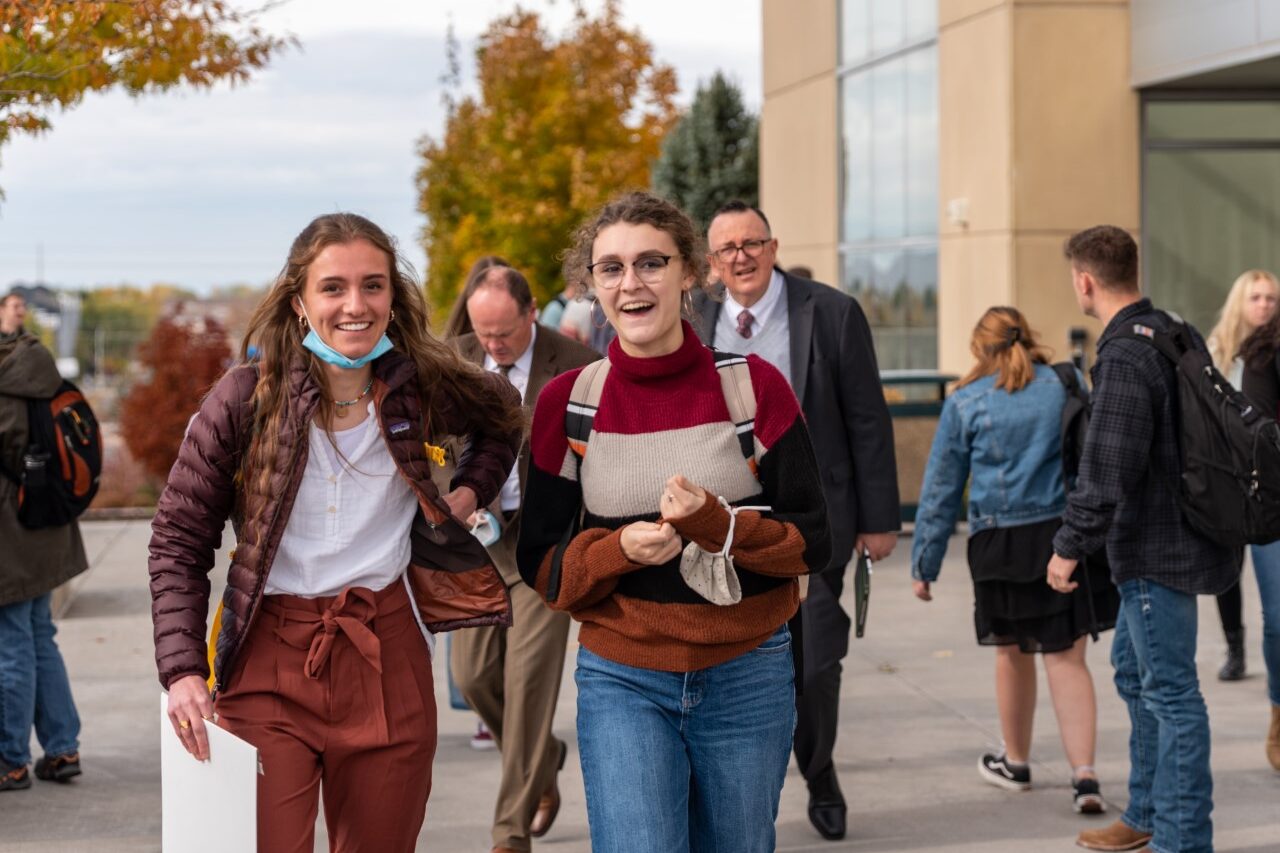
Rebuilding trust took time, but small signs showed progress. Students returned to classes, neighbors spoke more openly, and community meetings encouraged honest dialogue about safety. People learned to balance awareness with hope, refusing to let fear control daily life. Acts of kindness became more intentional, from checking on friends to offering help without being asked. While vigilance remained, it was paired with compassion. The tragedy reshaped habits, but it also strengthened bonds. Trust returned gradually through shared effort rather than forgetting what happened. The community found stability not by denying fear, but by facing it together. In doing so, residents rediscovered resilience they did not know they possessed, proving that connection can grow even in the aftermath of profound loss.
8. A Town Forever Changed but Still Standing

Moscow will always carry the memory of that night, woven quietly into its story. The town changed in ways both visible and unseen, through personal choices, emotional awareness, and shared responsibility. Life continued, shaped by loss but not defined by it. Students still gathered, neighbors still greeted one another, and routines slowly returned. What remained was a deeper understanding of fragility and the value of community. The tragedy taught many to pause, to care more deliberately, and to appreciate ordinary moments. While fear once dominated conversations, reflection now guides them. Moscow stands as proof that even after deep wounds, people can endure, carrying lessons forward with humility and care.
9. When Older Wounds Resurfaced
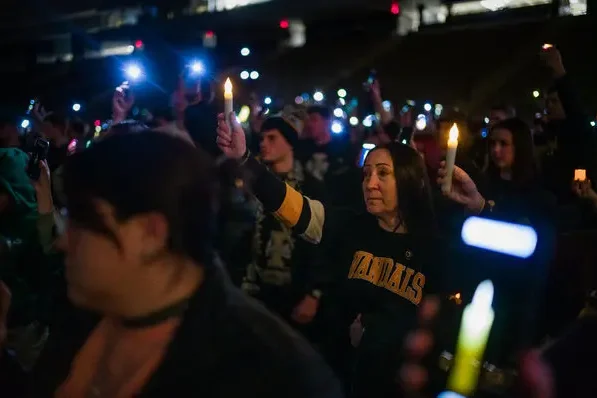
Long before the Moscow case, Idaho had known other violent losses that quietly shaped its collective memory. For some residents, the recent tragedy reopened memories of older unsolved cases that once unsettled their own towns. Stories resurfaced about crimes that never fully left the public mind, passed down through conversations and local lore. These reminders added another layer of fear, suggesting that violence was not as rare as people believed. Older residents shared cautious advice, while younger ones listened with new attention. It was not about reliving the past, but about recognizing patterns of vulnerability that had been ignored. The resurfacing of these stories created a strange mix of comfort and unease. Comfort in knowing others had survived similar fear, and unease in realizing that safety had always been more fragile than assumed. The past quietly reminded everyone that healing requires honesty as much as time.
10. Families Left Carrying the Heaviest Weight
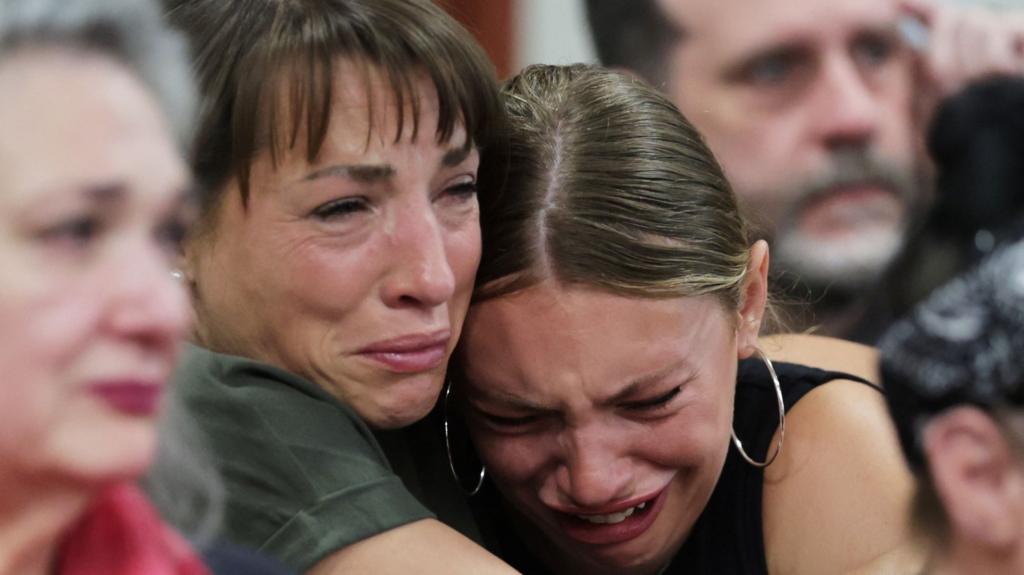
While communities grieved together, families of the victims carried a different kind of pain that few could fully understand. Their days were filled with memories that arrived without warning and silence that felt louder than noise. Grief followed no schedule, appearing in waves that made ordinary moments difficult. Public attention added pressure, turning private loss into something constantly observed. Even well intentioned support could feel overwhelming. Yet families found strength in honoring their loved ones through remembrance rather than retreat. They spoke about lives lived, not just lives lost, keeping focus on love rather than violence. The weight they carried reminded the community that headlines fade faster than heartbreak. Their resilience became a quiet lesson in endurance, showing that grief does not move forward in straight lines, but it can coexist with purpose, connection, and the decision to keep going.


