
1. A Day That Quietly Changed Everything
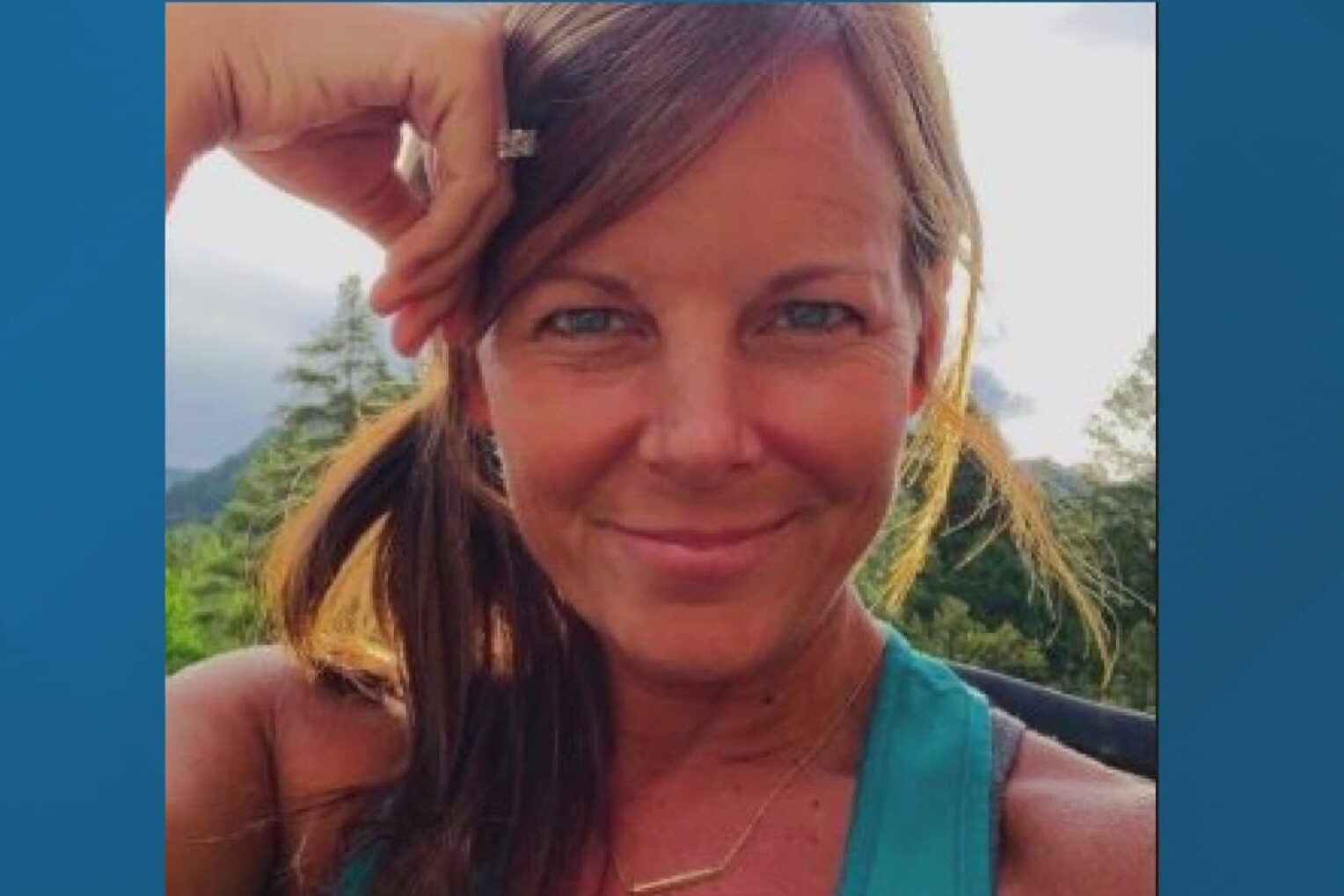
Some stories linger because they slip into ordinary life without warning, and this one began that way. On Mother’s Day 2020, Suzanne Morphew went out for a bike ride near her Colorado home and never returned. At first, concern felt manageable, the kind that assumes a delay or missed call. As hours passed, worry hardened into fear. Family could not reach her, neighbors noticed the silence, and search teams moved in. Nothing felt loud or dramatic, just wrong. That quiet shift, from routine to loss, is what still draws people to this story years later.
2. The Bicycle That Did Not Add Up
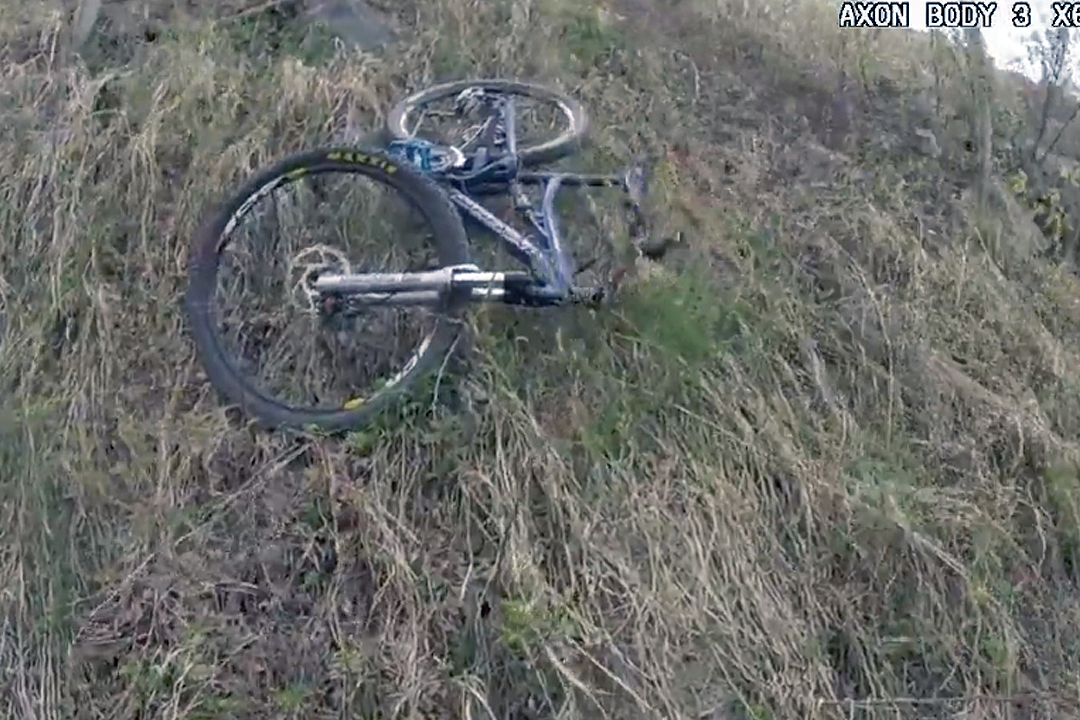
When Suzanne’s bicycle was found down an embankment, it seemed like the missing explanation everyone needed. Yet the scene raised more questions than answers. There were no clear signs of a crash that matched the damage or the terrain. It looked placed rather than fallen, incomplete rather than accidental. Investigators paused, and so did the public. The bike should have closed the gap, but instead it widened it. From that moment, the case shifted away from simple tragedy into deeper uncertainty, leaving people uneasy about what really happened along that quiet stretch of land.
3. A Community Drawn Into the Search
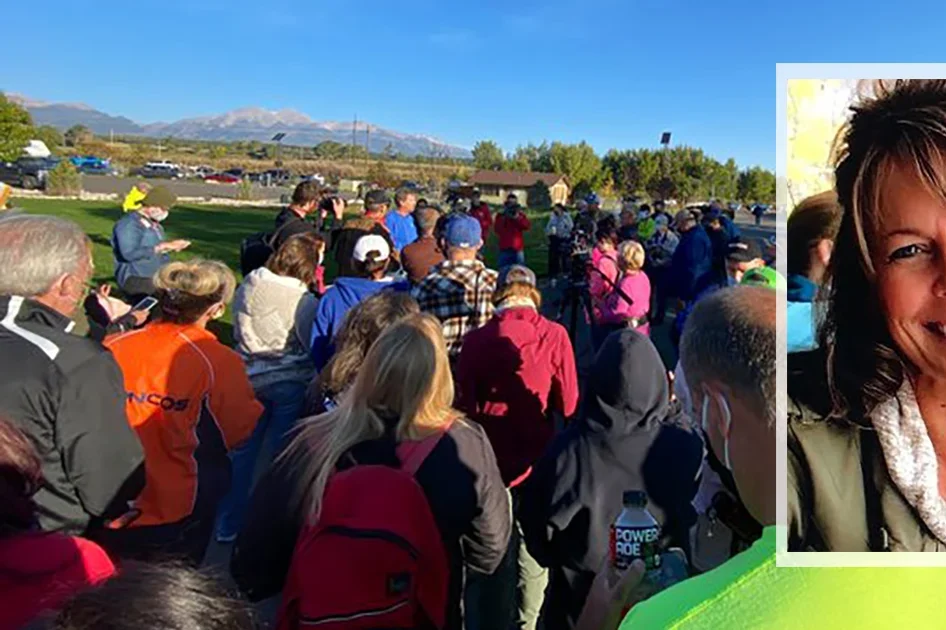
Maysville is the kind of place where people notice when something feels off. Suzanne’s disappearance pulled neighbors together quickly, not out of curiosity but concern. Volunteers searched trails, shared updates, and waited for any sign of progress. Many had never met her, yet felt personally invested. It was easy to imagine someone you knew going missing the same way. As days stretched on, hope and fear lived side by side. The longer the search lasted, the more personal it became, turning a missing person case into a shared weight the town quietly carried.
4. Early Words That Drew Attention

In the early days, Suzanne’s husband Barry Morphew spoke publicly, asking for her return. His words were meant to reassure, but they quickly drew attention. People listened closely, not just to what he said, but how he said it. In cases like this, tone and timing often become part of the story. Some viewers felt comforted, others unsettled. These reactions were not conclusions, but impressions that lingered. Once spoken, his statements became part of the case itself, shaping how the public engaged with every detail that followed.
5. Private Messages Come to Light
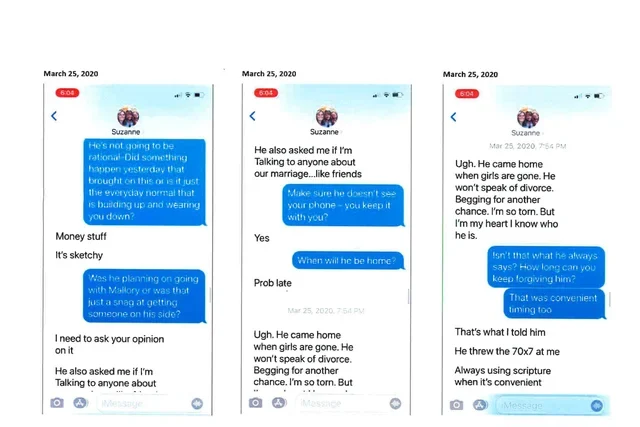
As investigators looked deeper, Suzanne’s private messages revealed a woman at an emotional crossroads. Texts showed she was unhappy and considering leaving her marriage, sharing thoughts meant for trusted friends. These details shifted how people viewed her disappearance. She was no longer just missing, she was navigating change. Many readers recognized that quiet honesty, the kind shared without expecting consequences. The case became more personal, grounded in real emotions rather than theory. Those messages reminded people that Suzanne had a voice, one that mattered long before it became evidence.
6. An Arrest That Felt Like Clarity

When Barry Morphew was arrested in 2021 and charged with murder, many felt a sense of relief. After months of uncertainty, it seemed like answers were finally coming. Prosecutors outlined timelines and evidence with confidence, and attention returned to the courtroom. Still, there was unease beneath the surface. Suzanne’s body had not been found, and the case relied on interpretation. The arrest brought hope, but also quiet caution. People wanted justice, yet wondered whether the full truth was ready to stand on its own under legal scrutiny.
7. Evidence Built From Pieces
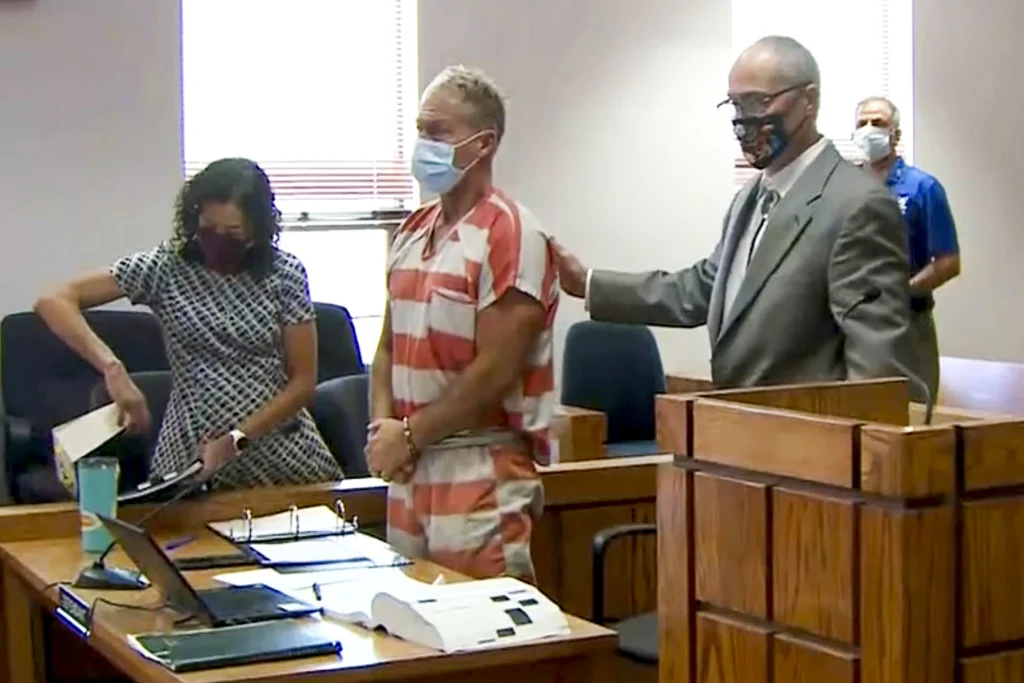
The case against Barry Morphew relied on circumstantial evidence, small details woven together to suggest a larger picture. Phone records, timelines, and disputed forensic elements became central. Supporters of the case felt the pieces fit, while critics warned they did not form certainty. For observers, it became a lesson in how justice often balances on interpretation. Emotions ran high, but proof remained debated. The case showed how easily belief can outpace confirmation, especially when a missing person has captured public attention and everyone wants an ending that feels fair.
8. Charges Suddenly Dropped

In 2022, prosecutors dropped all charges against Barry Morphew without prejudice, stopping the case before trial. The announcement stunned those who had followed every update. Explanations pointed to unresolved evidence issues and procedural concerns. For Suzanne’s loved ones, it felt like another loss layered onto an already painful absence. For the public, it was disorienting. After so much anticipation, the story seemed to fold in on itself. The dismissal did not offer clarity or closure, only reinforced how fragile complex cases can become when preparation falls short.
9. Remembering the Woman Herself

Amid court arguments, timelines, and public debate, Suzanne Morphew herself can easily fade into the background. Friends described her as gentle, attentive, and deeply connected to her daughters. She enjoyed staying active, tending to her garden, and finding comfort in simple routines. These small details matter because they restore balance to the story. Suzanne was not defined by suspicion or evidence, but by relationships and everyday moments. Remembering who she was helps soften the noise surrounding the case. It reminds readers that the loss was personal long before it became public, and that her life held meaning beyond unanswered questions.
10. What Lingers After the Headlines
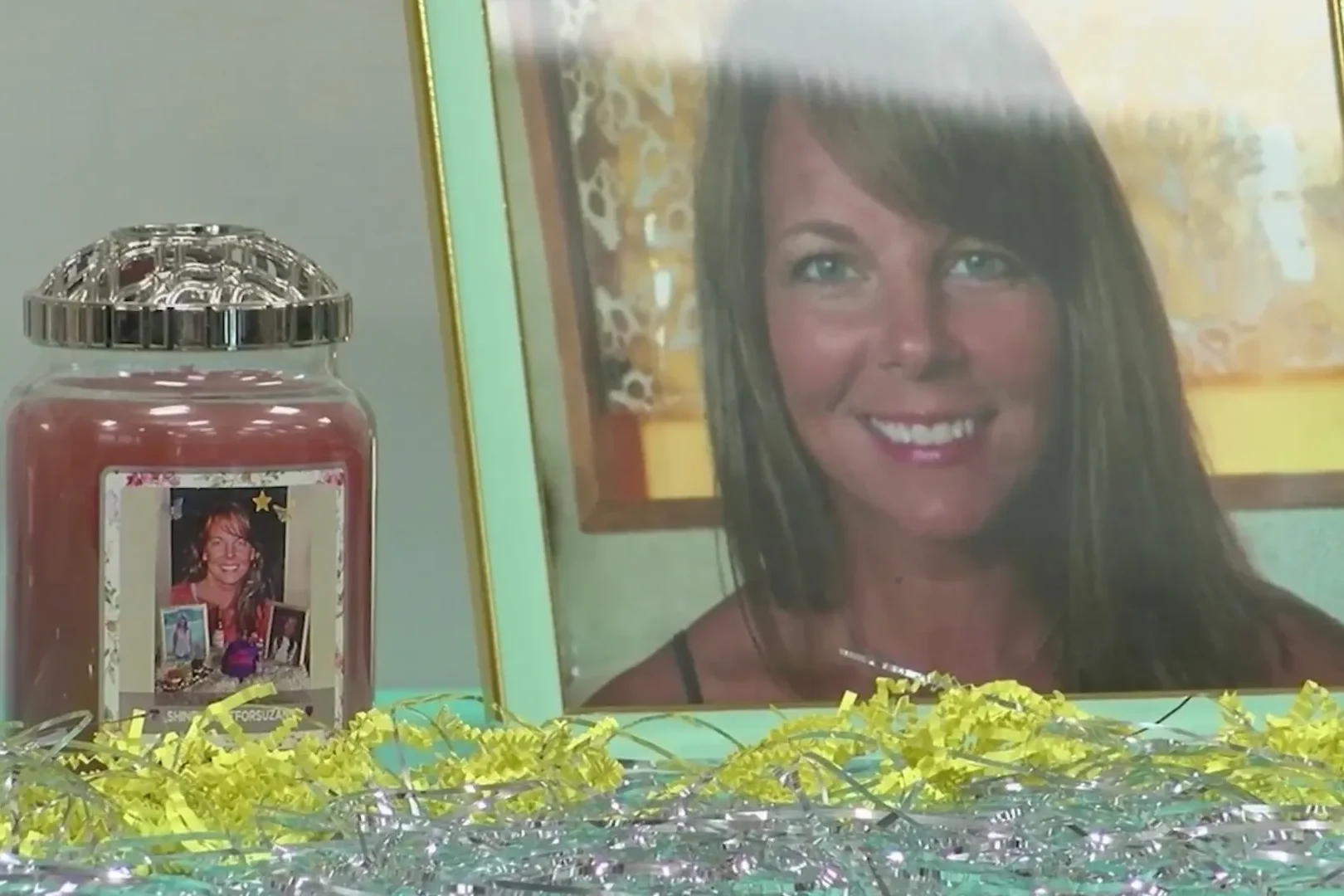
As time moves on, the story of Suzanne Morphew continues without clear edges or firm conclusions. Some questions remain unanswered, others quietly drift out of focus as years pass. What stays is the awareness that not every story resolves the way we expect it to. Suzanne is no longer missing, yet much about her disappearance still sits in uncertainty. The case lives in that space between knowing and wondering, where updates are rare but interest never fully fades. People return to it occasionally, rereading details, listening closely, waiting without urgency.


