
1. The Beach That Was Never Just a Beach
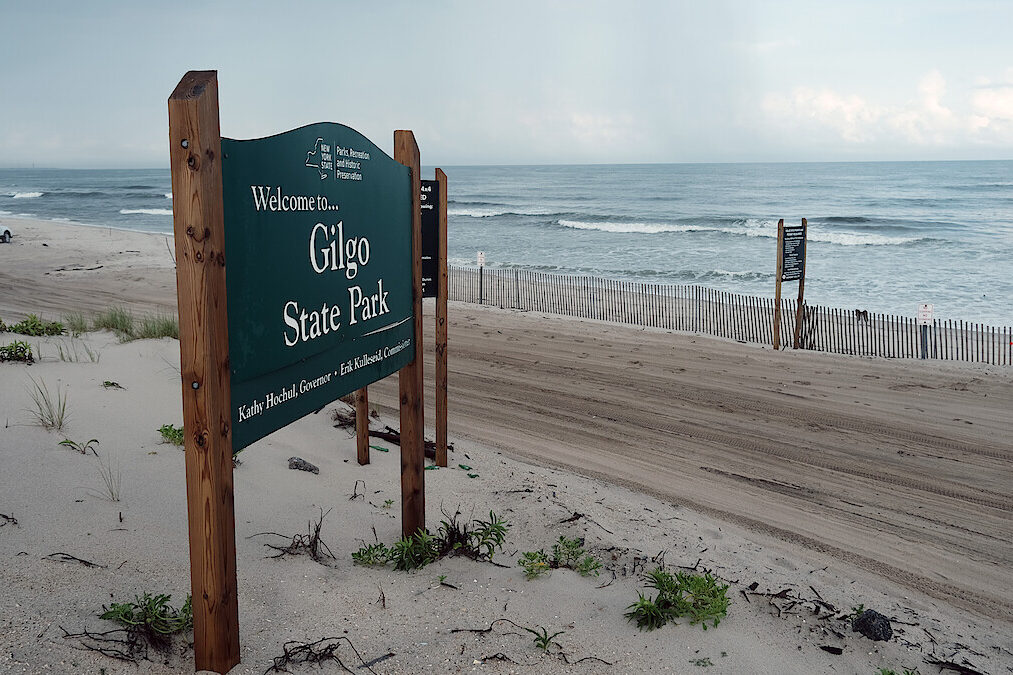
Gilgo Beach always felt peaceful, the kind of place locals drove past without a second thought. That calm shattered in 2010 when police searching for a missing woman discovered human remains instead. One officer later told the press, “It was supposed to be a routine search, nothing more.” That moment changed how the shoreline would be remembered. What once symbolized summer and quiet walks became tied to fear and disbelief. As more remains surfaced, the sand seemed to hold secrets no one expected. The beach stopped being scenery and started feeling like evidence, quietly waiting for someone to listen closely enough.
2. A Search That Opened Old Wounds
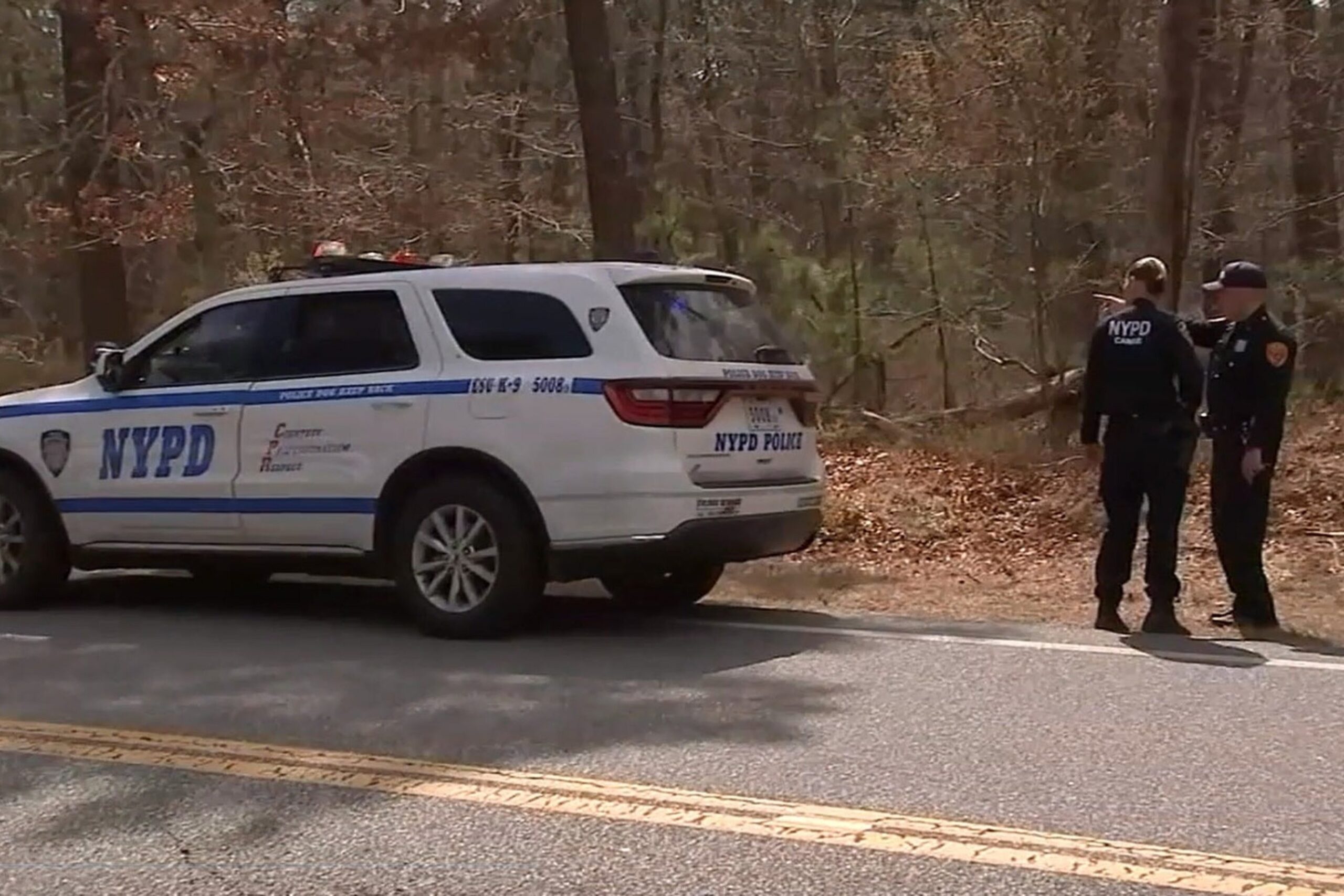
The initial search was meant to bring one family closure. Instead, it reopened pain for many. As remains were identified, families learned their loved ones had been gone far longer than anyone realized. One relative shared, “We were hoping for answers, not this kind of nightmare.” The discovery forced conversations that had been avoided for years. Missed reports, overlooked tips, and unanswered calls came rushing back. Each finding felt like both progress and heartbreak. The investigation grew larger than expected, and with it came the painful realization that closure was no longer simple. It would take patience, time, and trust that had already been shaken.
3. The Pattern No One Wanted to See
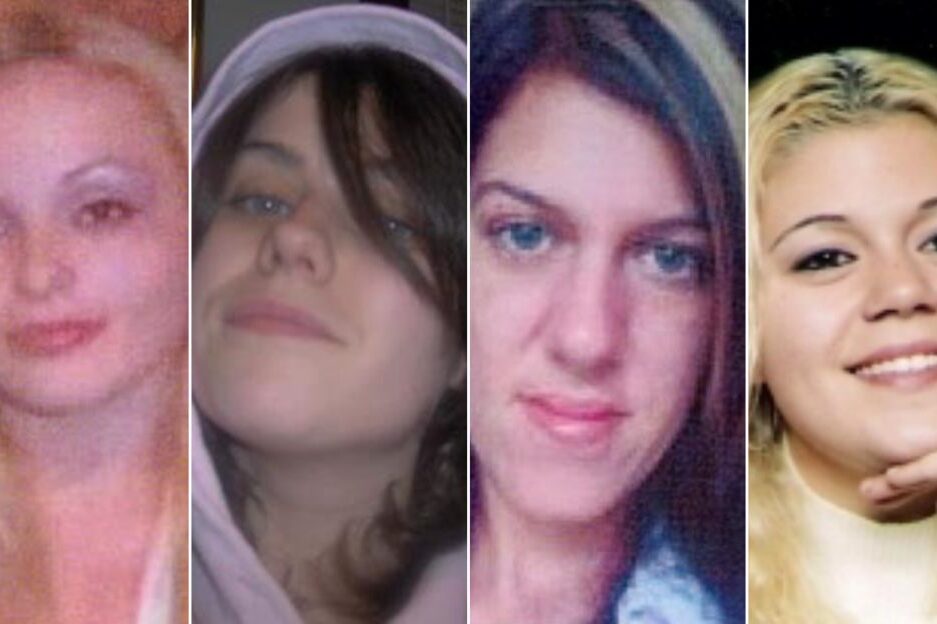
As evidence mounted, a disturbing pattern began to emerge. Victims shared similarities in how they disappeared and where they were found. Investigators acknowledged later that “the connections should have raised alarms sooner.” At the time, cases were treated separately, often quietly filed away. That separation delayed understanding the bigger picture. Once patterns were recognized, the case shifted from isolated tragedies to something far more unsettling. The realization left many asking how such connections could remain unseen for so long. It became a lesson in how easily systems fail when cases are not viewed together, especially when victims are marginalized.
4. Families Who Refused to Stay Silent
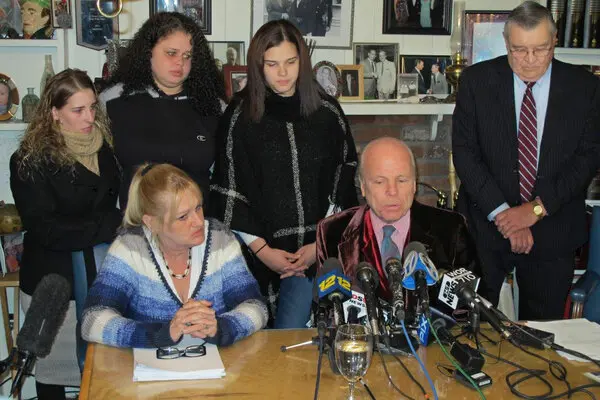
While investigations slowed, families pushed forward. They organized searches, spoke to reporters, and demanded accountability. One mother said plainly, “If we don’t keep talking, they will forget.” Their persistence kept the case alive during years when official updates were rare. These families became advocates not by choice but by necessity. Their voices reminded the public that these were not just files or remains. They were daughters, sisters, and friends. The pressure they applied would later play a role in renewed attention, proving that silence often protects the wrong people and that persistence can still move stalled systems.
5. Law Enforcement Under a Microscope
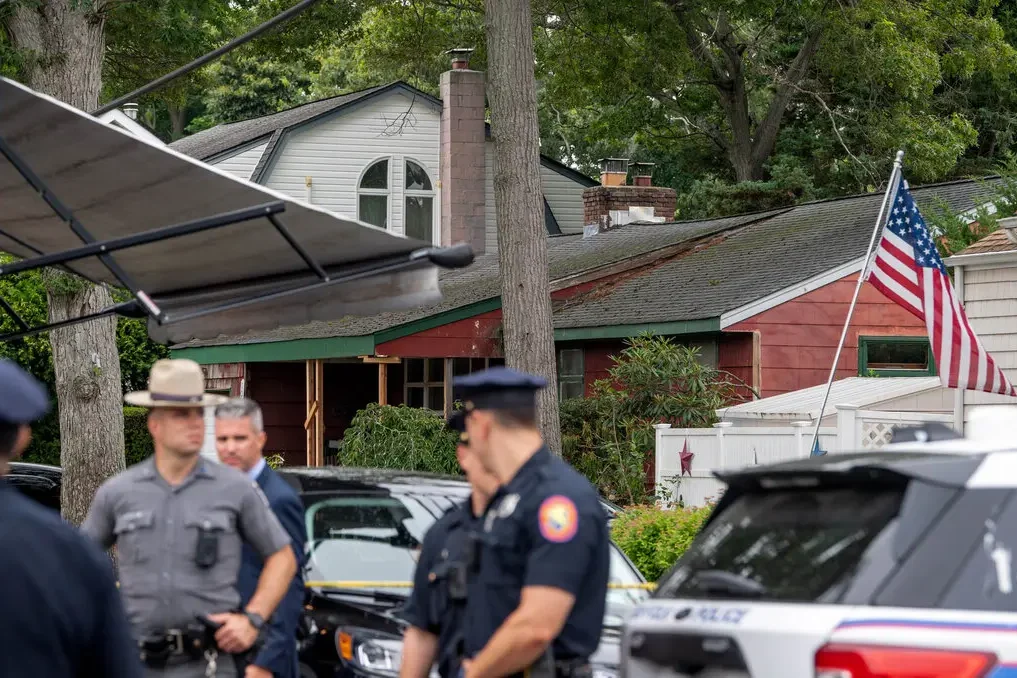
As public scrutiny grew, law enforcement faced difficult questions. Decisions made early on were revisited, sometimes painfully. A former official admitted in an interview, “Mistakes were made, and we own that.” Trust had been damaged, and rebuilding it required transparency many felt was long overdue. Reviews exposed internal conflicts and missed opportunities that complicated progress. The case became an example of how leadership and accountability shape outcomes. While reforms followed, families wondered whether those changes came too late. The spotlight forced departments to confront uncomfortable truths about how cases are prioritized and how easily critical time can be lost.
6. The Long Years Without Answers

Years passed with little visible movement. For families, time felt suspended. Birthdays, holidays, and anniversaries came and went without answers. One relative shared, “Grief does not pause just because the investigation does.” Public interest faded and resurfaced in cycles, often driven by rumors rather than facts. During this stretch, hope became a quiet, private thing. People learned to live alongside uncertainty, even as it weighed heavily. The absence of updates did not mean the absence of pain. It meant learning how to carry unanswered questions while waiting for something, anything, to finally shift.
7. Technology Catching Up to Time
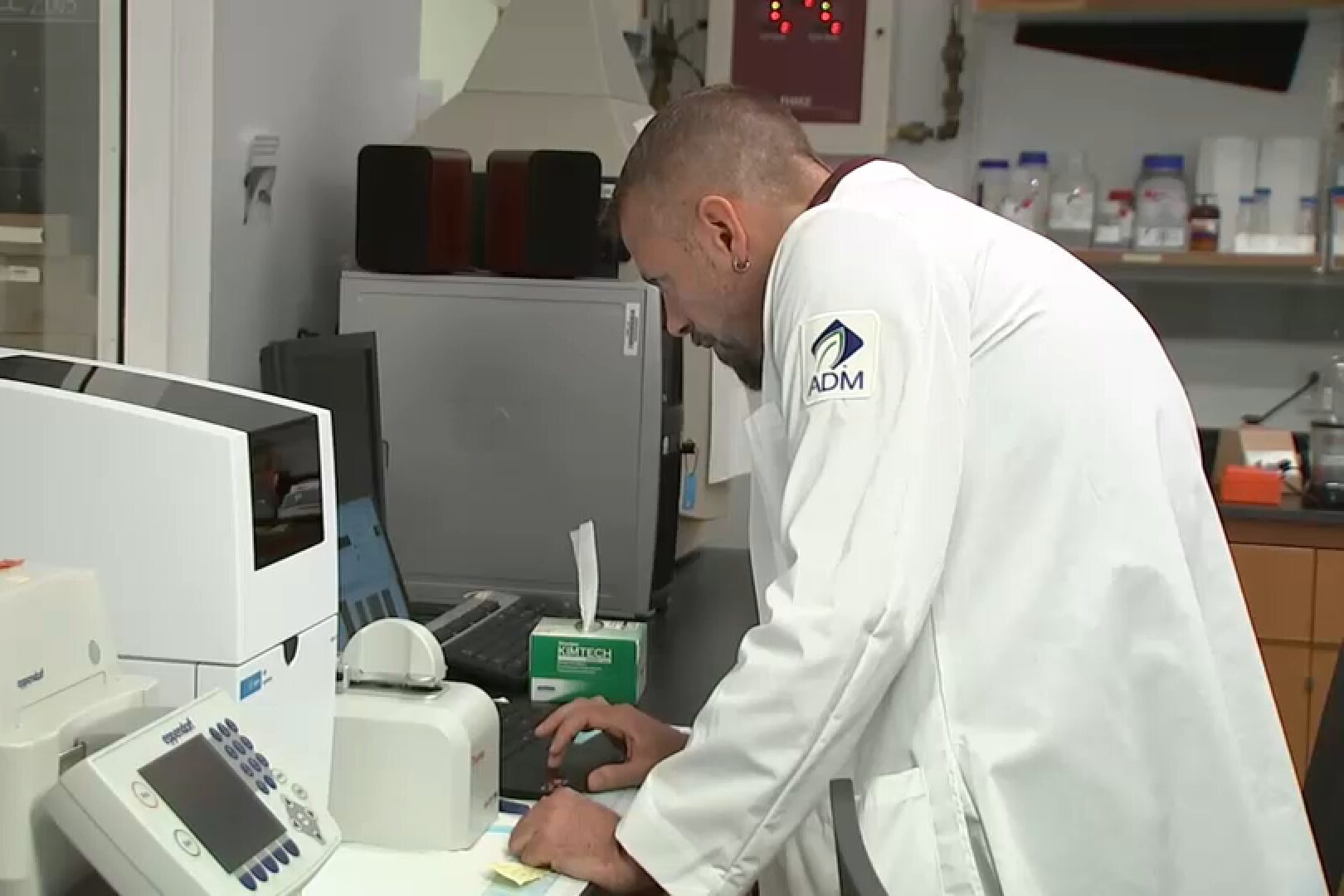
Modern forensic tools played a quiet but crucial role. DNA analysis and data tracking opened doors previously closed. Investigators explained that “technology now allows us to connect dots that once stayed separate.” What once seemed like dead ends gained new life. This progress highlighted how time can be both an enemy and an ally. While years lost cannot be recovered, evolving tools offered a second chance at truth. The case demonstrated that evidence does not expire, even if hope sometimes does. For families, these developments felt like the first real movement after a long, exhausting stillness.
8. An Arrest That Felt Unbelievable

When an arrest was finally announced, reactions were mixed. Shock, relief, and caution surfaced all at once. One official described it as “a significant step, not the finish line.” For families, hearing a name attached to years of pain felt surreal. Some hesitated to celebrate, knowing legal processes move slowly. The arrest shifted the story from mystery to accountability, but questions remained. How long had this person lived unnoticed? What signs were missed? The moment did not end the story. It changed its direction, reminding everyone that answers can arrive late, but they still matter.
9. Justice Moving at Its Own Pace
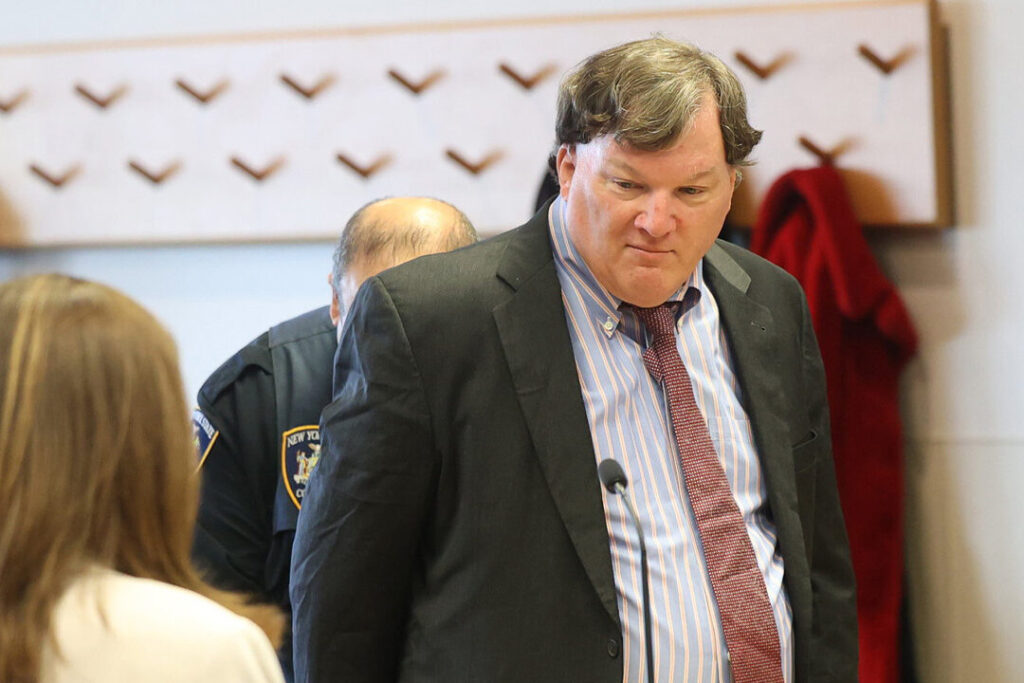
Legal proceedings introduced another kind of waiting. Court dates, filings, and delays tested patience again. Prosecutors stated, “We are committed to building this case thoroughly.” For families, thoroughness mattered more than speed. Each step carried weight, knowing outcomes would shape closure or reopen wounds. The process underscored how justice rarely feels fast to those who need it most. While the public followed updates closely, families lived with the emotional toll behind the scenes. The courtroom became a place where truth was pursued carefully, reminding everyone that accountability is a process, not a single moment.
10. Community Reckoning and Reflection
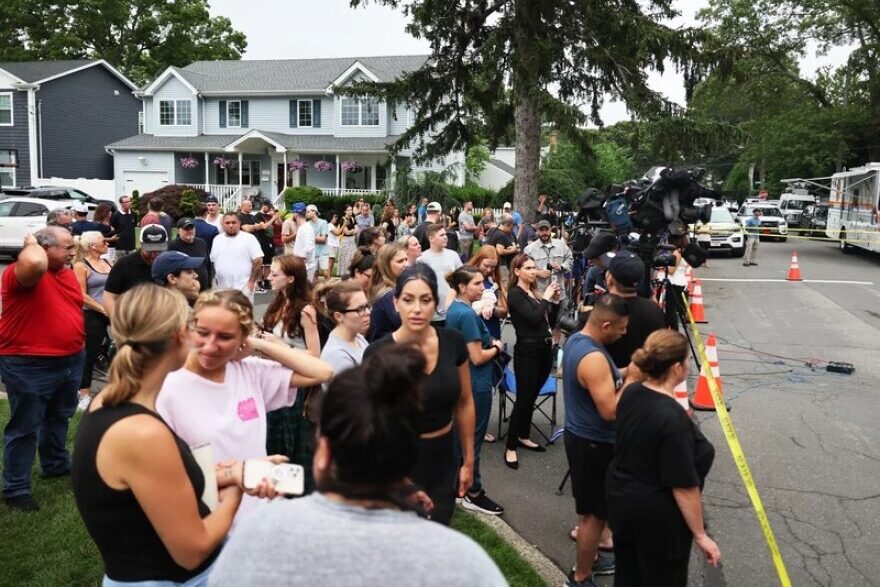
The case forced the surrounding community to reflect inward. Neighbors questioned what they had seen or ignored. Local leaders acknowledged that “community awareness plays a role in prevention.” Conversations about safety, reporting, and support became more common. The beach, once avoided, became a place of remembrance. Vigils replaced silence. This reflection was not about blame but responsibility. It highlighted how communities shape outcomes through attention and care. The case showed that while crimes may happen quietly, healing and prevention require collective effort. Awareness became a shared responsibility rather than an abstract idea.
11. Remembering the Victims as People

Amid legal updates, families worked to keep memories personal. They shared stories, photos, and small details that humanized those lost. One sister said, “She was more than what happened to her.” These reminders mattered. They shifted focus away from methods and suspects and back to lives interrupted. Remembering victims as people helped counter years of reduction to case numbers. It also offered a form of healing that justice alone could not provide. These personal moments grounded the story, ensuring that empathy stayed at the center, even as proceedings continued and headlines evolved.
12. When Answers Finally Begin to Settle
As the case continues, something quieter has emerged. A sense that truth, though delayed, is no longer buried. Families speak cautiously, knowing healing is not linear. One relative reflected, “We are learning how to breathe again.” The sand no longer feels completely silent. While not everything is resolved, the direction feels different now. The story has shifted from endless questions to careful accountability. It reminds us that patience does not mean forgetting and that persistence can outlast silence. In that shift lies a fragile hope that justice, however slow, still arrives.


