
1. A Missed Turn Created Las Vegas

History isn’t always driven by grand plans or powerful leaders. Sometimes, cities are shaped by accidents, timing, and coincidences so strange they sound fictional. Las Vegas owes much of its existence to geography and a near-accidental pause. In the early 1900s, it was little more than a railroad stop where trains needed water in the desert. That pause coincided with gambling being legalized in Nevada in 1931 and the nearby construction of Hoover Dam, which brought thousands of workers. If the railroad had chosen a different route or if water had been available elsewhere, Las Vegas may have remained insignificant. Instead, timing, location, and legal loopholes aligned perfectly, transforming a desert stop into a global entertainment capital built almost entirely on coincidence rather than long-term planning.
2. The Fire That Rebuilt Chicago
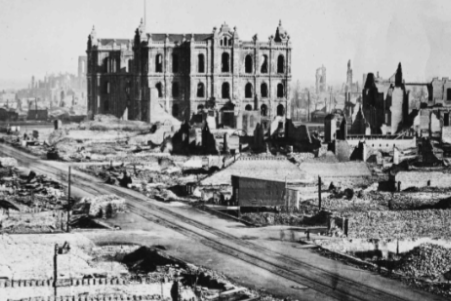
In 1871, the Great Chicago Fire destroyed more than three square miles of the city, leaving roughly 100,000 people homeless. While the fire itself was a disaster, the coincidence lay in what followed. Chicago was already a growing rail and trade hub, and massive investment poured in almost immediately after the ruins cooled. New fire codes led to steel-frame construction, helping pioneer modern skyscrapers. Had the fire happened earlier or later, before Chicago’s economic rise, it may not have recovered so quickly. Instead, the catastrophe coincided with perfect financial and industrial timing, turning Chicago into a blueprint for modern urban architecture and reshaping how cities around the world were built.
3. San Francisco Rose After a Bigger Disaster
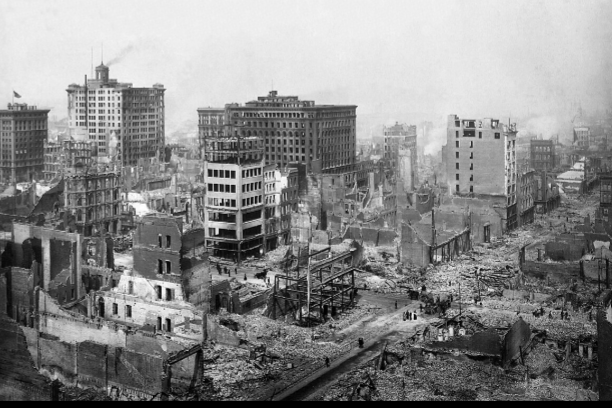
The 1906 San Francisco earthquake and subsequent fires destroyed over 80 percent of the city. Coincidentally, San Francisco was already a financial hub for the West Coast due to the Gold Rush decades earlier. Insurance payouts, many paid in full despite fire exclusions, fueled rapid rebuilding. The city could have declined permanently, but the timing of wealth, banking strength, and population growth allowed it to rebound faster than expected. This coincidence helped San Francisco retain its dominance over rival cities like Oakland and Los Angeles at the time, preserving its status as a cultural and economic center far beyond what geography alone might have guaranteed.
4. A Border Line Made Berlin a Flashpoint
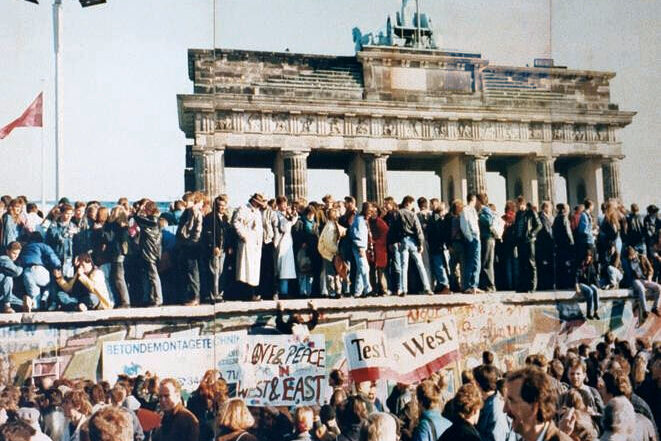
Berlin’s fate during the Cold War hinged on a coincidence of geography and politics. Though located deep inside East Germany, Berlin was divided among Allied powers after World War II. This unusual arrangement turned the city into a frontline symbol of global tension. The construction of the Berlin Wall in 1961 wasn’t originally meant to define the city forever, yet it shaped daily life, migration, and global politics for decades. When the wall fell in 1989, sparked partly by a miscommunicated announcement, it once again altered Berlin’s trajectory. Few cities have been so dramatically reshaped by accidental borders and political missteps.
5. Pompeii’s Destruction Preserved Its Life
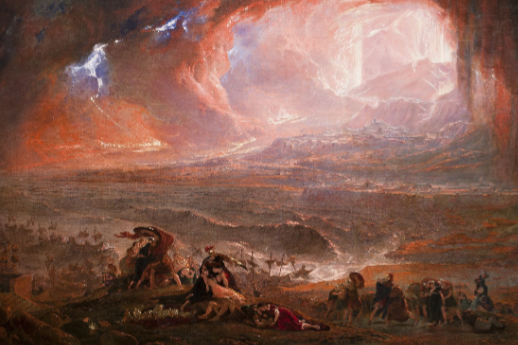
Pompeii was frozen in time by the eruption of Mount Vesuvius in 79 AD. While the disaster wiped out the city, the coincidence lies in how it was buried. Layers of ash preserved homes, shops, graffiti, and even food, offering an unmatched snapshot of Roman daily life. Most ancient cities eroded or were rebuilt over centuries, but Pompeii’s sudden burial protected it from change. When rediscovered in the 18th century, it reshaped archaeology, tourism, and historical understanding. Without the specific conditions of that eruption, Pompeii might have vanished entirely, leaving historians with far fewer insights into ancient urban living.
6. A Wrong Decision Saved Amsterdam’s Canals
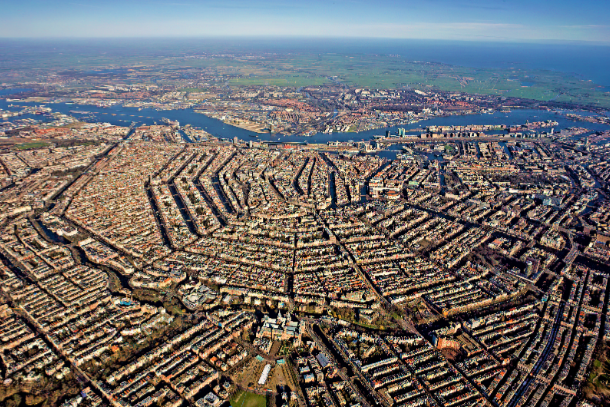
In the mid-20th century, many European cities filled in canals to make room for cars. Amsterdam planned similar projects, but financial constraints and public resistance delayed the work. Coincidentally, tourism began rising just as attitudes toward historic preservation shifted. The canals, once seen as outdated, became cultural and economic assets instead of obstacles. Today, they define Amsterdam’s identity and global appeal. If funding had been available earlier or opposition weaker, the canals might have disappeared. Instead, a mix of delays and changing public opinion preserved one of the world’s most recognizable urban landscapes almost by accident.
7. Tokyo’s Earthquake Led to Its Modern Layout
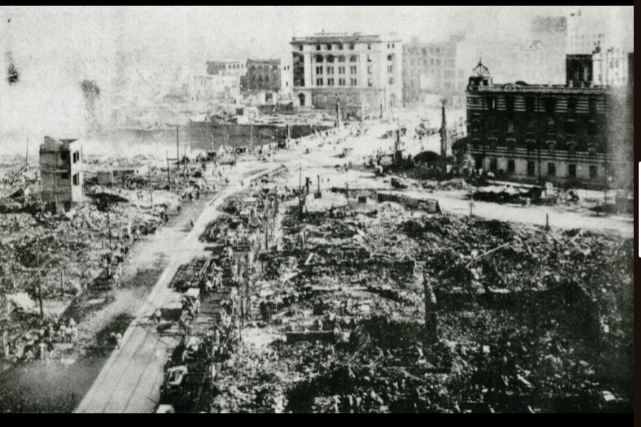
The Great Kanto Earthquake of 1923 devastated Tokyo, killing over 100,000 people and destroying large sections of the city. Coincidentally, Japan was entering a period of modernization and industrial growth. Reconstruction allowed Tokyo to widen roads, improve infrastructure, and modernize building standards. While the disaster was tragic, it created an opportunity to redesign the city in ways that wouldn’t have been politically possible otherwise. Tokyo’s current layout, blending dense neighborhoods with wide arterial roads, was shaped by this moment. Without the earthquake occurring during that specific era, Tokyo’s urban form might look entirely different today.
8. A Gold Discovery Built Johannesburg
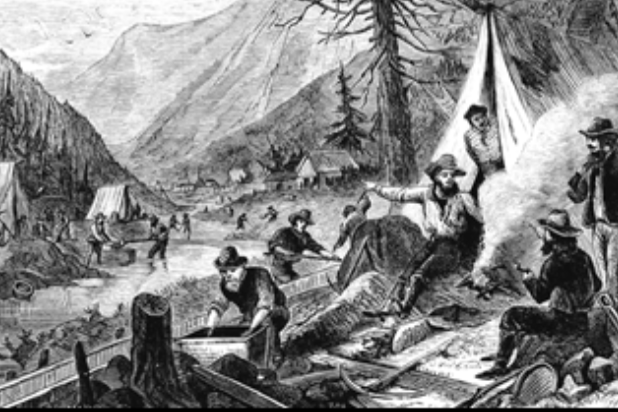
Johannesburg exists because of an unexpected gold discovery in 1886 along the Witwatersrand. Before that moment, the area held little strategic value. The coincidence was not just the gold itself, but its timing during global industrial expansion. Investors, miners, and workers flooded in almost overnight, creating a city faster than infrastructure could keep up. Political decisions, economic inequality, and urban segregation followed, shaping Johannesburg’s complex identity. Had the gold been discovered earlier or later, or in a less accessible location, the city may never have risen to prominence. Instead, chance geology created South Africa’s largest urban center.
9. Seattle’s Phoenix Moment
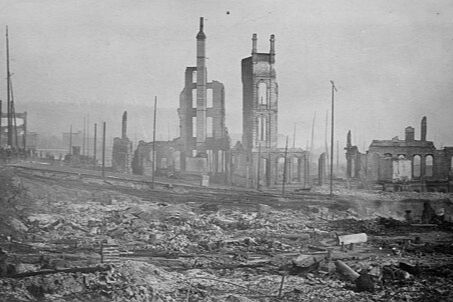
In 1889 a massive blaze levelled Seattle’s wooden downtown, but that catastrophe coincided with the city’s role as the supply gateway to Alaska and the Yukon. Rebuilding in brick and stone made Seattle safer and more modern just as merchants and outfitters needed a major Pacific Northwest hub for the Klondike Gold Rush a few years later. That overlap, disaster-driven modernization followed by sudden economic opportunity, accelerated Seattle’s rise from a rough timber town into a regional commercial and shipping center. Had the fire not forced a rapid rebuild, Seattle might not have been as well placed to benefit from the gold-driven boom.
10. How a Hurricane Made Houston the Powerhouse
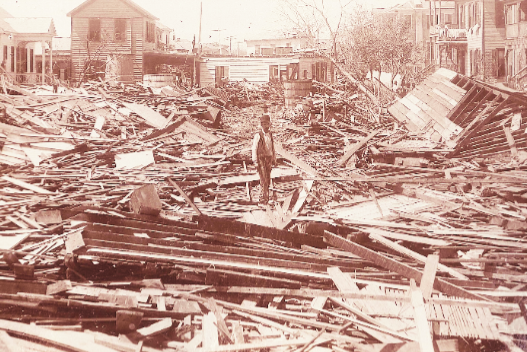
The devastating 1900 Galveston hurricane wiped out a prosperous port city, killing thousands and prompting both physical and economic shifts. Investors and businesses, looking for a safer Gulf alternative, turned to Houston, which already had a deepening ship channel, and began routing commerce there. The disaster’s timing, combined with Houston’s inland location and railroad links, redirected capital and population, paving the way for Houston’s 20th-century expansion into shipping, oil, and industry. In short, a single catastrophic storm coincided with practical choices by merchants and planners that reshaped which Texas city would dominate the region for generations.
11. Pittsburgh’s Rivers Built an Industry
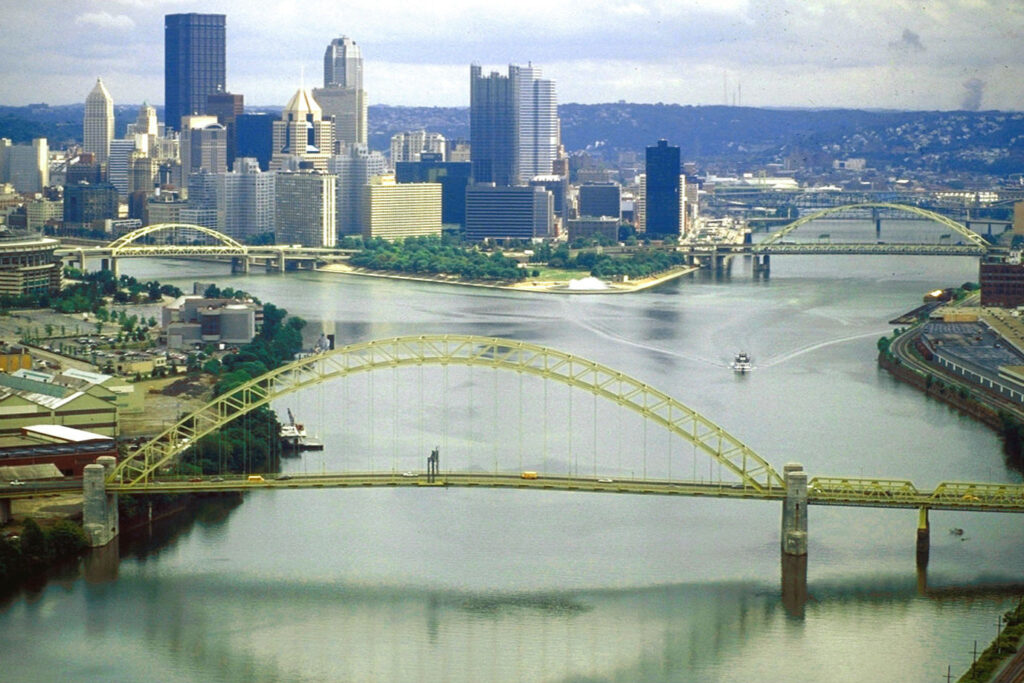
Pittsburgh sits where the Allegheny and Monongahela meet to form the Ohio River, an unremarkable geographic fact that proved monumental. That confluence made the city a natural inland port for raw materials like coal and iron ore arriving by river, and finished steel moving out. The coincidence of three navigable waterways meant lower transport costs compared with many rivals, attracting foundries and later giant steelworks. Over decades this geography, paired with coal deposits nearby and entrepreneurial timing during the Industrial Revolution, turned Pittsburgh into America’s steel capital, an urban identity born more from rivers and geology than from any single grand plan.
12. Istanbul: Where Continents and Seas Collide
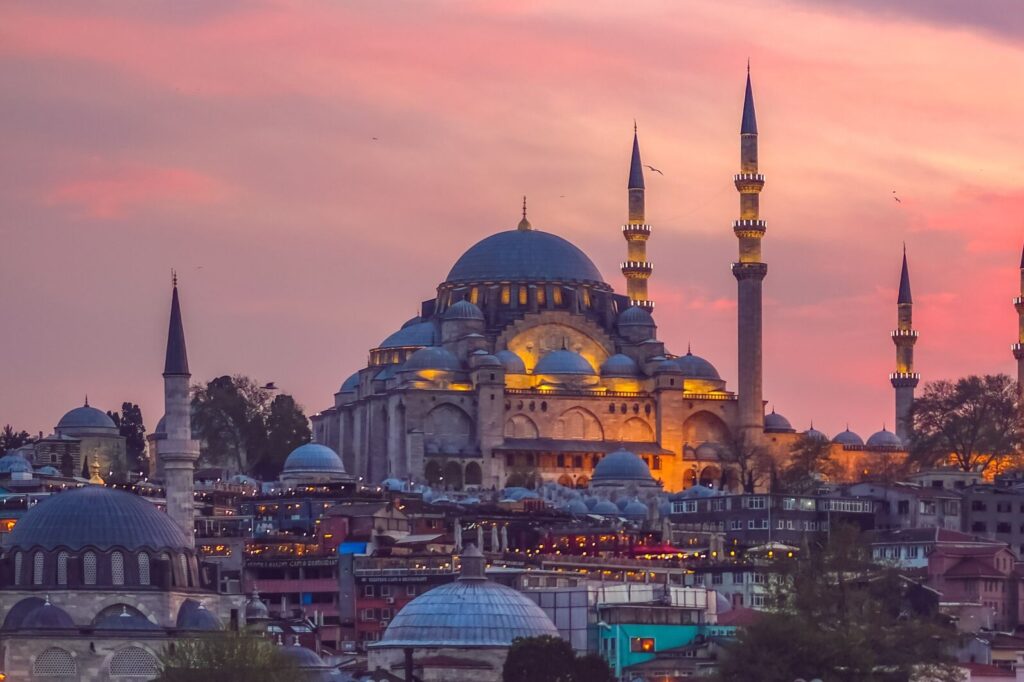
The city that’s now Istanbul owes its destiny to a narrow choke point between the Black Sea and the Mediterranean. That peninsula and the sheltered Golden Horn harbor made it a natural crossroads for trade, culture, and armies for millennia. Byzantium, then Constantinople, and later Ottoman rulers all benefited from that accidental geography: control of sea routes meant taxes, commerce, and strategic leverage. Because of this one location coincidence, the city became an imperial capital twice over and a magnet for art, religion, and wealth, its urban fabric shaped continuously by the fact that two continents meet at its doorstep.
13. How Seven Islands Became Mumbai

Modern Mumbai formed from seven small islands separated by mangroves and tidal creeks, an odd natural setup that, through a mix of chance and colonial engineering, became India’s premier port. The islands’ deep natural harbour attracted traders, and later British colonial decisions to build causeways and reclaim land stitched them together. That coincidence, a naturally sheltered anchorage plus available shallow land for reclamation, helped Bombay grow far faster than nearby settlements. Over time, commercial traffic, rail links, and textile mills clustered there, producing the dense, economic powerhouse city now called Mumbai. Without that particular coastal geography, India’s main financial center might have emerged elsewhere.
14. Washington, D.C.: A Political Compromise with Big Consequences
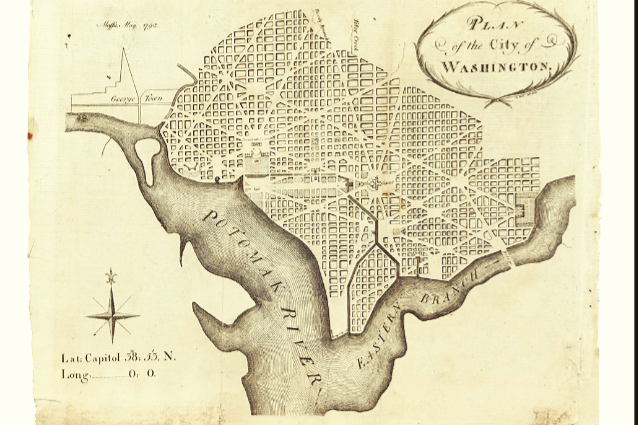
The U.S. capital’s site was a political compromise between northern and southern interests in the 1790s, and the Potomac’s banks were chosen in large part because of land owned by influential plantation owners and George Washington’s personal connections. That mix of politics and personal property, an almost accidental alignment, created a planned capital on a river that linked the interior to the sea. The resulting federal city, designed with grand avenues and symbolic sites, centralized national institutions and attracted cultural investment. In short, a compromise over location produced a capital whose layout and prominence shaped American national identity and urban growth patterns.
15. Canberra: Built Because Sydney and Melbourne Couldn’t Agree
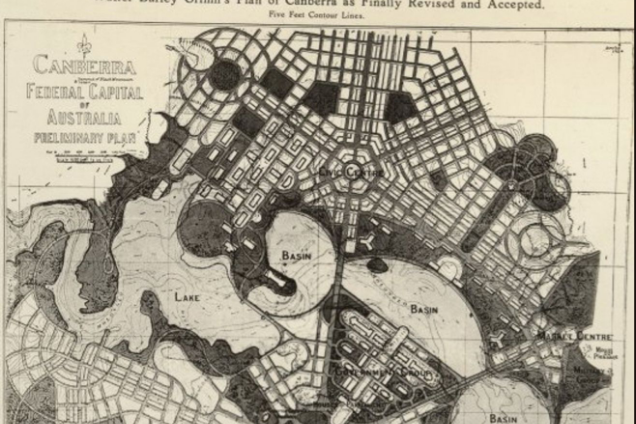
Australia’s capital exists because Sydney and Melbourne refused to cede primacy, so the government chose a neutral inland site in 1908. That political compromise led to a purpose-built city designed by Walter Burley Griffin, combining planned parklands, axes, and government precincts. The coincidence, needing a middle ground between two booming coastal cities, produced Canberra’s ordered, largely governmental character rather than organic commercial growth. That identity has implications today: Canberra functions more as an administrative heart than an economic engine, and its urban form reflects the single historic choice that made it Australia’s capital nearly by accident.
16. Singapore’s Freshwater Spring and a Trading Boom
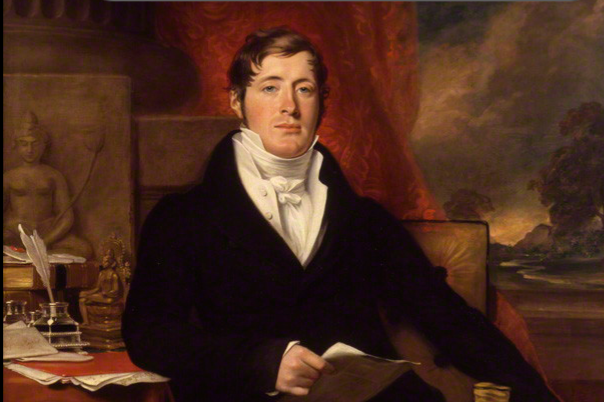
When Sir Stamford Raffles established a British trading post at Singapore in 1819 he noted an abundant freshwater spring, an unglamorous but crucial resource for passing ships. That simple natural feature, coupled with the island’s strategic position on the Strait of Malacca, turned a modest fishing village into a booming port almost overnight. Ships could resupply, and traders found a secure anchorage between India and China. The coincidence of fresh water, safe harbour, and a pivotal maritime route created the conditions for Singapore’s explosive growth into a global entrepôt, and ultimately a dense, prosperous city-state with outsized influence.
17. A Volcano Gave Naples Its Rich Soil
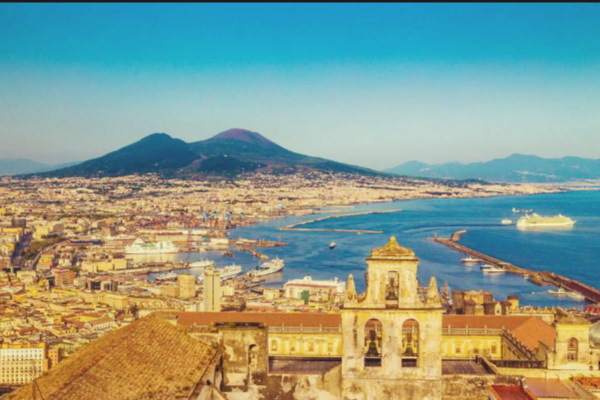
Naples developed in the shadow of Mount Vesuvius, one of Europe’s most dangerous volcanoes, yet that threat came with an unexpected advantage. Over centuries, repeated eruptions deposited mineral-rich ash across the surrounding land, creating some of Italy’s most fertile soil. This coincidence supported intensive agriculture, dense settlement, and long-term urban continuity despite periodic disasters. The same volcano that destroyed Pompeii also helped sustain Naples’ population and economy through farming and trade. Without that unusually productive soil, Naples might never have grown into a major Mediterranean city, illustrating how natural danger and urban prosperity sometimes emerge from the same source.
18. Venice Rose Because It Was Hard to Reach
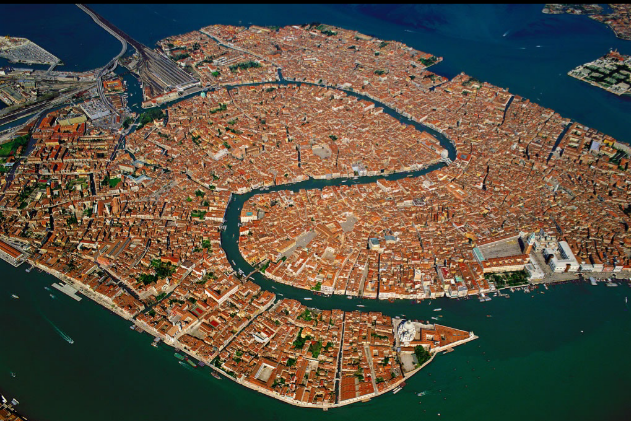
Venice began as a refuge. After the fall of the Western Roman Empire, people fled invasions by settling on muddy islands in a shallow lagoon that outsiders struggled to access. That accidental defensibility became Venice’s greatest asset. Over time, residents adapted to water-based living, building canals instead of roads and mastering maritime trade. The lagoon’s geography discouraged large invading armies while encouraging seafaring commerce. This coincidence, safety through inconvenience, allowed Venice to grow into a powerful republic controlling trade routes across the Mediterranean. A place initially chosen out of desperation evolved into one of the world’s most distinctive and influential cities.
19. Mexico City Was Built on a Lake
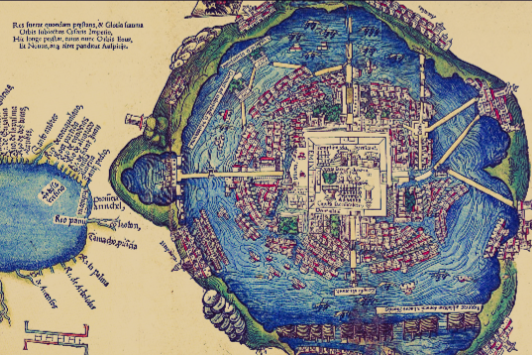
The Aztec capital of Tenochtitlan was founded on an island in Lake Texcoco, a strategic choice that later shaped modern Mexico City. Spanish conquerors destroyed the city but rebuilt directly on top of it rather than relocating. That coincidence locked Mexico City into a lakebed environment prone to flooding and ground subsidence. Over centuries, engineers drained the lake and expanded the city outward, but the underlying geography still affects infrastructure today. What began as a defensive island city evolved into one of the world’s largest urban centers, shaped by the long-term consequences of an early settlement decision made centuries earlier.
20. A Canal Accident Boosted Panama City
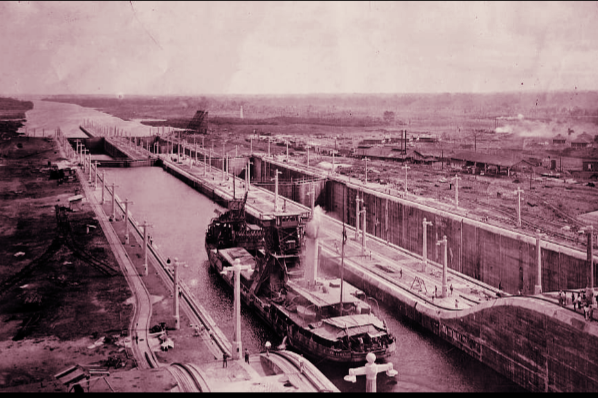
Panama City’s global importance rose alongside the Panama Canal, but early construction was plagued by disease, engineering failures, and delays. Coincidentally, breakthroughs in understanding mosquito-borne illnesses occurred just in time to make completion possible. Once finished in 1914, the canal transformed Panama City into a financial, shipping, and logistics hub. The city’s growth wasn’t inevitable; earlier French failures nearly ended the project altogether. Instead, timing, medical advances, and renewed investment aligned, reshaping global trade routes and anchoring Panama City’s modern identity around one of the world’s most important waterways.
21. Los Angeles Grew Because of a Water Gamble
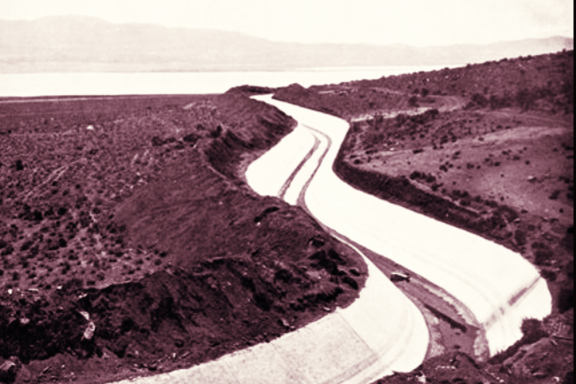
Los Angeles sits in a semi-arid region that could not naturally support millions of residents. Its explosive growth followed the early 20th-century construction of the Los Angeles Aqueduct, which diverted water from the Owens Valley hundreds of miles away. The coincidence lay in timing: land speculation, political backing, and engineering ambition aligned just as Southern California’s population surged. Without that water transfer, controversial even then, Los Angeles would have remained a modest coastal city. Instead, a risky infrastructure gamble reshaped the region and enabled one of the largest metropolitan expansions in modern history.
22. Rome’s Hills and a River Secured Its Survival
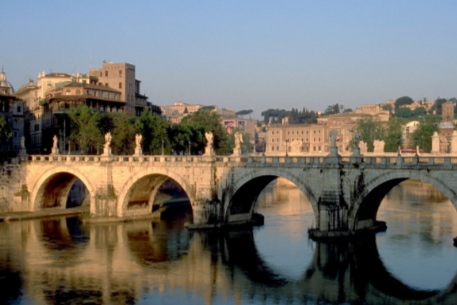
Rome’s founding location combined defensible hills with access to the Tiber River, an unplanned but powerful mix. The hills provided natural protection from invasion and flooding, while the river enabled trade and transport without exposing the city directly to coastal threats. This coincidence helped early Rome survive long enough to expand politically and militarily. Many ancient settlements failed due to poor placement, but Rome’s geography supported steady growth. Over time, that modest river crossing became the center of a vast empire, proving how an initially practical settlement choice can ripple through history on a massive scale.
23. A Rail Stop Turned Atlanta Into a Hub
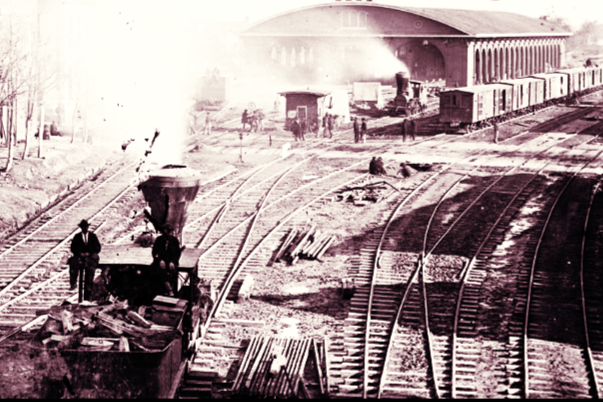
Atlanta began as a simple railroad terminus known literally as “Terminus.” There was no river, port, or ancient settlement, just intersecting rail lines chosen for logistical convenience. That coincidence placed Atlanta at the center of Southern rail traffic. Even after being heavily damaged during the American Civil War, the city rebuilt quickly, leaning into its transportation role. Over time, railroads, highways, and later air travel reinforced Atlanta’s position as a regional connector. What started as a practical rail decision evolved into one of the most influential commercial and transportation hubs in the southeastern United States.
24. Dubai’s Creek Sparked a Global City
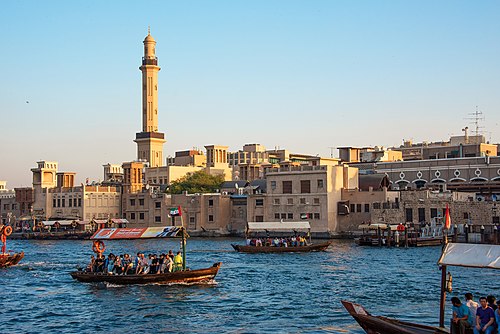
Before oil wealth, Dubai’s development centered on a natural inlet known as Dubai Creek. That narrow waterway allowed small trading vessels to dock inland, encouraging commerce, fishing, and pearl diving. The coincidence was its depth and shelter, unusual for the surrounding coastline. When oil was later discovered, Dubai already had a functioning trade culture and port infrastructure. Leaders expanded on that foundation, transforming the city into a logistics and tourism hub. Without the creek’s early advantages, Dubai might not have been positioned to capitalize so quickly on its later economic opportunities.
25. A Flood Turned Paris Toward Modern Infrastructure
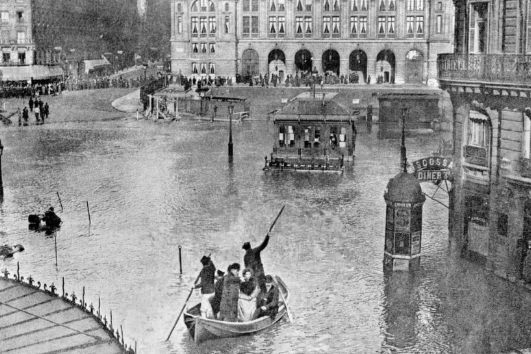
The Great Flood of Paris in 1910 submerged streets, metro tunnels, and homes along the Seine, disrupting daily life for weeks. While devastating, the timing coincided with a growing push for urban modernization. The flood exposed weaknesses in drainage, transport, and utilities, prompting large-scale improvements to flood defenses, sewage systems, and river management. Paris emerged better prepared for future crises, with infrastructure that supported its growth through the 20th century. Had the flood occurred earlier, resources may not have existed to respond effectively; later, complacency might have delayed action. Instead, the disaster aligned with political will and technical capacity, reshaping the city’s resilience.
26. Stockholm’s Ice Roads Shaped Its Layout
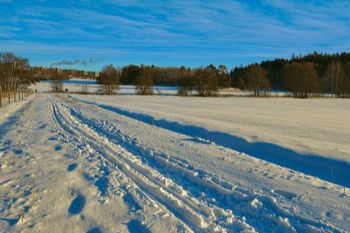
Stockholm developed across islands linked by waterways that froze solid each winter. For centuries, frozen channels acted as temporary roads, guiding trade routes, settlement patterns, and urban expansion. This seasonal coincidence allowed people to move goods and livestock easily during winter months, reinforcing connections between districts that later became permanent bridges and streets. When modern infrastructure arrived, it followed paths shaped by ice-bound movement. Stockholm’s distinctive island-based layout, compact neighborhoods, and transport corridors reflect centuries of adaptation to this natural rhythm. What began as a seasonal convenience quietly influenced the long-term structure of Sweden’s capital.
27. Havana’s Natural Harbor Drew Empires
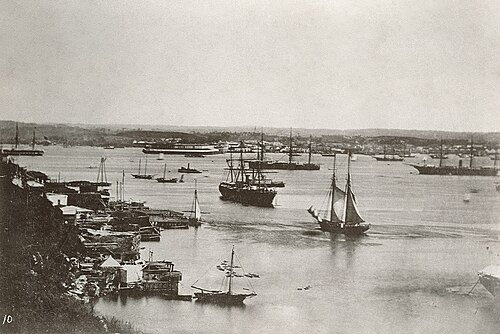
Havana’s deep, sheltered harbor sits at a strategic point near the Gulf Stream, making it ideal for ships crossing between Europe and the Americas. This geographic coincidence drew Spanish colonial powers, who fortified the city and made it a key naval and commercial hub. Treasure fleets assembled there, bringing wealth, population growth, and cultural exchange. Havana’s urban development followed military and trade priorities tied directly to the harbor’s shape and position. Without that naturally protected inlet, Havana might have remained a small coastal settlement instead of becoming one of the Caribbean’s most historically significant cities.
28. A Mining Camp Became Denver
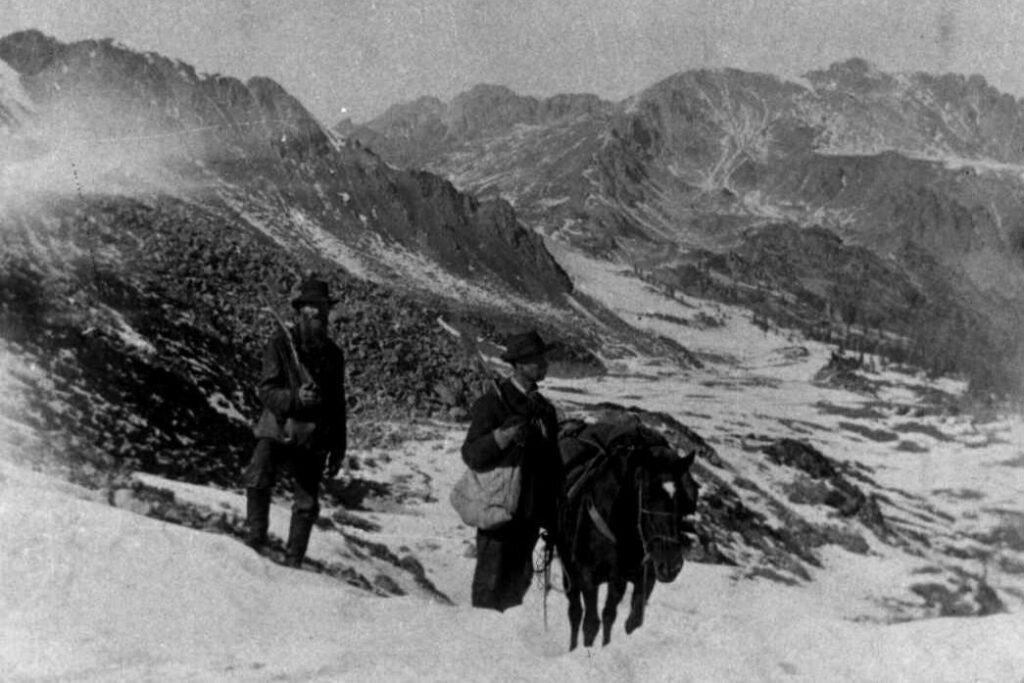
Denver began as a gold mining camp near Cherry Creek during the 1859 Colorado Gold Rush. The coincidence was its location along supply routes heading west and its survival after nearby camps failed. When gold dwindled, Denver pivoted to serve ranching, railroads, and regional trade. Its elevation and central position later earned it the nickname “Gateway to the Rockies.” Had early prospectors chosen another creek, or had rail lines bypassed it, Denver might have faded like many boomtowns. Instead, timing, transport links, and adaptability transformed a temporary camp into a major American city.
29. Helsinki’s Relocation Changed Finland’s Future
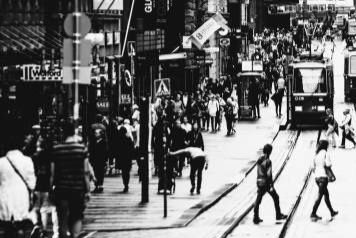
Helsinki was not always Finland’s main city. In 1812, Russian authorities relocated the capital from Turku to Helsinki for strategic reasons, including proximity to St. Petersburg and a better harbor. This political decision coincided with large-scale rebuilding in a neoclassical style, giving Helsinki a new identity. Universities, government institutions, and investment followed, reshaping Finland’s cultural and administrative center. Without that relocation, Helsinki might have remained a modest port town. Instead, a strategic coincidence elevated it to national prominence and permanently altered Finland’s urban hierarchy.
30. A Trade Wind Built Cape Town
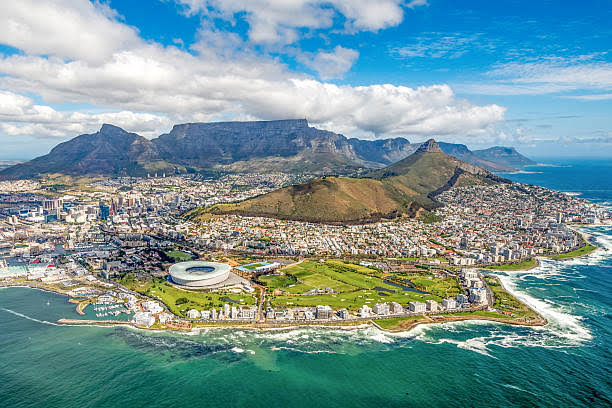
Cape Town grew because it sat at a natural rest stop along European sea routes to Asia. Ships relied on prevailing trade winds and needed a place to resupply after rounding the Cape of Good Hope. This coincidence made Table Bay invaluable to Dutch traders, who established a refreshment station that expanded into a city. Over time, Cape Town became a cultural, political, and economic center for southern Africa. Its urban growth reflects centuries of maritime traffic shaped not by local demand, but by global wind patterns that turned a coastal stop into a lasting metropolis.
Cities often feel permanent and deliberate, yet many owe their existence to timing, accidents, and overlooked details. Together, they remind us that urban history is as much about chance as it is about planning.
Like this story? Add your thoughts in the comments, thank you.


