
1. The Gilgo Beach Discovery

What began as a missing persons search slowly unraveled into one of America’s most unsettling crime investigations. In December 2010, Suffolk County police searching for missing woman Shannan Gilbert along Ocean Parkway near Gilgo Beach discovered human remains in the brush. Within days, investigators located three more sets of remains nearby. According to police statements reported by CNN and the Associated Press, all were found within a quarter-mile stretch and were wrapped in burlap. This discovery shifted the investigation from a missing persons case to a suspected serial homicide inquiry. Authorities later confirmed that the victims were women who had disappeared years earlier, prompting a broader review of unsolved cases. It also marked the moment when the Long Island Serial Killer entered public awareness.
2. The Victims Known as the Gilgo Four
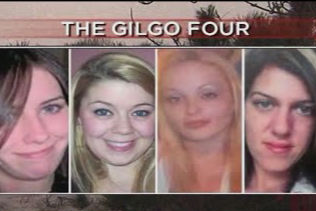
The first four victims identified became known as the Gilgo Four: Melissa Barthelemy, Megan Waterman, Amber Lynn Costello, and Maureen Brainard-Barnes. According to ABC News and CNN, all four women worked as escorts and disappeared between 2007 and 2010 after meeting clients. Their remains were discovered close together along Ocean Parkway, each wrapped in burlap. Investigators noted similarities in how the victims were contacted and in the circumstances surrounding their disappearances. These consistencies led authorities to believe the deaths were connected. The identification of the Gilgo Four brought national attention to the case and intensified calls from families for a comprehensive and transparent investigation.
3. Ocean Parkway as a Dumping Ground
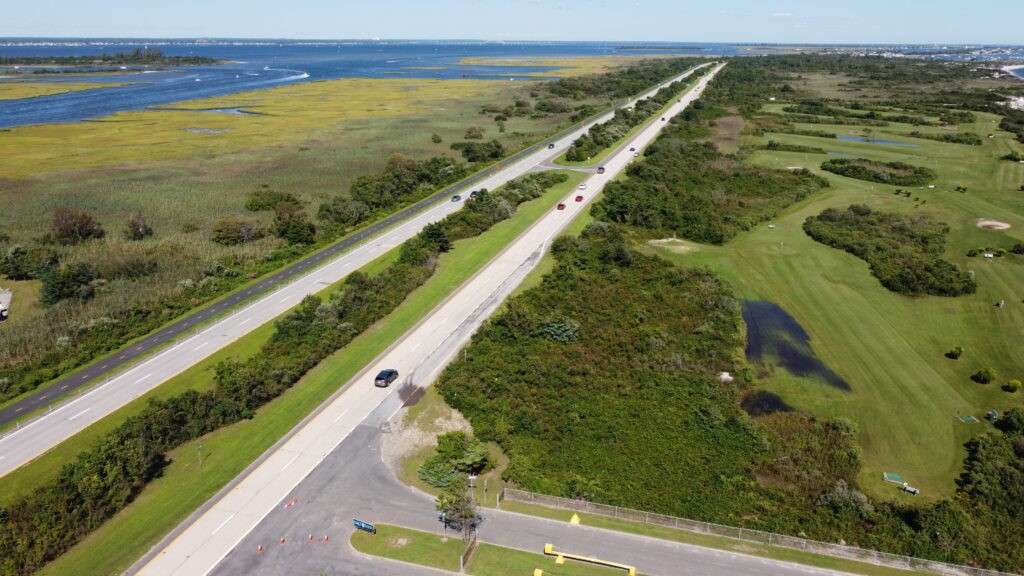
Ocean Parkway quickly emerged as a central feature of the investigation. Stretching along the southern shore of Long Island, the road is flanked by dense marshland and limited lighting. Investigators believe the killer used this isolated corridor to dispose of victims over several years. The consistency of the location suggested familiarity with the area and confidence that the remains would remain hidden. The parkway’s geography made searches difficult, allowing evidence to stay concealed in plain sight. This realization raised troubling questions about how many times the killer may have returned unnoticed. Ocean Parkway became symbolic of the case, representing both the killer’s routine and the investigative challenges faced by authorities.
4. More Remains Expand the Timeline

As searches continued in 2011, police discovered additional remains farther east and west of Gilgo Beach. Some were partial remains, indicating possible dismemberment and transportation between locations. These findings expanded the potential timeline of the crimes, with some victims believed to date back to the mid-1990s. The diversity in victim profiles and locations complicated the investigation, raising the possibility of either one evolving offender or multiple perpetrators. This phase of the case deepened its mystery and scope. What initially appeared to be a contained series now looked like a sprawling pattern of violence stretching across decades, making the search for clear answers even more difficult.
5. Early Investigative Missteps
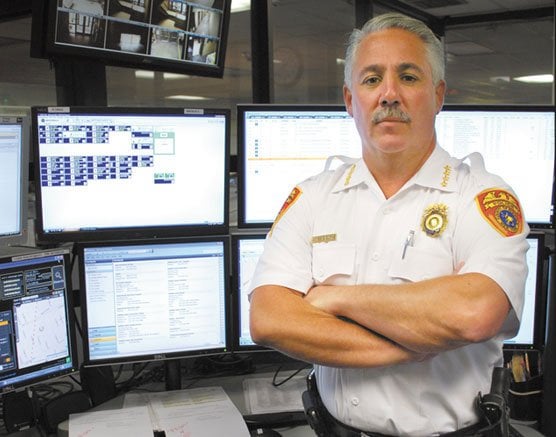
The early years of the investigation were marked by criticism and controversy. Reports later revealed internal conflicts, leadership changes, and missed opportunities within local law enforcement. Communication between agencies was inconsistent, and some leads were not fully pursued. These issues slowed progress and frustrated victims’ families, who felt the case lacked urgency. Over time, the investigation became a cautionary example of how administrative problems can hinder justice. Public scrutiny intensified as questions mounted about what might have been done differently. These early missteps would later influence calls for outside assistance and renewed efforts to bring clarity to a case that had grown cold.
6. The Role of Burner Phones
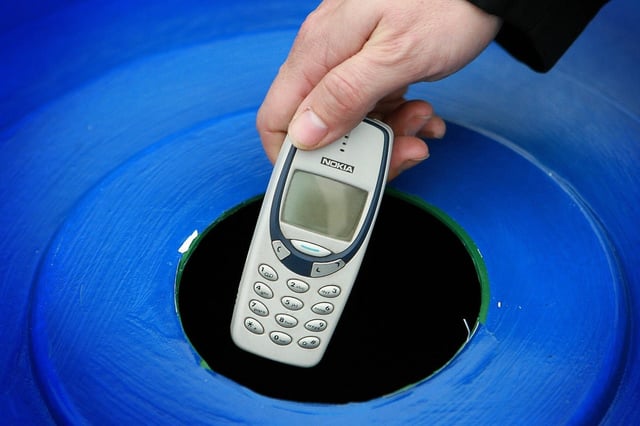
One of the most chilling elements of the Long Island Serial Killer case involved the use of burner phones. Investigators learned that someone using the victims’ phones made taunting calls to family members after the women disappeared. These calls were brief, emotionally cruel, and often placed from busy locations like Times Square. The use of disposable phones made tracking difficult, showing a level of planning and awareness of law enforcement techniques. Phone records did, however, help establish a rough geographic pattern, suggesting the caller lived or worked in the New York area. This detail strengthened the belief that the killer was not transient but deeply rooted in the region. The calls remain among the most disturbing aspects of the case.
7. Manorville Links Raise New Questions
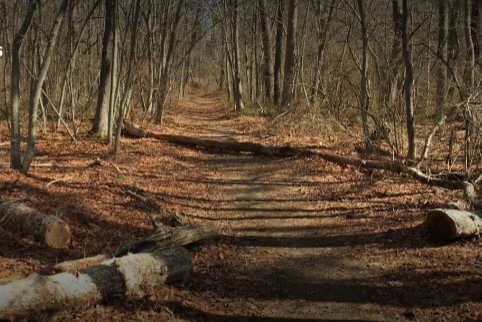
The discovery of remains in Manorville, Long Island, added a complex layer to the investigation. Some victims’ body parts were found miles away from Gilgo Beach, suggesting deliberate separation of remains across locations. This raised questions about whether the same person was responsible or if multiple killers were operating independently. Investigators noted similarities in victim profiles, keeping the possibility of a single offender alive. Manorville’s wooded areas contrasted sharply with the coastal dumping grounds, implying the killer adapted to different environments. These findings complicated the narrative and broadened the geographic scope of the case. The Manorville connection remains a critical but unresolved piece of the puzzle.
8. Victims Beyond Gilgo Beach
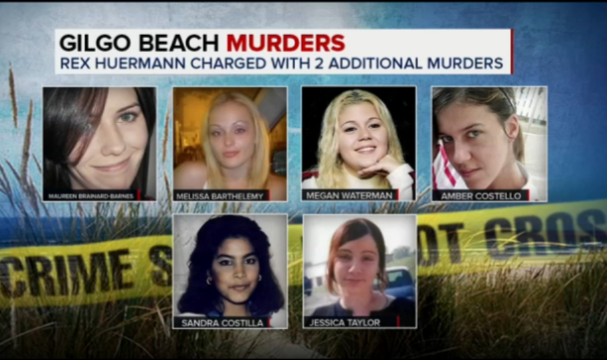
As more remains were identified, it became clear the victims extended beyond the original Gilgo Four. Some were male, and others did not fit the initial profile, including individuals believed to have gone missing years earlier. This diversity challenged early assumptions and forced investigators to reconsider the killer’s motivations. It also raised the possibility that not all victims were connected in the same way. The inclusion of different victim types made it harder to define a clear behavioral pattern. For families of lesser-known victims, the expanded scope brought renewed attention to long-forgotten cases. These discoveries underscored the scale of loss tied to the investigation.
9. Public Fear and Media Attention

Media coverage played a major role in shaping public perception of the case. As details emerged, fear spread across Long Island communities, especially among women working in high-risk environments. News outlets closely followed every development, often highlighting the mystery and unanswered questions. While coverage helped keep the case in the public eye, it also led to speculation and misinformation. Families of victims were frequently caught between wanting awareness and avoiding sensationalism. The intense spotlight increased pressure on law enforcement but also risked overshadowing factual progress. This balance between attention and accuracy became a recurring challenge throughout the investigation.
10. Federal Help and Renewed Focus

Years into the case, federal agencies became more involved, bringing fresh resources and perspectives. The FBI assisted with behavioral analysis, evidence review, and advanced forensic techniques. This renewed focus signaled acknowledgment that earlier efforts had fallen short. New task forces reexamined old evidence, witness statements, and technological data that had evolved over time. The involvement of federal authorities restored some public confidence and gave families hope that progress was still possible. While answers remained elusive for years, this shift marked an important turning point. It showed that the case was far from forgotten and that determination to uncover the truth endured.
Like this story? Add your thoughts in the comments, thank you.


