
1. Who Feeds Them Most Consistently
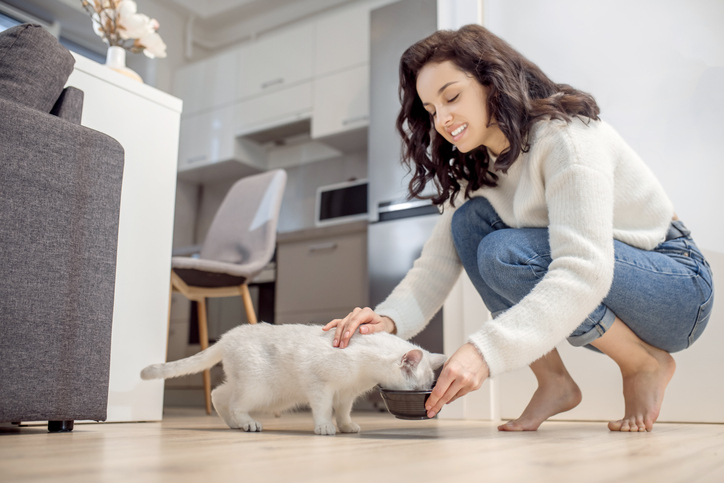
Anyone who has lived with a pet knows the feeling: somehow, out of everyone in the house, the animal chose you. For many pets, especially dogs and cats, food is the first foundation of attachment. Animals are hardwired to associate survival with reliability, and the human who consistently provides meals often becomes their primary anchor. Studies in animal behaviour show that predictable access to food strengthens trust and recognition, particularly in social species like dogs. Even when pets receive food automatically or from multiple people, they still track who prepares it, who delivers it on time, and who responds when they’re hungry. Over time, this consistency builds a strong emotional association. This doesn’t mean pets only “love for food,” but rather that nourishment establishes safety.
2. Who Spends the Most Calm Time With Them
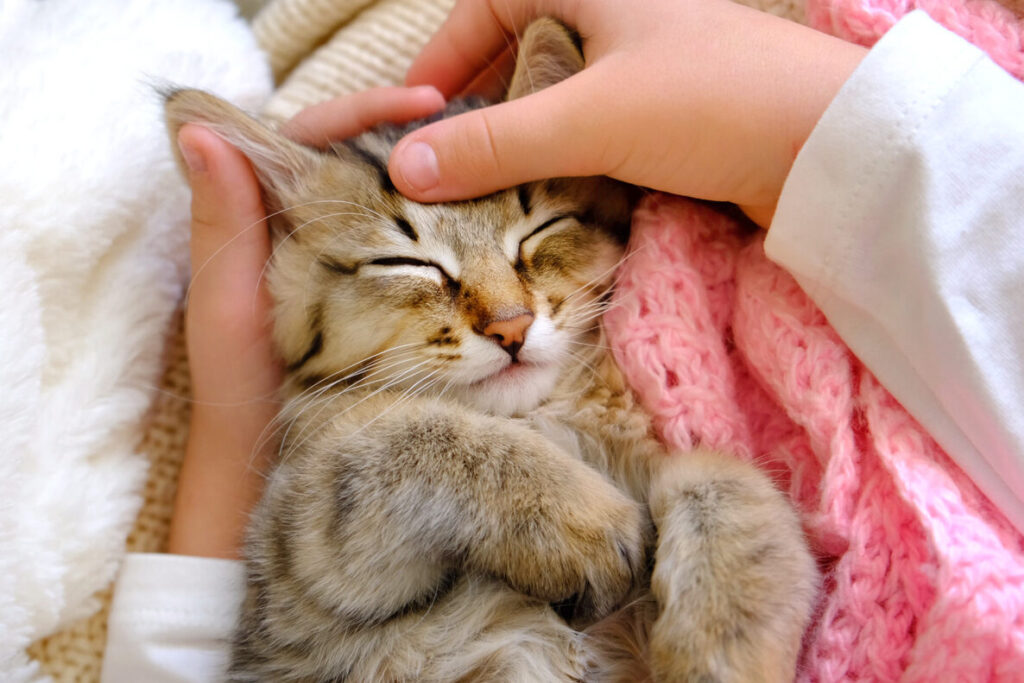
Pets often choose the human who shares quiet, low-pressure moments with them. Calm companionship, reading nearby, watching television, or sitting without constant interaction, signals safety to animals. Research on animal stress responses shows that pets gravitate toward environments and individuals that keep their heart rate and cortisol levels low. Loud voices, sudden movements, or forced attention can feel overwhelming, especially for cats and shy dogs. The person who allows the pet to approach on its own terms often becomes the preferred companion. These calm interactions help pets feel understood rather than managed. Over time, the animal learns that this human respects boundaries, which deepens trust. That trust often shows up as following the person from room to room or choosing to rest nearby.
3. Who Understands Their Body Language Best

Animals communicate constantly through posture, movement, and subtle signals. Pets tend to bond most strongly with humans who respond correctly to these cues. Someone who recognises when a dog is overstimulated or when a cat wants space is far less threatening than someone who misses those signs. Behavioural research shows that animals learn quickly who “listens” to them without words. Over time, pets adjust their behaviour around people who respect these signals, becoming more relaxed and affectionate. Misreading body language can lead to stress or avoidance, even if the human’s intentions are good. The person who adapts their actions, backing off, offering reassurance, or engaging at the right moment, often becomes the one the pet trusts most.
4. Who Maintains the Most Predictable Routine
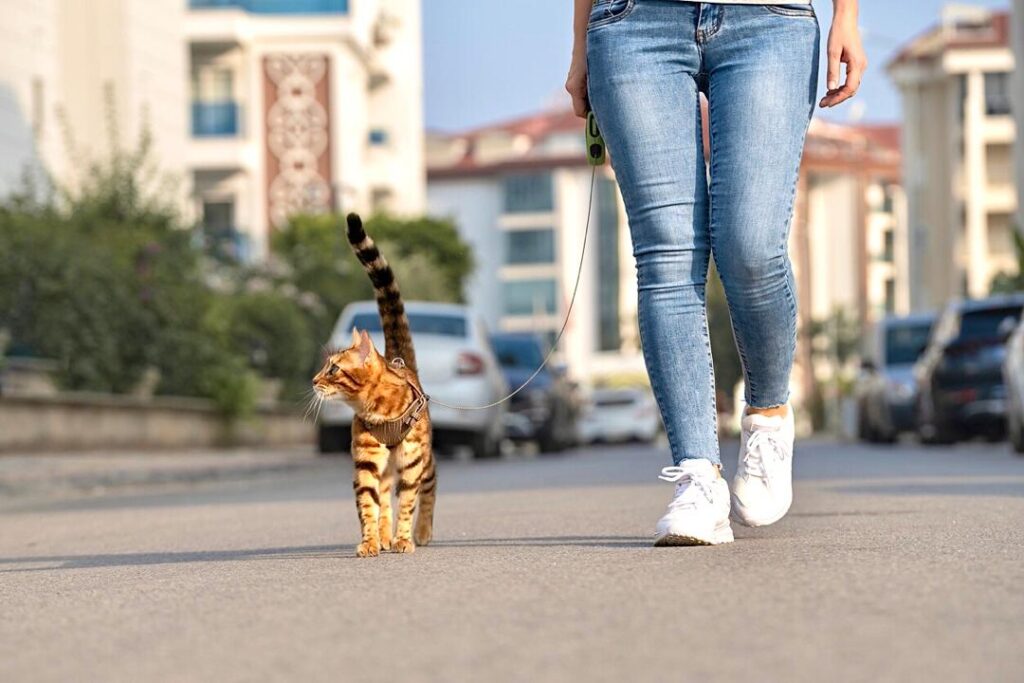
Pets thrive on routine because predictability equals safety. The human who keeps regular schedules for walks, feeding, play, and rest often becomes the pet’s emotional reference point. Scientific studies on animal cognition show that predictable patterns reduce anxiety and increase confidence, particularly in dogs. When a pet knows what to expect and when, they feel secure in their environment. The person who reinforces that structure becomes associated with stability. This is why pets often wait by the door for a specific person or become restless when that person is late. Routine doesn’t need to be rigid, but consistency matters. Over time, the pet links that human with order, comfort, and reliability, strengthening the bond naturally.
5. Who Plays With Them in the Right Way
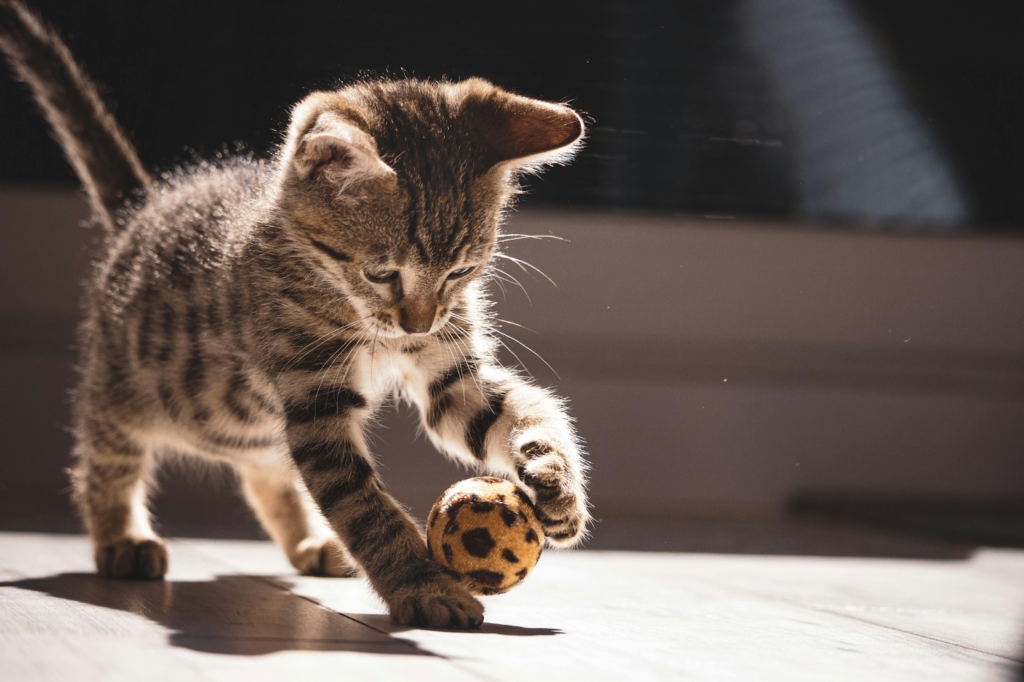
Play is more than fun, it’s a powerful bonding tool. Pets often choose the human who understands how they like to play. Dogs may prefer fetch, tug, or gentle wrestling, while cats often enjoy short, prey-like play sessions. Research shows that play releases feel-good hormones like dopamine in both animals and humans, reinforcing positive associations. However, overstimulation or rough handling can have the opposite effect. The person who matches the pet’s energy level and ends play before stress sets in becomes a trusted partner. Over time, pets seek out that human when they want engagement or excitement, strengthening emotional attachment through shared positive experiences.
6. Who Comforted Them During Stressful Moments

Moments of fear often define emotional bonds. Pets remember who helped them feel safe during thunderstorms, fireworks, vet visits, or household changes. Studies on emotional memory in animals show that comfort during stress leaves a lasting impression. A calm voice, gentle presence, or simply staying close can reduce anxiety and reinforce trust. Pets may later seek out that same person when they feel uncertain. This is especially true for rescue animals or pets with past trauma. The human who becomes a source of reassurance during difficult moments often becomes the pet’s emotional safe space, strengthening attachment well beyond everyday interactions.
7. Who Smells the Most Familiar to Them
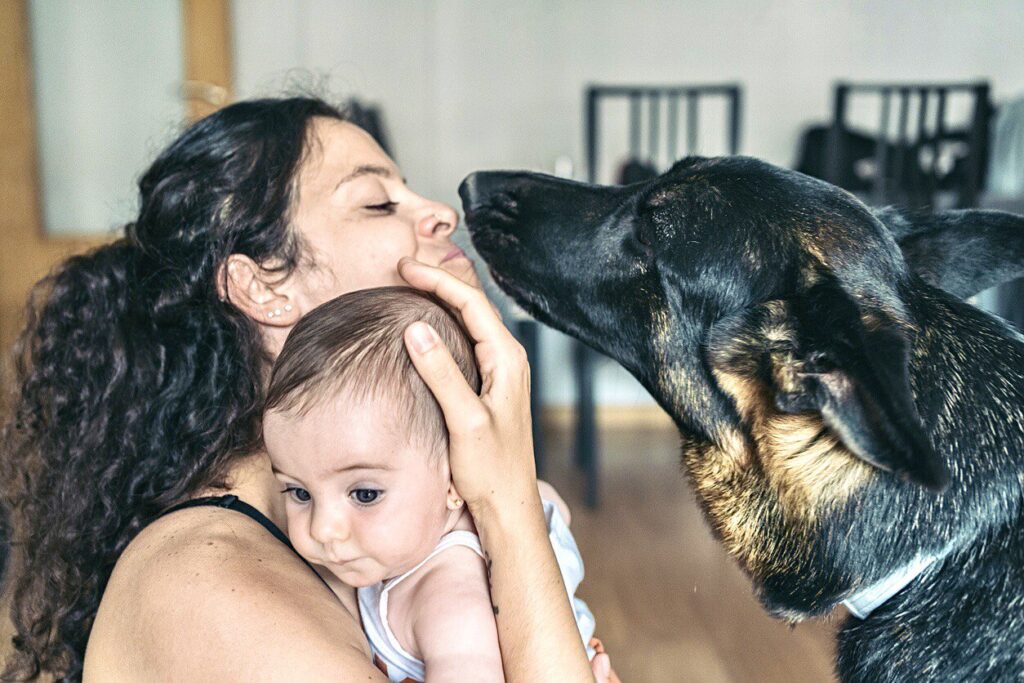
Scent plays a huge role in how pets identify and bond with humans. Dogs, in particular, rely heavily on smell to recognise individuals and assess emotional states. Research shows that familiar human scents can lower stress levels in dogs and cats alike. Pets often gravitate toward clothing, bedding, or spaces that carry the scent of their chosen person. The human whose smell becomes associated with safety, comfort, and routine naturally stands out. This is why pets often sleep on a specific person’s clothes or side of the bed. Scent-based bonding works quietly but powerfully, reinforcing attachment even when the person isn’t present.
8. Who Trains Them With Patience, Not Fear
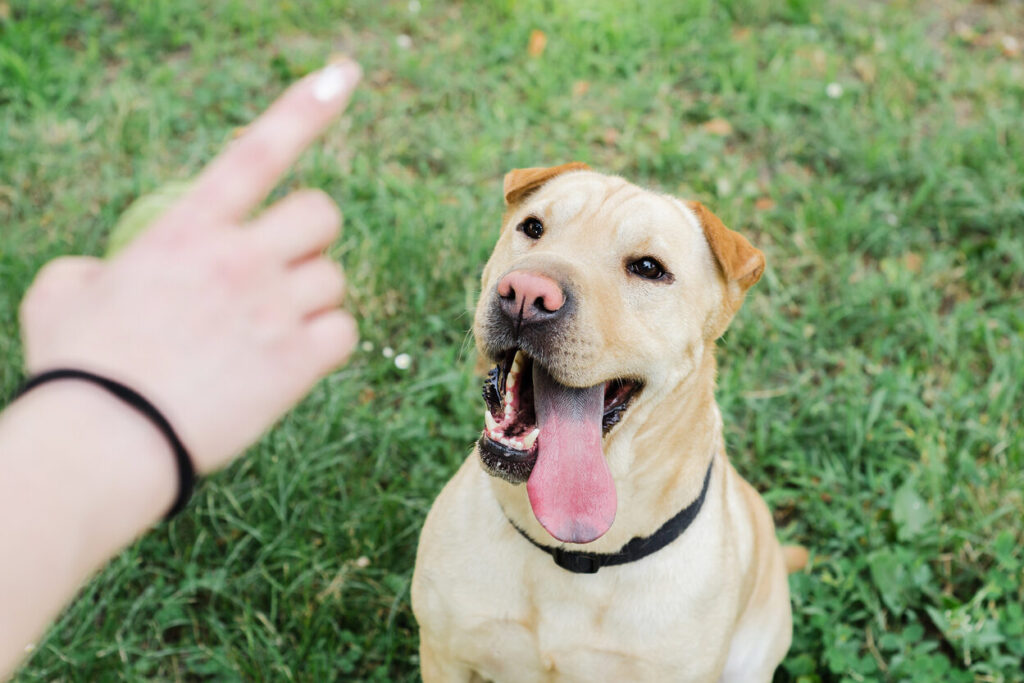
Training style strongly influences how pets view humans. Animals consistently show stronger bonds with people who use positive reinforcement rather than punishment. Research in animal learning demonstrates that fear-based training increases stress and damages trust. In contrast, patience, rewards, and clear communication help pets feel confident and understood. The human who teaches boundaries without intimidation becomes a guide rather than a threat. Over time, pets are more likely to seek approval, follow cues, and show affection toward that person. Training moments become shared successes, reinforcing emotional connection and mutual respect rather than control.
9. Who Respects Their Need for Space

Pets notice who allows them autonomy. Just like humans, animals need downtime and personal space. Studies on animal welfare show that forced interaction increases avoidance behaviours, especially in cats. The human who lets the pet walk away, hide, or rest undisturbed sends a strong message of respect. This freedom often leads pets to return voluntarily, which strengthens trust. Animals are more likely to choose someone who doesn’t demand affection but allows it to develop naturally. That respect creates a relationship based on choice rather than obligation, making the bond deeper and more genuine.
10. Who Was There First During Key Life Stages
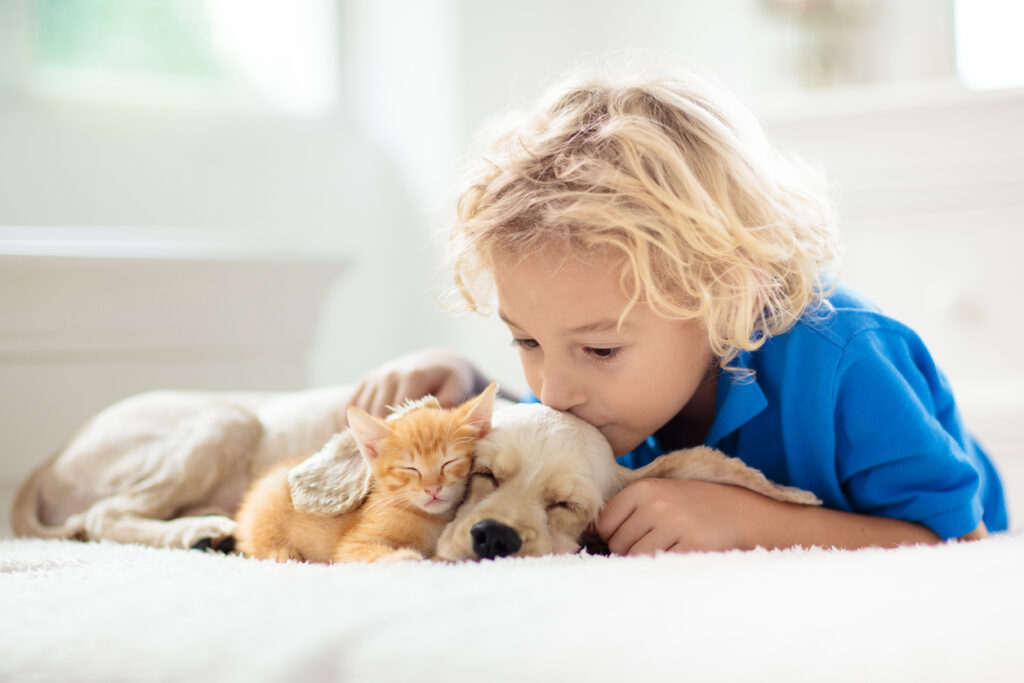
Early experiences matter. Pets often form lasting attachments to humans who were present during critical developmental periods, such as puppyhood, kittenhood, or early adoption. Research shows that early social bonds shape long-term behaviour and attachment patterns. The person who provided safety, care, and guidance during these stages often becomes the emotional reference point for life. Even as routines change, that early bond remains strong. Pets may still show preference for that person years later, seeking them out for comfort or reassurance. Timing doesn’t guarantee attachment, but early positive experiences significantly increase the likelihood.
11. Who Speaks to Them in a Familiar Tone

Pets are highly sensitive to tone of voice, often more than the actual words being spoken. Research in animal cognition shows that dogs and cats can distinguish between calm, friendly tones and sharp or stressed ones. Over time, pets learn which human consistently speaks to them in a reassuring, steady way. That familiar tone becomes comforting, especially during moments of uncertainty. Pets may approach, relax, or wag their tails simply from hearing that person’s voice. This is also why pets sometimes ignore commands from one person but respond instantly to another, the tone carries emotional meaning. The human whose voice signals safety, patience, and warmth often becomes the one the pet feels closest to.
12. Who Responds Fastest to Their Needs
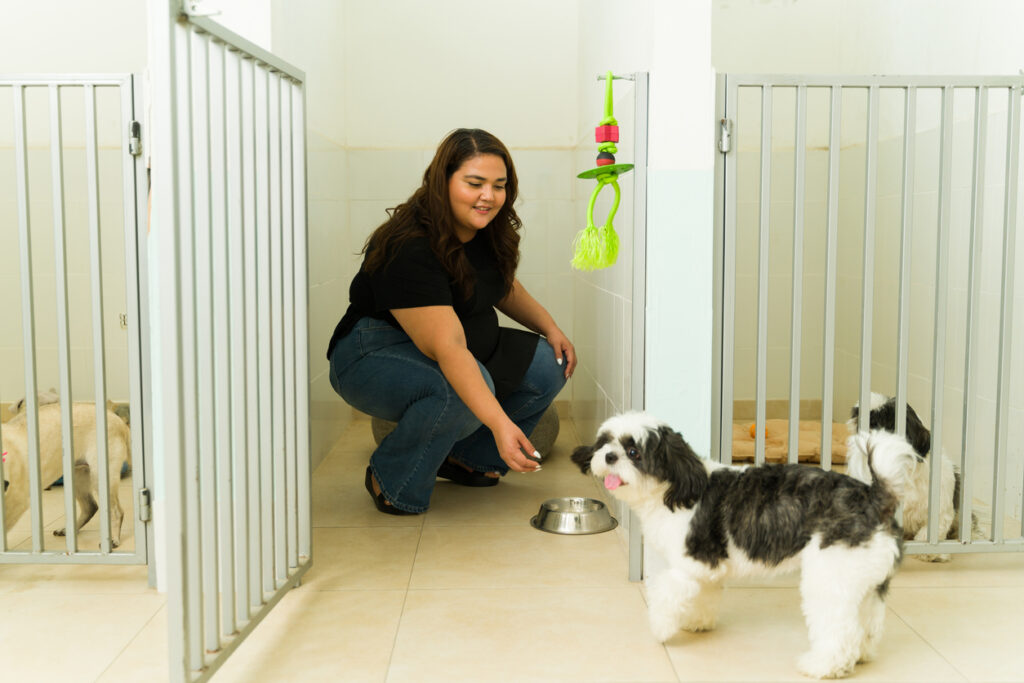
Pets quickly learn which human is most responsive. Whether it’s opening a door, refilling a water bowl, or responding to a cry for attention, animals notice who reacts promptly. Studies on associative learning show that animals form strong preferences based on cause-and-effect patterns. If one person consistently meets their needs without delay, the pet associates that human with reliability. This doesn’t require perfection, just consistency. Over time, pets may bypass others and go straight to the person they believe will help them fastest. That practical trust often grows into emotional attachment, especially in multi-person households.
13. Who Shares Their Energy Level

Pets are drawn to humans whose energy matches their own. An energetic dog may bond more closely with someone who enjoys long walks and play, while a calmer pet may prefer a quieter companion. Behavioural research suggests that animals feel less stressed around humans whose movements and activity levels align with theirs. When energy levels match, interactions feel natural rather than forced. This compatibility reduces frustration on both sides and increases positive experiences. Over time, pets gravitate toward the person who feels easiest to be around, reinforcing the bond through shared rhythm and lifestyle.
14. Who Cares for Them When They Are Sick
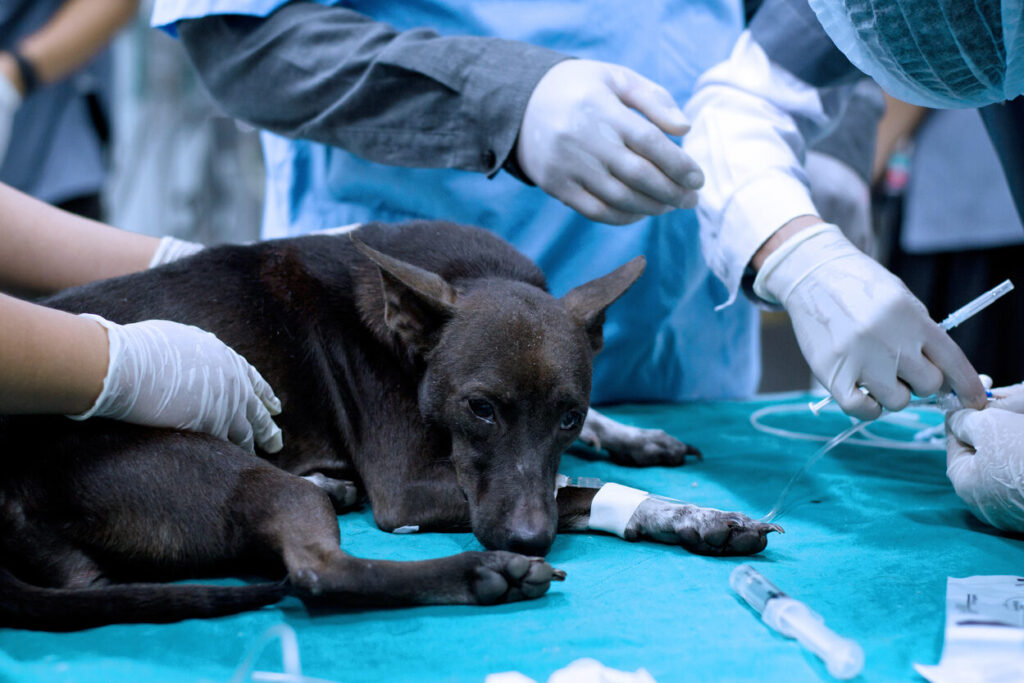
Illness is a powerful bonding moment. Pets remember who stayed close during discomfort, administered medication gently, or provided extra warmth and patience. Studies on animal memory indicate that emotionally intense situations, especially those involving relief from distress, leave lasting impressions. The human who becomes a caregiver during sickness often earns deep trust. Pets may later seek that person out when feeling unwell or vulnerable. This bond goes beyond routine care, as it reinforces the idea that this human offers protection during life’s hardest moments.
15. Who Respects Their Sleep and Rest
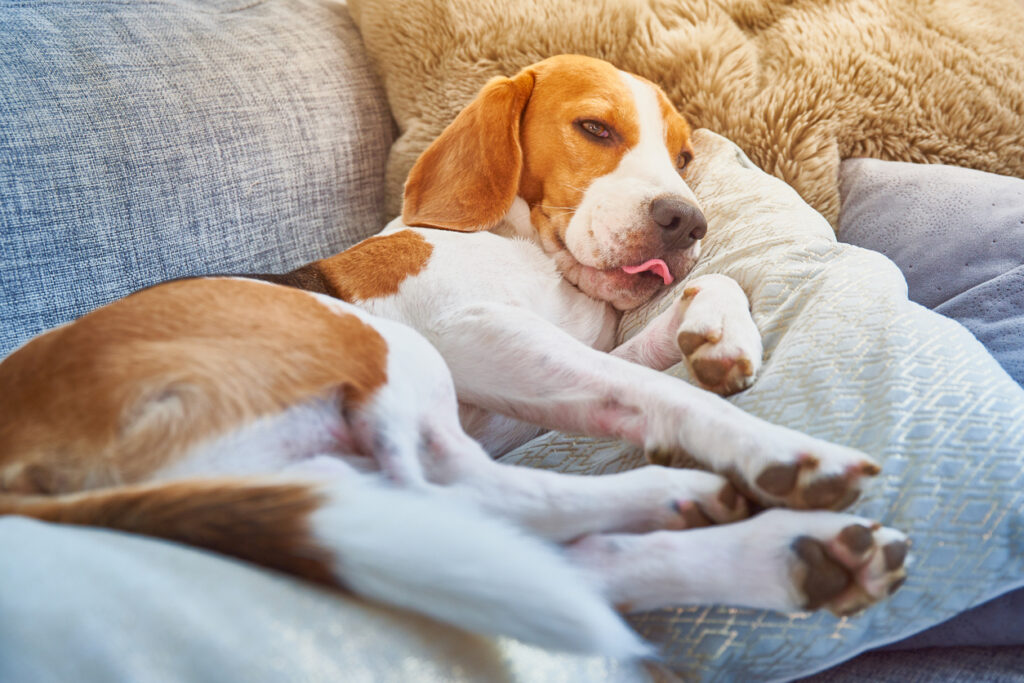
Sleep is essential to a pet’s well-being, and animals notice who respects their rest. Research on animal stress shows that frequent sleep disruption increases anxiety and irritability. The human who avoids waking a pet unnecessarily or moving them roughly sends a message of respect. Pets often choose to nap near or on the person who allows them to sleep peacefully. Over time, this trust leads pets to feel safe enough to be vulnerable, sleeping on their backs, stretching out, or resting deeply in that person’s presence. That level of comfort reflects strong attachment.
16. Who Keeps Them Safe From Threats
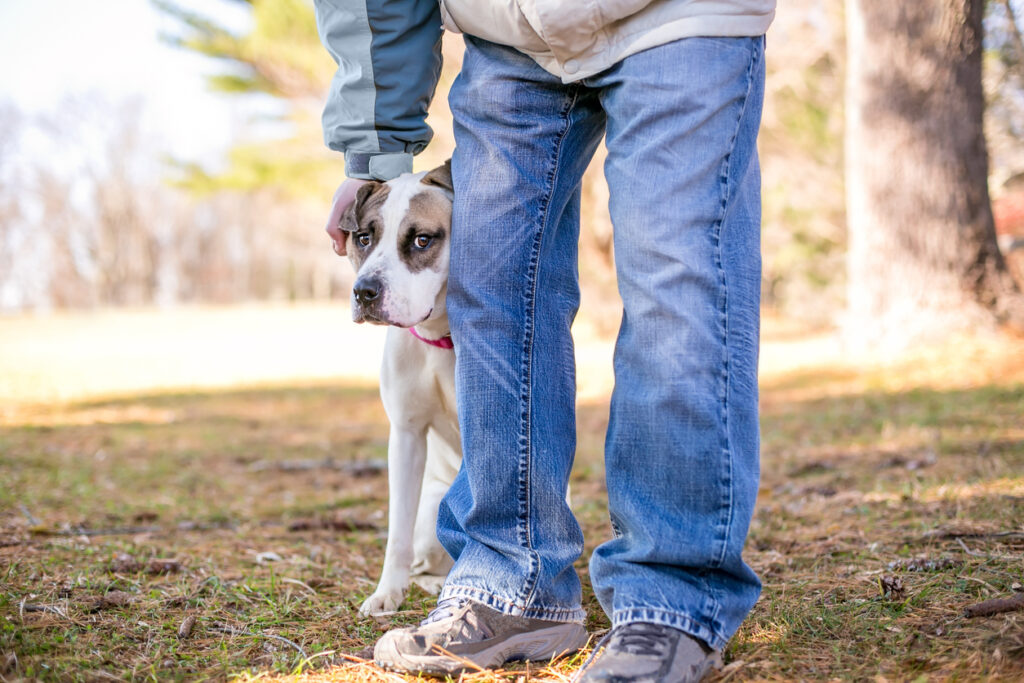
Safety is central to how pets form attachments. Animals observe who intervenes during perceived threats, such as loud visitors, unfamiliar animals, or outdoor dangers. Studies in social animals show that protective behaviour strengthens group bonds. The human who calmly removes the pet from stressful situations or shields them from harm becomes associated with security. Pets may position themselves closer to that person in unfamiliar environments. This protective trust is especially strong in dogs, who evolved to rely on group safety. Over time, the pet sees that human as a dependable guardian.
17. Who Provides Gentle Physical Contact
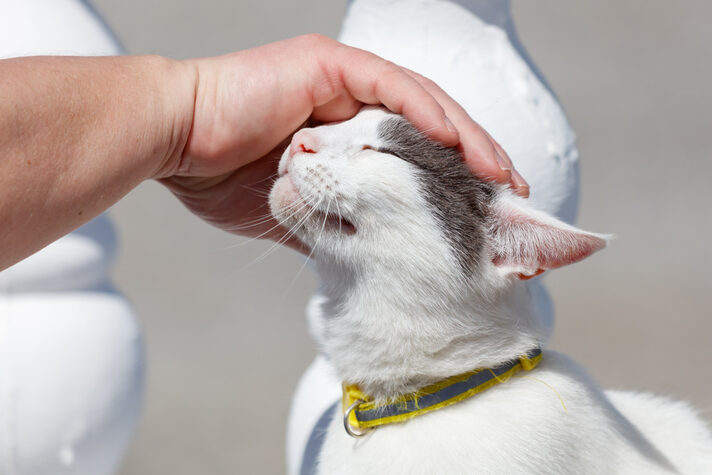
Not all touch feels the same to a pet. Animals prefer humans who pet them gently and in areas they enjoy, such as behind the ears or under the chin. Research shows that appropriate touch can lower heart rate and stress hormones in pets. Rough handling or unwanted contact, however, can create avoidance. The human who understands when and how the pet likes to be touched becomes a source of comfort. Over time, pets may initiate contact with that person, leaning in or climbing onto their lap, signalling trust and affection.
18. Who Shares Their Space Without Forcing Interaction
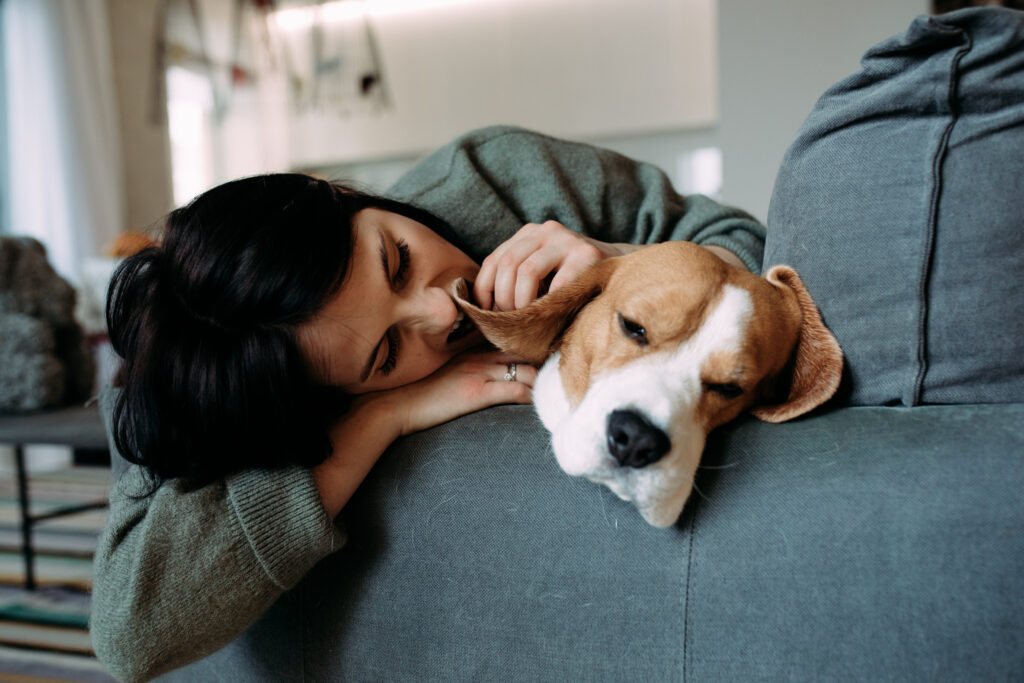
Pets value companionship that doesn’t demand constant engagement. Studies on social animals show that simply sharing space can strengthen bonds. The human who allows the pet to coexist quietly, working nearby or sitting together without pressure, creates a sense of belonging. Pets often choose to remain close to that person even without direct interaction. This mutual presence builds comfort and trust. Over time, the pet associates that human with peaceful togetherness rather than obligation, making the relationship feel safe and voluntary.
19. Who Matches Their Communication Style
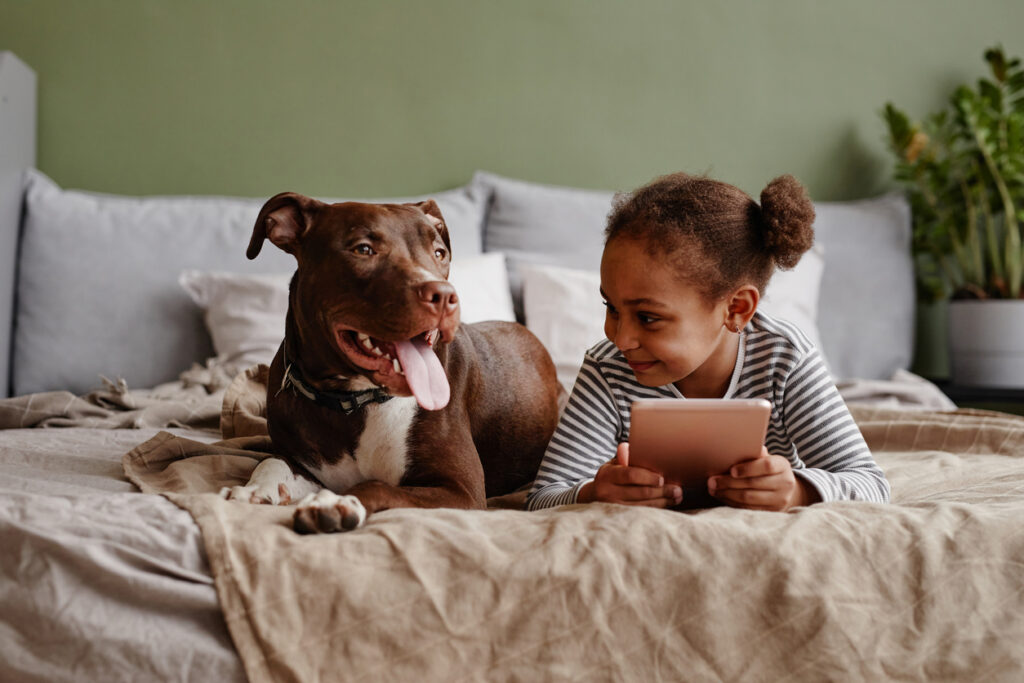
Pets respond best to humans who adapt to their communication style. Dogs may prefer clear gestures and consistent cues, while cats often communicate through subtle signals like slow blinking. Research indicates that animals learn faster and feel more confident when communication is predictable. The human who naturally mirrors these signals becomes easier for the pet to understand. This mutual understanding reduces confusion and frustration. Over time, the pet forms a stronger bond with the person who “speaks their language,” even without words.
20. Who Makes Them Feel Chosen Too
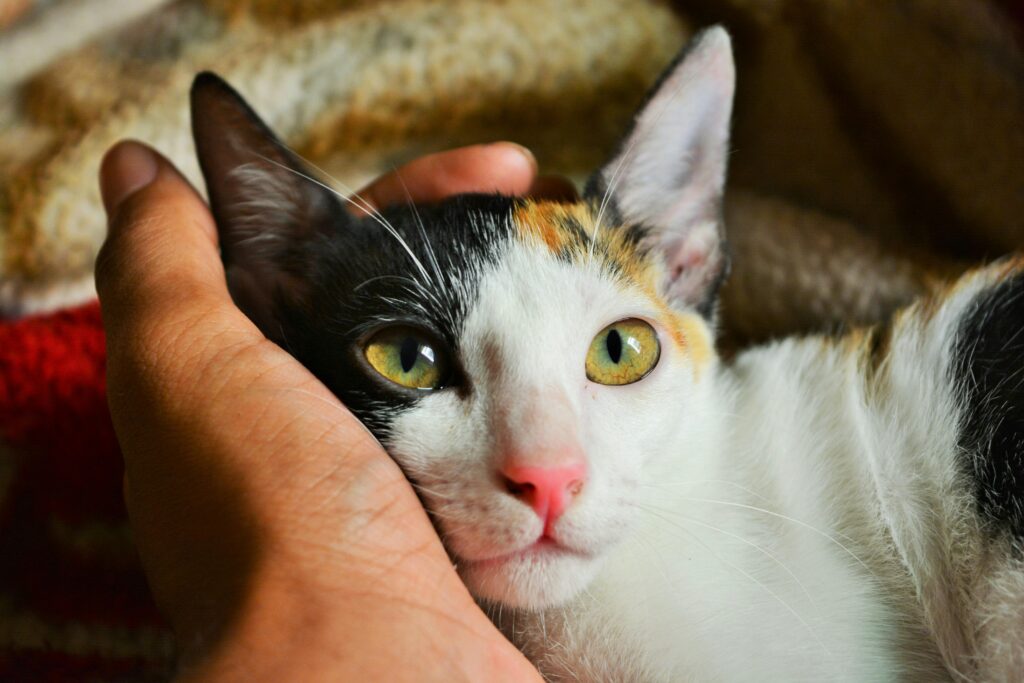
Pets often respond to how they are treated emotionally. Research in animal behaviour suggests that animals recognise individual attention and preference. The human who consistently chooses the pet, calling them over, including them in daily life, or prioritising their comfort, signals mutual value. Pets are sensitive to being included rather than tolerated. Over time, this reciprocal attention reinforces attachment. The pet feels secure knowing they matter to that person, completing a two-way bond built on trust, care, and emotional consistency.
21. Who Helps Them Navigate New Environments
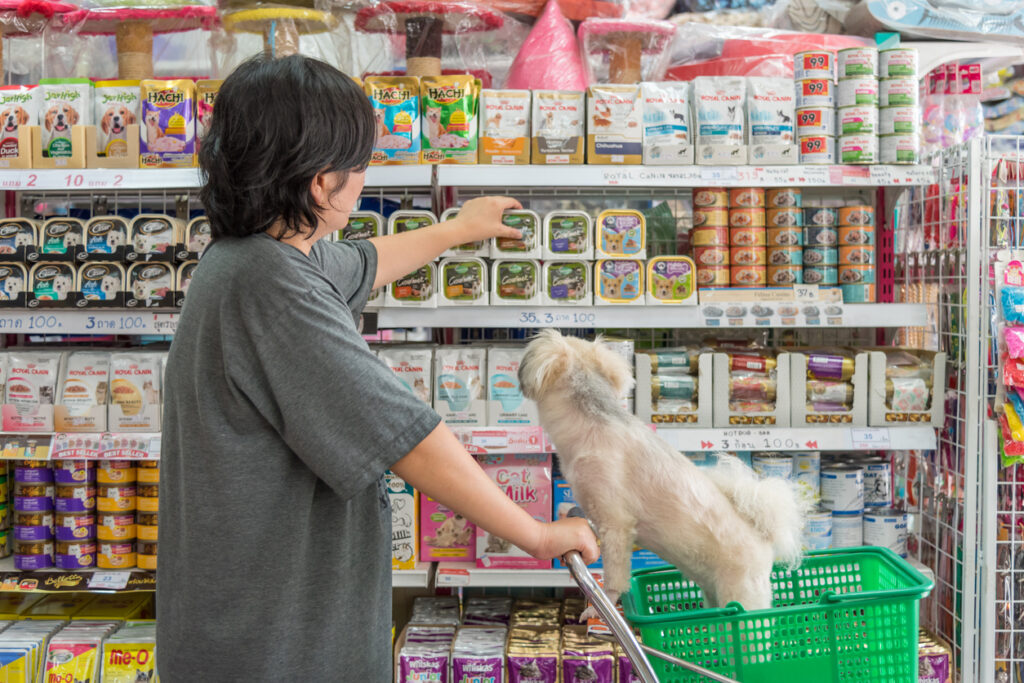
Pets often decide who they trust most when they are placed in unfamiliar surroundings. Research in animal behaviour shows that animals look to trusted humans for cues when facing new environments. The person who calmly introduces new spaces, people, or situations helps reduce uncertainty and fear. Pets watch body language closely, and a relaxed, confident human signals that the environment is safe. Over time, the pet learns that this person is a reliable guide during change. That trust deepens attachment, especially during moves, travel, or routine disruptions. Pets may stay physically closer to this person when uncertain, showing that guidance during unfamiliar experiences strongly shapes emotional bonds.
22. Who Respects Their Individual Personality
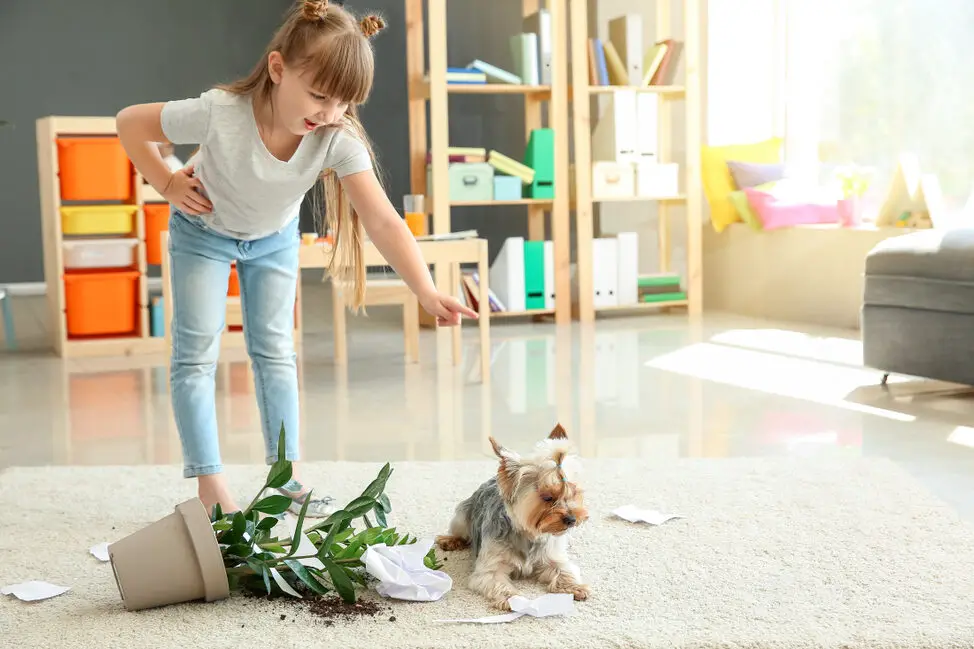
Just like people, pets have distinct personalities. Some are social, others cautious, playful, or independent. Studies in animal psychology show that recognising and respecting these traits improves well-being and trust. The human who adjusts expectations, allowing a shy pet to warm up slowly or giving an independent pet more autonomy, often becomes the preferred companion. Pets respond positively when they aren’t forced into roles that don’t suit them. Over time, this acceptance creates emotional safety. The pet feels understood rather than corrected, which strengthens attachment and encourages voluntary affection and closeness.
23. Who Maintains Consistent Rules and Boundaries
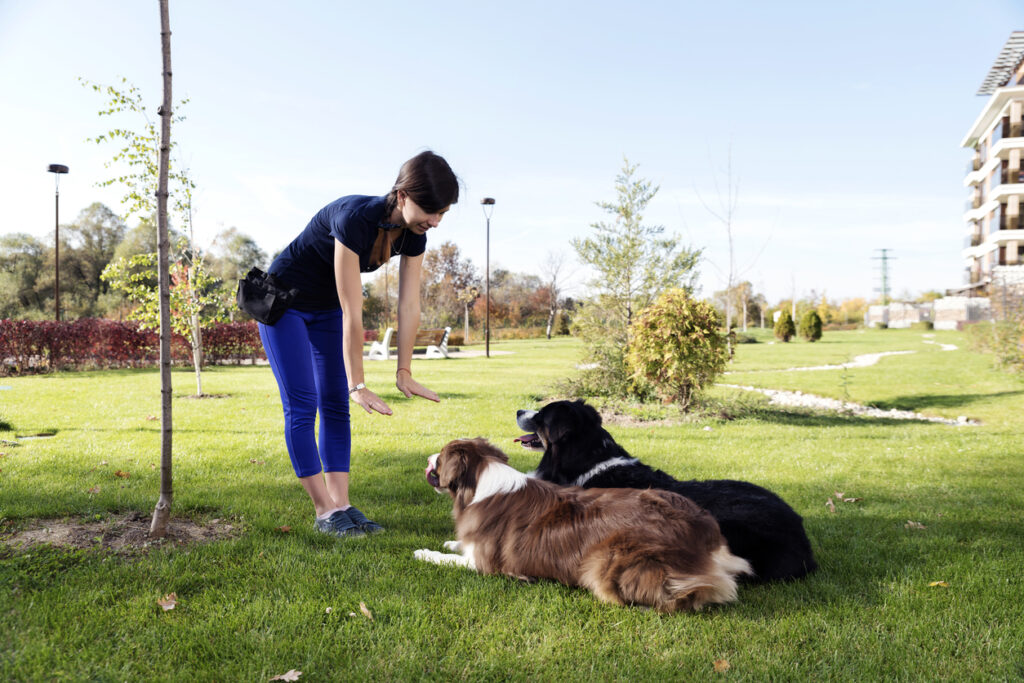
Consistency helps pets feel secure. Research on learning behaviour shows that animals become anxious when rules constantly change. The human who enforces clear, steady boundaries, without harshness, becomes predictable and trustworthy. Pets learn what is expected of them and what they can expect in return. This clarity reduces stress and confusion, allowing the pet to relax. Over time, pets are more likely to listen to and stay close to the person whose guidance feels fair and reliable. Structure, when paired with kindness, reinforces a strong emotional bond.
24. Who Includes Them in Daily Life

Pets bond strongly with humans who include them in everyday activities. Studies on social animals show that shared experiences increase attachment. Whether it’s sitting nearby during work, joining errands, or being acknowledged during household routines, inclusion signals belonging. Pets notice who makes room for them rather than keeping them separate. Over time, they gravitate toward the person who treats them as part of the household rhythm. This sense of inclusion helps pets feel valued, strengthening emotional ties and reinforcing the idea that this human is “their person.”
25. Who Stays Calm During Mistakes

Pets make mistakes as part of learning. Research shows that animals form stronger bonds with humans who respond calmly rather than with anger. Raised voices or sudden reactions can increase fear and avoidance. The human who corrects gently or redirects behaviour without punishment becomes a safe figure. Over time, pets feel less anxious about exploring or learning new behaviours. This emotional safety encourages trust and closeness. Pets often choose the person who makes them feel secure even when they do something wrong.
26. Who Understands Their Age-Related Needs
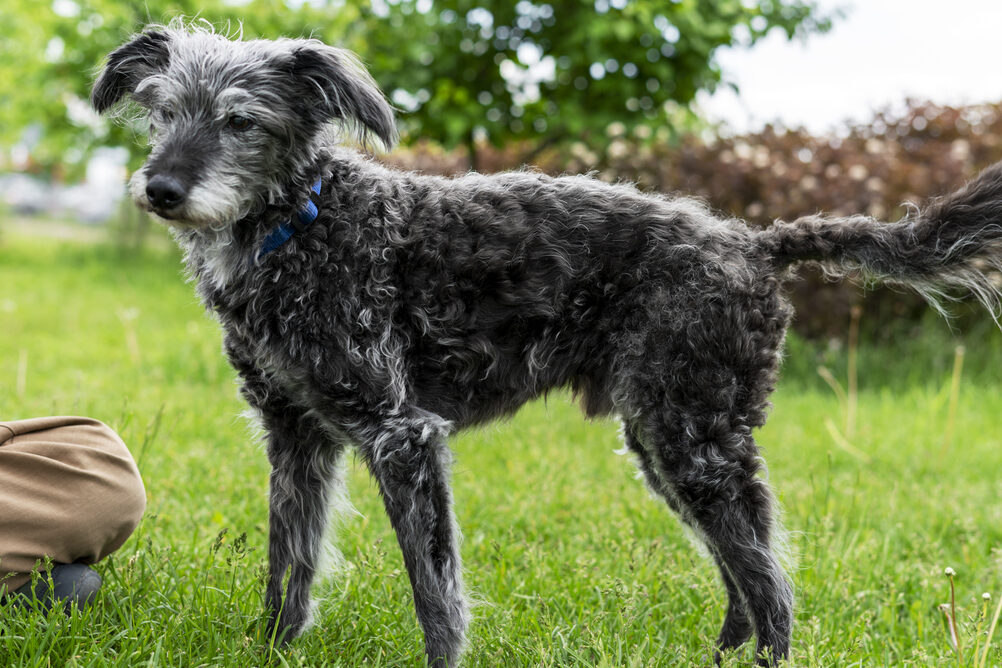
As pets age, their needs change. Research in veterinary science shows that older animals require more patience, comfort, and routine adjustments. The human who adapts, shorter walks, softer play, or extra rest, demonstrates attentiveness. Pets notice who slows down with them rather than pushing them to keep up. This understanding deepens trust, especially in senior years. Over time, pets may rely more heavily on the person who recognises and responds to these changes, strengthening emotional attachment during a vulnerable stage of life.
27. Who Shares Positive Emotional States
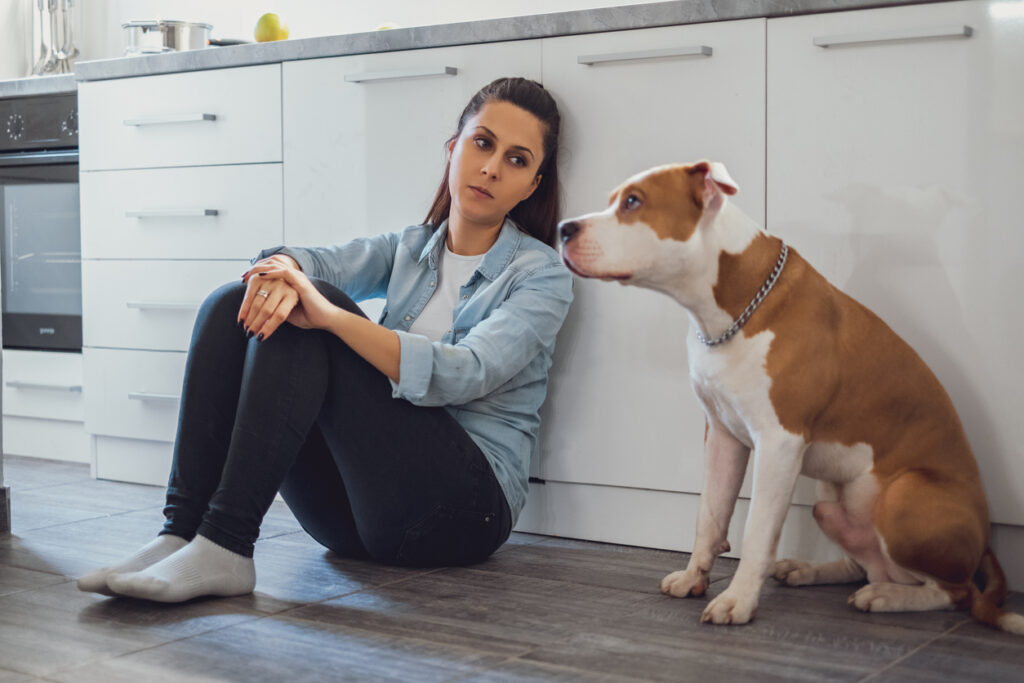
Pets are sensitive to human emotions. Studies show that dogs and cats can pick up on stress, happiness, and mood changes through body language and scent. The human who often brings calm, positive energy creates an environment pets enjoy. Pets may approach or stay near this person more often, seeking those comforting emotional cues. Over time, the pet associates that human with emotional stability and warmth. This emotional resonance strengthens attachment and reinforces the sense of companionship.
28. Who Protects Their Comfort Zones

Pets value having spaces where they feel secure. Research on animal welfare highlights the importance of safe zones for stress reduction. The human who protects these areas, discouraging others from disturbing them, demonstrates respect. Pets notice who allows them to retreat without interference. Over time, they associate that person with safety and understanding. This respect encourages pets to approach willingly, knowing their comfort will be honoured. Protecting comfort zones reinforces trust and emotional security.
29. Who Is Present During Quiet Transitions

Small changes matter to pets. Research shows that transitions like schedule shifts, new furniture, or household changes can cause subtle stress. The human who remains present and reassuring during these moments becomes a stabilising influence. Pets learn that even when things change, this person remains dependable. Over time, that consistency builds emotional resilience and trust. Pets may choose to stay close to that human during transitions, reinforcing the bond through shared adaptation.
30. Who Builds Trust Over Time, Not Force
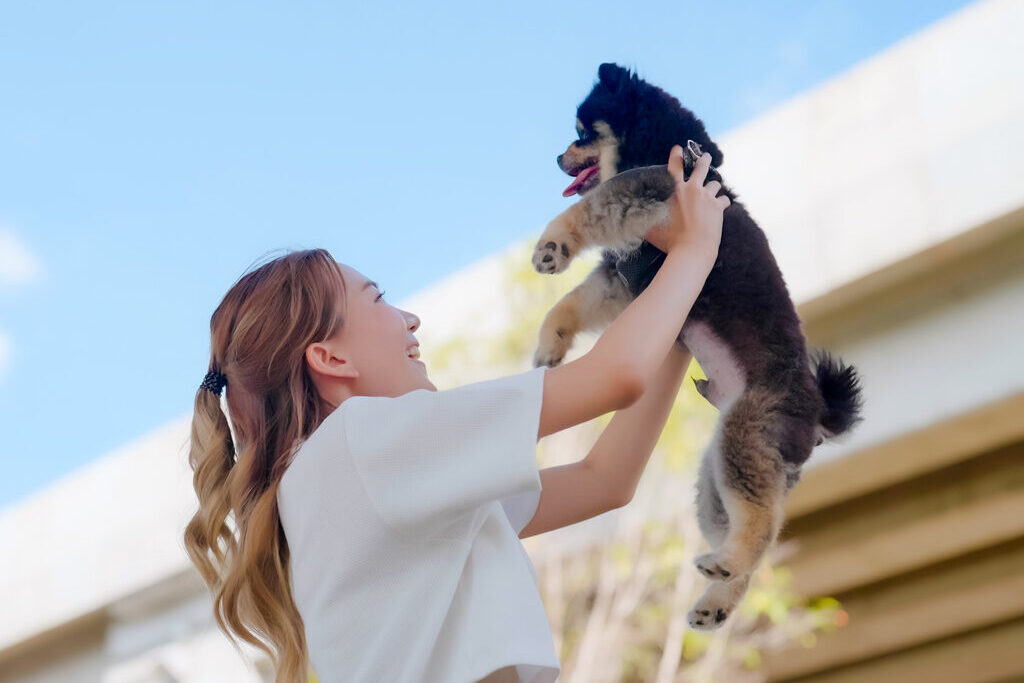
Ultimately, pets choose humans who earn their trust gradually. Research consistently shows that trust-based relationships outperform force-based ones in animal bonding. The human who allows the bond to grow naturally, through patience, respect, and consistency, becomes the chosen one. Pets remember patterns, not isolated moments. Over time, this steady approach creates deep attachment rooted in security and mutual understanding. The pet’s choice reflects a relationship built on trust, not control.
When a pet chooses a human, it’s the result of countless small moments adding up over time. Trust, consistency, respect, and emotional safety quietly shape that decision. In the end, being “their person” is less about effort and more about understanding.
Like this story? Add your thoughts in the comments, thank you.
This story How Pets Decide Which Human Is “Theirs” was first published on Daily FETCH


