
1. How the Killer Entered and Left Without Being Clearly Seen
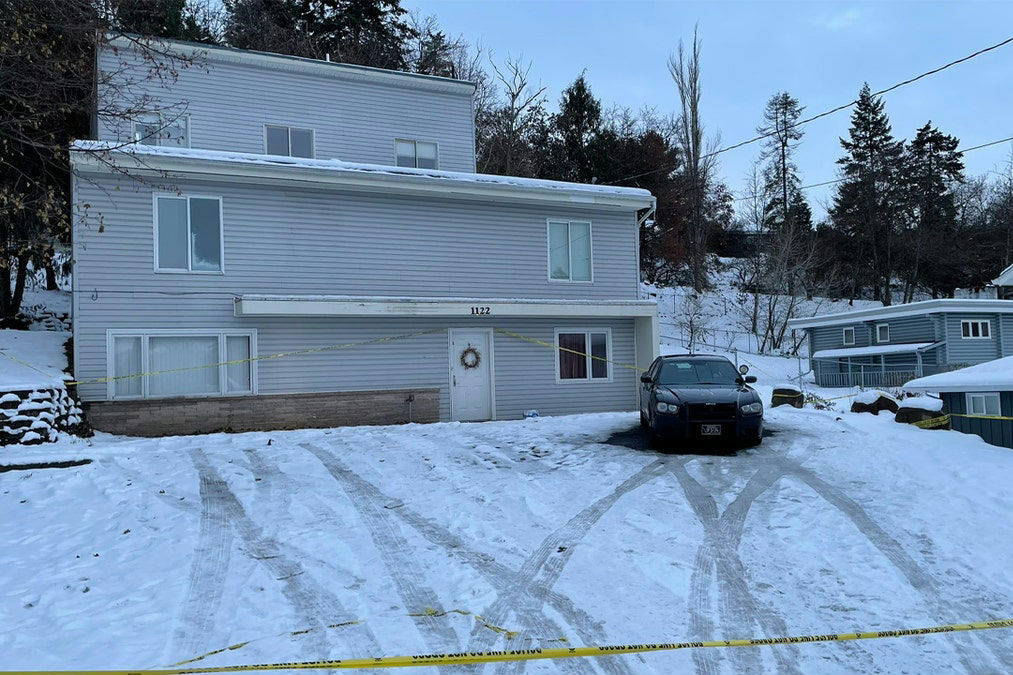
Investigators believe the attacker entered the King Road house through a second-floor sliding door and exited shortly after the killings. What remains unclear is how this was done without being clearly captured on surveillance cameras or noticed by neighbours. While nearby footage showed a white sedan in the area, there is no definitive video of the suspect entering or leaving the home itself. The house was surrounded by other student residences, making the lack of direct visual confirmation especially puzzling. Whether blind spots, darkness, timing, or careful movement played the biggest role has never been fully explained, leaving a major gap in the reconstruction of the crime.
2. Why Two Roommates Were Left Alive
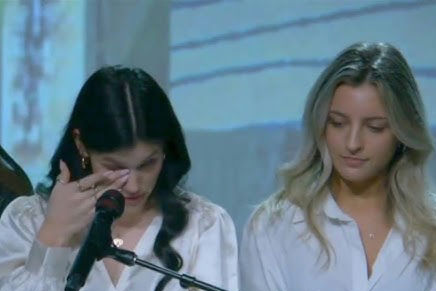
Two roommates were inside the house during the attack but were not harmed, a fact investigators have never fully explained. Court documents suggest at least one surviving roommate encountered a masked figure, yet the attacker still left without entering those rooms. Police have firmly stated the roommates are not suspects, but the decision to spare them remains one of the most unsettling aspects of the case. Possible explanations include exhaustion, fear of being caught, or a belief that everyone inside had already been attacked. None of these theories have been confirmed, leaving the attacker’s reasoning unknown.
3. The Exact Timeline Inside the House
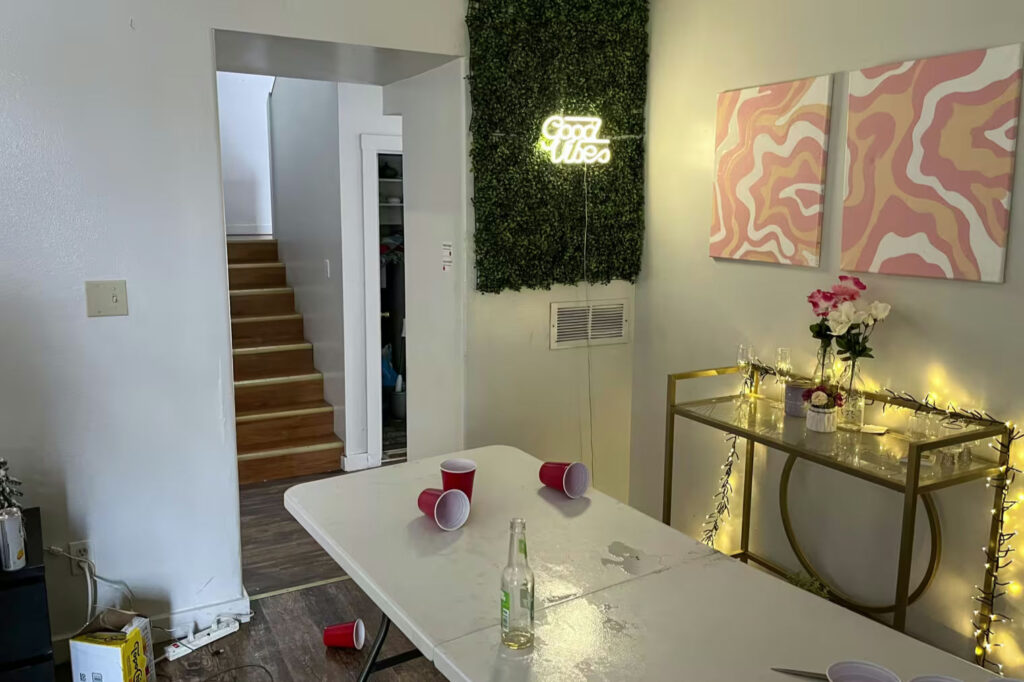
While investigators narrowed the murders to a short early-morning window, the precise sequence of events inside the house has not been publicly detailed. It is still unclear exactly how long the attacker spent inside, the order in which victims were attacked, or how movement between floors occurred so quickly. This uncertainty makes it difficult to understand how the attack unfolded without drawing attention. Authorities may be withholding details for trial, but until those details are revealed, the internal timeline remains one of the case’s biggest unanswered questions.
4. Whether There Was a Single Intended Target
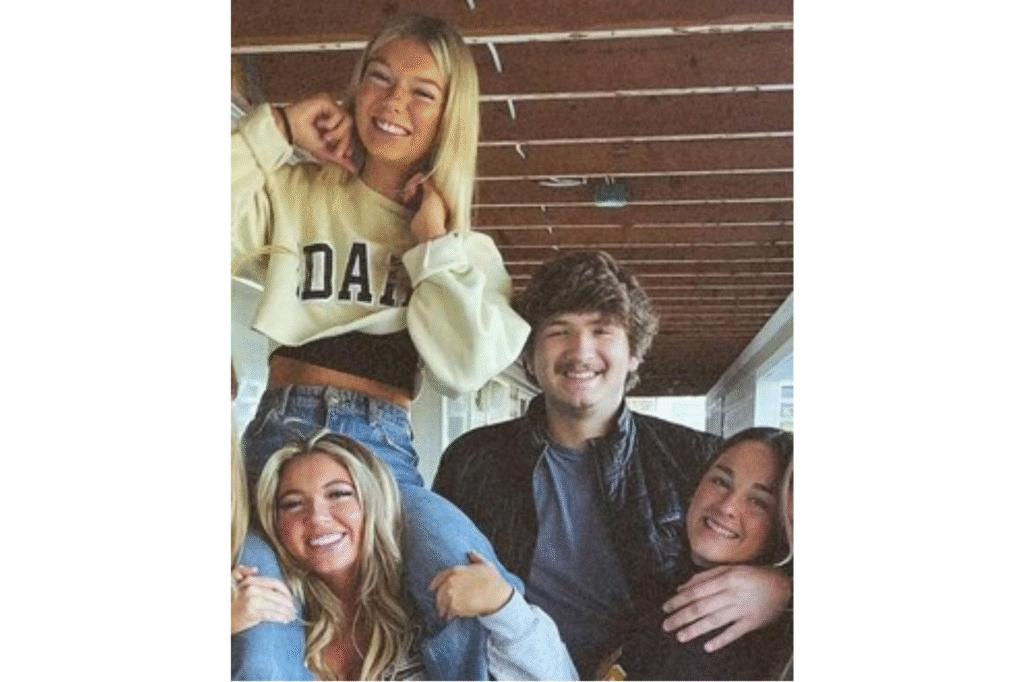
Police have said the attack was targeted, but they have never confirmed whether one victim was the primary focus. The absence of a clearly identified target has fueled ongoing debate about motive. Some victims were found together, others on different floors, suggesting possible prioritisation, but investigators have not clarified this publicly. Knowing whether one person was the intended target could help explain the attacker’s movements and decisions. For now, the reason these specific students were chosen remains unresolved.
5. Why No Immediate Emergency Call Was Made
Despite multiple people being in the house, no 911 call was made during the attack. Investigators have not confirmed whether any victim attempted to reach a phone or trigger an alert. The lack of immediate emergency contact suggests the attack may have been sudden and overwhelming, but that explanation has not been officially detailed. This absence remains troubling, especially given how common phones are in student households. The silence during the critical moments continues to raise difficult questions.
6. The Several-Hour Delay Before Police Were Contacted
Authorities were not alerted until late morning, hours after the murders occurred. Investigators explained that surviving roommates believed a victim was unconscious rather than deceased and called friends before contacting emergency services. Still, the length of the delay remains one of the most scrutinised aspects of the case. Police have said it did not compromise the investigation, but they have not released every detail about what happened during that time. The delay continues to prompt questions about early response and scene preservation.
7. How So Little Physical Evidence Was Left Outside
Despite the violent nature of the attack, investigators have not described a significant trail of physical evidence outside the house. There were no widely reported bloody footprints through the neighbourhood or clear signs leading away from the scene. This absence has raised questions about how the attacker avoided detection after leaving. Whether this was due to darkness, clothing, planning, or sheer chance has not been fully explained. The limited external evidence remains a striking feature of the case.
8. Why the Murder Weapon Has Never Been Found

Investigators believe a large fixed-blade knife was used, supported by wound analysis and the knife sheath recovered at the scene. However, the actual weapon has never been publicly recovered. This missing piece continues to raise questions about disposal and concealment. While prosecutors maintain they have enough evidence without the knife, its absence leaves an important gap. Where the weapon went, and how it vanished without being found, remains unexplained.
9. The Purpose and Mistake of the Knife Sheath

The knife sheath left at the scene became a key piece of evidence linking a suspect to the crime. Investigators believe it was accidentally dropped, but they have not fully explained when or how this happened. The sheath suggests planning and intent, yet its abandonment points to a critical error. Why such an important item was left behind during a high-risk crime remains unclear. It stands as one of the few visible mistakes in an otherwise carefully executed act.
10. Whether the Full Motive Will Ever Be Known

Perhaps the biggest unanswered question is why the murders happened at all. Investigators have not publicly confirmed a clear motive, and no obvious personal connection has been established. While trial proceedings may clarify some details, not every question is guaranteed to be answered. Legal limits, missing evidence, and withheld information may leave gaps forever. This uncertainty is why the case continues to resonate so deeply. Some truths may emerge in court, while others may never be fully understood.


