
1. The Surprise Return

Sometimes a song slips back into your life without warning, and that is where the magic begins. Forgotten songs arrive quietly, not asking for attention, yet somehow taking all of it. They remind you of moments that were never documented, days that felt ordinary but mattered. These songs feel warmer because they once lived alongside your real life, not your curated one. When they return, they carry pieces of who you were and who you are now. That unexpected reunion makes the feeling stronger, softer, and more personal than most new songs ever manage to be.
2. Memories That Were Never Saved

Forgotten songs often hold memories that were never meant to last, yet somehow did. They played while you waited, wandered, or simply existed. Because those moments were unplanned, the emotions tied to them feel honest. When the song returns, it brings back the texture of everyday life rather than highlights. New songs may soundtrack moments too, but older ones already carry time within them. They remind you that meaning was forming even when you were not paying attention, and that quiet moments can leave the deepest impressions long after they pass.
3. Loving Without Pressure

There is no pressure attached to forgotten songs. No one is watching you enjoy them or asking why you still care. That freedom changes everything. You are allowed to feel without explaining yourself. These songs exist outside opinions, rankings, and trends, making the connection feel pure. New songs often arrive with noise around them. Older ones return alone. You like them because you do, not because you should. That simplicity makes the experience feel lighter and more sincere, letting the emotion settle naturally instead of being rushed or questioned.
4. A Slower Emotional Pace
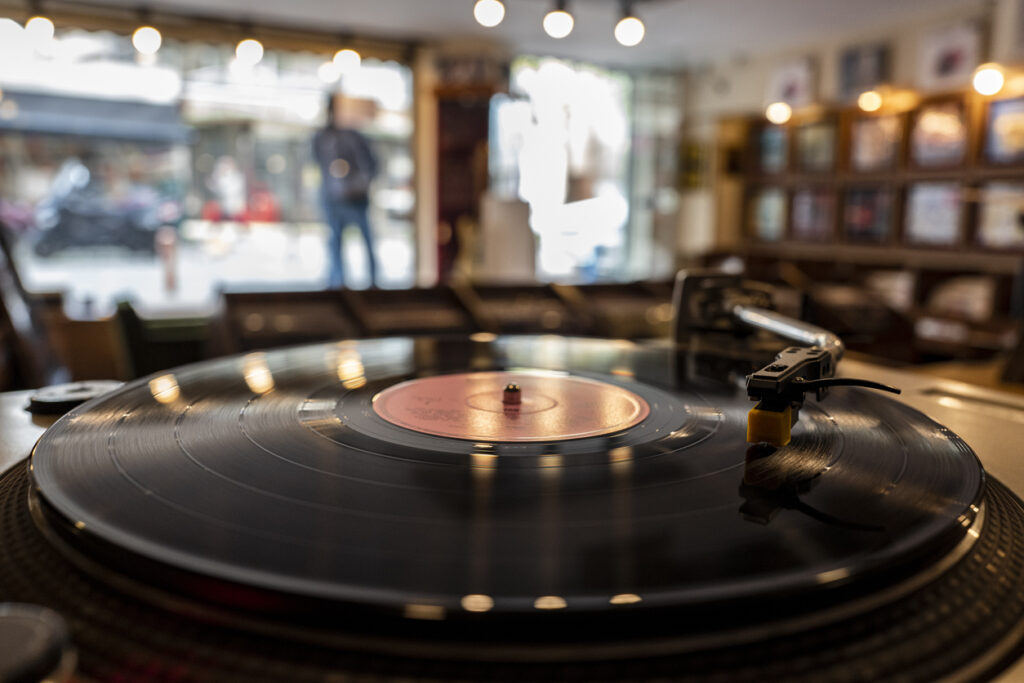
Forgotten songs often move at a slower pace, and that patience still shows. The melodies take their time, the lyrics unfold gently, and nothing feels rushed. Listening to them now feels like taking a deep breath. They remind you of a time when music did not compete for attention but earned it gradually. New songs often hurry to make an impression. Older ones trusted the listener to stay. That trust allows emotions to build naturally, making the experience feel fuller and more grounded long after the song ends.
5. Built to Stay, Not Trend
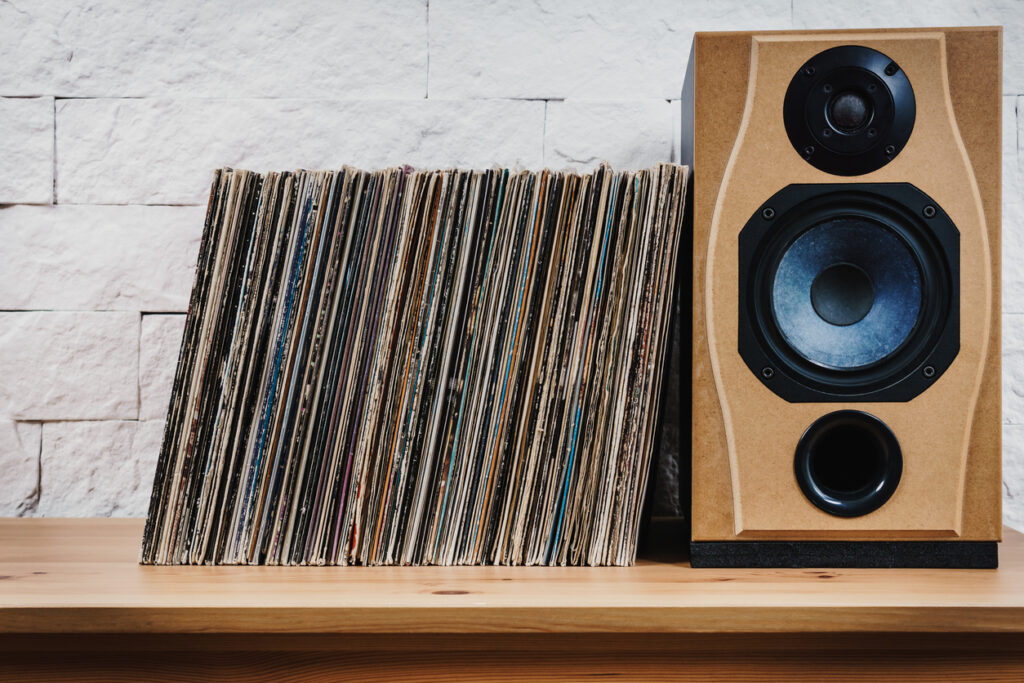
Many forgotten songs were never trying to be popular forever. They were simply honest expressions of feeling. Because they were not chasing trends, they aged quietly and gracefully. When they resurface, they still sound complete. New songs often aim for immediate impact. Older ones aimed for connection. That difference becomes clear with time. Forgotten songs do not feel outdated. They feel settled. Their strength comes from sincerity rather than strategy, which allows them to return years later and still feel meaningful.
6. Meeting an Older You

Hearing a forgotten song often feels like meeting a past version of yourself in a quiet, familiar way. You remember what mattered then, what felt heavy, and what felt hopeful. These songs do not judge how much you have changed. They simply reflect it back to you. New songs speak to who you are today, but older ones remind you of how you arrived here. That recognition feels grounding. It connects past and present gently, showing that growth does not erase who you were. Instead, it carries pieces forward through sound, memory, and feeling that still resonate softly inside you today.
7. A Personal Discovery

Forgotten songs feel personal because they were never everywhere at once. They were not attached to trends or constant replay. When they return, it feels like finding something you once held privately. That sense of ownership deepens the emotional connection. New hits are shared loudly and widely. Older forgotten tracks live in quieter spaces. They feel like companions rather than announcements. This intimacy makes listening feel comforting and familiar. It reminds you that some experiences do not need an audience to matter. They simply need a moment to resurface and remind you why they stayed with you quietly all along.
8. No Competition for Attention

Forgotten songs do not compete for your attention because they already earned it long ago. You know the melody, the pacing, and where it leads. That familiarity allows your mind to relax. You are not deciding how to feel or whether to skip. You simply listen. New music often demands quick reactions. Older songs invite presence. They let emotion rise naturally without pressure. This ease makes the experience comforting rather than overwhelming. In a world full of noise and urgency, forgotten songs offer a pause. They remind you how good it feels to stay with something without rushing away.
9. The Sound of Humanity

Many forgotten songs sound human in a way that feels increasingly rare. You hear breaths, pauses, and small imperfections that make the emotion believable. These details create closeness. The voice feels like someone speaking rather than performing. New music can be polished and precise, sometimes to a fault. Older songs often feel lived in. When they return, they do not feel outdated. They feel honest. That honesty makes listening feel intimate and real. It reminds you that emotion does not need perfection to connect deeply. Sometimes, the most meaningful moments come from what is slightly unfinished and openly felt.
10. Small Details Resurface

Forgotten songs bring back small details rather than grand moments. A certain room, a familiar light, the feeling of waiting for something unknown. These details return because music stores memory deeply. When the song plays, your mind fills in what time tucked away. New songs may remind you of events. Older ones return you to feelings. That difference makes them powerful. They restore fragments of experience you did not realize you still carried. Listening becomes less about remembering facts and more about reentering emotions that once shaped you quietly, patiently, and without needing explanation or effort.
11. Familiar and Comforting

Forgotten songs feel safe because you know them. You know how they move and how they end. That predictability creates comfort. In uncertain moments, familiar music steadies emotions and slows racing thoughts. New songs can feel exciting, but they ask for attention. Older ones offer reassurance. They remind you that some things remain constant even when life shifts. That steadiness makes them valuable companions during quiet moments. Listening feels like returning to something reliable. It is not about escape, but about grounding. Forgotten songs help you feel held, reminding you that familiarity can still bring peace.
12. When Listening Was Deeper

Forgotten songs reflect a time when listening was slower and more intentional. You played songs all the way through and stayed with them. That attention allowed music to settle deeply. Today, listening often happens alongside many distractions. Older songs carry the depth of focused attention from another era. When you hear them again, they feel fuller. They remind you what it meant to truly listen without rushing or multitasking. This difference is felt immediately. Forgotten songs invite you back into presence, showing how meaningful music can be when given space to breathe and unfold naturally over time.
13. Honest Aging

Forgotten songs age well because they were honest from the start. They reflected their moment without trying to impress what came next. That sincerity gives them strength. When trends fade, the emotion remains. New music sometimes aims for timelessness deliberately. Older songs simply existed as they were. When they return, they feel grounded rather than dated. Their power comes from truth, not ambition. Listening to them now reminds you that authenticity lasts longer than popularity. Songs built on feeling rather than strategy carry something steady. They prove that being real often outlives being current.
14. Feeling Without Explanation

Forgotten songs allow you to feel without being told how. They do not explain themselves or guide your reaction. You bring your own meaning to them now. Life has changed, and the song changes with you. New songs often spell everything out clearly. Older ones leave space. That space allows reflection to grow naturally. Each return feels different because you are different. The song remains open, ready to hold whatever emotion you bring. This freedom makes listening deeply personal. Forgotten songs trust the listener, offering feeling without instruction and meaning without pressure or expectation.
15. What Quietly Stays

Forgotten songs stay because they have already survived change. Life moved forward, tastes shifted, and still they remained somewhere inside you. They do not demand relevance or constant attention. They wait. When they return, they remind you that meaning does not expire. Some connections deepen quietly over time. These songs show that what truly matters often stays without asking. They become part of your inner landscape, ready to resurface when needed. In that way, forgotten songs teach something gentle about life. Not everything important announces itself. Some things simply stay, waiting for you to notice again.
This story Why Forgotten Songs Hit Harder Than New Ones Ever Will was first published on Daily FETCH


