
1. Extreme Heat and Climate Collapse

Thinking about the year 2100 can feel distant, but many of the risks shaping that future are already unfolding today. By 2100, extreme heat driven by climate change is expected to be one of the deadliest threats to human life. Rising global temperatures are already increasing the frequency and intensity of heatwaves, which strain the human body, overwhelm hospitals, and cause spikes in heat-related deaths. In many regions, especially densely populated cities and poorer countries, prolonged heat may make outdoor work impossible and reduce access to food and water. Crop failures linked to drought and heat stress could worsen malnutrition and famine, while warmer temperatures also expand the range of deadly diseases. Scientists warn that without significant intervention, parts of the world could become effectively uninhabitable for months at a time, forcing mass migration and increasing conflict over shrinking resources.
2. Pandemics and Novel Infectious Diseases
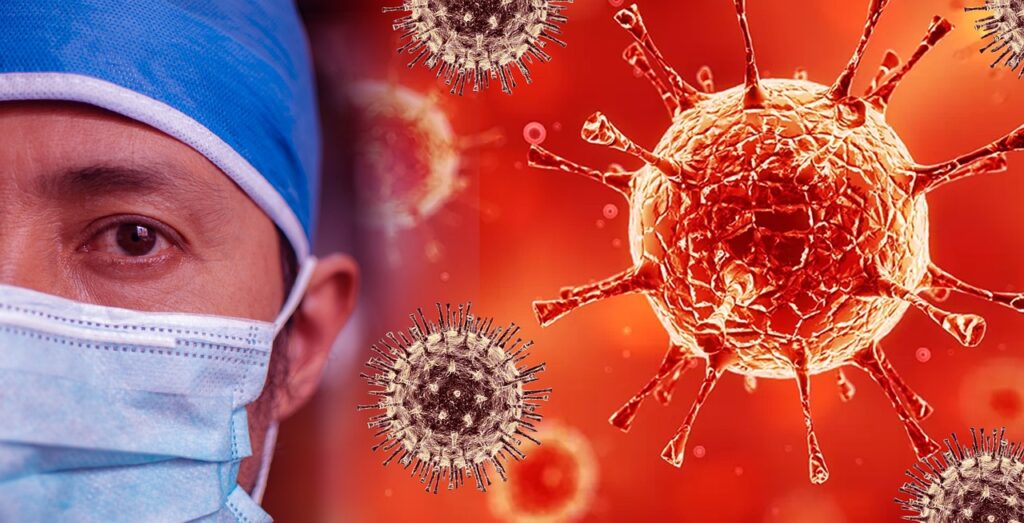
Future pandemics are widely considered inevitable, and by 2100 they may be more frequent and more dangerous. Increased global travel, urban overcrowding, deforestation, and climate change all raise the chances of new pathogens spreading rapidly among humans. Diseases that jump from animals to people are of particular concern, as ecosystems disrupted by human activity bring wildlife and humans into closer contact. Antibiotic resistance also adds to the danger, as common infections may no longer respond to existing treatments. While medical technology continues to improve, experts warn that fast-moving outbreaks could still overwhelm healthcare systems, especially in countries with limited resources, making pandemics a major cause of death in the future.
3. Nuclear Conflict
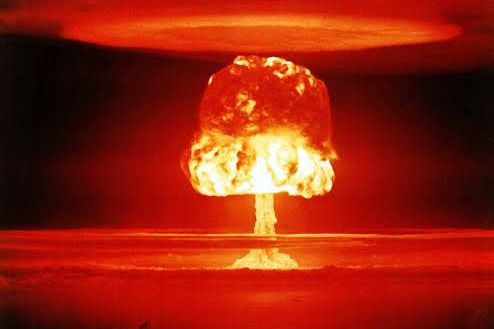
Despite decades of global diplomacy, nuclear weapons remain one of the most immediate existential threats to humanity. Thousands of warheads still exist, many on high-alert status, capable of being launched within minutes. By 2100, the risk may come not only from large-scale wars between major powers but also from regional conflicts, accidents, or miscalculations involving nuclear-armed states. Experts warn that even a limited nuclear exchange could kill millions instantly and trigger long-term environmental damage, including reduced sunlight and crop failures known as nuclear winter. Such consequences could lead to widespread famine and societal collapse, making nuclear conflict one of the most devastating threats humans may face.
4. Air Pollution and Toxic Environments
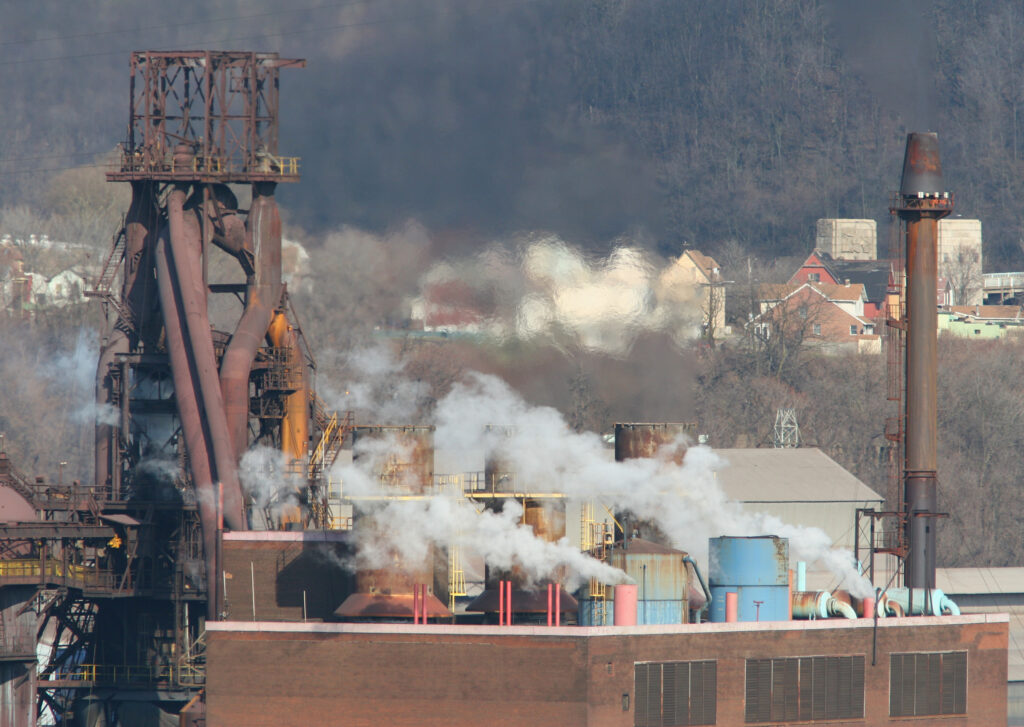
Air pollution already causes millions of premature deaths each year, and without major changes, it could remain a leading killer by 2100. Fine particulate matter from vehicles, factories, and power plants penetrates deep into the lungs and bloodstream, increasing the risk of heart disease, strokes, and respiratory illnesses. Rapid urbanisation in developing regions often worsens the problem, as industrial growth outpaces environmental regulation. In addition to air pollution, long-term exposure to toxic chemicals in water, soil, and food chains may contribute to rising cancer rates and chronic diseases. Scientists warn that environmental toxins could quietly shorten lifespans on a massive scale if left unchecked.
5. Food and Water Scarcity

Access to clean water and reliable food supplies is expected to become increasingly fragile by 2100. Climate change, population growth, and overuse of natural resources are already straining rivers, aquifers, and farmland across the world. Droughts, soil degradation, and declining fish stocks threaten food production, while polluted or depleted water sources increase the risk of dehydration and waterborne diseases. In many regions, shortages could spark conflict, displacement, and humanitarian crises. Experts warn that even technologically advanced societies are vulnerable if supply chains fail. Without sustainable management, food and water scarcity could become one of the most widespread and deadly challenges of the future.
6. Antibiotic Resistance
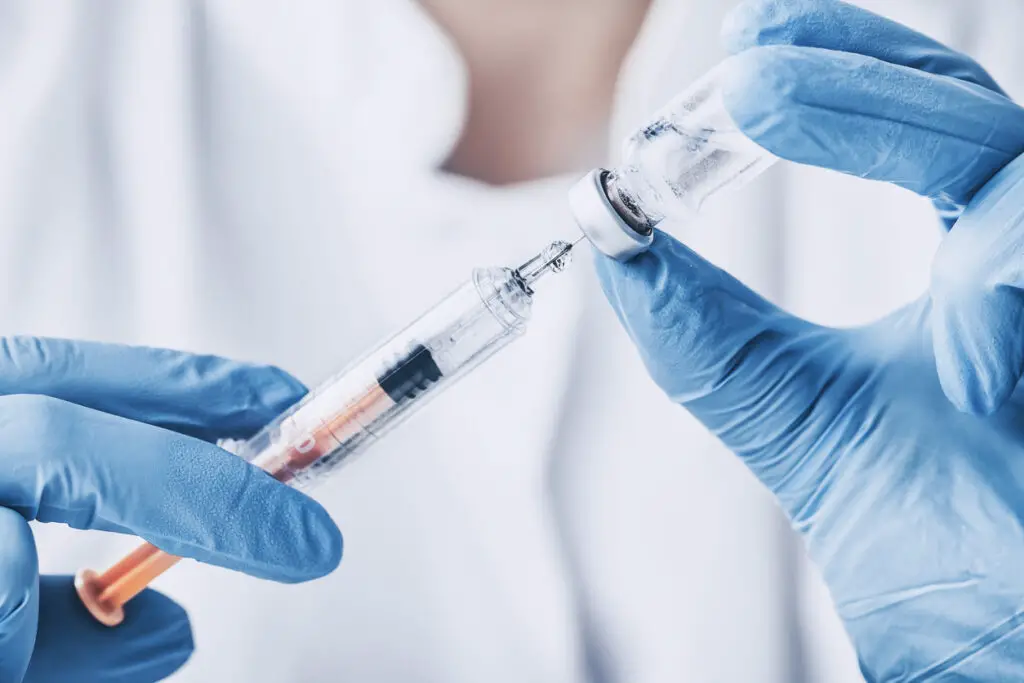
By 2100, antibiotic resistance is expected to be a silent but devastating killer. Decades of overuse and misuse of antibiotics in medicine and agriculture have allowed bacteria to evolve defences against drugs that once saved millions of lives. Infections that are currently routine to treat, such as pneumonia, urinary tract infections, or post-surgical complications, may once again become deadly. The World Health Organization has repeatedly warned that we are moving toward a “post-antibiotic era,” where even minor injuries could carry serious risks. While researchers are developing new treatments, progress is slow and expensive. Without global coordination, resistant infections could claim millions of lives annually, particularly among the elderly, newborns, and people with weakened immune systems.
7. Artificial Intelligence Failures and Misuse

Artificial intelligence is expected to shape nearly every aspect of life by 2100, but experts warn it could also become a significant threat. Poorly regulated or misused AI systems could contribute to large-scale harm through military automation, critical infrastructure failures, or economic collapse. Autonomous weapons, for example, could make warfare faster and harder to control, increasing civilian casualties. In healthcare, flawed algorithms might lead to misdiagnoses or unequal treatment if biases go unchecked. There are also concerns about AI-driven misinformation destabilising societies. While AI itself may not directly kill people, its failures or misuse could amplify existing dangers, making disasters more deadly and harder to contain.
8. Natural Disasters Intensified by Climate Change
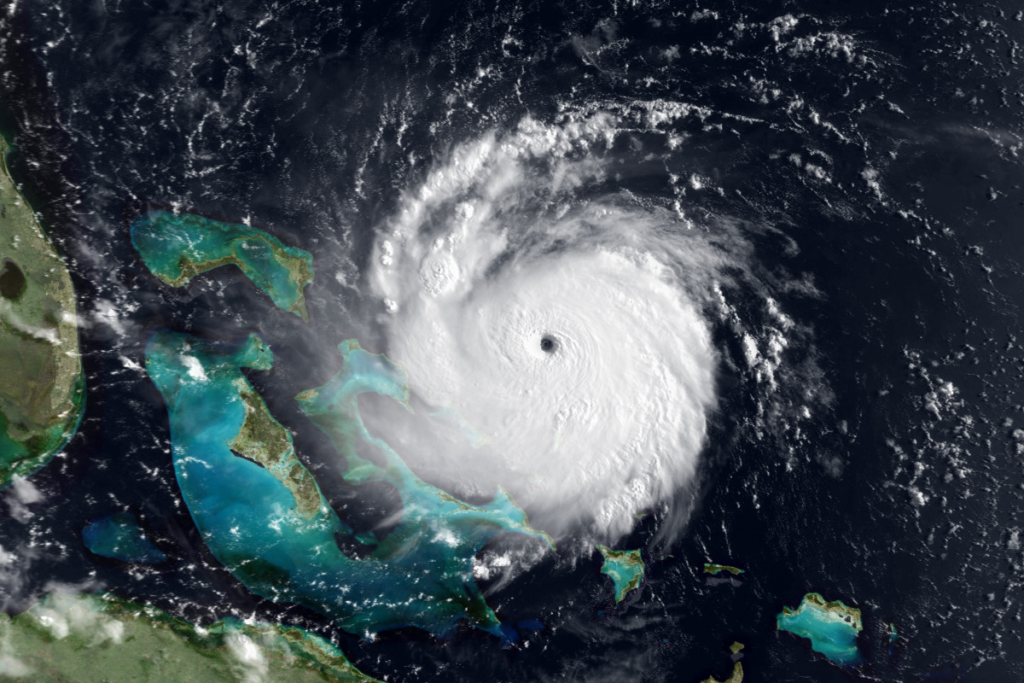
Earthquakes and volcanoes have always been part of human history, but by 2100, climate change is expected to make many natural disasters more lethal. Stronger hurricanes, heavier rainfall, rising sea levels, and prolonged droughts all increase the risk of catastrophic floods, wildfires, and landslides. Coastal cities face growing danger from storm surges and permanent flooding, while inland regions may struggle with water shortages and extreme weather swings. Vulnerable populations often suffer the most, lacking the resources to rebuild or relocate. Scientists warn that as disasters become more frequent, recovery time will shrink, increasing death tolls and long-term health consequences.
9. Mass Migration and Resource Conflicts
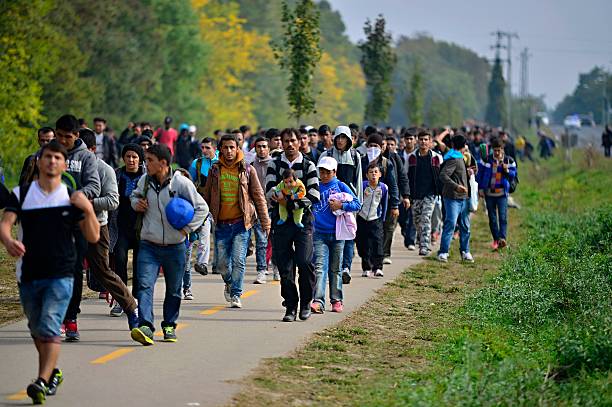
Large-scale human migration is expected to rise sharply by 2100, driven by climate change, conflict, and economic instability. When millions of people are forced to move due to rising seas, failed crops, or violence, host regions can become overwhelmed. This strain often leads to shortages of housing, food, healthcare, and clean water, increasing mortality among both migrants and local populations. History shows that competition over scarce resources can escalate into violence, further increasing deaths. Experts warn that without coordinated global planning, mass displacement could trigger humanitarian crises on an unprecedented scale, making migration-related instability a major indirect cause of death.
10. Economic Collapse and Extreme Inequality

Severe economic collapse has historically led to widespread suffering, and by 2100 it could again become a deadly force. Extreme inequality can weaken societies by limiting access to healthcare, nutrition, and education for large segments of the population. Economic crises often lead to spikes in suicide, malnutrition, untreated illness, and social unrest. As automation and technological change reshape jobs, entire communities could be left behind if safety nets fail to adapt. Experts warn that when economic systems break down, death rates rise not only from poverty-related illnesses but also from violence and reduced life expectancy, particularly among vulnerable groups.
11. Ocean Collapse and Seafood Loss
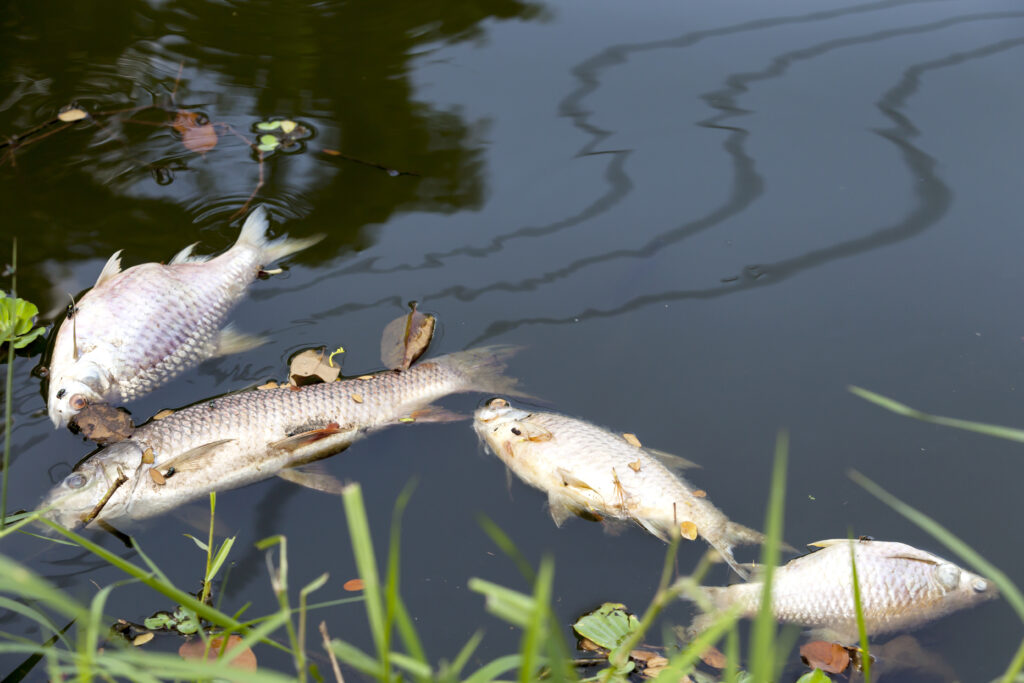
The world’s oceans support billions of people through food, climate regulation, and livelihoods, but by 2100 they may be severely degraded. Overfishing, pollution, warming waters, and acidification are already destroying coral reefs and fish populations. As seafood supplies decline, coastal communities that rely heavily on fish for protein could face malnutrition and economic hardship. Ocean collapse also affects weather patterns, potentially worsening storms and disrupting agriculture on land. Scientists warn that losing healthy oceans would remove a critical buffer that sustains life on Earth. While this threat is gradual, its long-term impact on human survival could be profound and widespread.
12. Waterborne Diseases
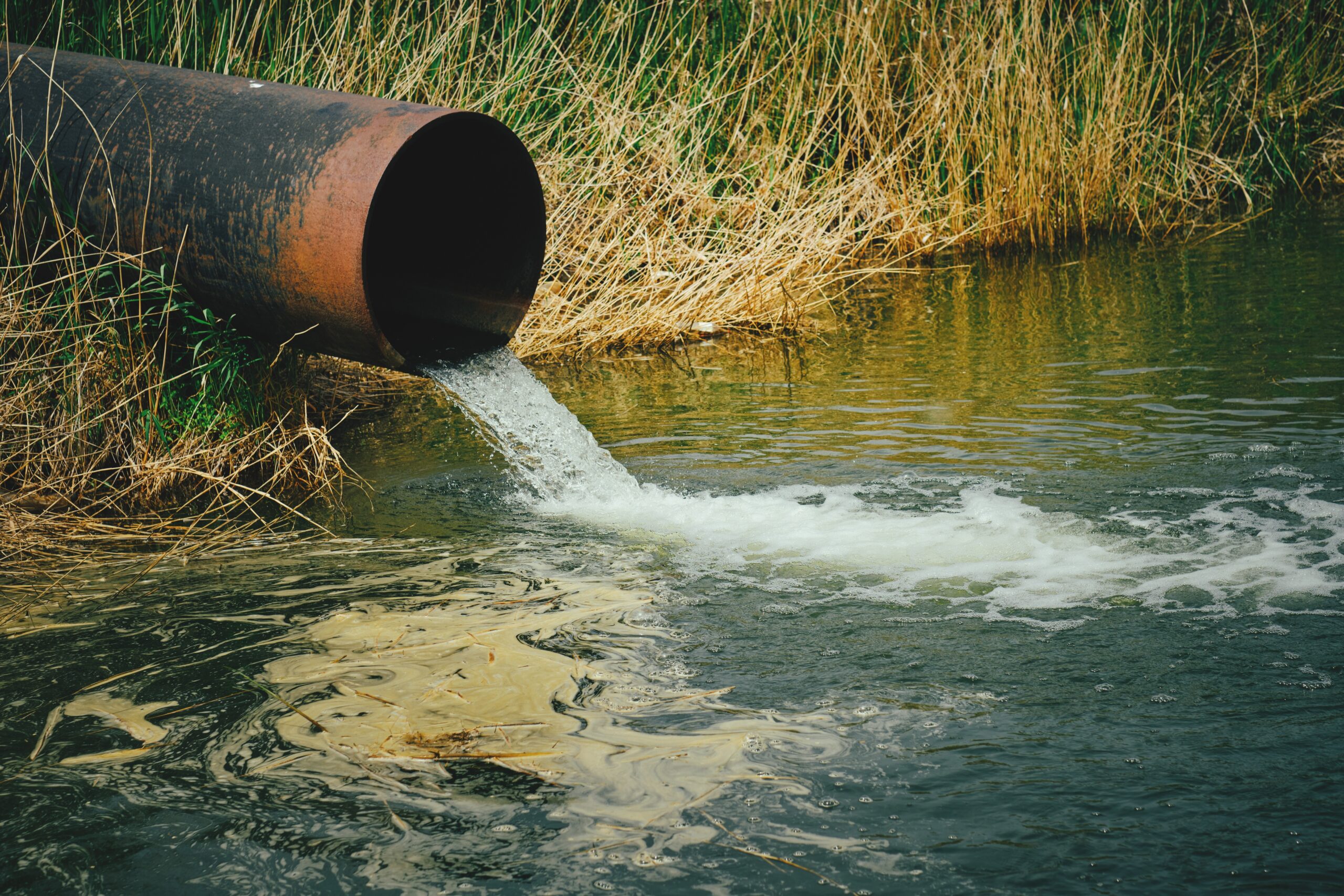
As clean water becomes scarcer in some regions, waterborne diseases are expected to rise by 2100. Flooding, aging infrastructure, and pollution can contaminate drinking supplies, spreading illnesses such as cholera, dysentery, and typhoid fever. Climate change worsens the problem by increasing extreme rainfall and droughts, both of which compromise water safety. Children and older adults are especially vulnerable to dehydration and infection. Public health experts warn that without major investment in sanitation and water treatment, preventable diseases could once again become leading causes of death in parts of the world, particularly in rapidly growing urban areas.
13. Space-Based Threats

While rare, space-related threats remain a serious concern for humanity’s long-term survival. Large asteroid impacts have caused mass extinctions in Earth’s past, and scientists continue to monitor near-Earth objects for potential collisions. By 2100, improved detection systems may reduce the risk, but experts warn that smaller objects could still cause regional devastation if they strike populated areas. In addition, increasing space debris from satellites and rockets poses a growing danger to critical communication and navigation systems. A major disruption to satellite networks could indirectly threaten lives by affecting weather forecasting, emergency response, and global coordination.
14. Mental Health Crises and Social Breakdown

Mental health is increasingly recognised as a critical public health issue, and by 2100 it could contribute significantly to mortality. Social isolation, economic stress, displacement, and constant digital exposure may worsen anxiety, depression, and suicide rates. In societies experiencing rapid change or instability, mental health services often lag behind demand. Experts note that untreated mental illness not only increases the risk of self-harm but also worsens physical health outcomes. While this threat is less visible than wars or disasters, its cumulative impact on life expectancy and quality of life could be substantial if preventive care and social support systems are neglected.
15. Loss of Global Cooperation

Many experts argue that the most dangerous threat by 2100 may be the failure of nations to work together. Global problems such as climate change, pandemics, and nuclear risks cannot be solved by any one country alone. When cooperation breaks down, responses become slower, weaker, and less effective, increasing death tolls from otherwise manageable crises. History shows that fragmentation often leads to conflict, arms races, and neglect of vulnerable populations. Researchers warn that without strong international institutions and shared responsibility, humanity may struggle to address the very threats that determine whether future generations survive.
16. Superbugs from Climate and Environmental Change
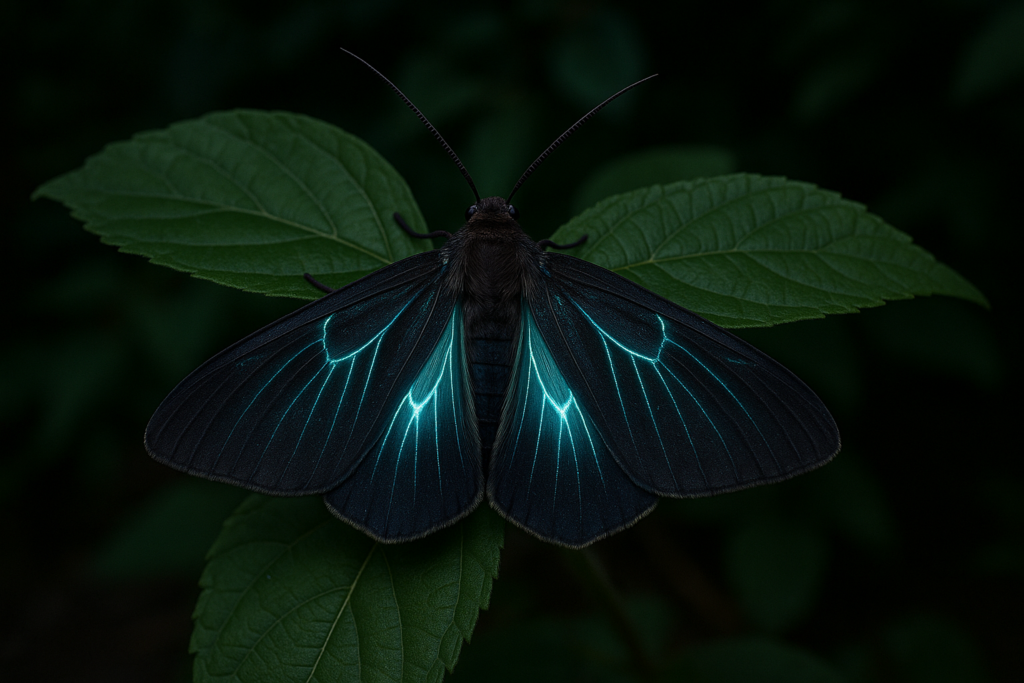
By 2100, scientists warn that climate change itself may unleash new disease threats. As glaciers melt and permafrost thaws, long-dormant bacteria and viruses that humans have never encountered could be released into the environment. Researchers have already revived ancient microbes in controlled laboratory settings, raising concerns about what might emerge naturally. At the same time, warming temperatures allow existing disease-causing organisms to survive in new regions, exposing populations with little natural immunity. Combined with antibiotic resistance, these emerging pathogens could be difficult to detect and even harder to treat. Public health experts stress that environmental disruption does not just affect ecosystems, it also reshapes the microbial world in ways that could significantly increase human mortality.
17. Technological Dependence and System Failure

Modern society relies heavily on interconnected technologies, and by 2100 this dependence could become a serious vulnerability. Power grids, communication networks, healthcare systems, and food distribution increasingly depend on complex digital infrastructure. A large-scale failure caused by cyberattacks, solar storms, software errors, or physical damage could disrupt essential services for millions of people. Hospitals without power, supply chains unable to deliver food, and communication breakdowns during emergencies all increase the risk of death. Experts warn that as systems grow more efficient, they may also become more fragile. Without strong safeguards and redundancy, technological collapse could turn otherwise survivable crises into deadly events.
18. Slow-Motion Extinction from Lifestyle Diseases

While dramatic disasters often capture attention, many experts believe lifestyle-related illnesses may remain one of the most consistent killers by 2100. Heart disease, diabetes, obesity-related conditions, and certain cancers are already leading causes of death worldwide. As urban lifestyles become more sedentary and ultra-processed foods more common, these diseases could worsen, especially in rapidly developing regions. Environmental stress, air pollution, and mental health challenges may further compound the problem. Unlike sudden catastrophes, lifestyle diseases erode health gradually, shortening lifespans across entire populations. Public health researchers warn that without widespread prevention, education, and systemic change, these conditions could quietly rival more visible threats in total lives lost.
Reaching the year 2100 would be a remarkable achievement for humanity, but survival alone will not be enough.
What do you think poses the biggest danger? Like this story? Add your thoughts in the comments, thank you.


