
1. The Last Known Video Was Secretly Recorded

The 2017 murders of Abigail Williams and Liberty German in Delphi, Indiana, left a small community and the wider public searching for answers. One of the most unsettling details in the Delphi case is that Liberty German managed to record video of the suspect without him knowing. On her phone was a short clip showing a man walking on the Monon High Bridge, later known as “Bridge Guy.” Investigators believe Libby sensed danger and had the presence of mind to document what was happening. This brief footage became the most recognisable piece of evidence in the case and was later released to the public. Despite its importance, the video is grainy and distant, making identification difficult. The idea that a victim captured her suspected killer’s image, yet it remained unresolved for years, deeply disturbed both investigators and the public.
2. The Haunting Audio Clip Saying “Down the Hill”
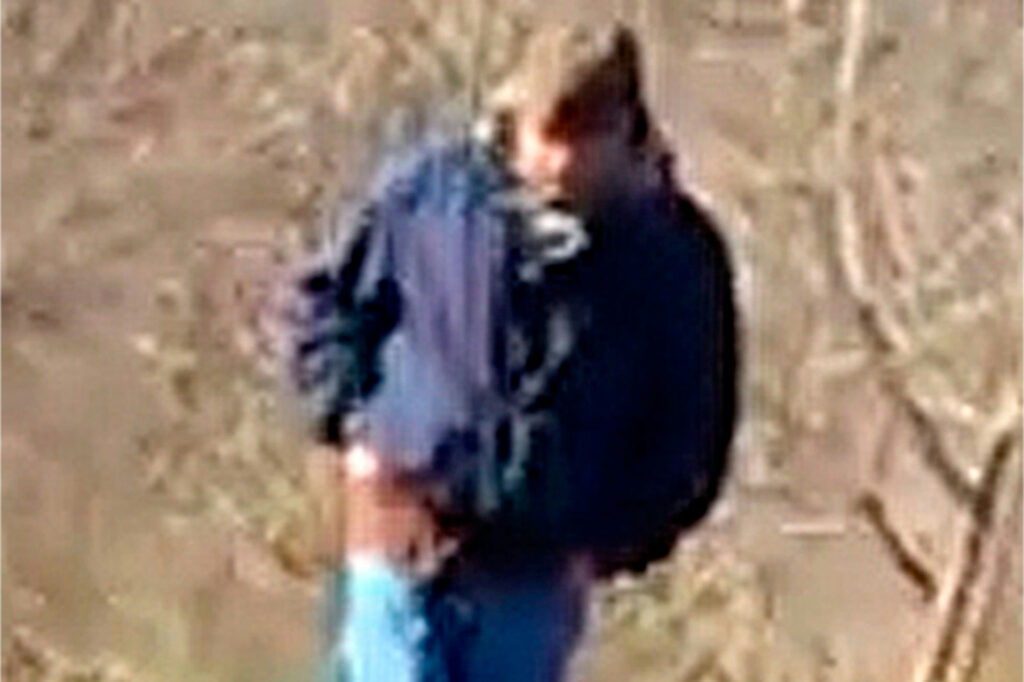
Alongside the video, Libby’s phone also captured a short audio recording of the suspect’s voice saying, “Guys… down the hill.” This calm but commanding phrase became one of the most chilling aspects of the case. Investigators released the audio hoping someone would recognise the voice, but for years it led to countless tips with no arrest. Experts noted that voice identification is notoriously difficult, especially with such a short clip. Still, the fact that the girls’ final moments were partially recorded has haunted listeners worldwide. The audio remains one of the strongest emotional connections to the case and a reminder of how close investigators were to the suspect, yet how far answers remained for a long time.
3. The Crime Scene Was Not Where the Girls Were Last Seen
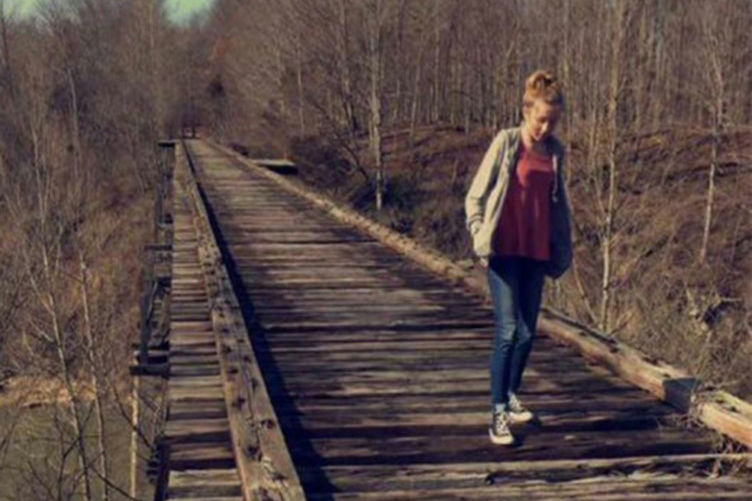
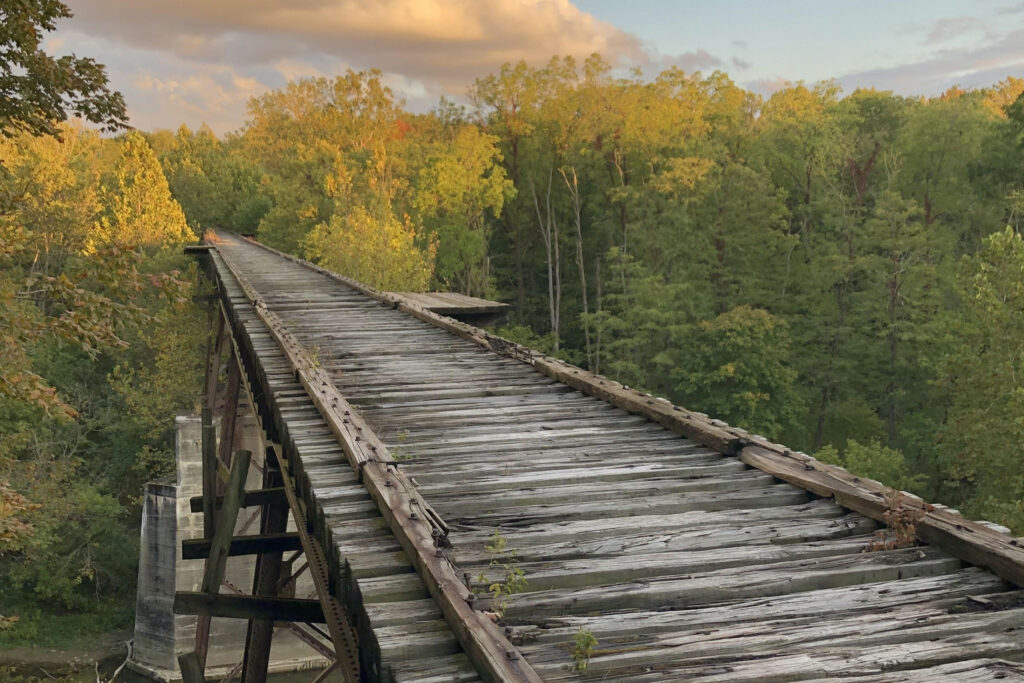
Abigail and Liberty were last seen walking on the Monon High Bridge, but their bodies were discovered the next day in a wooded area near Deer Creek, about half a mile away. This detail disturbed investigators because it showed the suspect was able to control the victims and move them to a secondary location. The terrain was uneven, wooded, and difficult to navigate, suggesting familiarity or confidence. The movement also complicated the investigation, as it expanded the possible crime scene and evidence area. For the public, the idea that the girls were taken from a popular trail to a secluded spot in broad daylight raised fears about safety in seemingly peaceful community spaces.
4. The Murders Happened in Broad Daylight
Unlike many violent crimes, the Delphi murders occurred in the early afternoon, around 1:30 to 3:30 p.m. This fact shocked residents and investigators alike. The trails were not deserted, and it was a warm February day with other people known to be nearby. The daylight setting challenged assumptions about when and where such crimes occur, and it complicated profiling efforts. Many questioned how the suspect managed to avoid being clearly seen or identified. This detail added to the fear surrounding the case, reinforcing that the crime did not rely on darkness or isolation alone, but on opportunity and deception in a public place.
5. The Initial Investigation Produced Thousands of Tips

After releasing the video and audio, law enforcement received tens of thousands of tips from across the United States and beyond. While this showed widespread public engagement, it also created serious challenges. Sorting credible information from speculation took years and may have slowed progress. Investigators later acknowledged that the sheer volume of tips was overwhelming. Some tips conflicted with others, while many were based on vague resemblances. This detail is disturbing because it shows how even strong evidence can become buried under information overload. For the families, it meant years of waiting while potential leads were reviewed and re-reviewed without clear answers.
6. Two Different Suspect Sketches Confused the Public
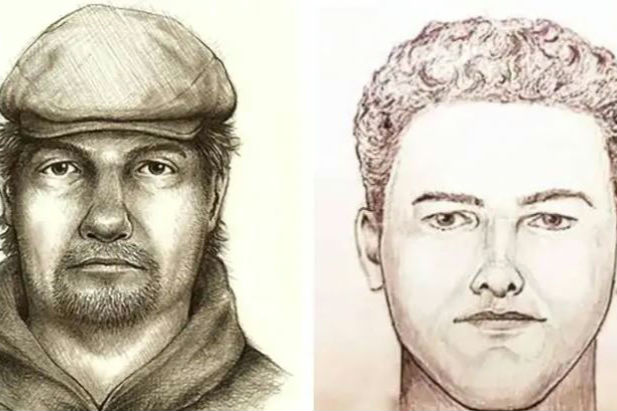
One of the most troubling details in the Delphi investigation was the release of two very different suspect sketches. The first sketch, released in 2017, showed an older-looking man wearing a cap. In 2019, police released a second sketch depicting a much younger man and stated it was now the primary focus. This shift caused widespread confusion and frustration. Many people questioned how two sketches from the same case could look so different, while investigators explained they were based on different witness accounts and evolving evidence. The change led some to doubt earlier tips and wonder if crucial time had been lost. For the families and the public, the conflicting images made it harder to know what to look for and deepened uncertainty about how close authorities really were to identifying the killer.
7. The Cause of Death Was Never Fully Disclosed
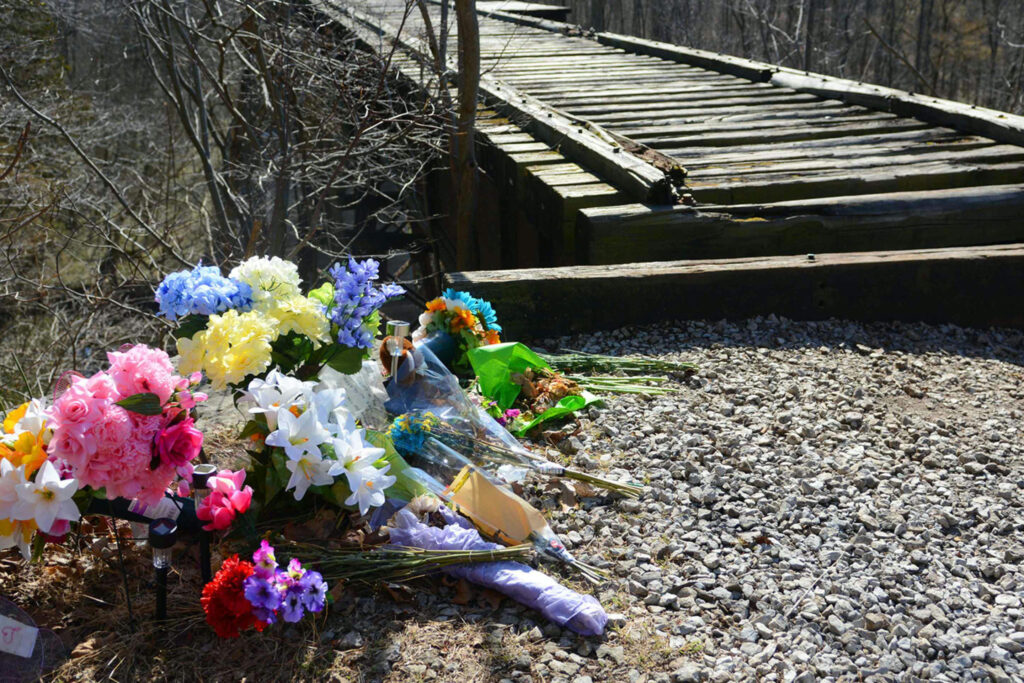
Authorities chose not to publicly reveal the exact cause of death of Abigail Williams and Liberty German. While officials said this was to protect the integrity of the investigation, the secrecy fuelled speculation and unease. The lack of detail made it harder for the public to understand what happened and for amateur sleuths to distinguish facts from rumours. Investigators confirmed the deaths were homicides but kept specific information restricted, sharing it only with those directly involved in the case. This decision, though standard in some investigations, became disturbing because of the long gap before an arrest. For many observers, the unanswered questions about how the girls died added another layer of emotional weight to an already heartbreaking case.
8. The Crime Scene Included Unusual Signatures
Investigators revealed that the crime scene contained “signatures,” a term used to describe behaviours or elements that go beyond what is necessary to commit a crime. While details were not made public, officials said these signatures were distinctive and deeply concerning. This disclosure suggested the murders were not random or impulsive in the way many hoped. The idea that the killer left behind specific markers unsettled both experts and the public, raising fears about the offender’s mindset. Because these signatures were never explained in detail, they became one of the most unsettling unknowns in the case, hinting at complexity and intention that made the crime even more disturbing.
9. No Immediate Arrest Despite Strong Digital Evidence
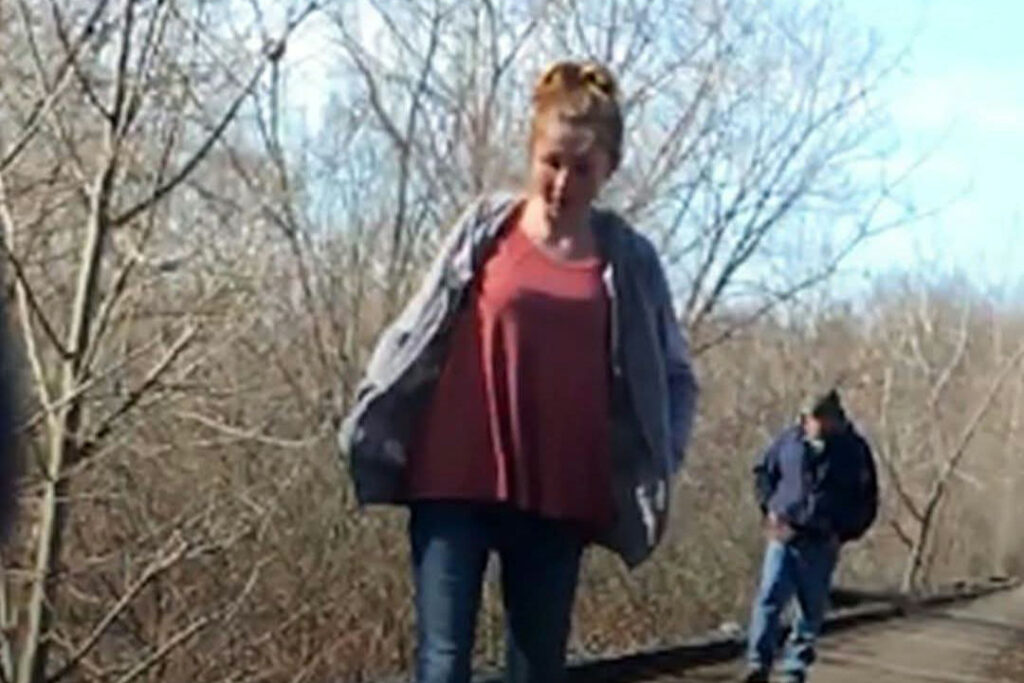
Despite having video and audio of the suspect, no arrest was made for more than five years. This fact deeply disturbed the public and raised questions about the limitations of digital evidence. The footage was too unclear for facial recognition, and the voice clip was too short for definitive identification. Experts noted that while the evidence was powerful emotionally, it was not conclusive legally. Still, many found it unsettling that such rare evidence existed and yet did not quickly lead to justice. This gap between expectation and reality became one of the most frustrating aspects of the case, especially for those who believed the suspect might be hiding in plain sight.
10. Richard Allen Lived in Delphi the Entire Time
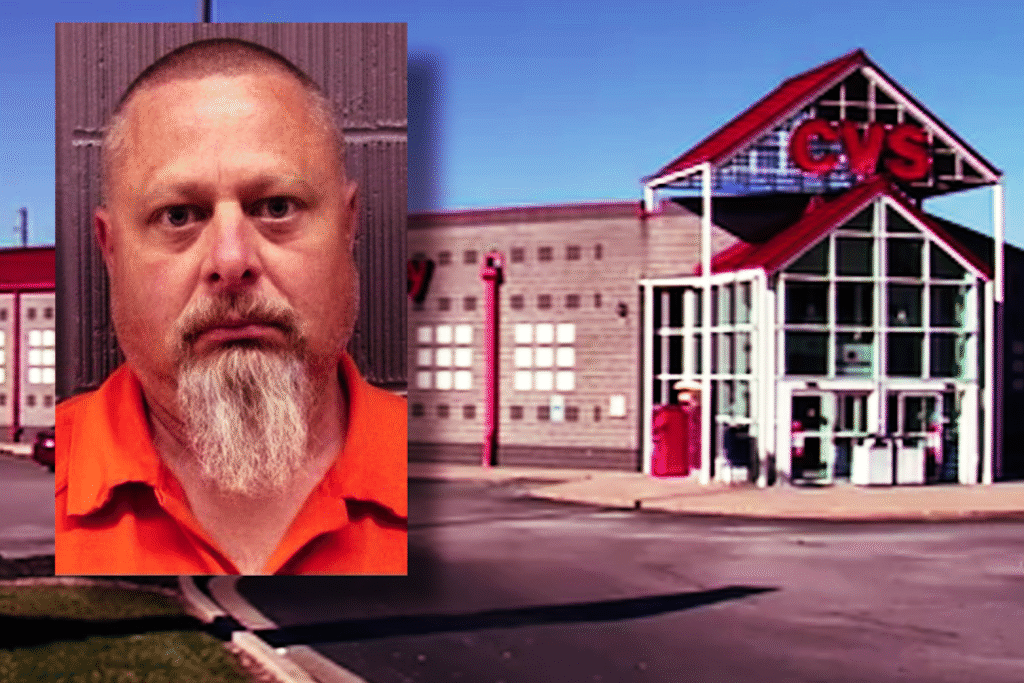
When Richard Allen was arrested in 2022, it was revealed that he had lived in Delphi for years, even working at a local pharmacy. This detail shocked the community. Investigators said Allen had been interviewed early in the investigation but was not considered a prime suspect at the time. The idea that a man living a seemingly ordinary life in the same small town could be linked to the crime disturbed residents deeply. It reinforced fears that the suspect was not a distant outsider, but someone embedded in daily community life. For many, this revelation made the years of uncertainty feel even heavier.
11. The Suspect Was Interviewed Early and Cleared
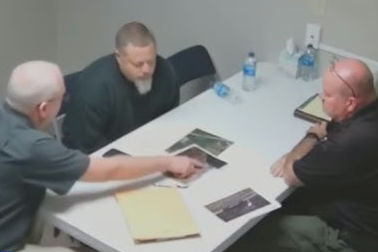
One of the most disturbing revelations in the Delphi case is that Richard Allen reportedly spoke with law enforcement shortly after the murders. According to court documents, he told investigators he was on the Monon High Bridge trail on the day Abigail Williams and Liberty German were killed. At the time, this information did not raise enough concern to elevate him as a primary suspect. Years later, this detail became deeply unsettling, as it suggested a crucial opportunity may have been missed. Investigators later described the early interview as being misfiled or overlooked. For the families and the public, the idea that the eventual suspect had contact with police early on added to the frustration and raised hard questions about how complex investigations can go off track despite early leads.
12. A Misfiled Tip Delayed Key Progress

Court filings later revealed that a tip referencing Richard Allen may have been misfiled for years. This administrative error became one of the most troubling aspects of the investigation. In a case where every detail mattered, a single misplaced document may have contributed to years without an arrest. Law enforcement acknowledged that the volume of tips and information made the investigation difficult to manage. Still, the possibility that a critical lead sat unnoticed while the case went cold disturbed many observers. This detail highlighted the human element of investigations and how small procedural mistakes can have enormous consequences, especially in cases involving violent crime and grieving families.
13. The Bullet Evidence Raised Complex Questions
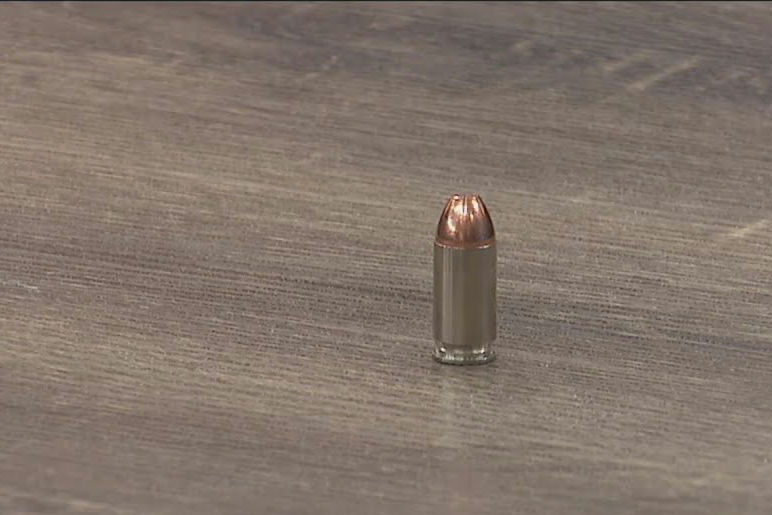
A key piece of evidence mentioned in court documents was an unspent bullet found near the bodies. Investigators later linked this bullet to a firearm owned by Richard Allen through forensic analysis. This detail unsettled many because the bullet was not fired, raising questions about how and why it was left behind. Ballistics experts explained that unspent rounds can still bear markings from a gun’s chamber. The complexity of this evidence sparked debate among legal experts and the public alike. While prosecutors consider it significant, its unusual nature made it one of the most discussed and disturbing technical details in the case.
14. The Investigation Involved Multiple Agencies
The Delphi murders investigation involved local police, Indiana State Police, the FBI, and other agencies. While multi-agency efforts can strengthen cases, they can also create communication challenges. Over the years, officials acknowledged that coordination was difficult, especially as leadership and strategies evolved. This detail disturbed some observers because it suggested that overlapping responsibilities may have slowed decision-making. The complexity of managing information across agencies became especially concerning given the length of time before an arrest. For the families, the involvement of so many agencies was both reassuring and unsettling, offering resources but also raising questions about why answers took so long.
15. Evidence Was Sealed From Public View for Years

Much of the evidence in the Delphi case remained sealed for a long time, even after an arrest was made. Court orders restricted access to documents, citing concerns about a fair trial and ongoing investigative steps. While legally justified, the secrecy frustrated the public and media. This lack of transparency led to speculation and misinformation, making it harder for people to separate fact from rumour. For families of the victims, the sealed records meant enduring continued uncertainty. The prolonged withholding of details became disturbing not because of wrongdoing, but because it underscored how much about the crime remained hidden even years later.
16. The Case Included Multiple Search Phases Over Time
The Delphi investigation involved several separate search efforts spread across months and years, including renewed searches near the Monon High Bridge and surrounding waterways. These later searches unsettled the public because they suggested investigators were revisiting areas already examined. Law enforcement explained that evolving evidence and new information sometimes require returning to old locations with fresh perspectives or improved techniques. Still, the repeated searches raised questions about what might have been missed initially. For the families, each new search reopened emotional wounds while also offering hope that answers were closer. The stop-and-start nature of these efforts highlighted how complex and non-linear major investigations can be, even when the crime scene seems well defined early on.
17. The Arrest Came Quietly, Not Through a Public Tip
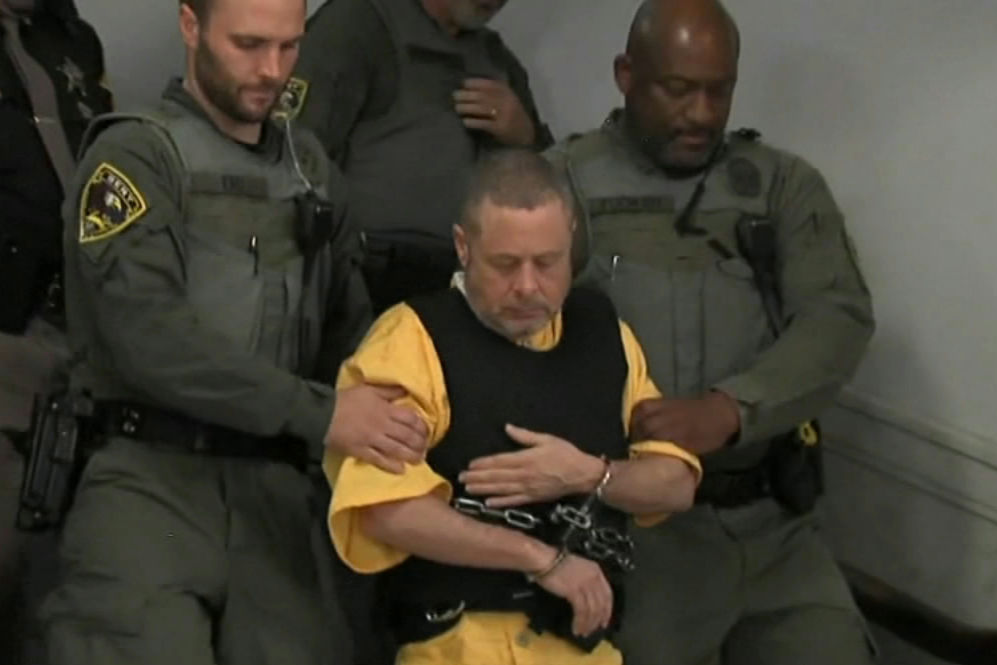
Despite years of public appeals, the arrest of Richard Allen did not come directly from a dramatic new tip or viral breakthrough. Instead, it resulted from investigators quietly re-examining existing information. This detail disturbed many observers who had followed the case closely, believing the answer would come from the public recognising the suspect. The reality was far more subdued and internal. It suggested that the solution had been buried within the case files all along. For some, this raised uncomfortable questions about whether the intense public focus helped or distracted from critical investigative work behind the scenes.
18. The Victims’ Families Endured Years Without Clear Answers
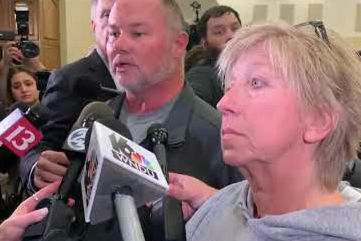
One of the most heartbreaking details of the Delphi case is the length of time the victims’ families waited for progress. For more than five years, they lived with uncertainty, public speculation, and limited information from authorities. Family members consistently expressed gratitude for law enforcement efforts while also acknowledging the emotional toll of waiting. This prolonged limbo became disturbing not because of neglect, but because it showed how justice can move slowly even in high-profile cases. The families’ patience and public restraint stood in stark contrast to the intense online debate surrounding the investigation.
19. The Trial Process Continues to Move Slowly

Even after an arrest, the legal process in the Delphi murders case has progressed slowly, with hearings, motions, and delays extending the timeline. This is common in complex homicide cases, especially those involving extensive evidence and intense public scrutiny. Still, for the victims’ families and the community, each delay has felt heavy. Court proceedings have included debates over evidence handling, venue changes, and procedural safeguards meant to ensure a fair trial. While these steps are necessary, the slow pace remains disturbing because it prolongs uncertainty and emotional strain. The case serves as a reminder that justice is not only about making an arrest, but also about carefully navigating the legal system to reach a verdict that can withstand scrutiny.
20. Many Questions Remain Despite the Arrest
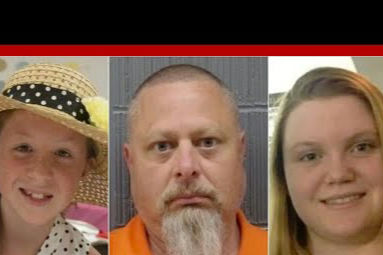
Perhaps the most unsettling detail of all is that significant questions remain unanswered even after charges were filed. Authorities have not publicly clarified every aspect of the crime, including motives and the full sequence of events. Some information may never be released due to legal limits or the wishes of the families. For the public, this incomplete picture can feel frustrating, especially after years of close attention. Yet it reflects the reality that not all cases offer total closure. The lingering unknowns surrounding the Delphi murders continue to remind observers of the limits of public knowledge and the enduring impact such tragedies leave behind.
The Delphi murders investigation is filled with deeply disturbing details not because of shock value, but because of what they reveal about vulnerability, missed moments, and the slow pursuit of justice.
Like this story? Add your thoughts in the comments, thank you.
This story 20 Disturbing Details in the Delphi Murders Investigation was first published on Daily FETCH


