
1. What Exactly Happened After MH370 Lost Contact With Air Traffic Control?
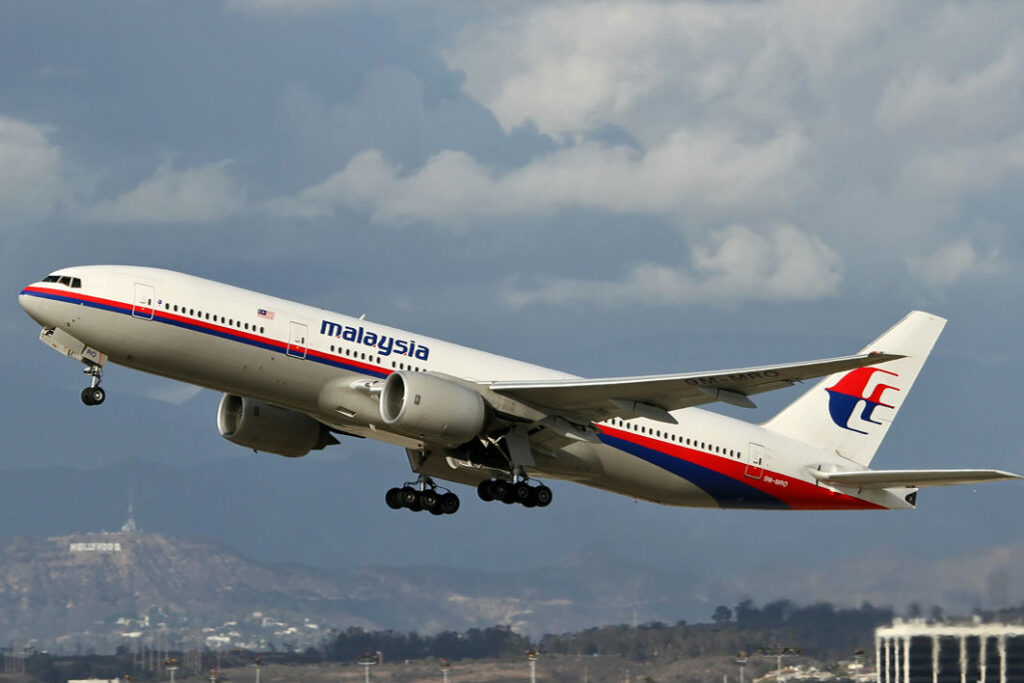
More than a decade after Malaysia Airlines Flight MH370 vanished from the sky, the case continues to haunt investigators and the public alike. The last confirmed voice communication from MH370 occurred at 1:19 a.m. on 8 March 2014, when the captain said, “Good night, Malaysian Three Seven Zero.” Minutes later, the aircraft’s transponder stopped transmitting, and the plane disappeared from civilian radar. Military radar data later suggested the Boeing 777 made a sharp turn westward across the Malay Peninsula before heading south into the Indian Ocean. Why this course change occurred remains unknown. Investigators have never confirmed whether the shift was due to deliberate manual control, technical failure, or external interference.
2. Why Did the Aircraft’s Communication Systems Stop One by One?
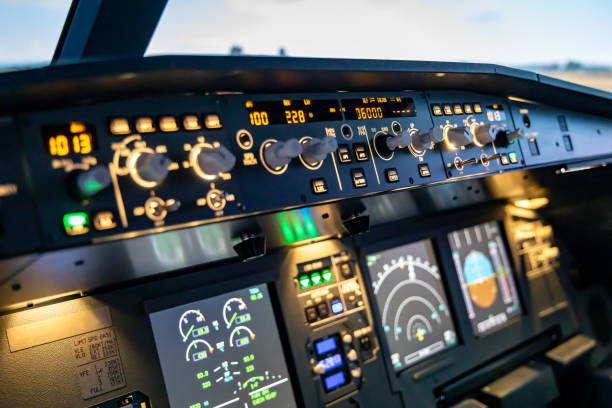
One of the most puzzling aspects of MH370 is the sequential shutdown of its communication systems. The transponder, which allows aircraft to be tracked by air traffic control, stopped first. Later, the Aircraft Communications Addressing and Reporting System (ACARS) also went silent. Aviation experts note that these systems are not known to fail simultaneously without cause. Their staggered deactivation suggests deliberate action, yet no conclusive evidence confirms human involvement. If the shutdowns were intentional, investigators still do not know who carried them out or why. If mechanical, no known failure scenario fully explains the pattern. This uncertainty continues to fuel debate among aviation analysts worldwide.
3. Who Was in Control of the Aircraft After the Course Change?
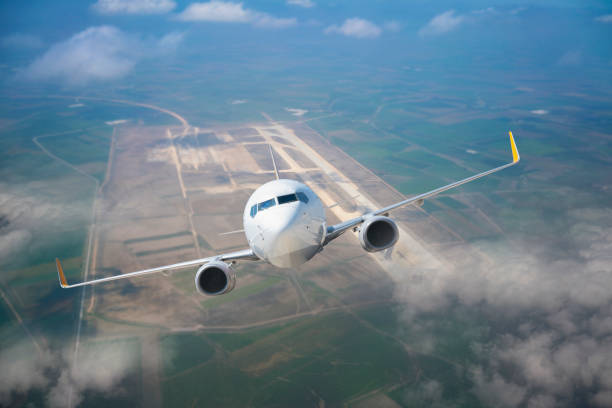
Military radar data indicates MH370 flew for hours after losing contact, following a complex flight path that suggests deliberate navigation. The aircraft passed multiple waypoints and remained airborne until fuel exhaustion. This has raised the question of who, if anyone, was controlling the plane during this time. While the captain and first officer were both experienced pilots, investigations found no definitive evidence of malicious intent. Passenger involvement has also been considered but never proven. Autopilot systems can maintain flight, but the precision of the turns suggests some level of human input. Without cockpit voice recordings or recovered flight data recorders, the identity of whoever controlled MH370 remains unknown.
4. Why Was No Emergency Signal or Distress Call Ever Sent?
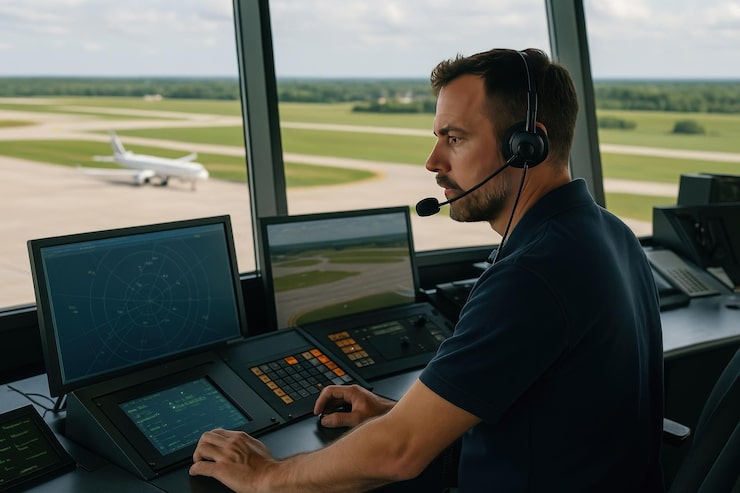
Commercial aircraft are equipped with multiple systems designed to alert authorities in an emergency. Yet MH370 transmitted no mayday call, no emergency squawk code, and no automatic distress message before vanishing. This is highly unusual, even in cases of sudden mechanical failure. Some experts suggest the crew may have been incapacitated quickly, while others argue that communication systems may have been deliberately disabled early on. The lack of any warning deprived investigators of crucial real-time information that could have narrowed the search area. This silence remains one of the most troubling elements of the disappearance, raising more questions than answers.
5. Where Exactly Did MH370 Enter the Ocean?

Despite extensive multinational search efforts covering more than 120,000 square kilometres of the southern Indian Ocean, the precise crash location of MH370 has never been identified. Satellite data from Inmarsat provided clues suggesting the aircraft flew south until fuel ran out, but this data can only estimate broad arcs, not exact positions. Drift analysis of debris later found on African shores and Indian Ocean islands offered additional hints, yet still failed to pinpoint a definitive impact site. Without locating the main wreckage, investigators cannot confirm how or where the plane entered the ocean, making this unanswered question central to all remaining mysteries.
6. Why Has the Aircraft’s Main Wreckage Never Been Found?
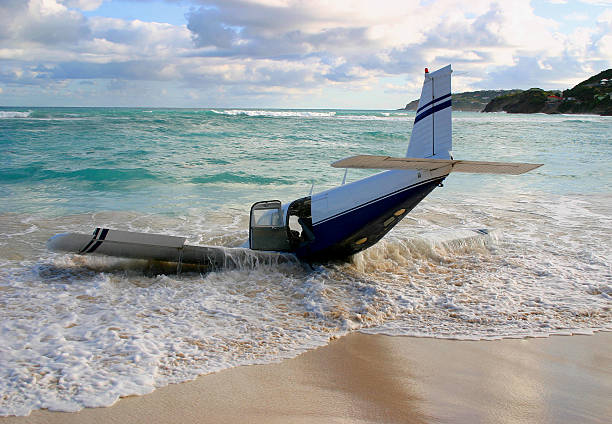
Despite years of underwater searches using advanced sonar and autonomous vehicles, the main fuselage of MH370 has never been located. Search teams focused on areas identified through satellite data analysis, yet found no definitive wreckage field. Only scattered debris, such as a wing flaperon discovered on Réunion Island in 2015, has been recovered and confirmed as belonging to the aircraft. Investigators believe the plane likely broke apart on impact, scattering pieces across vast ocean distances. However, without the main wreckage, critical evidence like the flight data recorder remains unrecovered. This absence has stalled definitive conclusions and continues to frustrate families and experts seeking closure.
7. Why Did Satellite “Handshakes” Continue for Hours After Disappearance?
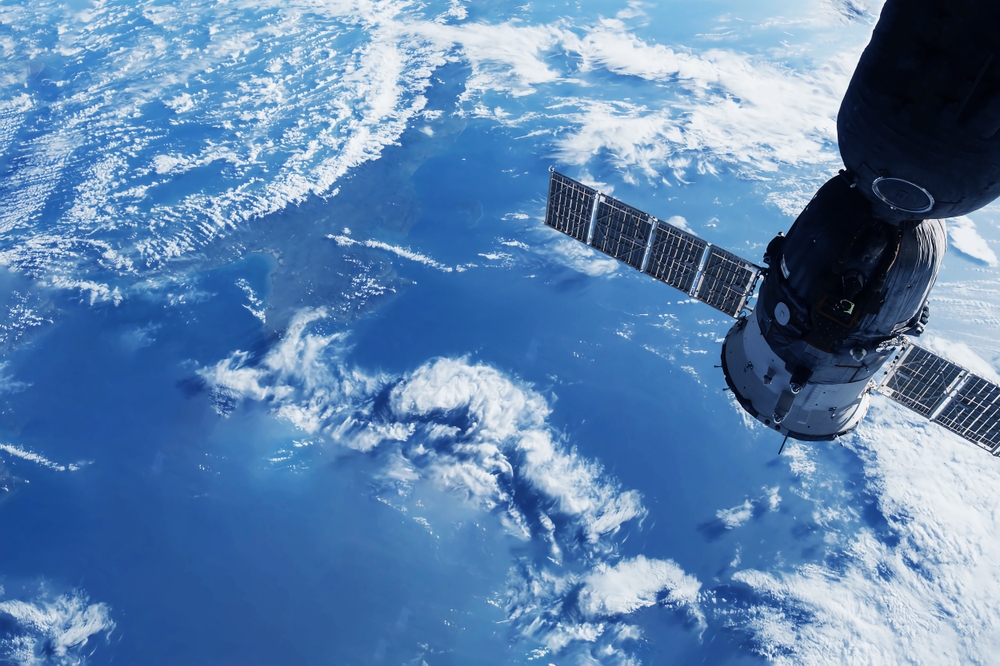
After MH370 vanished from radar, automated satellite communications known as “handshakes” continued between the aircraft and an Inmarsat satellite for nearly seven hours. These signals did not transmit location data but confirmed the plane remained powered and airborne. Analysts used the timing and frequency shifts of these signals to estimate the aircraft’s path, producing the now-famous northern and southern arcs. Why the plane remained airborne for so long remains unexplained. The data suggests controlled flight until fuel exhaustion, yet offers no insight into conditions inside the cockpit or cabin. These silent signals became the backbone of search efforts, but also deepened the mystery.
8. What Explains the Lack of Debris Near the Initial Search Areas?

Early search operations focused on areas closer to MH370’s last radar contact, but no debris was found there. This absence raised questions about the accuracy of initial assumptions. Oceanographers later explained that powerful and complex Indian Ocean currents could carry floating debris thousands of kilometres over time. This theory gained support when confirmed MH370 debris appeared years later along African coastlines. Still, the lack of debris near the presumed crash zone suggests either a deep-ocean impact with limited surface remains or rapid dispersal. Without immediate wreckage recovery, valuable evidence was lost, complicating efforts to reconstruct the aircraft’s final moments.
9. Why Were the Search Areas Revised Multiple Times?
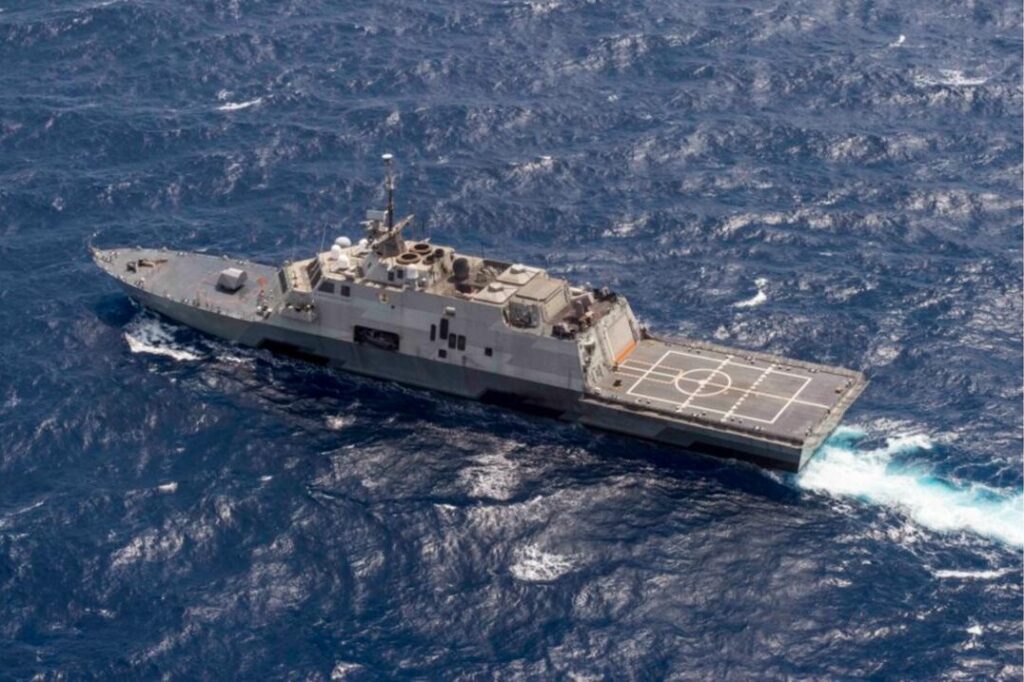
The search for MH370 underwent several major revisions as new data emerged. Initial efforts focused on the South China Sea, then shifted westward after military radar data was analysed. Later, satellite handshake interpretations redirected the search deep into the southern Indian Ocean. Each revision reflected evolving understanding rather than error, but also highlighted the limits of available data. As analysis techniques improved, previous assumptions were challenged, forcing costly and time-consuming relocations of search zones. These changes underscore how unprecedented the disappearance was and why investigators struggled to narrow down a single, reliable search location with confidence.
10. What Do the Recovered Debris Pieces Actually Tell Investigators?

More than 30 pieces of suspected MH370 debris have been collected since 2015, with several conclusively linked to the aircraft through serial numbers and design features. Analysis of the flaperon suggested it was extended at impact, implying a controlled descent rather than a steep dive. However, the limited number of confirmed pieces provides only partial insight. The debris cannot reveal why the plane changed course or what happened inside the cockpit. While these fragments confirm the aircraft crashed in the Indian Ocean, they stop short of explaining how or why, leaving the broader mystery unresolved.
11. Could a Mechanical Failure Alone Explain the Disappearance?
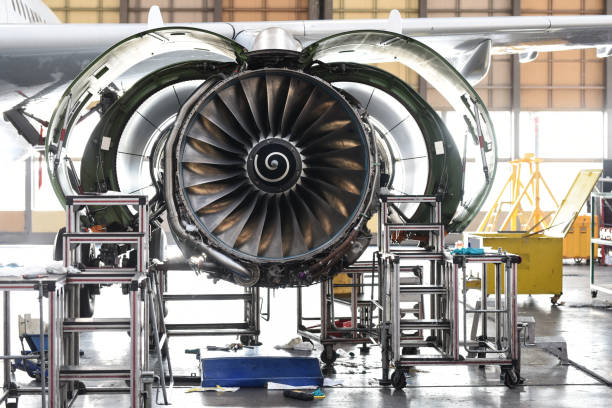
Investigators have long examined whether a catastrophic mechanical failure could explain MH370’s disappearance, but no single scenario fits all the evidence. While aircraft can suffer electrical or pressurisation failures, such events usually trigger emergency procedures or distress calls. MH370 showed neither. The Boeing 777 model also has a strong safety record, and no similar failure has caused a comparable loss of communication and prolonged flight. Some experts have suggested a fire or oxygen issue that incapacitated the crew, allowing the plane to fly on autopilot. However, this theory does not fully explain the deliberate course changes seen on radar. Mechanical failure remains a possibility, but it does not account for every known detail.
12. Why Has the Cockpit Voice Recorder Never Been Recovered?
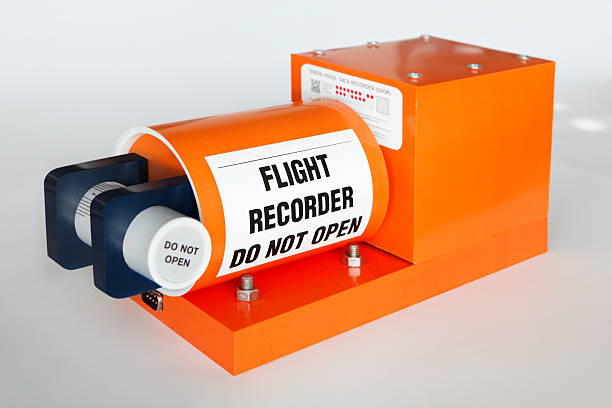
The cockpit voice recorder could provide invaluable insight into the final moments aboard MH370, yet it remains missing. Like the flight data recorder, it is housed in a bright orange casing with an underwater locator beacon designed to emit signals for about 30 days. Unfortunately, if the wreckage lies in extremely deep water or rugged terrain, these signals may never have been detected. Once the beacon battery expires, locating the device becomes far more difficult. Without this recorder, investigators lack direct evidence of crew conversations, alarms, or unusual events. Its absence continues to block definitive answers about what happened inside the cockpit.
13. Why Did the Crew’s Personal Backgrounds Raise More Questions Than Answers?

Following the disappearance, investigators examined the backgrounds of MH370’s flight crew in detail. The captain and first officer were both experienced and medically cleared to fly. While authorities reviewed personal records, simulator data, and psychological histories, no definitive evidence of wrongdoing or intent was found. Some findings were widely misinterpreted in public discussions, leading to speculation not supported by official conclusions. Malaysian and international investigators ultimately stated that neither pilot could be conclusively linked to the disappearance. The lack of clear motive or evidence has left the crew’s role unresolved, contributing to ongoing debate and unanswered questions surrounding the flight.
14. Why Did the Aircraft Fly Until Fuel Exhaustion Without Intervention?
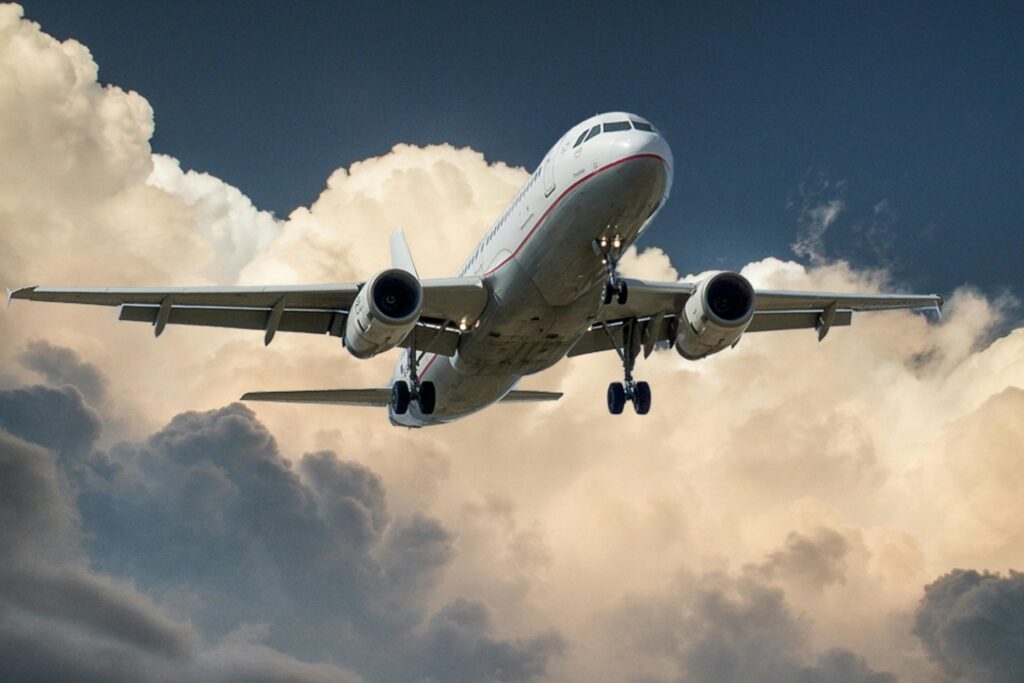
Satellite data indicates MH370 remained airborne for several hours after deviating from its original route, likely until it ran out of fuel. This suggests the aircraft was stable and functioning for much of the flight. What remains unknown is why no corrective action was taken during this time. If the autopilot was engaged, it could have maintained altitude and heading automatically. However, this does not explain why no attempts were made to communicate or divert to a nearby airport. The absence of intervention, whether from the crew or onboard systems, remains one of the most unsettling aspects of the disappearance.
15. Why Have Independent Search Efforts Failed to Produce New Evidence?
In addition to government-led operations, private companies have launched independent searches for MH370, most notably Ocean Infinity. Using advanced autonomous underwater vehicles, these teams scanned large sections of the southern Indian Ocean seabed. Despite improved technology and refined search models, no new wreckage was discovered. Experts note that the ocean floor in this region is among the most challenging on Earth to survey, with deep trenches and uneven terrain. Each unsuccessful search narrows possibilities but also reinforces how elusive the aircraft’s final resting place may be. The lack of new findings keeps the mystery unresolved.
16. Will the Full Truth About MH370 Ever Be Known?

More than ten years on, the question of whether MH370’s fate will ever be fully understood remains unanswered. Without the main wreckage or black boxes, investigators can only rely on indirect evidence, satellite data, and debris analysis. Advances in ocean mapping and search technology offer hope, but funding and political will remain uncertain. For families of the passengers and crew, the absence of definitive answers prolongs grief and uncertainty. While future discoveries could still shed light on what happened, MH370 stands as a reminder that even in an age of advanced aviation technology, some mysteries may remain unsolved.
The disappearance of Malaysia Airlines Flight MH370 continues to challenge investigators, experts, and the public alike. Each unanswered question highlights the limits of current technology and the vastness of the world’s oceans. Until new evidence emerges, MH370 remains one of aviation’s most haunting and enduring mysteries.
This story 16 Unanswered Questions About Malaysia Airlines Flight MH370 was first published on Daily FETCH


