
1. Remembering Information Without Looking It Up

People once relied on their memory to hold everyday information without checking anything online. Phone numbers, addresses, directions, birthdays, and small facts stayed in the mind because there was no instant backup. You repeated things until they stuck. Forgetting meant inconvenience, not correction. This skill quietly trained attention and patience. You listened more carefully and trusted your recall. Over time, memory became sharper through daily use. Remembering without looking things up felt normal, practical, and necessary, shaping confidence in one’s ability to think, retain, and function independently.
2. Memorizing Phone Numbers

Memorizing phone numbers was once ordinary, not nostalgic. You knew your home line, close friends, and relatives without checking anything. Dialing required intention because forgetting meant waiting or asking again. Repetition strengthened recall naturally. Numbers became familiar patterns instead of random digits. Remembering them made connection feel personal and earned. This habit trained the brain to store practical information reliably. Communication depended on memory, turning simple calls into moments of confidence, responsibility, and quiet trust. It also encouraged focus, discipline, and respect for shared time between people during everyday life, long before contact lists existed anywhere at all publicly accessible.
3. Reading Paper Maps
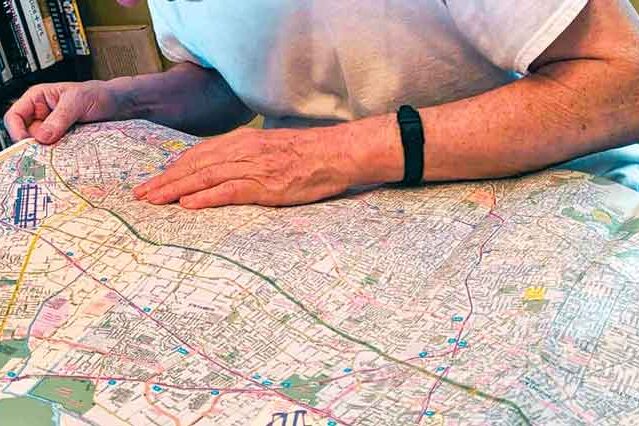
Paper maps taught patience and awareness through practice. You unfolded them carefully, traced routes, and pictured journeys before moving. Understanding where you were mattered as much as arrival. Mistakes led to learning instead of instant correction. Landmarks, street names, and distances slowly made sense. Travel felt slower but more memorable. This skill trained spatial thinking and confidence, helping people feel oriented, capable, and connected to places they passed through. It reduced reliance on instructions, sharpened observation, and encouraged curiosity during unfamiliar trips and everyday errands alike, building lasting geographic awareness over time through repeated use and attention to surroundings daily.
4. Using Encyclopedias

Using encyclopedias required effort and curiosity. You searched alphabetically, skimmed pages, and read surrounding information. Answers arrived with context and unexpected discoveries. Research felt focused and physical. You learned more than you planned simply by being present on the page. Knowledge stayed longer because it took time to find. This habit encouraged patience, deeper understanding, and respect for information beyond quick results. It trained attention, curiosity, and follow through, reminding learners that understanding grows gradually through exploration, repetition, and quiet focus rather than speed, pressure, or surface level reading habits formed early in life at home and school libraries everywhere.
5. Writing Real Letters

Writing letters demanded intention and care. Words were chosen slowly because they could not be edited later. Handwriting encouraged reflection before expression. Waiting for replies taught patience and emotional restraint. Letters became keepsakes, saved and reread. This skill deepened connection by making communication thoughtful and sincere. Feelings felt tangible, turning everyday thoughts into meaningful exchanges between people separated by distance. It also fostered discipline, clarity, and empathy, reminding writers that communication carried weight, permanence, and responsibility beyond immediate reaction or convenience, strengthening bonds through deliberate effort and mutual anticipation over time with care and respect for recipients everywhere always present.
6. Doing Mental Math
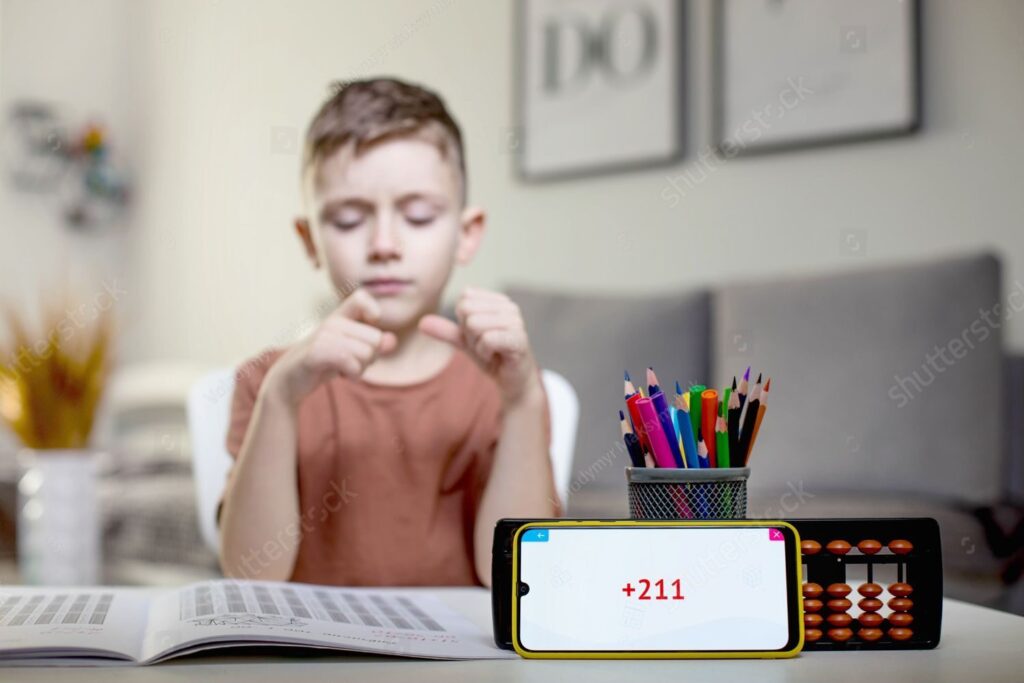
Mental math was a daily necessity that sharpened focus. People added totals, calculated change, and estimated costs internally. Numbers became familiar tools instead of sources of anxiety. Mistakes encouraged adjustment rather than avoidance. This practice strengthened reasoning and confidence quietly. Handling calculations without assistance reinforced self reliance, showing that problem solving could happen quickly through attention and repetition. It also improved memory, patience, and awareness of value, helping people make everyday decisions with clarity and assurance while shopping, budgeting, or planning simple tasks without external tools, devices, or constant confirmation from others around them daily at home, work, and school.
7. Remembering Directions

Remembering directions relied on landmarks and observation. Instructions sounded like stories rather than commands. You noticed buildings, turns, and natural markers. Each trip reinforced awareness of surroundings. Getting lost taught adaptation and patience. Over time, places made sense spatially. This skill built confidence and independence, grounding movement in understanding rather than blind following. It encouraged presence, listening, and memory, helping travelers connect with environments, trust instincts, and navigate unfamiliar spaces calmly without constant reassurance or correction, building lasting orientation skills through experience, repetition, and mindful attention to detail during journeys near and far from home routinely over years of practice.
8. Fixing Simple Things

Fixing small household problems was common practice. Loose handles, squeaky doors, and minor leaks were addressed with basic tools. Trial and error guided learning. Each repair built confidence and patience. Understanding how things worked reduced waste. This skill encouraged independence and responsibility, showing that effort often solved problems before replacement became necessary. It also nurtured curiosity, resilience, and pride, teaching people to try first, learn from mistakes, and value maintenance over convenience, saving money, time, and resources while strengthening problem solving abilities through hands on experience repeated across everyday situations at home, work, and community spaces over time naturally earned.
9. Waiting Without Entertainment

Waiting without entertainment once felt normal. Lines, bus stops, and offices offered quiet moments. Without distractions, thoughts wandered freely. People noticed sounds, faces, and surroundings. Boredom created space for reflection. This habit encouraged patience and creativity. Silence felt comfortable, allowing minds to rest and reset between responsibilities. It supported emotional regulation, awareness, and presence, helping individuals process experiences, generate ideas, and approach tasks calmly without urgency, reinforcing balance and mental clarity during ordinary daily routines that once filled life naturally without constant stimulation or interruption, especially while moving through shared public spaces together quietly over time and seasons passing slowly.
10. Asking for Help in Person

Asking strangers for help was practical and human. When lost, people spoke up. This skill required politeness and confidence. Brief exchanges built everyday trust. Learning how to approach others respectfully strengthened communication. Help came with conversation. This habit reminded people that shared spaces encouraged cooperation and kindness. It also fostered empathy, courage, and social awareness, teaching individuals to listen, observe, and respond thoughtfully during chance interactions that connected strangers, reduced isolation, and reinforced community bonds through small, sincere moments of assistance offered freely without expectation or digital mediation, shaping trust slowly within neighborhoods, cities, and shared journeys daily together naturally.
11. Remembering Appointments

Remembering appointments depended on attention and planning. Dates and times lived in memory or notebooks. Being on time showed respect. Forgetting carried consequences. This habit reinforced responsibility and reliability. People checked clocks and planned travel carefully. Time felt tangible. This skill shaped discipline quietly. It encouraged foresight, accountability, and consistency, helping individuals honor commitments, manage expectations, and balance obligations without reminders, alarms, or automated prompts, reinforcing trust through dependability built over repeated daily efforts that supported professional, social, and personal relationships steadily across years, routines, and responsibilities both large and small alike with care, intention, and follow through practiced often.
12. Learning Through People

Learning through people was common and personal. Advice came from parents, neighbors, and elders. Answers included stories and context. Asking questions built relationships. This skill encouraged listening and respect. Knowledge felt lived and practical. Wisdom traveled through conversation rather than instruction. It strengthened community, memory, and shared understanding, allowing experiences to guide decisions, shape values, and support growth through trusted voices offering insight, caution, and encouragement rooted in lived reality, fostering connection and continuity across generations, households, and cultures without formal structure, search tools, or written manuals, relying instead on presence, patience, and mutual care exchanged freely over time together.
13. Trusting a Chosen Route

Choosing a route required commitment. Once decided, people followed through. There was no constant reassurance. Mistakes became lessons. Each successful journey built confidence. This skill strengthened trust in judgment and adaptability. Navigation felt empowering, grounded in experience rather than correction. It encouraged resilience, patience, and self belief, helping travelers accept uncertainty, adjust calmly, and continue forward despite setbacks, reinforcing independence through repeated practice and exposure to unfamiliar paths, decisions, and environments encountered during everyday movement, commutes, and long trips, shaping confidence that extended beyond travel into other areas of life, work, and personal growth over time with consistency, intention, and care.
14. Cooking From Memory

Cooking from memory relied on repetition and feel. Measurements became intuitive. Recipes lived in hands rather than pages. Dishes varied slightly, making meals personal. Mistakes taught adjustment. This skill encouraged creativity and confidence in the kitchen. Food became expression, not instruction. It strengthened cultural continuity, sensory awareness, and trust in instinct, allowing cooks to adapt flavors, textures, and techniques naturally, passing knowledge through observation, practice, and shared meals, reinforcing connection between memory, nourishment, and care within families, friendships, and communities, often without written guidance, timers, or exact rules, relying instead on attention, experience, and confidence built slowly over years cooking.
15. Solving Conflict Face to Face

Handling conflict face to face required awareness and restraint. Tone, timing, and expression mattered. Listening became essential. Resolution demanded effort and honesty. Conversations ended with clarity rather than lingering uncertainty. This skill strengthened empathy and accountability. Disagreements taught communication and respect, supporting healthier relationships over time. It encouraged presence, patience, and mutual understanding, helping individuals address issues directly, repair trust, and move forward without avoidance, silence, or resentment, reinforcing emotional intelligence through repeated practice in families, friendships, workplaces, and communities where dialogue mattered, accountability counted, and resolution supported long term connection, stability, and respect shared between people daily over years
16. Using the Phone Book

Using the phone book required patience and focus, because finding information meant scanning names line by line without shortcuts. You learned how communities were organized through surnames and streets. Pages were thin, text was small, and accuracy mattered. Searching taught attention to detail and persistence. Finding a number felt earned, not automatic. This skill slowed information gathering and encouraged care, reinforcing that useful knowledge often required effort. It also created familiarity with local names and neighborhoods, helping people feel connected to where they lived, worked, and belonged, long before digital directories simplified everything and removed the need to remember or notice details personally in everyday life routines.
17. Leaving Clear Voicemail Messages

Leaving a voicemail required planning because the message had to stand alone. People thought before speaking, shared key details, and spoke clearly. Rambling was avoided. This skill encouraged concise communication and respect for the listener’s time. You left your name, purpose, and number carefully. Voicemails felt intentional, not casual. They taught responsibility in communication and awareness of tone. Speaking with clarity strengthened confidence and verbal expression, helping people convey meaning effectively without instant feedback, edits, or follow up clarification, reinforcing thoughtful speech habits that carried into meetings, conversations, and professional interactions across daily life and work environments consistently.
18. Remembering Birthdays

Remembering birthdays required effort and attention. Dates were tied to seasons, stories, or shared experiences. Forgetting meant offering a sincere apology. Remembering showed care and reliability. Cards and calls felt meaningful because they were intentional. This habit strengthened emotional bonds and consistency. It taught people to value others enough to remember milestones without prompts. Remembering birthdays reinforced connection through thoughtfulness, encouraging empathy and awareness in relationships. It quietly reminded people that being remembered matters, and that small acts of attention can strengthen trust, affection, and belonging over time within families, friendships, and communities built on shared care.
19. Finding Answers at the Library

Finding answers at the library required exploration. You searched catalogs, browsed shelves, and asked librarians for guidance. Learning felt focused and intentional. Silence encouraged concentration. Information took time to uncover but felt trustworthy. This skill taught patience, critical thinking, and respect for accuracy. Research became a process rather than a quick result. Libraries encouraged curiosity beyond one question, helping people understand how knowledge connects. This habit reinforced depth over speed, supporting learning that stayed longer and shaped understanding through deliberate effort, thoughtful discovery, and careful reading rather than skimming or rushing toward conclusions without context or reflection in quiet shared spaces.
20. Writing Notes to Yourself

Writing notes to yourself created visible reminders that stayed until tasks were done. Handwritten words reinforced commitment. Notes felt personal and encouraging. This skill supported organization and follow through. Writing clarified priorities and intentions. Unlike alerts, notes waited patiently. They reminded without urgency. This habit strengthened accountability and memory through repetition. Seeing your own handwriting reinforced responsibility and care. Notes bridged intention and action, helping people manage daily tasks calmly and deliberately, reinforcing reliability and self trust through simple systems built on awareness, presence, and gentle structure rather than constant interruptions or external pressure throughout daily routines at home and work.
21. Reading the Room

Reading the room required attention to tone, posture, and timing. People noticed subtle cues and adjusted accordingly. This skill strengthened empathy and communication. Conversations flowed more smoothly when awareness guided responses. Knowing when to speak or pause mattered. This habit encouraged listening over reacting. Social understanding developed through observation rather than instruction. Reading the room built confidence and respect, helping people navigate group settings thoughtfully. It reinforced emotional intelligence by teaching awareness of others’ comfort, reactions, and boundaries, supporting healthier interactions in personal, professional, and communal spaces where shared presence and mutual understanding shaped trust and cooperation over time naturally.
22. Remembering Song Lyrics

Remembering song lyrics came from repeated listening. Songs were replayed intentionally. Lyrics became familiar and comforting. Singing along required attention and memory. This skill strengthened recall and focus. Music tied words to emotion and experience. Lyrics resurfaced years later, carrying memories with them. Remembering songs created shared moments and connection. It encouraged listening rather than passive hearing. This habit reinforced memory through rhythm and repetition, making music an active experience that stayed with people long after the sound stopped, weaving itself into personal history, relationships, and emotional milestones across different stages of life and shared cultural moments remembered together fondly.
23. Estimating Time and Distance
Estimating time and distance relied on experience. People knew how long tasks or trips usually took. Planning felt intuitive. This skill encouraged patience and realistic expectations. You adjusted when needed. Time felt sensed rather than measured constantly. Estimation built awareness and calm decision making. It reduced urgency and dependence on clocks. This habit strengthened trust in judgment and adaptability, helping people plan days effectively while remaining flexible. Understanding time through experience supported balance, reduced stress, and encouraged presence, reminding people that schedules served life rather than controlled it entirely, allowing room for adjustment, rest, and thoughtful pacing throughout daily routines.
24. Following the News Slowly

Following the news slowly meant reading full stories rather than constant updates. Information arrived at set times. Context mattered. This skill encouraged reflection and perspective. People discussed events thoughtfully. News felt serious and finite. Slower consumption reduced overwhelm. Understanding developed gradually. This habit supported critical thinking and emotional balance, helping people process events without constant reaction. It reinforced patience and discernment, reminding readers that awareness grows through reflection rather than immediacy. Following news intentionally encouraged informed conversation and measured responses, shaping thoughtful engagement with the world instead of constant alert driven anxiety or distraction during everyday life.
25. Remembering Addresses

Remembering addresses required preparation. You wrote them down or memorized them carefully. Visiting someone new meant planning. This skill reinforced reliability and responsibility. Knowing where people lived strengthened spatial awareness. Streets became familiar through repetition. Remembering addresses encouraged confidence and independence. It tied places to people, making communities feel personal. This habit supported punctuality and trust, helping individuals navigate cities thoughtfully without constant reference tools. Address memory reinforced competence in daily movement and planning, showing that attention and preparation could support smooth interactions, visits, and commitments across social and professional life over time.
26. Learning Through Trial and Error
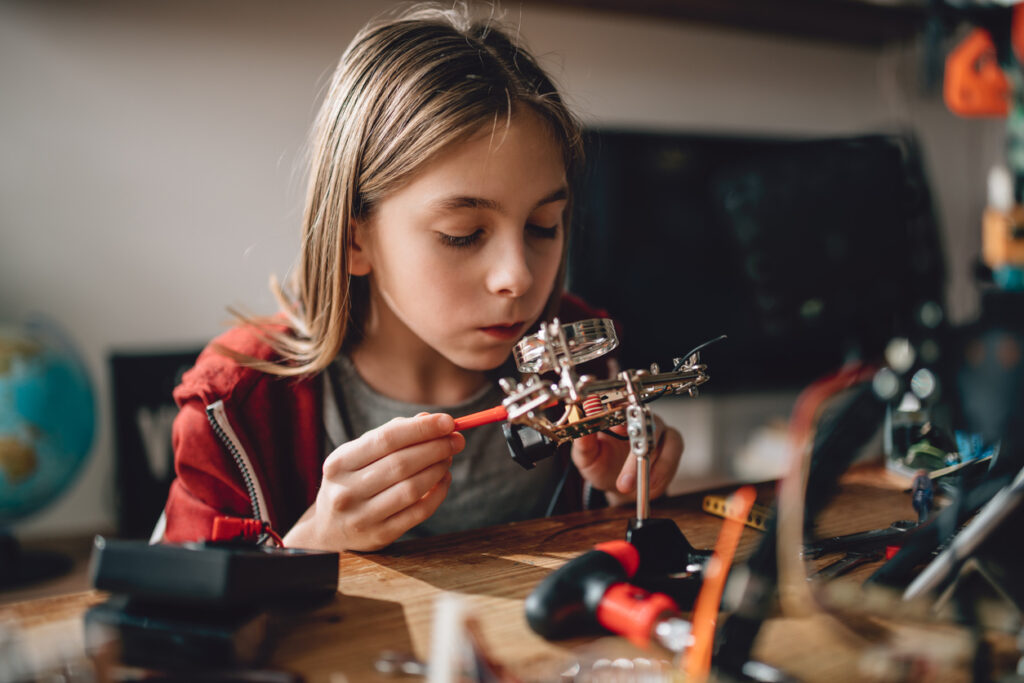
Learning through trial and error required courage and patience. Without instructions, people experimented. Mistakes were expected and useful. This skill encouraged resilience and curiosity. Success felt earned through effort. Failure taught adjustment rather than avoidance. Learning became active and personal. It strengthened confidence through experience. This habit supported growth by encouraging reflection and persistence. Trial and error reinforced adaptability, helping people approach challenges with flexibility and creativity. It showed that progress often comes from trying, observing results, and refining actions over time, building practical knowledge rooted in experience rather than passive instruction or reliance on perfect guidance in everyday tasks.
27. Waiting for Responses

Waiting for responses was normal. Letters and calls took time. Anticipation became part of communication. This skill encouraged patience and emotional regulation. Not knowing taught acceptance. Responses felt meaningful when they arrived. Waiting reduced urgency and impulsiveness. It allowed space for reflection. This habit strengthened perspective and resilience, reminding people that not everything required immediate resolution. Waiting taught calm endurance, helping individuals manage expectations and emotions gracefully. It supported balance by slowing interactions, reinforcing thoughtful communication, and encouraging trust in timing rather than constant reassurance or instant validation within relationships and decision making processes.
28. Remembering Stories Accurately
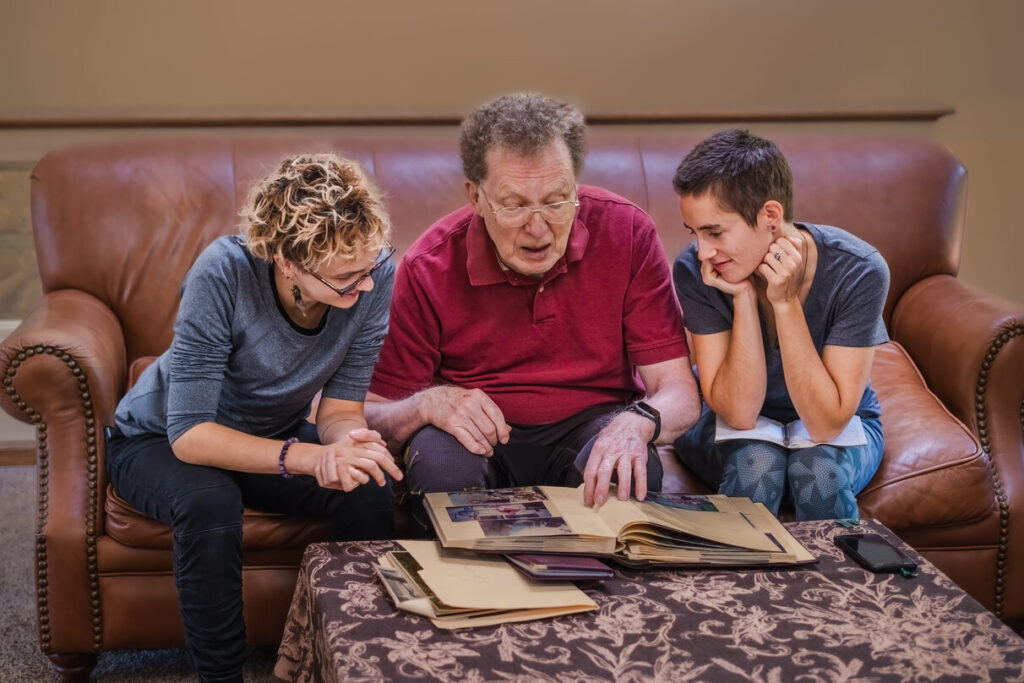
Remembering stories required listening closely. Details mattered. Retelling preserved meaning and connection. This skill strengthened attention and respect. Stories carried lessons, humor, and identity. Accurate memory honored shared experiences. This habit reinforced listening as an active practice. Remembering stories strengthened relationships by showing care. It preserved personal and cultural history through repetition. This skill supported empathy and continuity, helping people feel seen and remembered. Story memory encouraged presence and understanding, reinforcing bonds across families and communities by valuing shared narratives passed through conversation, remembrance, and thoughtful retelling over time without reliance on recordings or written prompts.
29. Being Present by Default

Being present once required no effort. Distraction was limited. Conversations held attention fully. Experiences felt complete. This skill deepened relationships and satisfaction. Presence encouraged awareness of moments as they happened. It reduced mental noise. This habit strengthened gratitude and connection. Being present supported emotional clarity and engagement. It helped people respond thoughtfully rather than react automatically. Presence reinforced meaning in everyday interactions, reminding individuals that attention is a gift. Living without constant interruption allowed moments to linger, supporting richer experiences, stronger bonds, and a quieter sense of fulfillment woven into daily life through awareness, listening, and genuine engagement with others.
30. Trusting What You Knew

Trusting what you knew meant acting without endless confirmation. People accepted uncertainty and moved forward. Skills learned over time worked together quietly. Memory, patience, and judgment supported decisions. This trust encouraged independence and confidence. It closed the circle of forgotten skills. Acting without constant searching reinforced belief in personal capability. This habit reminded people they were enough. Revisiting these skills shows they still exist beneath convenience. Remembering them invites balance, self trust, and calm.
This story 30 Forgotten Skills People Learned Before Google was first published on Daily FETCH


