
1. When Weather Filled Our Whole World
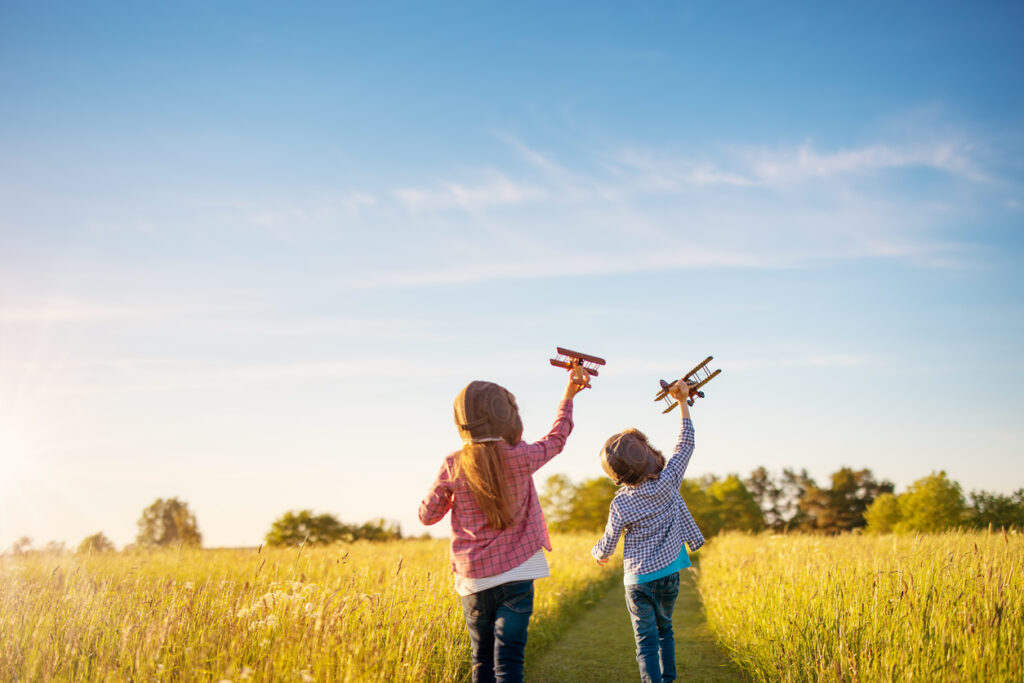
When we say weather felt different as kids, we are also remembering a time when life moved slower and attention was fuller. Childhood days were shaped by sunshine, rain, and wind because our worlds were small enough for weather to matter deeply. A cloudy morning changed plans. A hot afternoon meant play, not discomfort. We noticed skies because we lived under them. As adults, weather competes with work, screens, and schedules. It still shows up, but we meet it distracted. The shift is subtle. Weather did not shrink. Our focus did, and that quietly changed how it feels.
2. More Time Outside Meant Stronger Sensations
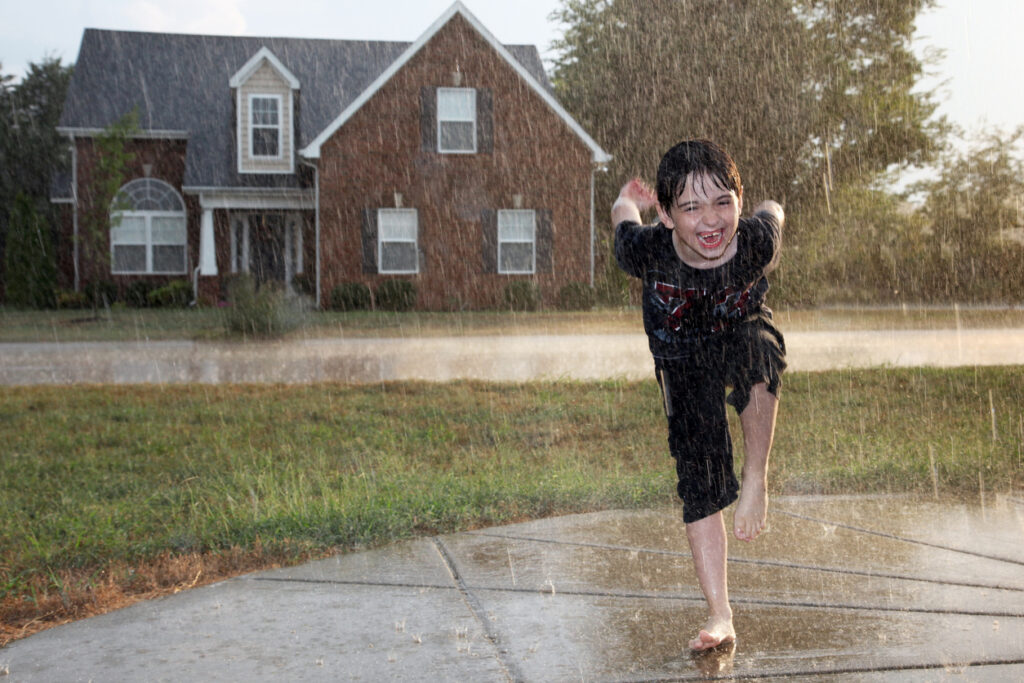
Growing up, being outside was not intentional. It was automatic. Streets, schoolyards, balconies, and open fields were daily spaces, not weekend treats. Weather touched skin directly and often. Sun warmed slowly. Rain soaked clothes without warning. Wind shaped games and moods. Now most adult life happens indoors, buffered by walls, fans, and air conditioning. Weather becomes something to check, not something to feel. Less exposure softens sensation. When we do step out, the contrast feels sharper. It is not that weather became harsher. We simply stopped living inside it the way we once did.
3. Adult Stress Changes How Weather Lands
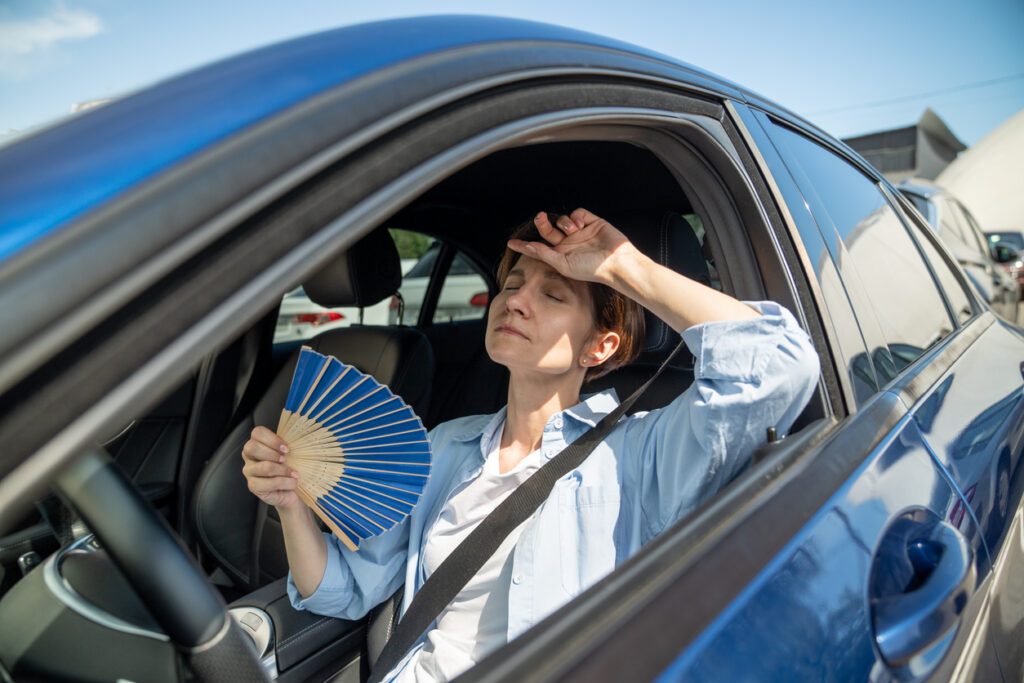
Stress rewires how the body experiences discomfort. As children, stress came and left quickly. Adult stress lingers quietly in the background. Bills, responsibilities, and expectations sit in the nervous system. When heat rises or cold bites, it stacks on top of everything else already carried. Weather becomes one more thing to manage. A warm day feels heavier. A cold morning feels sharper. Childhood weather arrived alone. Adult weather arrives carrying weight. The sensation changes because the body receiving it has changed. Weather did not become overwhelming by itself. Life filled the space around it.
4. Climate Patterns Are Less Familiar
Weather today often feels unfamiliar because patterns have shifted. Seasons blur into each other. Heat lasts longer. Rain arrives unexpectedly. As children, weather followed rhythms we trusted without thinking. Harmattan smelled a certain way. Rain came when it was supposed to. Today, surprises are common. When the body expects one thing and receives another, it notices more. Familiarity creates comfort. Uncertainty creates tension. Weather feels different when it no longer behaves the way memory expects. The body keeps comparing today with what once felt predictable, even when change happened slowly over many years.
5. Memory Edits Childhood Kindly
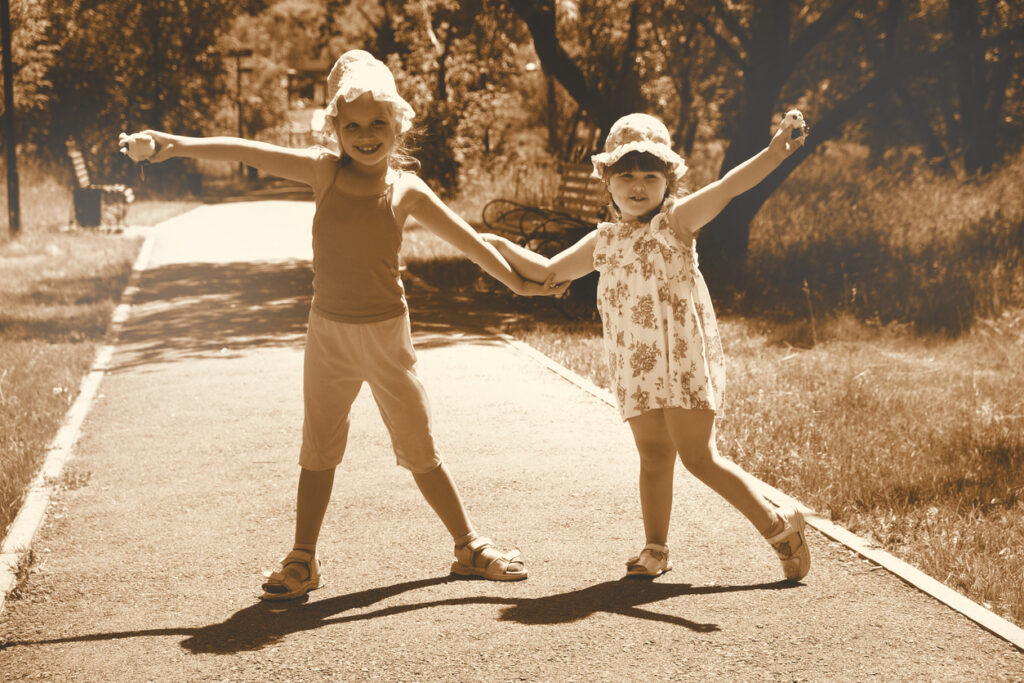
Memory is not a perfect record. It softens edges and keeps emotions. Childhood weather memories are stored alongside laughter, safety, and freedom. We remember long holidays, not humidity. We remember rain as play, not inconvenience. Adult weather carries errands, deadlines, and fatigue. Memory compares unfairly. The past feels gentler because it is remembered gently. Weather did not always behave better. We just remember it through warmer moments. Nostalgia turns sensation into story. When today feels harsher, it is often because memory saved only the best parts of then.
6. Cities Hold Heat Differently
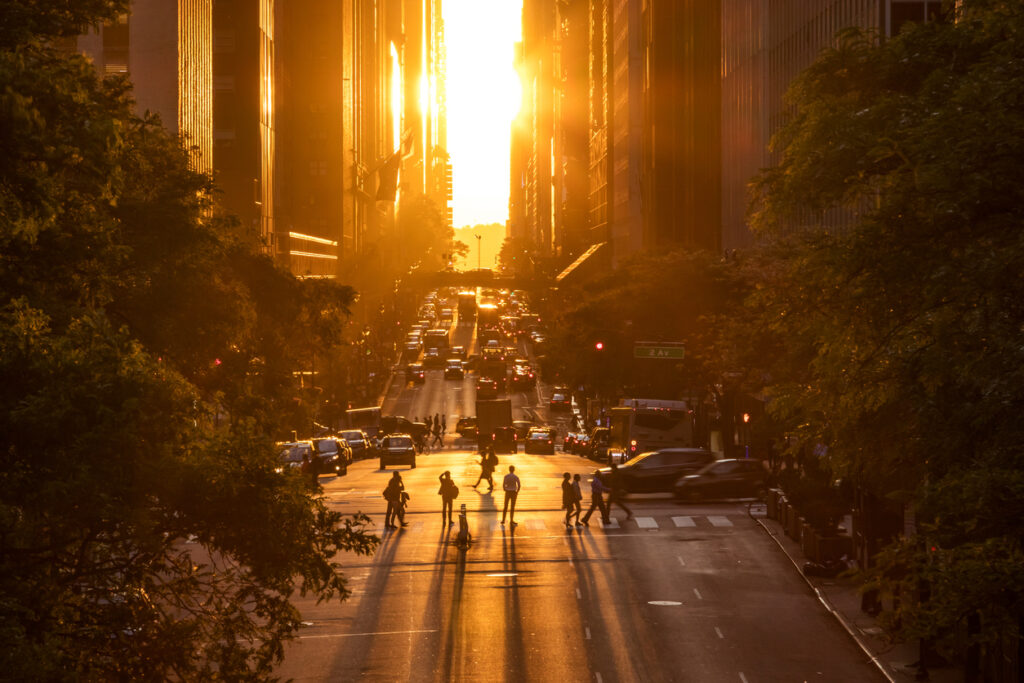
Many childhood environments had more open space, trees, and airflow. Modern cities are built from concrete, asphalt, and glass. These surfaces trap heat and release it slowly. Days stay warmer. Nights offer less relief. Weather lingers longer against the body. Even familiar temperatures feel heavier when the environment holds them in place. Childhood neighborhoods breathed more easily. Adult cities hold on tightly. The same sun feels stronger. The same warmth lasts longer. Weather feels different because surroundings amplify it. Where we live now shapes how weather behaves and how we experience it.
7. Bodies Change with Time
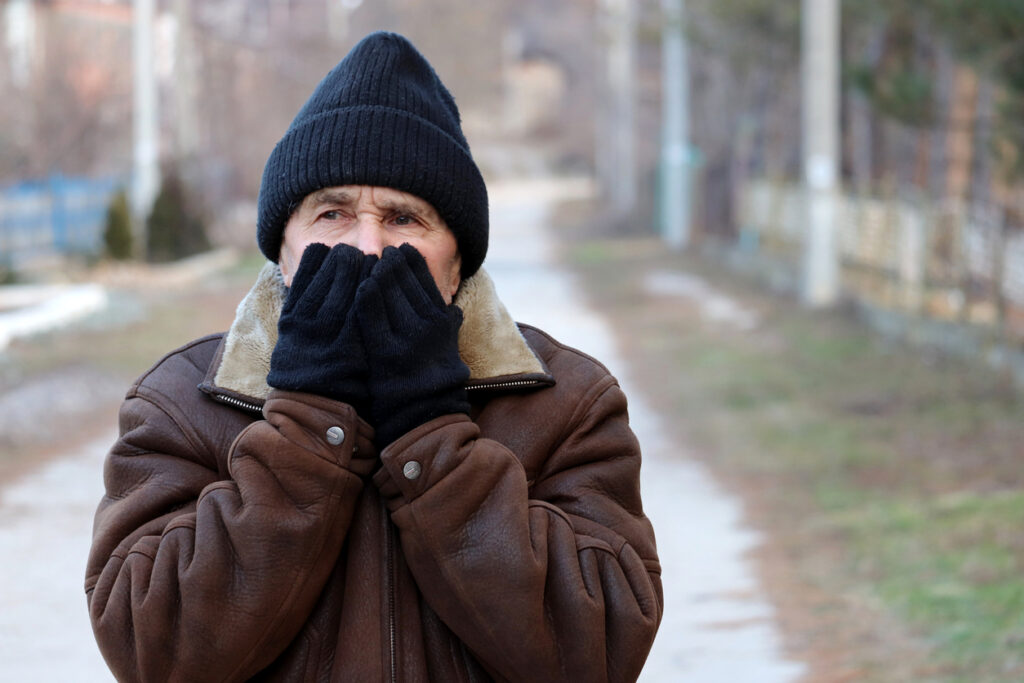
Children regulate temperature differently. Movement is constant. Discomfort passes quickly when play distracts the mind. Adult bodies respond more slowly. Metabolism shifts. Joints ache. Awareness increases. Heat and cold linger longer in sensation. Weather feels sharper because the body feels more. This is not weakness. It is change. Childhood bodies absorbed weather without commentary. Adult bodies notice everything. Weather did not suddenly turn aggressive. The body receiving it grew more sensitive, more aware, and more honest about discomfort that was always there.
8. Technology Preloads the Experience
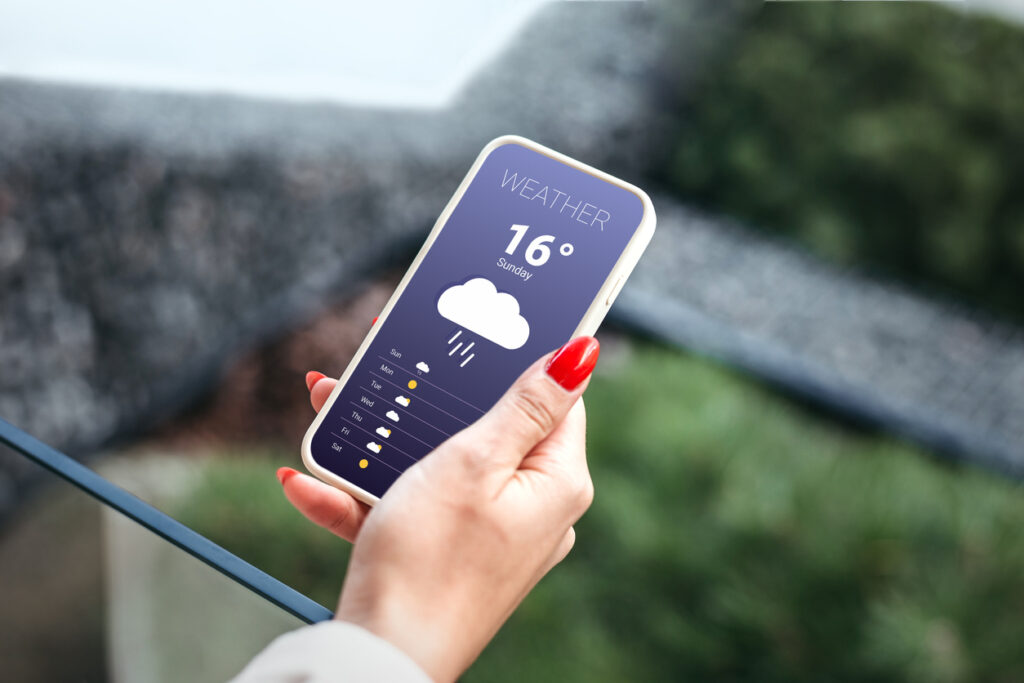
Before stepping outside, we already know what weather is coming. Alerts, forecasts, and warnings shape expectations. A hot day arrives labeled extreme. Rain arrives framed as disruption. As children, we looked outside and discovered weather in real time. Now we absorb it emotionally before feeling it physically. Anticipation changes sensation. Expecting discomfort makes it louder. Weather feels heavier because we carry predictions into it. Childhood met weather fresh. Adult weather arrives with commentary. Knowing too much too early changes how the body responds.
9. We Notice Loss More Than Change
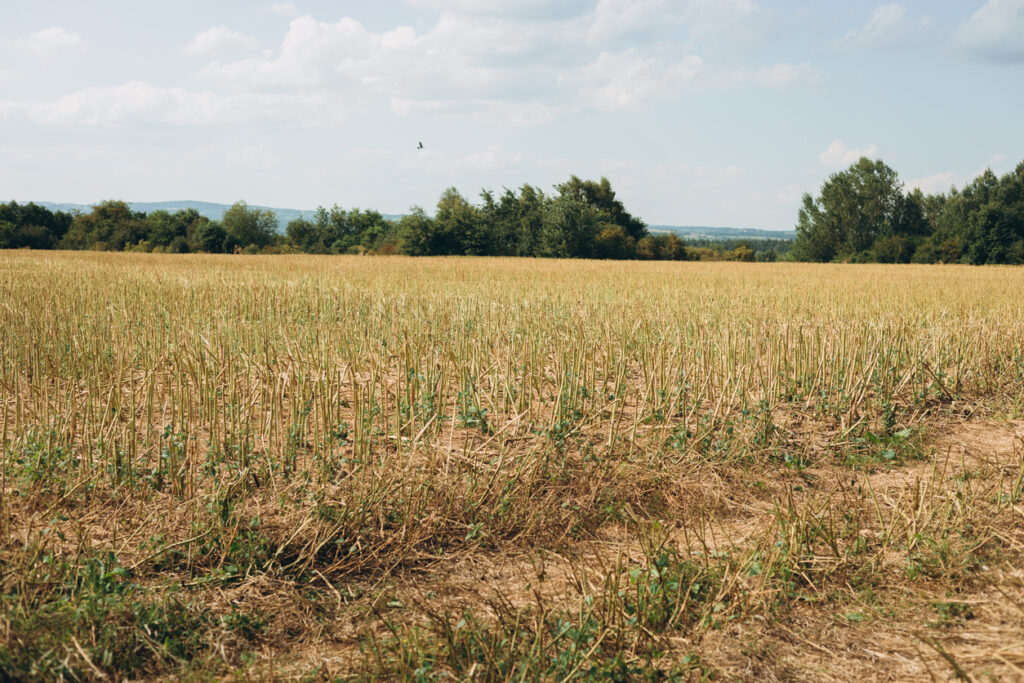
Weather feels different partly because we notice what is missing. Shorter rains. Cooler mornings that no longer arrive. Clear seasonal markers that quietly faded. Loss registers louder than gain. Even neutral change feels negative when compared to memory. Childhood accepted weather as it came. Adulthood measures it against what used to be. Awareness sharpens dissatisfaction. Weather becomes a reminder of change rather than a daily presence. The feeling is not only about temperature or rain. It is about noticing that something familiar shifted without asking permission.
10. Weather Is Less Shared Now
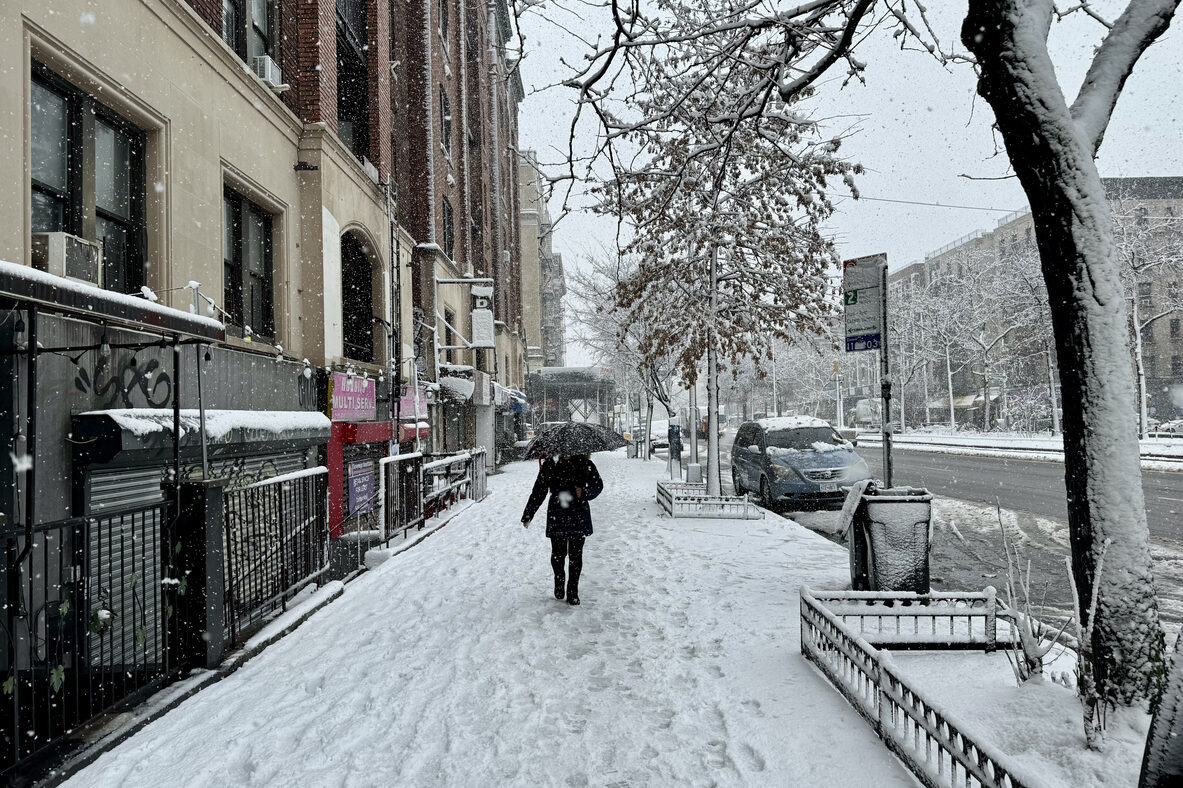
Weather once happened collectively. Children played through it together. Neighbors talked about it. Storms became shared stories. Heat meant everyone stayed outside late. Today, weather is often experienced alone. Commutes, offices, and screens isolate sensation. Without shared reactions, discomfort feels heavier. Joy feels quieter. Childhood weather came with witnesses. Adult weather often arrives privately. Sharing lightens experience. Isolation intensifies it. Weather feels different when it is no longer part of a communal rhythm but something each person quietly endures on their own.
11. Responsibility Changed the Mood
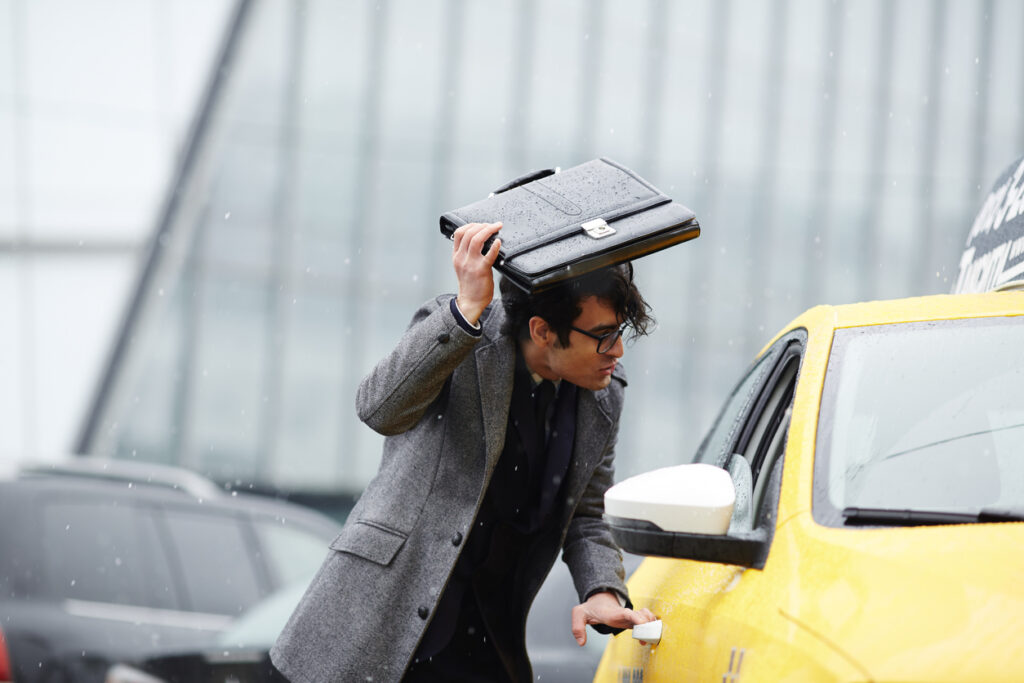
As children, weather shaped play. As adults, it shapes logistics. Rain delays meetings. Heat affects productivity. Cold complicates movement. Weather now interferes with responsibility. The emotional tone shifts. What once felt exciting now feels inconvenient. The same rain that meant puddles now means traffic. The same sun that meant freedom now means exhaustion. Weather did not lose its magic on its own. Responsibility reframed it. When weather starts costing time, energy, and effort, it feels heavier even if it behaves the same.
12. We Are Still Adjusting to It

Weather feels different because we are learning how to meet it again as changed people. Memory, stress, awareness, and environment all speak at once. Childhood taught wonder. Adulthood asks for adjustment. Somewhere between both is acceptance. Weather still shows up daily, asking to be felt honestly, not nostalgically. It does not need to match the past to matter now. Paying attention without comparison softens the experience. If this changed how today’s weather feels, step outside briefly, notice one detail, and let the season meet you where you are.
This story The Real Reason Weather Feels Different Than It Did in Childhood was first published on Daily FETCH


