
1. Reading the Recipe First

Cooking at home usually starts with a quiet decision to slow down, and chefs begin by reading the recipe fully before anything else. This small habit shapes the whole meal. Knowing each step ahead removes panic and builds confidence. You notice resting times, divided ingredients, and moments where multitasking helps. At home, this prevents mistakes that only appear halfway through cooking. The kitchen feels calmer, and the food benefits from that calm. Instead of reacting to surprises, you move with intention. Reading first turns cooking into a guided flow rather than a rushed series of guesses during everyday home meals.
2. Prepping Everything First
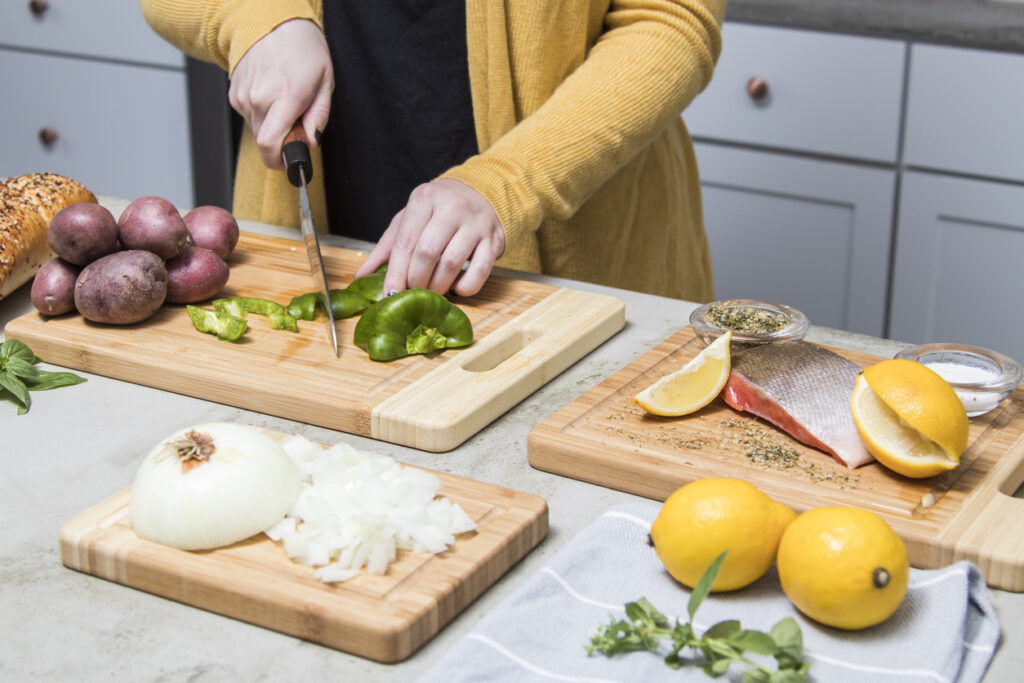
Before heat ever touches the pan, chefs quietly prepare everything they need. Vegetables are chopped, spices measured, and tools placed within reach. This habit removes stress once cooking begins. At home, it keeps food from burning while you search for ingredients. The rhythm feels smoother, almost relaxing. You stay focused on taste and timing instead of scrambling. Even simple meals benefit from this calm structure. Prep time shortens cooking time and improves results. When everything is ready, cooking feels deliberate and controlled. It becomes easier to enjoy the process instead of racing through it during busy weekday nights at home.
3. Keeping Knives Sharp
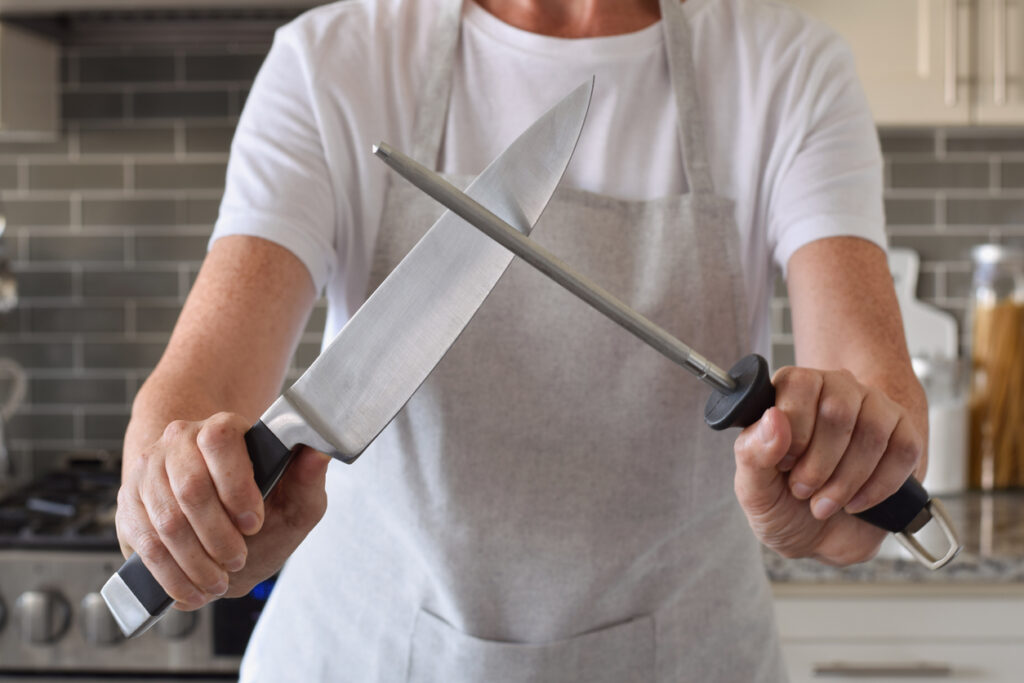
Chefs keep their knives sharp because dull tools slow everything down. A sharp knife moves cleanly through food and reduces effort. At home, this saves time and prevents frustration. Ingredients look better and cook more evenly when cut properly. Sharp knives also feel safer because they require less force. Prep becomes smoother and more confident. When cutting feels easy, cooking feels lighter. This simple habit turns routine chopping into something almost satisfying. Maintaining knives regularly means fewer struggles and better meals. Over time, sharp tools quietly improve every dish you make with consistent daily use in home kitchens everywhere today.
4. Using Fewer Tools
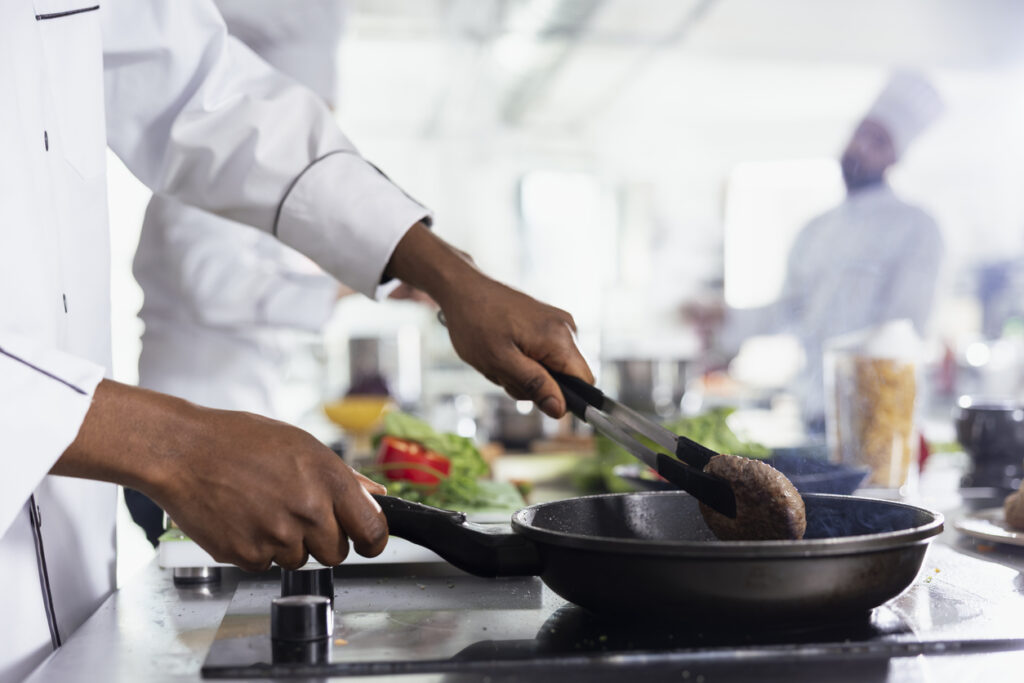
At home, chefs simplify their kitchens by using fewer tools. One reliable pan and a solid spoon often do the work. Fewer gadgets mean less clutter and faster cleanup. This approach keeps attention on the food instead of equipment. Cooking feels less overwhelming and more intuitive. You learn how heat and timing behave without distractions. Meals come together efficiently because nothing is in the way. This shortcut builds confidence over time. When tools are familiar, decisions become easier. Simplicity makes cooking approachable, especially on tired evenings when energy is low and comfort matters most at home kitchens everywhere daily now.
5. Seasoning Early
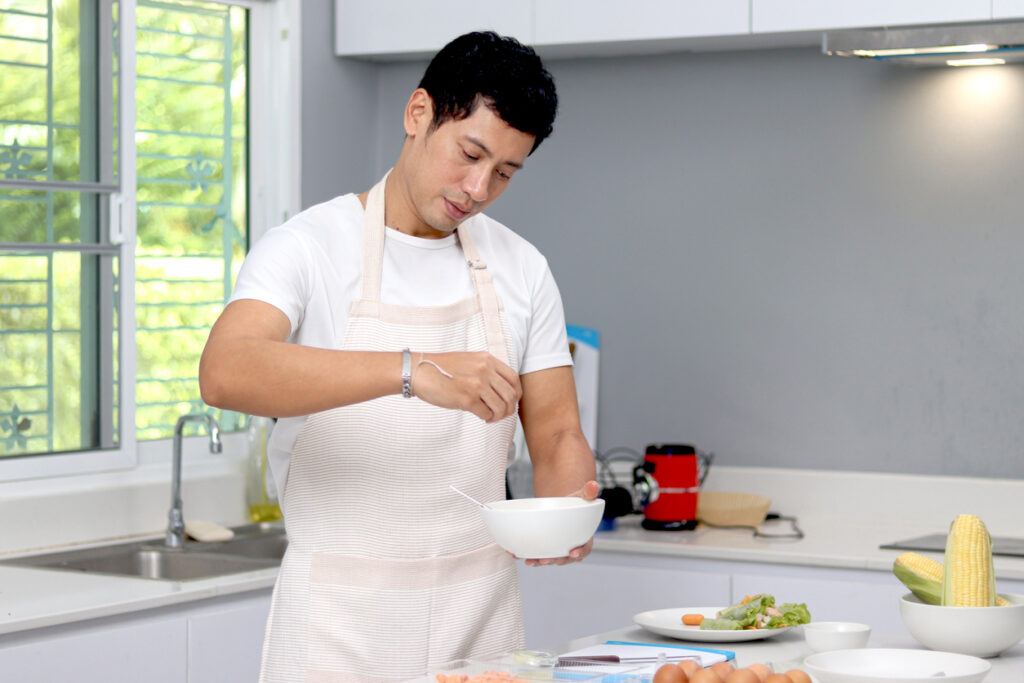
Chefs season food early and often instead of waiting until the end. This builds flavor gradually and evenly. At home, early seasoning prevents bland results and last minute fixes. You taste as you cook and adjust gently. Meals feel balanced without being salty. This habit also trains your palate over time. Cooking becomes more intuitive and less rigid. Small pinches add up to better flavor. Once you start seasoning early, it becomes natural. Food tastes fuller and more comforting with very little extra effort during everyday home cooking routines that grow easier with practice over time naturally for most people.
6. Trusting Taste Over Timing
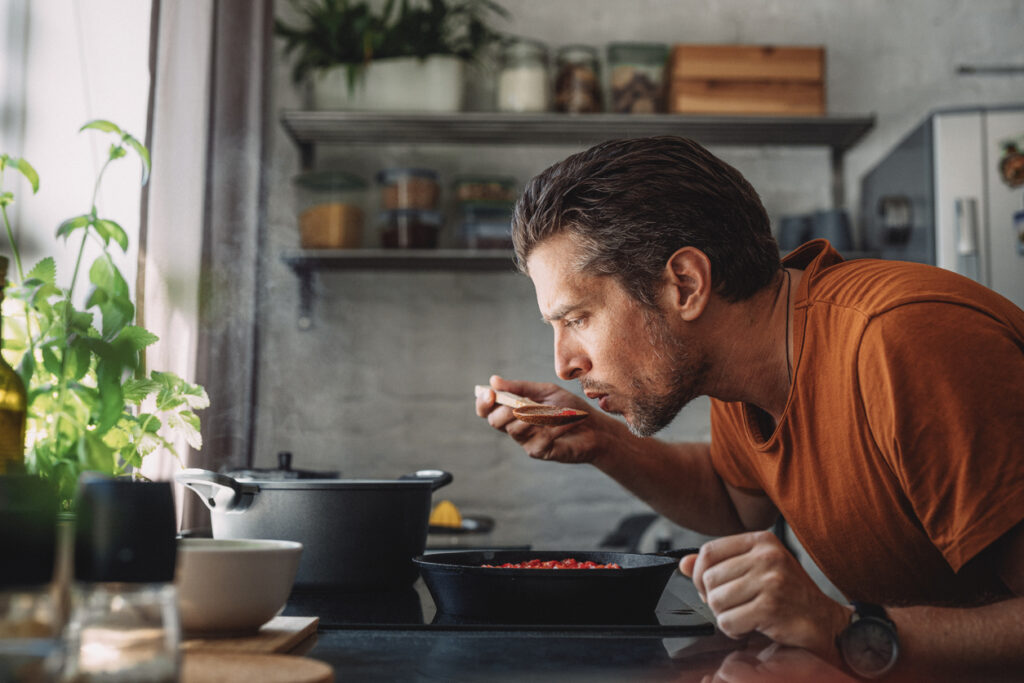
Chefs trust their senses more than timers when cooking. Smell, texture, and taste guide decisions better than numbers. At home, this prevents overcooking and frustration. Pasta finishes when it feels right. Sauces balance when they taste complete. This approach encourages attention and presence. Cooking becomes responsive rather than mechanical. You learn to adjust naturally instead of following rigid rules. Over time, confidence grows with every meal. Trusting taste helps food reflect care rather than strict instruction during relaxed home kitchens where learning happens slowly and mistakes feel forgivable and human over time with practice and patience built in daily cooking.
7. Letting Meat Rest
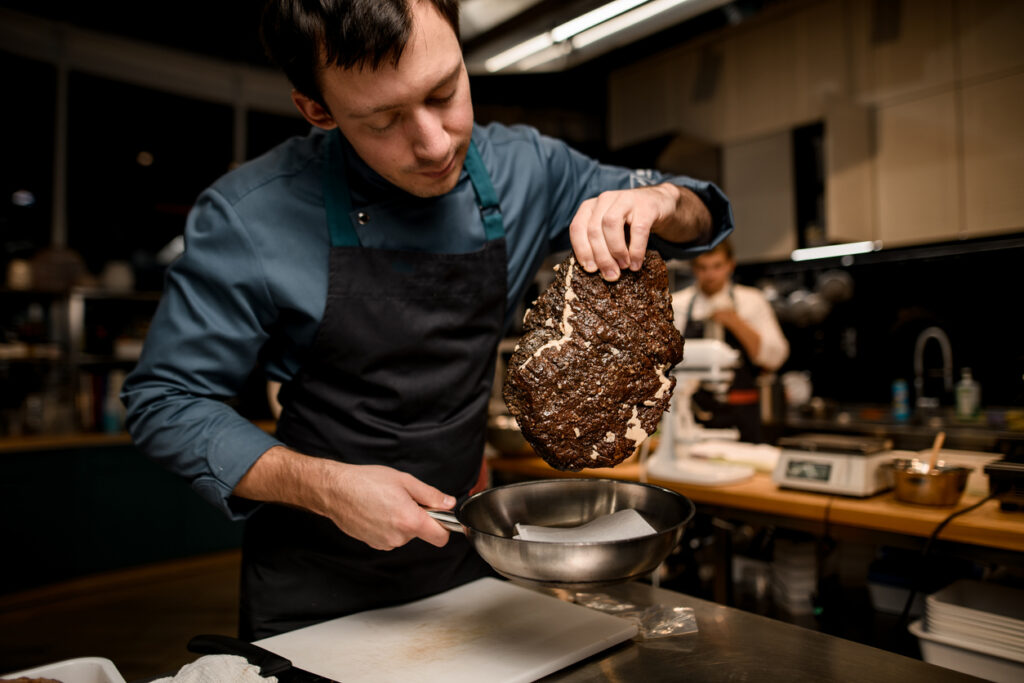
After cooking meat, chefs allow it to rest before cutting. This pause keeps juices inside and improves texture. At home, resting meat makes meals noticeably better. Cutting too soon causes dryness and wasted effort. Waiting a few minutes costs nothing but patience. During that time, you can finish sides or tidy up. The result feels intentional and satisfying. This habit is easy to adopt and hard to abandon. Once you notice the difference, resting becomes automatic in your cooking routine especially during busy home dinners where results matter without extra effort added or stress involved for anyone cooking tonight again.
8. Using High Heat Properly
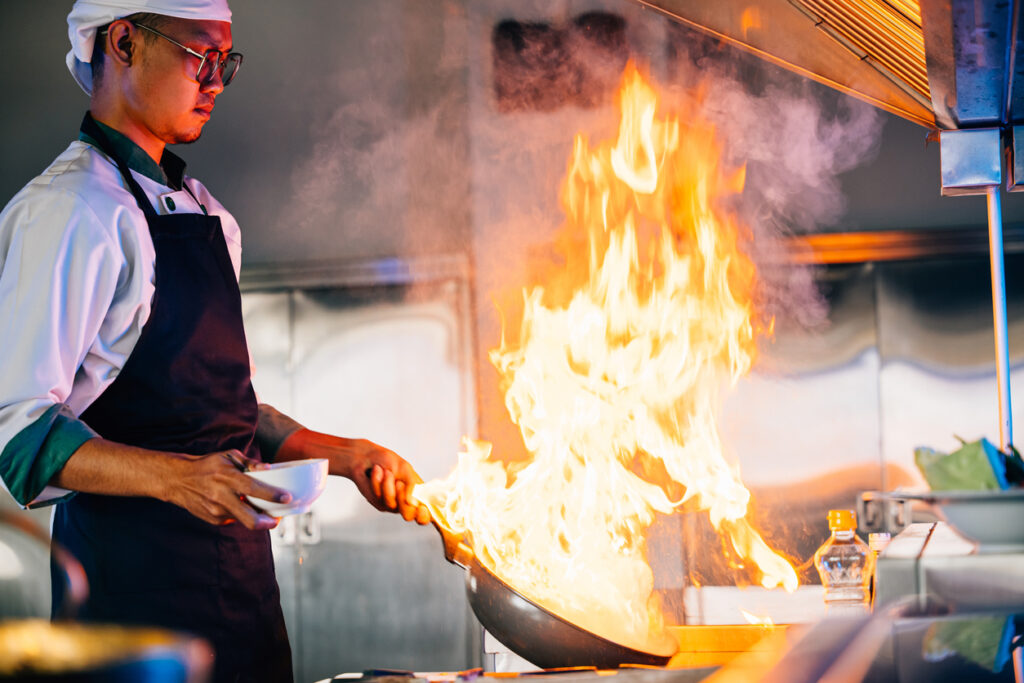
Chefs heat their pans properly before adding food. A fully heated pan creates better browning and prevents sticking. At home, this improves flavor and texture immediately. Food sears instead of steaming. Cooking also finishes faster because heat works efficiently. Waiting for the pan feels slow but saves time later. Once you trust this step, cooking feels controlled. The kitchen smells better and looks more confident. This shortcut builds reliable results without complicated techniques that overwhelm home cooks who simply want good food without stress or constant adjustment during dinner preparation time at home kitchens daily now please note this habit.
9. Saving Pasta Water
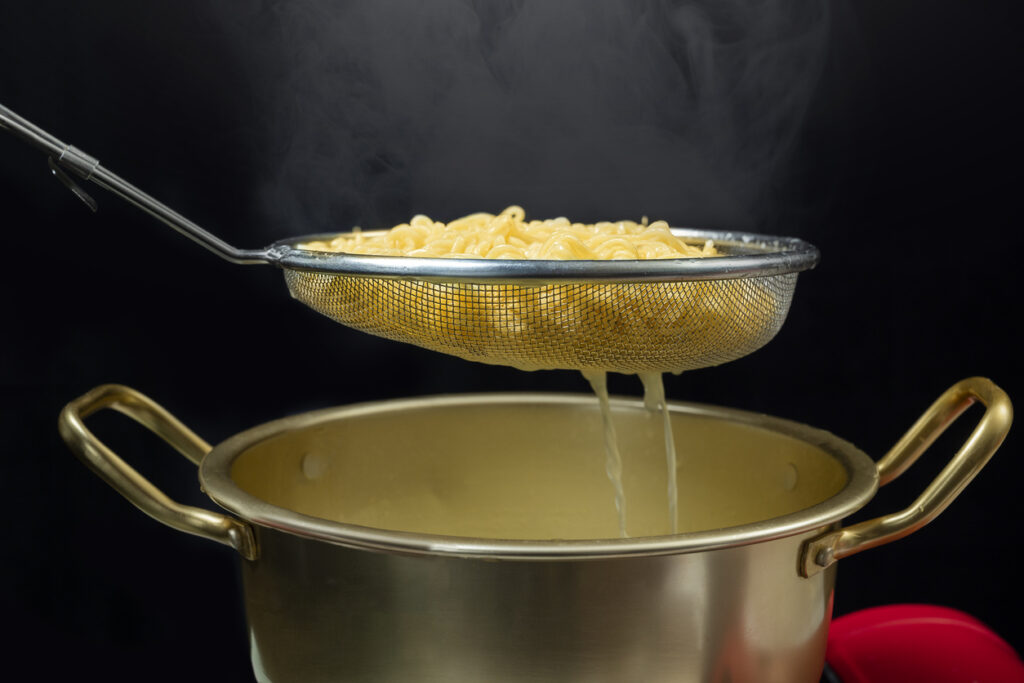
Chefs save pasta water because it quietly improves sauces. The starch helps everything cling together smoothly. At home, this simple habit fixes dry pasta dishes quickly. A small splash brings sauces back to life. You avoid adding unnecessary fats or extra seasoning. Keeping a mug nearby is enough. Once you try it, the difference is clear. Pasta tastes cohesive and intentional. This shortcut feels small but delivers reliable results every time you cook pasta at home kitchens where comfort meals matter and simple wins feel rewarding again with minimal effort required from anyone cooking today at home consistently now always.
10. Cooking with What Is Available
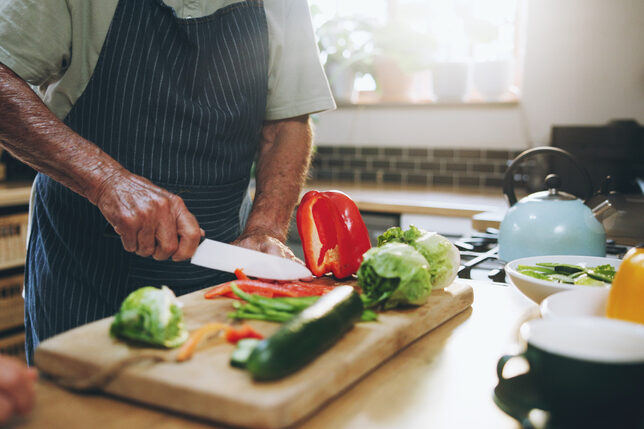
At home, chefs rarely follow recipes exactly. They cook with what is available and adjust naturally. This mindset removes pressure and encourages creativity. Missing ingredients become opportunities instead of obstacles. Meals feel personal and flexible. Cooking becomes less about perfection and more about problem solving. This habit also reduces waste. You stop postponing meals because something is missing. Confidence grows with each adjustment. Over time, flexible cooking feels freeing and deeply practical especially for busy home cooks who want satisfying food without unnecessary stress or strict planning every single night of the week at home kitchens everywhere today now truly.
11. Cleaning as You Go
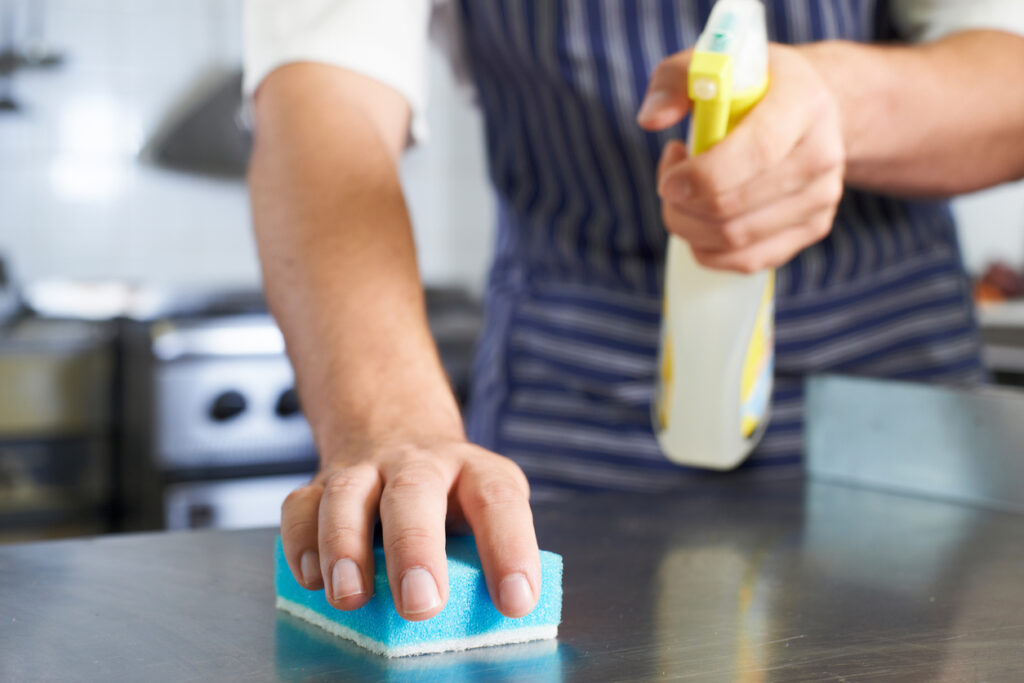
Chefs clean as they cook because clutter slows momentum. At home, wiping surfaces and rinsing tools between steps keeps the kitchen manageable. Mess does not pile up. By the time dinner is ready, cleanup feels minimal. This habit protects energy and mood. Cooking ends calmly instead of with dread. A clean kitchen also invites you back sooner. When the space feels orderly, cooking feels possible. This shortcut quietly supports consistency and enjoyment in everyday home cooking routines that matter more than perfection on busy nights when energy runs low at home kitchens everywhere consistently today now always for cooks learning.
12. Using Salted Butter
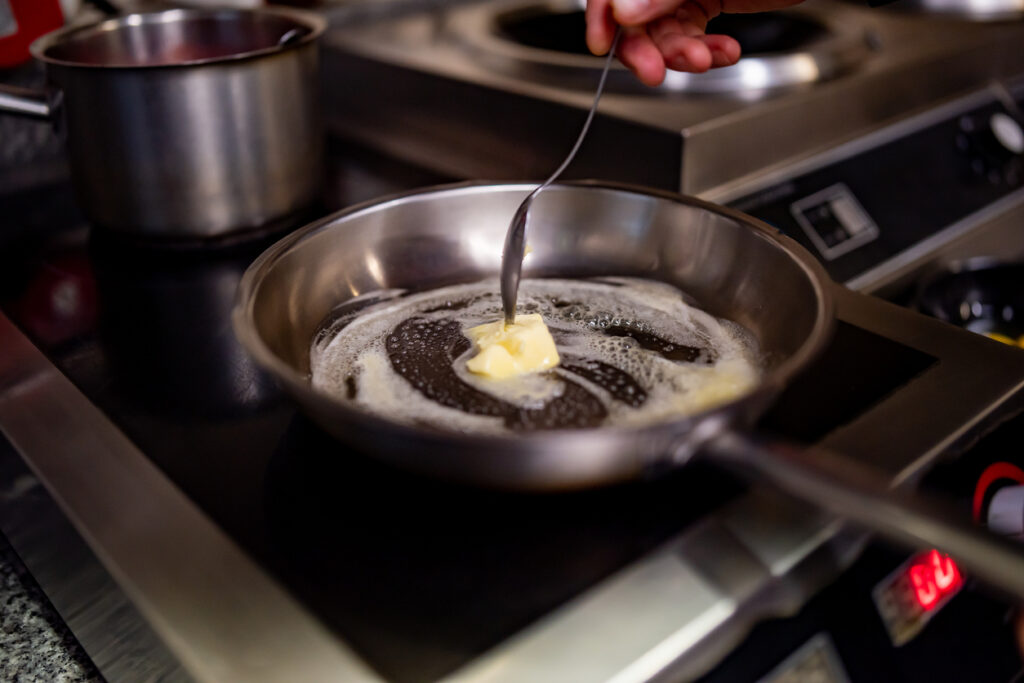
Many chefs choose salted butter at home for its fuller flavor. It seasons dishes naturally without extra steps. This simplifies cooking decisions. Food tastes balanced without constant adjustment. Salted butter also stores well and works in most recipes. At home, this choice reflects practicality over rigid rules. You cook based on taste, not theory. This shortcut reduces guesswork and saves time. Small choices like this quietly improve meals day after day especially for home cooks seeking comfort and reliability without overthinking every ingredient used during regular cooking routines at home kitchens everywhere now and always daily for real people cooking.
13. Letting Onions Go Longer
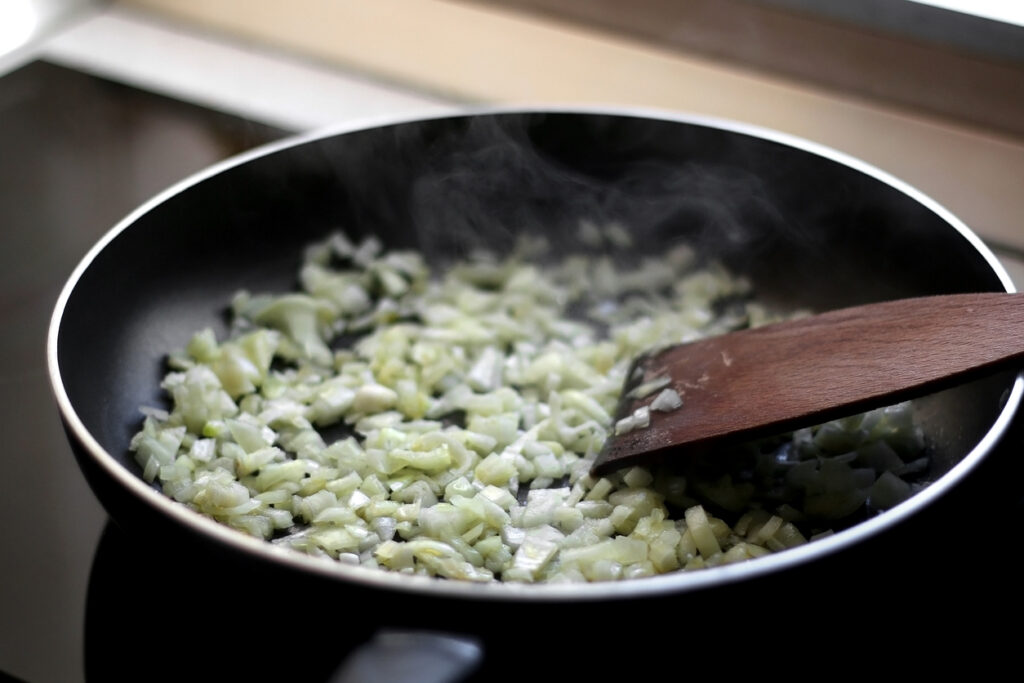
Chefs allow onions to cook slowly until soft and sweet. Rushing them leads to bitterness. At home, patience with onions builds deep flavor. The aroma changes as they soften, signaling progress. This step forms the base of many dishes. Letting onions go longer reduces the need for extra seasoning later. Cooking feels calmer and more grounded. Once learned, this habit becomes familiar and comforting. Many meals quietly begin this same way inside home kitchens where patience turns simple ingredients into satisfying food without rushing the process every time dinner is prepared calmly and carefully again today by thoughtful cooks everywhere.
14. Using Leftovers Creatively
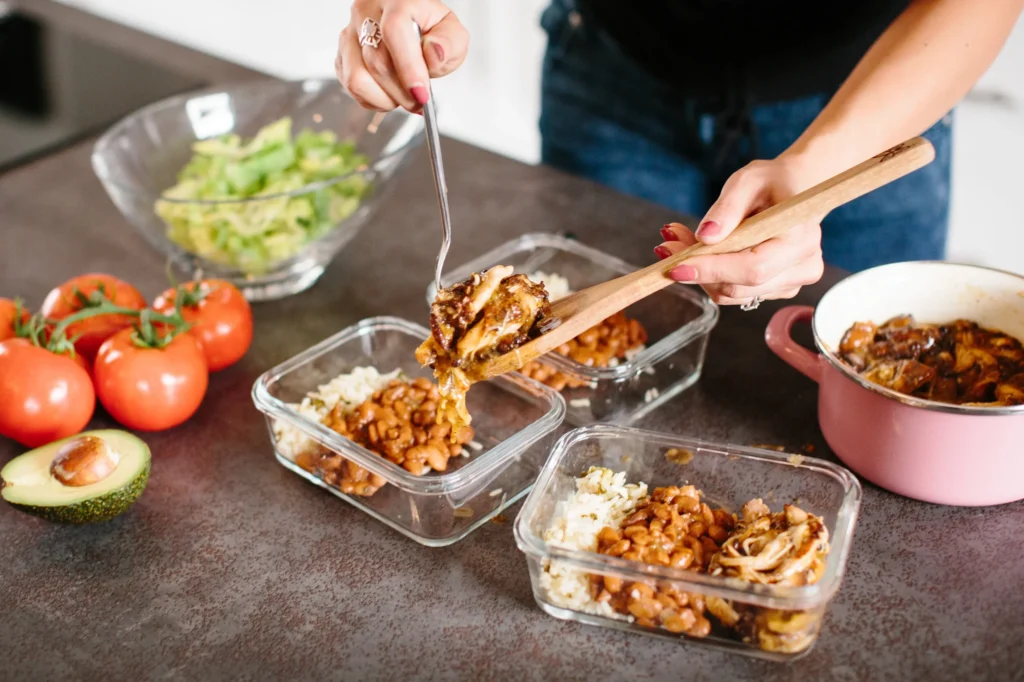
Chefs treat leftovers as ingredients rather than mistakes. Cooked vegetables become fillings and grains become new meals. At home, this saves money and effort. You stop wasting food and start building faster meals. Leftovers feel useful, not boring. Cooking once stretches further across the week. This habit makes the fridge feel supportive. Meals assemble quickly without starting from scratch. Over time, this approach brings ease and flexibility to daily cooking routines that help busy home cooks feel capable without constant pressure to cook fresh meals every single day while managing life demands calmly and practically at home kitchens everywhere now.
15. Trusting Simple Seasonings
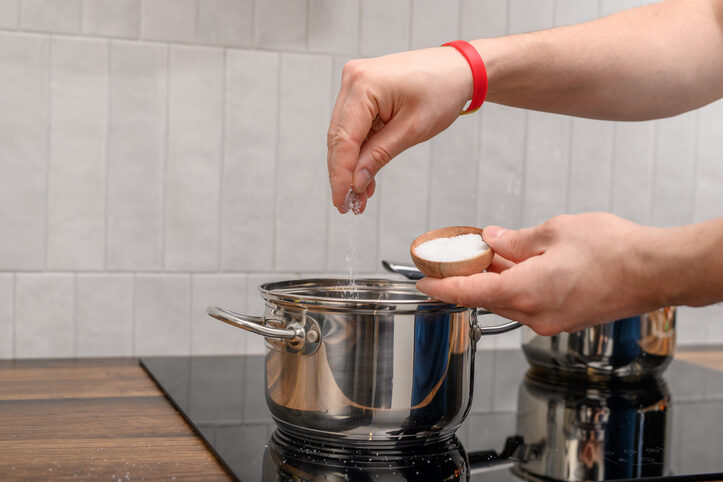
Chefs rely on simple seasoning rather than complicated blends. Salt, pepper, and a touch of acid do most of the work. At home, this keeps flavors clean and balanced. A squeeze of lemon or splash of vinegar fixes dull food quickly. Cooking feels intuitive instead of cluttered. You learn what dishes actually need. This habit builds confidence and restraint. Meals taste fresher and more intentional. Simplicity becomes a quiet strength in everyday cooking especially for home cooks who value clarity comfort and consistency over excess ingredients and unnecessary steps during regular meal preparation at home kitchens everywhere daily now always.
16. Using the Oven More
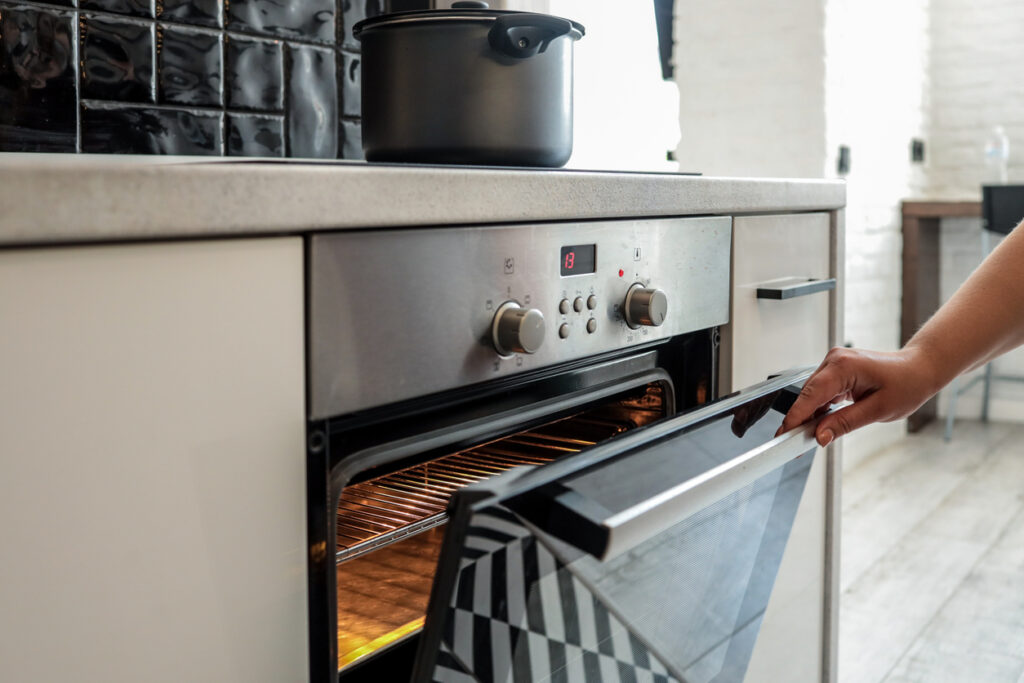
Chefs lean on the oven at home because it does steady work without constant attention. Roasting vegetables, finishing proteins, or reheating gently all benefit from even heat. At home, this frees your hands and mind. You are not hovering over a pan or stirring nonstop. Sheet pan meals simplify dinner and reduce dishes. Food cooks evenly and develops better flavor with time. This habit makes cooking feel manageable on busy days. Letting the oven handle part of the work creates space to relax, tidy up, or simply breathe while dinner comes together calmly and reliably in the background at home.
17. Investing in One Good Pan
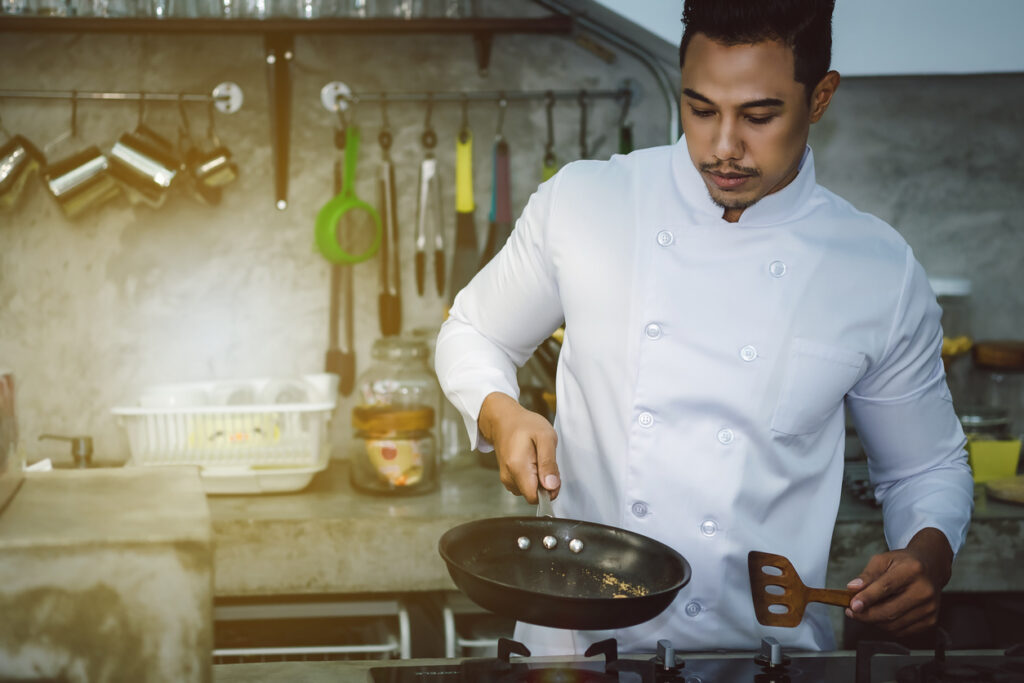
Chefs often rely on one dependable pan they know well. At home, this builds confidence quickly. You understand how it heats, browns, and responds. Cooking becomes intuitive instead of uncertain. One good pan also reduces clutter and decision fatigue. Meals come together faster because nothing feels unfamiliar. Cleanup is easier too. This shortcut saves money and space while improving results. Over time, that single pan becomes part of your rhythm. Familiar tools make cooking feel natural, especially on nights when energy is low and you want food that works without extra thinking or complicated setup at home.
18. Letting Food Brown
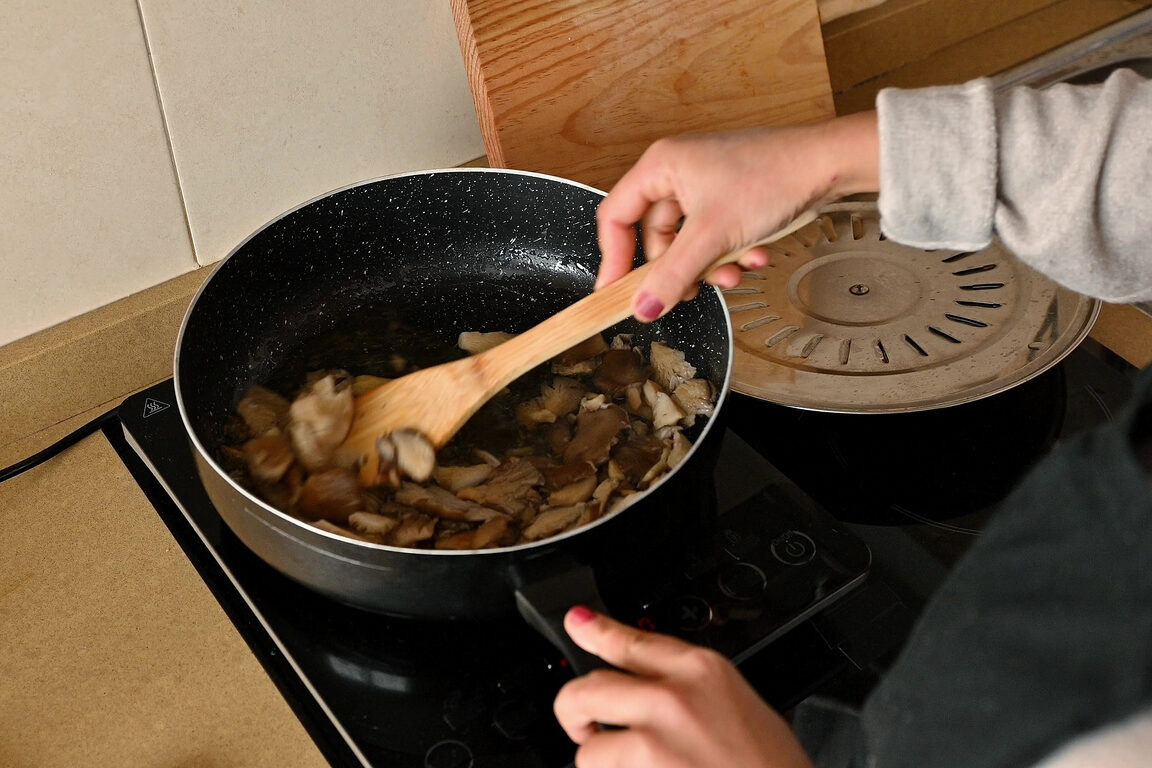
Chefs wait patiently for food to brown properly before moving it. Browning takes time but creates deeper flavor and better texture. At home, resisting the urge to flip too soon makes a noticeable difference. Food releases naturally from the pan when ready. This reduces sticking and frustration. Cooking feels calmer because you are not forcing progress. Once you trust this process, meals improve quietly. Browning builds richness without extra ingredients. It teaches patience and attention, turning simple cooking moments into satisfying results that reward waiting rather than rushing through each step in everyday home kitchens where flavor matters most.
19. Using Freezers Smartly
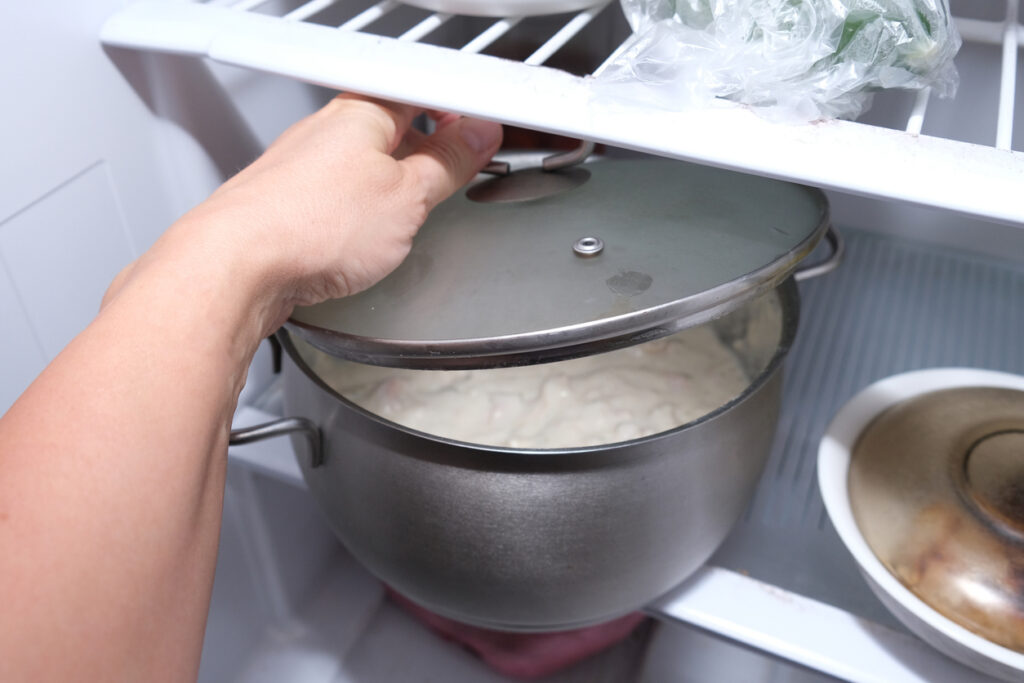
Chefs use freezers often to support daily cooking. Sauces, stocks, bread, and herbs all freeze well. At home, this habit saves time and reduces waste. Cooking once stretches across multiple meals. Busy days feel easier knowing something is ready. The freezer becomes a backup plan rather than forgotten space. This shortcut supports consistency and reduces reliance on last minute takeout. Meals still feel homemade without starting from scratch every time. Over time, using the freezer wisely makes cooking feel sustainable and supportive, especially when life gets busy and energy fluctuates throughout the week at home.
20. Resting Dough and Batter
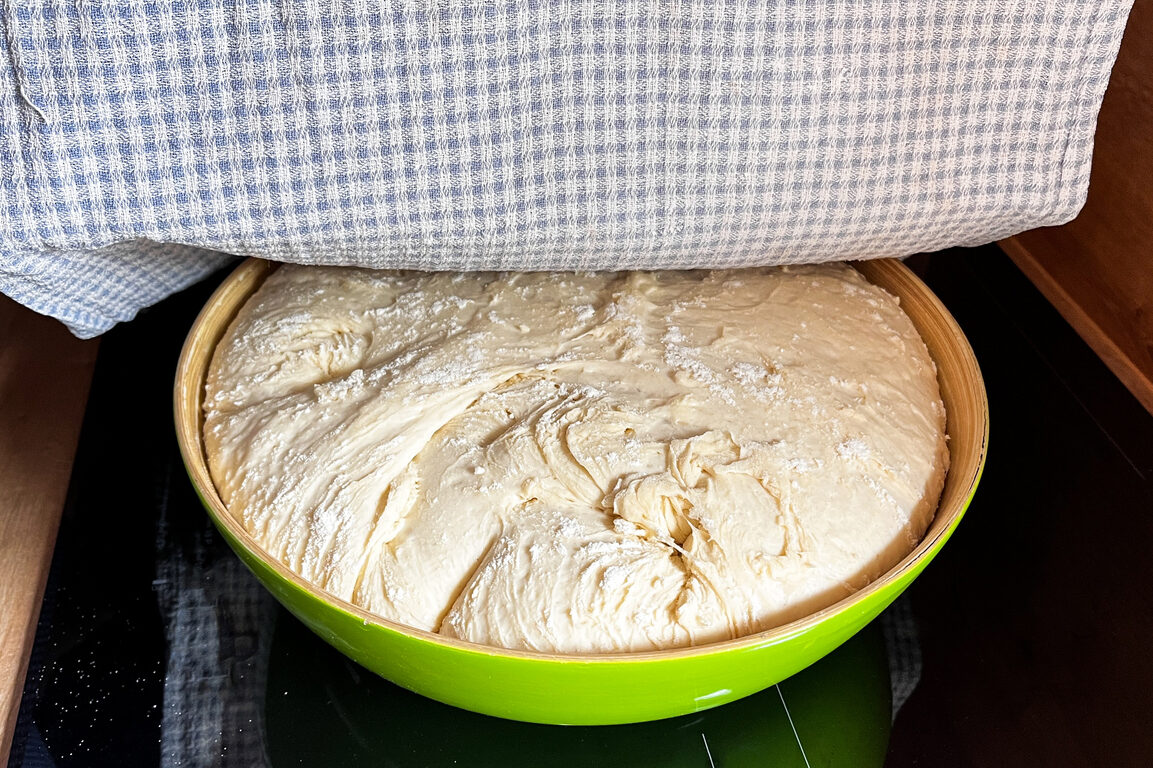
Chefs rest doughs and batters because time improves texture and flavor. Pancake batter, pizza dough, and cookie dough all benefit. At home, resting allows ingredients to hydrate and settle. The result is smoother texture and better structure. This habit requires patience but pays off clearly. You mix, wait, and trust the process. Cooking feels less rushed and more thoughtful. Once you notice the difference, resting becomes routine. Good food often happens quietly while you step away, making this shortcut perfect for home cooks who appreciate simple improvements without extra work or complicated techniques added to their routine.
21. Salting Cooking Water Well
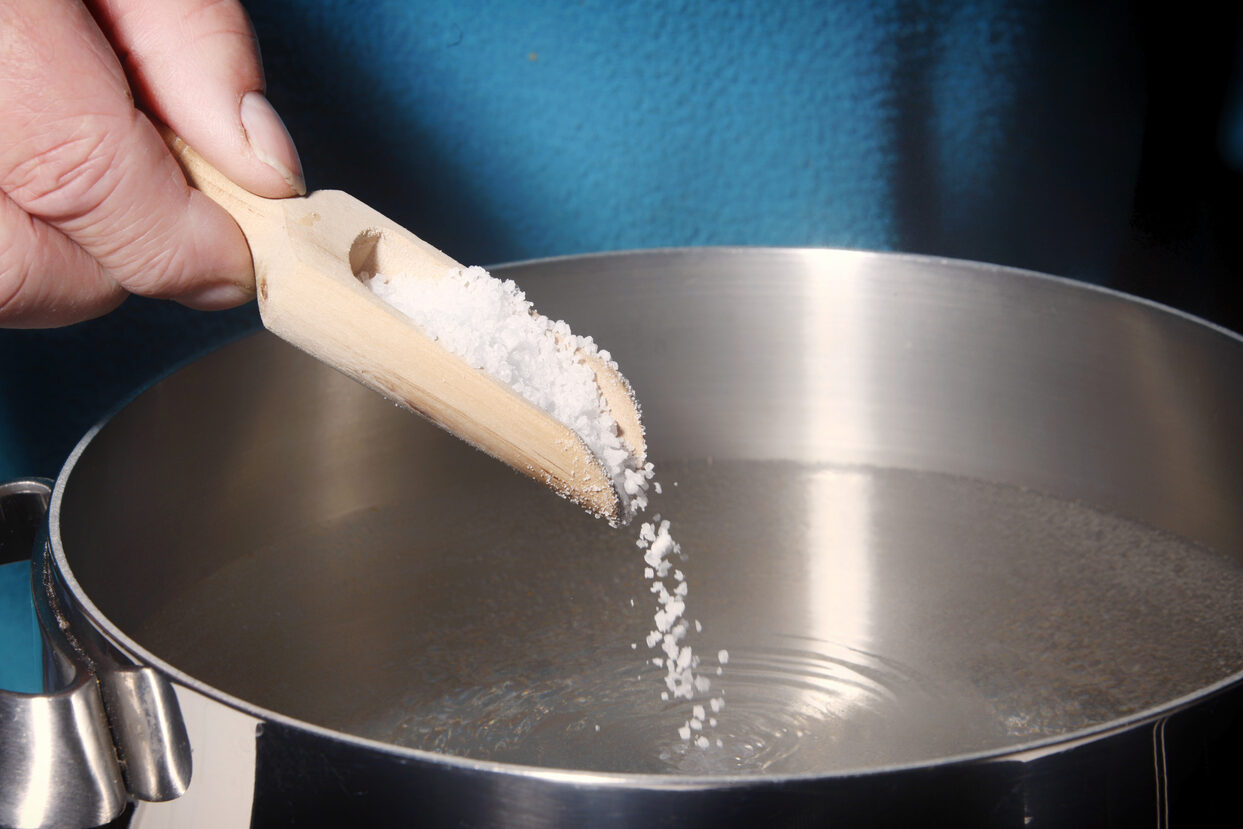
Chefs salt cooking water generously to season food from within. Pasta and vegetables absorb flavor as they cook. At home, this habit improves taste immediately. Food feels complete before sauces or toppings are added. You use less salt later because balance is already there. This shortcut feels bold at first but quickly becomes normal. Once you taste properly seasoned pasta, there is no going back. It is one of those small adjustments that quietly improves everything it touches, helping everyday meals feel more satisfying and intentional without changing recipes or adding extra steps during normal cooking routines at home.
22. Trusting Thermometers
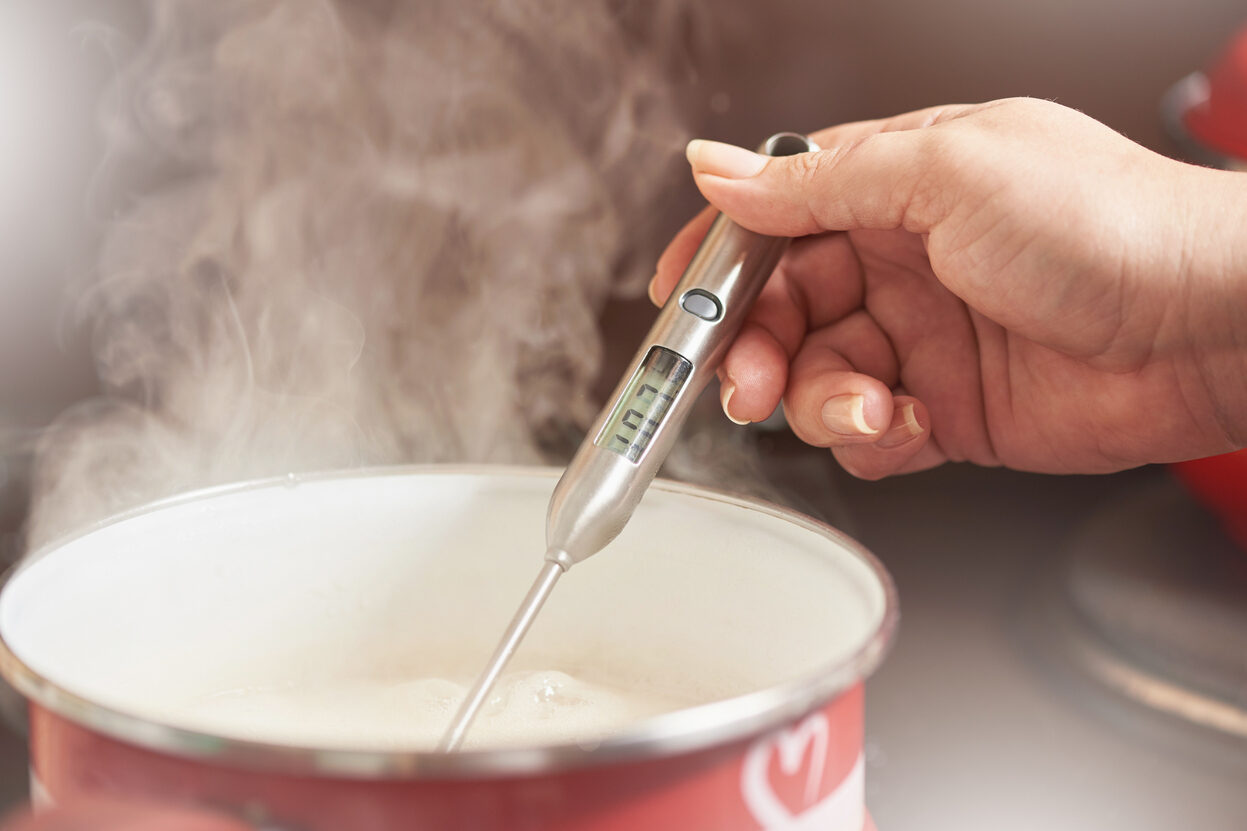
Chefs use thermometers to remove guesswork from cooking. At home, this builds confidence quickly. Meat cooks to the right doneness without cutting into it. Baking becomes consistent instead of uncertain. You stop relying on fear or guesswork. A thermometer provides clarity and calm. Cooking feels controlled and reliable. This shortcut saves meals from being overdone or undercooked. Once you use one regularly, it becomes hard to cook without it. The kitchen feels less stressful because you know exactly where you stand, allowing you to focus on flavor and timing instead of constant second guessing during meal preparation.
23. Cooking for Tomorrow Too
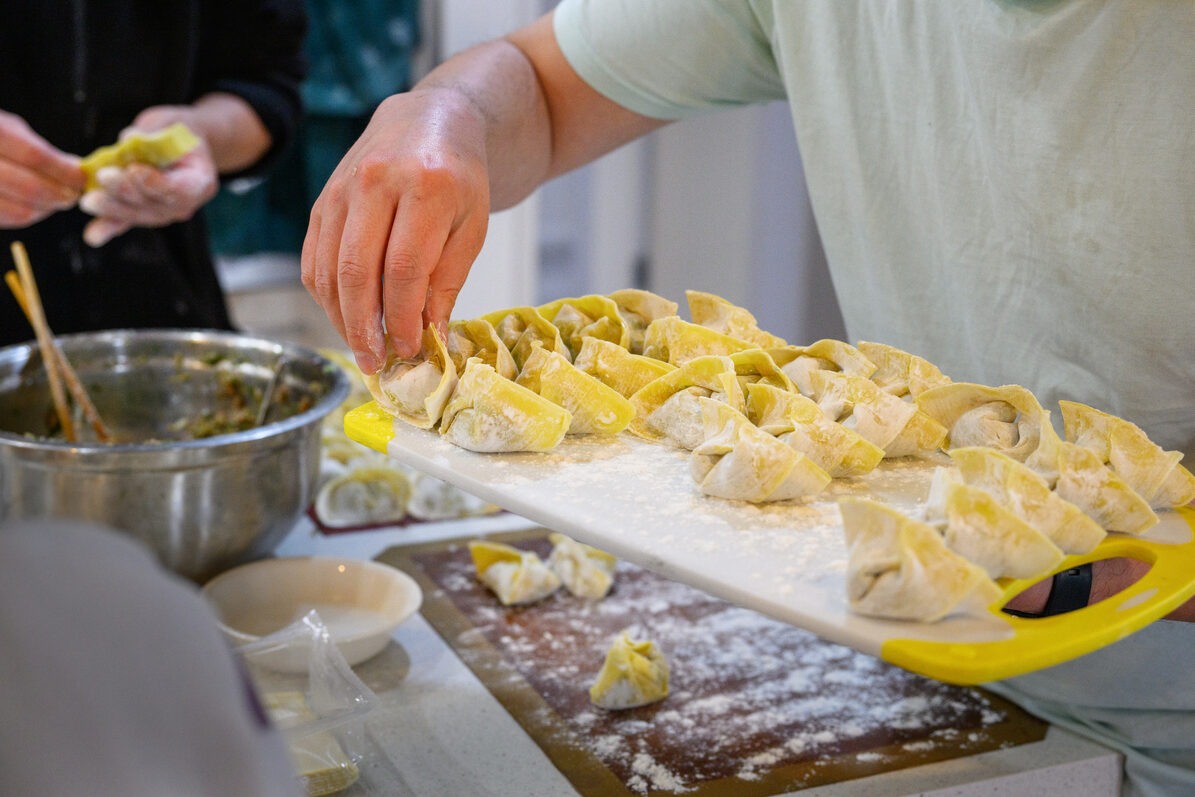
Chefs often cook with future meals in mind. Extra grains, vegetables, or proteins make tomorrow easier. At home, this habit saves time and energy. Lunches assemble quickly. Dinners feel less demanding. You feel supported by your past effort. Cooking becomes a system rather than a daily struggle. This shortcut reduces burnout and increases consistency. Meals stay homemade without constant effort. Over time, planning ahead gently shapes a rhythm that fits real life. Cooking starts to serve you instead of interrupting your day, which makes it easier to keep showing up in the kitchen regularly.
24. Using Simple Garnishes
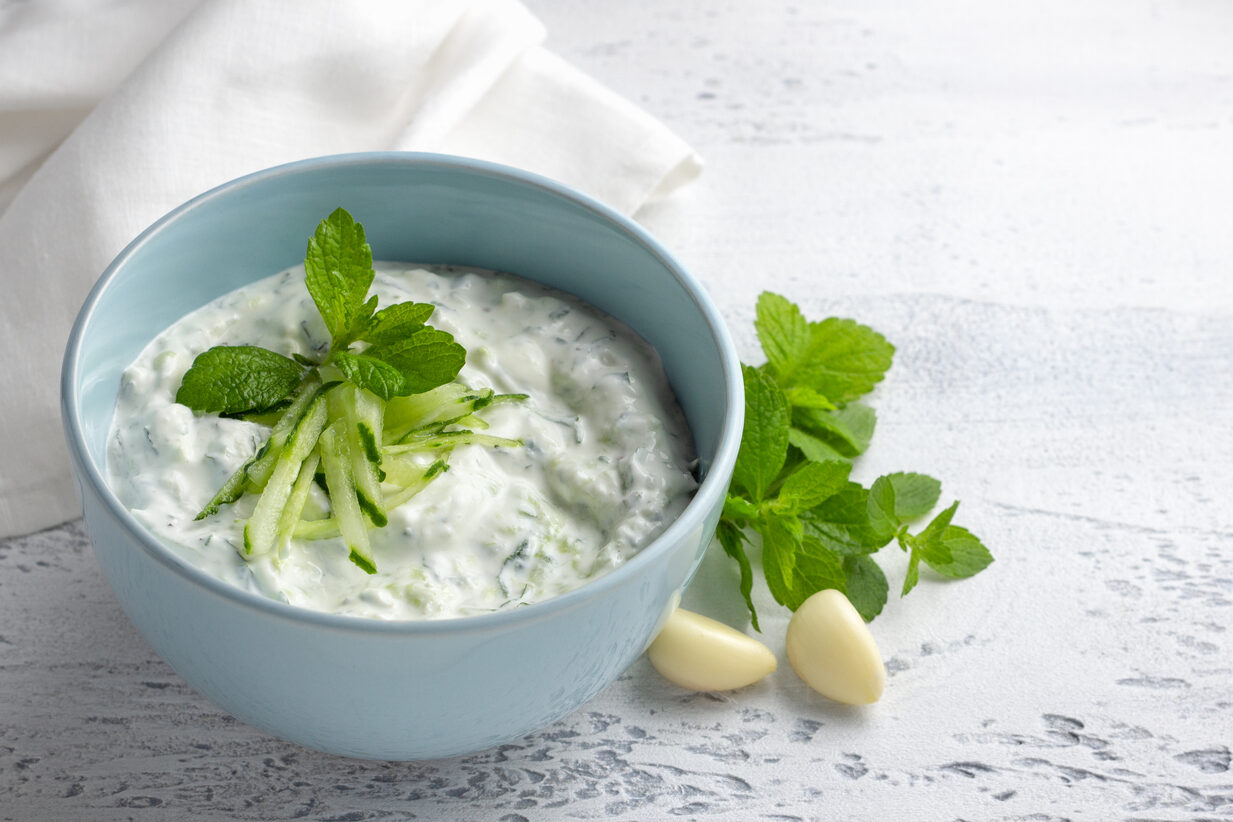
Chefs finish dishes with simple garnishes like herbs, oil, or citrus. At home, this adds freshness without complexity. A small touch changes how food feels. Garnishes bring contrast and brightness. They make meals feel complete. This habit encourages attention to final details without pressure. You use what is available and adjust naturally. Over time, finishing touches become instinctive. Cooking feels expressive and personal. This shortcut turns everyday meals into something you look forward to eating. Small additions at the end remind you that care does not have to be complicated to matter in home cooking.
25. Trusting Repetition
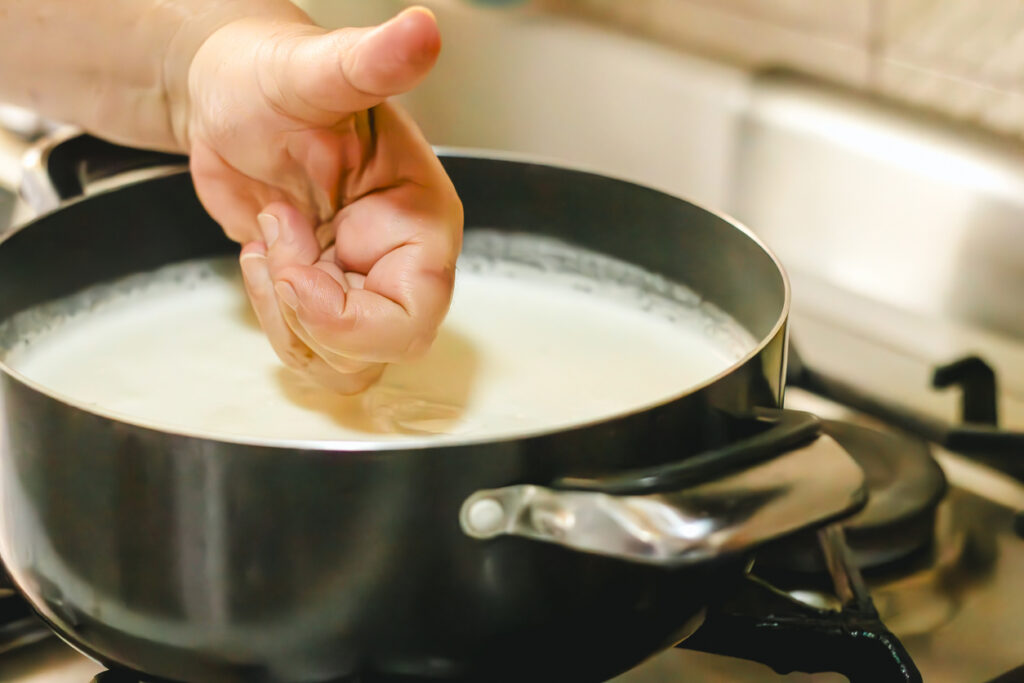
Chefs repeat meals and techniques often. At home, repetition builds skill and confidence. Cooking the same dishes teaches timing, seasoning, and heat control. Meals improve naturally with familiarity. This habit removes pressure to constantly invent. Cooking feels steady and reliable. Repetition also saves time because decisions are easier. You know what works. Over time, favorite meals become comforting anchors. This shortcut encourages consistency over novelty. Cooking stops feeling like a performance and becomes a practice that supports daily life, especially for home cooks who value ease and reliability alongside good flavor and nourishment.
26. Letting Food Cool Properly
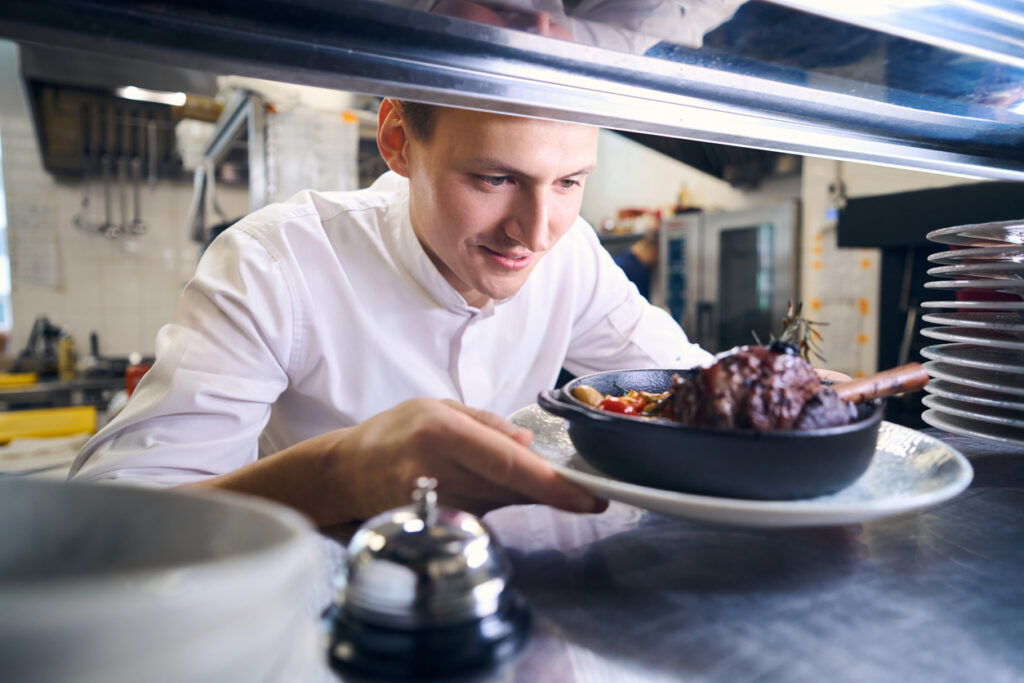
Chefs allow food to cool appropriately before storing or slicing. At home, this improves texture and prevents sogginess. Hot food trapped too soon loses quality. Cooling properly protects flavor and structure. This habit supports better leftovers and safer storage. It requires patience but saves disappointment later. Meals reheat better and taste closer to freshly made. Over time, this shortcut improves how food carries through the week. You cook once and enjoy it longer. Letting food cool feels small but plays a big role in keeping home cooked meals satisfying beyond the first serving.
27. Using Acid Thoughtfully
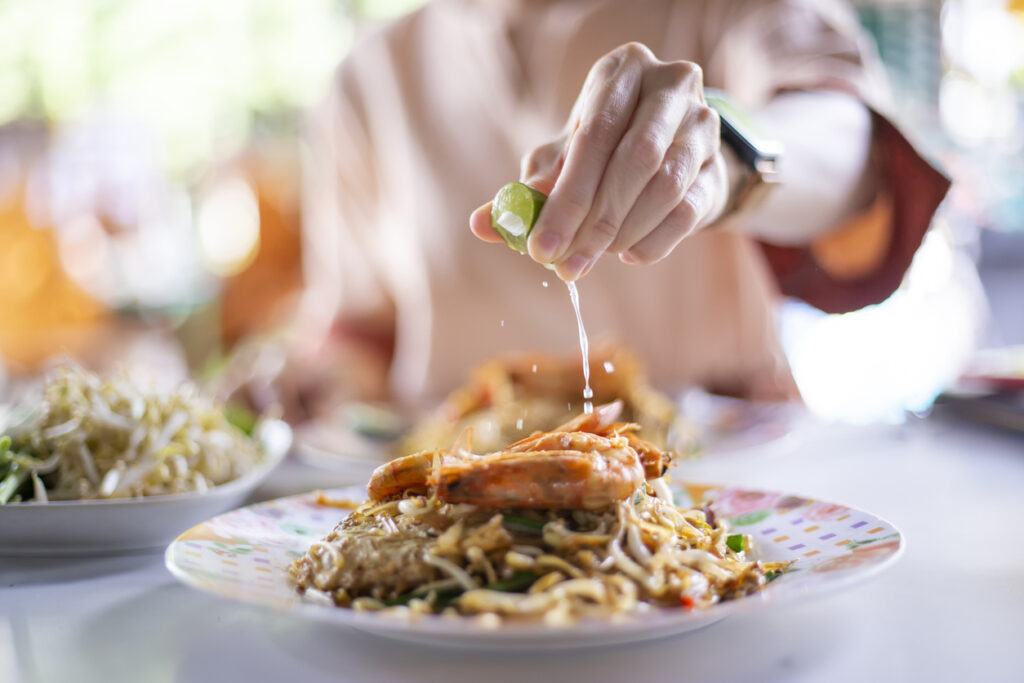
Chefs use acid to balance flavors near the end of cooking. Vinegar or citrus wakes food up. At home, this prevents dishes from tasting flat. A small amount makes flavors feel clearer and brighter. You add carefully and taste. This habit teaches balance instead of excess. Cooking becomes more refined without complication. Over time, acid becomes a trusted tool. Meals taste lively and complete. This shortcut helps home cooks fix dishes gently rather than covering them up, creating food that feels intentional and satisfying with minimal effort or extra ingredients added at the last minute.
28. Respecting Ingredient Size
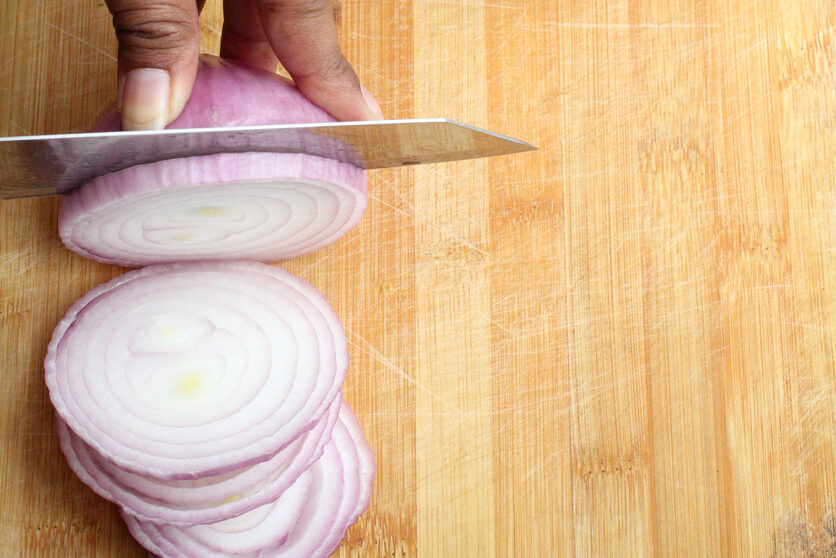
Chefs cut ingredients to similar sizes so they cook evenly. At home, this prevents some pieces from overcooking while others stay raw. Uniform size improves texture and timing. Cooking feels smoother because everything finishes together. This habit also makes food look better on the plate. Prep becomes more mindful. Over time, this attention becomes automatic. Meals feel more consistent and reliable. Respecting ingredient size is a quiet skill that improves results without adding steps. It helps everyday cooking feel more controlled and thoughtful, especially when preparing simple meals where technique matters more than complexity.
29. Cooking Without Distraction
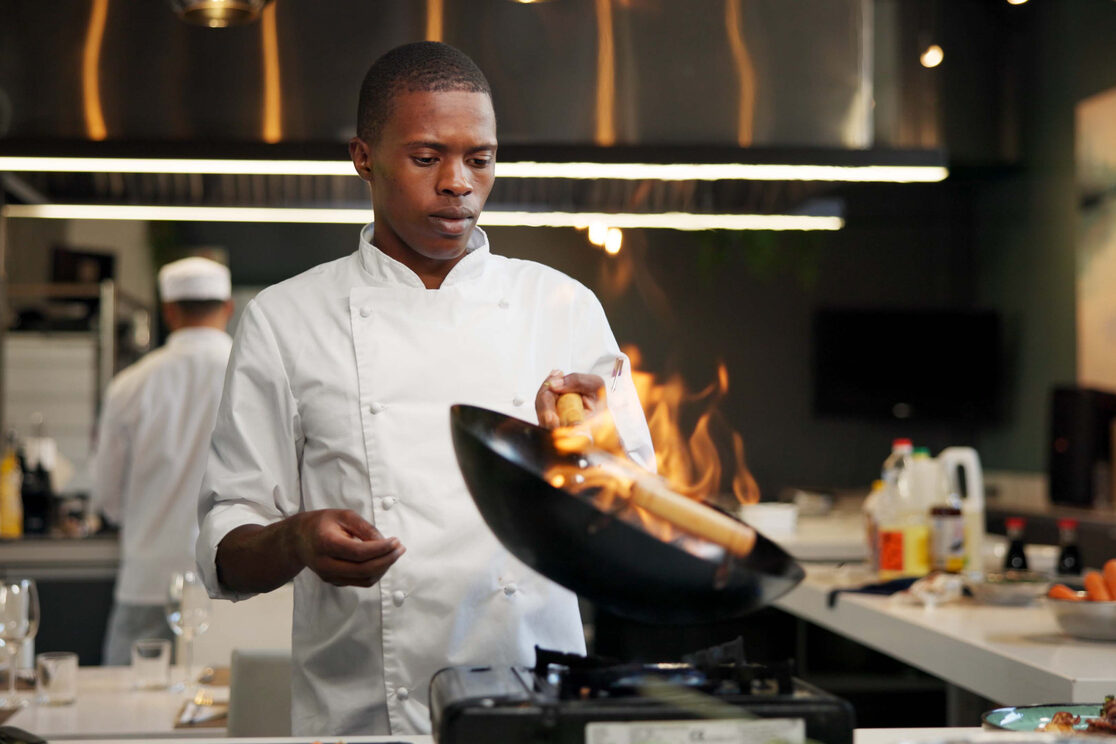
Chefs focus when cooking, even at home. Avoiding distractions helps timing and safety. At home, staying present prevents mistakes and stress. You notice smells, textures, and changes. Cooking feels grounding instead of rushed. This habit turns meals into moments of attention. You catch small issues before they grow. Over time, cooking becomes calming rather than draining. This shortcut encourages mindfulness without effort. Even short meals benefit. When you give cooking your attention, food improves and the process feels more rewarding, especially in busy households where quiet focus can feel rare and valuable.
30. Keeping Cooking Enjoyable
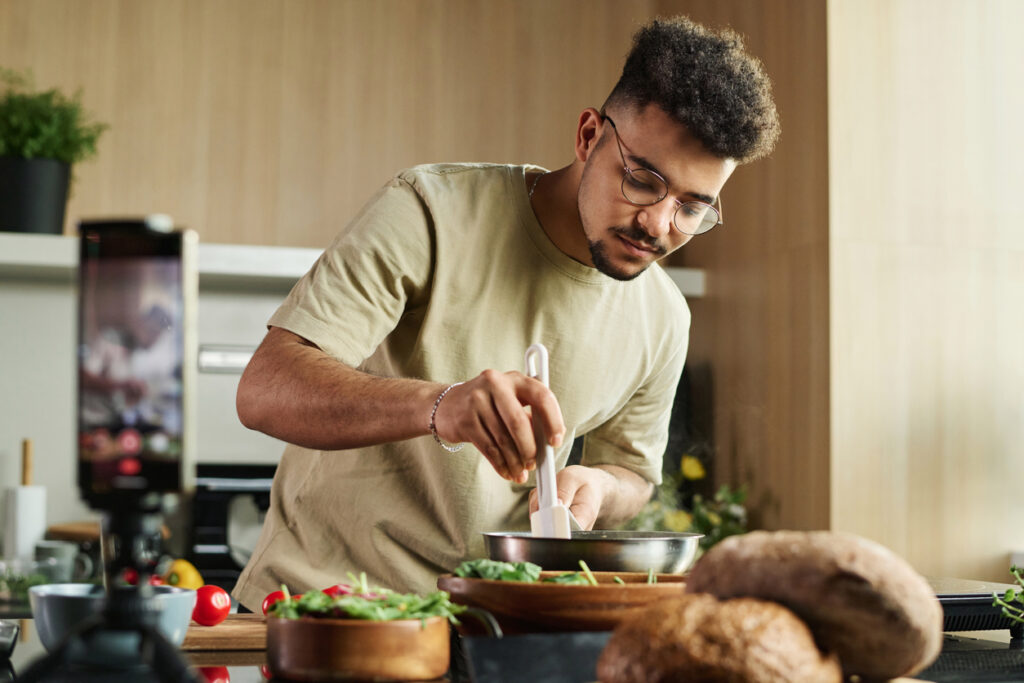
Chefs cook at home for comfort and ease. They simplify, adjust, and let go of perfection. These shortcuts come together to support real life. Cooking feels good because it fits daily rhythms. When food supports your day instead of complicating it, you cook more often. That consistency builds confidence naturally. Over time, habits replace pressure. The kitchen becomes a familiar place again. Small choices add up quietly. If these shortcuts helped you see cooking differently, save this list, share it with someone who cooks often, or return whenever the kitchen feels heavy and needs a gentler approach.
This story 30 Kitchen Shortcuts Chefs Use at Home was first published on Daily FETCH


