
1. A Lunch Break No One Planned to Remember
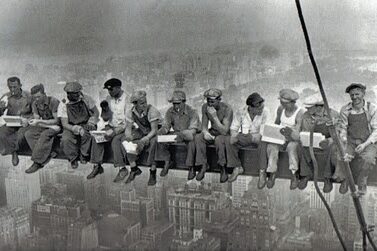
At first, it looks like a simple workday pause, men chatting and eating lunch above New York, but this image quietly pulls you in because it never meant to be historic. Taken during the Depression, the photo later became a symbol of ordinary people holding cities together while everything felt uncertain. No one posed for meaning that day. They just showed up to work. Over time, viewers began seeing bravery, risk, and quiet endurance in their relaxed smiles. The picture reminds us how everyday moments slip into history without warning, leaving behind proof that survival often looks casual when you are living it.
2. A Face the World Could Not Forget

She never expected to be remembered. When the Afghan Girl photo was taken, it was just another moment inside a refugee camp, but her eyes carried something deeper than the photographer realized. Years later, the image became a symbol of displacement, resilience, and human cost. What makes it powerful is its simplicity. No background story was needed. Her expression did the work. People did not see politics first. They saw a person. The photo stayed because it asked viewers to look longer than they usually do, reminding them that behind global stories are individuals whose lives continue long after the camera moves on.
3. A Kiss That Was Never a Plan
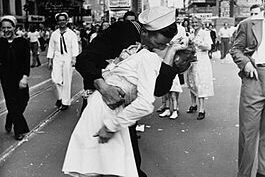
The sailor and nurse photo feels romantic at first glance, but it was never meant to become a love story frozen in time. It captured release, relief, and celebration after years of war. The photographer simply reacted. Later generations layered meaning onto it, turning a spontaneous moment into a cultural symbol. What makes it endure is how unpolished it feels. Nothing about it was staged. Over time, the image invited new conversations about memory, perspective, and how history reshapes moments. It shows how photographs grow alongside society, changing meaning as viewers bring their own experiences into what they see.
4. One Man Standing Still
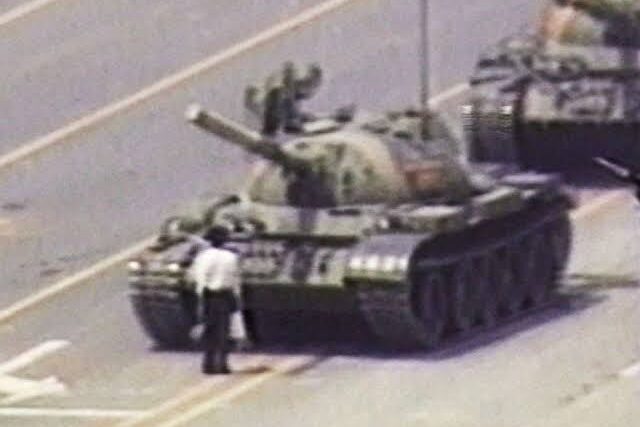
The image of a lone man facing tanks did not announce itself as iconic. It happened quickly, almost quietly. At the time, it was simply another frame among many taken that day. Yet the stillness of the man, holding ordinary bags, contrasted so sharply with the machinery before him that the image took on a life of its own. People later saw courage where there was no speech or slogan. The photo stayed because it showed how resistance does not always shout. Sometimes it simply refuses to move, trusting that presence alone can speak louder than force.
5. A Footprint That Changed Perspective
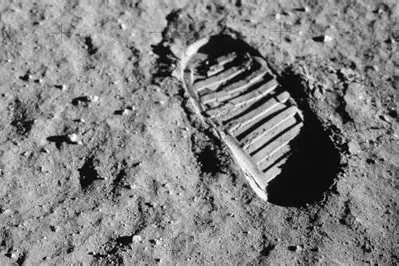
When the first footprint on the moon was photographed, it was recorded for documentation, not inspiration. It was a technical image, clean and simple. Over time, that quiet print became proof that human imagination could stretch beyond Earth. The photo mattered because it was not dramatic. It showed restraint. People later realized how much possibility lived inside that small mark. It reminded the world that progress often arrives softly, without applause. The image continues to resonate because it shows that even our biggest leaps begin with careful steps, pressed gently into unfamiliar ground.
6. A Dress Caught in the Wind
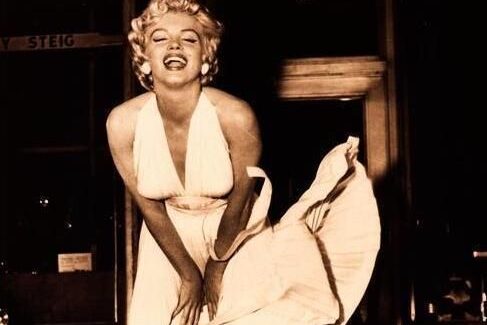
What began as a movie promotion image slowly turned into a defining symbol of fame. Marilyn Monroe did not expect a single moment to shape how she would be remembered. The photograph felt playful at the time. Later, it came to represent celebrity, vulnerability, and public projection. The image lasted because it balanced glamour with humanity. It showed someone caught off guard rather than perfectly posed. Over decades, viewers saw more than a dress or a smile. They saw how easily an image can escape its original purpose and redefine a person long after the moment has passed.
7. The Flag Everyone Recognized
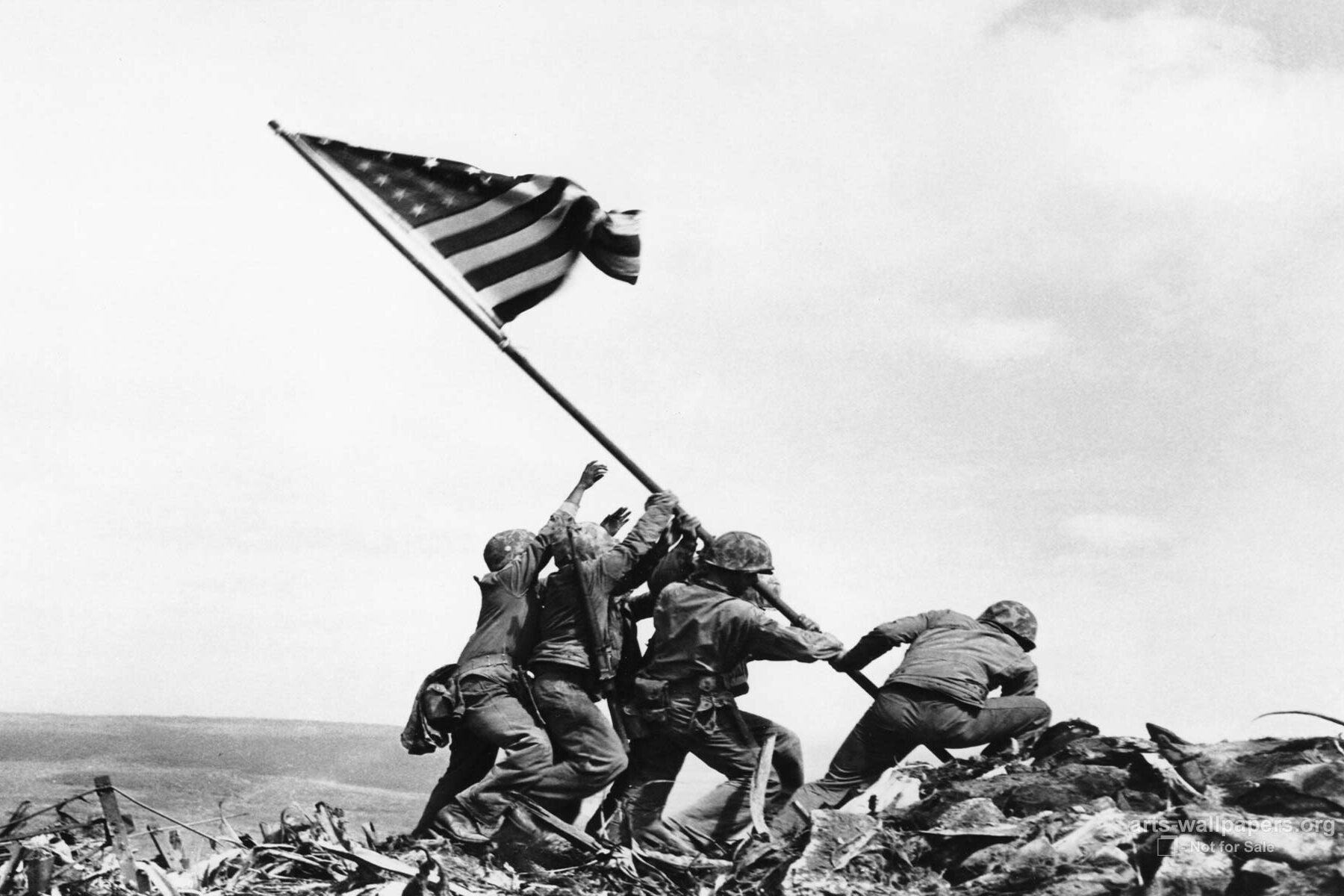
The famous flag raising photo was not the first attempt that day, yet it became the one history kept. It was meant as documentation, not symbolism. Over time, the image transformed into a shared reference point for sacrifice and unity. What makes it powerful is not the perfection of the composition, but its timing. History often chooses one frame and lets the rest fade. This photo reminds us that meaning is not always intentional. Sometimes it arrives later, shaped by memory, loss, and the collective need for something to hold onto when words feel insufficient.
8. Childhood Holding Tension
A boy gripping a toy grenade looks playful at first, but the longer you stare, the more unsettled it feels. The photograph was never meant as commentary. It simply captured a moment. Later, viewers began reading fear, tension, and unease into the child’s expression. The image endured because it blurred the line between innocence and anxiety. It showed how children absorb the atmosphere around them. Over time, the photo became less about the boy and more about a society learning to recognize how deeply its conflicts reach into everyday life, even into moments that appear harmless.
9. Running Through Fire
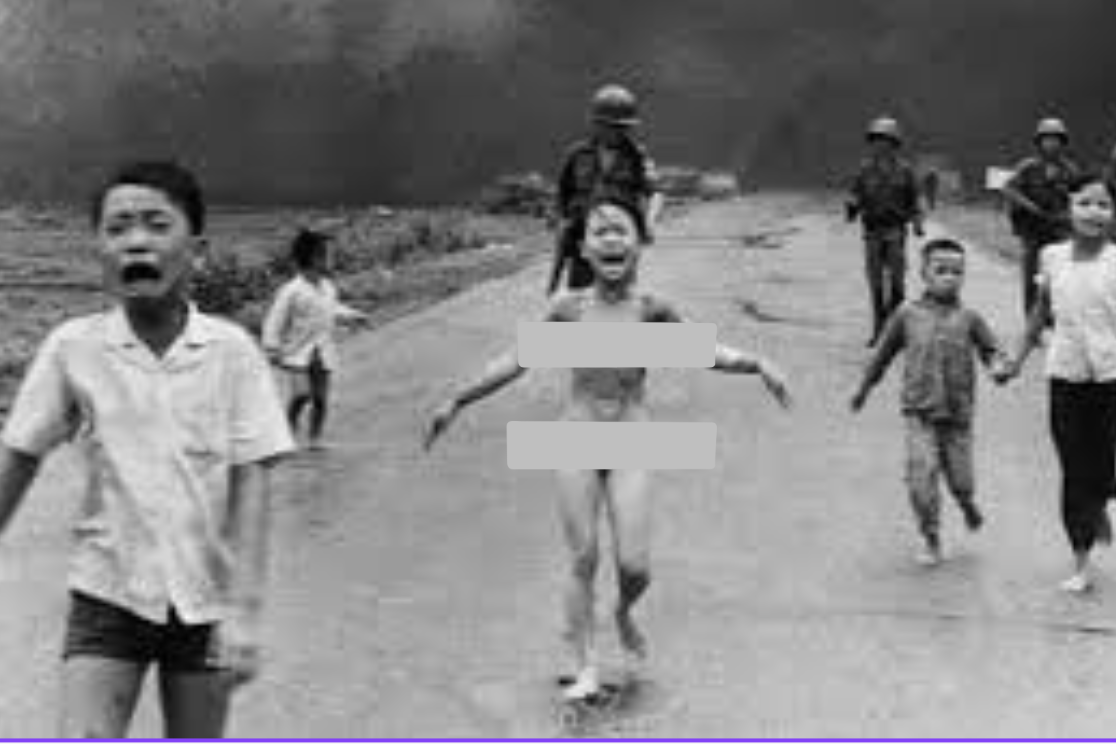
The image of children fleeing a napalm attack was captured in chaos, not composed with intention. At the time, it was urgent documentation. Later, it became one of the most influential war photographs ever taken. What made it unforgettable was its honesty. There was no distance between the viewer and the pain. The photo shifted public perception because it stripped war of abstraction. It showed consequences instead of strategy. Over time, the image remained because it refused to let suffering be forgotten. It reminds us how truth, once seen clearly, is difficult to ignore or explain away.
10. A Genius Being Playful
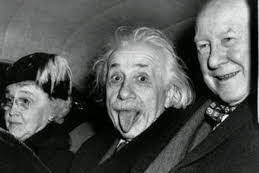
The photo of Albert Einstein sticking out his tongue was never meant to define him. It was a lighthearted moment after a long day. Yet it became one of the most recognizable images of intellect paired with humor. People connected with it because it softened brilliance. It showed that intelligence does not have to be distant or severe. Over time, the image stayed because it felt approachable. It reminded viewers that curiosity and joy often coexist. Sometimes the moments that last are the ones where greatness briefly steps aside and allows personality to show through.
11. A Crown Seen in Color
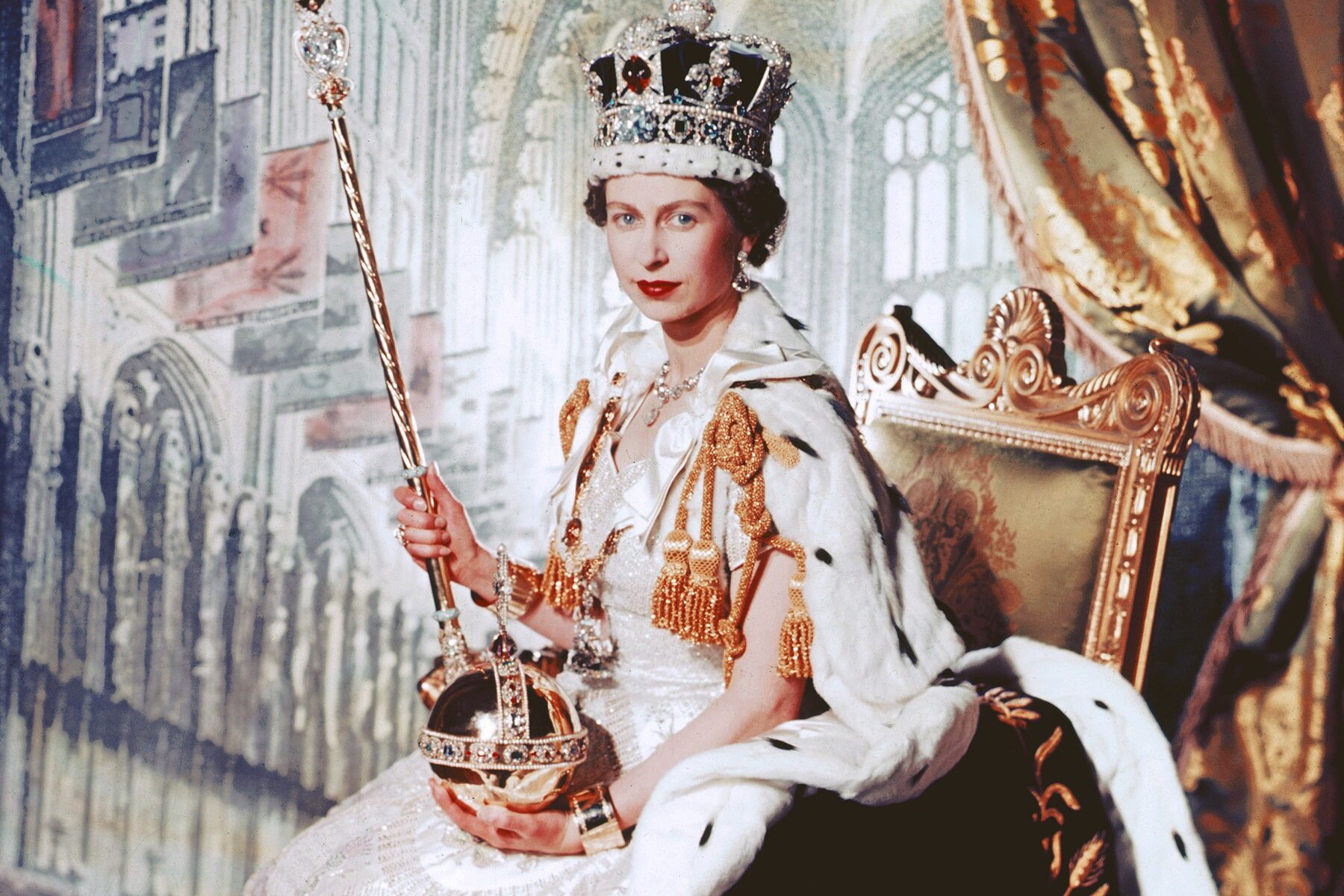
The coronation portrait of Queen Elizabeth II was notable not for ceremony, but for timing. Color photography made the monarchy feel closer and more real. At the time, it was simply modern documentation. Later, it marked the beginning of a long era. The image gained meaning as years passed, becoming a visual anchor for change and continuity. It mattered because it made history feel present rather than distant. The photograph showed how technology subtly reshapes memory, influencing how institutions are seen and remembered by generations who never experienced the moment firsthand.
12. Falling Without Answers
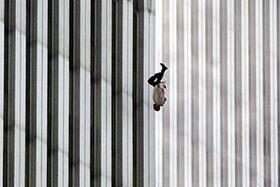
The Falling Man photograph was captured quietly amid chaos. It was never meant to become iconic. Later, it sparked intense debate about dignity, memory, and discomfort. What makes the image last is its refusal to explain itself. It does not offer context or closure. It simply shows a human moment suspended in time. Over the years, viewers have returned to it, searching for understanding. The photo remains because it forces reflection rather than resolution. It reminds us that some images stay not because they comfort us, but because they challenge how we process tragedy.
13. A Woman Defying Expectations
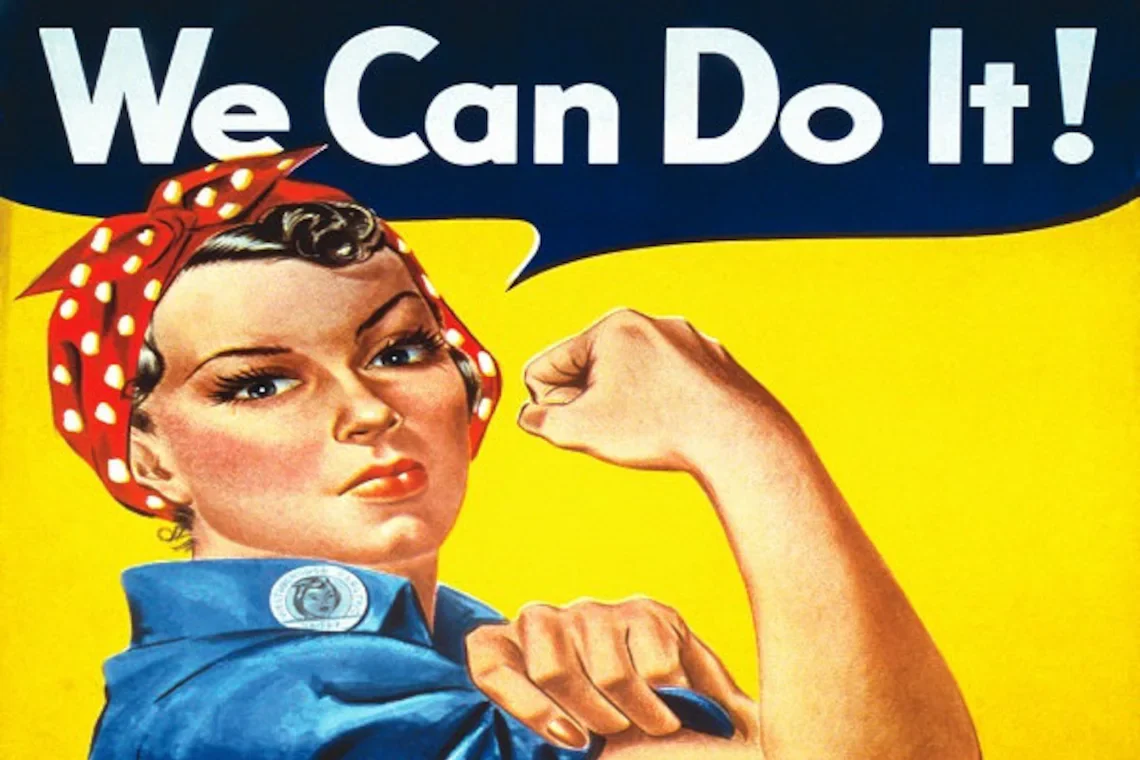
The iconic image of a woman in a bandana rolling up her sleeve was originally created as a morale boosting poster for wartime factory workers, and it was called “We Can Do It!” at the time. Nobody expected it to become a global symbol of strength and capability, yet that is exactly what it grew into over decades. The expression of determination and the confident pose spoke to millions who were entering industrial work for the first time. Over time, the image came to represent resilience, hard work, and the empowerment of women across generations.
14. Hope Hanging from a String
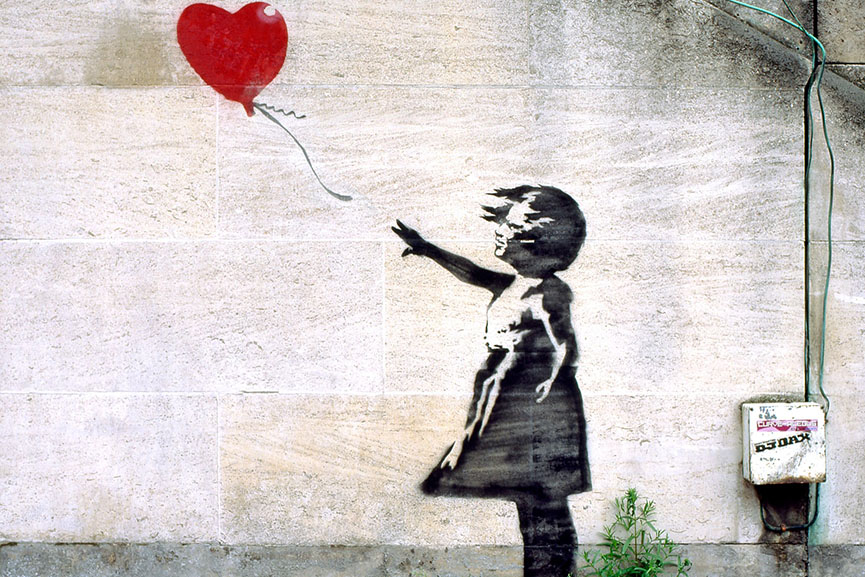
The Girl with a Balloon image began as simple street art. Its message felt gentle, almost easy to overlook. Years later, an unexpected moment during an auction reshaped how people saw it. What once symbolized hope became commentary on value, permanence, and meaning. The image endured because it adapted. It showed how art can evolve without changing form. Over time, people connected with its quiet optimism. It reminded viewers that hope does not always arrive loudly. Sometimes it drifts, half released, half held, asking only that we notice it before it slips away.
15. The Shadow That Stayed Behind
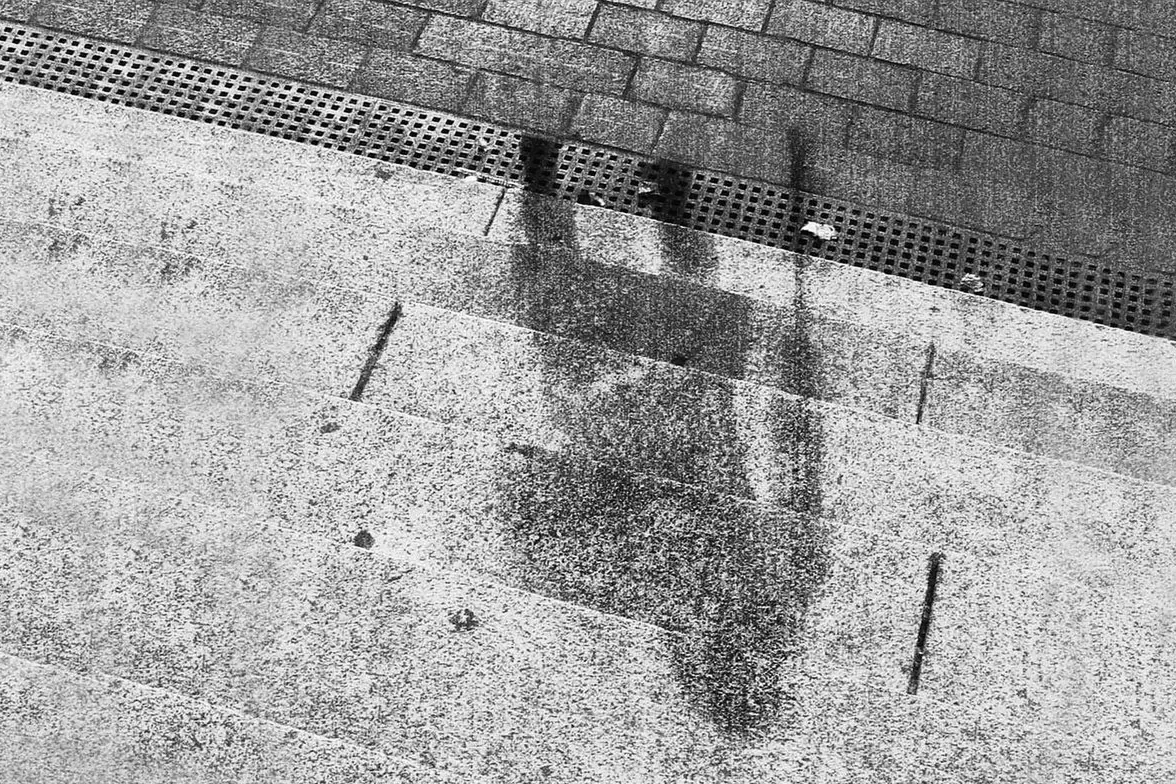
The Hiroshima shadow image was never created to be symbolic. It was a record of destruction. Over time, it became one of the most haunting reminders of loss ever captured. The absence it shows feels heavier than any figure. Viewers later saw it as proof that lives can disappear while traces remain. The image stayed because it said nothing yet communicated everything. It did not need explanation. It reminded the world how quickly existence can be erased, leaving behind silence and outlines where people once stood, living ordinary lives moments before history intervened.
16. A Leap Caught at the Right Time
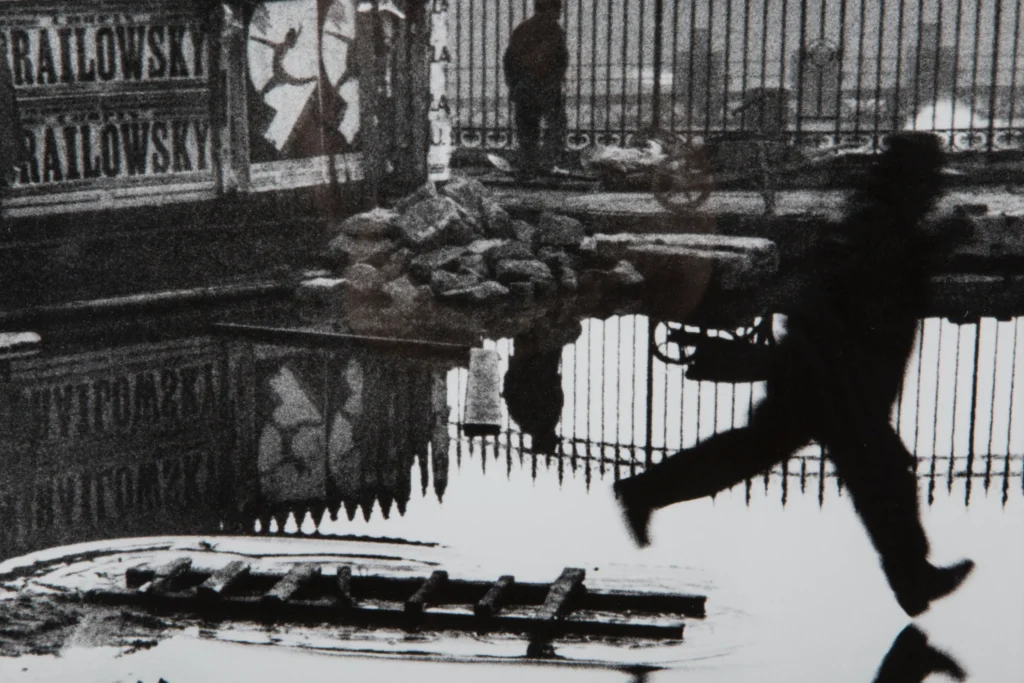
The photo of a man jumping over a puddle was meant to explore timing. Nothing more. Yet it became a defining image of street photography. What made it last was patience. The moment existed for less than a second. Over time, the image taught photographers to wait rather than force. Viewers connected with its balance and motion. It felt alive. The photo endured because it showed how beauty hides in everyday movement. It reminded people that life often reveals itself best when observed quietly, allowing moments to unfold naturally rather than chasing them aggressively.
17. The First Time Someone Turned the Camera Around
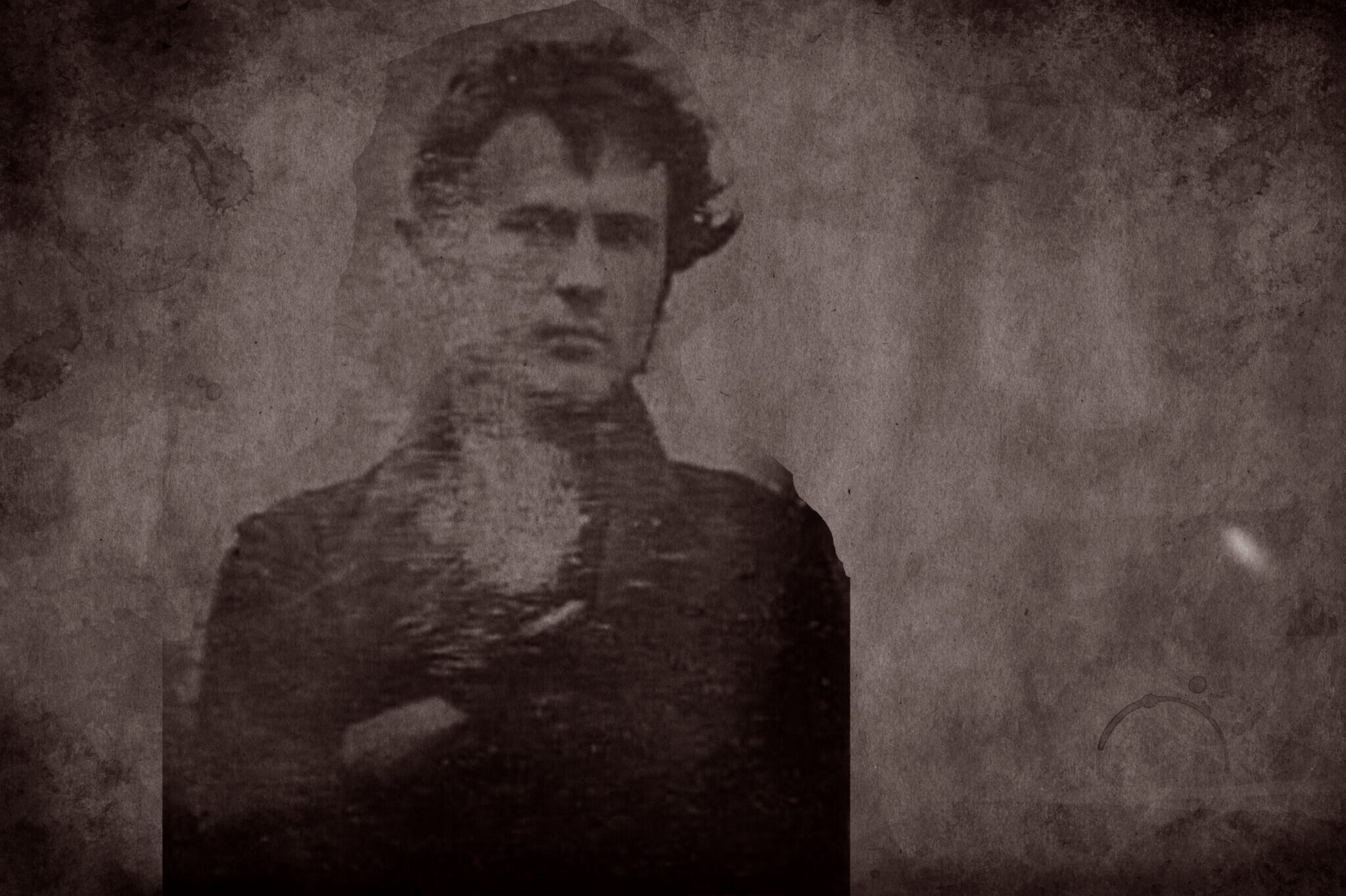
The earliest selfie was not about vanity. It was experimentation. The photographer stood still, unsure of the outcome. Over time, that image became the starting point for a culture of self documentation. What makes it interesting is how familiar it feels now. The photo stayed because it revealed a timeless instinct to see ourselves reflected back. It reminds viewers that technology changes, but human curiosity remains steady. Long before filters and screens, someone simply wondered what it would look like to exist inside the frame rather than behind it.
18. Carrying Someone Through Chaos
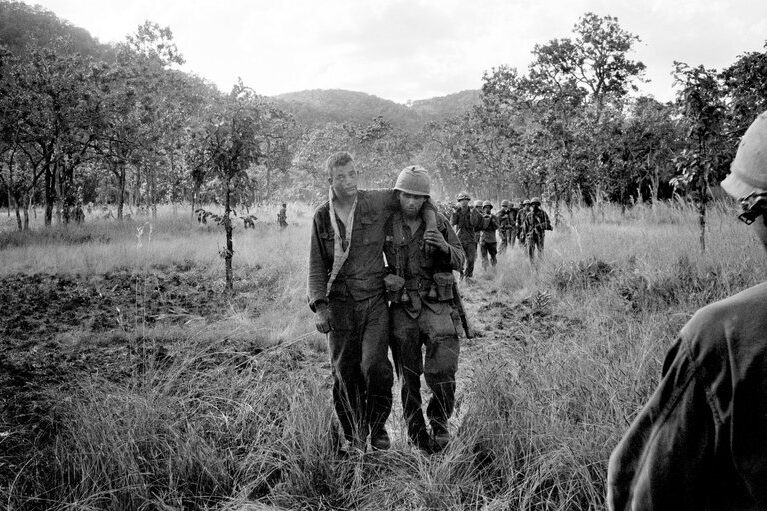
A soldier carrying a wounded friend was photographed as part of routine documentation. Later, it became a symbol of loyalty and shared burden. What made the image last was tenderness. In the middle of conflict, it showed care. Viewers saw connection rather than combat. Over time, the photo reshaped how war imagery could be understood. It reminded people that humanity persists even in violent spaces. The image endured because it focused on what people protect, not just what they fight, offering a quieter understanding of strength and sacrifice.
19. Sitting Without Shouting
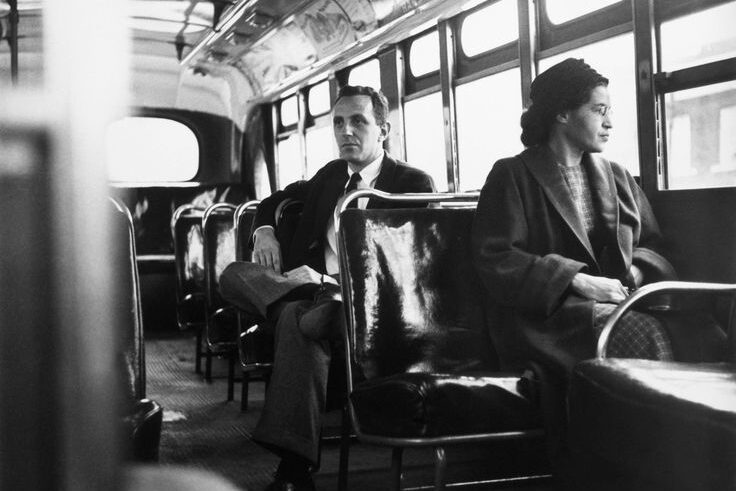
The photo of Rosa Parks seated on a bus was never meant for symbolism. It was a record. Later, it came to represent one of the most powerful acts of resistance in history. What made it endure was its calm. Nothing dramatic happened in the frame. That simplicity carried weight. Over time, the image taught viewers that change does not always announce itself loudly. Sometimes it appears as refusal wrapped in stillness. The photo remains because it shows how resolve can exist without spectacle, altering history through quiet persistence.
20. Watching Disaster Unfold
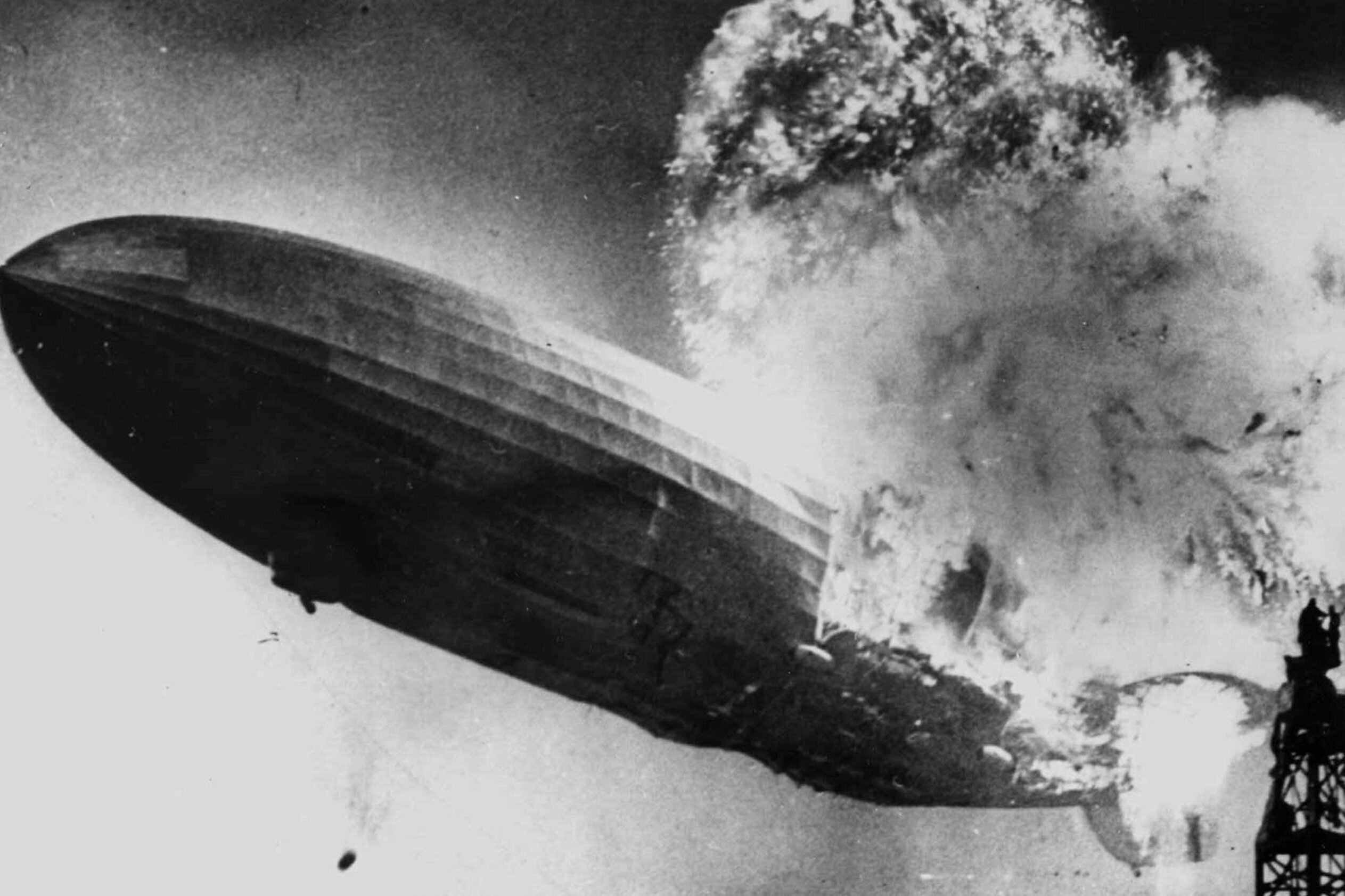
The image of people staring at the Hindenburg as it burned was taken as news coverage. Over time, it became a shorthand for sudden catastrophe. What makes it compelling is the crowd. Viewers recognize themselves in those faces. Shock, confusion, disbelief. The image endured because it captured the human response to unexpected loss. It reminds us how quickly ordinary days can turn irreversible. The photograph stays relevant because it reflects a universal moment, witnessing something beyond control, where understanding lags behind reality and all anyone can do is look.
21. A Small Salute That Carried Weight
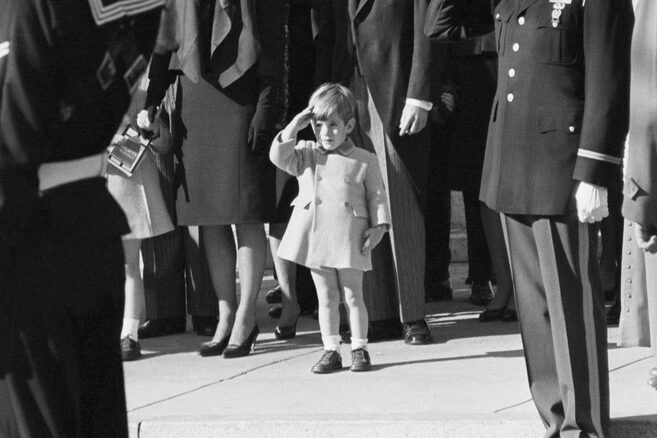
The photograph of John Kennedy Jr. saluting his father’s coffin was never staged. It was a private moment captured publicly. Over time, it became a symbol of collective grief. What made it endure was innocence. The gesture was learned, not fully understood. Viewers saw loss through a child’s action. The image stayed because it translated national mourning into something personal. It reminded people that history impacts families, not just headlines. The photo remains powerful because it shows grief without explanation, allowing viewers to feel rather than analyze.
22. When Computers Filled Rooms
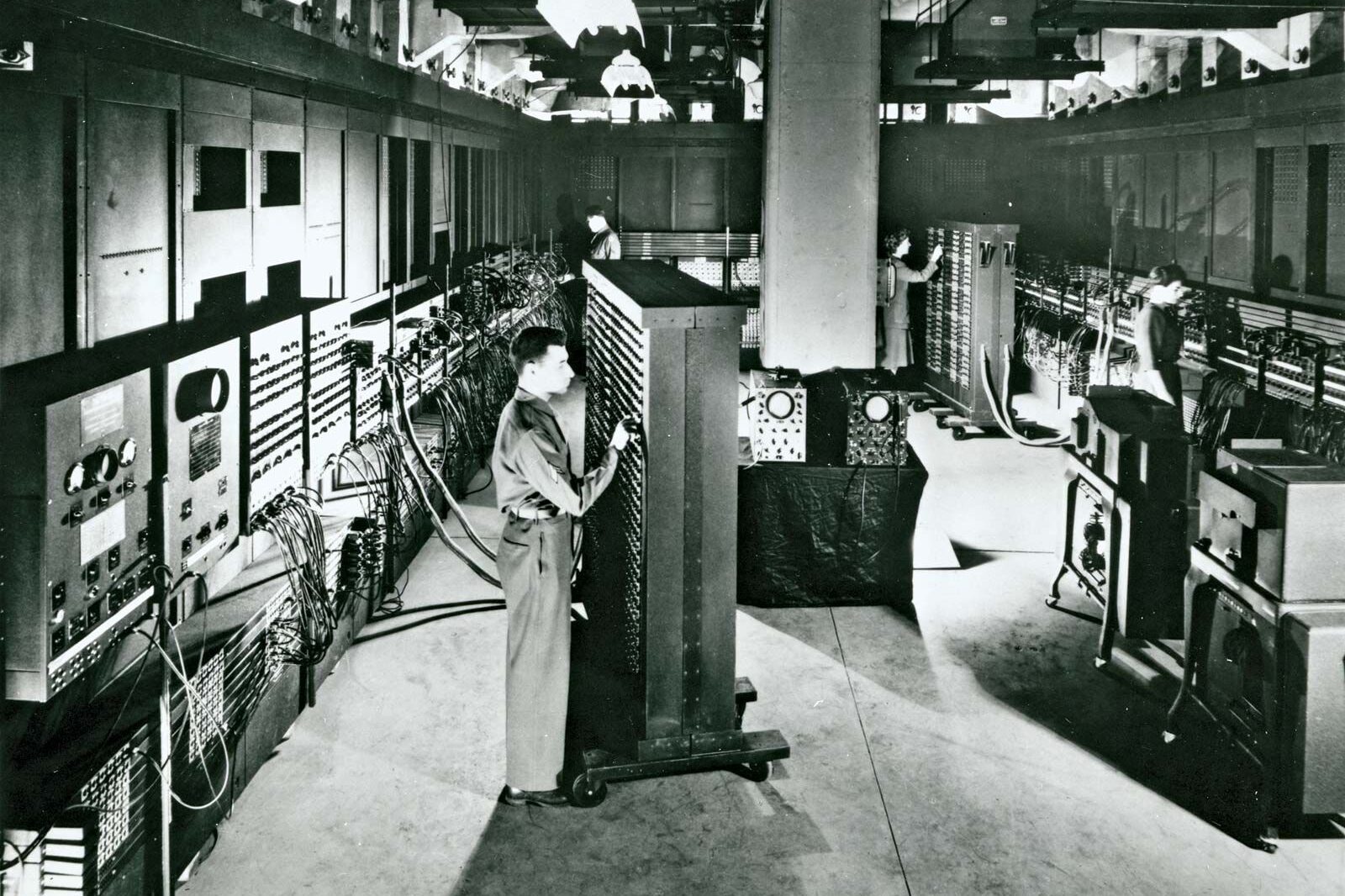
A photo showing early computers occupying entire rooms was taken to document innovation. Later, it became a reminder of how fast progress moves. What once felt impressive now looks gentle and oversized. The image endured because it offers perspective. It shows that today’s breakthroughs will one day look outdated. Viewers connect with it because it humbles ambition. The photograph reminds us that change often feels permanent in the moment, yet time quietly reshapes everything. It encourages appreciation for how far things travel, even when beginnings seem bulky and slow.
23. Working Where Few Expected
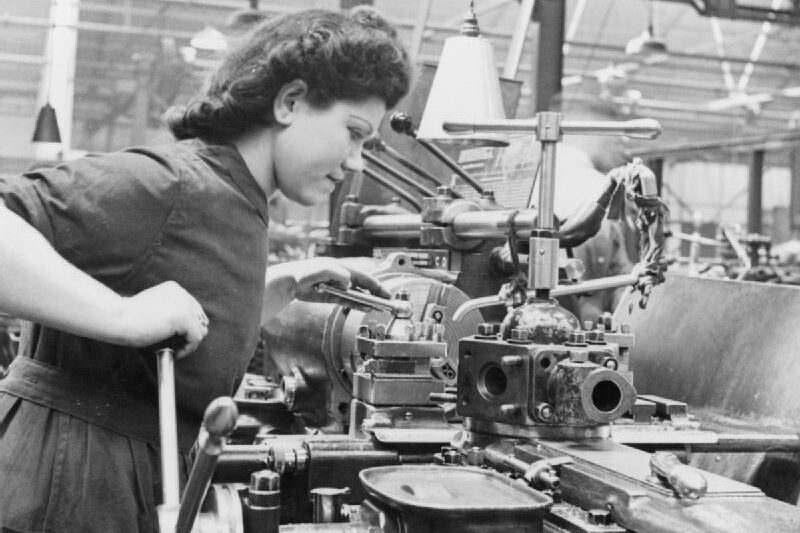
The image of a woman operating heavy machinery during war was intended as morale building. Later, it symbolized shifting roles. What made it last was representation. Viewers saw capability where tradition once imposed limits. Over time, the image became a reference point for resilience and adaptation. It showed necessity opening doors that ideology resisted. The photo endured because it felt real, not polished. It reminded people that progress often begins quietly, when circumstances demand change and individuals step into spaces they were never expected to occupy.
24. Growing Up Beside a Wall
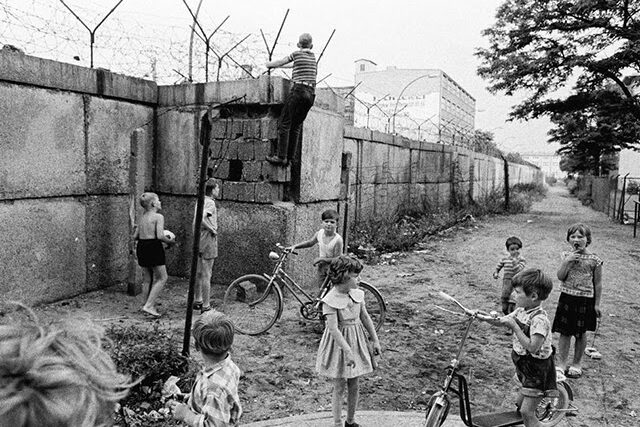
A child playing near the Berlin Wall was photographed casually. It was never meant to symbolize division. Over time, the image became evidence of how barriers blend into daily life. What made it last was normalcy. The wall did not look dramatic in the frame. It simply existed. Viewers later understood how people adapt to limits placed around them. The photo endured because it captured how history often feels ordinary while it is happening. Only later does meaning catch up, revealing how deeply structures shape everyday experience.
25. Seeing Earth as One
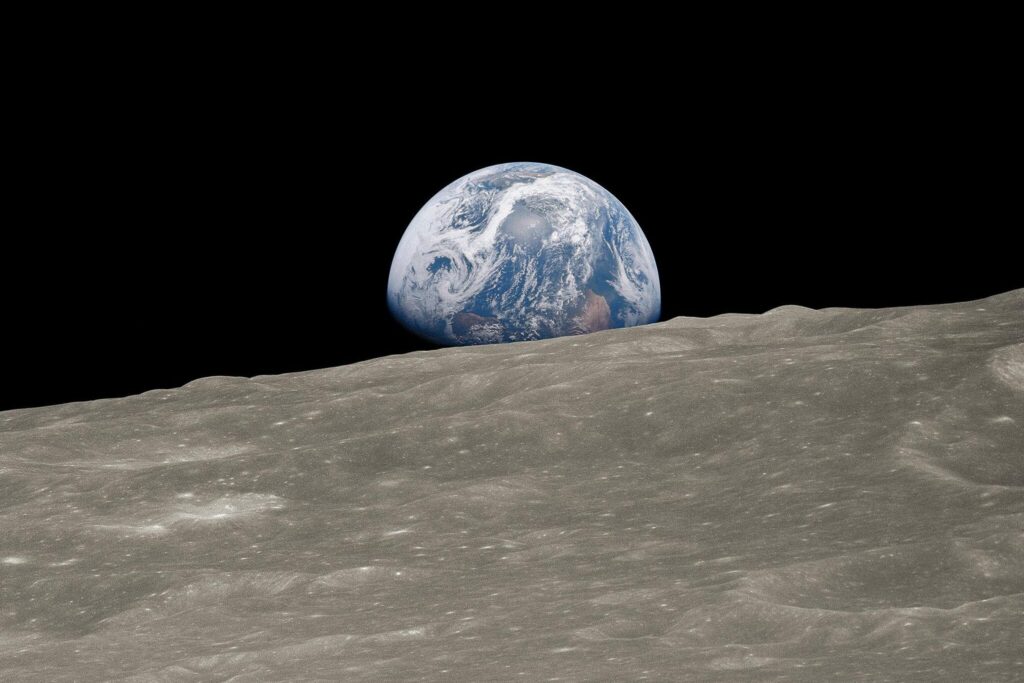
The Blue Marble photo of Earth was taken for scientific purposes. Later, it changed how people viewed the planet. What made it powerful was distance. From space, borders disappeared. The image endured because it simplified responsibility. Viewers saw a shared home rather than divided land. Over time, it influenced how people thought about care and connection. The photograph remains meaningful because it offers perspective without instruction. It quietly asks viewers to consider scale, fragility, and unity, all without saying a word.
26. Waiting in Line Together
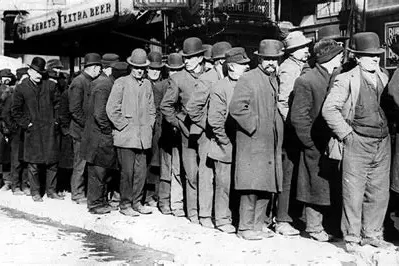
A photo of people standing in line for bread during the Depression was meant to document hardship. Over time, it became a symbol of dignity under strain. What made it endure was familiarity. Viewers recognized patience, worry, and quiet endurance. The image stayed because it showed survival without dramatization. It reminded people that hardship often looks ordinary. The photograph continues to resonate because it reflects cycles of struggle that repeat across generations, encouraging empathy rather than judgment when facing economic uncertainty.
27. The Man Who Did Not Raise His Arm
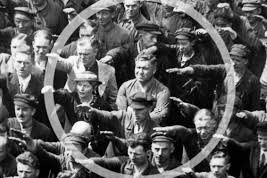
A photograph showing one man refusing a salute was taken without intention. He blended into the crowd. Decades later, the image became a symbol of quiet resistance. What made it endure was subtlety. Courage did not announce itself. It simply stood still. Viewers later saw how dissent can exist unnoticed, waiting for time to reveal it. The photo remains powerful because it challenges assumptions about bravery. It shows that resistance does not always look dramatic. Sometimes it appears as a single choice made quietly among many.
28. Love Standing in Rubble
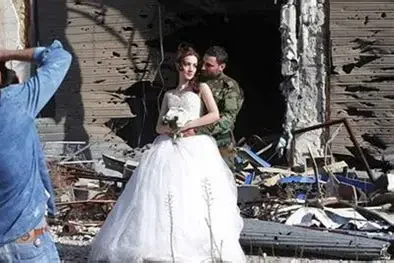
A wedding photo taken among ruins was not meant to represent hope. It simply captured a couple continuing life. Over time, the image became a symbol of persistence. What made it last was contrast. Joy existed beside destruction without apology. The photograph endured because it showed how people move forward without waiting for perfect conditions. It reminded viewers that life does not pause for healing. The image stays because it reflects a universal truth. Love often chooses to exist anyway, even when surroundings suggest it should wait.
29. An Ordinary Moment That Refused to Fade
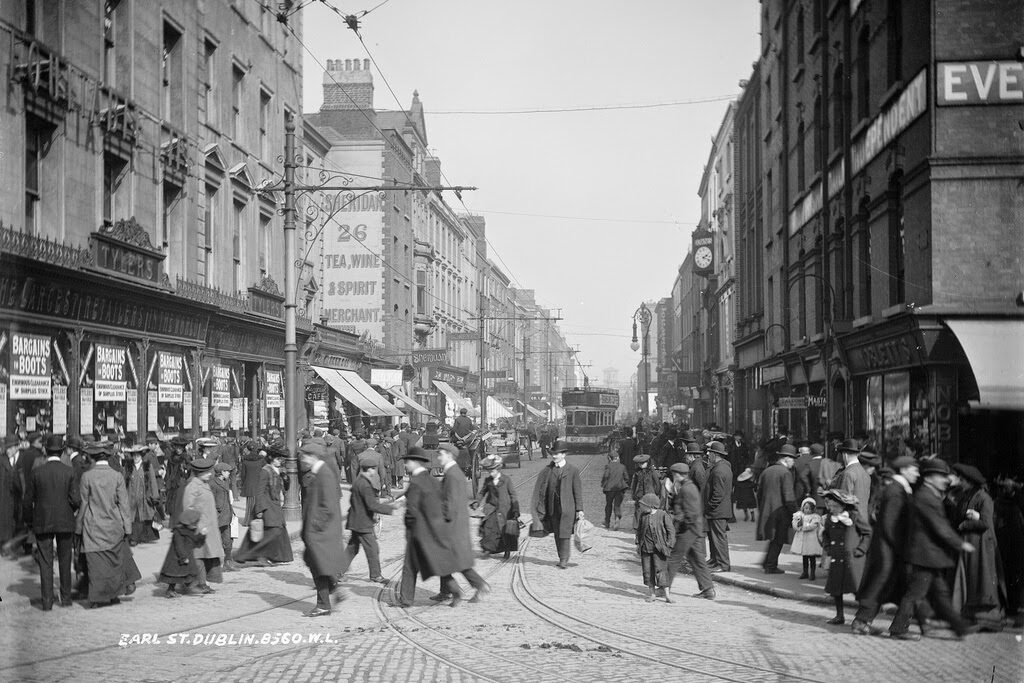
A simple street photograph of strangers passing one another never aimed for significance. Yet it feels timeless. What makes it endure is recognition. Viewers see themselves in it. Over time, this image reflects the truth threaded through all the others. Meaning often arrives later. The moments we overlook today may quietly carry tomorrow’s memory. Paying attention becomes the lesson. These photos remind us that history is not always loud. It often walks past us unnoticed, asking only that we look closely before the moment moves on.


