
1. That Dripping Faucet You Tune Out
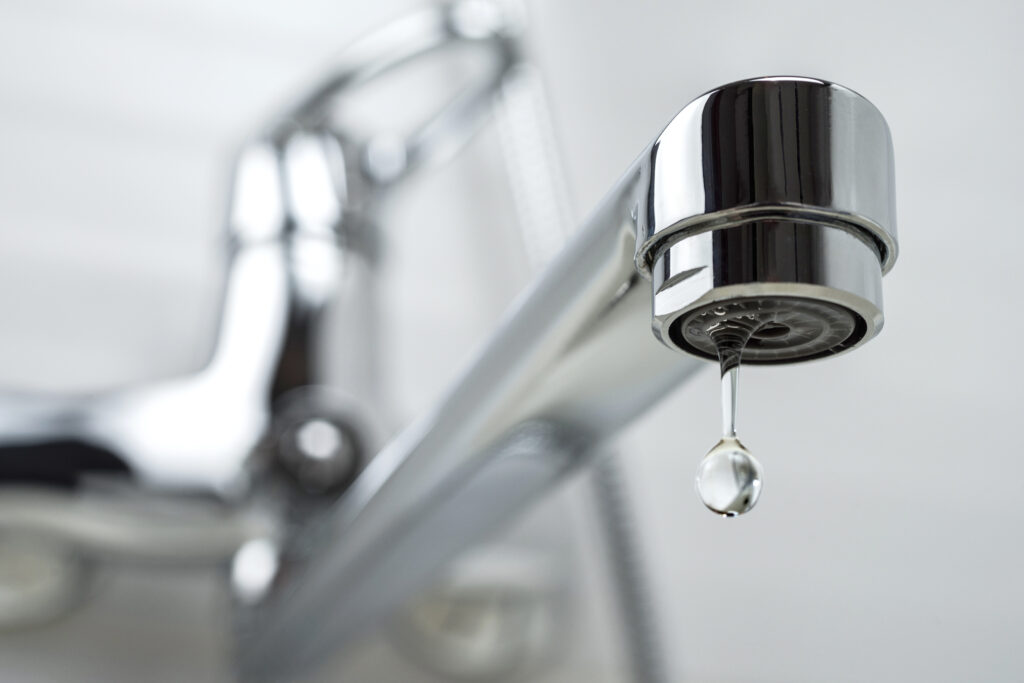
It starts quietly, like most things at home do, and before you know it, the sound becomes part of daily life. A dripping faucet feels easy to ignore because nothing seems broken yet. Still, that steady tap often means a washer wearing down or pressure building inside the fixture. Over time, moisture damages fittings and raises water bills without asking permission. Many people promise to fix it later and forget. Listening now saves money, prevents leaks, and sets the tone for paying attention to other small sounds around your home before bigger problems appear and repairs demand urgent costly attention.
2. The Refrigerator Buzz That Wasn’t There Before

The refrigerator hums all day, so a louder buzz feels normal at first. Changes in sound usually mean the motor or fan is working harder than it should. Dust buildup, blocked airflow, or aging parts create strain that grows quietly. Food may stay cold, which delays concern. Over time, efficiency drops and failure becomes more likely. Many people only notice when milk spoils unexpectedly. That new buzz is a polite warning. Cleaning coils, improving airflow, or servicing early can extend appliance life and keep your kitchen running smoothly without sudden breakdowns, stress, wasted groceries, frustration, or rushed repairs later on.
3. Knocking Sounds Inside the Walls

You hear the knock right after shutting off a tap, then it disappears. Because it ends quickly, it feels harmless. That sound comes from pipes reacting to sudden pressure changes. Over time, repeated movement loosens joints hidden behind walls. Small vibrations become leaks that stay unnoticed until damage spreads. Many homeowners live with the noise for years. Paying attention early allows simple adjustments that protect plumbing. That brief knock is often the only reminder that water systems need balance and care before costly repairs arrive, floors weaken, mold forms, and trust in walls quietly disappears over time, unnoticed again daily.
4. The Furnace Clicking on and Off
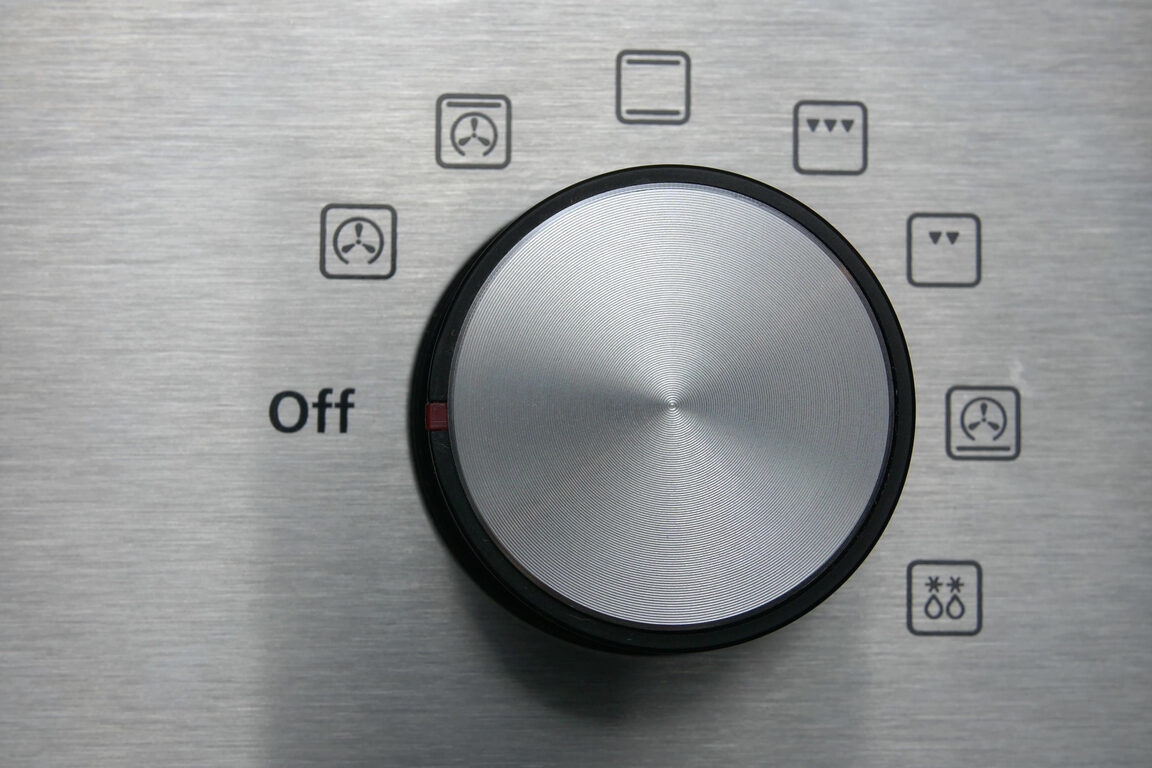
A furnace clicking on and off can feel like winter background noise. The house still warms, so concern stays low. Repeated cycling usually signals airflow problems or thermostat miscommunication. Each restart strains components and raises energy use. Over time, parts wear faster than expected. Many people ignore the pattern until heat stops completely. That clicking sound is the system struggling to stay balanced. A simple inspection or adjustment early keeps comfort steady and prevents cold surprises later during long nights, busy mornings, family routines, rising bills, and unnecessary stress throughout the colder months ahead for everyone involved at home daily.
5. Floors That Squeak a Little Too Much

Squeaky floors often feel charming, especially in older homes. The sound comes from movement between boards and supports underneath. While minor at first, repeated friction slowly loosens fasteners. Over time, small gaps widen and stability changes. People get used to the noise and stop noticing it. Floors carry daily weight and motion. Listening early allows tightening and reinforcement before damage spreads. That familiar squeak is wood responding to stress and asking quietly for a little care before creaks worsen, repairs grow, confidence drops, safety shifts, and footsteps feel less certain with time, age, and constant use at home daily again.
6. A Washing Machine That Thumps During Spin
A washing machine that thumps during spin cycles is easy to excuse. Heavy loads seem like the obvious reason. When the noise continues, internal supports are often wearing down. Excess movement stresses parts and nearby flooring. Clothes still come out clean, which delays concern. Over time, vibration causes larger failures. Many people live with the sound for months. That thump is the machine asking for balance, repair, and attention before laundry day becomes a bigger disruption that interrupts routines, budgets, schedules, shared spaces, patience, mornings, evenings, and simple household rhythm everyone relies on quietly each week, year, and season ahead.
7. Whistling Windows on Windy Days
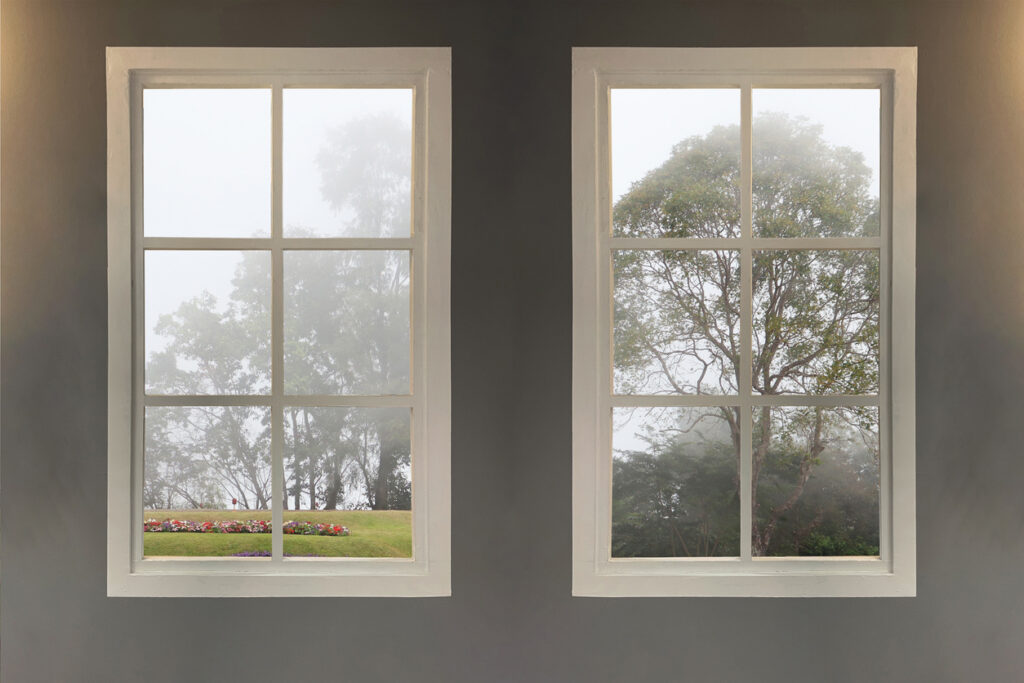
Whistling windows show up on windy days and vanish quickly. Because they come and go, people ignore them. That sound means air slipping through gaps that should be sealed. Indoor comfort escapes while outdoor air creeps inside. Over time, heating and cooling systems work harder. Moisture may follow, creating condensation. The noise feels minor, but the cost adds up quietly. Sealing leaks restores calm, saves energy, and keeps rooms comfortable through changing seasons without constant thermostat adjustments, drafts, frustration, wasted money, uneven temperatures, restless sleep, or lingering discomfort during everyday life at home year after year quietly ongoing inside walls.
8. The Toilet That Never Fully Stops
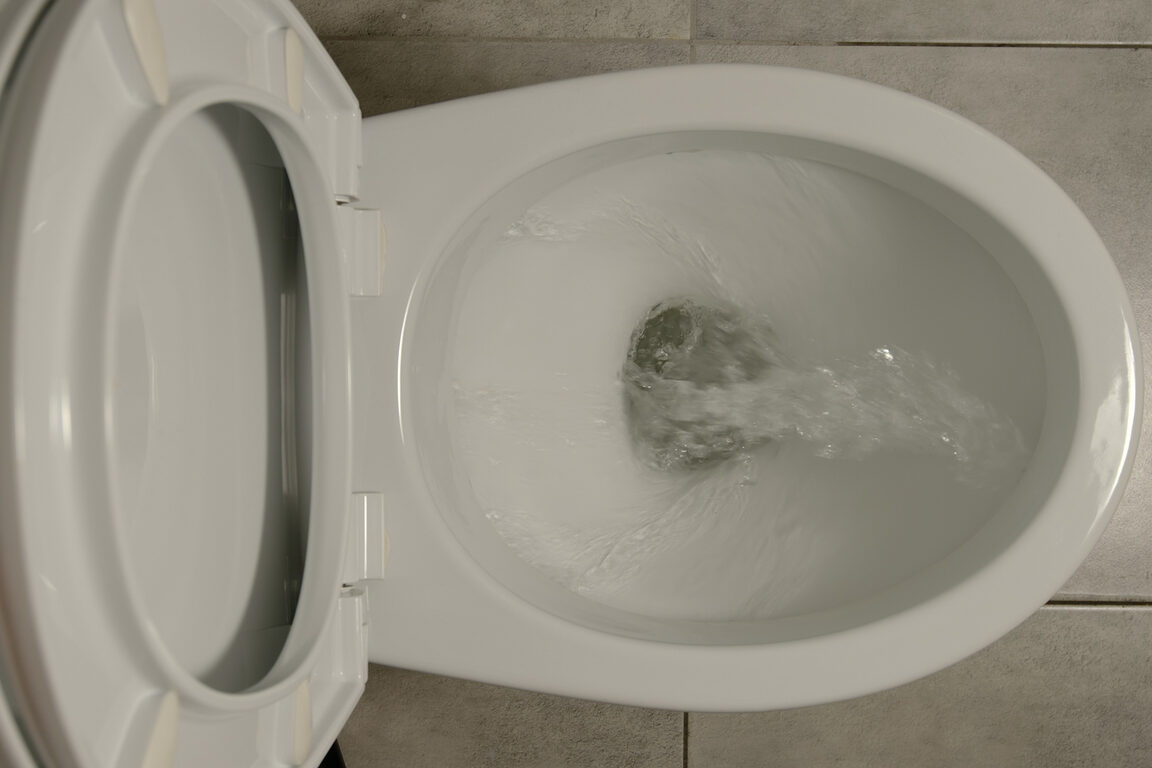
A toilet that keeps running fades into the background fast. Because it still flushes, it feels functional enough. That steady sound usually means internal parts are worn or misaligned. Water flows constantly without being noticed. Over time, bills rise and components degrade further. Many people postpone repairs because the issue feels small. Listening early prevents waste and damage. That gentle refill noise is not normal. It is a simple problem asking politely to be fixed before months pass, resources disappear, frustration grows, leaks develop, and household efficiency quietly declines without warning signs you can easily see daily anymore at home.
9. Clicking Sounds from Light Switches
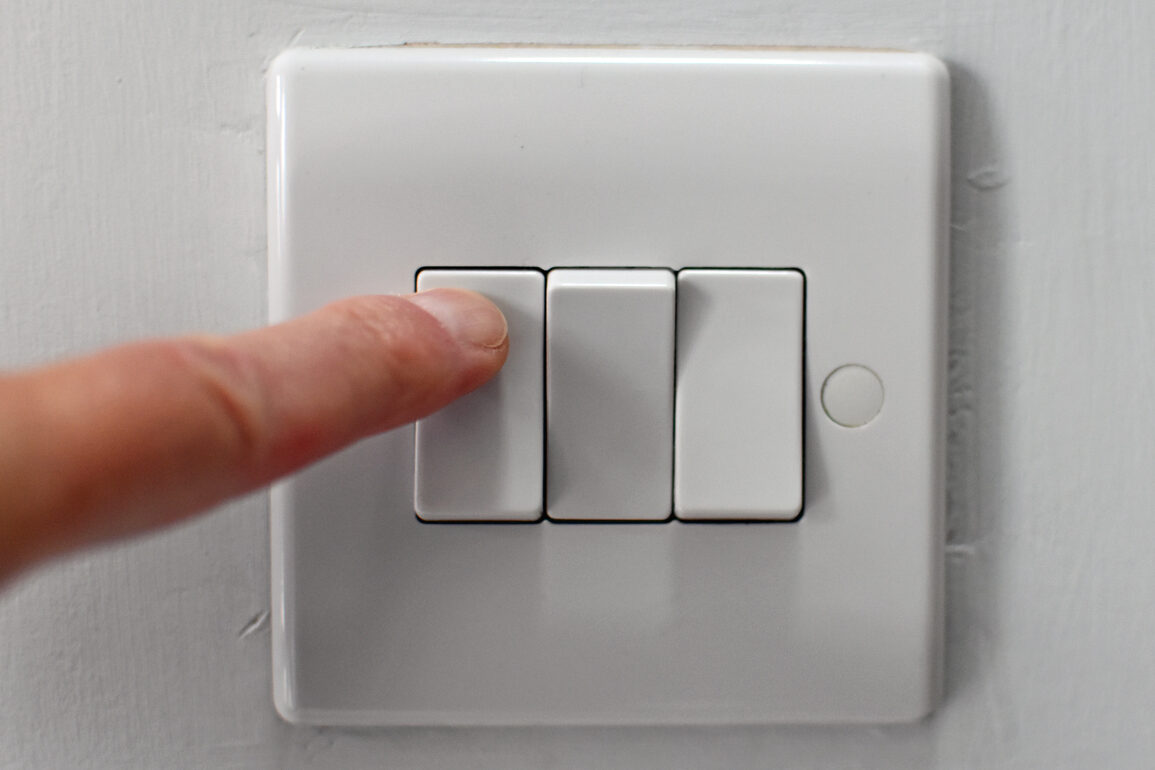
Clicking from light switches feels ordinary until it happens without touch. Because lights still turn on, concern fades quickly. That sound can signal loose connections behind the wall. Electricity moves best through secure paths. Over time, unstable wiring heats up and risks damage. Many people ignore brief clicks and pops. Paying attention early improves safety. That sound is not part of normal use. It is a reminder that electrical systems need stability, care, and timely inspection to prevent hazards, outages, confusion, stress, sudden darkness, repairs, or avoidable danger later on inside lived spaces we trust daily at home always again.
10. A Dryer That Starts to Squeal
A dryer squeal often starts softly and grows slowly. Because clothes still dry, people delay action. The sound usually comes from worn belts or bearings. Friction builds and parts strain with every cycle. Over time, motors suffer unnecessary stress. Many households live with the noise for months. That squeal is an early warning. Addressing it promptly keeps laundry routines smooth and prevents sudden breakdowns that disrupt schedules and patience when time already feels limited during busy weeks, shared spaces, tight budgets, family needs, rising repairs, delayed plans, and daily household flow everyone depends on to function well again at home.
11. Gurgling Sounds After Draining Water
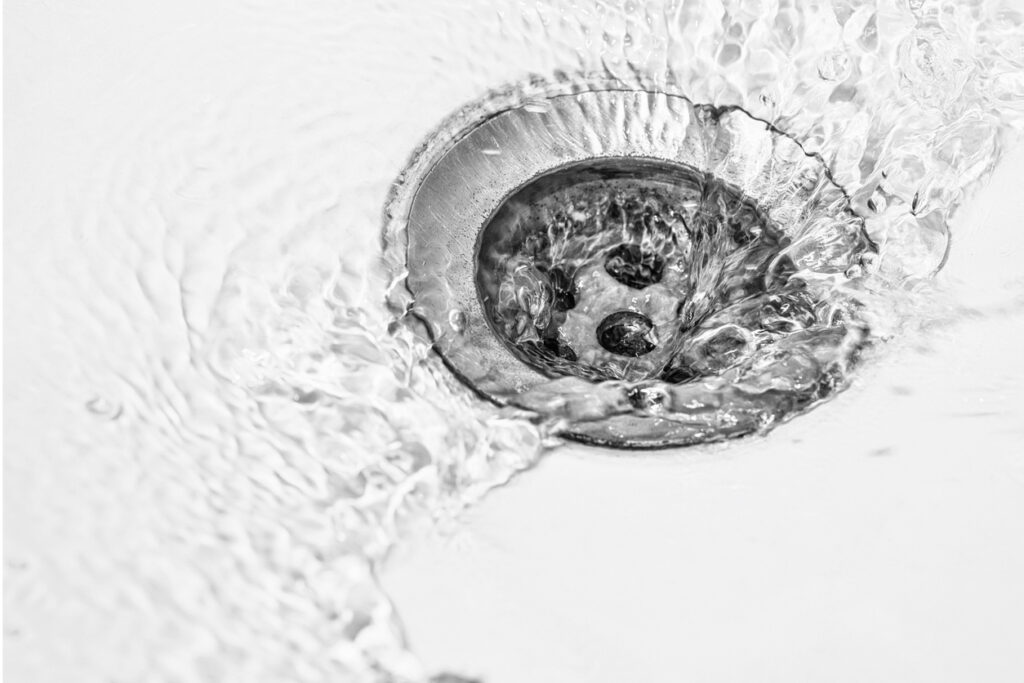
Gurgling drains sound odd but rarely urgent. Water still disappears, which reassures most people. That noise often comes from trapped air or developing blockages. Flow meets resistance where it should move freely. Over time, clogs grow and backups appear. Many homeowners wait until sinks fill. The gurgle is an early signal. Clearing issues now keeps plumbing predictable and calm. Listening prevents messy surprises that interrupt routines and turn simple fixes into stressful repairs later, saving money, time, patience, trust, and daily comfort within shared household spaces, kitchens, bathrooms, mornings, evenings, weekends, and ordinary moments at home again quietly ongoing always.
12. The Garage Door’s New Groan
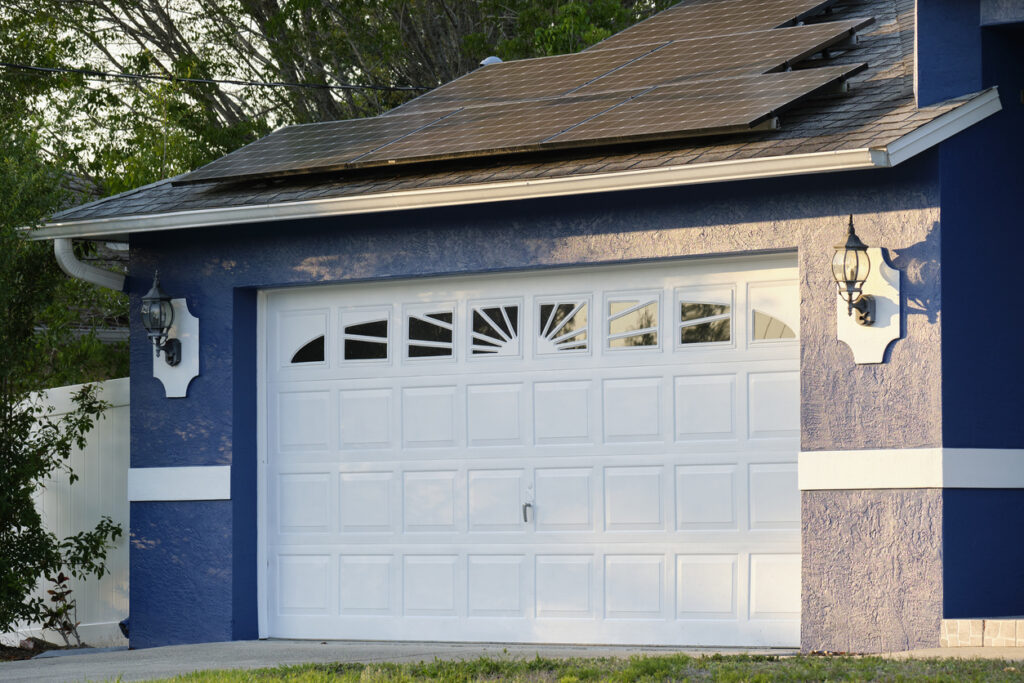
A garage door groan feels expected because the system is heavy. When the sound changes, friction is usually increasing. Rollers or tracks may need attention. The door still opens, which creates false comfort. Over time, strain builds on motors and hardware. Many people ignore the noise until failure occurs. That groan is resistance speaking up. Simple maintenance restores smooth movement and safety. Addressing it early avoids inconvenient breakdowns during busy mornings when schedules matter, work waits, children move, vehicles block, patience thins, and daily flow depends on doors opening reliably without stress, delay, worry, or surprise at home every day.
13. Rattling Air Vents During Use
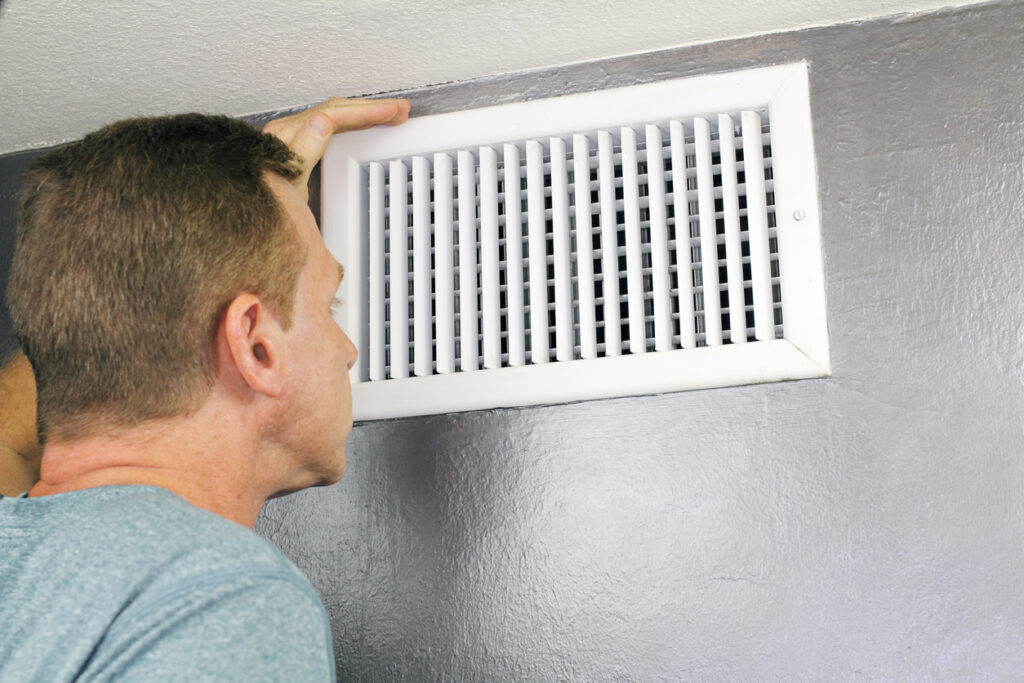
Rattling air vents often blend into heating and cooling cycles. The sound usually comes from loose covers or shifting ducts. Airflow becomes uneven and systems work harder. Rooms feel inconsistent over time. Many people adjust thermostats instead of addressing noise. That rattle signals inefficiency building quietly. Securing vents improves circulation and comfort. Small fixes here reduce strain elsewhere. Listening early helps maintain balance throughout the home and keeps everyday temperatures predictable without constant adjustments, energy waste, rising costs, discomfort, arguments, layering clothes, restless sleep, uneven rooms, or daily frustration creeping in slowly over seasons, years, and routines again at home.
14. A Microwave That Suddenly Hums Louder

A microwave hum changing in tone is easy to overlook. Because food still heats, concern stays low. The sound can signal internal parts under strain. Over time, uneven heating and failure become more likely. Many households ignore the noise until the appliance stops. That deeper hum marks a shift from normal behavior. Paying attention early protects safety and saves replacement costs. Even small appliances communicate when something needs attention inside before sudden breakdowns, wasted meals, disrupted schedules, added expenses, frustration, safety concerns, and rushed decisions interrupt everyday kitchen routines, shared moments, and simple comforts we rely on daily at home.
15. Stairs That Creak More Than Usual

Creaking stairs often announce themselves at night. Wood responds to temperature and humidity changes naturally. When sounds increase, fasteners may be loosening. Over time, movement causes wear beneath each step. Stairs still feel solid, so people ignore the noise. That creak is not dramatic. It is material responding to stress. Tightening and inspection early protect safety. Listening keeps daily movement confident and prevents small issues from growing quietly into larger problems, costly repairs, unsafe footing, hesitation, injuries, delays, fear, uncertainty, disruption, and unnecessary worry within shared living spaces, hallways, homes, and routines we trust every single day again at home.
16. A Dishwasher That Grinds Briefly
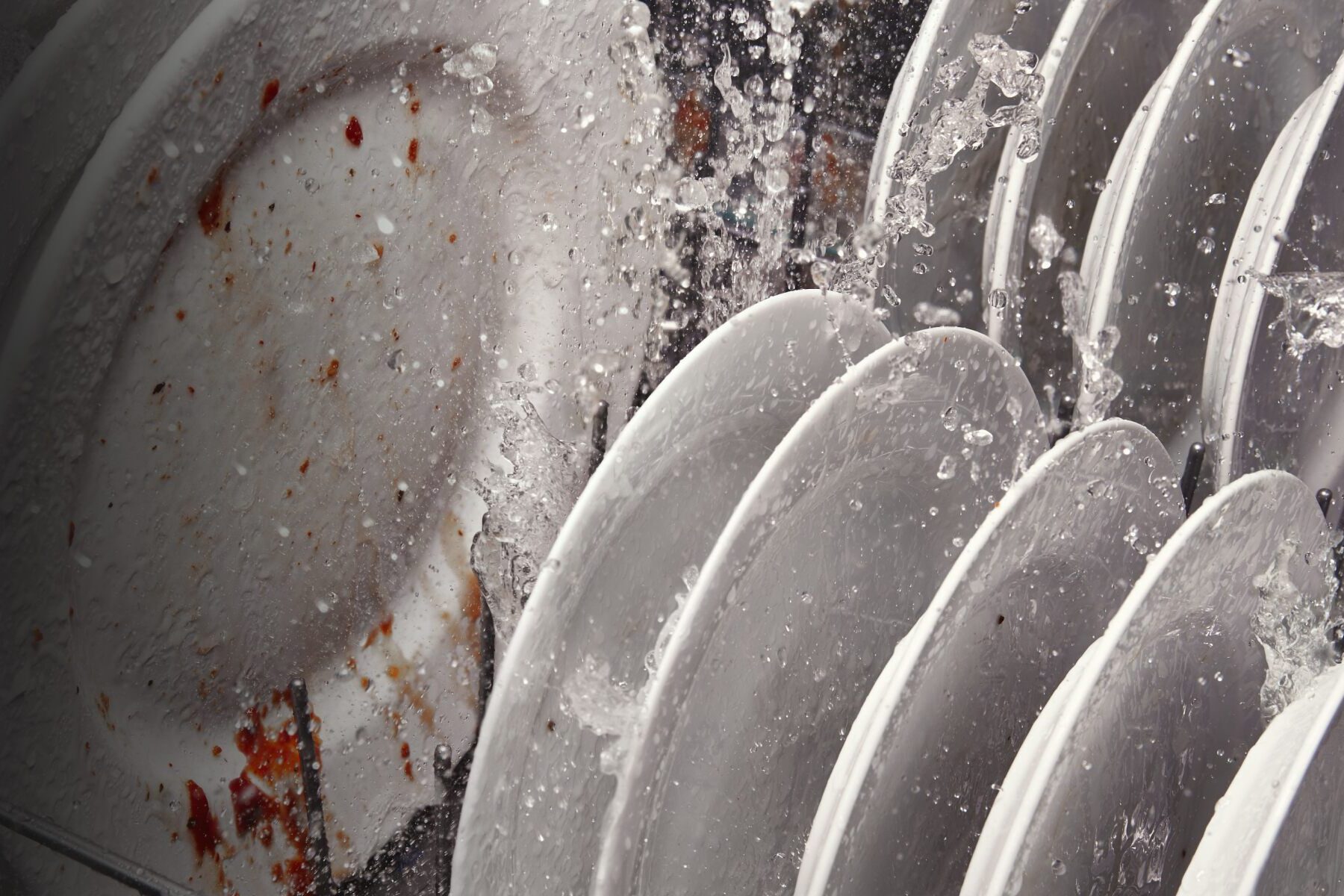
A dishwasher grinding briefly during cycles often goes unnoticed. Dishes still come out clean, which reassures users. The sound usually comes from debris or worn components. Water struggles to move freely. Over time, cleaning power drops and leaks become possible. Many people ignore the noise for weeks. That grind is resistance being felt inside. Clearing issues early restores smooth operation and keeps kitchens calm during daily routines without interruptions, messes, stress, delays, unexpected repairs, rising costs, frustration, water damage, or lost time between meals, work, family, and rest moments, evenings, mornings, weekends, and shared spaces at home again quietly ongoing.
17. Popping Sounds from the Ceiling

Popping sounds from ceilings usually appear during temperature changes. Materials expand and contract naturally. Repeated popping can signal stress in framing or drywall. Over time, cracks may appear. Because the noise is brief, people ignore it. That sound marks shifting happening overhead. Monitoring patterns helps identify growing issues early. Paying attention prevents visible damage and keeps ceilings intact, calm, and reliable through seasonal changes without repairs, repainting, worry, surprise, stress, expense, structural questions, home value concerns, discomfort, disruption, and gradual decline over years, weather, time, and repeated exposure quietly slowly unnoticed until costly fixes arrive at home again later unexpectedly.
18. A Ceiling Fan That Clicks While Spinning
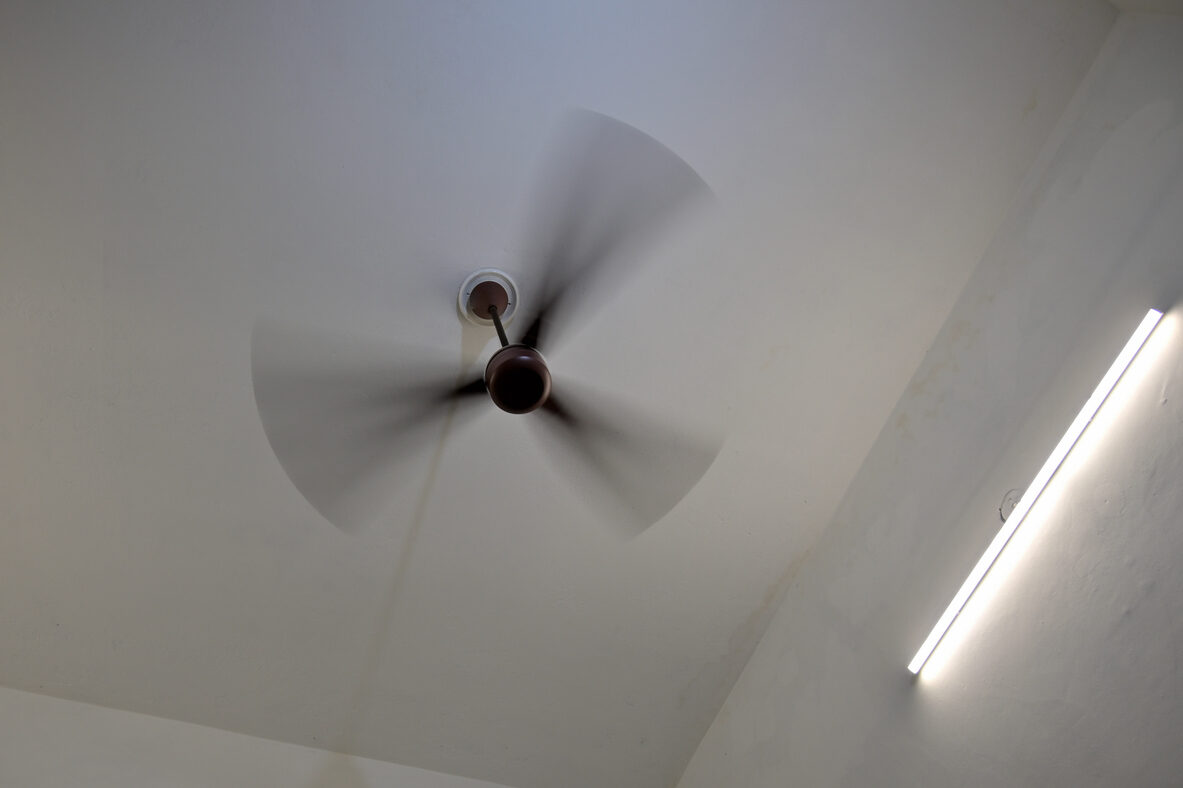
A clicking ceiling fan feels minor until it repeats constantly. The sound often comes from loose mounting or hardware. Vibration increases with every rotation. Over time, screws loosen further and balance shifts. The fan still spins, which hides risk. That clicking signals movement where stability should exist. Tightening components early restores safety. Listening prevents damage below and keeps rooms comfortable and secure during everyday use without falling parts, accidents, injuries, fear, liability, repairs, disruption, noise, stress, distraction, imbalance, or danger developing slowly overhead within shared living spaces, routines, nights, days, seasons, and moments we trust daily at home again always.
19. The Water Heater’s Low Rumble

A low rumble from a water heater is easy to miss. The unit sits out of sight and out of mind. The sound often comes from sediment buildup inside the tank. Heating becomes less efficient over time. Hot water still flows, which delays concern. That rumble signals wasted energy and stress. Flushing the tank early restores performance. Listening extends appliance life and keeps daily comfort consistent without sudden failure, cold showers, high bills, corrosion, leaks, stress, inconvenience, frustration, rushed replacements, or disruption to routines, mornings, evenings, weekends, and shared household rhythms over time, seasons, and years quietly again at home.
20. The Sound You’ve Learned to Ignore
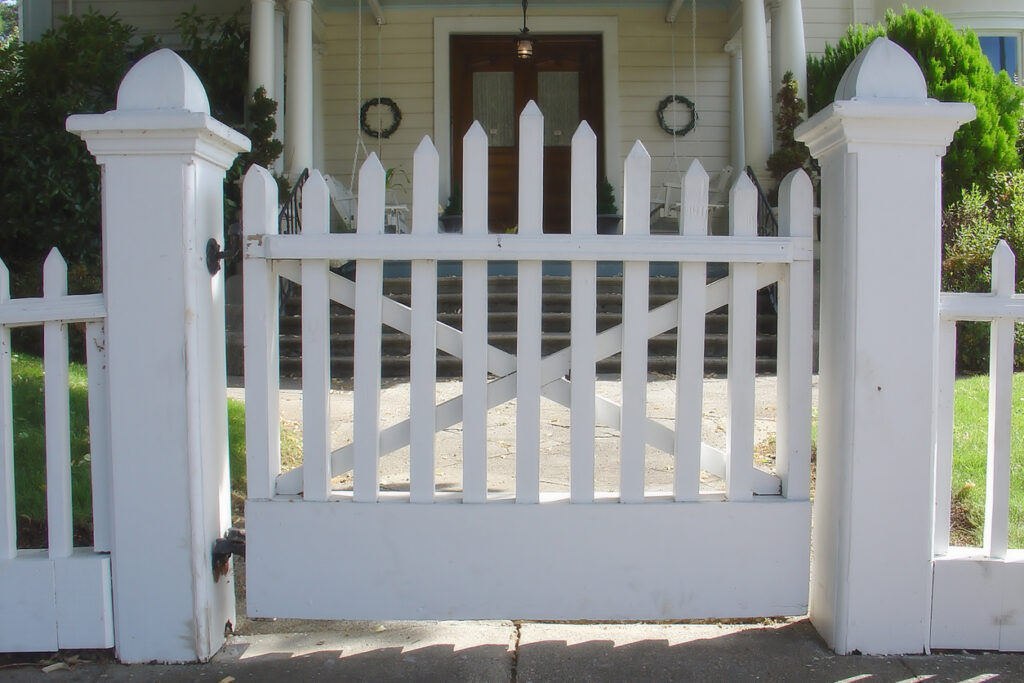
Every home has a sound you stop noticing. Familiar noises fade into routine and blend with daily life. Changes are what matter most. Small shifts often signal growing issues. Ignoring them is easy when nothing feels urgent. Listening early keeps problems manageable and stress low. Homes communicate before they demand attention. Paying attention protects comfort over time. When you hear something new, pause. It might be your home asking for care before damage, cost, inconvenience, disruption, worry, and frustration appear, reminding you that small sounds deserve respect, patience, awareness, and timely action within everyday living, shared spaces, routines, and moments.
This story 20 Household Noises You Shouldn’t Ignore (But Everyone Does) was first published on Daily FETCH


