
1. Rushing Out Without Breakfast

Sometimes we think skipping the smallest things will help us get ahead, and mornings often feel like the perfect place to cut corners. It seems harmless to rush out without breakfast, especially when time feels tight. The truth is that the minutes saved often turn into an energy crash that slows your entire day. You start noticing foggy thinking, irritability, and the urge to grab quick fixes that do not really help. A simple breakfast can steady your pace and make the morning feel less like a chase. Sometimes the real shortcut is simply giving yourself a proper start.
2. Leaving Messages Unanswered
It is easy to glance at a message and convince yourself you will reply later, especially when you feel busy. The problem is that the unspoken reminder hangs quietly in your mind, pulling attention away from everything else. You start juggling tasks while also thinking about what you still have not answered. By the time you return to it, you may need to reread the entire thread, wasting more energy than a quick response would have required. Handling small messages right away often frees up mental space. Sometimes what feels like saving time simply delays the moment you need clarity.
3. Keeping Too Many Tabs Open

Many people leave several tabs open because it gives the feeling of staying prepared, like everything is right there waiting for you. But the clutter slows your device and your thinking at the same time, turning a simple search into a hesitant pause. You hover between pages, unsure where to start or what you were even doing. Closing unused tabs creates a calmer space that helps your mind settle into one task instead of ten. You may find yourself breathing easier when your screen looks less crowded. A little digital order can create more real-life speed than expected.
4. Speed Cleaning Through Chores

Trying to rush through chores feels like a smart way to finish faster, especially on days when everything feels piled up. But moving too quickly often creates half done work that needs to be redone later. You spill things, miss corners, or fold clothes in a way that only creates more wrinkles to fix. What should have been one clean sweep becomes a repeating loop of small corrections. Slowing your pace just a little brings better results without adding extra stress. Steady effort usually beats frantic motion. A calmer rhythm often becomes the real shortcut you were looking for.
5. Writing Notes You Never Check

Plenty of people jot things down to feel organized, only to forget about those notes completely. It feels productive in the moment, but without revisiting them, the lists simply gather dust while the tasks stay undone. You may end up repeating ideas or searching for things you already wrote, adding more confusion than clarity. Checking your notes regularly turns scattered thoughts into useful reminders. It does not take long, and it saves time you would have spent scrambling later. A note only helps when it becomes part of your flow. The real power is in returning to what you captured.
6. Depending Too Much on Autofill
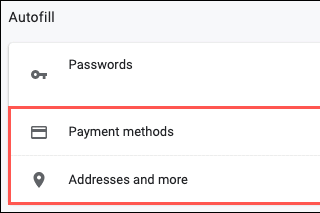
Autofill seems like a quiet helper that makes everything easier, from forms to sign ups. But when the saved information becomes outdated or wrong, it causes repeated errors that slow you down even more. You find yourself deleting and retyping fields, wondering why something simple turned complicated. Taking a moment to update or clean your autofill settings can prevent unnecessary delays. Technology is helpful, but it still needs a little attention to stay accurate. Small updates keep the process smooth. Sometimes the fastest path is simply making sure the tools you rely on are still working the way you expect.
7. Reusing Old Templates Too Often
Copying old work can feel like a brilliant shortcut, especially when the new task resembles something you have done before. But old templates often carry leftover wording or outdated details that slip through unnoticed. You may spend more time correcting mistakes than you would have spent writing from scratch. Starting fresh gives you a clear head and cleaner results. It also helps you tailor your message in a way that feels natural instead of recycled. A new beginning does not always require extra effort. Sometimes it simply prevents the clutter that slows progress before you even realize it.
8. Keeping Everything Just in Case

Holding on to items you might need someday feels safe, like you are avoiding future trouble. But all those things take up space and make it harder to find what you actually use. Clutter creates tiny delays that add up, whether you are searching through drawers or stepping around piles. Letting go of what no longer serves you gives your space room to breathe. It becomes easier to clean, easier to organize, and easier to think. The things you truly need always reveal themselves. Clearing out the rest often brings a quiet sense of relief that speeds up everyday life.
9. Multitasking During Conversations

Trying to talk while doing something else feels efficient on the surface, especially during busy days. But splitting your attention makes both tasks harder and the conversation less meaningful. You may miss key details or misunderstand what someone is trying to say. Later, you spend extra time fixing avoidable mistakes or clarifying things that could have been simple. Giving a conversation your full attention, even briefly, usually makes it shorter and clearer. People appreciate being heard, and you finish with a better understanding. A few focused moments often save far more time than distracted multitasking ever could.
10. Setting Too Many Reminders

Using reminders for everything feels like smart planning, but too many alerts become noise you eventually ignore. Notifications lose their meaning when they appear constantly, and you may stop responding to them altogether. This leads to forgotten tasks or repeated alarms that only add frustration. Choosing fewer reminders and placing them at meaningful times keeps them more effective. Your attention works best when it is not always being pulled in different directions. Simplicity keeps your mind calm and helps you follow through. The best reminders are not the ones that shout the loudest but the ones that actually guide you.
11. Searching for Files Instead of Organizing

Typing keywords to find files can feel fast, especially when you are in a hurry. But repeating the same searches every time wastes more minutes than you realize. A simple folder system puts everything in predictable places. You do not have to guess or scroll endlessly because the path becomes familiar. Organization takes a little planning at first, but it saves countless moments later on. When your digital space has structure, your tasks flow naturally. A tidy system becomes a quiet partner that helps you move forward without stumbling around for what should already be easy to find.
12. Half Listening While Working

Trying to work while someone talks to you feels like a clever way to keep things moving, but it often leads to mistakes on both sides. You may mishear important points or lose track of your own task. Later, you spend extra time fixing errors or asking for repeated explanations. Giving someone a moment of full attention makes the conversation quicker and more meaningful. Then you return to your work with a clear mind. Focus is kinder to your time than distraction, even when it feels like you are doing less. True efficiency often begins with presence instead of juggling.
13. Skipping Steps in Instructions

Skipping steps in instructions feels harmless, especially when you think you already know what to do. But missed details often lead to repeated troubleshooting, broken items, or a messy outcome that takes even longer to fix. Reading instructions fully may seem slow, but it prevents the kind of mistakes that steal far more time later. A few calm minutes upfront create smoother progress and fewer frustrations. Whether you are assembling furniture or trying a new recipe, following the steps helps everything fall into place. Sometimes the fastest way forward is simply respecting the process that was already designed to guide you.
14. Waiting for the Perfect Mood

Saving tasks for when you feel ready seems reasonable, especially when motivation comes and goes. But waiting often turns simple tasks into heavy ones that linger in your mind. The longer you postpone them, the harder they feel. Taking small steps without overthinking creates momentum and reduces the pressure that builds up. You may discover that action naturally brings the mood you were waiting for. Once you start, the task becomes less intimidating. Finishing feels easier than you expected. Progress does not always need enthusiasm. It often begins with a gentle push instead of waiting for the perfect moment.
15. Leaving Apps Running in the Background

Keeping apps open feels convenient, like everything is just one tap away. But the more apps you leave running, the slower your device becomes. Battery drains quickly, screens lag, and simple tasks take longer. Closing unused apps frees memory and helps your device run smoothly again. It only takes a moment, but it makes your phone or tablet feel lighter and more responsive. A clean digital space can improve your mood too, especially when you rely on your device for daily routines. Sometimes the real shortcut is simply reducing what you carry so everything else works better.
16. Skimming Messages Too Quickly

Speed reading messages feels like a way to stay on top of things, but it often leads to missed details that cause confusion later. You may respond too fast, misunderstand information, or make decisions that need correction. Slowing down just enough to fully understand the message saves you from unnecessary backtracking. Clear reading creates clear responding. When you take a moment to absorb what someone is really saying, the entire interaction becomes smoother. Rushing feels productive in the moment, but it can send you in the wrong direction. Thoughtfulness often ends up being the quickest route.
17. Trying to Remember Everything

Relying on memory feels natural, especially when you have a lot going on. But even strong memory gets tired, and holding too many things in your mind leads to stress and forgotten tasks. Writing things down gives your brain room to breathe. It does not mean you are forgetful. It means you are practical. A simple list or note removes the pressure of keeping track of everything. It keeps your day clearer and more manageable. You can focus on what matters instead of juggling mental reminders. A small habit of writing can save hours of unnecessary frustration.
18. Overusing Voice Commands

Voice commands can be helpful, especially when your hands are busy. But relying on them too often creates delays when your device mishears you or repeats the wrong action. Background noise, accents, and unclear wording can slow the process and make simple tasks feel clumsy. Taking a moment to tap or type manually sometimes speeds things up. It gives you more control and reduces repeated attempts. Technology is useful, but it is not perfect. Knowing when to switch methods keeps your rhythm smooth. Balance is the real shortcut because it helps you choose what works best in each moment.
19. Starting Too Many Tasks at Once

Beginning several tasks at the same time feels productive, like you are getting ahead on everything. But dividing your attention spreads your energy thin and slows progress on all fronts. You may end the day with several unfinished tasks and no sense of completion. Focusing on one thing at a time helps you finish faster and with less stress. Completion creates confidence and clears mental space. Starting fewer tasks may look slower, but it builds a stronger flow. True progress comes from steady focus instead of scattered effort. One clear step forward often beats many rushed beginnings.
20. Cutting Corners on Rest

Skipping breaks or sacrificing sleep can look like dedication, especially when you want to get more done. But fatigue slows your thinking, weakens your decisions, and makes every task feel heavier. Rest is not wasted time. It resets your mind and helps you move with clarity. When you take care of your body, your productivity naturally rises. The time you think you gain by pushing through is often lost in slower performance. A rested mind works smarter, not harder. Sometimes the real shortcut is stepping back so you can move forward with ease, balance, and better energy.


