
1. Ring Around the Rosie
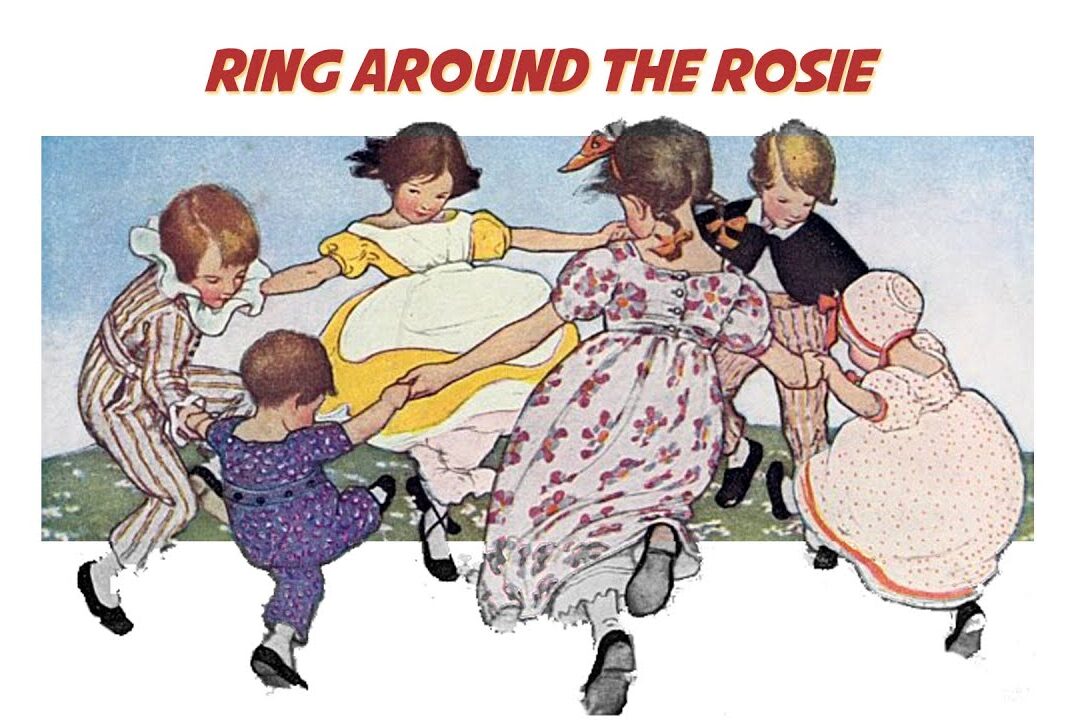
We often forget how childhood songs carried strange echoes from the past, and this one sets the tone for the journey. Many people remember spinning in circles singing this gentle rhyme, yet its backstory feels heavier when seen through old memories that linger in whispered stories. Some believe the rosy ring hints at an illness while others say it simply reflected how people observed everyday life. Whatever the truth, the playful fall at the end gives the rhyme a curious mix of innocence and mystery that continues to follow it quietly as generations pass and children still hum it softly.
2. London Bridge Is Falling Down
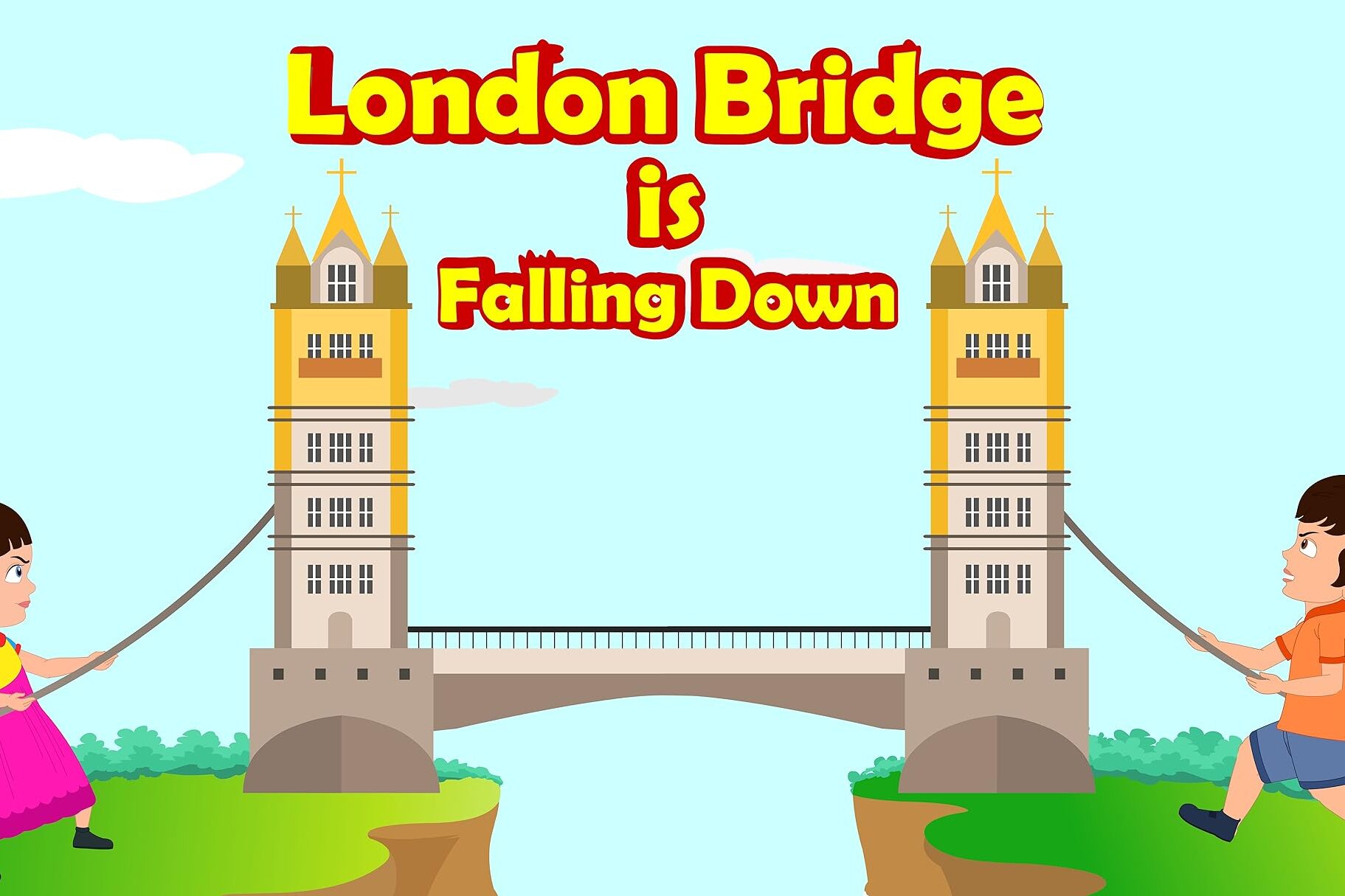
This familiar rhyme once felt like a simple game, but many believe it reflects the constant rebuilding of the real London Bridge. Its wooden foundations, heavy traffic and ordinary wear made collapse a familiar threat. Others think the rhyme blended bits of stories people shared about fires or attacks long before modern repairs made bridges stronger. Over time, children turned that repeating fall into a lighthearted playtime moment even though the history behind it carries the reminder that some places changed again and again before they finally found steady ground under the pressure of growing cities.
3. Humpty Dumpty
Humpty Dumpty feels like a cheerful character, yet early versions never described him as an egg. Many believe he represented something large and broken that people could not repair no matter how hard they tried. Some say it was equipment that toppled, others argue it was only a playful riddle children repeated. What remains is the simple truth that once something important falls, it can be difficult to return it to what it used to be. That gentle lesson wrapped itself into a rhyme children memorized long before anyone decided to paint Humpty with a round smiling shell.
4. Mary Mary Quite Contrary
This rhyme sounds lighthearted with its silver bells and growing garden, but many believe it reflects a woman facing conflict rather than tending simple flowers. Some think it speaks of a period when beliefs and expectations clashed, shaping how people talked about authority at the time. Others imagine it as a gentle reminder of how difficult people can be when trying to meet expectations they never asked for. Either way, the rhyme carries a steady rhythm that makes it easy to remember while the deeper meaning slips quietly beneath the playful sound of a garden growing in order.
5. Jack and Jill
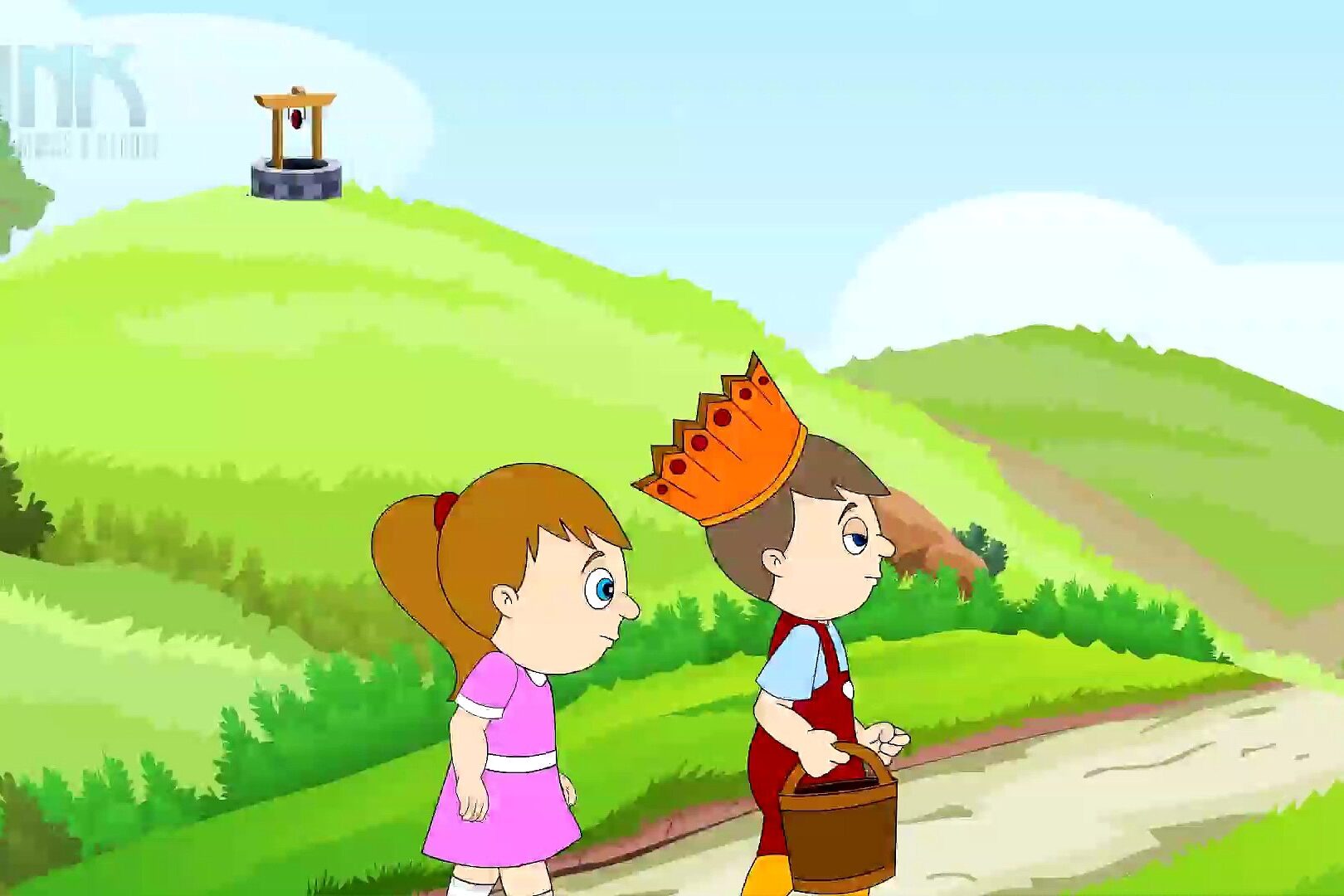
Jack and Jill feels like a simple climb up a hill, yet the fall at the top has inspired several interpretations. Some think it recalls a real injury, while others believe it reflects moments of change in older societies where rules and fortunes could shift unexpectedly. Children repeated the rhyme for centuries without knowing the theories tied to it. The story still sits lightly on the tongue even though the fall can feel heavier when heard with adult ears. Still, the familiar rhythm softens the edges and keeps the rhyme memorable as Jack and Jill continue climbing together.
6. Rock a Bye Baby
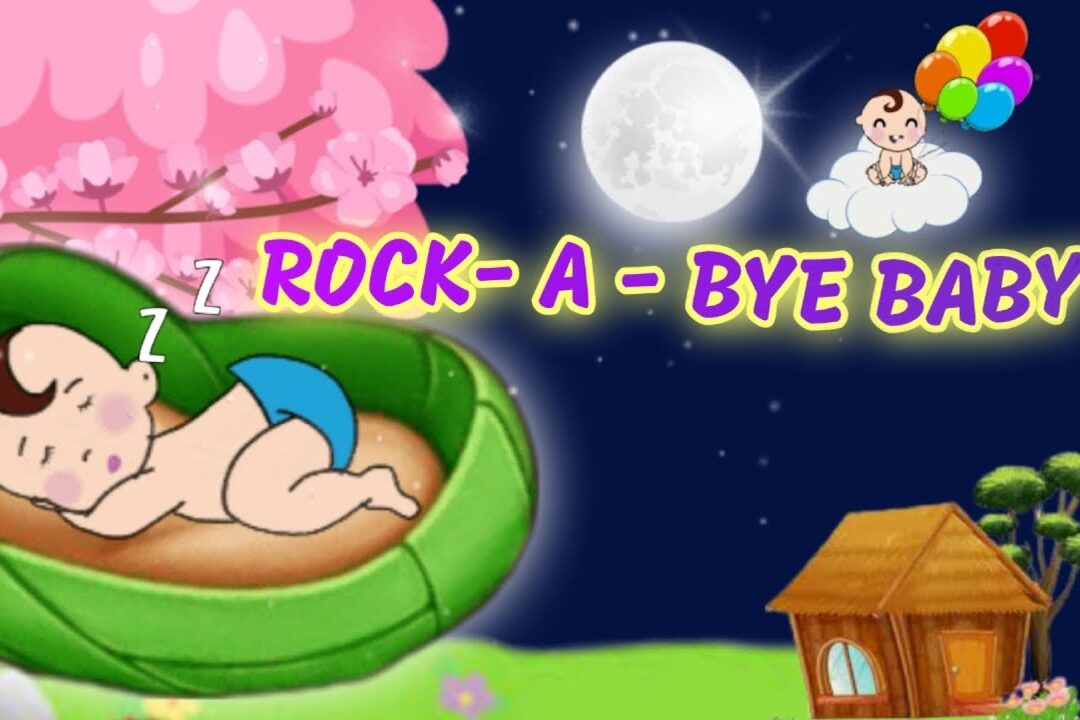
Many parents still sing this lullaby gently, yet the falling cradle has always raised quiet questions. Some say it was inspired by watching cradles sway in tree branches while others think it commented on moments of uncertainty in earlier times. The melody sounds peaceful until the final line reminds us that not everything remains steady. Still, families passed it down because the tune brings comfort even with its surprising ending. It reminds listeners that calm moments and sudden shifts often sit closely together, shaping a lullaby that feels both soothing and slightly curious each time it is sung.
7. Three Blind Mice
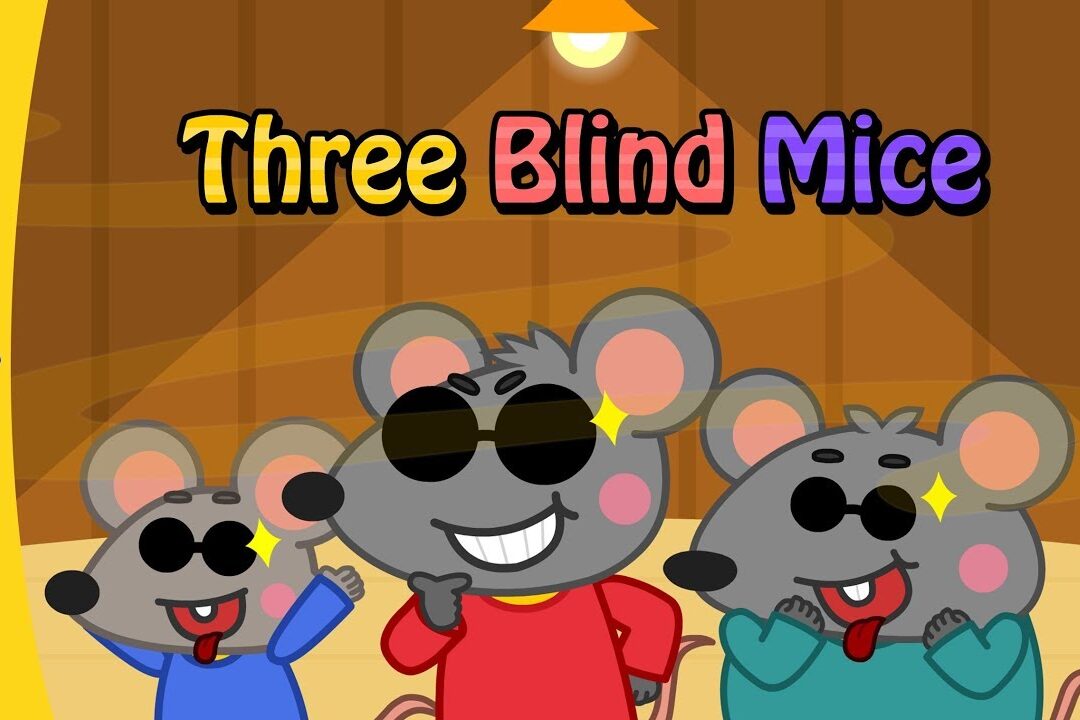
This simple chase across a kitchen has long been part of childhood play, yet some believe it spoke to moments of disagreement long ago. The three mice may have represented people who could not see the dangers around them or who ignored warnings that others thought were clear. Regardless of the original meaning, the rhyme became a catchy tune children loved to repeat without considering its earlier symbolism. Today, it still carries that same playful beat, proving how stories can soften over time as newer generations embrace them for the rhythm rather than the seriousness hidden underneath.
8. Baa Baa Black Sheep
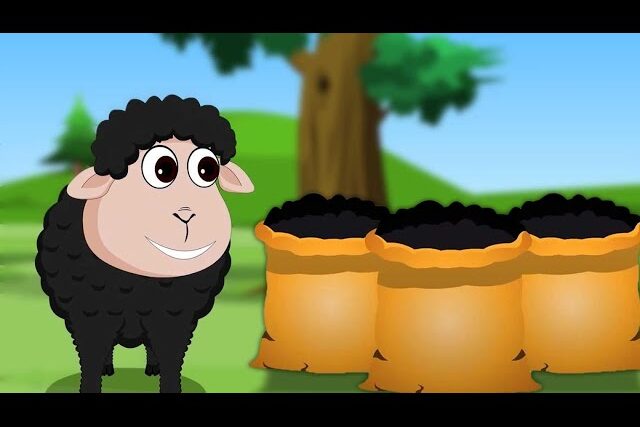
This rhyme about sharing wool has been recited for hundreds of years, and many believe it reflects how goods were divided in older times. Some say it echoed moments when people were required to give portions of what they produced to different authorities. Children never noticed these hints and simply enjoyed the gentle pattern of the words. Over time, the rhyme remained popular because of its simplicity and the familiar feeling of giving and receiving. It reminds listeners that even straightforward stories can carry older experiences quietly within them while still sounding warm and rhythmic in everyday play.
9. Old Mother Hubbard
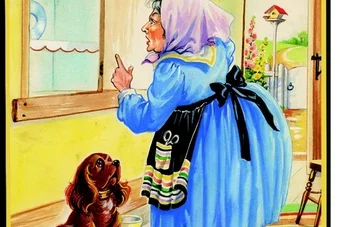
Old Mother Hubbard searching for food became a playful image, yet the rhyme may have held another meaning for adults long ago. Some suggest it gently poked fun at situations where people in authority failed to meet expectations. Others think it simply described how hard it was to provide for others during difficult times. Children recited it without recognizing these possibilities, turning the old woman into a lighthearted character. The rhyme still brings a smile because it pairs a simple problem with an unexpected twist, proving that even empty cupboards can leave behind memorable stories.
10. Goosey Goosey Gander

This rhyme wanders through rooms and stairways, creating an oddly vivid scene. Some believe it once hinted at hidden worries during a time when people held strong opinions about what should be practiced inside a home. Others read it as nothing more than imaginative storytelling that children found amusing. The unusual combination of geese, strangers and quiet corners makes the rhyme unforgettable. Even if the original meaning remains uncertain, the story flows with a rhythm that has kept it alive for generations as children still repeat its curious lines while imagining the rooms it describes.
11. Little Miss Muffet
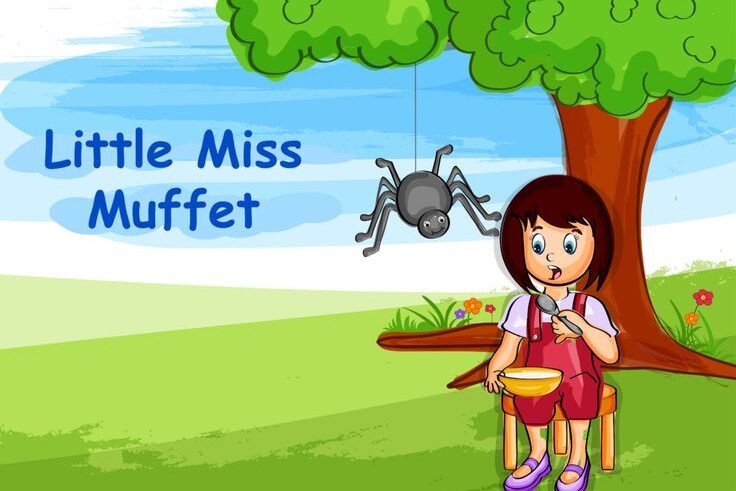
Little Miss Muffet sitting quietly with her meal has charmed children for years, yet the sudden appearance of a spider often brings laughter. Some believe the rhyme may have been inspired by a real girl who disliked insects while others think it simply captured a moment people found amusing. The gentle setup and surprising reaction made it memorable enough to pass down through families. In the end, the rhyme reminds listeners that fear can appear unexpectedly, turning ordinary moments into stories that last much longer than anyone imagined when the first scared child hurried away from a tiny visitor.
12. Hickory Dickory Dock
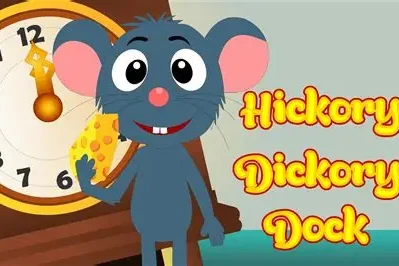
This climbing mouse has long delighted children who imagine tiny feet racing up a tall clock. Some believe the rhyme helped early learners understand the passing of time while others think it was created simply because its rhythm was fun to repeat. The unpredictable movement of the mouse against the steady ticking makes the rhyme feel lively. Even without a clear meaning, it keeps its charm because of how easily it rolls off the tongue. The repeated sound patterns make it one of those rhymes that settle comfortably into memory and return whenever a clock strikes a familiar hour.
13. Ladybird Ladybird
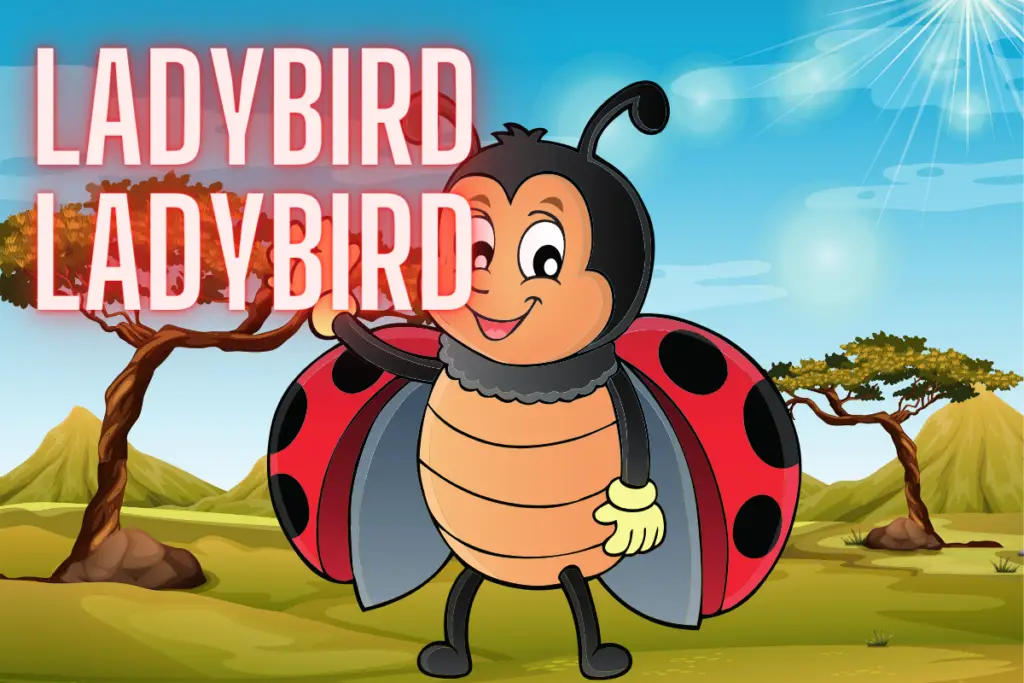
This gentle call to a ladybird feels warm and protective, yet the line about flying home suggests urgency. Some think it may have reminded families to take care during seasonal changes when fields were cleared or burned. Others simply see it as a tender way to encourage a tiny creature to find safety. The rhyme carries both concern and affection, teaching listeners to notice the small lives around them. Over time it softened into a peaceful chant children enjoy, even though its quiet tone still hints at the need to hurry home before something important changes in the distance.
14. Oranges and Lemons
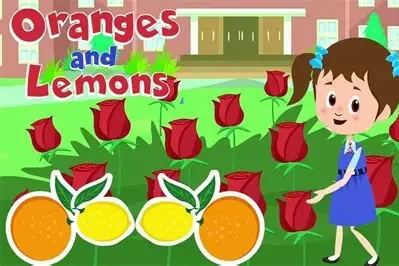
This rhyme begins with lively mentions of church bells before shifting into a surprisingly serious closing line. Many think it reflected moments in history when certain places were linked to difficult events. Children focused more on the playful sound of the bells than the final phrase, which added a sharp contrast to the cheerful beginning. The rhyme remains memorable because of its shifting tone, moving from brightness to something heavier in a single breath. It shows how older stories often blended light and dark in ways that made simple songs feel layered even when sung during childhood games.
15. There Was an Old Woman Who Lived in a Shoe
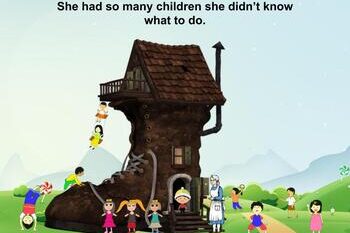
This rhyme pictures a woman caring for many children in a cramped home. Some believe it reflected real struggles families faced during times when resources were limited and support systems were uncertain. Others think it simply captured the humor of an exaggerated situation. Children enjoyed the quick rhythm without understanding how hard such a life might have been. The image of a shoe filled with little ones remains a symbol of both chaos and affection. Even now, the story reminds listeners that caring for others often brings challenges and unexpected moments that become part of lasting memories.
16. Rub a Dub Dub

This rhyme with its trio in a tub has sparked curiosity for ages. Some say earlier versions described a lively scene at a fair where people gathered for entertainment and spectacle. Over time it softened into the familiar version children enjoy today. The playful rhyme carries a sense of movement and cheer that makes it easy to recite. Even without knowing its earlier forms, listeners can imagine the splash and bustle it describes. It shows how stories often change shape to suit new audiences while keeping the rhythm that makes them fun to repeat again and again.
17. The Muffin Man
The Muffin Man once represented a familiar figure in old bustling streets where vendors announced themselves with calls and bells. Children still enjoy singing the rhyme even though the tradition it describes has faded in many places. Some think the tune celebrated the excitement of morning deliveries while others believe it simply offered a catchy pattern for playtime. Its gentle repetition makes it comforting, like a small window into a time when daily routines were shaped by sound and shared spaces. Even now the rhyme invites us to imagine warm baked goods traveling through busy neighborhoods before sunrise.
18. Hey Diddle Diddle
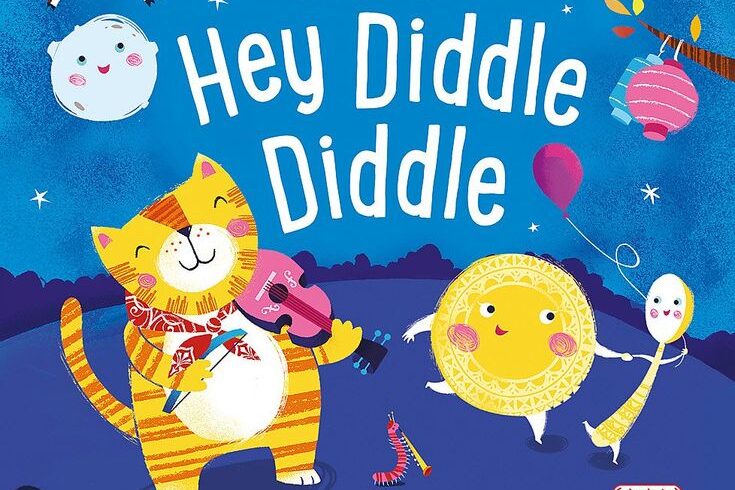
This whimsical rhyme surprises listeners with dancing animals and flying dishes, creating a world that celebrates imagination. Some think it was meant to entertain adults before it became a children’s favorite, while others believe it was simply joyful nonsense meant to spark laughter. Its silly scenes have no clear explanation, yet that uncertainty is part of its charm. The rhyme reminds us that not every story needs a deeper meaning. Sometimes the delight of imagining a cow leaping over the moon is enough to keep a tune alive for generations as it continues to spark smiles.
19. Little Boy Blue
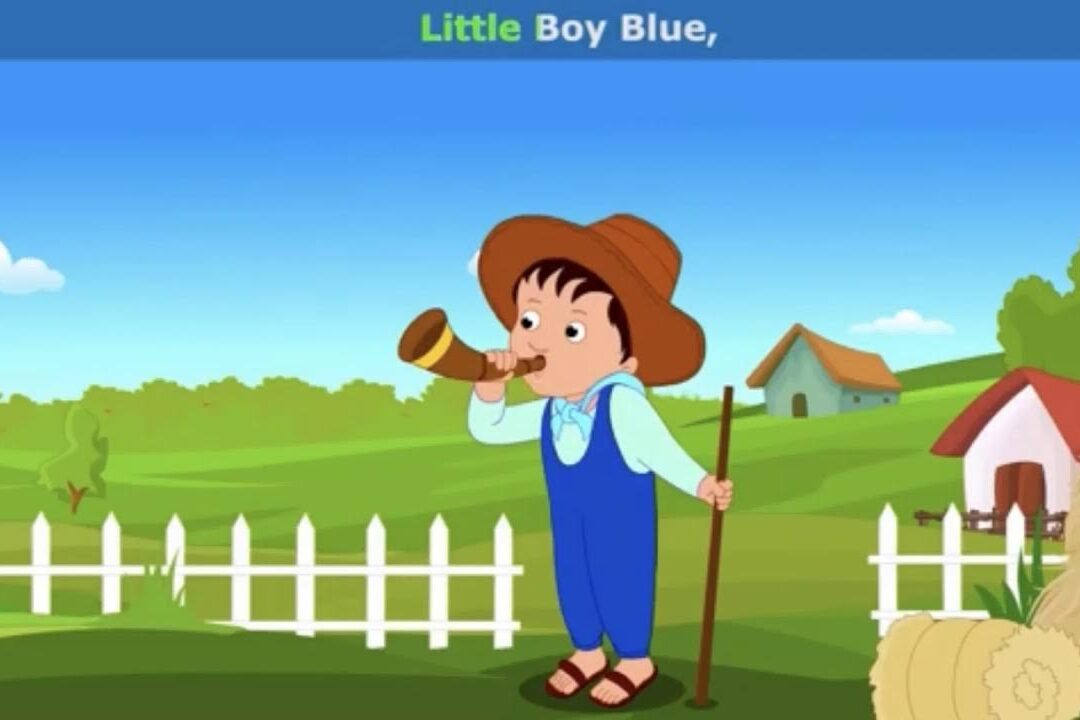
Little Boy Blue feels calm at first, calling a child to watch over fields and animals. Some see it as a reminder of responsibility during early farm life, while others think it tells a quieter story about falling asleep while important tasks wait. The gentle tone carries both stillness and expectation, offering a moment that feels familiar even today. It closes our journey through these rhymes by showing how simple lines can hold both innocence and gentle caution, proving that childhood songs often carry more meaning than we realized. They linger softly, inviting us to listen more closely.
This story 19 Nursery Rhymes Whose Backstories Are Definitely Not for Bedtime was first published on Daily FETCH


