
1. Thinking Something Is Illegal When It Is Not

Sometimes we grow up believing simple everyday things are forbidden and that quiet hesitation follows us into adulthood. It is funny how normal actions can feel sneaky even when they are completely allowed. So let us ease into the first one, because this sets the tone for everything that follows. Walking into a hotel lobby without being a guest feels like a secret act, but it is not against any law. Hotels operate as public accommodation spaces and their lobbies remain open unless restricted. It is simply one of those harmless freedoms people rarely notice they have.
2. Browsing in Stores Without Buying

There is a familiar nervousness that comes with wandering through a store without picking anything up, almost like someone is keeping score. Yet browsing on its own is perfectly legal and part of how shopping works. Stores expect people to look around, compare options, or even daydream a little. The idea that you must buy something came more from childhood rules than actual law. As long as you behave respectfully and leave if asked, you are not doing anything wrong. It is a small reminder that everyday routines carry more freedom than we often assume.
3. Driving Barefoot

This one surprises many people because it has been repeated for years as if it were a strict rule. Driving barefoot feels like something authorities would forbid, but no laws prohibit it. Some people even say they drive better without shoes because they can feel the pedals more clearly. The hesitation comes from a mix of myths and caution, yet the law remains simple. You may choose what feels safest for you. Knowing this makes those spontaneous barefoot moments feel less like breaking a hidden rule and more like choosing comfort when the road stretches quietly ahead.
4. Taking Photos Inside Grocery Stores

Holding up your phone in a grocery store aisle often invites stares, as if you are doing something suspicious. But taking photos in a store is not illegal and is generally allowed unless a specific policy says otherwise. Many people snap pictures to compare prices, remember ingredients, or share finds with someone at home. The concern usually comes from confusing store rules with actual legal boundaries. Once you know the difference, the tension fades. You realize you are simply making your shopping easier and capturing what matters in the moment without crossing any line at all.
5. Eating Before Paying in a Grocery Store

Opening a snack while moving through the aisles can feel like the quickest way to get in trouble, but it is not illegal if you intend to pay before leaving. Many parents do it to keep children calm, and adults do it to keep energy up during long errands. The key is honesty and holding onto the wrapper so the cashier can ring it up. The fear comes from old warnings about not touching anything before purchase, yet real life allows room for practicality. It is simply another quiet freedom that makes daily routines a little easier.
6. Sitting on the Floor in a Store

Sometimes you just need a moment to breathe while browsing, and sitting on the floor feels like something store staff might scold you for. Yet it is not illegal at all. People do it in bookstores, toy aisles, and craft sections when they want to look closely at something. Stores may ask you to move if you block a walkway, but that is about safety, not law. It is simply a practical pause that helps you gather your thoughts. Sitting for a moment does not make you suspicious. It just makes you human among shelves full of choices.
7. Using Public Restrooms in Hotels

Stepping confidently into a hotel to use the restroom can feel strangely bold, as if someone will stop you at any second. But hotels are public accommodation environments, and their lobby restrooms are usually available unless a sign states otherwise. Most staff see people walking in and out every day, which makes the fear more mental than real. You are not intruding when you quietly take care of what you need. It is one of those small freedoms that make city living easier once you finally embrace it without hesitation or guilt guiding your steps.
8. Bringing Outside Food into Parks

Carrying your own snacks into a public park sometimes feels questionable, especially when you see food vendors nearby. But outside food is allowed in most public parks unless clearly restricted. Families bring picnics, friends share treats, and people relax with homemade meals in open spaces every day. The idea that it might be forbidden usually comes from places with their own rules, not from the law itself. Once you understand this, the experience becomes more enjoyable. You feel free to bring whatever comforts you need, and the park becomes a simple extension of your everyday routine.
9. Taking Free Items Left on the Curb

Walking past a curbside pile labeled free often feels like stepping into a strange shadow of legality, but taking abandoned items is perfectly fine. People leave things out intentionally to give them a second life, and the city usually treats them as discarded belongings. You are not stealing when someone clearly wants the item gone. It becomes an unexpected discovery, sometimes even a small treasure. These moments remind you that communities quietly help each other through simple gestures. What one person no longer needs might be exactly what someone else has been searching for without even knowing it.
10. Talking to Strangers’ Pets in Public
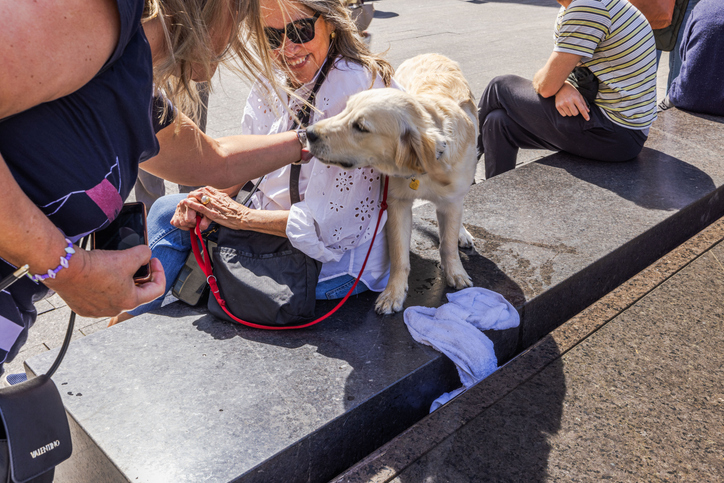
Many people hesitate before greeting a dog they do not know, worried it might be rude. But talking to pets in public is completely allowed and usually welcomed. Most owners enjoy seeing their animals receive attention, as long as boundaries are respected. You are not crossing any legal line by smiling at a wagging tail or saying hello to a curious companion. It creates a friendly moment that brightens someone’s day. These little interactions remind us how animals naturally bring people together through simple gestures that feel warm, genuine, and entirely harmless in the busy rhythm of life.
11. Filming Buildings from Public Spaces

There is something about pointing your camera at a large building that feels like it might attract unwanted attention, yet filming structures from public areas is entirely legal. People admire architecture, capture memories, and document trips without any hidden rule preventing it. The fear often comes from how official certain buildings look, not from any law. As long as you remain on public ground and respect signs that restrict access, you are free to record what you see. It is a reminder that public spaces belong to everyone, not just those who seem confident enough to use them.
12. Inspecting Produce Before Buying

Turning a fruit in your hand or gently squeezing a vegetable can sometimes feel like crossing an invisible line, but produce inspection is a normal and legal part of shopping. Markets expect customers to choose items carefully, and no law prevents you from checking ripeness. Everyone wants fresh ingredients, and handling them with care is part of that process. The only expectation is respect for the food and the space. Once you realize this simple truth, shopping becomes more relaxed. You participate in the quiet rhythm of selecting what suits your needs without carrying unnecessary worry.
13. Recording Everyday Ambient Sound in Public

Capturing ordinary soundscapes like street noise or casual chatter might feel intrusive, yet recording what naturally occurs in public is allowed. People create memories, videos, and creative projects using the sounds around them without breaking any rule. Public spaces do not offer privacy in the same way private rooms do, which makes these recordings permissible. The hesitation usually comes from not wanting to seem odd, but legally the path is clear. You simply document life as it happens, blending naturally into the environment. These small recordings often become reminders of moments that felt ordinary yet meaningful.
14. Asking Businesses for Water

Many people feel uncomfortable asking for a simple cup of water, worried it may be seen as improper, but there is nothing unlawful about the request. Most establishments understand that people get thirsty and appreciate access to basic refreshment. You might receive a yes or a no depending on the policy, but asking itself crosses no boundaries. This small moment shows how humans navigate politeness more than rules. It is a gentle reminder that needs are universal and sometimes all you must do is speak. The world becomes a bit kinder when such simple requests feel easier.
15. Using Open WiFi Without Passwords

Connecting to an open WiFi network might feel like something reserved for tech experts or risk takers, but using a signal that has no password is allowed. If a network is intentionally open, there is no rule against simply tapping to connect. People often confuse this with hacking, yet hacking involves breaking into protected systems, not accessing what is freely available. Of course, taking precautions is wise, but legality is clear. This simple action reflects how modern life blends convenience with caution while still leaving room for small freedoms that help us stay connected wherever we go.
16. Standing in a Hotel Lobby Without a Purpose

Sometimes you are waiting for a friend or simply resting your feet, and standing in a hotel lobby can feel strangely suspicious. But as long as the lobby area is open to the public, you are not violating any rule. People pass through lobbies for many reasons, and staff understand that movement is normal. The uneasiness comes from feeling like you need a specific reason to be there. Yet the space exists for transition, comfort, or a quiet pause. Knowing this brings a sense of calm to those brief in between moments of the day.
17. Handling Antique Items in Shops

Exploring antiques can make anyone nervous, especially when objects look delicate or expensive, but gently handling items in a store is completely allowed unless signs say otherwise. Owners expect customers to examine things before buying, and respectful curiosity is welcome. Fear often comes from imagining worst case scenarios, not from actual rules. These shops thrive on interaction because touching helps connect people to the stories behind older pieces. It becomes more than browsing. It becomes part of appreciating what came before. Understanding this makes antique shopping less tense and more enjoyable as you move through history one item at a time.
18. Parking in Unrestricted Lots After Business Hours
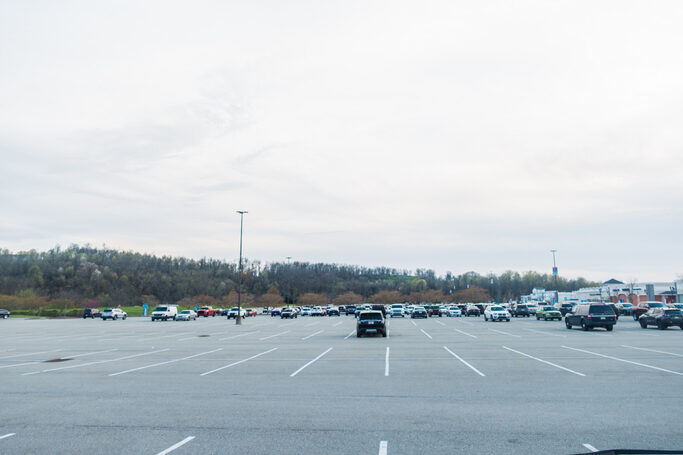
Finding yourself in an empty parking lot after hours may stir a sense of caution, but if no signs restrict parking, you are not breaking any law by being there. Businesses sometimes leave lots open for convenience or out of simple practicality. The fear usually stems from imagining unseen rules rather than reading what is posted. Once you learn to trust the signage, it becomes easier to move with confidence. You discover that many spaces remain accessible even when buildings close, giving you room to pause, wait, or transition without feeling like you are crossing any forbidden boundary.
19. Listening to Music in Public Parks
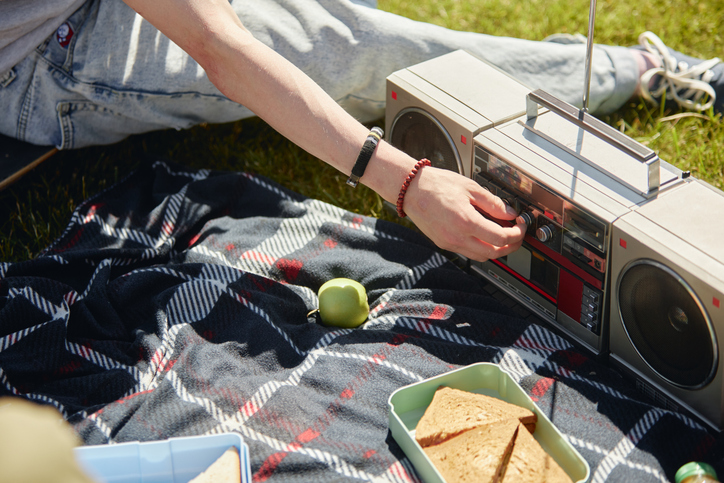
Watching someone play music in a park is common, yet using your own small speaker can feel like a bold choice. Most parks allow reasonable sound levels, and there is no law against enjoying music in shared spaces unless volume rules apply. Courtesy matters, but legality remains simple. The hesitation comes from not wanting to disturb others. Still, music often brings a friendly atmosphere and people naturally adapt to shared environments. When done respectfully, it adds rhythm to the community. It reminds you that public spaces invite different expressions and everyone contributes to the outdoor experience.
20. Leaving Shopping Carts in the Lot
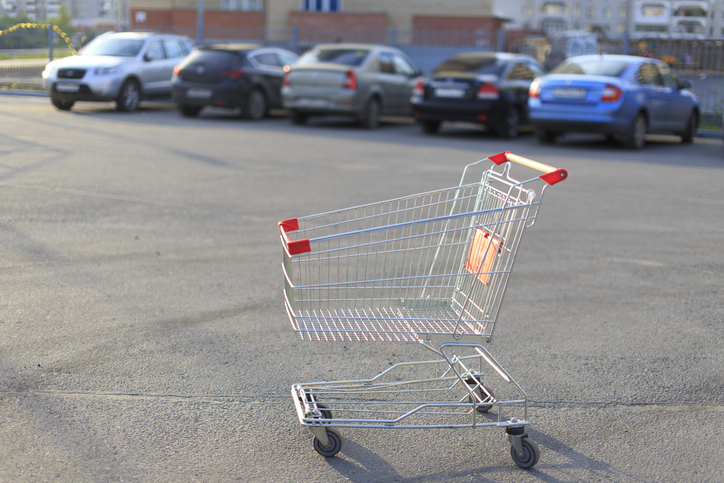
Returning a cart to the exact spot is polite, but failing to do so is not illegal. Many people assume it is a punishable act, yet it is simply a matter of courtesy. Stores provide corrals to keep things organized, but carts left elsewhere do not violate laws. The pressure often comes from social expectations rather than official rules. Once you separate etiquette from legality, guilt fades. You still may choose to return the cart because it feels right, but you also understand that forgetting does not make you a troublemaker. It just makes you human in a hurry.
21. Reading Magazines in Stores

Flipping through magazines before buying them sometimes feels like something only confident shoppers do, but browsing is completely allowed. Stores place magazines within reach so customers can see whether a particular issue interests them. The idea that reading without purchase is wrong comes from old habits, not legal rules. As long as you handle items gently and put them back where they belong, you are not crossing any boundary. It turns a simple errand into a moment of quiet exploration. The experience reminds you that reading freely is part of learning what speaks to you.
22. Sitting in a Coffee Shop Before Ordering

Walking into a café and taking a seat before buying anything can feel like an awkward breach of etiquette, but it is not illegal. Many people need a moment to settle, choose, or wait for someone before ordering. Cafés naturally create atmosphere and comfort, which means lingering is expected. Staff usually understand and do not mind as long as the space is respected. This freedom allows you to ease into your day without rushing. It also shows how public places hold room for pauses, helping you breathe and think while life continues around you.
23. Wearing Pajamas in Public

Stepping outside in pajamas sometimes feels like stepping outside social norms, but there is nothing unlawful about it. People express comfort in different ways, and clothing choices rarely fall under legal restrictions unless safety is involved. Pajamas simply signal a relaxed moment in someone’s day. The concern comes from imagined judgment rather than real consequences. Once you embrace this, the world feels more flexible. You realize that everyone is just trying to get through their day in the way that feels easiest. Pajamas become less about appearance and more about honoring whatever comfort your morning needed.
24. Asking to Use an Employee Restroom

Approaching staff to ask for restroom access can feel bold, yet there is nothing illegal about the request. Businesses may decline based on policy, but the question itself crosses no line. People often ask in moments of real need, and many employees respond with understanding when circumstances allow. This interaction highlights how kindness often shapes the world more than strict rules do. Asking simply expresses a human need, nothing more. You begin to see that everyday life becomes smoother when you allow yourself to ask without carrying unnecessary fear about doing something wrong.
25. Taking Extra Condiment Packets
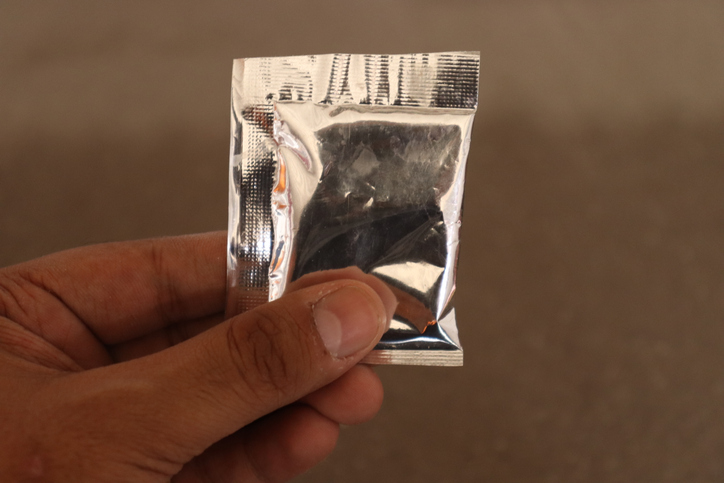
Picking up an extra sugar or ketchup packet might feel like stretching a rule, but taking a few extras is usually allowed since they are provided for customer use. The worry comes from not wanting to seem greedy, yet nothing prohibits grabbing one or two more for later. These small conveniences often help at home or during travel. It is a simple part of modern eating culture. Once you relax into the idea that these items are there to support your meal, you stop overthinking. Life becomes easier when tiny decisions do not feel like moral tests.
26. Sleeping in Airports During Delays

Resting in an airport during long waits can feel like something security might interrupt, but sleeping between flights is allowed. Airports are designed for travelers who face delays, cancellations, or overnight connections. People spread out jackets, lean against chairs, and try to catch moments of quiet without breaking any rule. The discomfort comes from the unusual setting, not from legality. Once you accept the space as part of your journey, the worry fades. You realize airports hold countless stories of people simply trying to get where they need to go, each resting in their own way.
27. Picking Up Fallen Fruit in Public Spaces

Seeing ripe fruit beneath a public tree sometimes sparks a question about whether taking it is forbidden, but gathering fallen produce is typically allowed. Nature offers these small surprises freely, and people often overlook them because they fear doing something wrong. Picking up what has already dropped becomes a reminder that not everything in life requires permission. It encourages simplicity, resourcefulness, and appreciation for everyday abundance. As this list wraps up, it becomes clear that many things we fear are not violations at all. Life feels lighter when you understand the quiet freedoms woven into your routine.
This story Wait… that’s not illegal? 27 everyday ‘crimes’ you didn’t know are actually totally legal was first published on Daily FETCH


