
1. Crickets Changing Their Chirps
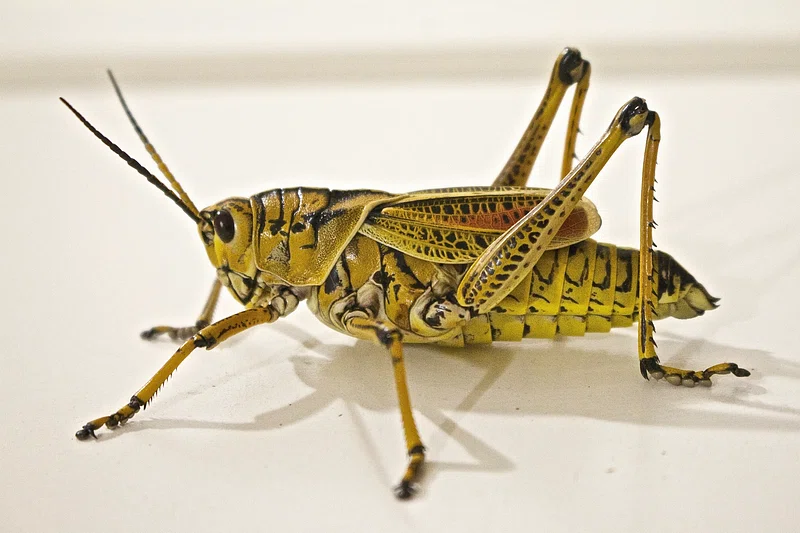
Sometimes the sky whispers things the apps do not say and nature leaves little clues for us to notice if we slow down enough. Listening to crickets on a warm evening can reveal more about the coming weather than many expect because their chirping speeds often shift with temperature changes. When nights feel warmer, the chirps become faster and more energetic, while cooler air slows them down noticeably. Many people still use this simple trick to sense whether the night is warming up or cooling down. It is one of those quiet signs that nature shares without ever saying a word.
2. Birds Flying Lower
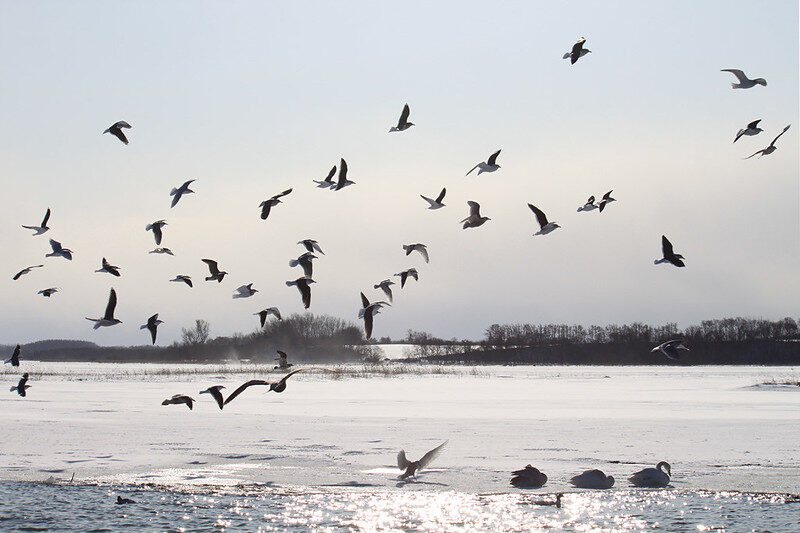
When birds begin gliding lower than usual, it can feel like a gentle sign that the air is changing around you. Birds naturally adjust their flight patterns when the pressure drops and insects sink closer to the ground. They instinctively follow their food sources and these shifts often happen hours before the sky shows any hint of rain. Watching them move closer to the earth has always felt like nature’s early whisper that something different is coming. It is one of those subtle signals that reminds you how closely animals pay attention to what we often overlook in a busy day.
3. Frogs Croaking Louder
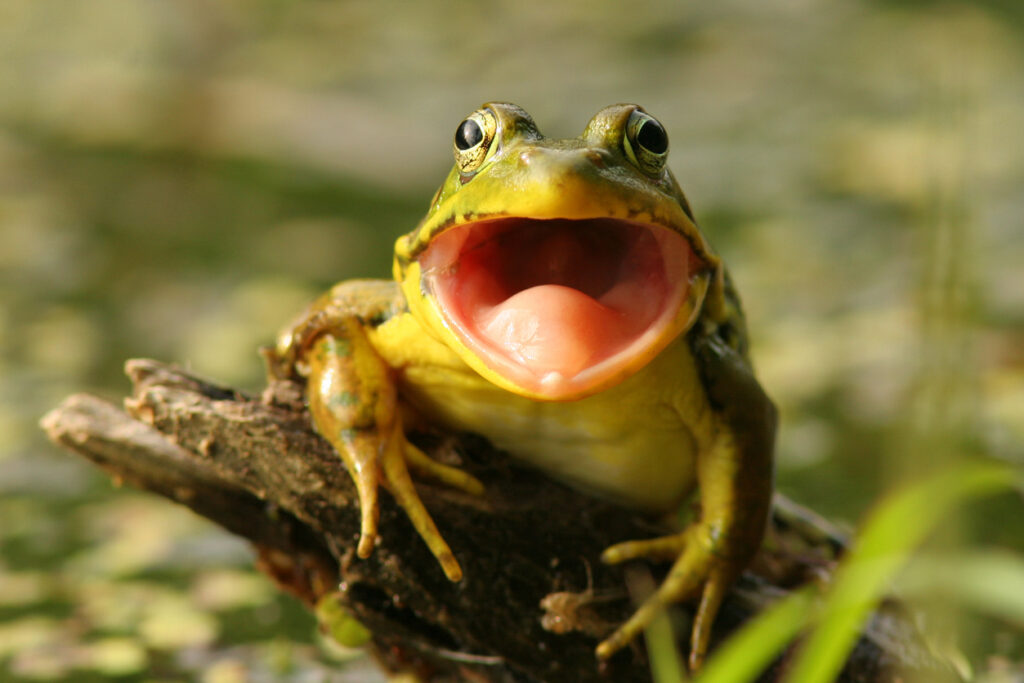
On certain evenings, frog calls seem louder and fuller as if they are trying to make sure everyone hears them. This increase in croaking often happens when the air grows heavier with moisture, hinting that rain may not be far away. Frogs respond quickly to atmospheric changes and their chorus can shift before clouds begin to gather. It feels like they sense what people cannot see yet and their voices rise in anticipation. When their calls echo more boldly across a quiet night, it may simply be nature’s soft reminder that the weather is preparing to change soon.
4. The Smell Before Rain

There are moments when the air carries a familiar earthy scent long before the first raindrop ever falls. Many people recognize this smell instantly because it signals moisture building in the air. Plants release certain oils and the ground releases natural compounds when humidity rises, creating that distinct fragrance that many associate with incoming rain. It is one of those clues that feels nostalgic and grounding, almost like nature giving you a quiet nudge to prepare for what is coming. When that comforting aroma drifts through the air, the sky may be getting ready to open up.
5. Clouds Growing Taller

If you take a moment to look up, sometimes the clouds tell the entire story before anything else does. Tall rising clouds often form when warm air pushes upward quickly and creates those towering shapes that hint at storms building in the distance. These clouds can shift dramatically within minutes, revealing that the atmosphere is becoming unstable. Even without checking the forecast, the unusual height and texture can quietly signal that the sky might turn darker later. Watching clouds stretch upward makes you realize how much nature reveals when you simply pay attention to its changing expressions.
6. Flowers Closing Up
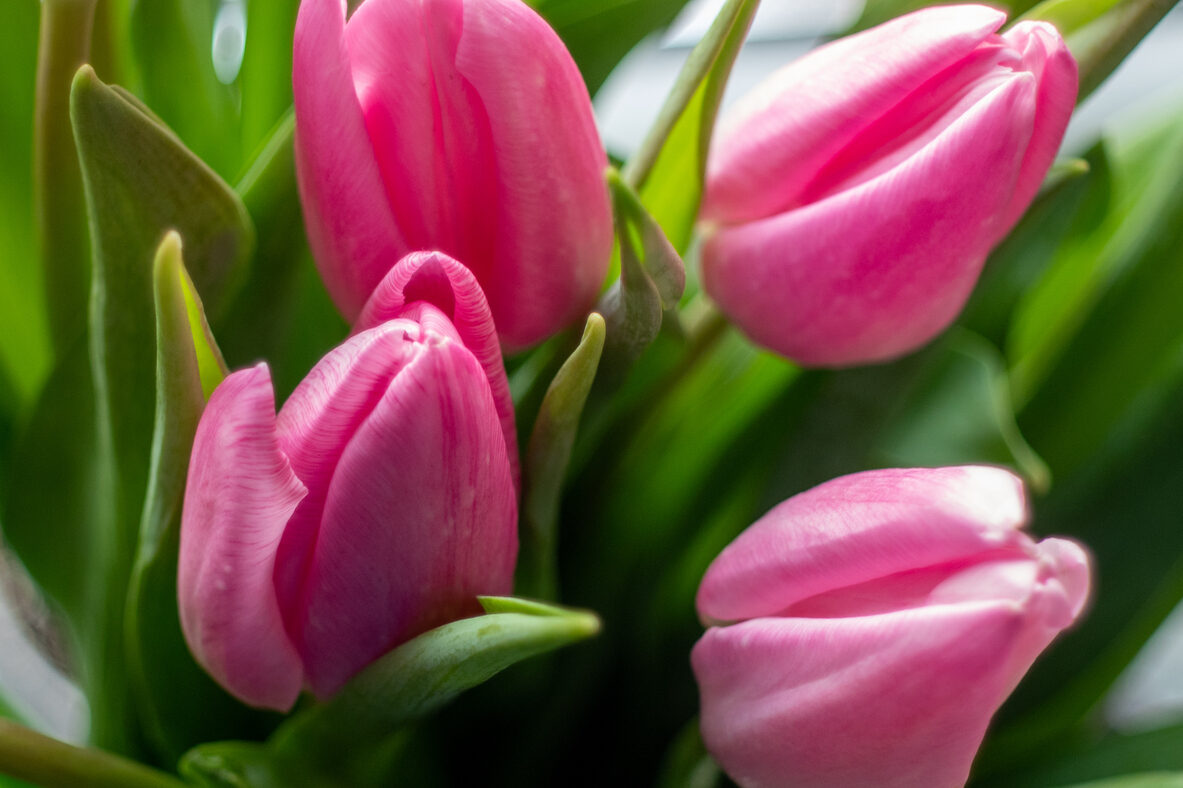
Some flowers gently fold their petals when humidity rises as if they are taking small protective steps before the rain arrives. Gardeners often notice this behavior just hours before showers begin because certain flowers react quickly to atmospheric moisture. Their petals pull inward to guard their pollen from getting washed away. It is a natural adjustment that has been happening quietly long before weather predictions existed. Seeing flowers close up can feel like a graceful reminder that nature always prepares itself thoughtfully. Once you begin noticing this pattern, it becomes one of the simplest and softest clues of approaching rain.
7. The Sun Looking More Hazy

There are mornings when the sun rises behind a hazy veil instead of shining clearly and that subtle dimness can be a gentle sign of moisture filling the air. The light feels softer and slightly muted as if the atmosphere is holding more particles than usual. People who spend time outdoors often notice this before storms begin to form. It creates a calm dullness across the landscape that suggests the weather may be shifting. When the sun looks pale instead of bright, it often hints that the sky is preparing for a possible change later in the day.
8. Wind Shifting Directions
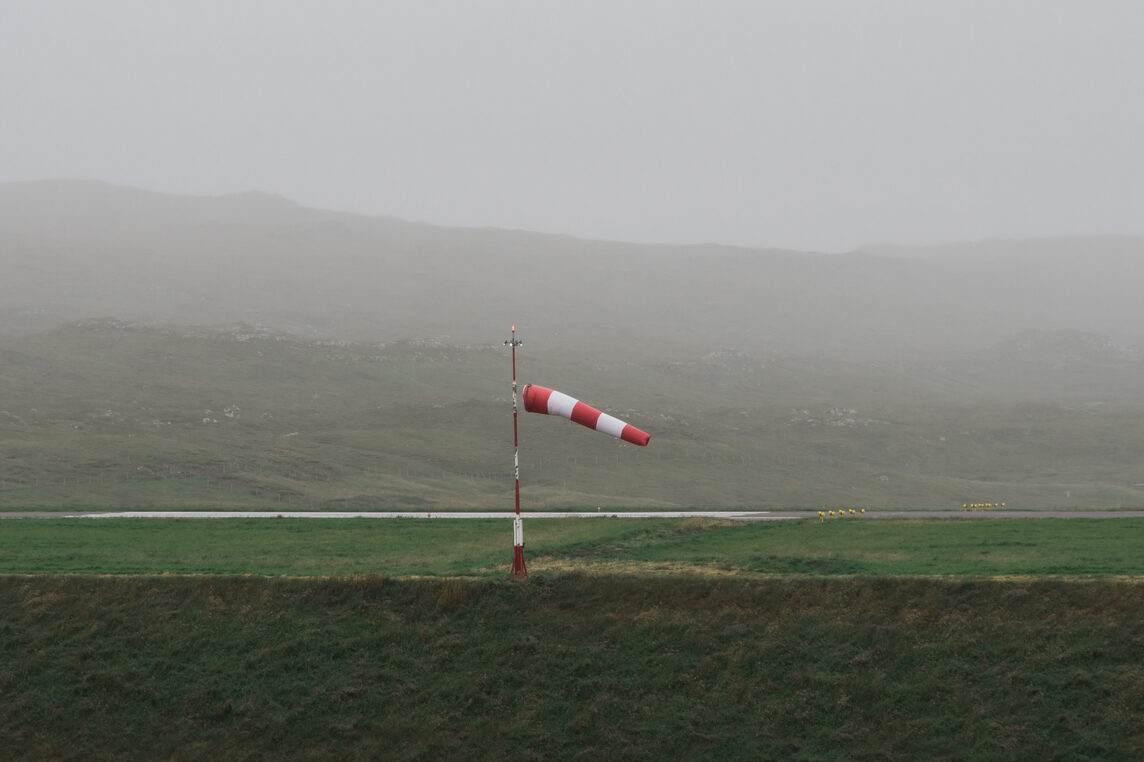
When the wind begins moving in a new direction or suddenly grows stronger, it often signals that weather changes are unfolding quietly. You can feel it on your skin before the sky even hints at anything unusual. The shift may start slowly and then build as larger systems move closer. People who work outside often rely on this simple observation because the wind reacts quickly to pressure differences. When the breeze begins coming from an unexpected direction, it may be nature’s early way of telling you that the atmosphere is rearranging itself and could bring new conditions soon.
9. Cows Lying Down
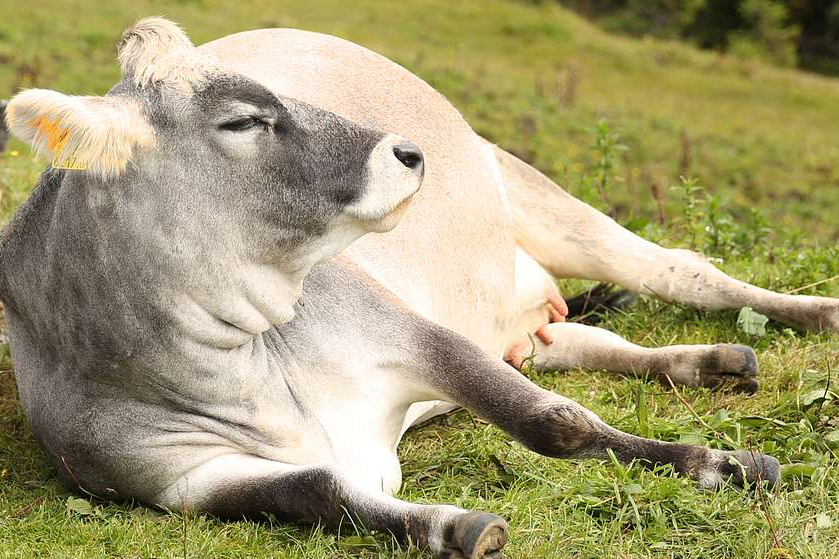
Passing by a field and noticing cows resting more than usual can sometimes hint at moisture approaching. Many farmers believe cows lie down when the air becomes heavier with humidity and rain is near. Whether perfectly accurate or not, the pattern tends to appear often enough for people to pay attention to it. Watching animals respond to the atmosphere can reveal small clues that forecasts miss. When cows settle calmly across the grass instead of grazing or wandering, it feels like nature gently adjusting itself in anticipation of a change that may show up a little later in the day.
10. Leaves Turning Their Undersides
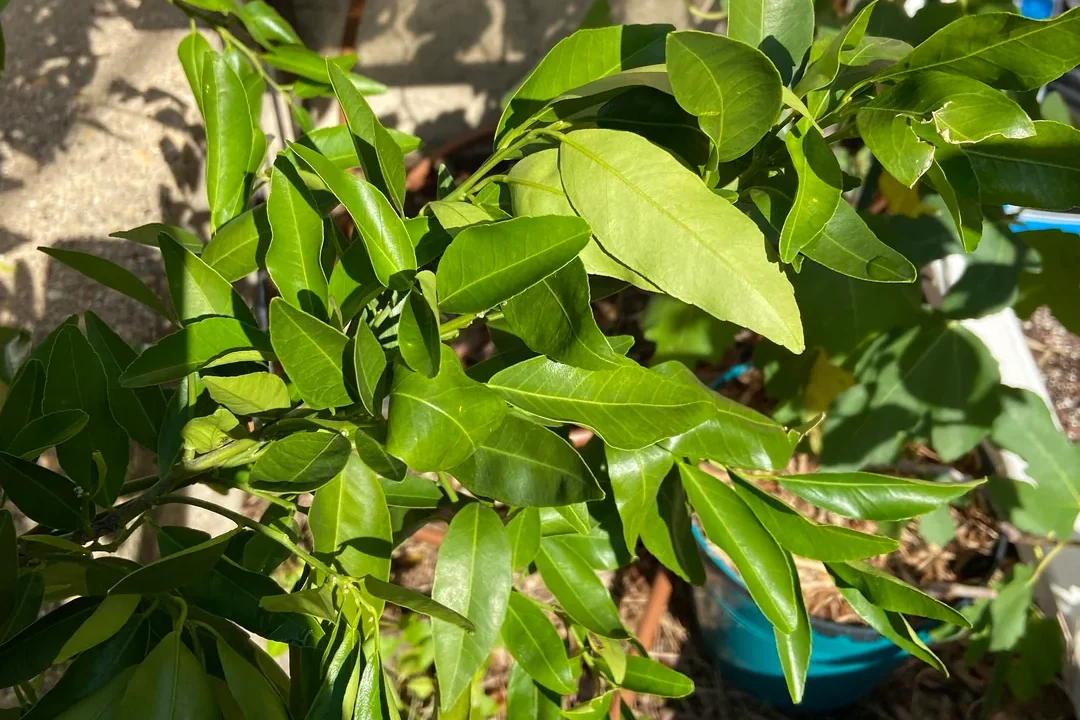
Sometimes leaves seem to flip or show their lighter undersides, especially when a gust of wind sweeps through. Many people notice this before storms because shifting air pressure and wind patterns make the leaves react. Their pale backs reflect more light and can be easily spotted against the trees. This small visual clue has been used for generations as a natural sign that the weather might turn unsettled. When trees begin revealing their hidden side in unison, it feels like nature quietly signaling that the sky has started preparing itself for a possible shower or storm.
11. Ants Building Higher Mounds

Ants often adjust their mounds based on upcoming weather and it is surprisingly noticeable when you pay attention. When rain is approaching, ants sometimes raise the height of their hills to keep water from flooding their tunnels. Seeing fresh dirt piled higher than usual can be one of nature’s simplest early alerts. These tiny creatures react faster to moisture changes than humans often realize. Watching them prepare their homes can feel like witnessing a small but meaningful part of the ecosystem respond to what is coming. It is another reminder that nature always seems one step ahead.
12. The Sky Turning Yellowish Before Storms
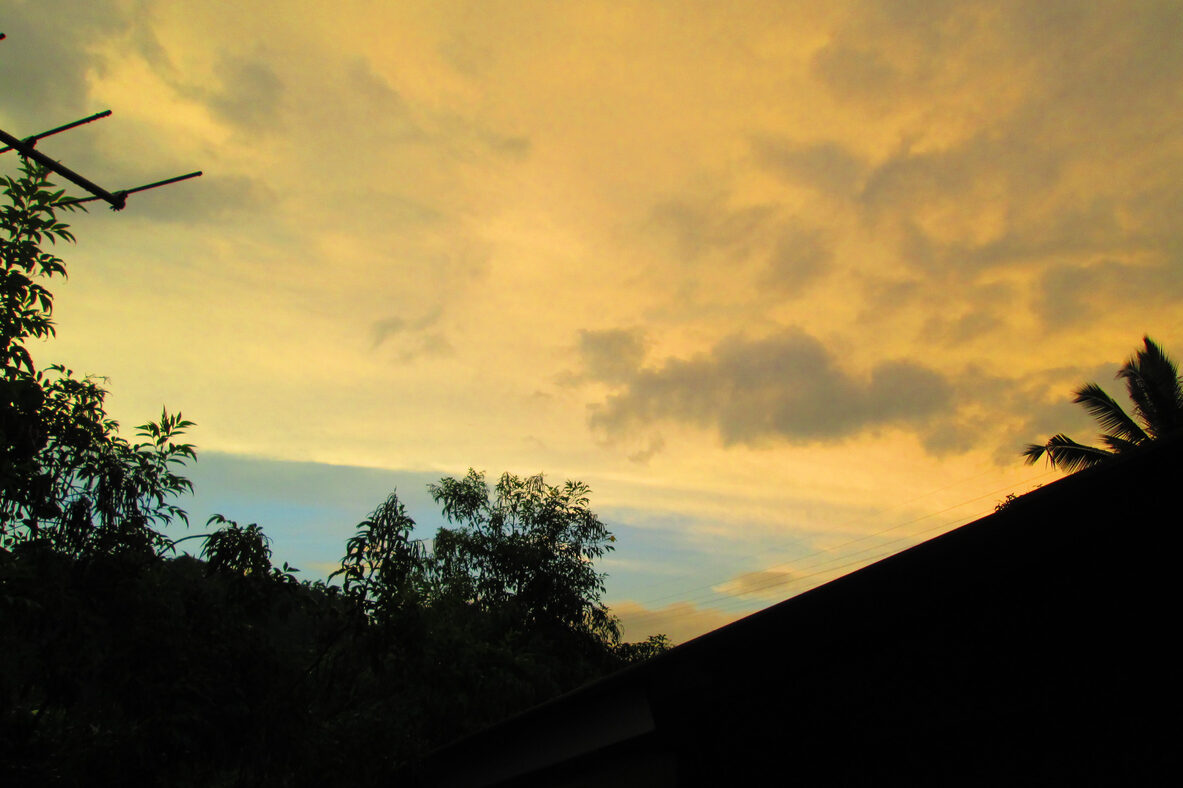
There are rare moments when the sky takes on a yellow tint that feels strange yet strangely calm. This unusual color often appears before severe weather because sunlight filters differently through a moisture heavy atmosphere. People often sense that something is off even before they understand why. The yellow sky can create a quiet stillness that captures attention and signals that storms could be forming. It is one of those visual hints that nature shares sparingly but clearly when it does appear. Paying attention to these color changes can help you anticipate what the day may bring next.
13. Spiders Building Lower Webs

If you notice spider webs hanging closer to the ground than usual, it might be because the air pressure is shifting. Spiders instinctively adjust their web height to protect it from wind and rain, often building lower when storms are approaching. Gardeners sometimes use this clue to guess when the weather may turn. It is a small detail that is easy to miss but becomes obvious once you start observing it regularly. Watching spiders quietly reposition their work can feel like witnessing a natural forecast in motion. Their subtle actions often speak louder than most digital predictions.
14. Smoke Rising Unevenly
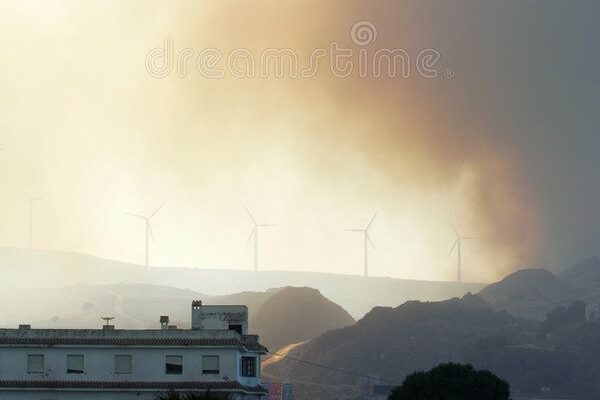
When smoke from a fire starts blowing sideways or rising in a distorted shape instead of drifting straight up, it often signals that air pressure is dropping. Campers and hikers frequently rely on this clue because smoke reacts immediately to the atmosphere. The uneven motion can indicate incoming rain or storms even when the sky still appears calm. It is a simple yet effective way to read the environment without any tools. Watching smoke shift unpredictably is a natural reminder that weather changes begin long before clouds form and that the air often senses things before people notice them.
15. Stars Appearing Less Bright

On clear nights, stars usually shine sharply, but when they begin to look fuzzy or dim, it may be because the air is filling with moisture. Humidity scatters the light, making the sky appear softer and less defined. This subtle change often occurs before rain develops, making it a gentle nighttime indicator. Stargazers notice it more than most, but anyone can learn to see it. When the sky loses its usual clarity, it is often nature’s quiet signal that the atmosphere is changing. Looking up becomes a simple way to sense what the weather is preparing to bring.
16. Distant Sounds Traveling Further
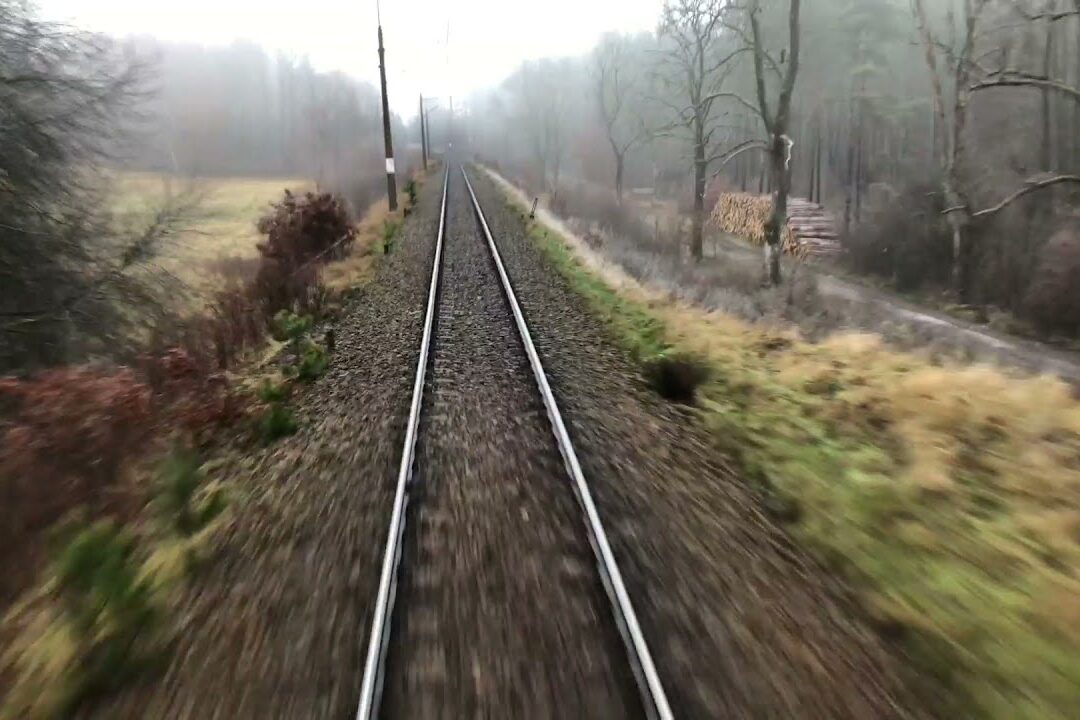
Have you ever heard distant sounds carrying much farther than usual on certain days The air plays a role in that shift. When the atmosphere is dense with moisture, sound waves travel more easily and reach farther distances. You might hear trains, voices or cars from miles away. This can happen before rain arrives because the air becomes heavier. People who live in open areas often use this clue to read the weather. When familiar sounds stretch further than normal, it is often a gentle sign that the weather may shift soon even before the sky begins to change.
17. Dew Missing in the Morning

On clear nights dew usually forms easily, but when you wake up to a dry lawn it can quietly hint that clouds or unsettled weather passed through earlier. Dew relies on stable conditions, so its absence often means the atmosphere was shifting. Farmers have noticed this pattern for generations and still pay attention to it. A missing layer of dew can be surprising when the morning feels calm at first, yet it offers a soft clue that the sky may not stay clear for long. It is a simple natural sign that the day could bring unpredictable changes.
18. Bees Staying Close to Home
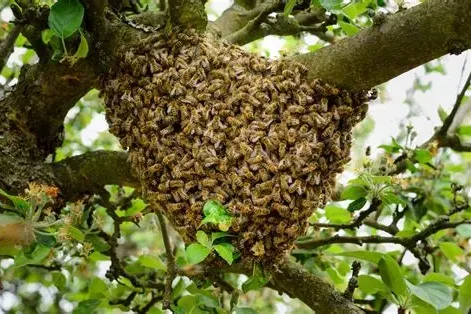
Bees often become more cautious when the weather is preparing to change and tend to stay closer to their hives when storms are approaching. Their sensitivity to atmospheric shifts helps them protect themselves and their colonies. Beekeepers often notice them flying shorter distances or hovering nearby instead of exploring widely. This behavior can be one of the easiest ways to sense unstable weather because bees rarely act this way without reason. Watching them slow down their usual rhythm becomes a small natural clue that the atmosphere is transitioning. Their instincts often reveal what people may not sense yet.
19. Fish Jumping More Often

If you stand near a pond or lake and see fish jumping more frequently, it can be a sign that pressure changes are stirring the insects near the water’s surface. Fish often react to these shifts by becoming more active before rain arrives. Many anglers notice this pattern during warm seasons when storms are common. The sudden liveliness on the water can be a gentle clue that the sky is preparing to shift even if everything still looks calm. It is one of those small natural signs that becomes easy to read once you know what it hints toward.
20. Hazy Mountains in the Distance
When distant mountains or hills appear softer or more faded than usual, humidity may be building in the air. Moisture creates a slight blur that dims the landscape and makes faraway views look hazy. Hikers often use this visual cue to anticipate rain because the atmosphere thickens well before clouds gather. The change is subtle but noticeable once you begin paying attention. When the horizon loses its crispness, it often means the air is preparing for a shift. This gentle blurring becomes a quiet way for nature to reveal that rain or mist might not be far behind.
21. Sudden Chill at Sunset

Some evenings bring a surprising chill the moment the sun sinks, hinting that the atmosphere is shifting quickly. When temperatures drop unusually fast after sunset, it can signal that colder air is rushing in or that a storm system is approaching. People who spend time outdoors often feel this change before anything appears in the sky. The air becomes sharper and carries a stillness that feels different from a typical cool evening. That sudden chill is one of nature’s quiet warnings and it often suggests that the weather might surprise you later in the night or early the next morning.
22. A Ring Around the Moon
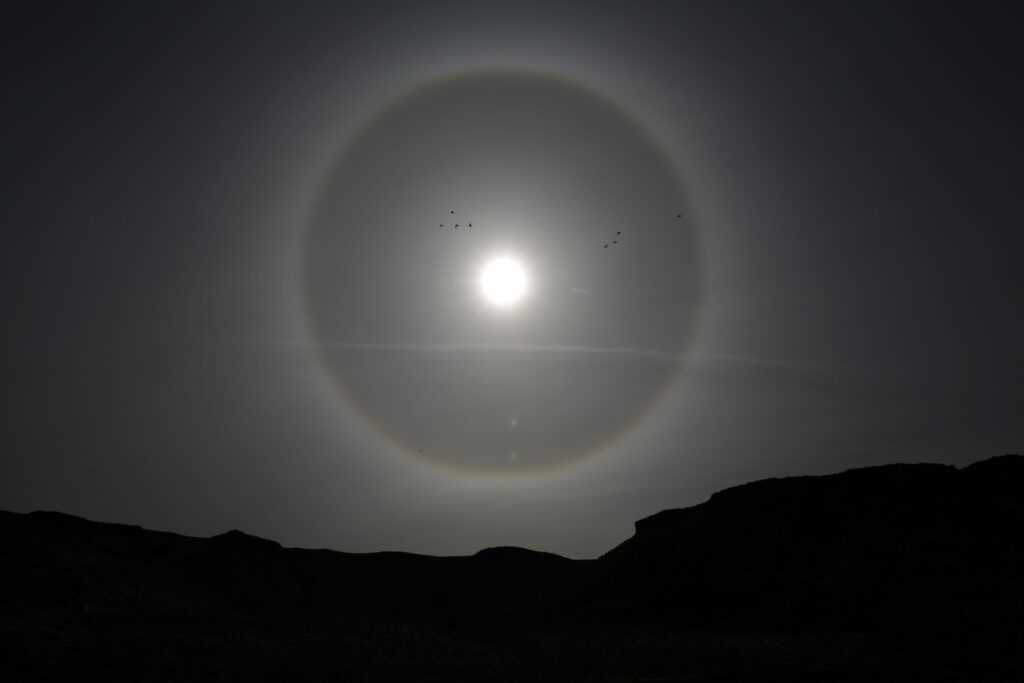
A faint ring around the moon can be both beautiful and meaningful because it forms when ice crystals in high clouds bend the moonlight. These high thin clouds often appear before changes in weather and their presence can hint that moisture is approaching. The halo looks delicate yet striking and many people recognize it as a soft signal that rain could be on the way. Looking up at night and seeing the moon surrounded by a glowing circle can feel like nature offering one last quiet reminder that the sky may shift within the next day or so.
23. Sudden Stillness Before Rain

There are moments when the world feels unusually calm as if everything pauses together. This stillness often shows up right before rain begins because shifting air pressure temporarily quiets the wind. Birds grow silent, leaves stop moving and the air feels heavier. People who spend time outside notice this calmness more quickly than most and often sense that the sky is preparing to release moisture. The quiet can feel almost peaceful even though it hints at weather on the way. When the air seems to hold itself still, rain is usually closer than it appears at first glance.
24. Tree Bark Appearing Darker
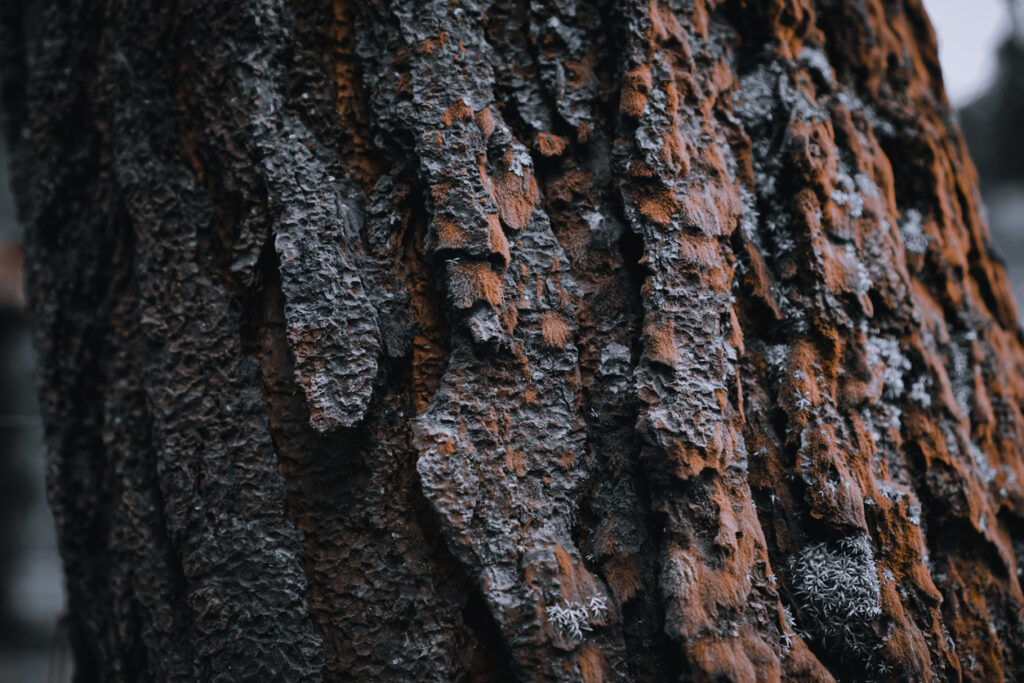
If you walk past trees and the bark looks darker than usual, moisture may be settling into the air. Tree bark absorbs humidity and naturally deepens in color when rain is approaching. This subtle change can be easy to miss until you start noticing the pattern. Hikers and gardeners often use it as a simple early clue that the atmosphere is shifting. The trees appear richer and more textured even before the first cloud arrives. Once you see how bark responds to humidity, it becomes one of nature’s quiet ways of showing you what may be coming next.
25. Sea Birds Moving Inland
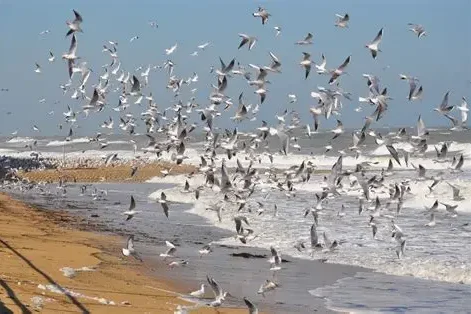
People living along the coast often watch seabirds closely because their movements can reveal upcoming weather changes. When seabirds begin flying inland instead of staying near the water, it may signal rough conditions forming over the ocean. Birds sense shifting winds and pressure long before people notice anything unusual. Their instinctive movement toward land becomes a natural warning that storms might be developing offshore. Watching groups of seabirds travel away from the waves can feel like nature offering its own forecast. Their behavior often says more about the coming weather than the sky does in the moment.
26. Pine Cones Closing Up
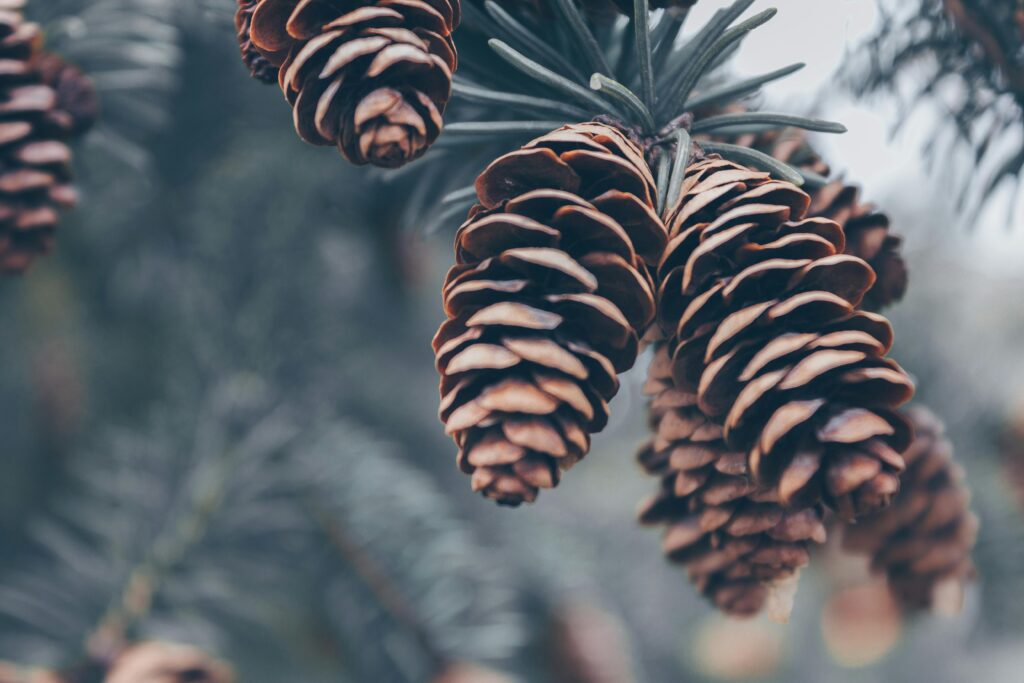
Pine cones respond directly to moisture in the air by opening on dry days and closing when humidity increases. This movement helps protect the seeds inside and becomes a natural clue that rain may be approaching. When you notice pine cones tucked tightly instead of spread open, it can quietly signal that moisture is nearby. The shift is subtle but meaningful and has been observed for generations. It is one of those small natural details that becomes easy to read once you recognize it. Pine cones close themselves gently as if preparing for the rain that may soon arrive.
27. Dragonflies Flying Lower
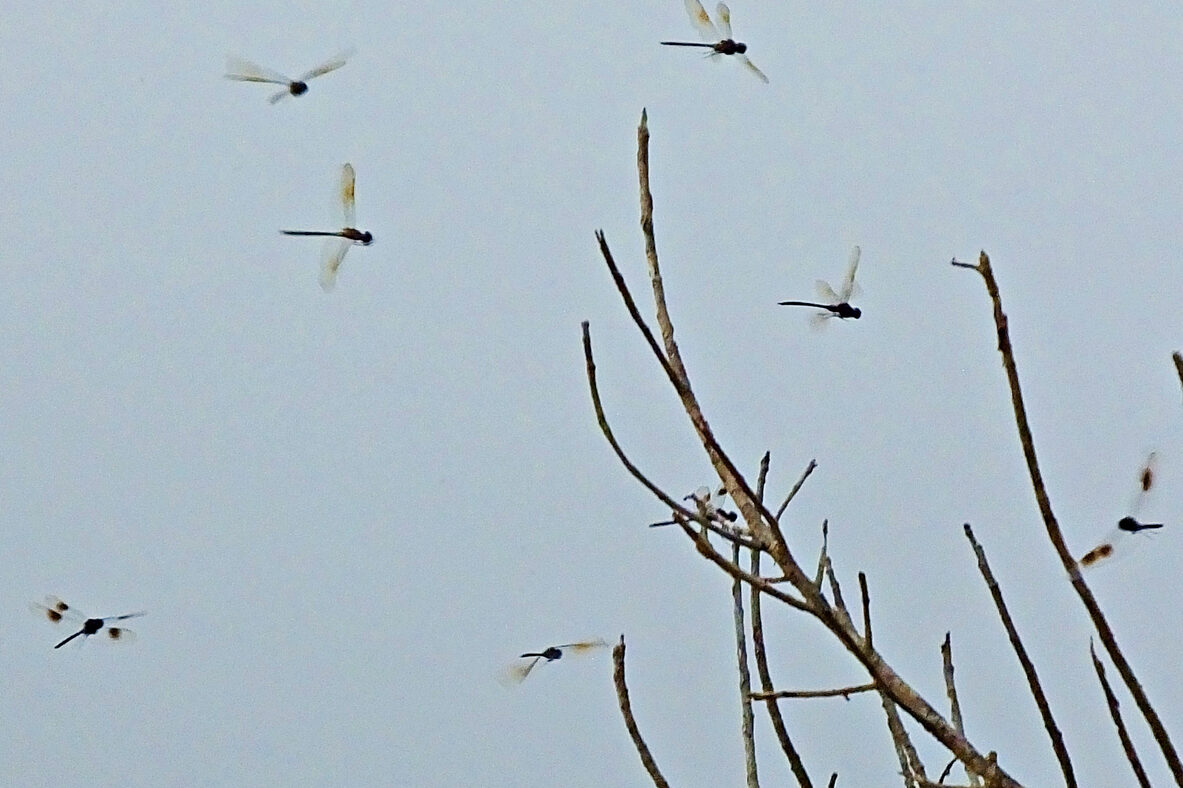
On warm days dragonflies often glide high and move freely, but when they begin flying close to the ground it can hint that a storm is nearing. They follow insects that drop lower when air pressure changes, creating a natural chain reaction. This shift in their flight pattern can be one of the clearest clues that the weather may turn soon. Watching dragonflies dance closer to the earth can feel calming even though it signals change. Their graceful movement becomes another reminder that nature reacts instinctively to what the atmosphere is preparing long before the first cloud begins to form.
28. Rainbows Appearing in the Morning
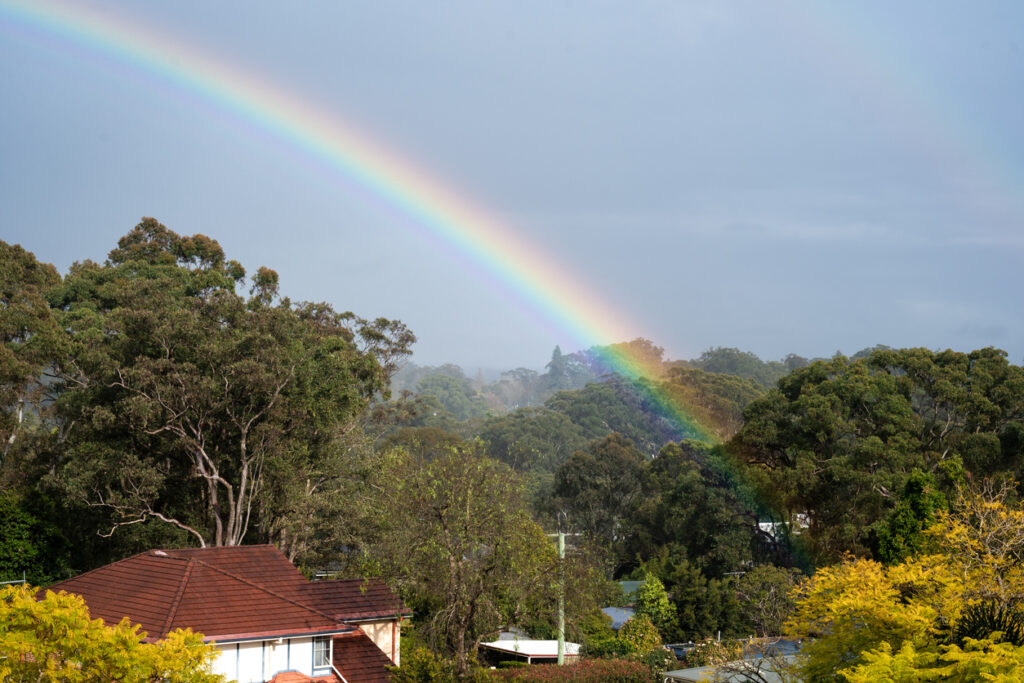
A rainbow in the morning can look beautiful but also meaningful because it often forms when rain is clearing to one side while sunlight rises on the other. When the rainbow sits in the western sky during early hours it can indicate that unsettled weather is still nearby and might move your way. This pattern has been noticed for many years and makes morning rainbows more than just a colorful display. They can be soft hints that the day may still hold a few surprises. Seeing one early often suggests that the weather may not be finished speaking just yet.
29. Sudden Rise in Humidity

There are days when the air suddenly feels heavier and warmer even though nothing in the sky looks different yet. This quick rise in humidity often means moisture is building and storms could develop later. Your skin feels the shift before your eyes do because the atmosphere thickens in a noticeable way. People often describe this feeling as the air becoming sticky or dense and it usually appears hours before the rain begins. When the world feels wrapped in a warm layer that was not there earlier, it is often a clear sign that the weather is preparing to change.
30. Distant Lightning Without Thunder
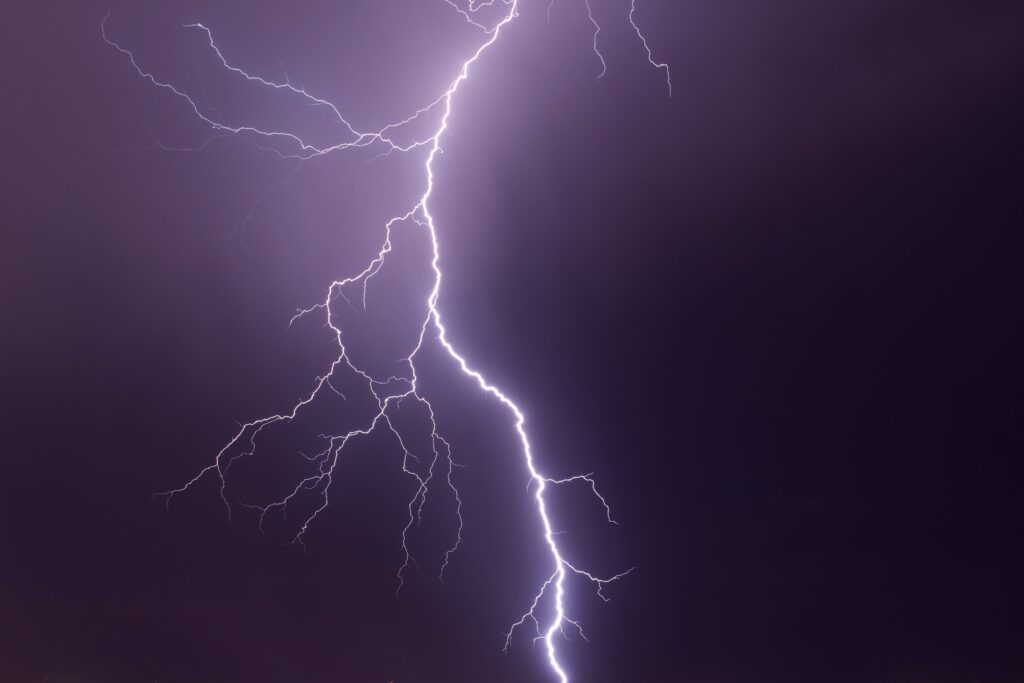
Sometimes you see flashes of lightning far away without hearing any thunder and it creates a quiet glow across the sky. This often signals that a storm is occurring just beyond the horizon and may be moving in your direction. The silent flicker is a reminder that unstable air is already active nearby even if the night feels calm where you are. Watching this distant light can feel peaceful yet informative because it shows that weather is shifting before it fully arrives. It becomes a gentle closing clue that nature continues to speak softly if you are willing to notice.
This story 30 Hidden Nature Clues That Predict Weather Better Than Apps was first published on Daily FETCH


