
1. King Cobra
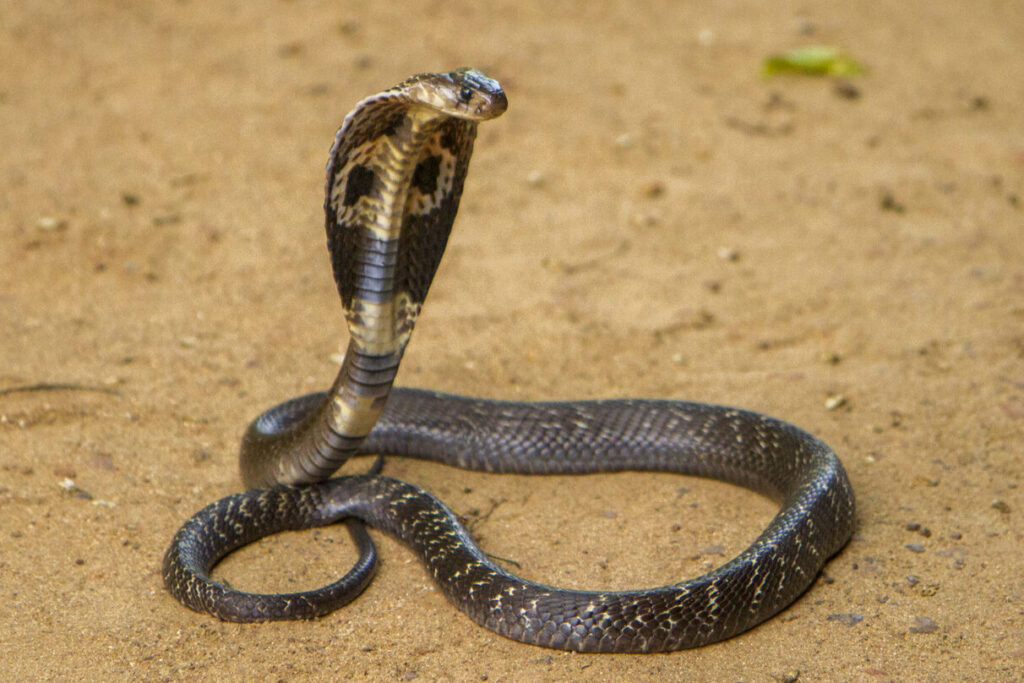
People often feel embarrassed about fearing certain animals, but many of these instincts come from real biological risks. Across cultures, stories and encounters have shaped how we see snakes, insects, and other species that can genuinely cause harm. Fear of the king cobra is widespread because it remains one of the most iconic venomous snakes on Earth. This species can deliver a large quantity of neurotoxic venom in a single bite, enough to overwhelm the nervous system and cause paralysis if untreated. People often imagine its dramatic hood flare and raised posture, which historically fueled stories of deadly encounters across South and Southeast Asia. This fear is rational because king cobras are capable of accurately striking at a distance, and their venom acts quickly. Although they avoid humans when possible, habitat overlap increases the risk of accidental encounters for farmers, forest workers, and villagers. Their intelligence and defensive displays make them memorable, but it is the genuine medical severity of their bite that makes the fear completely justified.
2. Black Widow Spider
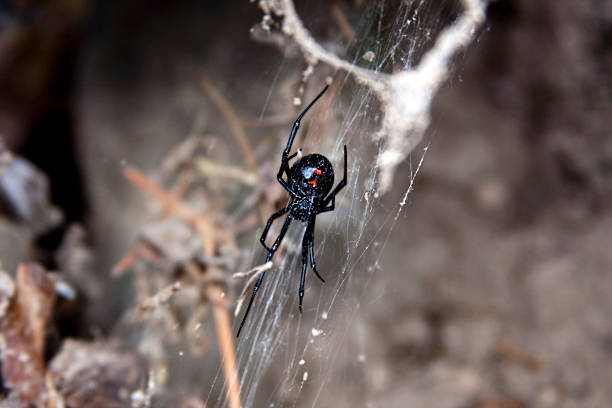
People often fear black widows because of their distinctive appearance and the well-known potency of their venom. The bright red hourglass marking has long been a warning symbol, a natural signifier of danger. Black widow venom contains latrotoxins that affect nerve endings and can cause intense pain, muscle cramps, and systemic reactions. Historically, bites in rural settings created anxiety because treatment was not always accessible. Even though fatalities today are rare due to modern antivenom and healthcare, the fear persists because the symptoms can be severe and the spider prefers dark, hidden areas like woodpiles, garages, and sheds where people often reach without looking. The combination of powerful venom, stealthy behavior, and painful clinical effects makes the widespread fear scientifically reasonable.
3. Inland Taipan

The inland taipan earns fear simply by being the most venomous snake known to science, with a toxin so concentrated that a single bite carries enough potency to potentially harm multiple adults. Although this species is rarely encountered due to its remote Australian habitat, the facts about its venom have traveled far, shaping global perceptions. Its venom contains enzymes and neurotoxins that rapidly affect blood clotting and the nervous system, which explains why early accounts emphasized its lethality. The fear is rational because accidental bites, though uncommon, demand immediate medical treatment. Snake experts consistently rank it among the world’s top medically significant reptiles. Even though the Inland taipan tends to avoid confrontation, its biological potential, and what it represents, validates the instinctive caution people feel.
4. Fire Ant
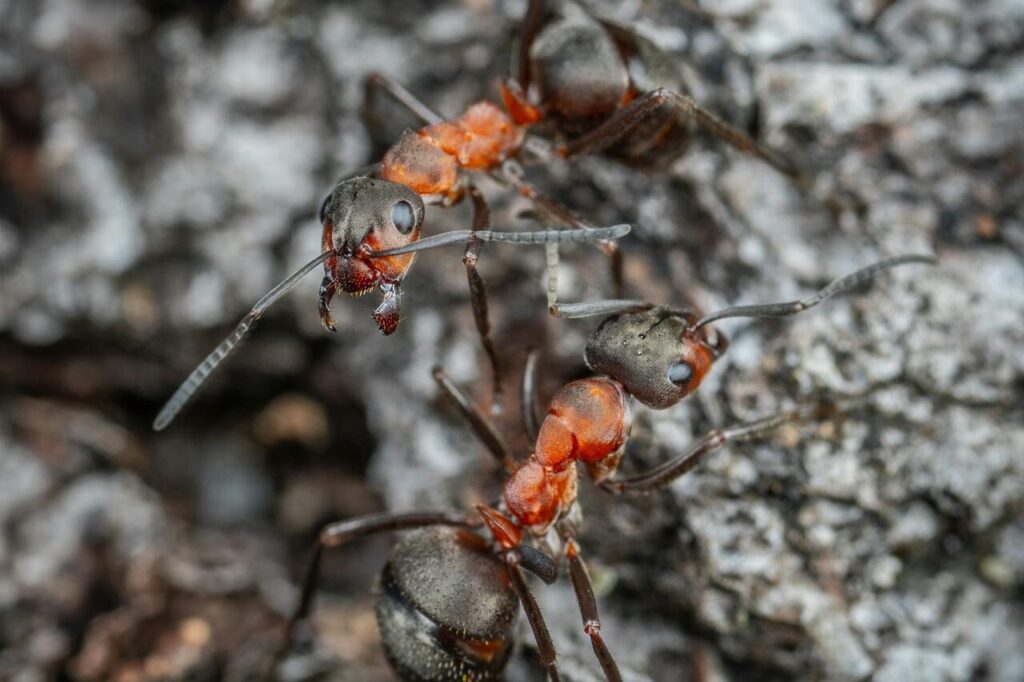
Fire ants trigger a strong fear in many people because their stings are not only painful but can occur in rapid succession during swarm attacks. Originating in South America but now spread across parts of the United States, Asia, and Australia, these ants defend their colonies aggressively. Their venom contains alkaloids that create burning sensations, followed by pustules that can itch for days. In sensitive individuals, multiple stings can lead to allergic reactions that require medical attention. The fear is also tied to real ecological impacts, fire ants damage crops, disrupt wildlife, and invade homes, making them a familiar threat in many regions. Their speed, coordinated behavior, and painful stings make the discomfort and worry people feel toward them completely understandable.
5. Puff Adder
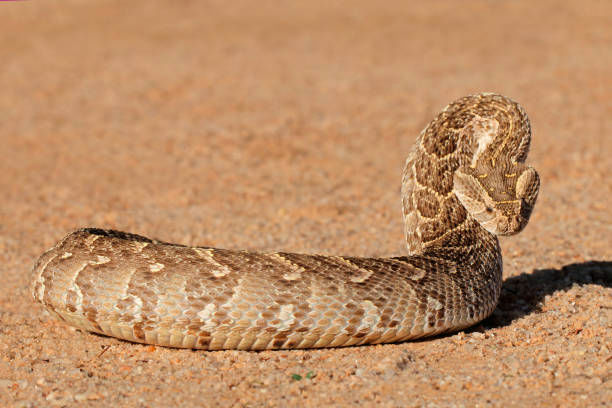
The puff adder is feared across much of Africa because it is responsible for more snakebite incidents on the continent than most other species combined. Its heavy body, excellent camouflage, and tendency to remain still when approached lead to frequent accidental stepping, which is why rural communities emphasize caution in grassy or rocky areas. The puff adder’s venom contains cytotoxins that can cause severe swelling and tissue damage if untreated. This snake also strikes with remarkable speed for its size, contributing to stories passed down through generations. While puff adders typically rely on their camouflage rather than aggression, their widespread distribution and high rate of human encounters make the fear surrounding them both historically grounded and medically justified.
6. Brazilian Wandering Spider
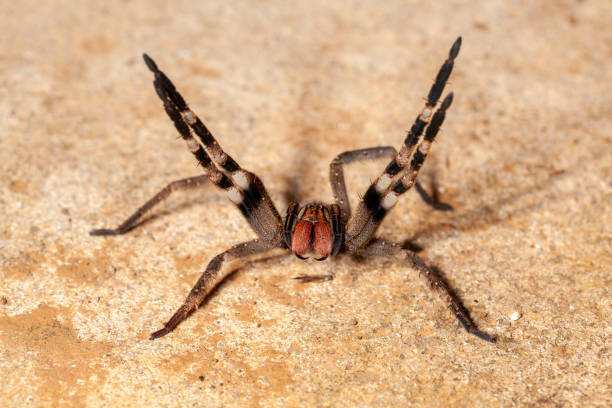
The Brazilian wandering spider is widely feared because studies consistently rank it among the world’s most medically significant spiders. Unlike web-building species, it roams the forest floor and sometimes shelters in banana plants or shoes, which helped fuel its global reputation. Its venom contains potent neurotoxins that can cause intense pain, elevated heart rate, and other systemic symptoms, making prompt medical care essential. The fear surrounding this spider also comes from documented defensive displays, where it lifts its front legs and exposes bright warning colors. Though bites are still relatively rare due to its preference for avoiding humans, the severity of symptoms and its unpredictable movement patterns make the fear many people feel entirely rational.
7. Saltwater Crocodile
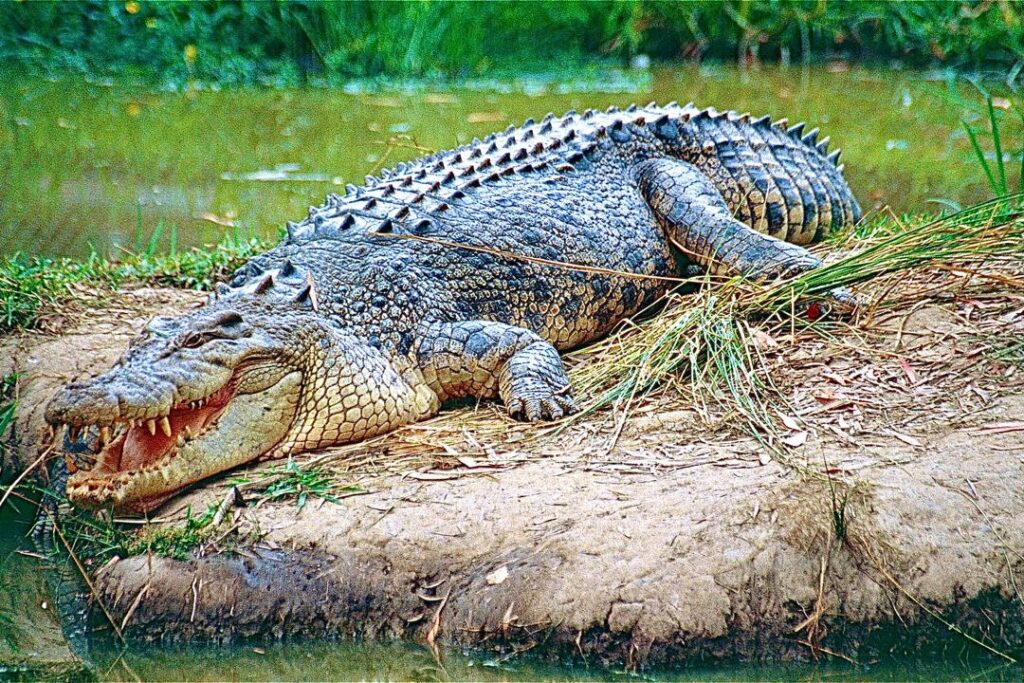
The saltwater crocodile inspires fear because it is the largest living reptile and a powerful apex predator capable of taking down large mammals. Its strong territorial behavior in estuaries and river systems across Southeast Asia and northern Australia has led to documented attacks, reinforcing public caution. With a bite force among the strongest ever recorded in the animal kingdom, this species can clamp with crushing pressure, making escape nearly impossible once seized. People also fear how silently it can approach from murky water, a trait noted by wildlife researchers studying ambush predation. While conservation efforts continue to protect this reptile, the instinctive fear remains valid because human–crocodile encounters, though infrequent, can be truly dangerous.
8. Asian Giant Hornet
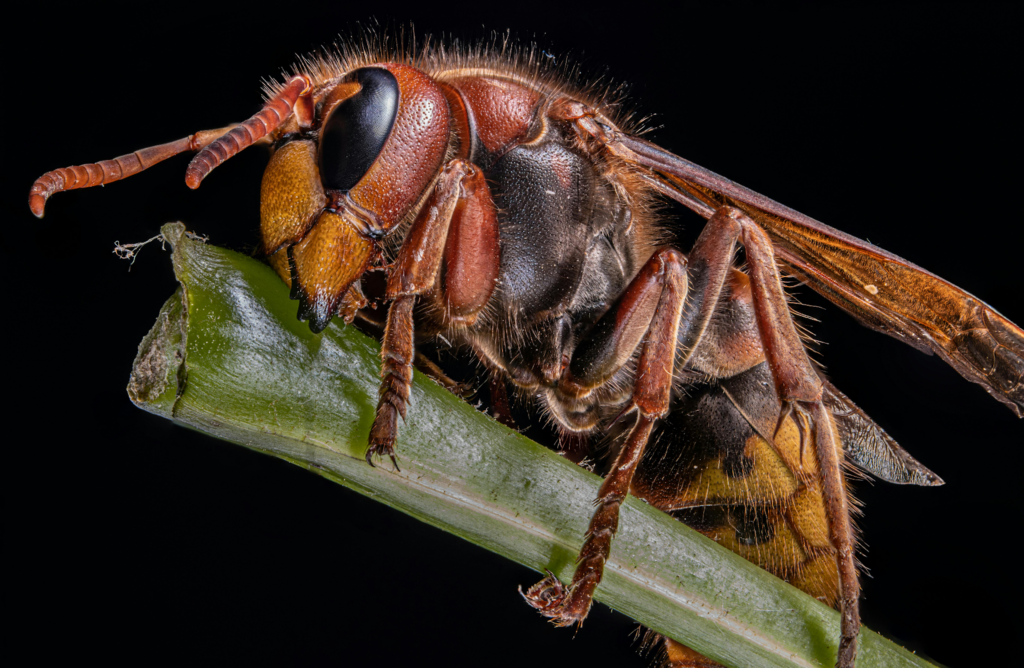
Fear of the Asian giant hornet grew globally when reports highlighted its large size, powerful sting, and impact on local honeybee populations. This hornet’s venom contains enzymes and peptides that can cause significant pain and, in some cases, serious allergic reactions. In rural Japan and parts of East Asia, documented incidents involving multiple stings have shaped community awareness for decades. The hornet’s ability to defend its colonies aggressively and dismantle honeybee hives in coordinated attacks makes it a symbol of natural force. Because people often encounter them near wooded areas or agricultural zones, the instinctive fear is justified by both medical concerns and the species’ strong defensive behavior.
9. Great White Shark
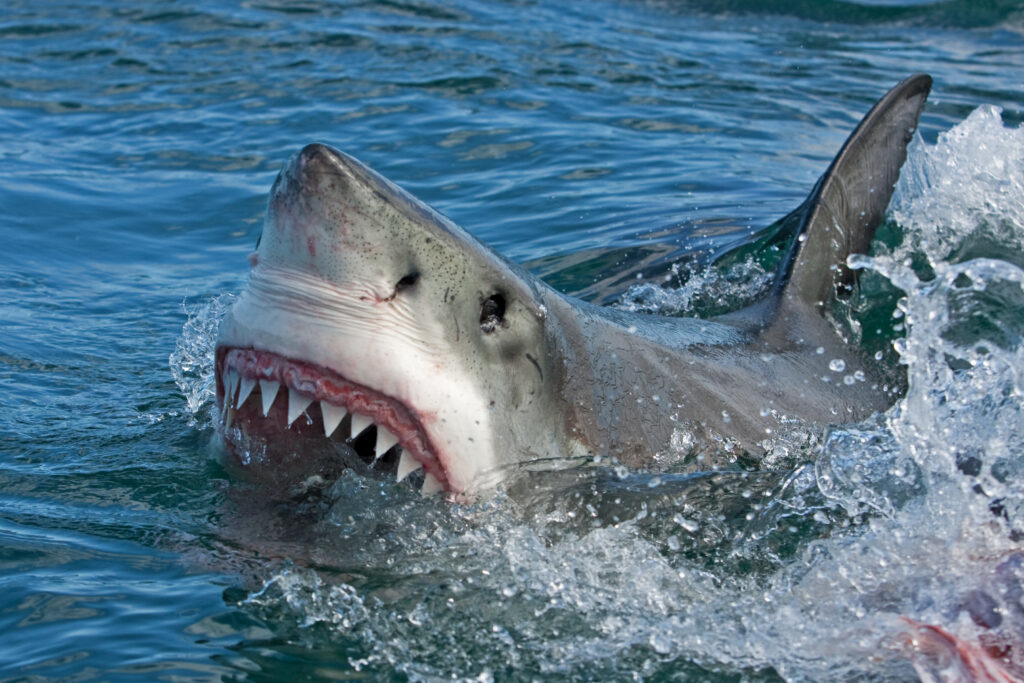
The great white shark has long been associated with fear due to its size, strength, and the rare but high-profile nature of shark attacks. Scientific research confirms that great whites can reach impressive speeds, use powerful jaws, and rely on keen sensory systems that make them effective marine predators. Their portrayal in media has also influenced public perception, but even without those stories, the biological facts alone make caution reasonable. Though attacks on humans are rare and often investigatory rather than predatory, their potential severity explains why swimmers and surfers remain vigilant in certain coastal regions. The fear is not rooted in myth but in the species’ genuine capabilities, which demand respect in shared waters.
10. Scorpion

Scorpions spark immediate fear because some species possess venom potent enough to cause severe pain and, in rare cases, life-threatening reactions. Millions of people live in regions where scorpions enter homes, shoes, and bedding, creating a real possibility of accidental stings. Species like the deathstalker and fat-tailed scorpions have documented medical significance, which is why health officials in desert communities stress regular precautions. Scorpions also glow under ultraviolet light, a feature often highlighted in research but one that adds to their eerie reputation. While most species are harmless, the few dangerous ones have shaped global public perception, making the common fear of scorpions completely rational and grounded in real risk.
11. Gaboon Viper
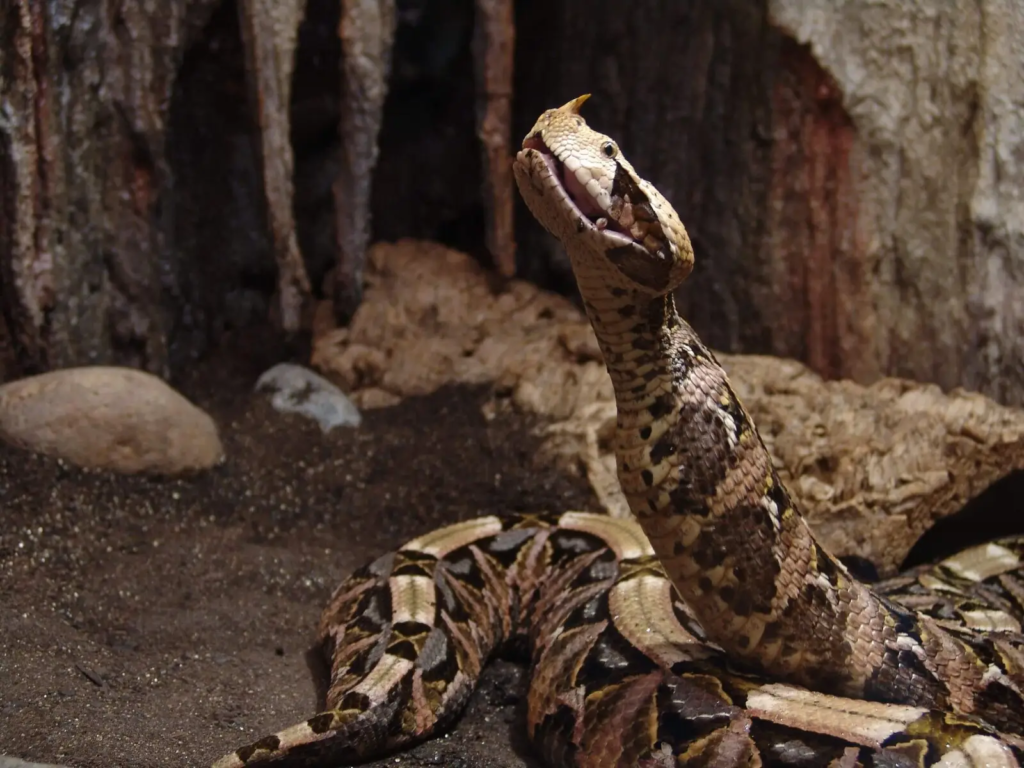
The Gaboon viper is feared for its extraordinary combination of camouflage, size, and venom-delivery capacity. Found in parts of sub-Saharan Africa, it blends so perfectly into leaf litter that people can walk dangerously close without realizing it. This accidental proximity is why many bites occur. The species holds the record for some of the longest fangs of any venomous snake and can inject a large volume of venom containing both cytotoxic and neurotoxic components. Although it moves slowly and rarely attacks unprovoked, its sudden defensive strike is extremely fast, surprising even experienced researchers. Because of these traits and the severe tissue damage associated with untreated bites, the fear surrounding this snake is both natural and scientifically justified.
12. Mosquito
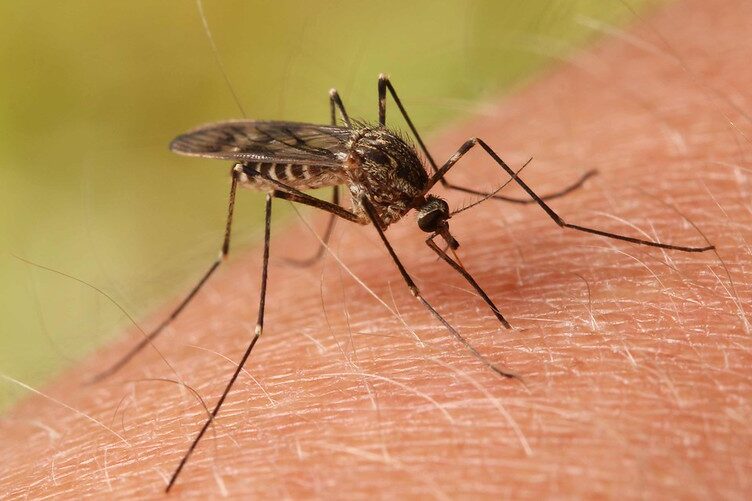
People fear mosquitoes not because of their appearance, but because they are the world’s deadliest animals in terms of human mortality. Species like Aedes aegypti and Anopheles gambiae transmit diseases such as malaria, dengue, yellow fever, and Zika, which collectively affect millions every year. The fear is rational because these insects thrive in everyday environments, stagnant water, humid seasons, and urban areas, making exposure nearly unavoidable in many regions. Public health campaigns in Africa, South America, and Southeast Asia continually highlight their danger due to well-documented outbreaks. Even where disease risk is lower, their persistence and biting behavior cause discomfort and anxiety. The mosquito’s tiny size hides its global impact, but its role in spreading illness fully validates the widespread concern people feel.
13. Brown Recluse Spider
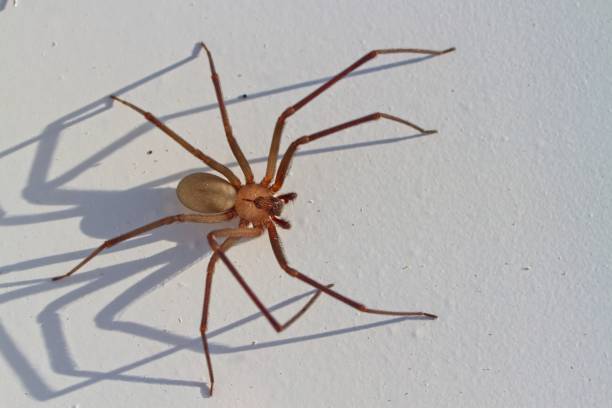
The brown recluse spider is feared because of its medically significant venom and its tendency to hide in undisturbed indoor spaces like closets, boxes, and basements. Its venom contains enzymes that can, in rare cases, cause necrotic skin lesions, which has helped cement its image as a particularly dangerous household spider in the United States. Although severe reactions are uncommon and many bites go unnoticed, the possibility of tissue damage keeps public perception high. Misidentification has also contributed to its reputation, as many harmless spiders are mistaken for recluses. Still, the fear remains rational in regions where the species is established, since its secretive behavior and the potential seriousness of reactions make caution appropriate.
14. Funnel-Web Spider
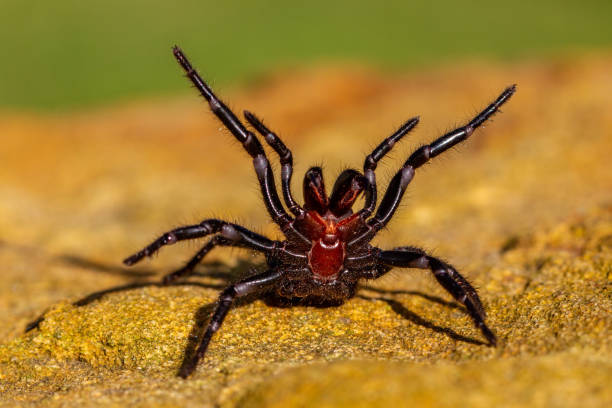
The Sydney funnel-web spider is feared for good reason: it possesses some of the most potent spider venom known, capable of causing severe symptoms through its neurotoxic components. Found in eastern Australia, this species often shelters in moist, protected areas around homes, which increases the chance of unexpected encounters. Historically, severe envenomations led to public alarm before antivenom became widely available in the 1980s. Their aggressive defensive behavior, characterized by rearing up and exposing large fangs, reinforces their dangerous reputation. Although medical treatments today are highly effective, the spider’s speed, strong bite, and historical record make the fear people feel both understandable and scientifically grounded.
15. Rattlesnake
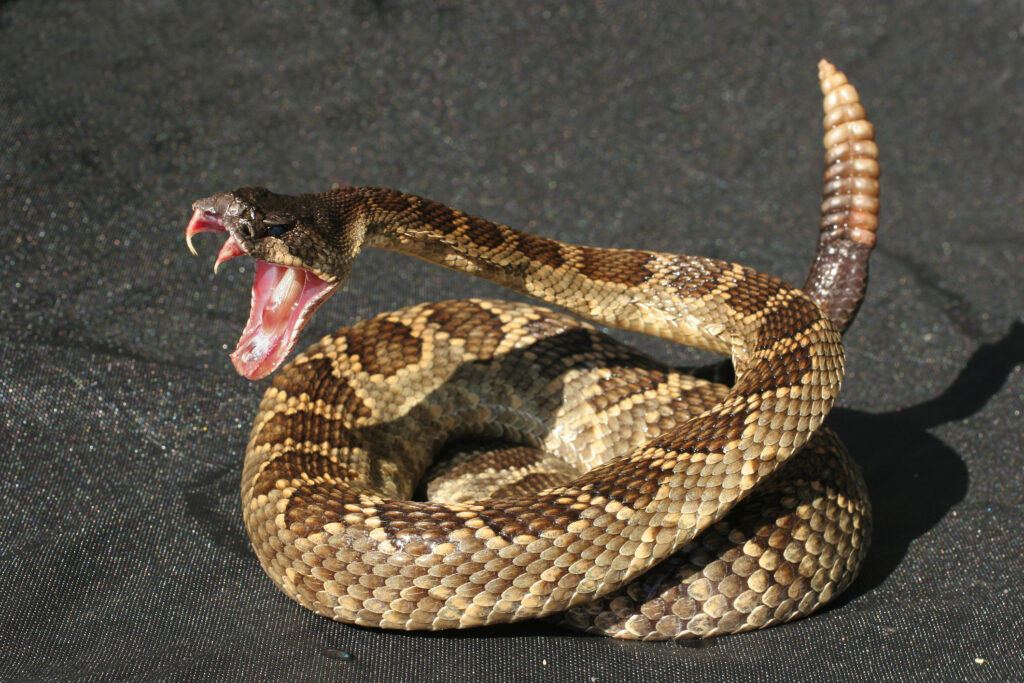
Rattlesnakes evoke fear across the Americas due to their distinctive warning rattle and the real threat posed by their hemotoxic venom. This venom can cause severe swelling, tissue damage, and systemic effects if untreated. Their habitats often overlap with hiking trails, ranches, and rural communities, making encounters more common than with other venomous snakes. The rattle itself developed as a defense mechanism to prevent unnecessary conflict, but for humans it has become a universal signal of danger. Public education campaigns emphasize safe distances and immediate medical care after bites, which strengthens the perception of risk. Because rattlesnakes are both widespread and medically significant, the fear surrounding them is entirely rational.
16. Africanized Honey Bee

Africanized honey bees are feared because of their heightened defensiveness and tendency to respond aggressively in large numbers. Originating from hybrid populations in the Americas, they behave similarly to regular honey bees but are far quicker to perceive disturbances as threats. Documented incidents show that they may pursue perceived intruders for longer distances than European honey bees, increasing the risk of multiple stings. While each sting contains venom comparable to that of ordinary bees, the danger lies in the sheer volume of stings when a colony is disturbed. Their spread across parts of South, Central, and North America has led to widespread public education efforts, reinforcing the validity of people’s fear. This instinctive caution is justified because swarm attacks, though preventable, can be medically serious.
17. Komodo Dragon
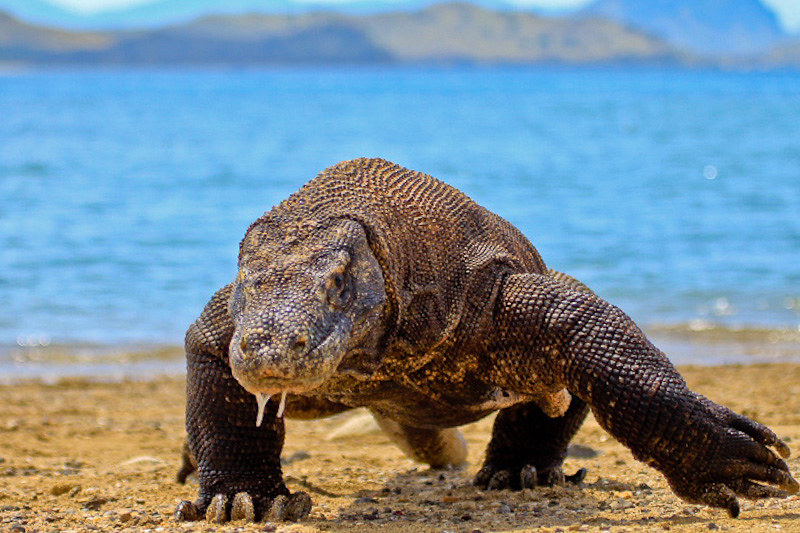
The Komodo dragon inspires fear due to its size, strength, and predatory abilities. As the world’s largest lizard, it can overpower large prey using powerful jaws and sharp claws. For decades, researchers believed that bacterial infections caused by their bites were the primary danger, but modern studies show their saliva contains venom-like proteins that contribute to rapid blood loss and shock in prey. Human encounters on Indonesia’s Lesser Sunda Islands have occasionally resulted in documented attacks, which strengthened its fearsome reputation. Although tourism is carefully managed, the combination of its imposing size, sudden bursts of speed, and biologically potent bite makes the concern people feel entirely reasonable.
18. Bullet Ant

People fear the bullet ant because it delivers what is widely considered one of the most painful stings in the insect world. Indigenous communities in Central and South America have long known its sting’s intensity, describing the pain as similar to being shot, hence the name. Scientific evaluations, such as those on the Schmidt Pain Index, confirm its extreme rating. The venom contains neurotoxic peptides that cause throbbing, radiating pain that can last for hours. Bullet ants are not aggressive without provocation, but their nesting habits at the bases of trees and forest paths make accidental contact possible. The fear surrounding them is very rational, as their sting is unforgettable, medically significant for its pain, and well-documented in both science and cultural history.
19. Tarantula Hawk Wasp
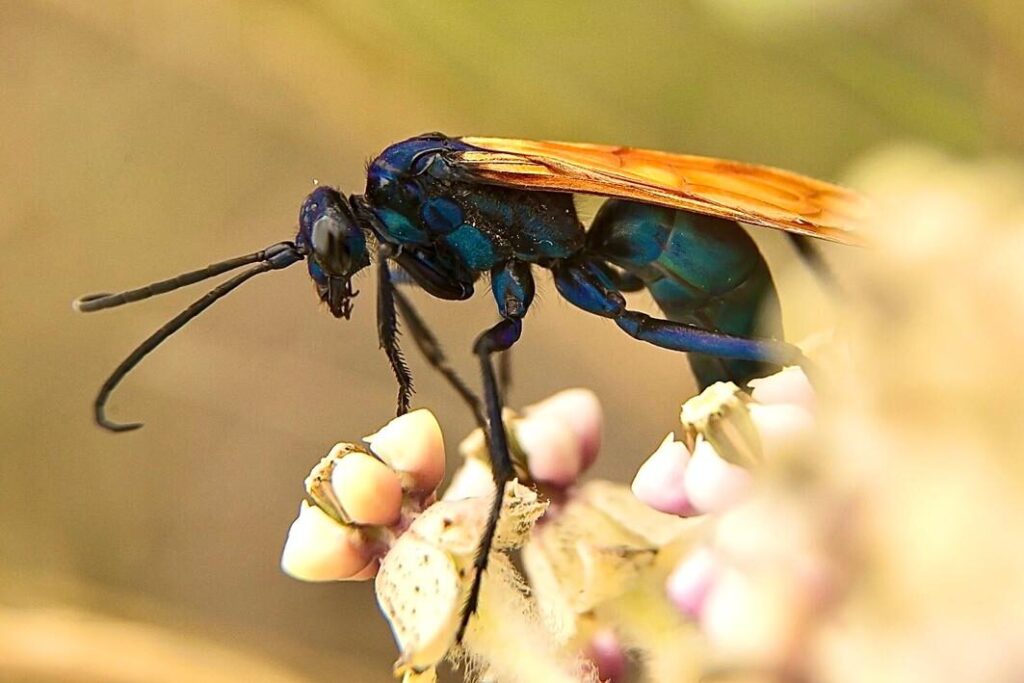
The tarantula hawk wasp is feared primarily because its sting is extremely painful, so painful that experts often describe it as momentarily debilitating. Though the sting is rarely dangerous in medical terms, the intensity of the experience has been documented through scientific indexes and firsthand accounts by entomologists. These wasps hunt tarantulas by paralyzing them, a behavior that appears intimidating when observed. Their large size, metallic coloration, and slow but purposeful flight contribute to the anxiety people feel when one approaches. Fortunately, they are generally uninterested in humans unless handled or provoked. Still, given the real, overwhelming pain their sting can deliver, the fear people have of tarantula hawk wasps is completely rational.
20. Tsetse Fly
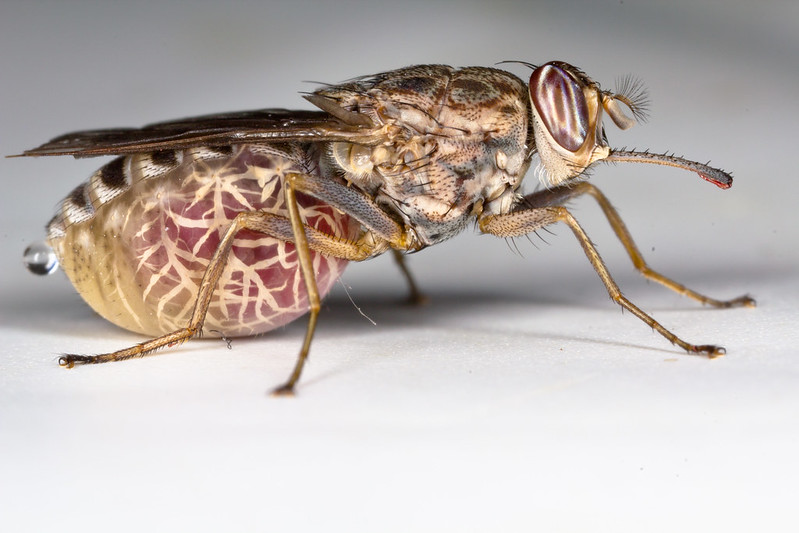
The tsetse fly is feared across sub-Saharan Africa because it transmits trypanosomes, the parasites responsible for African sleeping sickness. This disease has historically affected rural communities, livestock, and entire agricultural regions, making the insect far more than a minor nuisance. Unlike common houseflies, tsetse flies pierce the skin to feed on blood, spreading parasites that cause fever, fatigue, confusion, and, without treatment, potentially fatal neurological damage. The fear is also tied to the insect’s persistence, as they thrive in bushy or riverine environments where people regularly travel or farm. Even with modern vector control programs reducing cases, the long-standing association between tsetse flies and severe illness makes public caution entirely rational.
21. Kissing Bug
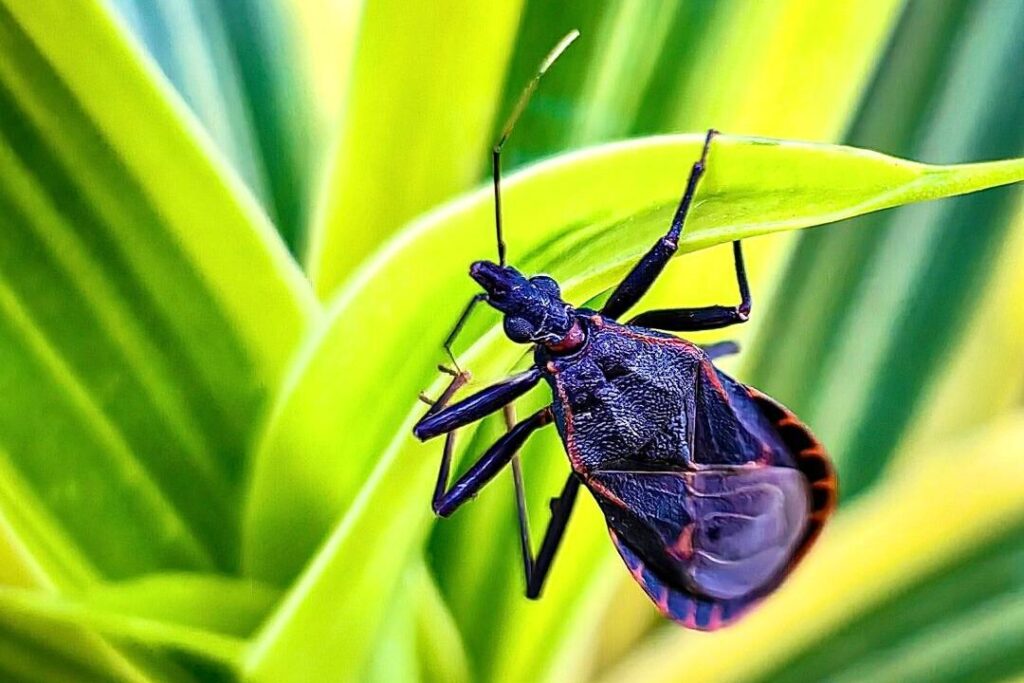
Kissing bugs, or triatomine insects, are feared because they can transmit Trypanosoma cruzi, the parasite that causes Chagas disease. Found mainly in the Americas, these insects often hide in cracks, thatched roofs, and bedding, emerging at night to feed on exposed skin, usually around the face. The disease can progress silently for years before leading to serious heart or digestive complications, which adds to the anxiety surrounding these insects. Their behavior of defecating near bite sites increases the risk of infection, a detail well documented in medical research. Although not every bug carries the parasite, the possibility of long-term health consequences makes the fear surrounding kissing bugs deeply rooted and justified.
22. Giant Water Bug
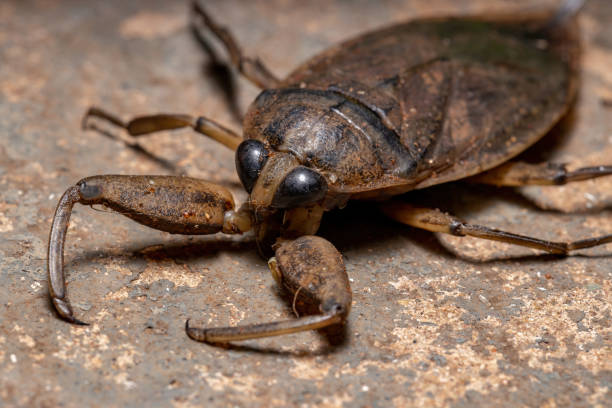
Giant water bugs may not be as famous as other dangerous insects, but they are feared because of their powerful bite, which researchers consider one of the most painful delivered by any freshwater insect. Sometimes called “toe-biters,” they inhabit ponds, lakes, and slow-moving streams where swimmers may accidentally step on them. Their strong forelegs and needle-like mouthparts are adapted for hunting fish, tadpoles, and other aquatic animals, meaning a human finger is simply another target when threatened. Although their bite is not venomous, the intense pain and lingering tenderness can be alarming. Their size, often several inches long, adds to their intimidating presence, making the fear people feel both natural and reasonable.
23. Assassin Bug
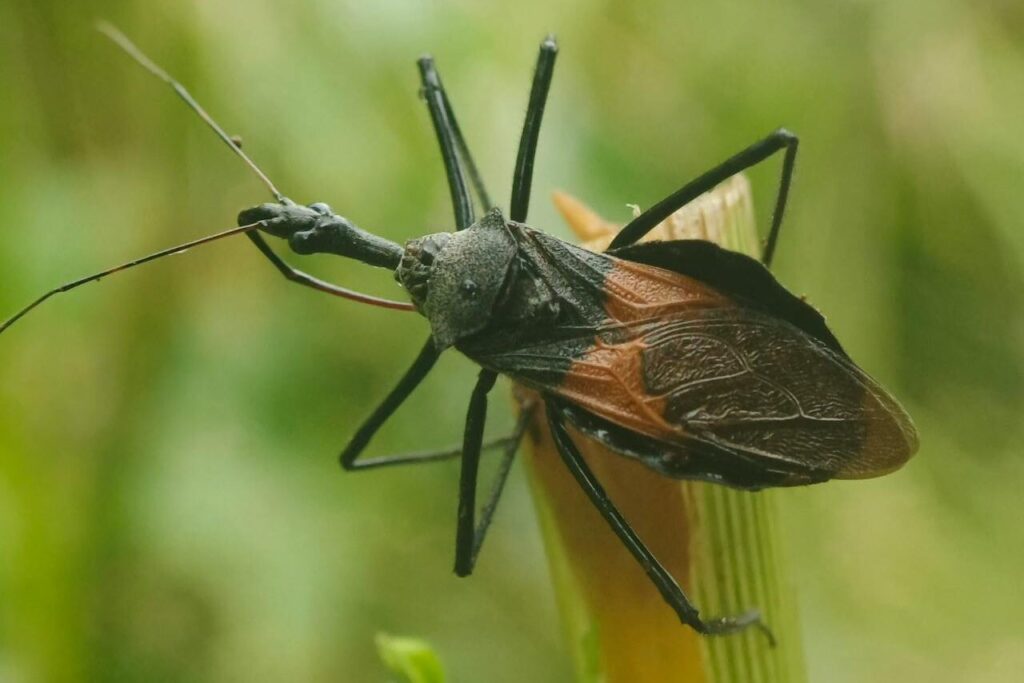
Assassin bugs are feared because their predatory bite can be extremely painful, and some species within the Reduviidae family are capable of using venom-like saliva to immobilize prey. While not all assassin bugs pose medical risks to humans, several species can inflict a sharp, burning bite if handled. Their sudden, precise movements and piercing mouthparts contribute to their unsettling reputation. In rural areas, people learn to avoid them after firsthand encounters that leave lasting pain and swelling. Their role as ambush predators, often hiding on vegetation, means they can be encountered unexpectedly. Although beneficial in controlling pest insects, the discomfort their bite causes makes the fear toward them understandable and grounded in real experience.
24. Botfly

The human botfly triggers a deep fear because its larvae can develop beneath the skin, creating a noticeable and often uncomfortable swelling. Found primarily in Central and South America, the botfly lays eggs indirectly, relying on mosquitoes or other insects to deposit the larvae onto human skin. Once inside, the larva grows while maintaining a small breathing hole, an unsettling but medically well-documented process. Although botfly infestations are usually treatable and rarely dangerous, the idea of a living organism under the skin has a strong psychological impact. Travelers and locals alike often remain vigilant, making the fear surrounding botflies more than emotional, it is based on a real parasitic process that is both unusual and memorable.Conclusion
Fear of animals often feels instinctive, but many of these reactions come from generations of practical wisdom and documented biological realities. Understanding why our fears formed, and why they’re valid, helps us stay safe while appreciating the natural world with clearer insight.
This story 24 Common Fears of Certain Animals That Turn Out to Be Completely Rational was first published on Daily FETCH


