
1. Prisoners for Life: Originally Without Chance of Parole
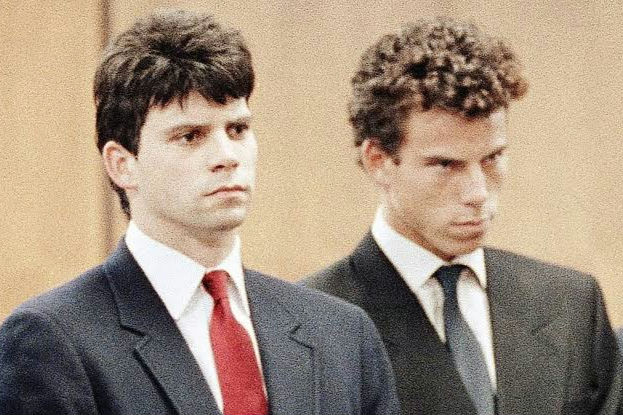
It’s been more than three decades since Lyle and Erik Menendez were convicted of killing their parents, a crime that shocked the world and turned the brothers into media fixtures. After their 1996 conviction for the 1989 murders of their parents, José and Kitty Menendez, both brothers were sentenced to life in prison without the possibility of parole. For nearly 30 years, that meant no chance at freedom, and the belief, until recently, was that they would spend the rest of their lives behind bars. The sentences reflected the gravity of the crime: two counts of first-degree murder, plus conspiracy, with “special circumstances” for lying in wait.
2. Years of Appeals: Allegations, and Claims of Abuse

From the start, part of the brothers’ defense was that they had endured years of sexual, physical, and emotional abuse at the hands of their father. Their appeals and legal efforts over the years often revolved around these claims, though until very recently, courts remained unswayed, repeatedly rejecting efforts to vacate or reduce their sentences.
3. Prison Lives: Degrees, Rehabilitation, and “Menendez University”

While behind bars, both Lyle and Erik reportedly used their time to rehabilitate. They earned college degrees, maintained relatively good behavior over long stretches, and even started programs to help other inmates, particularly those dealing with trauma or disability. According to supporters, their work made a real difference for fellow prisoners.
4. Resentencing: Parole Finally Possible in 2025

In a dramatic turn, a judge in May 2025 resentenced both brothers from life-without-parole to 50 years to life. Because they committed the crime while under the age of 26 (Lyle was 21, Erik 18), they became immediately eligible for parole under California’s “youth offender” law. This represented the first real chance either brother had of ever walking free. It came after a long legal battle, and followed support from some prison officials and family members who attested to the brothers’ rehabilitation.
5. Parole Hearings: 2025 Hearing, But Denied for Now

Lyle and Erik both had their first parole hearings in August 2025. Unfortunately for them, the decision was not what they’d hoped: both were denied release. The parole board cited repeated prison rule violations, especially the use of contraband cellphones, and questioned whether the brothers had truly accepted responsibility for their actions.
6. Life Behind Bars Included Marriage for Both Brothers

Over the years, both Lyle and Erik built personal lives despite being incarcerated, each marrying women who supported them from the outside. Lyle first married Anna Eriksson in 1996, though the two later divorced. In 2003 he married Rebecca Sneed, who has remained a steady advocate for him through decades of appeals. Erik married Tammi Saccoman in 1999, and she later wrote a memoir about their relationship and the emotional challenges of maintaining a marriage through a prison wall. These relationships often became the subject of public curiosity, adding a human dimension to a case that had long been framed solely as a crime story.
7. New Evidence Claims Revived Their Case in Recent Years

In the 2020s, the brothers’ legal team submitted new evidence they argued had never been adequately heard, including statements from former classmates and relatives supporting claims of abuse in the Menendez home. Their lawyers also highlighted missteps in earlier proceedings and cultural changes in how courts view trauma and family violence. While none of this overturned their convictions, the material contributed to the growing movement pushing for resentencing, helping build the momentum that eventually led to the 2025 parole eligibility decision.
8. Pop Culture Kept Their Story Alive for an Entire Generation

Even as the brothers spent decades out of public view, their case remained a recurring subject in documentaries, podcasts, reenactment series, and social-media commentary. Productions like Law & Order True Crime: The Menendez Murders and various streaming documentaries introduced the case to younger audiences, helping shape how new generations understood the events of 1989. The brothers themselves became quietly aware of this renewed attention, with family members occasionally relaying how their story continued to spark debate about privilege, trauma, and the justice system.
9. Public Opinion Shifted as Attitudes About Abuse Changed

Over the decades, public sentiment about the Menendez case gradually softened, especially as society became more aware of the long-term effects of childhood trauma. Many people began to question whether the original trial had fully accounted for the brothers’ allegations of abuse, particularly given how such claims were often dismissed in the early 1990s. Commentators and advocacy groups argued that, regardless of the crime’s severity, the context of their home life deserved deeper consideration. This evolving public conversation played a quiet but meaningful role in shaping later legal opportunities for resentencing.
10. What Comes Next After Their Denied Parole
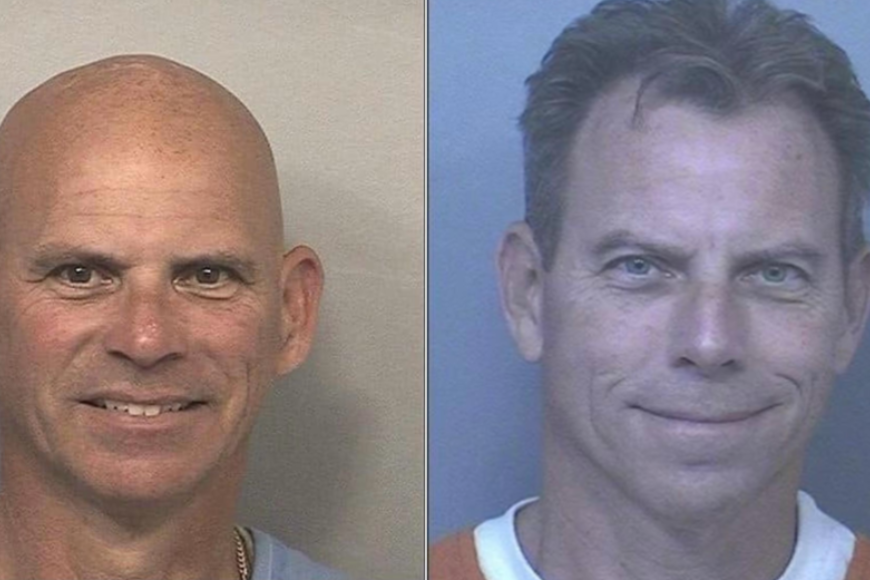
Following their denied parole in August 2025, both Lyle and Erik will face several more years before they will be eligible for another hearing, though the exact timing depends on board decisions and their conduct moving forward. Their attorneys continue to prepare new filings, and supporters still hope that another parole board may view their rehabilitation more favorably. Regardless of the final outcome, the brothers’ future now contains a possibility that did not exist for nearly three decades: the chance, however slim, that they may one day experience life outside prison walls again.
More than 35 years after the tragedy that changed their lives, the Menendez brothers remain figures of intense debate and fascination. The brothers remain incarcerated and are eligible to apply for parole again in three years, in 2028. They could also seek clemency from the California governor. Whether or not they ever walk free, their story continues to raise difficult questions about family, trauma, accountability, and forgiveness, questions that still resonate with people today.
This story Whatever Happened to the Menendez Brothers? was first published on Daily FETCH


