
1. Why the Old Factory Sat Right at the Town’s Edge
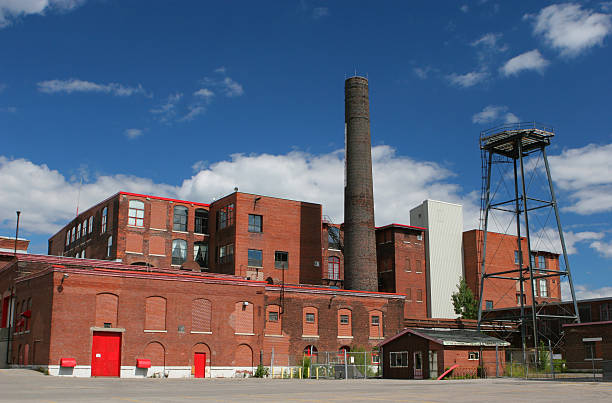
Sometimes it takes growing up and moving away to finally understand the quiet logic behind the place you came from. Many small towns built factories on the outskirts because zoning laws kept industrial activity away from residential streets, and rail lines usually ran along the periphery for easier shipping. That’s why so many childhood hometowns had a mysterious plant or mill just beyond the last row of houses. As an adult, it becomes clear that these factories shaped local jobs, traffic routes, and even which neighborhoods developed first. What once looked like an abandoned building at the edge of nowhere becomes a reminder of how early industry determined the town’s layout.
2. Why Your Main Street Had So Many Repeated Store Types
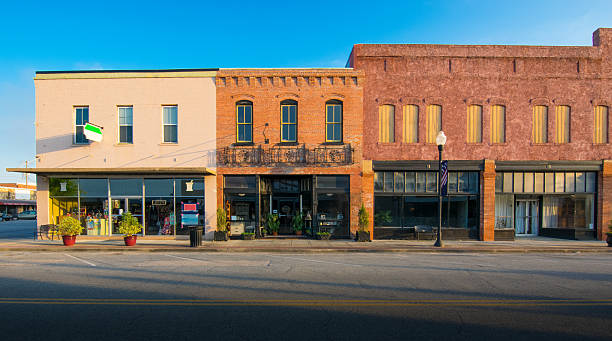
It’s common for small towns to develop clusters of the same kind of businesses, like three barbershops, two bakeries, or several hardware stores, often because commercial districts grow around longstanding foot-traffic patterns. Earlier generations didn’t travel far for services, so similar shops opened close together where customers already gathered. As an adult, it becomes clear that these patterns weren’t random at all but part of the town’s early economic ecosystem. Competition was less about dominance and more about keeping everything within walking distance.
3. Why Everyone Took That Same Winding Back Road
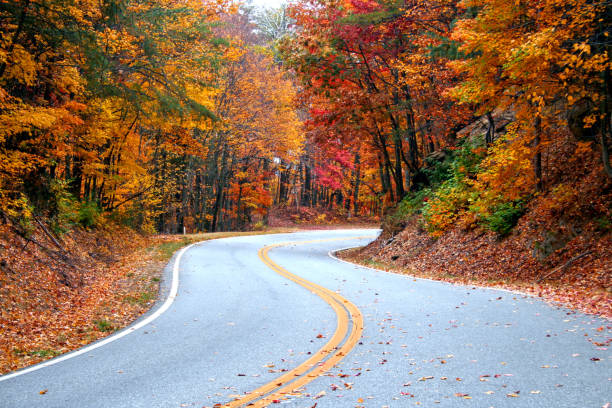
The strangely curving back roads that everyone used weren’t designed for scenic detours, many of them followed original wagon paths, farmland boundaries, or natural features like rivers and ridges. When you grow older, it makes sense why locals relied on these routes: they avoided heavy truck traffic, provided faster shortcuts before highways expanded, and connected historically important sites. What felt like a secret shared only by long-timers actually traced the earliest blueprint of the community’s development.
4. Why the School Was Built Beside the Biggest Park
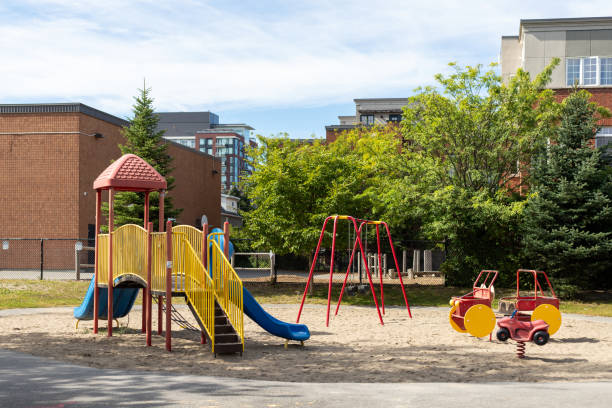
During mid-20th-century planning, towns often placed schools near large parks to maximize shared land use, support outdoor programs, and keep children close to open space. As a kid, it simply felt convenient to have a big field next door. As an adult, it becomes clearer that this pairing saved tax dollars, encouraged community events, and kept school zones away from busy commercial corridors. The park wasn’t just a place to play, it was part of a coordinated town design philosophy that prioritized safety and accessible recreation.
5. Why That One Bridge Seemed Way Too Big for a Small Town
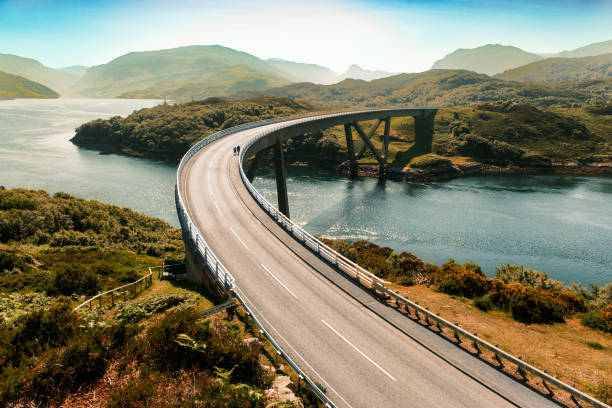
Many small towns have a surprisingly oversized bridge because it was built to withstand regional flooding, support heavy farm vehicles, or meet state transportation standards that exceeded local needs. As children, these structures felt comically large, but in reality they reflected broader infrastructure plans meant to last for decades. When you revisit as an adult, the size finally makes sense, the bridge wasn’t built for the town’s population but for the waterway, the weather patterns, and the agricultural economy that relied on it year after year.
6. Why the Town Square Always Hosted Every Big Event
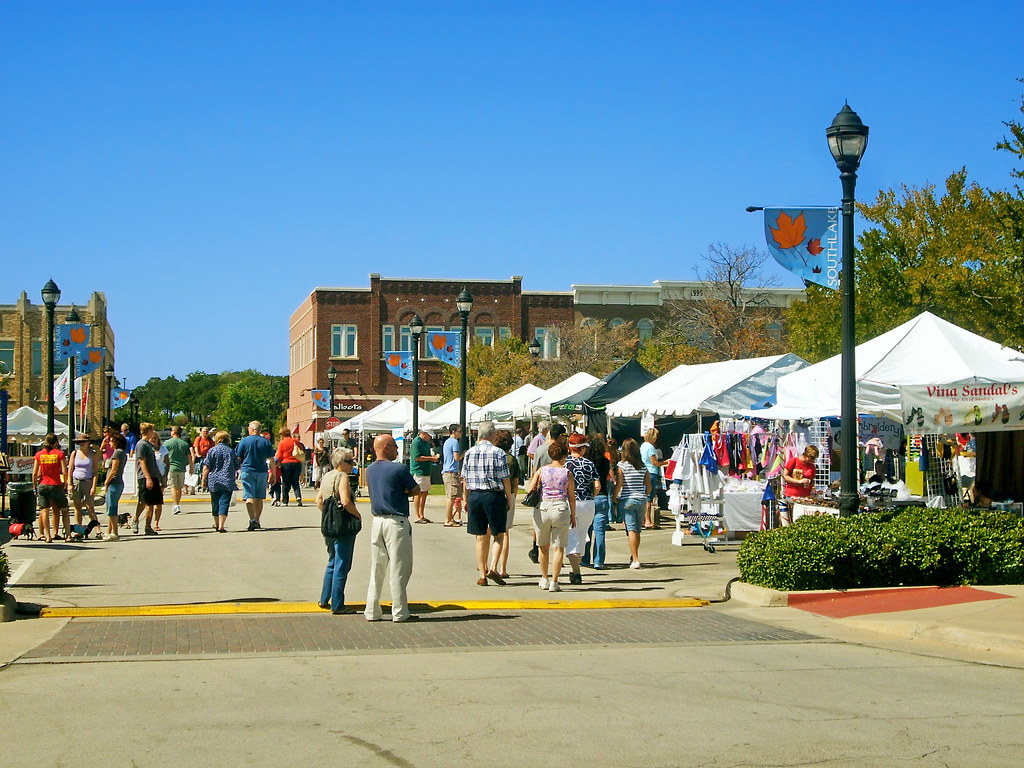
Town squares became central gathering places because they were historically designed as civic hubs, often located where early markets, courthouses, or churches stood. As a child, it just felt like the natural place for holiday parades, fairs, and school performances. Only later does it make sense that these events happened there because the square offered easy access, open space, and a direct line to the town’s earliest public traditions. What looked like a simple meeting spot was actually the heart of the community’s social and political life for generations.
7. Why Your Neighborhood Changed So Suddenly in the 1990s
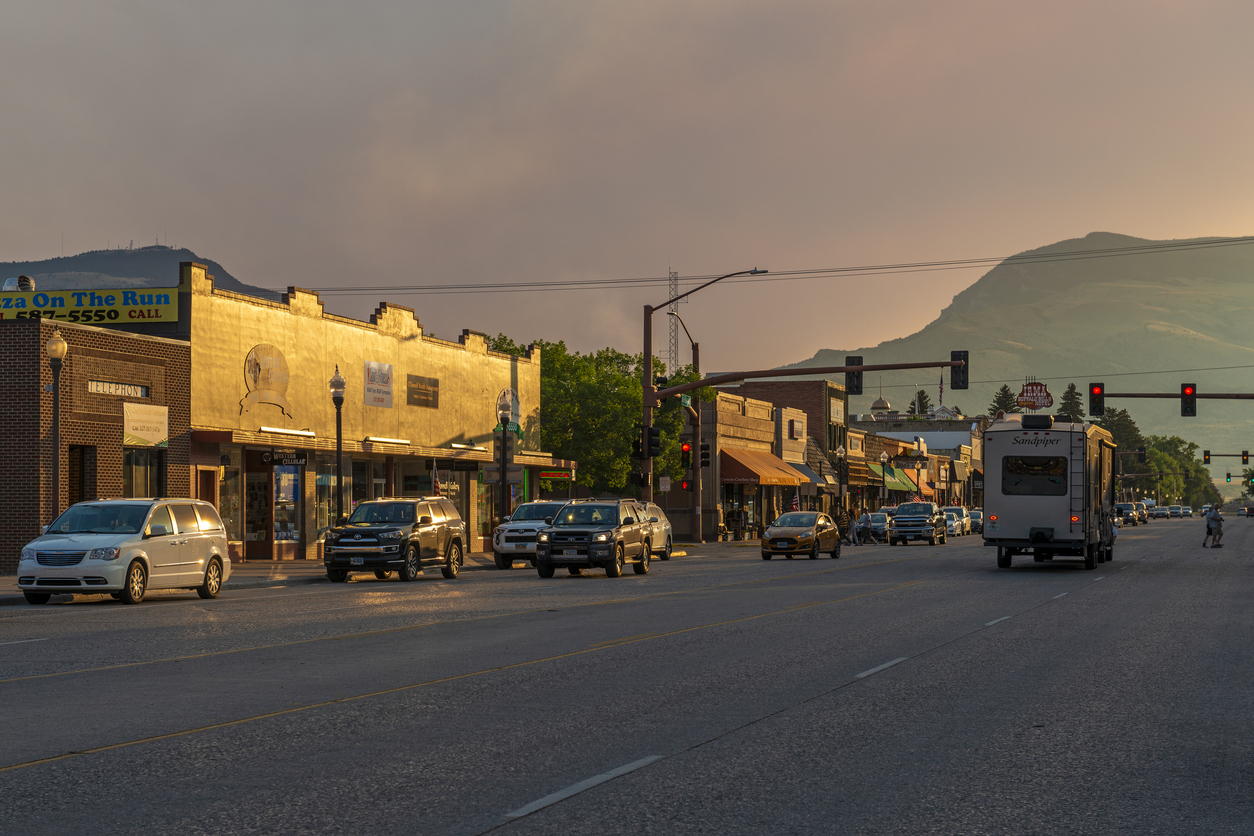
Many towns saw major shifts in the 1990s due to new housing developments, zoning updates, and the arrival of big-box retailers that redirected traffic and commerce. What seemed like rapid change to a child was actually the result of long-term planning decisions combined with national economic trends. As an adult, it becomes clear why certain streets grew quieter, why new subdivisions appeared, or why local shops closed. The transformation wasn’t random, it reflected the broader suburban expansion shaping much of the country at the time.
8. Why That One Restaurant Was the Unofficial Town Meeting Spot
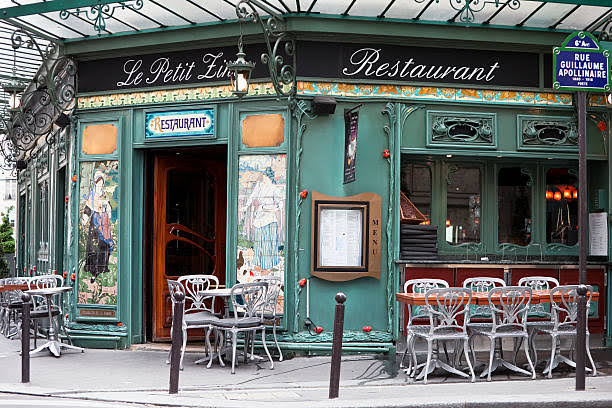
Every hometown has a diner or café where everyone seemed to gather, often because it sat at a geographic crossroads, stayed open late, or had long-time owners who knew every customer. As a kid, it just felt like the place adults liked to talk for hours. With perspective, it becomes obvious that these establishments functioned as informal community centers where news spread, business deals started, and friendships formed. Their popularity had less to do with the menu and everything to do with being a constant in people’s daily routines.
9. Why the Town Had So Many Churches for Its Size
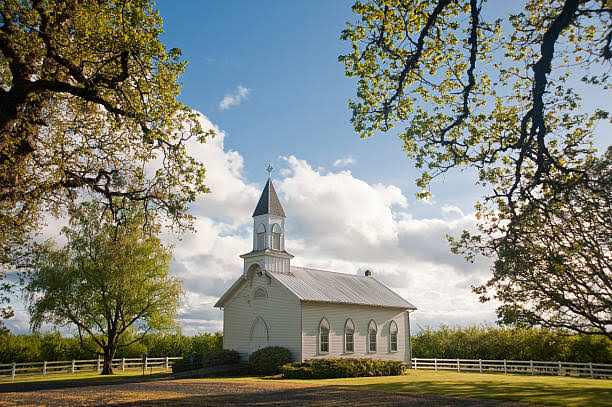
Small towns often have numerous churches because early settlers formed congregations based on denomination, language, or cultural background. These groups built their own worship spaces, which remained even as populations changed. As a child, the number of churches might have felt surprising, but as an adult, it makes sense that each one reflected the town’s history of immigration, migration, and faith traditions. The clustered steeples weren’t signs of redundancy, they were snapshots of the community’s evolving identity over decades.
10. Why You Always Heard Trains Even When Tracks Seemed Far Away
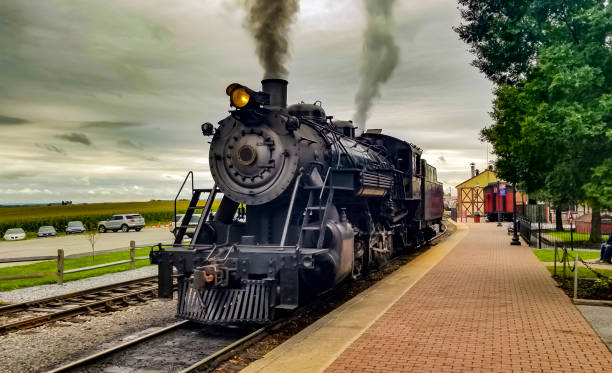
Railroads were designed to cut through the quietest, flattest parts of town, but train horns and wheels carry sound for miles, especially at night when ambient noise is low. As kids, we wondered how trains sounded so close despite the tracks being nowhere near our homes. With distance, it becomes clear that safety regulations required frequent horn blasts at crossings, and the open landscape amplified every echo. Those nighttime rumbles were actually part of a regional transportation network that supplied farms, factories, and local businesses.
11. Why the Old Water Tower Was Painted With the Town’s Name
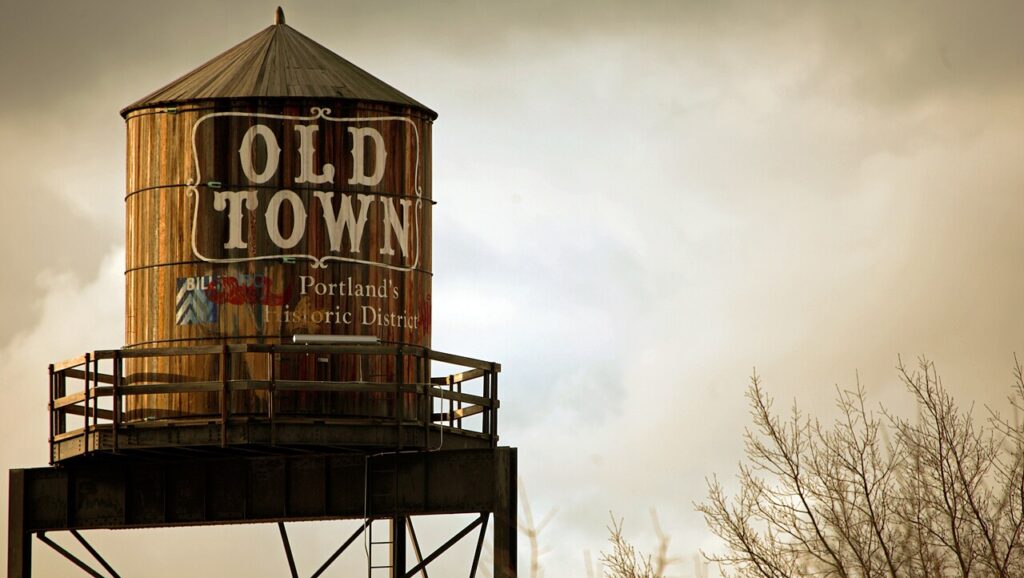
Water towers weren’t just functional structures holding elevated water for pressure, they were also used as landmarks and early navigation aids. Painting the town’s name on the tank helped travelers, delivery drivers, and pilots identify the community before GPS existed. As kids, the bright lettering felt decorative, but adults recognize it as part of a practical system used nationwide. The tower’s height made it the perfect billboard, and its visibility helped put the town quite literally “on the map,” reinforcing local pride while serving a very real purpose.
12. Why Older Residents Seemed to Know Everyone’s Family History

In many small towns, generations stayed rooted in the same area, creating deep networks of shared schools, churches, workplaces, and community events. As children, it felt almost magical how older residents knew who belonged to whom. As an adult, you understand it as the natural result of stable, long-term relationships in places where families rarely moved far away. Local memory acted like an informal archive, tracking marriages, businesses, and major events. What once felt like pure curiosity was really the community’s way of preserving its own history.
When you finally step back and look at your hometown through grown-up eyes, all the small mysteries begin to make sense. What once seemed ordinary or confusing becomes a meaningful map of how the community worked. And every time you return, another small detail clicks into place, reminding you that your hometown was more thoughtfully built and deeply connected than you ever realized.
This story The Day Everything Suddenly Made Sense About Your Old Hometown was first published on Daily FETCH


