
1. Lucas Cruikshank (Fred)
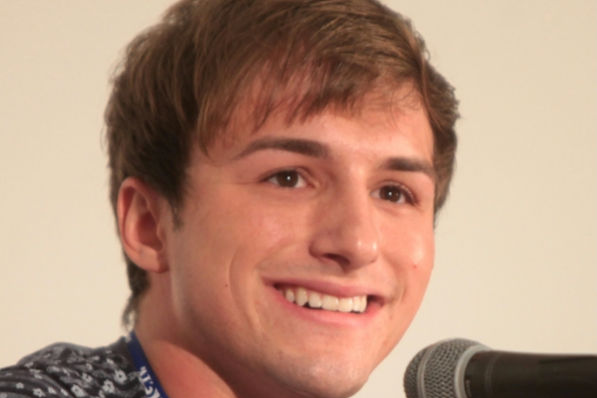
Lucas Cruikshank became a household name when he created the character “Fred Figglehorn” in 2006, a hyperactive, high-pitched teenager who became one of YouTube’s first real viral sensations. Fred’s channel was the first to pass 1 million subscribers, and soon spun off into movies and even a TV show thanks to the character’s popularity. However, as Lucas grew older, he retired the Fred persona. Today he posts under his real name, “Lucas,” and though it doesn’t stir the same frenzy, he still makes comedy-style content: vlogs, commentary, product testing and more. He also keeps a presence on Instagram, TikTok, and podcasts, proving that while Fred is retired, the person behind him still has creative energy. It’s a reminder: early virality often gives way to quieter, more grounded content, but those early fans can still be loyal supporters.
2. Ray William Johnson
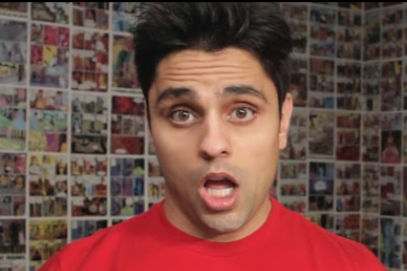
Ray William Johnson was among the biggest stars in YouTube’s early years. Known for his show “Equals Three,” in which he offered humorous commentary on viral videos, he built a massive following, for a long time his channel was one of the most subscribed globally. These days, Ray hasn’t vanished, instead he shifted direction. He stepped down as the regular host of “Equals Three,” and branched into filmmaking, acting, and music. He continues to produce content occasionally, and his ability to adapt when YouTube grew crowded is often cited as an example of longevity in internet fame. Many fans remember him for the laughter he brought during the early YouTube era, and now he creates more behind-the-scenes work, proving that early internet fame can evolve into sustainable creative careers.
3. Daniel Anthony Padilla (co-founder of Smosh)
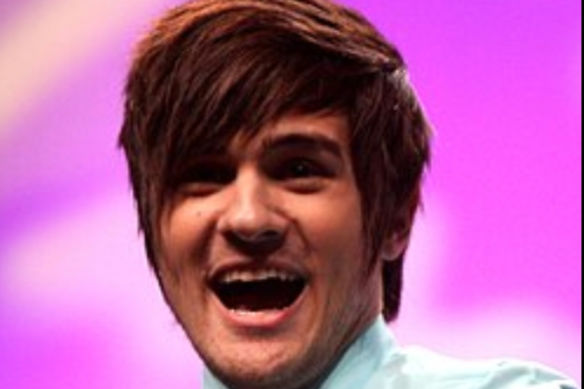
Anthony Padilla helped co-found the iconic comedy channel Smosh (with Ian Hecox), one of the earliest sketch-comedy powerhouses on YouTube, starting in 2005. For years Smosh churned out humorous, often absurd videos that resonated with teens and tweens worldwide. After leaving the channel in 2017, Padilla stepped away from that brand, but his creative spark didn’t fade. He returned in 2023 to Smosh, and in the meantime he hosted his own podcast series, produced independent content, and worked as a filmmaker and painter. These days he continues creating, leaning on his early YouTube experience but adapting to a changing media world, a shift from sketch videos to more personal, varied projects.
4. Tobias “Tobuscus” Turner
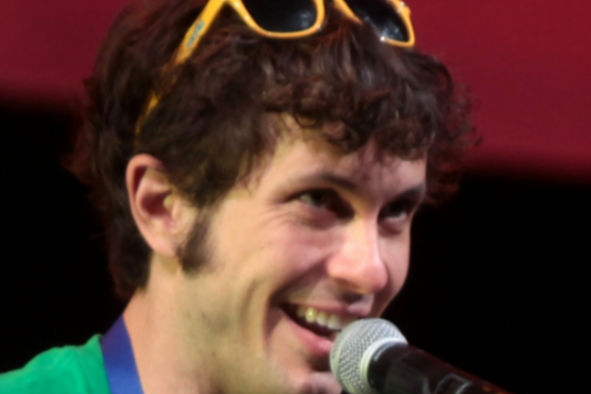
Tobias Turner, better known online as Tobuscus, was one of the early YouTube personalities to combine comedy, gaming (let’s-plays), and music across multiple channels, including Tobuscus, TobyGames, and TobyTurner, starting around 2006. Over time, his accumulated subscriber base and billions of video views made him a recognizable face in the early YouTube gaming and comedy community. Over the years, Toby Turner has continued producing content under his various channel names, though like many early creators, his release frequency has slowed. Rather than vanish after his peak, he seems to have settled into a steadier creative rhythm, embracing what he enjoys (games, humor, commentary) without the breakneck schedule of earlier viral days. Turner’s story is a good example of how early fame can evolve into quiet longevity, even as platforms and trends change.
5. William Sledd
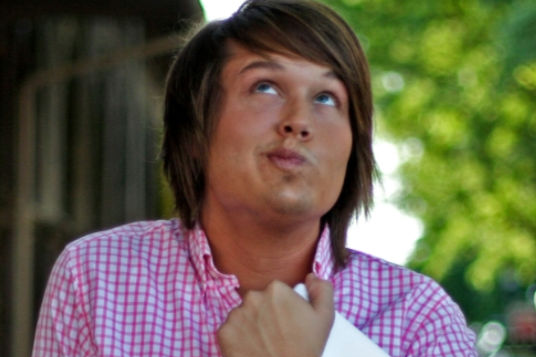
William Sledd emerged in 2006 as one of YouTube’s early vloggers, best known for his series “Ask A Gay Man.” His candid, stylish commentary on fashion and LGBTQ issues helped him become one of the first recognized internet personalities, and a pioneer in using YouTube for personal storytelling rather than just comedy or music. After several years of posting, Sledd shifted away from being a full-time YouTuber. In recent years, he reportedly worked as a social media manager for a bank, a far cry from the camera and creative control he once had. His trajectory shows one of the many paths early YouTubers took: using their early fame as a springboard, then moving into more traditional or stable roles when the digital world changed.
6. Michelle Phan

Michelle Phan became one of YouTube’s first major beauty creators when she began uploading makeup tutorials in 2007. Her soft-spoken style and detailed demonstrations drew millions of viewers, eventually leading to partnerships with Lancôme and the launch of her own subscription service, Ipsy, which grew into a billion-dollar beauty company. After years of nonstop work, Phan stepped away from the internet in 2015, citing burnout and wanting to reconnect with life off-camera. She later returned on her own terms, relaunching EM Cosmetics as an independent brand and focusing on creative entrepreneurship rather than constant content creation. Today she maintains a low-profile presence online but remains an influential figure whose business moves transformed how beauty creators work with brands.
7. Dave Days
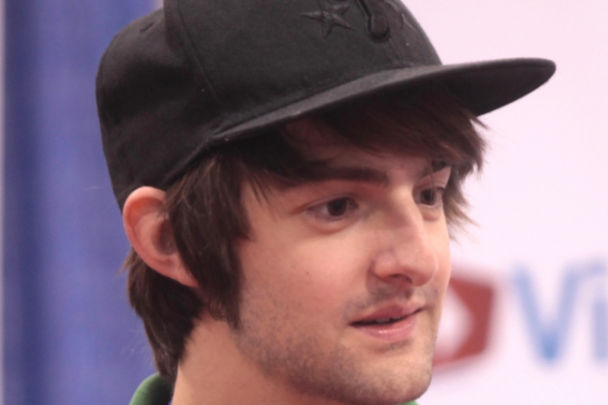
Dave Days rose to early YouTube fame as a comedic musician known for parody songs, original pop-punk tracks, and his long-running Miley Cyrus jokes, which became a recurring theme in his videos. His music videos were among the first creator-produced clips to gain mainstream attention, helping him land performances, collaborations, and even a cameo appearance from Miley herself. Over time, Dave shifted away from viral-style uploads and began focusing on behind-the-scenes creative work, including music production and independent releases under his own name. While he still occasionally posts updates, his online presence today is far quieter than in the platform’s early years. His journey reflects the transition many early creators made, moving from fast-paced comedic content to more sustainable artistic paths.
8. Michael Buckley (What the Buck?!)
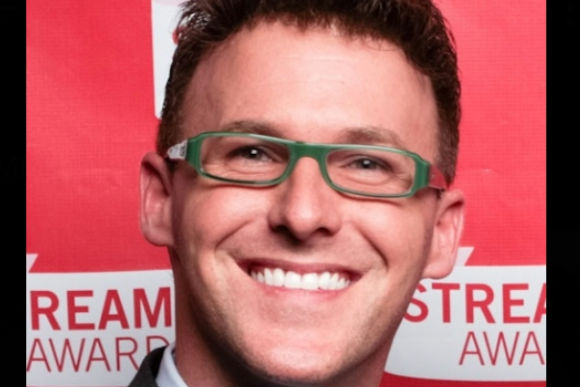
Michael Buckley became famous for “What the Buck?!,” a rapid-fire pop-culture commentary show that made him one of YouTube’s earliest breakout personalities. Known for his energetic delivery and celebrity news recaps, he gained a dedicated fan base and appeared across mainstream media as YouTube began entering the public spotlight. After years of hosting, Buckley gradually stepped back from the demanding pace of entertainment commentary. Today he works as a life coach and motivational mentor, using his communication skills to inspire audiences in a different setting. He occasionally posts to YouTube, but his career now focuses on personal development, coaching programs, and community work, showing how an early digital host reinvented himself far from the celebrity-news cycle.
9. Chris Crocker
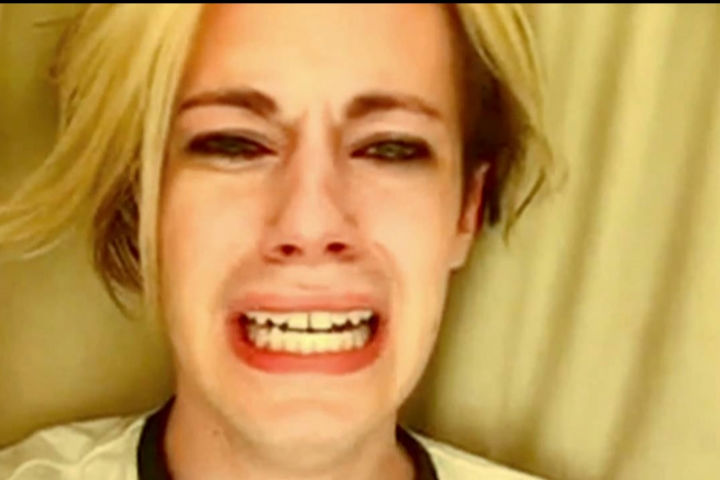
Chris Crocker became globally known after the 2007 “Leave Britney Alone!” video, one of YouTube’s earliest and most discussed viral moments. While the clip drew both support and criticism, it marked a turning point in how emotional expression was viewed online. Over the years, Crocker shifted from comedic and commentary videos into advocacy, writing, creative projects, and adult content work. In 2021, Chris publicly announced a gender transition and adopted the name Cara Cunningham, sharing that the change brought long-sought personal clarity. Today she posts updates selectively, focusing on private life rather than public virality. Her story highlights how early internet fame, often intense and unfiltered, can give way to personal growth and self-defined identity.
10. Grace Helbig
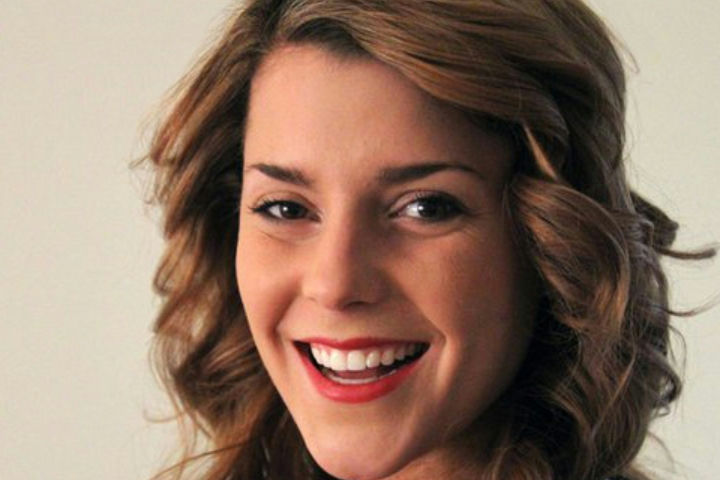
Grace Helbig became a YouTube favorite through her comedic vlogs, awkward humor, and collaborations with creators like Hannah Hart and Mamrie Hart. Her channel grew rapidly in the early 2010s, leading to a published book, television opportunities, and a feature film. She built a distinct comedic style, dry, self-aware, and rooted in internet culture, that resonated with millions. In recent years, Helbig moved more toward podcasting and behind-the-scenes creative work while reducing her YouTube uploads. In 2023, she publicly shared her breast cancer diagnosis and has since focused on her health, community support, and slower-paced creative avenues. Her shift reflects how many early creators adjusted their careers to prioritize stability, well-being, and new forms of expression.
11. Shane Dawson
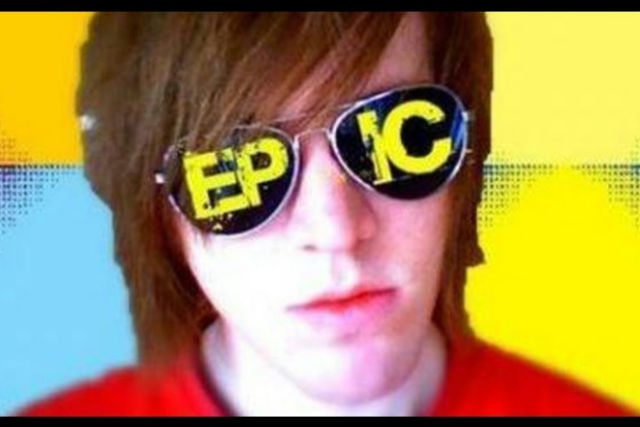
Shane Dawson became one of YouTube’s earliest mega-creators, known first for his sketch comedy, characters, and parody music videos in the late 2000s. Later, he reinvented himself through documentary-style series exploring internet rumors, influencers, and behind-the-scenes creator stories. While his channel drew millions of views, he also faced intense criticism over his older content, leading him to step back from the platform for extended periods. In recent years he has returned quietly, focusing on long-form vlogs, lifestyle content, and collaborative videos with friends and family. His life today is centered on living in Colorado, working on creative projects at a slower pace, and sharing occasional updates, far removed from the nonstop viral cycle that once defined his career.
12. Jenna Marbles
Jenna Marbles became a cultural phenomenon after her 2010 video “How to Trick People into Thinking You’re Good Looking” exploded across the internet. She went on to become one of YouTube’s most enduring comedy voices, building a channel of quirky challenges, pet videos, and candid humor. In 2020, Jenna stepped away from YouTube entirely after addressing concerns about some of her older content. Since then, she has chosen a private life offline, marrying longtime partner Julien Solomita in 2022 and occasionally appearing only through friends’ social posts. She remains one of the most beloved early YouTubers, someone who left on her own terms and is remembered fondly for her kindness, creativity, and genuine personality.
13. Nigahiga (Ryan Higa)
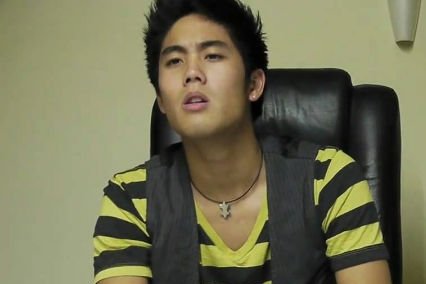
Ryan Higa was one of the first creators to dominate YouTube’s trending lists, thanks to polished comedy sketches like “How to Be Ninja” and “How to Be Emo.” His channel became one of the most-subscribed on the platform in the early 2010s, admired for clean editing, clever writing, and a dedicated friend group behind the scenes. In recent years, he stepped back from consistent uploads as team members pursued separate careers and the logistical demands of large-scale sketches became harder to maintain. Today, Ryan focuses on streaming, podcasting, and live appearances, enjoying a more relaxed relationship with online content. His evolution shows how a creator can remain relevant without chasing viral trends.
14. Charlie McDonnell (charlieissocoollike)
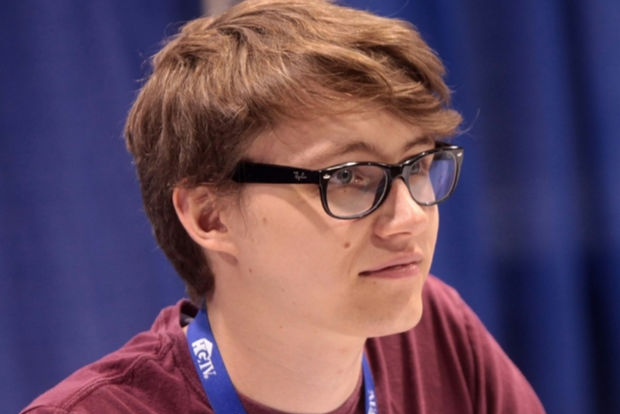
Charlie McDonnell became the UK’s first YouTuber to reach one million subscribers, thanks to his charming vlogs, music videos, and science explanations. His thoughtful style and gentle humor made him a major figure in the early British YouTube scene. By 2018, Charlie announced he was stepping away from YouTube altogether to focus on filmmaking, writing, and creative work beyond vlogging. Since then, he has pursued film production roles, written a book, and mostly kept offline except for occasional professional updates. His story reflects a shift seen among many longtime creators: choosing structured, offline creative careers over the unpredictability of constant online performance.
15. Bethany Mota

Bethany Mota became one of the first major lifestyle and fashion vloggers, famous for her upbeat haul videos, DIY tutorials, and positive, approachable energy. Her influence grew far beyond YouTube, she launched a clothing line with Aeropostale, appeared on Dancing With the Stars, and toured internationally to meet fans. As YouTube culture changed, she shifted away from frequent uploads and moved toward writing, entrepreneurship, and wellness-focused projects. Bethany now works on creative collaborations, a podcast, and occasional social media content, while maintaining a quieter presence than during her peak. Her evolution shows how early lifestyle creators matured their brands into broader, more sustainable ventures.
16. Laina Morris (Overly Attached Girlfriend)

Laina Morris became an overnight internet sensation in 2012 after appearing in a parody video that spawned the viral “Overly Attached Girlfriend” meme. What started as a playful contest entry unexpectedly turned her into one of YouTube’s most recognizable meme faces. Laina embraced the sudden fame for several years, posting comedic sketches, collaborations, and personal vlogs while managing the surreal pressure of being a global meme. In 2019, she announced she was stepping away from YouTube to focus on her mental health and return to a more private life. Today she works outside the entertainment spotlight and occasionally reflects on her experience of sudden virality, offering a thoughtful perspective on how internet fame can shape a person’s life long after the meme fades.
17. MysteryGuitarMan (Joe Penna)

Joe Penna, known as MysteryGuitarMan, was one of YouTube’s earliest creative innovators, famous for intricate stop-motion videos, split-screen effects, and musical experiments that captivated millions. His channel stood out for its precision and creativity at a time when most content was still simple vlogs. As his skills grew, Joe transitioned into professional filmmaking, directing feature films such as Arctic (2018) starring Mads Mikkelsen, followed by Stowaway (2021) on Netflix. He continues to work behind the camera, developing new film projects and embracing a career that his YouTube experimentation helped launch. Today, while he posts online less frequently, his journey shows how digital creativity can open the door to major opportunities in mainstream entertainment.
18. iJustine (Justine Ezarik)
Justine Ezarik, known as iJustine, emerged as one of YouTube’s first major tech and lifestyle personalities after her viral “300-page iPhone bill” video in 2007. She quickly became known for unboxings, travel vlogs, gaming videos, and approachable explanations of new technology. Unlike many early creators who drifted away from the platform, iJustine has maintained a steady presence, adapting her content to new trends while remaining true to her enthusiastic style. Today she continues producing high-quality tech reviews and tutorials, works with major brands, and appears at tech events worldwide. Her longevity highlights how early digital stars can evolve with the industry rather than step away from it.
19. Shay Carl (Shaytards)
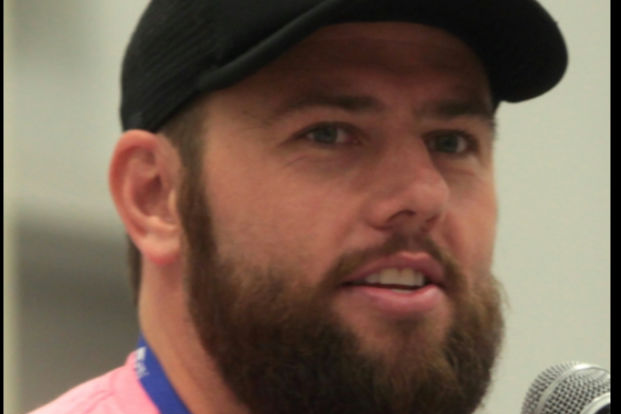
Shay Carl Butler became one of the leading figures in the family-vlogging movement, documenting daily life with his family on the wildly popular Shaytards channel. The vlogs helped launch Maker Studios, which later sold to Disney and became a defining moment in YouTube business history. After years of near-daily uploads, Shay stepped back from YouTube following personal struggles and the pressure of constant public attention. In recent years, he has returned occasionally with reflective updates and creative projects but no longer maintains a high-volume vlog schedule. His life today is centered more on family and personal growth than online fame, marking a major shift from his early role as one of YouTube’s most visible creators.
20. Hannah Hart (My Drunk Kitchen)
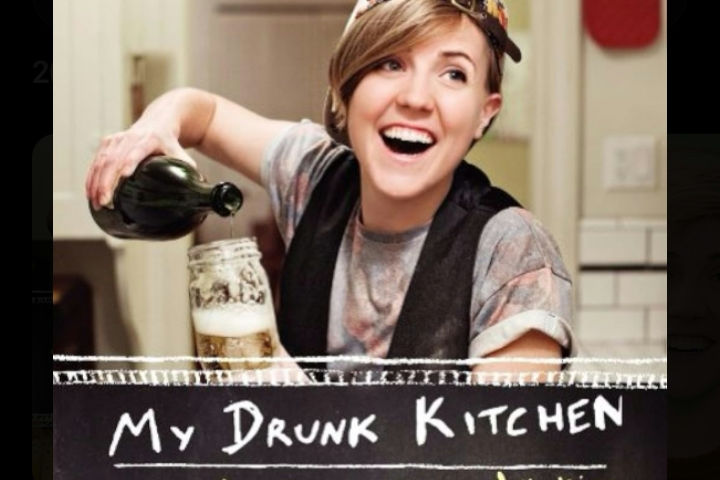
Hannah Hart first gained popularity in 2011 with “My Drunk Kitchen,” a comedic cooking series that quickly became a favorite on early YouTube. Her honest humor, improvisation, and warm personality made her stand out, leading to a published memoir, a scripted series, and appearances across digital and traditional media. Over time, Hannah expanded her content to include lifestyle topics, mental health advocacy, and collaborations with fellow creators. Today she continues to produce videos and podcasts while engaging in philanthropic and LGBTQ+ community work. Her career shows how a simple, funny idea filmed in a small apartment kitchen can evolve into a multifaceted creative life.
21. Bo Burnham
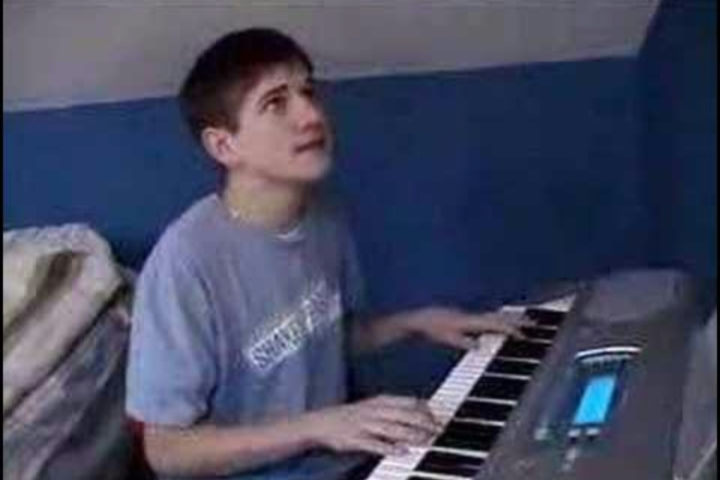
Bo Burnham began his career in 2006 by posting comedic songs recorded in his bedroom, quickly becoming one of YouTube’s first breakout musical comedians. His sharp writing and self-aware humor led to a record deal, national tours, and multiple acclaimed comedy specials. Over time, Bo stepped away from YouTube and live performance due to anxiety, redirecting his creative energy into filmmaking. He wrote and directed the critically acclaimed film Eighth Grade (2018) and later created Inside (2021), a Netflix special filmed entirely in one room during lockdown. Bo rarely posts online now, choosing private creative work over internet visibility, but his influence remains strong as one of the earliest creators to successfully transition into mainstream entertainment.
22. Colleen Ballinger (Miranda Sings)
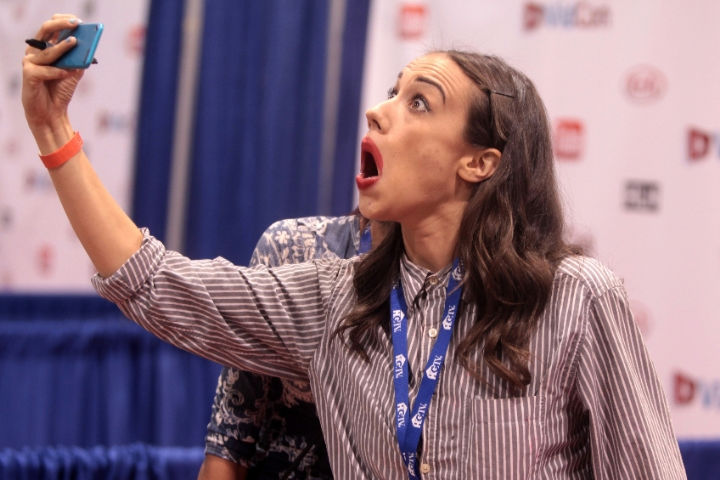
Colleen Ballinger became famous for the comedic character Miranda Sings, a deliberately off-key, overly confident performer who parodied internet talent culture. The character grew into a global sensation, leading to tours, a Netflix series, and millions of devoted fans. In recent years, Colleen faced significant public scrutiny over accusations related to interactions with fans, prompting a major shift in her online activity. While she continues to post selectively and maintains a following, she has stepped back from the intense touring and character-centered performances that once defined her career. Her story reflects both the heights and pressures of long-term digital fame, and how creators sometimes retreat to regain balance.
23. Rhett & Link
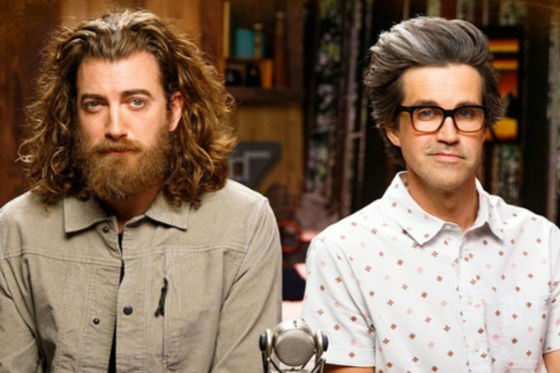
Rhett McLaughlin and Link Neal were early YouTube pioneers whose comedy sketches, music videos, and inventive ads gained attention before daily shows were common on the platform. Their major breakthrough came with Good Mythical Morning, a weekday variety show that blended humor, food challenges, and friendly banter. Unlike most early creators who slowed down or moved on, Rhett and Link built a full digital media company, Mythical Entertainment, expanding into podcasts, books, products, and multiple channels. Today they remain two of the most consistently successful creators from YouTube’s early era, running a multi-million-subscriber franchise that continues to grow. Their trajectory shows what long-term consistency and professionalization can look like on YouTube.
24. Philip DeFranco
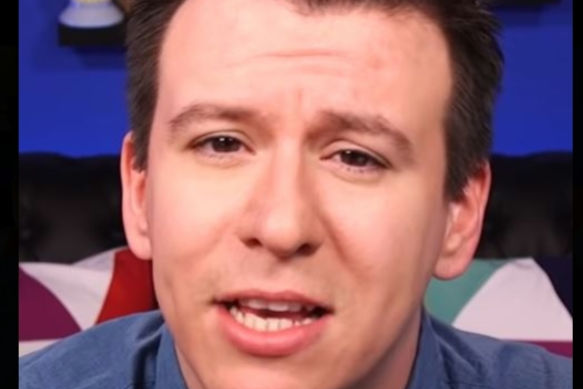
Philip DeFranco became one of YouTube’s earliest news commentators, gaining attention for his conversational breakdowns of daily events and internet culture. His show evolved over time into The Philip DeFranco Show, a structured, research-driven news program that still uploads regularly. Unlike many creators who left the platform, Philip built a full media operation, complete with a team of researchers, editors, and producers. He has also launched businesses and advocacy campaigns related to free speech and digital rights. While he occasionally takes breaks to prioritize health and family, he remains a steady voice in online news commentary. His endurance reflects how early creators who adapted professionally found long-term stability.
25. Sam Tsui
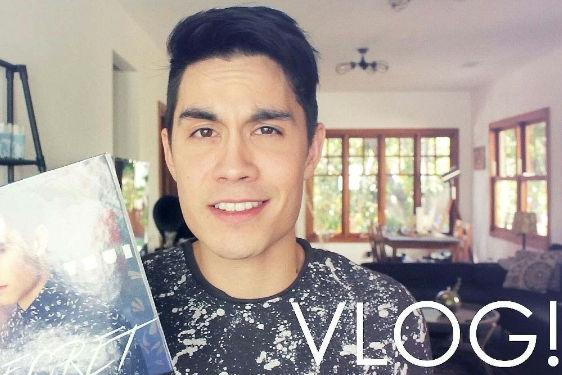
Sam Tsui gained recognition for polished musical covers and mashups produced with collaborator Kurt Hugo Schneider, becoming one of YouTube’s first highly produced pop cover artists. His impressive vocal arrangements and cinematic videos attracted millions of viewers and helped popularize a new era of music content online. Over time, Sam expanded into original music, world tours, and independent releases. Today he continues performing, recording, and collaborating with artists worldwide while maintaining a dedicated fan base. Though he posts less frequently than in the early 2010s, Sam remains active in music and uses YouTube as one part of a broader creative career rather than his sole platform.
26. Kurt Hugo Schneider
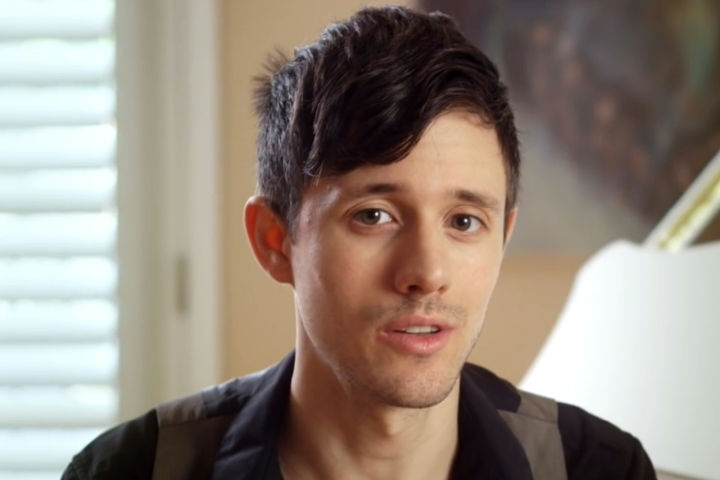
Kurt Hugo Schneider became one of YouTube’s most influential music producers, known for his polished one-take videos, inventive arrangements, and collaborations with artists like Sam Tsui, MAX, and Alex Goot. His ability to transform simple songs into cinematic performances helped redefine what music content could look like on YouTube. Over the years, he expanded into directing commercials, producing music for brands, and working with major-label artists. Kurt still posts creatively ambitious videos, but his career now spans professional production work far beyond the platform. His journey shows how technical skill and consistency can turn early YouTube success into a long-term career in entertainment.
27. Felicia Day
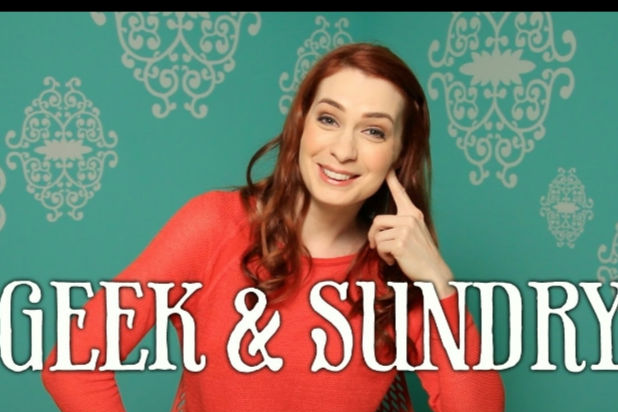
Felicia Day became a defining figure of early web entertainment through The Guild, a pioneering web series she wrote, produced, and starred in. The show, which humorously depicted online gaming culture, became a landmark in independent online storytelling. Later, Felicia founded Geek & Sundry, a digital network that helped grow the tabletop and geek-culture community on YouTube. Although she eventually stepped back from running the channel, she remains active as an actress, author, and creative producer. Today she continues appearing in series, writing books, and participating in fan events. Felicia’s path highlights how early digital creators helped shape entire online genres that still thrive today.
28. Jack Douglass (Jacksfilms)
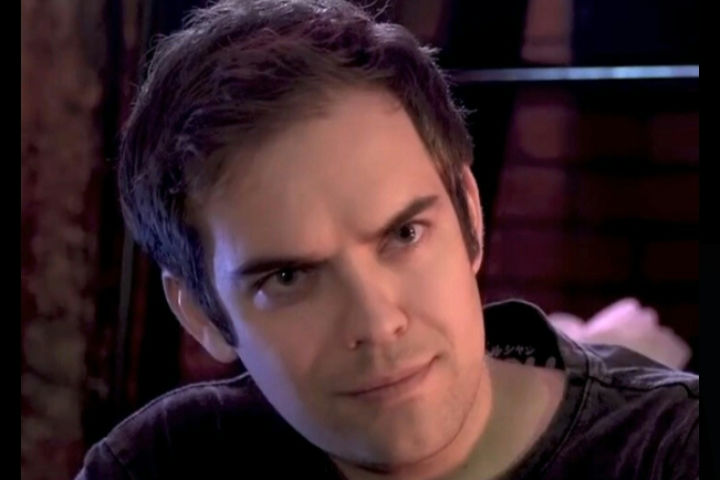
Jack Douglass rose to prominence with sharp comedy sketches, parody songs, and his long-running audience-interactive series YIAY (“Yesterday I Asked You”). His satirical takes on pop culture, grammar, and internet trends made him a staple of YouTube humor for more than a decade. In recent years, Jack has continued posting while branching into live shows, game development, and creative collaborations. His channel remains active, though his focus has diversified beyond short-form comedy into projects that reflect his evolving interests. Jack stands out as one of the few early comedy creators who maintained a consistent presence while adapting to major platform changes.
29. Liza Koshy
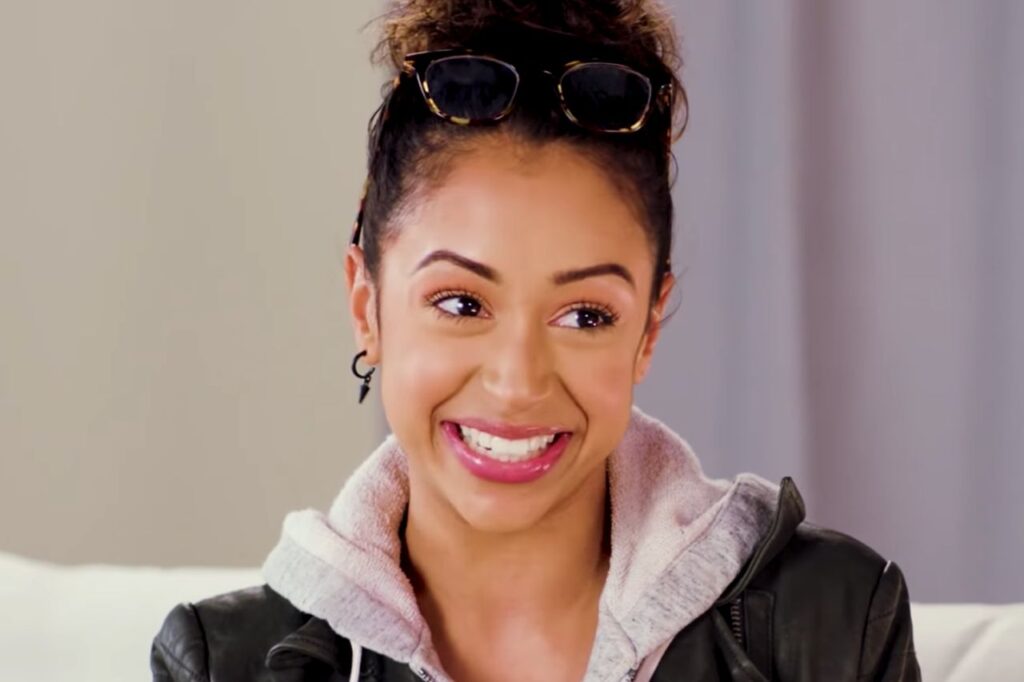
Liza Koshy began her career on Vine before becoming a major YouTube personality known for energetic comedy, physical humor, and character-driven sketches. Her soaring popularity opened doors into mainstream entertainment, including acting roles, voice work, and hosting gigs such as Nickelodeon’s Double Dare reboot and the Met Gala red carpet. As her offline career grew, she posted fewer YouTube videos, choosing projects that allowed her to expand creatively. Liza continues to act, produce, and host across television and film, showing how early digital talent can successfully transition into traditional media while still keeping a connection to their online roots.
30. Marques Brownlee (MKBHD)
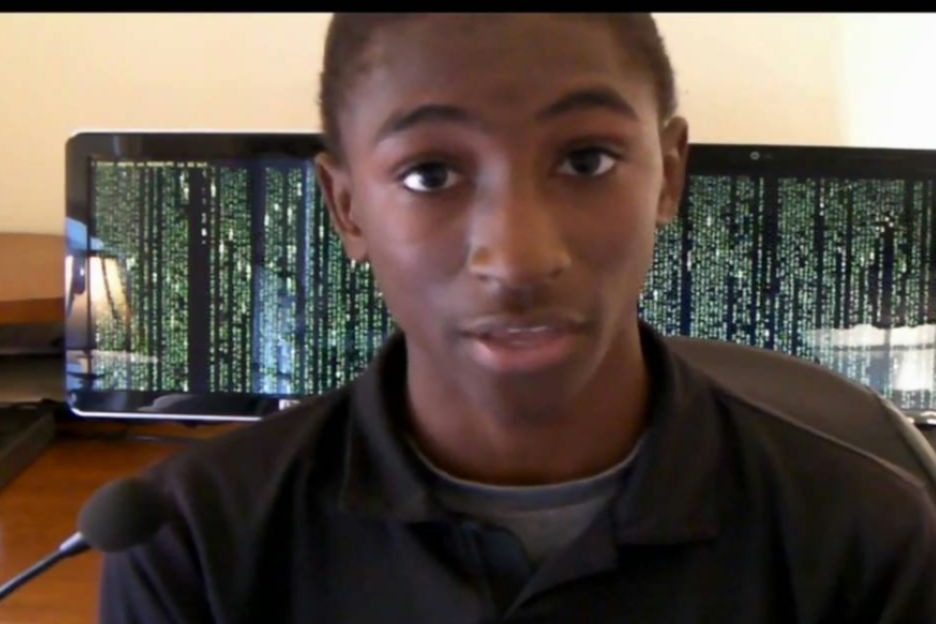
Marques Brownlee, known as MKBHD, began uploading tech videos in 2009 as a teenager reviewing software and small gadgets from his bedroom. His calm delivery, thoughtful testing, and steady improvement helped him rise from a small tech vlogger to one of the most respected reviewers in the industry. Over the years, he expanded into high-end camera gear, smartphone breakdowns, and interviews with figures like Elon Musk, Bill Gates, and President Obama. Today, Marques leads a full production team at his MKBHD studio, hosts the Waveform podcast, and continues to release some of the most polished tech videos on the platform. His career reflects how early creators who focused on quality, consistency, and expertise built long-lasting influence far beyond YouTube trends.
The earliest YouTube stars have taken remarkably different paths. Some built companies, some stepped quietly into private life, and others transformed their online beginnings into thriving careers in film, tech, or media. Their stories show how unpredictable and human the journey from early internet fame can be.
Thanks for reading, and if this walk down YouTube memory lane sparked any thoughts, feel free to share them in the comments.
This story Where Are They Now? 30 Stars From Early YouTube Who Built Completely New Lives was first published on Daily FETCH


