
1. From Toy Fair to Global Craze
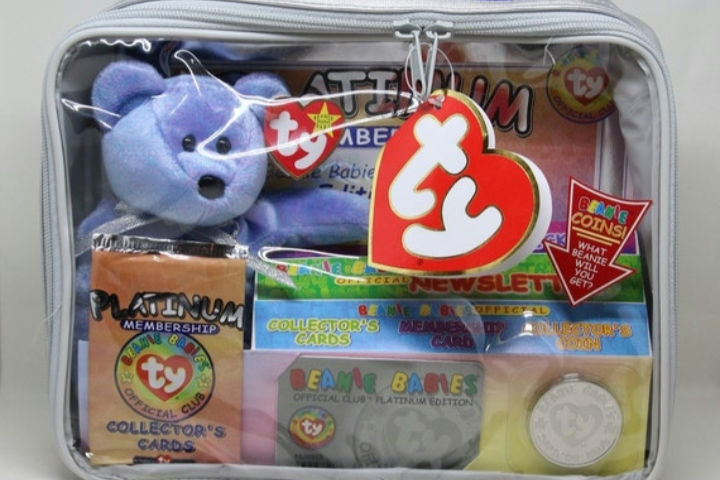
What started as a modest idea grew into a phenomenon. The first Beanie Babies were introduced in 1993 by Ty Inc. at the World Toy Fair in New York. Manufacturing began in 1994, and the toys, small, bean-filled animals, began selling in stores at about $5. Because of clever design (they were under-stuffed to be floppy and poseable) and the right marketing strategy, Beanie Babies quickly captured the hearts of children and collectors alike.
2. The “Scarcity” Strategy that Fueled the Boom
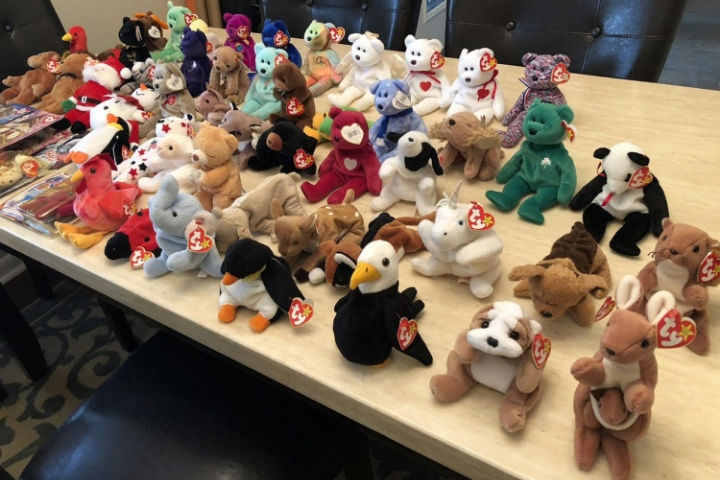
Part of what made Beanie Babies so desirable was how they were distributed. The company limited how many of each design any store could buy, and also “retired” designs periodically to create artificial scarcity. That scarcity made people feel like these toys might be rare someday, which drove demand higher and encouraged collecting and re-selling. At the height of their popularity, Beanie Babies were among the first toys to really leverage an early sense of “collectible mania.”
3. Mid-1990s Craze, Collectors, Kids, Everyone Jumped In
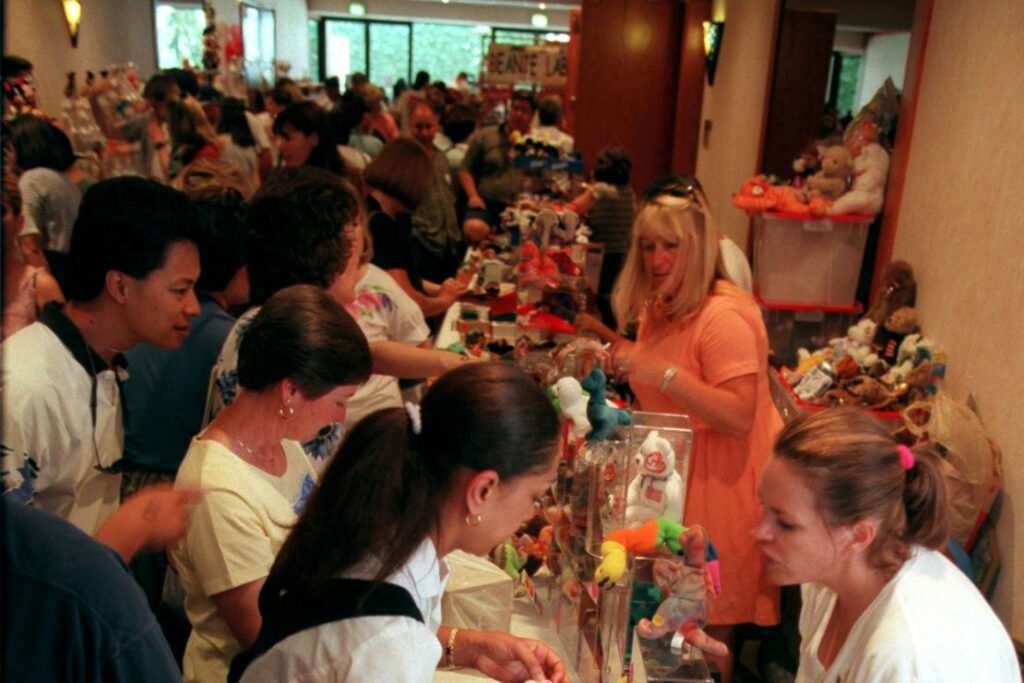
By the mid-1990s, Beanie Babies weren’t just toys, they had become a cultural phenomenon. Kids wanted them for play, while older buyers hoarded them believing they’d be worth even more over time. At that time, Beanie Babies even started to be seen as a kind of investment or collectible asset, not just a childhood toy.
4. The Bubble Begins to Burst in 1999
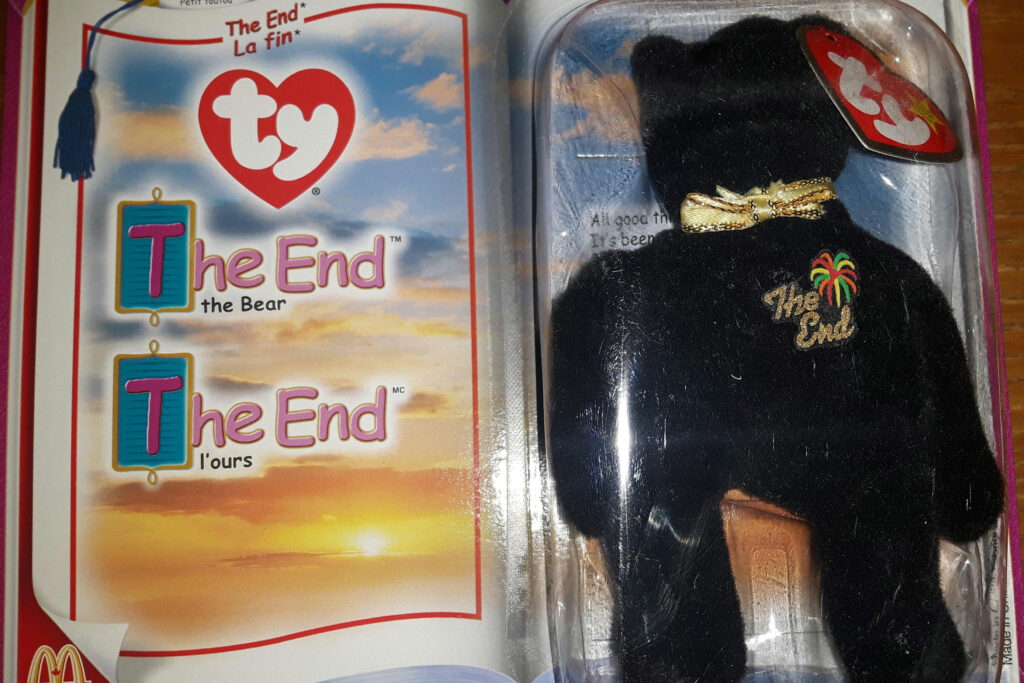
All booms have their busts. In 1999, Ty Warner and Ty Inc. shocked the toy world by announcing they would stop producing Beanie Babies, a move many interpreted as the end of the craze. This announcement triggered a final frenzy as collectors rushed to buy whatever they could, hoping to cash in before production ended. But soon after, the demand started to collapse.
5. Value Implodes, Most Beanie Babies Become Cheap Again

In the years that followed, the “investment value” of most Beanie Babies evaporated. Experts estimate that today somewhere near 99.9% of Beanie Babies are worth under $20 each. Unless a particular Beanie is rare, has unique features or errors, or remains in pristine condition, it’s unlikely to fetch much money on resale.
6. A Few Rare Beanies Still Hold Real Value
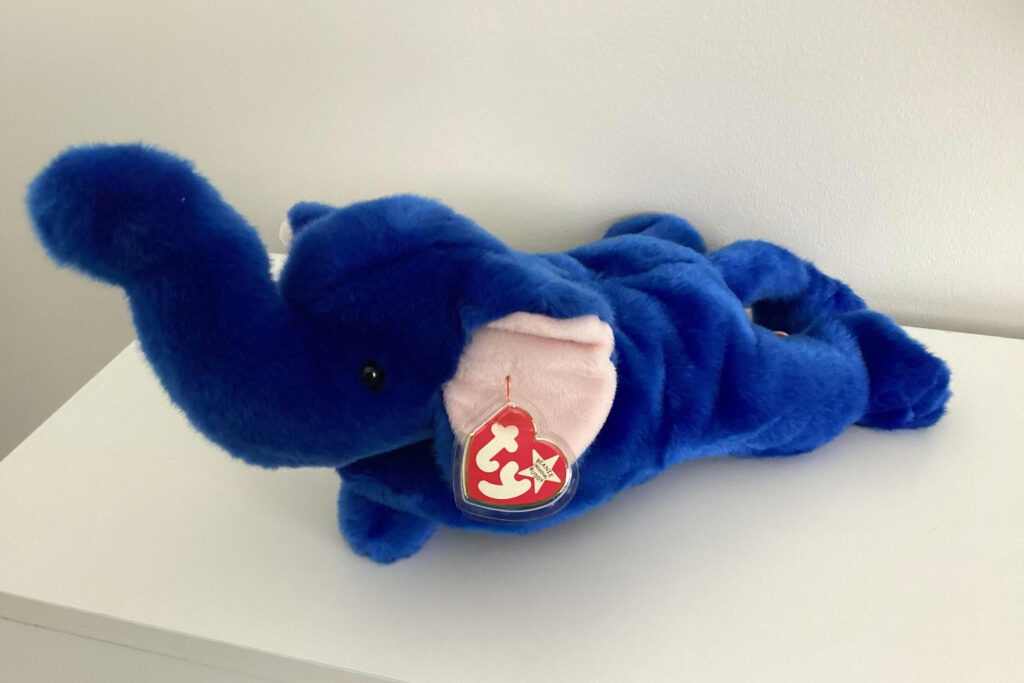
Even though the bubble burst, a tiny group of Beanie Babies still command notable prices, mostly because of production mistakes, early manufacturing runs, or historical tie-ins. Items like the Princess Diana Bear, the original Peanut the Royal Blue Elephant, and tag-error versions of Valentino or Garcia remain sought after by collectors. These are valuable not because of hype alone, but because they were produced in very limited batches or had variations that were quickly corrected. As a result, they’re much harder to find in mint condition today. While these outliers don’t represent the vast majority of Beanie Babies, they do show how specific, verifiable rarity, rather than speculation, is what drives real collector value in today’s market.
7. The Birth of Online Price Guides and Collector Communities
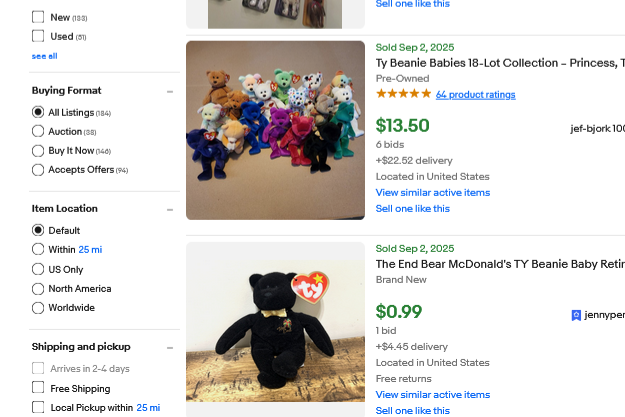
As the craze grew, so did the online communities built around tracking and understanding the toys’ values. Websites began publishing price guides, checklists, and retirement notices to help collectors keep up with demand. Even after the crash, many of these sites stayed active because they offered historical information, rarity breakdowns, and advice on authenticating Beanie Babies. Forums and Facebook groups later stepped in, keeping niche communities alive and preserving the history of the craze. These digital spaces became important because they shifted the conversation from speculation to documentation, allowing fans and collectors to focus on facts instead of rumors. Today, they help people evaluate their old collections accurately without falling for inflated resale myths.
8. Ty Inc. Rebooted Beanie Babies for a New Generation

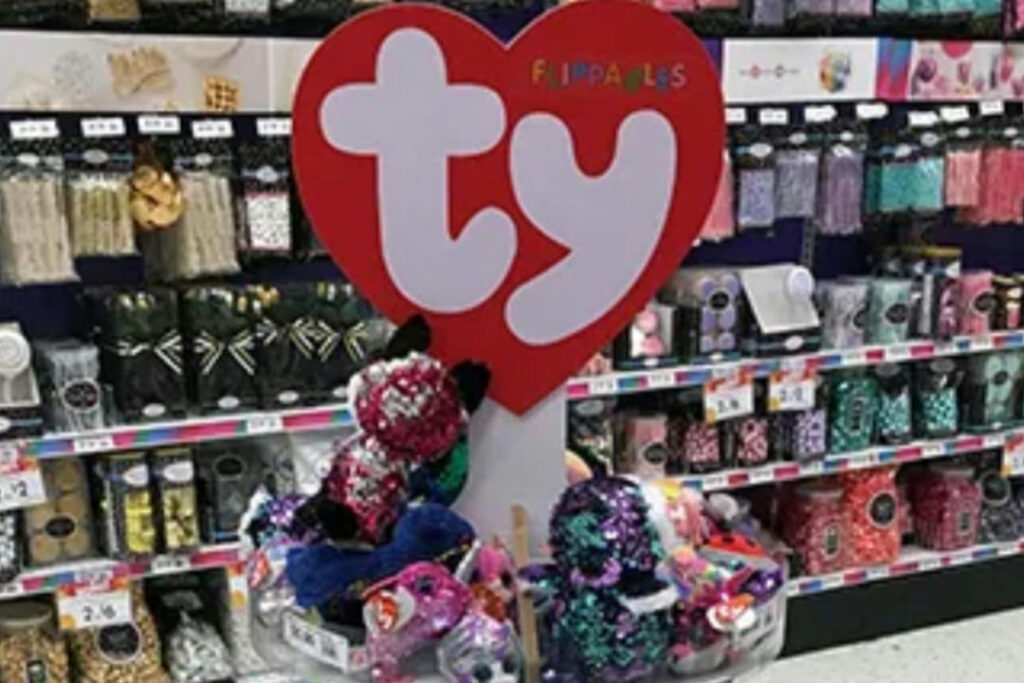
Although the original boom faded, Ty Inc. never fully abandoned the brand. Over the years, the company launched updated Beanie Baby lines, modern designs, and new plush collections to appeal to contemporary kids. These newer releases have a very different market environment, they’re more about being cute, affordable toys rather than investment pieces. This shift helped Beanie Babies re-enter toy aisles without the old speculation attached. Many of today’s designs feature brighter colors, larger eyes, and seasonal themes, reflecting how Ty adapted to changing tastes. While the new Beanies never recreated the 1990s hysteria, they successfully kept the brand alive for younger generations who simply enjoy them for play and collecting.
9. Secondhand Stores Became Their New Home
As their monetary value declined, Beanie Babies found a second life in thrift stores, charity shops, school fundraisers, and donation bins. Many people who once stored them in plastic cases eventually gave them away when they realized most weren’t worth much. Today, it’s common to find large bins of Beanie Babies at Goodwill or flea markets, usually priced at just a few dollars each. While this might seem like a fall from grace, it actually gave the toys renewed purpose. Children who couldn’t afford them during the 1990s can now enjoy them easily, and charity organizations often use donated Beanies as comfort items for kids. In many ways, the toys quietly returned to what they were meant to be, simple, lovable plush animals.
10. The Legacy, A Cultural Moment That Still Echoes
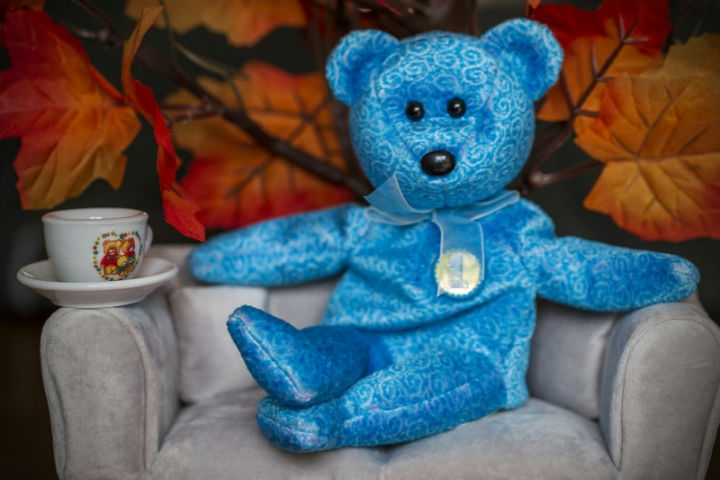
Even though their financial hype faded, Beanie Babies left a lasting cultural imprint. They became a symbol of 1990s America, a reflection of how rapidly trends could spread, and one of the first collectible booms shaped by early internet buzz. Their story is often cited alongside other collectible bubbles because it illustrates how scarcity, hype, and emotion can influence buying behavior. More importantly, the toys still spark nostalgia today, bringing back memories of childhood bedrooms, holiday gifts, and the thrill of searching store shelves for a new favorite. Their legacy lives on not in their market price, but in the millions of people who still remember the joy of owning one.
While their value didn’t last, the memories certainly did, and for many people, that’s what makes them timeless. If you ever collected them or still have a few tucked away, their story is a fun reminder of how one small toy once captured the world’s imagination.
Like this story? Add your thoughts in the comments, thank you.
This story Whatever Happened to Beanie Babies? was first published on Daily FETCH


