
1. The Rise of a Dolls Revolution
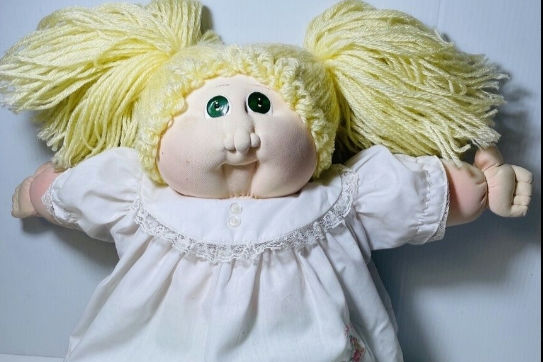
Come take a stroll down memory lane. The Cabbage Patch Kids began in the late 1970s as handmade “Little People” dolls by artist Xavier Roberts. In 1982, a licensing deal turned those handmade toys into a mass-produced doll line, and a global phenomenon was born. What made them revolutionary was that each doll was slightly different: thanks to a novel production process, each had unique features, hair, eye color, facial traits, making it feel like you were “adopting” a one-of-a-kind baby. Children and parents alike loved that sense of individuality, and suddenly these dolls weren’t just toys, they were special.
2. 1983: The Craze That Sparked Riots
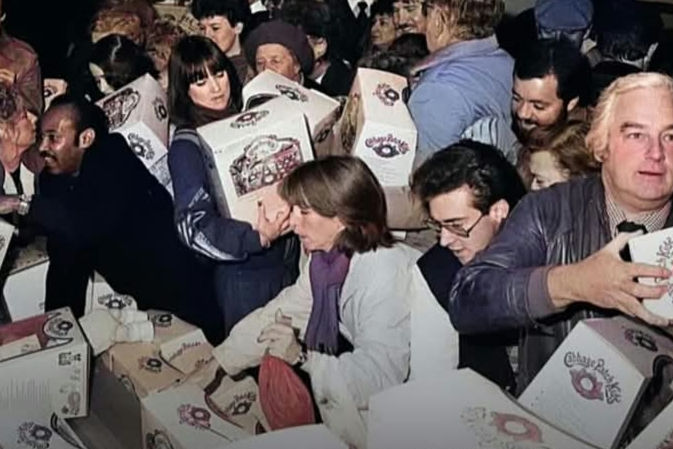
In 1983 the craze exploded, and not quietly. Demand went through the roof while supply was limited. Many stores carried only a few hundred dolls, yet thousands of customers showed up. As a result, chaotic scenes unfolded: shoppers camped overnight, scrambled into stores, and sometimes even fought one another to grab the dolls. One store reportedly sold out of dolls in about thirty-six seconds. The hysteria over Cabbage Patch Kids in 1983 set a blueprint for future holiday toy crazes, including what we now call “Black Friday.”
3. A Marketing Masterstroke: Adoption, Birth Certificates and Personality
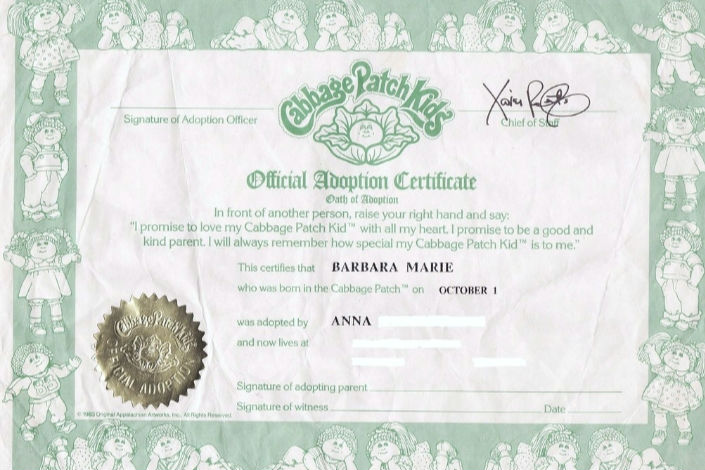
Part of the magic of Cabbage Patch Kids was emotional and imaginative, each doll came with a “birth certificate” and “adoption papers,” making the act of buying one feel like adopting a baby. That innocence and sense of belonging struck a chord: kids didn’t just want a toy, they wanted a “baby.” The fact that each doll was unique, thanks to varying facial features, skin tones, hair styles, added to the sense of individuality and fostered a special bond. For many, this turned a simple doll into a treasured keepsake.
4. Peak Success, And a Phenomenon That Would Reshape the Toy Industry
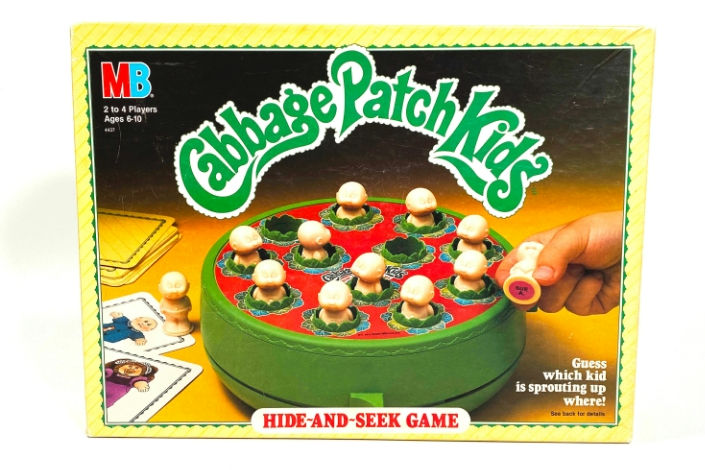
Between roughly 1983 and 1986, the Cabbage Patch Kids became arguably the most popular toy dolls in history. Their success wasn’t just about dolls, a whole universe of products followed: clothes, bedding, games, books. The sheer scale of popularity made the Cabbage Patch Kids a massive business success, turning the brand into a doll-making powerhouse that influenced how toys were marketed from then on.
5. Creative Origins, But With a Disputed Beginning
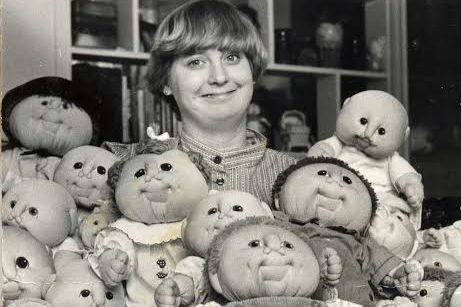
Interestingly, the story of the Cabbage Patch Kids doesn’t begin neatly with mass-production. The dolls’ conceptual roots trace back to the 1970s artist Martha Nelson Thomas, who crafted handmade “doll babies” with soft bodies and a nurturing feel, intended to look more like real babies than traditional dolls. Later, Xavier Roberts encountered her dolls at a craft fair, and though he started making his own version, Thomas felt he had appropriated her idea. The dispute led to a lawsuit in 1979; by 1985 they settled out of court. Whether by fate or controversy, the mainstream Cabbage Patch Kids sprang from those humble handmade originals, a testament to how small artistic ideas can become global crazes.
6. The 1990s Decline
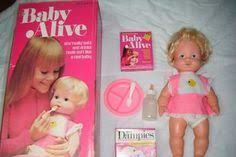
By the early 1990s the craze began to fade. Children’s interests shifted toward more interactive toys, electronic games, and trend cycles that moved much faster than the slower, handcrafted charm of the Cabbage Patch Kids. Hasbro took over production in 1990, but despite refreshed looks and new outfits, the cultural moment that once made the dolls irresistible had passed. Meanwhile, competing doll brands, including Baby Alive and Barbie’s expanding universe, pulled more attention on store shelves. The Cabbage Patch Kids still sold in steady numbers, but the frenzy was gone. What was once a runaway phenomenon settled into a quiet, loyal niche as newer toy innovations dominated the decade.
7. Collector Market Value Rises
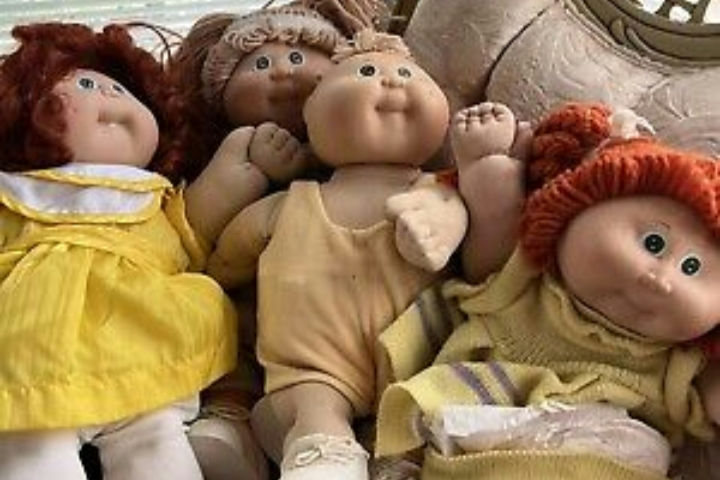
As the original craze faded, something surprising happened: early-generation Cabbage Patch Kids started increasing in collector value. First-run 1983 Coleco dolls in mint condition, especially those with original boxes and adoption papers, began commanding high prices on eBay and at toy fairs. Certain rare features, like unusual hair colors, specific head molds, or limited-run outfits, boosted value even more. Collectors also kept an eye out for Xavier Roberts-signed soft-sculpture versions, which were handmade and far rarer than their mass-produced counterparts. While most dolls are still affordable, select models have sold for hundreds or even thousands, turning childhood favorites into nostalgic investments.
8. New License Holders Keep the Brand Alive
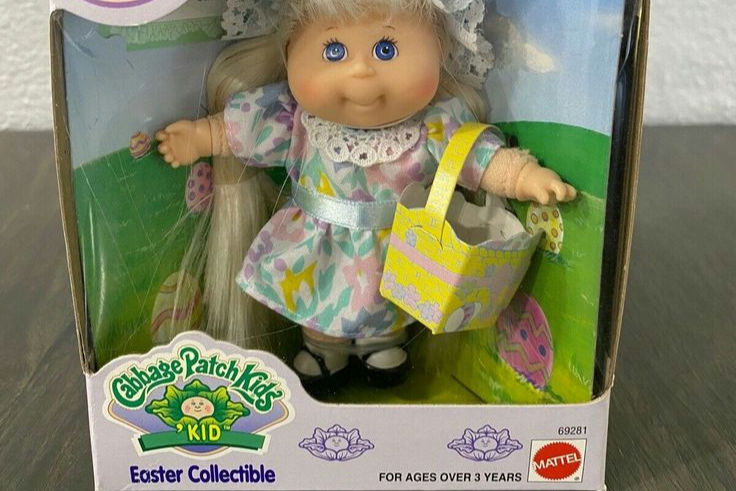
After Hasbro’s run, the brand changed hands multiple times, with companies like Mattel and later Jakks Pacific reviving the line for new generations. Each company tried different strategies, updated hairstyles, diverse facial designs, modern clothing, and themed releases tied to pop culture trends. These reboots kept the Cabbage Patch Kids visible in stores, especially during holiday seasons, but none reached the fever pitch of the 1980s. Still, each revival showed that the dolls had staying power. Even without massive hype, they continued to appeal to families who appreciated their gentle, adoptive-play concept and soft, huggable designs.
9. The BabyLand General Hospital Experience
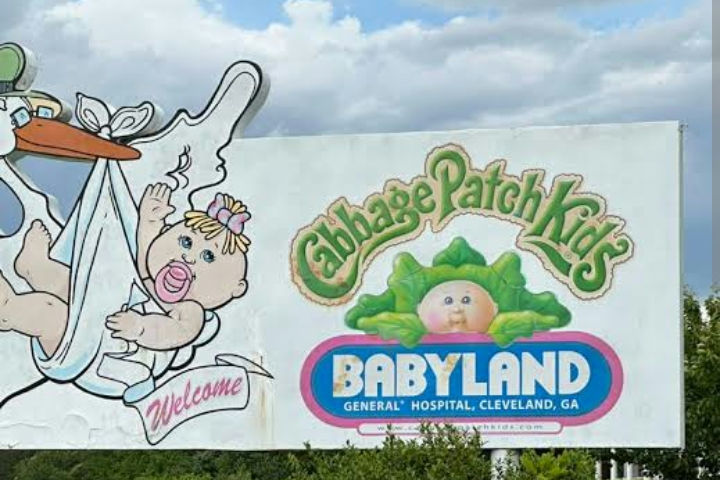
One of the most unique parts of the Cabbage Patch world is BabyLand General Hospital in Cleveland, Georgia, the “birthplace” of the dolls. There, staff dressed as nurses perform playful “delivery” ceremonies as new soft-sculpture dolls emerge from a giant cabbage patch. Families can “adopt” dolls on-site, complete with personalized certificates and photo moments. Over the years the hospital has become a tourist attraction, drawing visitors from around the world who want to relive childhood memories or share the tradition with their children. Even as trends shift, BabyLand remains a reminder of the whimsical storytelling that made the dolls special.
10. The Craze Lives On Through Nostalgia
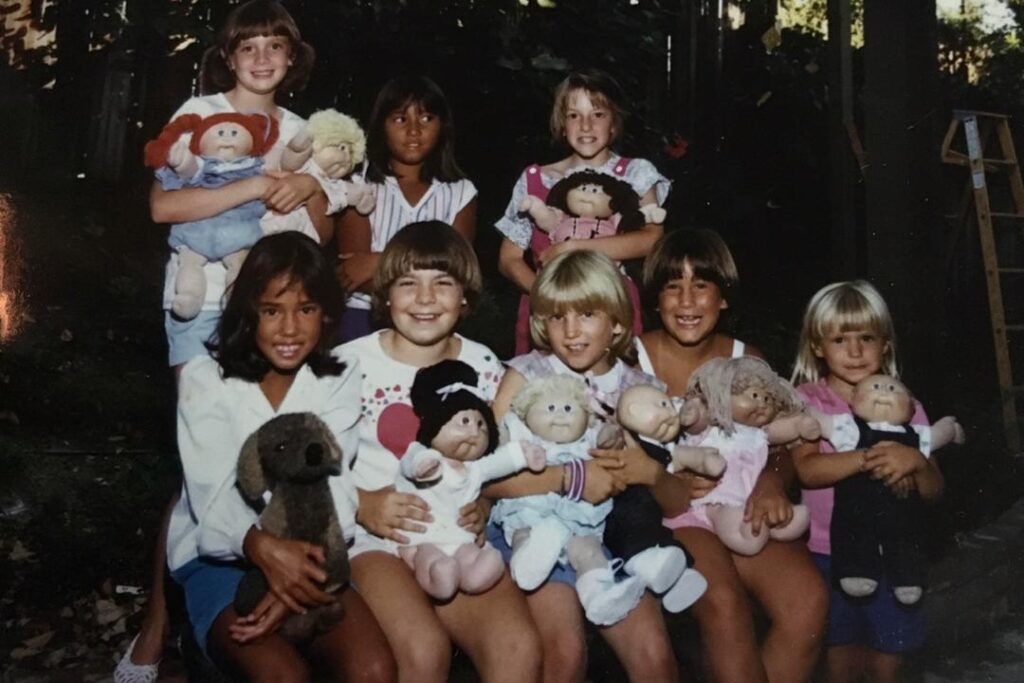
Today the Cabbage Patch Kids craze lives on mostly through nostalgia, social media posts, YouTube unboxings, retro toy groups, and people sharing stories of the doll they cherished growing up. While new generations may not experience the wild shopping scenes of 1983, the emotional connection remains strong. The dolls continue to sell in specialty stores, toy aisles, and online, supported by collectors and families who appreciate their history. For many, the Cabbage Patch Kids symbolize a moment in time when toys sparked imagination, warmth, and community, and that legacy keeps the brand alive decades later.
The Cabbage Patch Kids craze may never return to the intensity of its 1980s heyday, but its impact endures. Their story is a reminder of how simple, heartfelt ideas can inspire generations, and why some childhood favorites never truly disappear.
This story Whatever Happened to the Cabbage Patch Kids Craze? was first published on Daily FETCH


