
1. Oversight of foreign food facilities is at a historic low
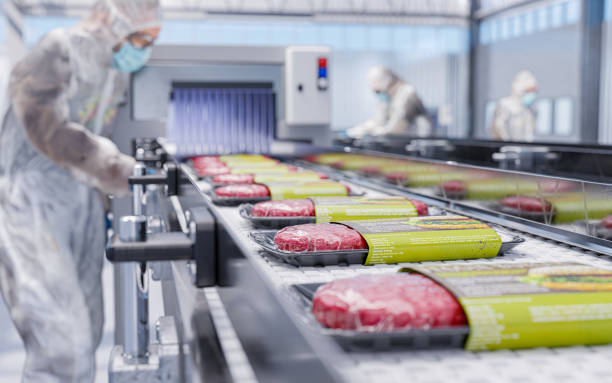
Food keeps us alive, but only when it’s safe. Increasingly, a mix of shifting rules, shrinking oversight, stretched supply chains, and global pressures are making parts of our food system more fragile. In 2025, inspections of foreign food facilities by U.S. Food and Drug Administration (FDA) dropped to their lowest levels since 2011 (excluding pandemic years). The collapse followed major staffing cuts under the previous U.S. administration, investigators lost support staff and had to arrange their own travel and visas to inspect overseas facilities. With fewer visits abroad, risky conditions in foreign factories, ranging from cracked, stained conveyor belts to insect infestations, are far more likely to go unnoticed. As global trade continues to feed much of the world’s food supply, the sharp decline in inspections places millions at greater risk of foodborne illness.
2. Critical traceability rules are being delayed or weakened
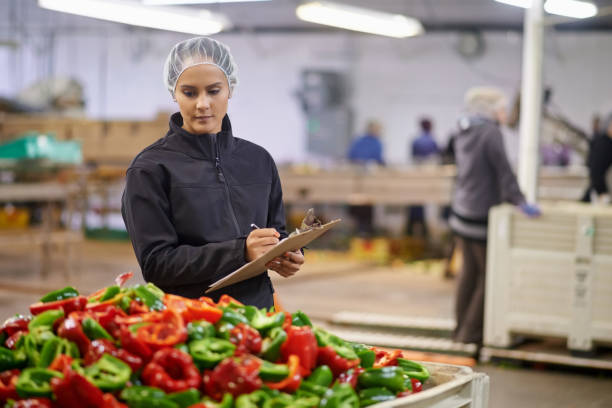
Efforts to strengthen traceability, the ability to track food from farm to fork, are under threat. For example, proposed rollbacks or delays to the food-traceability rule from the Food Safety Modernization Act (FSMA) would weaken investigators’ ability to quickly trace and contain outbreaks. Without detailed records at every stage, production, processing, transport, contaminated food can easily cross borders and reach consumers before regulators discover anything wrong. This erosion of traceability undermines a key tool in fighting food-borne illnesses and makes prevention far harder.
3. Environmental stressors raise contamination risks
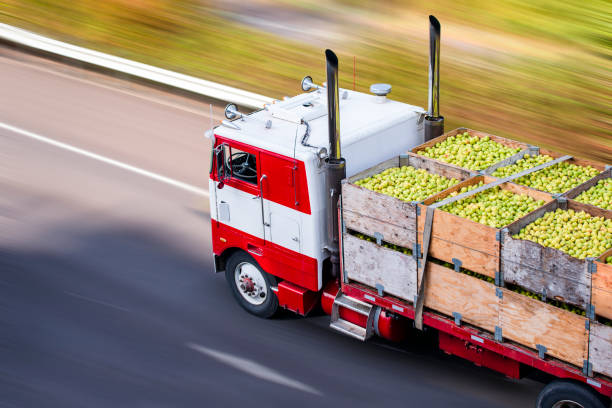
A range of large-scale forces, climate change, water contamination, conflict, erratic infrastructure, and global supply-chain disruptions, are degrading food safety worldwide. For example, when supply lines are disrupted, power failures or transport delays can compromise cold-chain storage, leading to spoilage or bacterial growth in perishable foods. In regions already stressed by environmental degradation or instability, food producers may lack the resources to maintain strict safety protocols, putting consumers at risk of contamination through microbial pathogens, pesticides, or other chemical residues.
4. Foodborne illnesses continue to affect hundreds of millions worldwide

Unsafe food remains a major global health threat. According to World Health Organization (WHO), contaminated food, whether by bacteria, viruses, parasites or chemical substances, causes more than 200 diseases, ranging from diarrhoea to cancer. Worldwide, about 600 million people fall ill annually because of foodborne illnesses; roughly 420,000 die each year, with children under five bearing a heavy portion of the burden. As standards weaken, rise of industrialized food systems and increasingly complex global supply chains make these statistics even more worrying, especially in countries with limited regulatory oversight.
5. Regulatory gaps let chemical and environmental contamination slip through
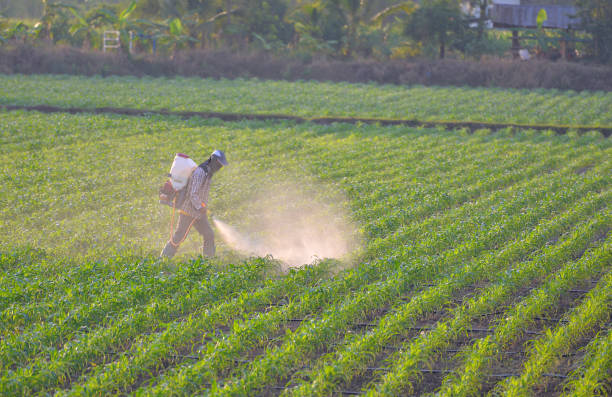
Food safety isn’t just about microbes, chemical and environmental contaminants are creeping in too. Pesticides, toxins, and pollutants from farmland or polluted water can end up in produce or animal products, especially when regulatory enforcement is lax. Studies have long warned that chemical contamination can lead to chronic illness or even cancer over long-term exposure. In contexts where oversight is weakened, testing and enforcement may not keep up with these emerging threats, meaning contaminated food can reach stores and homes with little warning.
6. Shrinking budgets are reducing routine inspections

Many national and regional food-safety agencies are operating with tighter budgets, which has led to fewer routine inspections and slower responses to contamination risks. When health departments and regulatory bodies are understaffed, they struggle to monitor restaurants, food processors, and agricultural producers as frequently as needed. In some countries, inspection cycles have stretched from once a year to once every several years, allowing problems like unsanitary equipment, improper storage, or pest activity to go unnoticed. Reduced funding also limits laboratory testing for pathogens, chemical residues, and allergens, meaning contaminated products can slip through the system unchecked. These gaps create a ripple effect: consumers face higher risks, outbreaks take longer to detect, and food businesses receive fewer opportunities to correct unsafe practices before they escalate.
7. Labor shortages are pushing producers to cut corners
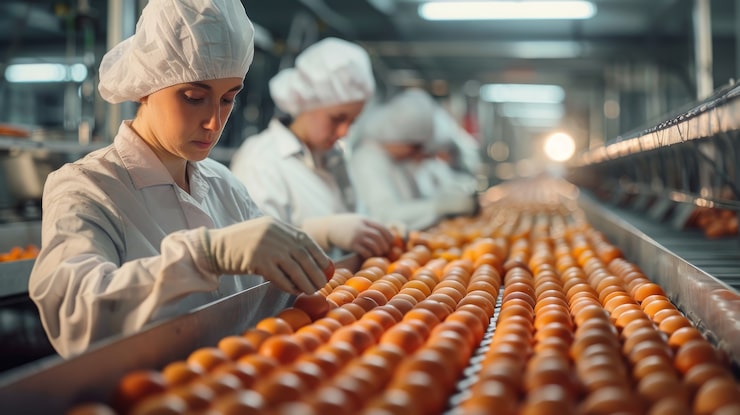
Labor shortages across farms, processing plants, and distribution centers are leading to compromised safety practices. When facilities are understaffed, remaining workers must handle larger workloads, which increases the chances of mistakes such as improper cleaning, rushed quality checks, or inconsistent temperature monitoring. In agriculture, fewer trained workers mean crops may be harvested, washed, or stored without proper oversight. Some companies also rely on temporary or inexperienced staff who receive minimal food-safety training, raising the risk of cross-contamination. These pressures have grown in recent years due to aging workforces, migration shifts, and economic constraints. The result is a system where the people responsible for food safety are stretched thin, and basic safeguards may be skipped simply to keep production moving.
8. Antibiotic resistance is weakening protections in the food supply
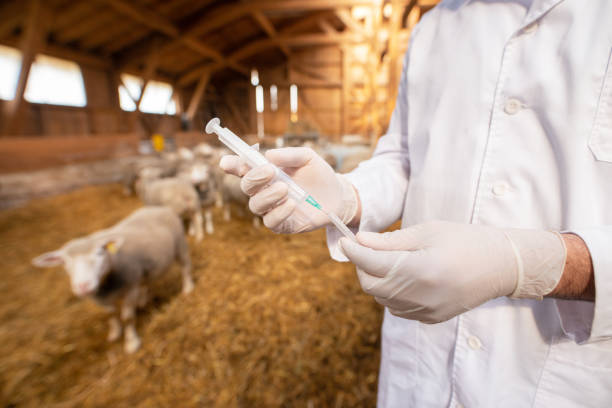
The widespread use of antibiotics in livestock farming is fueling antimicrobial resistance, which reduces the effectiveness of treatments for infections linked to contaminated food. When animals are routinely given antibiotics, sometimes for growth promotion rather than medical need, drug-resistant bacteria can develop and enter the food chain through meat, eggs, or dairy. These bacteria may then survive cooking mishaps or contaminate surfaces in home kitchens, posing health risks to consumers. Public-health organizations have warned that this trend threatens global progress in reducing foodborne illnesses. As resistant strains spread, outbreaks become harder to control, treatments become less effective, and the need for stricter regulation grows. Unfortunately, in many regions, enforcement of antibiotic-use limits remains inconsistent or weak.
9. New pathogens are emerging faster than regulations can adapt
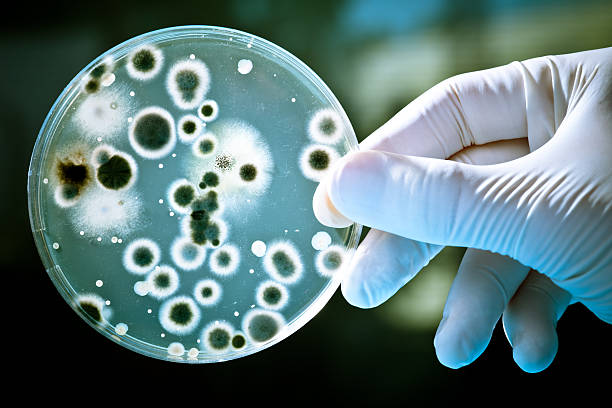
Climate change, global travel, wildlife encroachment, and industrial food production are accelerating the emergence of new pathogens that contaminate food. Microorganisms that once struggled to survive in cooler environments can now thrive in warmer, wetter conditions, affecting crops, seafood, and livestock. At the same time, pathogens move between regions more quickly due to global trade. Regulators often need years to establish monitoring rules, testing methods, and enforcement guidelines for new threats, leaving long periods where foods are not fully screened. This lag creates windows of vulnerability where contaminated products can enter markets unnoticed. Scientists also warn that some emerging pathogens evolve rapidly, challenging existing detection tools and making outbreaks harder to prevent or contain.
10. Corporate consolidation limits transparency and accountability
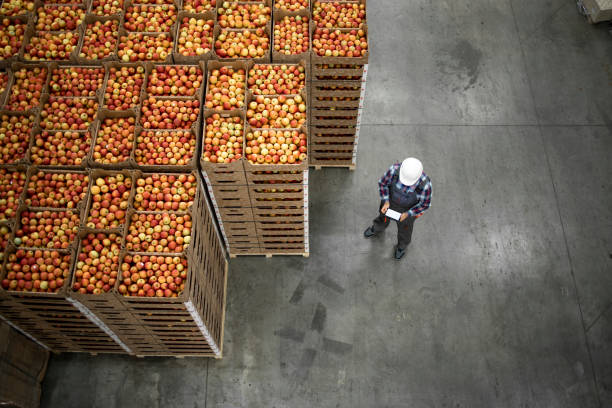
As a few large corporations dominate major parts of the global food supply, from meatpacking to produce distribution, transparency becomes harder to achieve. Consolidated operations often span multiple countries, subcontractors, and processing sites, making oversight more complex. When just a handful of companies control massive segments of the market, safety failures in a single facility can affect millions of products. Some critics argue that large producers may also have more influence over regulators, potentially slowing new safety requirements or loosening oversight. Smaller farms and processors may struggle to compete, reducing diversity in the system and leaving consumers more dependent on centralized supply chains. This level of consolidation means one breakdown in safety protocols can have widespread consequences.
11. Climate change is increasing contamination risks
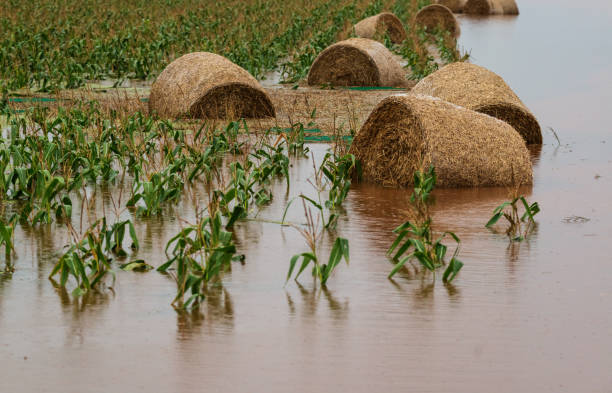
Rising temperatures, frequent floods, and shifting weather patterns are creating new pathways for contamination across the food chain. Floodwaters can introduce pathogens, industrial waste, and animal waste into fields, which then cling to crops. Heatwaves strain cold-storage systems and transportation networks, allowing bacteria such as Salmonella and E. coli to multiply faster in perishable foods. Seafood is also affected as warmer waters boost harmful algal blooms and marine toxins. These environmental changes put pressure on farmers and distributors who must adapt quickly to conditions they were not previously prepared for. Without updated guidelines and strong monitoring systems, the risk of contamination increases as climate-related extremes become more common.
12. Loopholes in labeling allow unsafe products to slip through
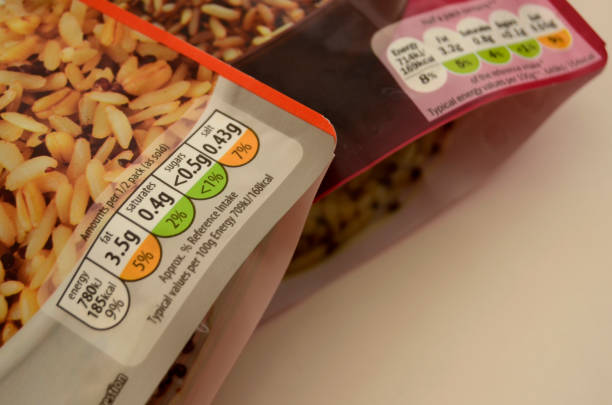
Food labeling is meant to give shoppers clear information, but regulatory gaps often allow vague or incomplete disclosures that hide safety concerns. Some countries allow terms like “natural” or “organic” without requiring proof of production standards. Others let companies avoid listing certain additives or processing aids if they appear in small amounts, even though these may still pose risks for sensitive consumers. Imported foods sometimes follow different labeling rules entirely, creating confusion about allergens, preservatives, or country-of-origin safety standards. When labels lack transparency, buyers cannot easily identify products that may have contamination histories, risky ingredients, or inadequate handling practices. These loopholes weaken consumer protection and reduce accountability across the supply chain.
13. Outdated infrastructure increases contamination during processing
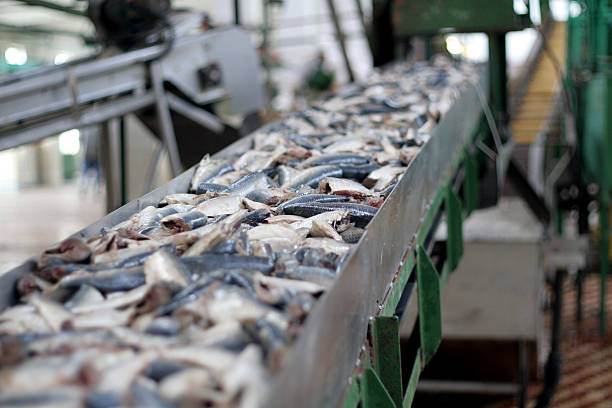
Many food-processing facilities, especially older ones, struggle with aging equipment and outdated sanitation systems. Cracked floors, worn conveyor belts, rusting machinery, and hard-to-clean corners can harbor bacteria that survive routine cleaning. Outdated ventilation can allow mold growth, while unreliable temperature controls may compromise refrigerated storage. Upgrading these systems is expensive, so some facilities delay repairs or rely on temporary fixes that don’t fully address the safety risks. When regulators are stretched thin, such issues can persist unnoticed for years. As infrastructure degrades, the likelihood of cross-contamination rises, affecting everything from meat and dairy to packaged goods. This makes modernization critical for preventing preventable foodborne illnesses.
14. Global trade increases the speed and scale of contamination spread
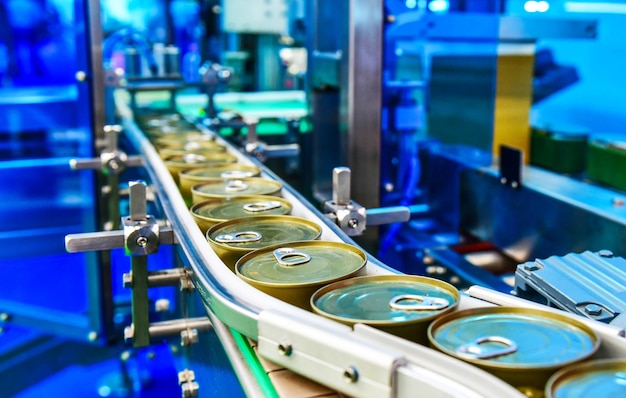
Foods today travel farther and faster than ever, but this global movement also increases the chances of contamination spreading widely before anyone detects it. A single batch of contaminated produce can reach dozens of countries in a matter of days. Shipping delays, fluctuating temperatures, and inadequate storage conditions can worsen contamination risks during transit. Meanwhile, exporting countries may have different safety standards, meaning that products entering global markets aren’t always inspected to consistent levels. Outbreak investigations become much more complicated when ingredients come from multiple nations, each with its own documentation requirements. As international trade continues expanding, weak spots in the chain can magnify even small safety lapses.
15. Rapid growth of online food sales complicates safety monitoring

The surge in online grocery shopping, meal kits, and home-delivered foods has created new challenges for safety oversight. Unlike traditional stores, many e-commerce distributors rely on third-party couriers, unregulated storage hubs, or long delivery windows where food may not be kept at safe temperatures. Packaging can be damaged in transit, and perishable items may sit outside for hours before being picked up by customers. Smaller online sellers, including home-based businesses, may not be subject to the same safety audits as larger retailers. Regulators are still catching up, leaving gaps where the origin, handling, and temperature history of food may not be properly tracked. As online food sales expand, monitoring these risks becomes increasingly complex.
Food safety is a shared responsibility, but right now many of the systems meant to protect consumers are under growing strain. Understanding where standards are slipping is the first step in supporting safer practices and encouraging stronger protections.
Like this story? Add your thoughts in the comments, thank you.
This story 15 Ways Food Safety Standards Are Weakening Right Now, and What’s Driving It was first published on Daily FETCH


